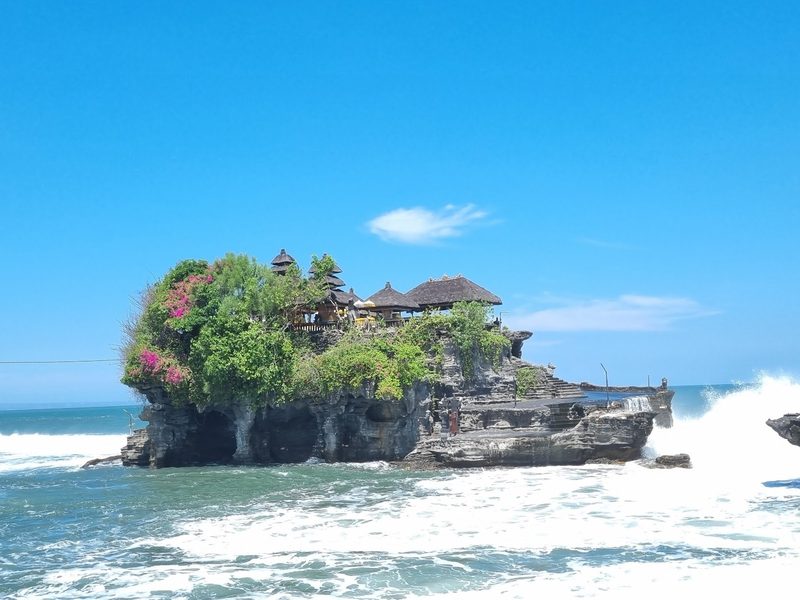
About
Bagaj bandından valiz alınmadan önce havadaki koku fark ediliyor: tütsü, frangipani çiçeği, ıslak toprak ve uzaktan gelen mangal dumanı iç içe geçiyor. Kapı eşiklerine her sabah bırakılan canang sari — palmiye yaprağından örülü, üzerine çiçek ve pirinç tanesi konmuş küçük sunular — adanın gündelik ritmini daha havalimanından belli ediyor.
Endonezya'nın 17.000'i aşkın adasından biri olan Bali, yüzölçümü bakımından Antalya iline yakın ama coğrafyası yoğun: Agung ve Batur gibi aktif yanardağlar, Tegallalang'ın basamaklı pirinç tarlaları, kuzey ve doğu kıyılarındaki mercan resifleri, binlerce köy tapınağı ve güneydeki sörf sahilleri aynı adada, çoğu zaman birbirine bir scooter sürüşü mesafesinde sıralanıyor.
Nüfusun büyük bölümü Hindu; Endonezya dünyanın en kalabalık Müslüman nüfusuna sahip ülke olsa da Bali bu genellemenin dışında kalıyor. Ada kendi Hindu-Bali kozmolojisini sürdürüyor: her hanenin bir aile tapınağı (pura) var, her banjar (mahalle birliği) kendi törenlerini düzenliyor, takvim yıl boyunca odalan (tapınak yıldönümü) ve galungan gibi bayramlarla dolu.
Coğrafi olarak ada dört bölgeye ayrılıyor: güneyde sahil ve gece hayatı yoğunluğu (Kuta, Seminyak, Canggu, Uluwatu), ortada kültür ve tarım (Ubud çevresi), kuzeyde şelaleler ve daha sakin kıyı (Munduk, Lovina), doğuda yanardağ eteklerinde geleneksel köyler. Bölgeler arası mesafe araçla iki üç saat, ama güney bölgesinin trafik yoğunluğu bu süreyi kolayca ikiye katlıyor.
Son on yılda Canggu, dijital göçebe nüfusuyla birlikte co-working alanları ve smoothie bowl kafeleriyle tanınan bir bölgeye dönüştü; bu değişim fiyatları bir miktar yukarı çekti. Buna rağmen bir warung'da (yerel lokanta) tam öğün 1-2 dolara karşılık geliyor, aynı gün batımı bir beach club'da 20 dolarlık kokteylle de izlenebiliyor.
Bali'ye "bir hafta yeter" diyerek gelip vizesini uzatan, scooter kiralayan, villa tutan gezginlerin sayısı az değil — planlama yaparken bunu hesaba katmakta fayda var.
When to Go
Bali ekvatora yakın, sıcaklık yıl boyunca büyük değişmiyor. Ayrım nem ve yağıştan geliyor; iki mevsim ziyaret deneyimini belirgin biçimde farklılaştırıyor.
Nisan - Ekim (Kuru Sezon): Nem düşüyor, yağış seyrekleşiyor, batı kıyısındaki dalgalar sörf için düzenli hale geliyor. Temmuz-Ağustos Avustralya'dan gelen tatilci akınıyla en yoğun dönem, Hotel fiyatları bu iki ayda tepe yapıyor. Nisan-Mayıs ve Eylül-Ekim aynı iklimi daha az kalabalıkla sunuyor.
Kasım - Mart (Yağmur Sezonu): Günde bir ile üç saat arası tropikal sağanak düşüyor, geri kalan saatler çoğunlukla açık geçiyor. Pirinç terasları bu aylarda en yoğun yeşil rengini alıyor, Hotel fiyatları yüzde 30-50 geriliyor. Batı sahillerinde (Kuta, Canggu) dalga boyu bu dönemde artıyor. Ocak-Şubat en yağışlı iki ay.
Nyepi uyarısı: Bali Hindu Yeni Yılı olan Nyepi gününde (tarih Saka takvimine göre her yıl değişir, genellikle Mart) tüm ada 24 saat kapanıyor — havalimanı dahil. Hotelden çıkış yasak, elektrik ve internet kesiliyor. Bu günü bilmeden planlayan bir gezgin için program tamamen bozulabilir; bilerek gelen için ise adanın başka hiçbir zaman yaşamayacağı bir sessizlik deneyimi sunuyor.
İlk kez gidenler için Mayıs veya Eylül aylık dengeyi (hava, fiyat, kalabalık) en iyi tutuyor. Bütçe önceliği olanlar Kasım veya Mart'ı (Nyepi günü hariç) değerlendirebilir. Sörf planlıyorsanız kuru sezon tercih sebebi.
How to get there
İstanbul'dan Bali'ye direkt uçuş bulunmuyor, aktarma rotalarından geçmek gerekiyor: Singapore (Singapore Airlines, yaklaşık 4 saat + 2,5 saat), Kuala Lumpur (Malaysia Airlines/AirAsia, ~4,5 saat + 3 saat), Doha (Qatar Airways, ~5 saat + 9 saat) veya Dubai (Emirates, ~4,5 saat + 8,5 saat) üzerinden toplam seyahat süresi 14-20 saat arasında değişiyor.
Gidiş-dönüş ekonomi bilet ortalama 450-700 EUR bandında. Singapore veya Kuala Lumpur aktarmalı ucuz hat taşıyıcıları (Scoot, AirAsia) fiyat avantajı sağlıyor; Qatar Airways ve Singapore Airlines konfor tarafında öne çıkıyor. Temmuz-Ağustos ve yılbaşı dönemi fiyatların en yüksek olduğu haftalar.
Ngurah Rai Uluslararası Havalimanı (DPS) adanın güneyinde; Kuta'ya 15 dakika, Seminyak'a 30 dakika, Ubud'a 1-1,5 saat mesafede. Havalimanından şehre ulaşım seçenekleri:
- Airport taxi: Fixed price by region from the official taxi booth. Kuta 150,000 IDR, Seminyak 250,000 IDR, Ubud 350,000-450,000 IDR.
- Grab: Havalimanı çıkışında ayrılmış Grab bekleme noktası var. Fiyat önceden belli, genellikle Taxiden yüzde 10-20 daha ucuz.
- Hotel transferi: Çoğu Hotel ücretsiz veya uygun fiyatlı havalimanı transferi sunuyor, rezervasyon sırasında sorulabilir.
Güney bölgesindeki (Kuta-Seminyak-Canggu arası) trafik akşam saatlerinde ciddi yoğunlaşıyor; haritada 30 dakika görünen mesafe bu saatlerde 1,5 saate çıkabiliyor. Ubud'a gidilecekse gece geç saatlerdeki inişler trafiksiz yolu yakalamak için avantajlı.
Urban Transportation
Bali'de toplu taşıma ağı neredeyse yok; ulaşım büyük ölçüde bireysel araç kiralamaya dayanıyor.
000 IDR (~4,5-6,5 USD). Trafik dar yollarda yoğun akıyor, uluslararası ehliyetin motosiklet sınıfı (A sınıfı) teknik olarak zorunlu ve kaza sigortaları çoğunlukla scooter kazalarını kapsam dışı bırakıyor. Sürüş tecrübesi olmayanlar için risk yüksek.
Grab: Araç veya motosiklet (GrabBike) seçeneğiyle çalışan uygulama; fiyat önceden görünüyor ve GPS takibi var. Kısa mesafe araba 30.000-50.000 IDR, GrabBike 15.000-25.000 IDR civarında. Ubud merkezi gibi bazı bölgelerde yerel Taxi grupları Grab şoförlerinin girişini engelleyebiliyor.
Şoförlü araç kiralama: Günlük 500.000-700.000 IDR (~32-45 USD) karşılığında benzin ve şoför dahil sekiz on saatlik bir güzergâh sunuyor. İki dört kişilik gruplarda kişi başı maliyet scooterla yakınlaşabiliyor. Hotel üzerinden veya Klook gibi platformlardan rezerve edilebiliyor.
Taxi: Blue Bird filosu Taximetreli ve güvenilir kabul ediliyor; diğer Taxilerde metrenin açılıp açılmadığını kontrol etmek gerekiyor. Bazı bölgelerde sabit yüksek fiyat isteyen yerel Taxiciler bulunuyor, bu durumda Grab genellikle daha öngörülebilir seçenek.
Bisiklet: Ubud çevresinde pirinç tarlaları arasından geçen tur güzergâhları popüler. Bağımsız bisiklet sürüşü için yollar dar ve trafik düzensiz, organize turla gitmek daha güvenli.
Ubud ve çevresi (tapınaklar, teraslar, şelaleler) bir günde şoförlü araçla dönülebiliyor. Seminyak-Canggu arası kısa mesafeler için Grab veya scooter yeterli. Gece çıkışlarında scooter yerine Grab tercih edilmesi öneriliyor.
Accommodation Regions
Bölge seçimi Bali deneyimini büyük ölçüde belirliyor; altı bölge altı farklı ada sunuyor.
Ubud (Kültür + Doğa): Pirinç tarlası manzaralı villalar, yoga stüdyoları, sanat galerileri ve köy tapınaklarının yoğunlaştığı iç kesim. Gece hayatı sınırlı, akşamlar orman sesleriyle geçiyor. Gece başına Hostel 10 EUR, villa 30-150 EUR, lüks resort 200-500 EUR.
Seminyak (Şık Sahil + Gece Hayatı): Beach club'lar, butik Hoteller ve gece kulüplerinin yoğunlaştığı bölge; hem plaj hem gece hayatı arayanlar için orta nokta. Gece başına 25-200 EUR.
Canggu (Sörf + Dijital Göçebe): Sörf okulları, smoothie bowl kafeleri ve co-working alanlarının çoğaldığı, son yıllarda büyüyen bölge. Ubud'un sakinliğiyle Seminyak'ın hareketi arasında bir profil çiziyor. 15-120 EUR per night.
Kuta (Bütçe + Parti): Havalimanına en yakın ve en ucuz bölge; sörf dersleri için uygun altyapı var ama son yıllarda kalabalık ve ticarileşme arttı. 8-40 EUR per night.
Uluwatu (Uçurumlar + Sörf): Adanın güney ucunda, uçurum kenarına kurulu villalar ve dünya çapında tanınan sörf noktaları bulunuyor; nüfus yoğunluğu diğer bölgelere göre düşük. 30-400 EUR per night.
Nusa Dua (Lüks + Aile): Büyük zincir Hotellerin toplandığı, güvenlik ve altyapısı düzenli bir bölge; adanın geri kalanına göre daha kontrollü bir atmosfer sunuyor. Gece başına 80-500 EUR.
İlk kez gelenler için Seminyak veya Canggu'da üç gece, Ubud'da iki gece şeklinde bir bölüşüm pratik sonuç veriyor. Kültür ağırlıklı bir program için Ubud merkezli kalmak, uçurum manzaralı bir konaklama için Uluwatu tercih edilebilir.
Budget Plan
Bali, Güneydoğu Asya'nın en çok ziyaret edilen destinasyonlarından biri olmasına rağmen fiyat seviyesi bölgesel ortalamanın altında kalıyor. Günlük bütçe tablosu (kişi başı, uçak hariç):
| Category | Economical | Medium | Luxury |
|---|---|---|---|
| Accommodation / night | 150,000 IDR (hostel) | 600,000 IDR (3-4* hotel) | 3,000,000 IDR+ (villa/resort) |
| Meal/day | 100,000 IDR (warung) | 400,000 IDR | 1,500,000 IDR+ |
| Transportation / day | 50,000 IDR (scooter) | 200,000 IDR (Grab) | 700,000 IDR (car with driver) |
| Activity / day | 100,000 IDR | 500,000 IDR | 2,000,000 IDR+ |
| Daily total | ~400,000 IDR (~25 USD) | ~1,700,000 IDR (~107 USD) | ~7,200,000 IDR+ (~450 USD+) |
1 USD yaklaşık 15.800 IDR (Mayıs 2026 kuru), 1 EUR yaklaşık 17.200 IDR.
Warung'da nasi goreng 15.000-30.000 IDR (1-2 USD), marketten Bintang bira 25.000 IDR (1,5 USD), bir saatlik Bali masajı 100.000-150.000 IDR (6-9,5 USD), günlük scooter kirası 70.000 IDR (4,5 USD) civarında seyrediyor.
000 IDR'ye (16 USD) çıkabiliyor. Yerel warunglara ağırlık veren bir program bütçeyi belirgin biçimde düşürüyor.
Practical Tips
- Grab uygulaması Türkiye'de indirilip Endonezya numarasıyla aktifleştirilebilir. Ubud merkezi ve tapınak çevreleri gibi bazı bölgelerde yerel Taxiciler Grab şoförlerinin girişini engelliyor; bu durumda birkaç yüz metre uzaklaşıp oradan çağırmak işe yarıyor. ** Warunglar, tapınak girişleri, pazarlar ve scooter kiralamalarının çoğu nakit istiyor. ATM yaygın ama bazıları komisyon kesiyor; Wise veya Revolut kartı çekimlerde avantaj sağlıyor.
- Pazarlık kültürü: Pazarlarda ilk fiyatın yarısı teklif edilip ortada buluşuluyor. AVM ve minimarket gibi sabit fiyatlı yerlerde pazarlık geçerli değil.
- Canang sari sunularına basılmıyor. Kaldırımlardaki küçük çiçek-tütsü sunuları kutsal sayılıyor, etrafından dolaşmak yeterli. 000 IDR aralığında satılıyor. Mide hassasiyeti olanlar diş fırçalarken de şişe su kullanabilir.
- Güneş kremi: Ekvator hattına yakınlık nedeniyle güneş sert vuruyor; SPF 50+ öneriliyor, özellikle scooter sürerken el ve boyun bölgesi açıkta kalıyor. 000 IDR karşılığında 7-15 günlük data paketiyle alınabiliyor. eSIM tercih edilirse Airalo veya Holafly Türkiye'den önceden ayarlanabiliyor. 000 IDR; uluslararası ehliyetin motosiklet sınıfı zorunlu tutuluyor. Kask her koşulda takılmalı, gece sürüşünden kaçınılması öneriliyor.
- Bali belly: Yeni gelen ziyaretçilerde mide rahatsızlığı sık görülüyor. İlk birkaç gün çiğ sebze ve buzlu içecekten uzak durmak, yanında Imodium ve kömür tablet bulundurmak öneriliyor.
- Tapınak kıyafeti: Sarong ve kuşak her tapınakta zorunlu tutuluyor; çoğu tapınakta girişte veriliyor ya da ödünç alınıyor, kendi sarongunu taşımak zaman kazandırıyor.
- Çıkış vergisi: Havalimanı çıkış vergisi artık bilet fiyatına dahil ediliyor, ayrıca ödeme genellikle gerekmiyor.
- Wi-Fi: Kafe ve Hotellerde çoğunlukla ücretsiz ve yeterli hızda; kuzey Bali ve Nusa Penida gibi uzak bölgelerde sinyal zayıflayabiliyor.
Travel Guide with Children
Endonezya kültüründe çocuklar günlük yaşamın merkezinde kabul ediliyor; restoranlardan tapınak çevresine kadar aileler genellikle kolaylıkla ağırlanıyor. Doğa temalı aktiviteler ve hayvanlarla temas çocuk programının belkemiğini oluşturuyor.
Recommendations by Age Group
0-3 yaş: Nusa Dua veya Sanur bölgesi, deniz akıntısının zayıf olması ve büyük resort'ların bebek altyapısı nedeniyle bu yaş grubu için uygun kabul ediliyor. Scooter yerine şoförlü araç kullanılması öneriliyor; kaldırımlar düzensiz olduğundan kanguru taşıyıcı bebek arabasından daha pratik.
4-7 yaş: Monkey Forest'ta maymunlarla karşılaşma, pirinç teraslarında kısa yürüyüşler ve sahilde kum oyunları bu yaş grubuna uyuyor. Kuta'daki Waterbom Bali su parkı gün boyu vakit geçirilebilecek bir seçenek.
8-12 yaş: Kuta'nın yumuşak dalgalarında sörf dersi, Nusa Penida veya Amed'de şnorkelle yüzme, Ubud çevresinde bisiklet turu ve Bali Safari & Marine Park bu yaş grubunun ilgisini çekiyor.
13+ yaş: Nusa Penida tekne turu, Uluwatu uçurumlarında yürüyüş, Canggu'nun sörf kültürü ve Ubud'da gümüş takı atölyeleri gençlerin bağımsız hareket edebileceği aktiviteler arasında.
Top 5 Kid-Friendly Activities
Waterbom Bali — Kuta'daki su parkı; kaydıraklar, tembel nehir ve çocuk havuzları bir arada. Klimalı kabinler ebeveynlere de dinlenme alanı sağlıyor.
Bali Safari & Marine Park — Gianyar'daki safari park; fil, gergedan, zebra ve orangutan gibi türler bir arada. Fil üstünde yürüyüş ve gece safarisi ayrı etkinlikler olarak sunuluyor.
Sacred Monkey Forest — Ubud'daki maymun ormanı çocuklar için ilgi çekici, ancak küçük çocuklara maymunların yiyecek görünce agresifleşebileceği önceden anlatılmalı.
Sörf dersi (Kuta Beach) — 7 yaş üstü çocuklar için uygun; iki saatlik ders tahta dahil geliyor, eğitmenler çocuklarla çalışmaya alışkın.
Pirinç terasları bisiklet turu — Ubud çevresinde organize turlar genellikle yokuş aşağı güzergâh izliyor, köylerden geçip çiftçileri gözlemleme ve taze hindistan cevizi suyu molası içeriyor.
Practical Information
Bebek arabası: Kaldırımlar düzensiz, birçok yerde kaldırım bulunmuyor; kanguru taşıyıcı veya sırt çantası bu koşullarda daha kullanışlı.
Çocuk menüsü: Restoranların çoğunda resmi çocuk menüsü yok ama pilav, kızarmış tavuk ve meyve her yerde bulunabiliyor. "Tidak pedas" (baharatsız) ifadesi sipariş sırasında işe yarıyor.
Güneş ve sıcak: Çocuklar sıvı kaybını hızlı yaşıyor, düzenli su verilmesi gerekiyor. Saat 10:00-15:00 arası gölgede kalmak veya havuzda vakit geçirmek öneriliyor, SPF 50+ çocuk güneş kremi gerekli.
Sağlık: Bali belly çocuklarda daha ağır seyredebiliyor; çiğ yiyecek, musluk suyu ve şüpheli buzdan kaçınmak, seyahat sigortası yaptırmak öneriliyor.
Havuz güvenliği: Bali villalarının çoğunda özel havuz var ama çit bulunmuyor; küçük çocuklarda sürekli gözetim gerekiyor.
Warnings
- Scooterla çocuk taşımak Bali'de yaygın bir görüntü olsa da risklidir; Taxi veya şoförlü araç tercih edilmesi öneriliyor.
- Bazı sahillerde deniz akıntısı güçlü; kırmızı bayrak çekiliyse denize girilmemeli. Sanur ve Nusa Dua sakin denizleriyle çocuklara daha uygun.
- Maymunlar çocuklara da saldırabilir; yiyecek gösterilmemesi ve ani hareketlerden kaçınılması gerekiyor.
- İlaç ve çocuk ürünleri (bebek maması, bez) Pepito veya Bintang Supermarket gibi büyük marketlerde bulunuyor ama marka çeşidi sınırlı; kritik ihtiyaçların yanında getirilmesi öneriliyor.
Local Label and Culture Notes
Bali'nin Hindu çoğunluklu gündelik yaşamı ibadetle iç içe geçmiş durumda. Birkaç temel kuralı bilmek hem saygı göstergesi sayılıyor hem de gereksiz gerginlikleri önlüyor.
** Kaldırımlarda, dükkân önlerinde, hatta ATM'lerin üstünde görülen küçük palmiye yapraklı çiçek-tütsü sunuları kutsal kabul ediliyor; üzerine basmamak, tekmelememek, fotoğraf çekerken yerinden oynatmamak gerekiyor.
** Sarong and sash are mandatory, knees and shoulders must be covered. Regl dönemindeki kadınların tapınağa girmesi yasaklanmış durumda ve bu kural giriş tabelalarında da yazıyor. Tapınak duvarına oturmak, heykellere tırmanmak ve selfie çubuğu kullanmak hoş karşılanmıyor.
** Para verirken, yemek yerken veya bir şey gösterirken sağ el tercih ediliyor; sol el tuvalet temizliğiyle ilişkilendirildiği için tokalaşmada bile sağ el kullanılıyor.
** Tayland'da olduğu gibi Bali'de de baş kutsal kabul ediliyor; bu kural çocuklar için de geçerli.
** Ritüeller sırasında fotoğraf çekmeden önce göz temasıyla izin istemek yerleşik bir alışkanlık; cenaze törenlerinde flaş kullanılmıyor.
** Çok açık kıyafetlerle köylere ve tapınaklara girilmiyor; bikini üzerine sadece pareo atarak tapınağa gitmek yerel halk tarafından rahatsız edici bulunuyor.
Bahşiş zorunlu değil ama yaygın. Restoranda hesabın yüzde 5-10'u, masözlere 50.000-100.000 IDR, tur rehberine 100.000-200.000 IDR, Hotel taşıyıcıya 20.000-50.000 IDR aralığında bırakılıyor.
** Agresif pazarlık kabalık sayılıyor; ) ile başlayıp anlaşma sağlanamazsa "terima kasih" (teşekkürler) deyip uzaklaşmak çoğu zaman satıcının fiyatı gözden geçirmesini sağlıyor.
** Nyepi'de sokağa çıkış tamamen yasak, Galungan'da bazı dükkanlar kapanabiliyor, cenaze törenlerinde köy yolları geçici olarak kapatılabiliyor; program esnek tutulmalı.
FAQ
Bali kaç günde gezilir?
Minimum 5 gün, 7-10 gün daha dengeli bir program çıkarıyor. 3 günlük bir programda ancak tek bir bölge (Ubud veya güney sahiller) yüzeysel olarak gezilebiliyor. 7 günlük bir planda Ubud kültürü, güney sahilleri, Nusa Penida günübirlik gezisi ve kuzey Bali şelaleleri bir araya sığdırılabiliyor.
Bali güvenli mi?
Genel olarak güvenli kabul ediliyor; turistlere yönelik şiddet suçu nadir görülüyor. Dikkat edilmesi gereken başlıca riskler scooter kazaları, kalabalık yerlerde yankesicilik, ucuz barlarda metanol zehirlenmesi vakalarına yol açan sahte alkol ve bazı sahillerdeki güçlü deniz akıntıları.
Dil sorunu var mı?
Turistik bölgelerde İngilizce yeterli oluyor; Ubud, Seminyak ve Canggu'da neredeyse herkes İngilizce konuşabiliyor. Kırsal köylerde dil bariyeri çıkabiliyor, bu durumda Google Translate işlevsel bir çözüm sunuyor. Birkaç Endonezce kelime (terima kasih: teşekkürler, selamat pagi: günaydın, berapa: ne kadar) günlük iletişimi kolaylaştırıyor.
Endonezya vizesi gerekiyor mu?
Umuma mahsus (bordo) Türk pasaportu ile Bali'ye Visa on Arrival (varışta vize) alınarak girilebiliyor. 000 IDR (~32 USD) ödeniyor, vize 30 gün geçerli oluyor ve 30 gün daha uzatılabiliyor. Pasaportun en az 6 ay geçerliliği ve dönüş bileti gösterimi isteniyor.
İçki kuralı var mı?
Bali Hindu çoğunluklu olduğu için alkol serbestçe satılıyor; market, restoran ve barlarda bira ve kokteyl bulunuyor. "Arak" adı verilen yerel içkilerde metanol riski bildirildiği için sadece güvenilir mekanlardan içilmesi öneriliyor; markalı biralar (Bintang, Bali Hai) güvenli kabul ediliyor.
Scooter sürmeli miyim?
Motosiklet tecrübesi olan ve dikkatli sürüş yapan gezginler için pratik bir seçenek. Tecrübesiz sürücüler için risk yüksek: trafik yoğun, yollar dar, köpek ve tavuklar yola çıkabiliyor. İlk kez scooter denemek isteyenlere Bali önerilmiyor; Grab ve şoförlü araç kiralama güvenli alternatifler sunuyor.
Bali pahalı mı?
No. 000 IDR civarında kalıyor. Turist tuzağı restoranlar ve beach club'larda fiyatlar Avrupa seviyesine yaklaşabiliyor; yerel mekanlara yönelmek bütçeyi belirgin biçimde uzatıyor.
Ne giymeli?
Hafif ve nefes alan kumaşlar (pamuklu şort, tişört, sandalet) genel kullanım için yeterli. Tapınak ziyaretleri için diz kapatan pantolon veya etek, omuz kapatan üst gerekiyor; sarong çantada bulundurulmalı. Ani sağanaklara karşı yağmurluk faydalı oluyor.
En iyi bölge hangisi?
İlk kez gelenler için Seminyak veya Canggu (sahil ve eğlence) ile Ubud (kültür) kombinasyonu öneriliyor. Romantik bir tatil için Uluwatu'nun uçurum villaları, aile tatili için Nusa Dua veya Sanur, bütçe odaklı seyahat için Kuta veya Canggu, sörf odaklı bir program için Canggu veya Uluwatu tercih edilebiliyor.