About
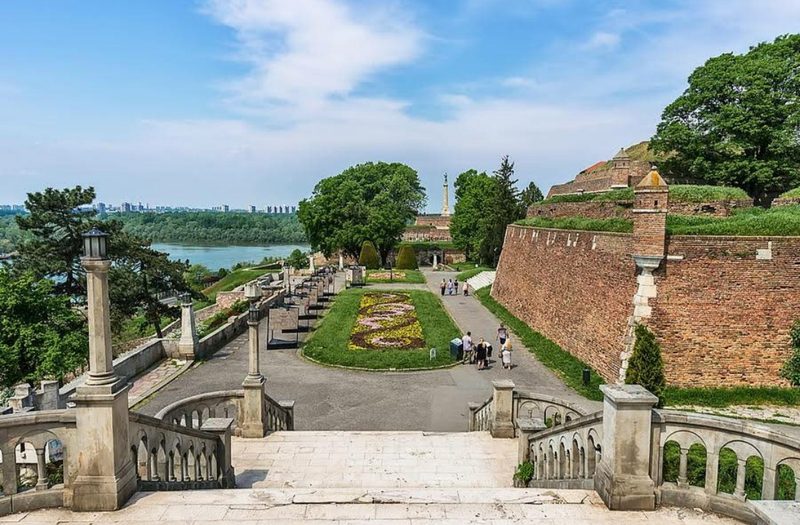
Belgrade, Sava ile Tuna'nın birleştiği kavşağın üzerine kurulu; Kalemegdan tepesinden bakıldığında iki nehrin farklı renkteki suları birbirine karıştığı çizgi net görülüyor. Romalılardan Bizans'a, Osmanlı'dan Avusturya-Macar'a, Yugoslavya'dan bugünkü Sırbistan'a — şehir kayıtlara göre 40'tan fazla kez yıkılmış ve her seferinde yeniden inşa edilmiş. "Beograd" Sırpça "Beyaz Şehir" anlamına geliyor, ama bugünkü görüntü bu adı pek doğrulamıyor: duvarlarda 1999 NATO bombardımanının izleri, 90'ların ekonomik çöküşünden kalma gri sıva hâlâ duruyor, üstüne genç bir nüfusun hareketliliği biniyor.
Avrupa başkentleri arasında en düşük günlük bütçeyle gezilebilen adreslerden biri sayılıyor: bir bira 2-3 EUR, doyurucu bir akşam yemeği 10-15 EUR, kulüp girişi 5-10 EUR aralığında kalıyor. İstanbul'dan uçuş süresi iki saati bulmuyor, maliyetler ise Türkiye fiyatlarına yakın, bazı kalemlerde daha düşük seyrediyor.
Gece hayatının omurgasını splavovi oluşturuyor — Sava ve Tuna üzerinde demirlenmiş yüzer kulüpler, yazın sayıları 50'ye yaklaşıyor. Müzik programı Berlin'in techno sahnesiyle kıyaslanacak ciddiyette ama atmosfer daha rahat sayılıyor. Kalabalık saat 02:00'den önce toplanmıyor; sabaha kadar nehir üzerinde dans edip ardından Walter Burek'te kahvaltı yapmak yerleşik bir alışkanlık hâline gelmiş.
Sırp mutfağı Türk damağına yabancı gelmiyor. Ćevapi (mini ızgara köfteler), sarma, ajvar ve burek Osmanlı mirasından geliyor, ama her biri Sırp mutfağında kendi yorumunu kazanmış. Kafana kültürü (geleneksel meyhane) canlılığını koruyor: tamburica müziği, birçok mekanda hâlâ serbest olan sigara içimi, bardaktan içilen rakija. Skadarlija sokağı bu bileşimi en yoğun hâliyle sunuyor.
Yugoslav dönemine dair bir nostalji de şehrin gündelik hayatının parçası. Tito'nun mezarını bugün hâlâ ziyaret eden, dönemi anan kuşaklar var; Yugoslavya Müzesi her yaş grubundan ziyaretçi alıyor, eski Pioneer üniformaları hâlâ satılıyor. 90'lar Balkanlar için ağır geçti; o döneme dair kayıp bir ülkeye yas tutma kültürü şehrin karakterinin önemli bir parçası.
When to Go
Belgrade'da dört mevsim belirgin şekilde ayrışıyor — kışlar soğuk, yazlar sıcak geçiyor. Sava-Tuna kavşağında rüzgar genelde etkili oluyor, kış aylarında daha sert hissediliyor.
| Period | Weather (daytime) | Density | Otel Fiyatı | Notes |
|---|---|---|---|---|
| January-February | -2 / 5° | Low | Low | Orthodox Christmas (January 7), St. Sava's day (January 27) |
| March | 4 / 13° | Low | Low-Medium | Spring is slowly opening, FEST film festival |
| April | 9 / 18° | Medium | Medium | Parks are greening, the ideal start |
| May | 14 / 23° | Medium-High | Medium | One of the most beautiful months, splavovi is opening |
| June | 17 / 27° | High | High | Full splav season, life on the terrace |
| July | 19 / 30° | High | High | Hot but cool by the river, EXIT week |
| August | 19 / 30° | Very High | High | Beer Festival, crowd ceiling |
| September | 14 / 25° | Medium-High | Medium | Second best period, weather is mild |
| October | 9 / 17° | Medium | Low-Medium | Autumn colors, Jazz Festival |
| November | 4 / 9° | Low | Low | Quiet, warm inside your head |
| December | 0 / 5° | Medium | Medium | New Year celebrations, Slavija square decorated |
En yoğun ilgi gören dönemler Mayıs-Haziran ve Eylül-Ekim. Splavovi Mayıs sonu ile Eylül başı arasında açık kalıyor; bu tarihler dışında nehir kulüpleri ya kapanıyor ya da kapalı mekanlara taşınıyor. Ağustos'ta Bira Festivali döneminde Hotel bulmak zorlaşıyor, Temmuz'da EXIT haftası da ek kalabalık getiriyor — bu iki dönem için erken rezervasyon önerilir.
How to get there
Belgrade's airport, Belgrade Nikola Tesla Airport (BEG), is 18 km west of the city center.
Flights from Türkiye:
| Exit | Duration | Airline |
|---|---|---|
| Istanbul (IST) - BEG | 1 hour 35 min | THY, Air Serbia (3-4 flights per day) |
| Istanbul (SAW) - BEG | 1 hour 40 min | Pegasus (1-2 times a day) |
| Ankara (ESB) - BEG | 1 hour 50 min | THY (2-3 times a week) |
Air Serbia direkt uçuyor ve Türk Hava Yolları'na alternatif oluşturuyor. Erken alınan biletlerde İstanbul çıkışlı fiyat 80-150 EUR aralığına düşüyor; Pegasus genelde en uygun seçenek.
From airport to city:
5 EUR). The most practical option. 3 EUR). Yerlilerin tercih ettiği, ucuz güzergah.
- Taxi: Sabit fiyat 1.800-2.200 RSD (~15-19 EUR) — havalimanı çıkışında resmi Taxi gişesi bulunuyor, sokaktan Taxi çevirmek yerine oradan alınması öneriliyor. 800 RSD (~10-15 EUR). Fiyat ve güvenlik açısından en dengeli seçenek.
A1 shuttle ile şehre giriş, dönüşte Bolt çağırma kombinasyonu tavsiye ediliyor; kayıt dışı Taxilerle dolandırıcılık geçmişte sık karşılaşılan bir sorun.
Otobüsle: İstanbul-Belgrade otobüsü (Metro, Lasta) 14-16 saat sürüyor, fiyat 60-100 EUR aralığında. Yolculuk uzun ama sınırdaki işlemler basit.
Urban Transportation
Belgrade'da metro bulunmuyor — yapımı yıllardır tartışılıyor ama henüz başlamadı. Bunun yerine yoğun bir tramvay ve otobüs ağı işliyor.
Tramvay: 12 hat şehrin ana arterlerini kapsıyor. 2 numaralı hat merkez çevresinde döndüğü için en kullanışlısı sayılıyor; 04:00-24:00 arası çalışıyor.
Otobüs: 100'den fazla hat mevcut. 72 (havalimanı), 26 (Ada Ciganlija) ve 84 (Zemun) en çok kullanılanlar arasında; gece geç saatlerde de sefer var.
Troleybüs: Şehir merkezinden Zvezdara ve Karaburma'ya uzanan tarihi hatlar.
8 EUR), sürücüden alındığında 120 RSD. "BusPlus" kartına 250 RSD depozito yatırılıp üzerine kontör yüklenerek indirimli geçiş yapılabiliyor; hafta sonu ziyaretinde tek tek bilet almak da yeterli oluyor. 000 RSD (~70 EUR).
Bolt/CarGo: Uygulama üzerinden çağrılan Taxi, şehir içi mesafelerde 300-700 RSD (~2.5-6 EUR) arasında kalıyor. Sokaktan Taxi çevirmek yerine Bolt veya kayıtlı bir firma (Pink Taxi, Naxi Taxi) telefonla çağrılması öneriliyor.
Yürüyüş: Merkez kompakt bir alanda toplanmış; Kalemegdan ile Aziz Sava Tapınağı arası 30 dakikada yürünüyor, turistik alanların çoğuna ayakla ulaşılabiliyor.
Accommodation Regions
Belgrade'ın mahalleleri karakter açısından belirgin şekilde ayrışıyor; bölge seçimi bütçe ve gezi tarzına göre değişiyor.
- Stari Grad (Eski Şehir): Kalemegdan, Knez Mihailova ve Skadarlija bu bölgede. Her nokta yürüme mesafesinde, gece-gündüz hareketli. Şehrin en pahalı bölgesi, ama Belgrade ölçeğinde fiyatlar yine de düşük kalıyor.
- Vračar: Aziz Sava Tapınağı çevresi, sakin ve düzenli bir doku. Genç profesyoneller ve aileler tarafından tercih ediliyor; Stari Grad'a yürüyüş mesafesi 15 dakika.
- Dorćol: Stari Grad'ın kuzey ucunda, eski Yahudi mahallesi. Butik kafeler, bağımsız mağazalar ve sanat galerileriyle şehrin en canlı gelişen bölgelerinden.
- Savamala: Sava kıyısında, Beton Hala bölgesi. Eski endüstriyel binalar restoran ve kulüplere dönüştürülmüş; gece hayatına yakın konaklama arayanlar için uygun.
- Yeni Belgrad (Novi Beograd): Sosyalist dönem brütalist mimarisinin hâkim olduğu, Sava'nın karşı yakasındaki bölge. Büyük Hoteller ve alışveriş merkezleri burada; merkeze tramvayla 15-20 dakika, fiyatlar daha düşük.
- Zemun: Eski Avusturya-Macar kasabası. Merkeze 6 km mesafede, ayrı bir sokak dokusu sunuyor.
Karaburma ve Mirijevo merkeze uzak ve turistik altyapıdan yoksun; Dušanovac çevresinde gece hareketliliği düşük.
Budget Plan
Belgrade, Avrupa başkentleri arasında günlük harcama açısından en düşük maliyetli adreslerden biri; Prague ve Budapest'ye kıyasla bile fiyatlar bir kademe altında kalıyor.
| Budget Style | Accommodation | Food | Activity/Transportation | Total (2 people/3 days) |
|---|---|---|---|---|
| Economic (hostel/2* hotel, burek + 1 kafana) | 80 EUR | 60 EUR | 30 EUR | ~170 EUR |
| Moderate (3-4* hotel Stari Grad, mixed) | 200 EUR | 130 EUR | 60 EUR | ~390 EUR |
| Comfort (4-5* boutique hotel, gastronomy) | 450 EUR | 250 EUR | 100 EUR | ~800 EUR |
| Luxury (Square Nine, Crowne Plaza, fine dining) | 1,000 EUR+ | 450 EUR+ | 180 EUR | ~1,700 EUR+ |
Practical items: Espresso 150-250 RSD (~1.3-2 EUR), burek 250-400 RSD (~2-3.5 EUR), ćevapi 500-800 RSD (~4-7 EUR), beer (fresh) 250-400 RSD (~2-3.5 EUR), rakija (3 cl) 200-350 RSD (~1.7-3 EUR), kafanada dinner 1,500-2,500 RSD (~13-21 EUR), splav entrance 0-2,000 RSD, Bolt city 300-700 RSD.
Practical Tips
Currency: Serbia is not a member of the EU, its currency is the Serbian Dinar (RSD). Turistik mekanlar Euro kabul ediyor ama kur dönüşümü genelde dezavantajlı oluyor. Knez Mihailova'daki güvenilir döviz bürolarında (menjačnica) bozdurma öneriliyor; Air Serbia ofisinin yanındaki ATM merkezi iyi kur veriyor. ATM'de çıkan "conversion" teklifi reddedilmeli — kartın kendi bankasının kuru genelde daha avantajlı. Kartla ödeme yaygın, yalnızca pazar yerleri ve küçük büfelerde nakit gerekiyor.
** RSD tercih edilmeli. Euro kabul eden mekanlar kendi kur hesabını yapıyor ve bu genelde yüzde 10-15 kayba yol açıyor. 000 RSD nakit yeterli oluyor.
Su: Belgrade'ın musluk suyu içilebilir durumda, şişe su almak gerekmiyor.
Dolandırıcılık: Sokak Taxilerinde Taximetre manipülasyonu bilinen bir sorun; Bolt veya telefonla çağrılan Taxi bu riski ortadan kaldırıyor. Bazı kafanalar hesaba "couvert" adı altında otomatik 200-300 RSD ekliyor, hesap kontrol edilmeli. Splav girişinde "VIP masa" teklif edenlere itibar edilmemeli — standart giriş çoğu mekanda zaten ücretsiz.
Sigara: İç mekanda sigara içimi Sırbistan'da hâlâ yaygın; kafanaların çoğunda içeride içiliyor, bazı restoranlarda ayrı sigara salonu bulunuyor. Dumana duyarlı ziyaretçiler için teras seçimi veya sigarasız modern mekanlar (Manufaktura, Salaš 011) alternatif oluşturuyor.
Splavlar: Sezon Mayıs-Eylül arası. Cuma-cumartesi gecesi 02:00'den önce güverteler boş kalıyor. Kıyafet konusunda esnek bir kod geçerli. Splavlar arası yürüyerek dolaşmak yerine Bolt tercih edilmeli; telefon ve cüzdan özellikle dans pistinde göz önünde tutulmalı.
Türk kimliği: Sırp-Türk ilişkisi tarihsel olarak karmaşık, ama günümüzde ticari ve turistik bağlamda olumlu seyrediyor. "Turski" ifadesi bazen olumlu ("Türk kahvesi", "Türk halısı"), bazen tarihi referansla ("Türk işgali") kullanılıyor; bağlama göre değerlendirilmeli.
Sırpça temel kelimeler: "Dobar dan" (iyi günler), "Hvala" (teşekkürler), "Molim" (rica ederim), "Živeli" (şerefe), "Ćao" (selam/hoşçakal — İtalyancadan geçmiş). Genç kuşak İngilizce konuşuyor, yaşlı kuşak zorlanıyor. Latin alfabesi yaygın kullanılıyor ama Kiril alfabesi de eşit statüde; sokak tabelalarında ikisi bir arada görülüyor.
Local Label and Culture Notes
Sırplar ilk karşılaşmada mesafeli davranıyor, güler yüzlü bir karşılama beklemek gerçekçi değil — bu tavır kabalık değil, kültürel bir sertlik olarak okunmalı. Sohbet bir kere açıldıktan sonra cömertlik hızla artıyor: rakija ısmarlanıyor, sigara paylaşılıyor, ev davetine kadar uzanabiliyor.
Selamlaşma: El sıkışma standart karşılama biçimi. Yakın arkadaşlar arasında üç kez yanak öpme (sağ-sol-sağ) uygulanıyor. Restoranda garson gelmeden masaya oturulmuyor, kapıda beklemek gerekiyor.
Bahşiş: Restoranlarda yüzde 10 standart kabul ediliyor, hesap yuvarlanarak ödeniyor. Taxilerde de hafif yuvarlama bekleniyor; kuaför ve spa hizmetlerinde de yüzde 10 geçerli.
Slava (Aile Bayramı): Bir Sırp evine slava gününde davet edilmek büyük bir onur sayılıyor. Mum, ekmek (slavski kolač) ve buğday (žito) kutsanmış kabul ediliyor, bunlardan tatmadan içeri girilmiyor. Ev sahibine çiçek veya iyi bir şarap götürülüyor; çiçek sayısı çift olmalı, tek sayı cenazelerle ilişkilendiriliyor.
Rakija kültürü: Rakija (meyve brendisi) Sırp sosyal hayatının merkezinde. Šljivovica (erik), kajsija (kayısı), dunja (ayva) ve kruška (armut) en yaygın türler. Sabah saatlerinde bile içilebiliyor — "bir rakija aç" ifadesi günü başlatma anlamına geliyor. Ev yapımı (domaća) olanı ticari üretimden belirgin şekilde farklı.
Müzik: Splavovlarda elektronik müzik ağır basıyor, kafanalarda ise turbo-folk ve eski Yugoslav rock çalınıyor. Goran Bregović'in müziği Sırpların ortak hafızasında yer tutuyor; Ceca, Lepa Brena ve Bajaga isimleri yaşlı kuşağın klasikleri arasında sayılıyor.
Tarih bahsi: 90'lar savaşları, Kosova ve NATO bombardımanı gibi konular hassas kabul ediliyor; yerel birinin açmadığı sürece bu konulara girilmemesi öneriliyor. Osmanlı dönemi Türkler için de zaman zaman gergin bir başlık olabiliyor, ama genel tavır Türk ziyaretçilere karşı olumlu.
FAQ
Does I need a visa to Belgrade? No. Türk umuma-mahsus pasaport sahipleri 180 günde 90 güne kadar vizesiz giriş yapabiliyor. Pasaportun en az 90 gün geçerli olması gerekiyor, sınırda dönüş bileti ve konaklama bilgisi sorulabiliyor. Hususi, hizmet ve diplomatik pasaport sahipleri için de vize aranmıyor.
What is the currency, is card payment common? Sırp Dinarı (RSD) kullanılıyor, 1 EUR yaklaşık 117 RSD ediyor. Kart neredeyse her yerde geçerli — kafanalar, splavlar, marketler, Bolt üzerinden çağrılan Taxiler. Pazar yerleri ve küçük büfelerde nakit gerekiyor; günlük 3.000-5.000 RSD nakit bulundurmak yeterli oluyor.
Should I pay EUR or RSD? RSD ile ödeme öneriliyor. Bazı turistik mekanlar Euro kabul etse de kendi kur hesapları dezavantajlı çıkıyor, yüzde 10-15 kayıp söz konusu olabiliyor. ATM'den çekim yapmak veya Knez Mihailova'daki güvenilir bir menjačnica'da bozdurmak daha avantajlı.
Is Belgrade safe? Genel olarak Avrupa standartlarında güvenli kabul ediliyor. Turistik bölgelerde (Knez Mihailova, splavlar) yankesicilere karşı dikkat edilmesi öneriliyor. Gece geç saatte Bolt çağırmak, sokak Taxilerinden kaçınmak ve ATM'lerde dolandırıcılığa karşı tetikte olmak tavsiye ediliyor. Yalnız seyahat eden kadınlar için de güvenli bir şehir sayılıyor.
How is the Splav (river club) experience and when should you go? Sezon Mayıs sonu ile Eylül başı arasında aktif oluyor. Cuma-cumartesi gecesi 02:00'den önce güverteler boş kalıyor. Bolt ile ulaşım, rahat kıyafet öneriliyor. Klub 20/44 ve Hot Mess en çok bilinenler arasında. Giriş genelde ücretsiz, içecek fiyatı 400-800 RSD aralığında. Sabaha kadar süren dansın ardından Walter Burek'te kahvaltı yerleşik bir alışkanlık.
I don't speak Serbian, is that a problem? Olmuyor. Genç kuşak İngilizce konuşuyor, özellikle merkez ve splavlarda iletişim sorunsuz ilerliyor. Yaşlı kuşak zorlanıyor ama el kol işaretiyle anlaşma mümkün. Birkaç temel kelime — "Hvala" (teşekkürler), "Dobar dan" (iyi günler), "Živeli" (şerefe) — genelde olumlu karşılık buluyor.
How many days to visit Belgrade? Üç gün merkez için yeterli sayılıyor: Kalemegdan, Skadarlija, Aziz Sava Tapınağı ve bir splav gecesi. Beş günde buna Zemun, Ada Ciganlija, Tito Anıtı ve müzeler ekleniyor. Bir hafta, Novi Sad ve Sremski Karlovci gibi günübirlik turlara da imkan tanıyor.
Where to go on a day trip from Belgrade? Novi Sad (otobüsle 1,5 saat; EXIT festivali şehri, Petrovaradin Kalesi), Sremski Karlovci (2 saat; barok kasaba, şarap üretim merkezi), Smederevo (1 saat; Avrupa'nın en büyük ortaçağ kalesi) ve Avala Kulesi (30 dk; panoramik manzara) başlıca seçenekler. Novi Sad ulaşım kolaylığı nedeniyle en çok tercih edilen.