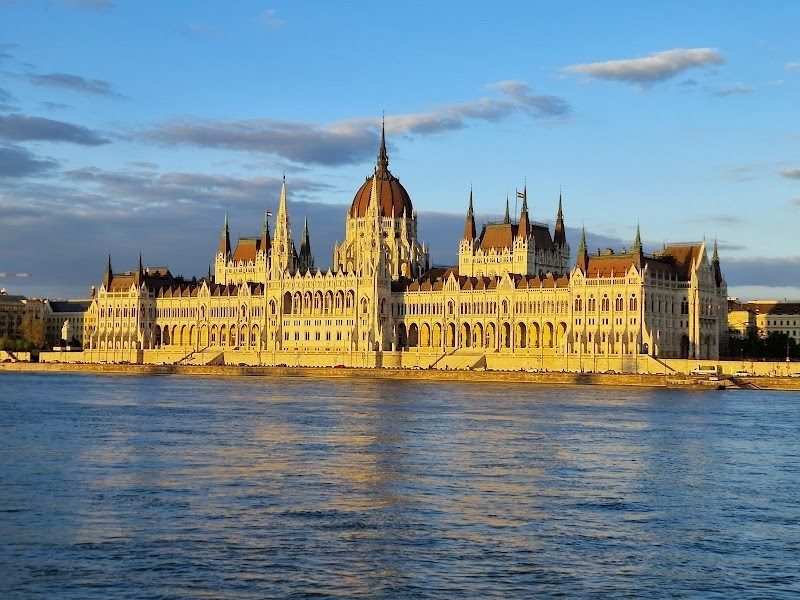
About
Budapest, 1873'te üç ayrı yerleşimin (Buda, Pest, Óbuda) birleşmesiyle kuruldu. Tuna'nın batısında tepelere kurulmuş Buda ve doğusunda dümdüz uzanan Pest, birleşimden bir buçuk asır sonra hâlâ farklı karakterler taşıyor: Buda yeşil ve tarihi, Pest gürültülü ve enerjik. Aradaki nehri birleştiren köprüler şehrin en fotoğraflanan noktaları arasında.
Şehrin altından 120'den fazla termal kaynak fışkırıyor; bu kültür Rome döneminde başladı, Osmanlı yönetiminde hamam mimarisiyle gelişti, 19. yüzyılda kurumsallaştı. Kışın açık havuzların üzerinde yükselen buhar bulutları arasında emekli Macar erkekleri satranç oynuyor — bu sahne şehrin en tanınan görüntülerinden biri.
Romkert (ruin bar) kültürü 2000'lerin başında Yahudi Mahallesi'ndeki terk edilmiş apartmanların bara dönüştürülmesiyle doğdu: küvetler koltuğa, bisikletler tavan süsüne, duvarlar grafiti yüzeyine çevrildi. Szimpla Kert bunların ilki ve en tanınanı, ama mahallede onlarca benzeri var. Bir bira 2-3 EUR, bir kokteyl 5-6 EUR civarında; İstanbul fiyatlarıyla kıyaslandığında fark hemen görülüyor.
Hungarian cuisine is based on paprika. Gulyás (çorba kıvamında et yahnisi), pörkölt (daha yoğun yahni), lángos (kızarmış hamur üzerine ekşi krema ve peynir), kürtőskalács (baca pasta) ve Dobos torta (karamelize katmanlı pasta) mutfağın standart isimleri. Baharat kullanımı Türk damağına yabancı gelmiyor. Tokaji şarabı bölgenin altın renkli tatlı şarabı; Osmanlı sarayına da ulaştığı rivayet ediliyor. 5 puttonyos etiketli şişe, bu şarabın yoğunluğunu en net anlatan versiyon.
When to Go
Budapest dört mevsimi belirgin şekilde yaşıyor: kışlar soğuk ve zaman zaman sert geçiyor, yazlar sıcak seyrediyor.
| Period | Weather (daytime) | Density | Otel Fiyatı | Notes |
|---|---|---|---|---|
| January-February | -2 / 4° | Low | Low | It's cold but the hot springs are in full season. There are carnival events |
| March | 3 / 12° | Low-Medium | Low | Spring is opening, parks are turning green |
| April | 8 / 18° | Medium | Medium | İlkbahar başlangıcı; Spring Festival |
| May | 12 / 22° | Medium-High | Medium-High | The most beautiful month; long days, thermal pools in perfect condition |
| June | 16 / 26° | High | High | Summer is starting; Danube shore bars are opening |
| July | 18 / 30° | High | High | It may be hot; There are days with temperatures exceeding 35°C |
| August | 18 / 29° | Very High | Very High | Sziget Festival; It becomes difficult to find a hotel |
| September | 13 / 22° | Medium-High | Medium | Second best period; Wine Festival |
| October | 7 / 15° | Medium | Medium | Autumn colors; Buddha hills golden |
| November | 3 / 8° | Low-Medium | Low-Medium | Christmas markets open |
| December | 0 / 4° | Medium-High | Medium | Christmas markets, spas, mulled wine |
Genel önerimiz Nisan-Haziran ve Eylül-Ekim dönemi. Kış aylarında kaplıcalar ayrı bir deneyim sunuyor: dışarısı -5°C'ye düşerken açık havuzda buhar bulutları arasında ısınmak mümkün. Ağustos'ta Sziget Festival dönemi Hotel fiyatlarını tavana taşıyor, bu tarihlerde konaklama erken planlanmalı.
How to get there
Budapest's main airport, Budapest Ferenc Liszt International Airport (BUD), is 16 km southeast of the city centre.
Flights from Türkiye:
| Exit | Duration | Airline |
|---|---|---|
| Istanbul (IST) - BUD | 2 hours 15 min | THY, Wizz Air (3-4 flights per day) |
| Istanbul (SAW) - BUD | 2 hours 20 min | Pegasus, Wizz Air (2-3 flights per day) |
| Ankara (ESB) - BUD | 2 hours 30 min | THY (3-4 flights per week) |
| Antalya (AYT) - BUD | 2 hours 40 min | Wizz Air, Pegasus (seasonal) |
Wizz Air sefer sıklığı yüksek tutuyor; erken alınan biletler 30-50 EUR'a çıkıyor. THY konfor önceliğiyle, Wizz Air bütçe önceliğiyle tercih ediliyor.
From airport to city:
- 100E Bus: 35-40 min, Deák Ferenc tér (city centre), 2,200 HUF (~5.5 EUR). The most practical option.
- miniBUD Shuttle: 40-50 min, leaves at hotel door, 7,900 HUF (~20 EUR, single person).
- Taxi/Bolt: 25-35 min, 9,000-12,000 HUF (~22-30 EUR). Only Főtaxi is authorized at the airport.
- Tren: M3 metro hattı kapalıyken veya Kőbánya-Kispest aktarmasıyla ulaşılıyor; 100E daha doğrudan bir seçenek.
100E otobüsü ucuz, doğrudan ve güvenilir bir seçenek olarak öne çıkıyor. Bilet BKK uygulamasından önceden alınıyor, otobüste nakit geçmiyor.
5 saat sürüyor. Vienna-Budapest hattı yoğun kullanılıyor.
Urban Transportation
Budapest's public transportation is common and cheap. It is operated by BKK (Budapest Közlekedési Központ).
Metro: 4 lines (M1-M4). M1 Europe's second oldest metro (1896), passes under Andrássy Street. M2 Buda-Pest connection, M3 north-south, M4 the newest and most modern line. It works between 04:30 - 23:30.
Tramvay (Villamos): 30'dan fazla hat işliyor. 2 numaralı tramvay Pest tarafında Tuna kıyısını takip ediyor; Parlamento, Zincirli Köprü ve Büyük Pazar Hali'nin önünden geçiyor, ücretsiz bir şehir turu gibi işliyor.
Bus: Covers points not reached by metro and tram. Buses 16 and 16A go to Buda Castle.
950 HUF (~17 EUR). Üç gün ve üzeri konaklamalarda 72 saatlik veya 7 günlük kart daha avantajlı çıkıyor. Biletler metro, tramvay, otobüs ve troleybüste geçerli.
Budapest Card: There are 24/48/72 hour versions; toplu taşımaya ek olarak müze ve kaplıca indirimleri sağlıyor. 72 saatlik versiyon ~60 EUR civarında.
2 EUR). Pest tarafı düz olduğundan bisiklete uygun, Buda tarafı tepeli.
Taxi/Bolt: Bolt uygulaması şehir içinde yaygın kullanılıyor, şehir içi mesafe 2.000-4.000 HUF (~5-10 EUR) tutuyor. Sokakta Taxi durdurmak yerine uygulamadan çağırmak sabit fiyat garantisi veriyor.
Accommodation Regions
Budapest is a compact city; doğru konum seçimi her noktaya yürüme veya kısa toplu taşıma mesafesi sağlıyor.
- Belváros (V. kerület): Parlamento, Bazilika, Váci utca ve Tuna kıyısı bu bölgede toplanıyor. En pahalı bölge, ama her şey yürüme mesafesinde. Kısa tatiller ve çiftler için pratik bir seçim.
- Erzsébetváros (VII. kerület — Yahudi Mahallesi): Romkertler, barlar ve restoranlar burada yoğunlaşıyor; gece hayatının merkezi. Gürültüye duyarlı olanlar iç avluya bakan oda tercih etmeli.
- Terézváros (VI. kerület): Andrássy Caddesi ve Opera çevresinde, V. kerüleye göre daha uygun fiyatlı bir bölge. Kültür ve yemek odaklı geziler için elverişli.
- Buda — Víziváros (I-II. kerület): Kale tepesinin eteklerinde, sakin sokaklar ve Tuna manzaralı Hoteller barındırıyor. Gece hayatı için Pest tarafına geçmek gerekiyor.
- Újlipótváros (XIII. kerület): Mahallenin kendi kafeleri, fırınları ve pazarlarıyla yerel hayatın sürdüğü bir bölge. Merkeze tramvayla 10 dakika mesafede; uzun konaklamalar için uygun.
Önerilmeyen bölgeler: VIII. kerület'in iç kısımları (Józsefváros) geceleri tenha kalıyor ve bazı sokakları bakımsız; X. kerület (Kőbánya) merkeze uzak ve turistik altyapıdan yoksun.
Budget Plan
Budapest, Batı Avrupa'ya kıyasla belirgin biçimde ucuz. Fiyat seviyesi Vienna ile Prague arasında konumlanıyor, ama Vienna'nın oldukça altında kalıyor.
| Budget Style | Accommodation | Food | Activity/Transportation | Total (2 people/3 days) |
|---|---|---|---|---|
| Economic (hostel/2* hotel, lángos + 1 restaurant) | 150 EUR | 100 EUR | 50 EUR | ~300 EUR |
| Moderate (3-4* hotel Erzsébetváros, mixed) | 350 EUR | 180 EUR | 90 EUR | ~620 EUR |
| Comfort (4-5* boutique hotel, gastronomy) | 700 EUR | 300 EUR | 130 EUR | ~1.130 EUR |
| Luxury (Four Seasons, Ritz, fine dining) | 1,800 EUR+ | 600 EUR+ | 200 EUR | ~2,600 EUR+ |
Practical items: Espresso 600-800 HUF (~1.5-2 EUR), lángos 1,200-2,000 HUF (~3-5 EUR), gulyás 3,000-5,000 HUF (~7-12 EUR), spa entrance 7,000-8,000 HUF (~17-20 EUR), metro single ticket 450 HUF (~1.1 EUR), beer (söntés — draft) 800-1,200 HUF (~2-3 EUR), fröccs (wine and soda) 600-1,000 HUF (~1.5-2.5 EUR), kurtőskalács 1,000-1,500 HUF (~2.5-4 EUR).
Practical Tips
Currency: Hungary is a member of the EU but does not use the Euro, its currency is Forint (HUF). Turistik yerlerde Euro kabul eden mekanlar var, ama kur dezavantajlı çalışıyor — Forint tercih edilmeli. Kartla ödeme yaygın, küçük pazarcılar ve büfeler hariç hemen her yerde kart geçiyor. ATM'lerden para çekerken "conversion" teklifi reddedilmeli, bankanın kendi kuru kullanılmalı.
Su: Budapest'nin musluk suyu içilebiliyor, şişe su almaya gerek yok.
Dolandırıcılık uyarısı: Váci utca ve çevresinde "güzel kızlar bara davet eder" klasiği hâlâ görülüyor; kabul edenler astronomik hesapla karşılaşıyor. Tanımadık birinin bar önerisine gidilmemeli. Keleti garı çevresindeki döviz büroları da kötü kur veriyor — havalimanı veya şehir merkezindeki tanınmış büroları tercih etmek daha güvenli.
Kaplıca kültürü: Mayo şart, Széchenyi ve Gellért'te dolap veya kabin seçeneği sunuluyor (kabin biraz daha pahalı ama mahremiyet istiyorsan tercih edilebilir). Terlik ve havlu kiralanabiliyor, kendi havlusunu getirmek daha hijyenik. Kaplıcalarda sessiz kalınmalı, havuzda dalınmamalı veya su sıçratılmamalı — Macarlar bu kurala ciddiye alıyor.
Pazar günleri: Büyük Pazar Hali ve birçok dükkan pazar günü kapalı kalıyor. Szimpla Kert'in pazar sabahı çiftçi pazarı açık, alışveriş mağazaları ise genelde pazar günü de hizmet veriyor (Vienna'nın aksine).
Ulaşım kontrolü: BKK kontrolörleri özellikle metroda sık bilet kontrolü yapıyor. 000 HUF (~40 EUR); biletin doğrulama makinesine basılması gerekiyor.
2 numaralı tramvay: Pest tarafında Tuna kıyısını takip eden bu hat, ücretsiz bir şehir turu gibi işliyor. Parlamento, Zincirli Köprü ve Büyük Pazar Hali güzergahı pencereden izlenebiliyor. Gece aydınlatılmış hat, fotoğraf için özellikle tercih ediliyor.
Travel Guide with Children
Budapest'nin kaplıcaları, parkları ve interaktif müzeleri çocuklu aileler için gün boyu program çıkarıyor.
Recommendations by Age Group
0-3 yaş: Városliget (Şehir Parkı) geniş ve düz zemini nedeniyle bebek arabasıyla sorunsuz geziliyor. Metro M1 hattının küçük vagonları çocukların ilgisini çekiyor. Kaplıcalarda bebek havuzları var, ama sıcak havuzlara 3 yaş altı alınmıyor. Margit Adası yeşil ve trafiksiz bir alan sunuyor.
4-7 yaş: Budapest Hayvanat Bahçesi (Városliget içinde) bu yaş grubunun en çok tercih ettiği durak. Vajdahunyad Kalesi dışarıdan bir masal şatosunu andırıyor. Duna Korzó (Tuna kıyısı yürüyüşü) ördek ve martı beslemeye elverişli. Széchenyi Kaplıcası'nın dalgalı havuzu bu yaş grubunda popüler.
8-12 yaş: Hastaneler Kaya Altı Müzesi (Sziklakórház), İkinci Dünya Savaşı'nda kullanılan yer altı hastanesini gösteriyor — etkisi güçlü. Labirintus (Buda Kalesi yer altı labirenti) macera unsuru taşıyor. Parlamento'nun iç turu tarihle ilk temas için uygun. 2 numaralı tramvayla yapılan tur bu yaş grubunda ilgi görüyor.
13+ yaş: Terör Evi Müzesi, yakın tarihe meraklı gençler için yoğun bir deneyim sunuyor. Romkertlerin gündüz yüzü (Szimpla'nın pazar sabahı çiftçi pazarı gibi) bu yaşta merak uyandırıyor. Escape room'lar şehirde yaygın ve kaliteli. Gellért Tepesi tırmanışı fiziksel aktivite ve manzarayı bir araya getiriyor.
Top 5 Kid-Friendly Activities
Széchenyi Kaplıcası — Açık hava havuzlarında aile birlikte vakit geçiriyor. Dalgalı havuz çocuklar arasında popüler, kışın buhar bulutları ayrı bir görüntü katıyor.
Budapest Zoo + Tropical House — Inside Városliget, at the metro M1 Széchenyi fürdő stop. Art Nouveau binaları mimari açıdan da dikkat çekiyor. Fil evi ve tropikal sera çocukları saatlerce meşgul ediyor.
Margit Adası — Bisiklet kiralama, müzik çeşmesi, oyun alanları ve yaz aylarında açık hava yüzme havuzu bulunuyor. Trafikten uzak, güvenli bir alan.
Vajdahunyad Kalesi — Dışarıdan ortaçağ şatosunu andırıyor, içinde Macar Tarım Müzesi yer alıyor. The pond around the castle turns into an ice rink in winter.
2 Numaralı Tramvay Turu — Pest kıyısı boyunca Parlamento'dan Pazar Hali'ne gidiyor. Çocuklar pencereden Tuna'yı ve köprüleri izlerken bir şehir turu tamamlanmış oluyor. The ticket cost is about the same as a subway ticket.
Practical Information
Bebek arabası: Pest tarafı düz ve sorunsuz. Buda tarafı tepeli ve kaldırımlı olduğundan hafif, katlanır bir araba tercih edilmeli. Metro M4 is fully accessible, other lines vary by station.
Çocuk menüsü: Macar restoranlarında çocuk porsiyonu yaygın. Palacsinta (krep), lángos ve rántott sajt (pane peynir) çocukların tercih ettiği seçenekler arasında. Porsiyonlar genelde büyük, yetişkin porsiyonu paylaşmak da bir seçenek.
Çocuk bileti indirimleri: Toplu taşımada 6 yaş altı ücretsiz, 6-14 yaş yarı fiyat. In most museums, children under the age of 6 are free, and those aged 6-18 are discounted.
Tuvalet: Kafelerde ve müzelerde bulunuyor. Sokaklarda ücretli tuvaletler 200-300 HUF; Büyük Pazar Hali'nde de tuvalet var.
Warnings
- Kaplıcalarda çocuklar için yaş ve sıcaklık kuralları uygulanıyor, girişte bilgi alınmalı.
- Tuna kıyısında korkuluk olmayan bölümler bulunuyor, küçük çocuklarla dikkatli olunmalı.
- Pazar günleri Büyük Pazar Hali kapalı kalıyor, alternatif plan gerekiyor.
- Romkertlerin gece yüzü çocuklar için uygun değil, gündüz saatleri tercih edilmeli.
- Gellért Tepesi tırmanışı küçük çocuklar için yorucu olabiliyor, taşıyıcı kullanımı öneriliyor.
Local Label and Culture Notes
Macarlar ilk karşılaşmada mesafeli durabiliyor; bu bir kabalık değil, kültürel bir tavır. İlişki kurulduktan sonra sıcak ve cömert bir tutuma dönüşüyor. Türklere karşı mesafe-yakınlık dengesi dikkat çekiyor — Osmanlı yönetimi 150 yıl sürmüş ve bu tarih toplumsal bellekte hâlâ yer tutuyor, ama bugünkü ilişkiler olumlu seyrediyor.
Selamlaşma: El sıkışma standart bir selamlaşma biçimi. İsim sırası Türkiye'dekiyle aynı mantıkla soyadı-ad şeklinde kuruluyor (Kovács János, yani János Kovács); bu resmi bir Macar geleneği.
Restoran kuralları: Macar restoranlarında çatal-bıçak masanın üstünde hazır bekliyor. Garson gelmeden oturmak yerine kapıda beklemek ve masaya yönlendirilmek yaygın bir davranış. Başkasının tabağına uzanmak ayıp sayılıyor. Kadeh kaldırırken bira bardağı tokuşturulmuyor — 1848 devrimi sonrası Avusturyalıların bira ile kutlama yaptığı rivayeti nedeniyle bu gelenek bazı Macarları hâlâ rahatsız ediyor; şarap ve diğer içkilerde bu kısıtlama geçerli değil.
Bahşiş: Restoranlarda hesabın %10'u standart bir uygulama. 000 bırakıyorum" gibi); masaya para bırakıp çıkmak yerine elden vermek daha yaygın. 10% is also expected in spas and hairdressers.
Macarca: Fin-Ugor dil ailesinden geldiği için çevresindeki dillere benzemiyor, dünyanın öğrenilmesi zor dillerinden sayılıyor. "Köszönöm" (teşekkürler), "Szia" (merhaba, tekil), "Egészségedre" (şerefe) günlük ihtiyaç için yetiyor. İngilizce genç nesilde yaygın, yaşlı nesilde sınırlı kalıyor; bazı durumlarda Almanca daha işe yarıyor.
Spa etiquette: It is mandatory to take a shower before entering the spa. Havuzda gürültü yapılmıyor, dalınmıyor, koşulmuyor. Macarlar kaplıcayı bir dinlenme ritüeli olarak görüyor.
Fröccs kültürü: Macarların beyaz şarap ve soda karışımına verdiği isim "fröccs"; en az on farklı oranı var. En yaygın versiyonu "nagyfröccs" (2 dl şarap + 1 dl soda), yaz akşamları sokaklarda sıkça görülüyor.
FAQ
How many days to visit Budapest? Üç gün ana noktaları görmek için yetiyor, beş gün daha rahat bir tempo sağlıyor. Üç günde Buda Kalesi, bir kaplıca, Parlamento, bir romkert ve Tuna kıyısı sığdırılabiliyor. Beş günde müzeler, Margit Adası, Óbuda ve günübirlik Szentendre turu eklenebiliyor. Sziget veya şarap festivali dönemine denk gelen bir hafta, programı doldurmaya yetiyor.
Should I use Forint or Euro? Forint tercih edilmeli. Turistik mekanlarda Euro kabul eden yerler var, ama kendi kurlarıyla çeviriyorlar ve fark aleyhe çıkıyor. Kartla ödeme küçük pazarcı ve büfeler dışında her yerde geçiyor. ATM'den çekerken "dönüşüm" (conversion) teklifi reddedilmeli.
Which thermal bath should you go to? Széchenyi büyük ve sosyal, açık hava havuzlarıyla tanınıyor. Gellért daha sakin, Art Nouveau mimarisiyle öne çıkıyor. Rudas 1550'lerden kalma Osmanlı kubbesi altında otantik bir deneyim sunuyor. İlk ziyarette Széchenyi ile başlamak, ikinci kaplıca olarak Rudas'ı denemek yaygın bir tercih.
Is Budapest safe? Genel olarak evet, Avrupa standartlarında güvenli sayılıyor. Yankesicilere karşı turistik bölgelerde (Váci utca, metro) dikkatli olunmalı. Gece Buda tarafı ve Pest'in ana caddeleri sorunsuz seyrediyor; VIII. kerület'in iç kısımları geceleri daha tenha kalıyor. Taxi için sokakta durdurmak yerine Bolt uygulaması kullanılmalı.
Where to go on a day trip from Budapest? 5 saat) günübirlik seçenekler arasında. Szentendre en kolay ulaşılanı.
I'm planning to go to Sziget Festival, what should I know? Festival ağustos ortasında, Óbuda Adası'nda düzenleniyor. Biletler aylar öncesinden satışa çıkıyor, tam festival bileti 300-400 EUR civarında seyrediyor. Adada kamp alanı var, ama konfor sınırlı kalıyor. Şehirde Hotel tutup her gün adaya gidip gelmek de bir seçenek; program gece 4-5'e kadar sürüyor. Festival döneminde Budapeşte Hotelleri %50-100 zamlanıyor, erken rezervasyon gerekiyor.