About
500 yıllık liman şehri. Yunanlardan Romalılara, Bizans'tan Venice'e, Osmanlı'dan Avusturya'ya kadar hakimiyet el değiştirdi, her dönemden iz kaldı. Bugün 19 bin kişilik küçük bir şehir ama yazın nüfus dört-beş katına çıkıyor; Rus, Sırp, Türk ve İngiliz turist aynı sahilde toplanıyor. "Balkan Riviera" adı buradan geliyor: 35 km'lik kıyı boyunca çakıl plajlar, bir sur şehir, yat marinaları ve arkada bir dağ silsilesi sıralanıyor.
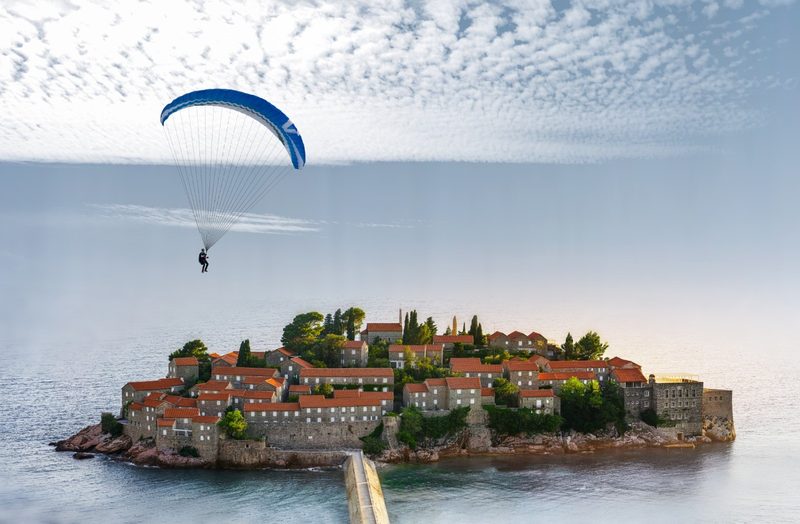
Sveti Stefan adacığı şehrin en tanınan görüntüsü. Terracotta çatılı, taş binalı ada ince bir kum şeridiyle anakaraya bağlanıyor. 1950'lerde Yugoslav devleti balıkçı köyünü boşaltıp lüks Hotele çevirdi; Liz Taylor ve Sophia Loren gibi isimler o dönemde buraya geldi. Hotel 1 Temmuz 2026'da beş yıllık kapanışın ardından yeniden açıldı, adaya yalnızca konaklayanlar giriyor. Karşı tepedeki Belvedere noktasından çekilen kare adayı bütün haliyle gösteriyor.
Eski Şehir (Stari Grad) şehrin tarihi çekirdeği. Venice dönemi sur duvarları Aziz İvan Katedrali'ni ve Citadela kalesini çevreliyor, aralarında dar taş sokaklar uzanıyor. 1979 depreminde ağır hasar gördü; onarımda kullanılan eski taşlar özgün duvarlarla karıştığından ikisini ayırt etmek zor. Sabah erken saatte turist gemileri henüz yanaşmamışken sokaklar sessiz kalıyor, akşam olunca barlar açılıyor ve müzik başlıyor. Surların üstünden Adriyatik'e bakarak güneşin batışını izlemek gündelik bir ritüel haline geliyor.
Sea Dance Festival ayrı bir gündem oluşturuyor. Temmuz başında Jaz Plajı'nın kumlarına kurulan sahnelerde EXIT festivalinin Adriyatik ayağı üç gün boyunca sürüyor, dünya çapında tanınan DJ'ler sahne alıyor. Bu döneme denk gelmeyi planlıyorsanız bilet ve konaklamayı aylar öncesinden ayırmak gerekiyor. 000 kişilik açık hava kulübünde mayıs-eylül arası David Guetta'dan Tiësto'ya kadar isimler sahne alıyor.
When to Go
Karadağ'da Akdeniz iklimi hakim: kışlar ılık, yazlar sıcak ve kuru geçiyor. Plaj sezonu mayıs sonundan ekim başına kadar sürüyor.
| Period | Weather (daytime) | Sea | Density | Notes |
|---|---|---|---|---|
| January-February | 4 / 12° | 13° | Very Low | Many hotels and restaurants are closed. Just to see the city and kotor |
| March | 7 / 15° | 14° | Low | Spring is opening, the sea is still cold |
| April | 9 / 18° | 16° | Low-Medium | Ideal for walking, Lastva Carnival |
| May | 13 / 22° | 18° | Medium | The season is starting, you can swim. 21 May Independence Day |
| June | 17 / 27° | 22° | Medium-High | Ideal start; The sea has warmed up, the crowd is moderate |
| July | 20 / 30° | 25° | Very High | Sea Dance Festival, the most expensive period |
| August | 21 / 31° | 26° | Very High | It's peak season, beaches are packed |
| September | 17 / 26° | 24° | High | Second best period; The sea is still warm, the crowds are falling |
| October | 13 / 21° | 21° | Medium | Season is ending, prices are halved |
| November-December | 8 / 16° | 17° | Low | Good for beach walks and day tours |
Haziran veya eylül ilk yarısı en dengeli seçenek. Temmuz-ağustos döneminde Hotel fiyatları iki katına çıkıyor, plajlarda yer bulmak zorlaşıyor, restoranlar doluyor. Sea Dance Festival'e denk gelmek isteyenler bu dönemi bilerek tercih ediyor, ama plan buna göre kurulmalı.
How to get there
Budva'nın kendi havalimanı yok, en yakın iki seçenek Tivat (TIV) (22 km) ve Podgorica (TGD) (65 km). Tivat, kısa transfer mesafesi sayesinde plaj tatili için daha pratik kalıyor.
Flights from Türkiye:
| Exit | Target | Duration | Airline |
|---|---|---|---|
| Istanbul (IST) - TIV | 2 hours 5 min | THY (1-2 flights a day, summer) | |
| Istanbul (SAW) - TIV | 2 hours 10 min | Pegasus (seasonal) | |
| Istanbul (IST) - TGD | 2 hours 20 min | THY (daily) | |
| Ankara (ESB) - TGD | 2 hours 45 min | THY (2-3 times a week, seasonal) |
Tivat seferleri yaz aylarında sıklaşıyor, kışın seyrekleşiyor. Podgorica yıl boyu açık kalıyor ama Budva'ya transfer daha uzun sürüyor. THY ana taşıyıcı, Pegasus mevsime göre sefer koyuyor. Bilet fiyatı genelde 250-400 EUR aralığında, erken alımda 180 EUR'ya kadar düşebiliyor.
Airport to Budva:
- Tivat'tan: Taxiyle 22 km, 25-30 EUR, 30 dakika sürüyor. Otobüs hattı yok, paylaşımlı transfer 10-15 EUR'a Bolt üzerinden ya da önceden ayarlanarak alınabiliyor.
- Podgorica'dan: Taxi 65 km için 70-90 EUR'a çıkıyor. Otobüsle Podgorica merkeze inip oradan Budva'ya bağlanan otobüse geçmek (8 EUR, 1.5 saat) toplamda 3-4 saat alıyor.
Tivat üzerinden gitmek zaman kazandırıyor: 30 dakikalık Taxiyle Budva'ya ulaşılıyor, Podgorica'nın getirdiği ekstra masraf birkaç saatlik yolda eritiliyor.
Otobüsle Karadağ: İstanbul'dan Sırbistan üzerinden otobüsle 25-30 saat sürüyor, uzun mesafe uçağı öne çıkarıyor.
Kruvaziyer: Yaz aylarında Kotor limanına çok sayıda kruvaziyer yanaşıyor. Budva'da kruvaziyer iskelesi bulunmuyor, ama yat marinası aktif çalışıyor.
Urban Transportation
Budva kompakt bir şehir: Eski Şehir'den Slovenska obala'ya yürüyerek 5 dakika, Becici'ye sahil promenadıyla 30 dakika sürüyor. Şehir merkezinde toplu taşımaya pek gerek kalmıyor.
Yürüyüş: Eski Şehir, plajlar ve restoranlar birbirine 1-2 km mesafede duruyor, yürüyüş çoğu güzergah için yeterli.
Otobüs (Mestar Linijski): Çevre sahillere (Becici, Sveti Stefan, Petrovac, Kotor) düzenli otobüs seferleri Slovenska obala otogarından kalkıyor. 5-5 EUR arasında değişiyor.
Taxi/Bolt: Bolt uygulaması Karadağ'da çalışıyor, fiyat önceden görünüyor. Şehir içi mesafeler 4-8 EUR, Sveti Stefan'a gidiş 12 EUR civarında kalıyor. Sokakta Taxi durdurmak yerine uygulama üzerinden çağırmak daha güvenilir sonuç veriyor.
Kiralık araba: Karadağ'ı çevresiyle gezmek isteyenler için kiralık araç işi kolaylaştırıyor. Sveti Stefan, Kotor, Lovćen, Ostrog gibi güzergahlarda esneklik sağlıyor. Günlük fiyat sezona göre 25-50 EUR arasında değişiyor, tam kasko önemli çünkü yollar dar ve virajlı, yerel sürücüler hızlı gidiyor. Uluslararası ehliyet zorunlu değil ama yanında bulundurmak işe yarıyor, kredi kartı isteniyor.
Su Taxi ve tekne turları: Sveti Stefan, Hawai Adası ve Mavi Mağara'ya günlük tekneler Slovenska iskelesinden kalkıyor. Yarım veya tam gün turlar 20-40 EUR arasında fiyatlanıyor.
Accommodation Regions
Bölge seçimi tatilin ritmini büyük ölçüde belirliyor.
- Stari Grad (Eski Şehir içi): Sur duvarlarının içinde butik Hotel ve daireler bulunuyor, her şey yürüme mesafesinde. Yaz aylarında gece müziği sabaha kadar sürdüğünden sessiz uyku zorlaşıyor; gürültüye duyarlı aileler için uygun değil.
- Slovenska obala (sahil promenadı): Şehir merkezinin ana damarı, plaja sıfır Hotel ve apartlar sıralanmış. Restoranlar, marketler ve gece hayatı yürüme mesafesinde kaldığından hem aile hem grup tatili için işlevsel kalıyor.
- Bečići: Budva'nın 2 km güneydoğusunda, 1.9 km'lik plaj boyunca büyük Hotel kompleksleri diziliyor. All-inclusive paketler burada yoğunlaşıyor, sakin tatil arayan aileler bu bölgeyi tercih ediyor. Şehre dolmuş ve Taxi bağlantısı var.
- Sveti Stefan / Pržno: Lüks segment burada toplanıyor; Aman Resort, Maestral, Adriatic gibi beş yıldızlı Hoteller şehir merkezinden 8 km uzakta. Akşam hareketliliği için araç gerekiyor.
- Petrovac: Güneye 17 km uzaklıkta, fiyatlar daha düşük ve atmosfer daha yerel kalıyor. Plajları küçük ama sakin bir tatil arayan aileler için uygun düşüyor.
Top Hill çevresi geceleri müzik sesinden uyumayı zorlaştırıyor; havalimanı çevresi (Tivat tarafı) Budva merkezinden uzak kaldığından plaja bağlantı zayıflıyor. İkisi de öncelikli tercih olmaktan çıkıyor.
Budget Plan
Karadağ, Adriyatik kıyısında orta segment konumunda duruyor: Hırvatistan'dan biraz daha ucuz, Arnavutluk'tan biraz daha pahalı. Yaz aylarında fiyatlar Avrupa'nın popüler riviera destinasyonlarına yaklaşıyor.
| Budget Style | Accommodation | Food | Activity/Transportation | Total (2 people/4 days) |
|---|---|---|---|---|
| Economic (apart/3* hotel, market + 2 restaurants) | 200 EUR | 150 EUR | 80 EUR | ~430 EUR |
| Moderate (4* hotels, beach restaurants) | 480 EUR | 280 EUR | 150 EUR | ~910 EUR |
| Comfort (4-5* hotels, fish restaurants, rental car) | 900 EUR | 450 EUR | 250 EUR | ~1.600 EUR |
| Luxury (Aman Sveti Stefan, fine dining, private boat) | 3.500 EUR+ | 800 EUR+ | 500 EUR | ~4,800 EUR+ |
Practical items: Espresso 1.5-2.5 EUR, local beer (Nikšićko) 2-4 EUR, cocktail 6-12 EUR, homemade pizza 8-14 EUR, fresh fish (kilo) 30-60 EUR, octopus salad 12-18 EUR, sun lounger (day) 10-25 EUR, Bolt taxi 4-8 within the city EUR, bus to Kotor 4 EUR, water (half a liter from the market) 0.6 EUR.
Sezon zammı: Temmuz-ağustos Hotel fiyatları hazirana göre %50-100 daha yüksek seyrediyor. Sea Dance haftasında ise Hotel bulmanın kendisi zorlaşıyor.
Practical Tips
Para: Karadağ AB üyesi olmadığı halde resmi para birimi olarak Euro kullanıyor, tek taraflı bir uygulama ama günlük hayatta sorun çıkarmıyor. Kart ödeme yaygın; sadece küçük büfeler ve pazar tezgahlarında nakit gerekiyor.
Su: Musluk suyu içilebilir nitelikte, şişe suya gerek kalmıyor.
Türk varlığı: Yaz aylarında Türk turist sayısı yüksek seyrediyor. Hotel personelinin bir kısmı Türkçe biliyor, bazı menüler Türkçe basılıyor. Casper gibi mekanlarda kebap ve baklava servis ediliyor.
Eski Şehir restoran tuzağı: Stari Grad meydanlarındaki büyük menülü, dışarıdan hostes çağıran restoranların çoğu donmuş balık ve hazır sosla çalışıyor, fiyat da buna göre yüksek kalıyor. Konoba Stari Grad gibi dar sokak içindeki aile işletmelerinde fiyat benzer ama lezzet farklı çıkıyor.
Balık fiyatlandırması: Sahil restoranlarında balık kiloya göre fiyatlanıyor. Sipariş vermeden önce kilo başı fiyatı sorup balığı tarttırmak gerekiyor; 100 gramlık fark hesabı belirgin şekilde değiştirebiliyor. 800 gramlık bir orfoz Konoba Stari Grad'da 60 EUR civarına geliyor.
Sea Dance dönemi: Temmuz ilk haftasında rezervasyonsuz yer bulmak neredeyse imkansız hale geliyor. Bu tarihte gelecek aileler farklı bir dönemi tercih etmeli, festivale gelenler bilet ve Hotel rezervasyonunu şubat-mart gibi erken yapmalı.
Top Hill ulaşımı: Saat 03:00'ten sonra tepe yolundan Bolt bulmak zorlaşıyor. Grup halinde gidenler dönüş için Taxiyi önceden ayarlamalı.
Plaj türleri: Karadağ kıyısı büyük ölçüde iri çakıl, kum plaj nadir (Velika Plaža, Sutomore istisnaları). Çakıl üstünde yürümek için aqua shoe işe yarıyor, plaj havlusu yerine şezlong kiralamak burada standart.
Kotor virajları: Budva-Kotor yolu virajlı; deniz tutması yaşayanlar öne oturmalı ve yola çıkmadan bir saat önce ağır yemekten kaçınmalı.
Wifi ve mobil: Hotellerin çoğunda ücretsiz wifi bulunuyor. Sim kart için M:tel veya Telenor 10-15 EUR'a 30 günlük data paketi sunuyor. Karadağ AB üyesi olmadığından AB roaming indirimleri geçerli değil, Türkiye hatları burada genelde pahalı çalışıyor.
Travel Guide with Children
Kısa uçuş süresi, geniş plajlar ve kompakt şehir merkezi Budva'yı çocuklu aileler için elverişli kılıyor.
Recommendations by Age Group
9 km'lik düz promenadı bebek arabasıyla sorunsuz ilerliyor. Kum-çakıl karışımı zemin, Mogren'in iri çakılına göre bebekler için daha rahat kalıyor. Slovenska obala promenadı da düz ve kaldırımlı.
4-7 yaş: Aquapark Budva yaz aylarında kaydıraklar ve havuzlarla açık kalıyor. Sveti Nikola Adası'na tekne turu küçük bir macera sunuyor. Eski Şehir'in dar sokaklarında "kale arıyoruz" oyunu oynanabiliyor, Citadela'nın sur üstü hem güvenli hem heyecan verici bir alan.
8-12 yaş: Su sporları (banana boat, ringo) bu yaş grubunda tercih ediliyor. Kotor surlarına yarısına kadar tırmanmak makul bir hedef oluşturuyor. Lovćen'deki 461 basamak yorucu geliyor ama basamakları sayarak çıkmak işi oyuna çeviriyor. Su altı maskesiyle balık seyretmek için Mogren uygun bir nokta.
13+ yaş: Sveti Stefan Belvedere fotoğrafa meraklı gençler için ilgi çekiyor. Top Hill'in açık hava sineması bazı gecelerde açılıyor. Budva merkezinde mini golf ve escape room seçenekleri var, plaj sporları (voleybol, paddle) da bu grup için uygun.
Top 5 Kid-Friendly Activities
Becici Plajı — Deniz yavaş derinleşiyor, kum geniş, sahil boyunca tesisler sıralanmış.
Aquapark Budva — Yaz aylarında 15'in üzerinde kaydırak, çocuk havuzu ve yemek alanı bulunuyor.
Sveti Nikola Adası tekne turu — Budva'nın karşısındaki adaya 30 dakikalık tekne yolculuğu, ardından yüzme ve piknik imkanı sunuyor.
Eski Şehir kale oyunu — Citadela ve surlar üzerinde "şövalye" teması işliyor, Aziz İvan Katedrali'nin çan sesi atmosfere ekleniyor.
Kotor günübirlik — Kedi heykelleri turu (Kotor'un kedileriyle tanınması), Aziz Tryphon Katedrali ve Perast'a küçük teknelerle geçiş çocuklar için ilgi çekici duruyor.
Practical Information
- Bebek arabası: Eski Şehir'in taş döşemesi küçük tekerlekli arabaları zorluyor. Slovenska ve Becici promenadları düz ve sorunsuz.
- Çocuk menüsü: Restoranların çoğunda çocuk porsiyonu bulunuyor; pizza, makarna, ızgara tavuk yaygın seçenekler. Karadağ mutfağındaki "kaymak" (kremalı süt ürünü) çocuklar tarafından seviliyor.
- Çocuk bileti indirimleri: Otobüslerde ve müzelerin çoğunda 6 yaş altı ücretsiz giriş uygulanıyor.
- Tuvalet: Plajlarda ücretli (50 cent-1 EUR), Eski Şehir'deki bazı kafelerde müşteriler için ücretsiz.
- Health: Emergency line 112. Budva'da devlet hastanesi ve özel klinikler bulunuyor.
Warnings
- Adriyatik'te deniz kestanesi (sea urchin) kayalık kıyılarda yaygın, aqua shoe kullanmak riski azaltıyor.
- Top Hill ve gece kulüpleri çocuklar için uygun değil; gündüz aktiviteleri planlayıp geceyi Hotelde geçirmek daha işlevsel.
- Temmuz-ağustos sıcaklığı 30°C'yi aşıyor, 11:00-16:00 arası direkt güneşten kaçınmak ve plaj şemsiyesi kullanmak gerekiyor.
- Sveti Stefan adasının içine turist girişi kapalı olduğundan bu bilgiyi çocuklara önceden vermek hayal kırıklığını önlüyor.
Local Label and Culture Notes
"Polako" (yavaş) Karadağlıların gündelik konuşmada en çok kullandığı kelimelerden biri; işler bu ritimde ilerliyor. Osmanlı dönemine dayanan tarihi geçmişe rağmen Türklere karşı tutum bugün olumlu seyrediyor.
Selamlaşma: "Dobar dan" (iyi günler), "Hvala" (teşekkür), "Molim" (lütfen / rica ederim) günlük diyalogda sık geçiyor. El sıkışma standart selamlaşma biçimi, yakın çevrede üç öpücük geleneği (Sırp-Karadağ kültürü) uygulanıyor.
Restoran kuralları: Kapıda bekleyip garsonun masaya yönlendirmesi bekleniyor. Masaya konan ekmek (hleba) bazı restoranlarda üCrete tabi tutulduğundan hesabı kontrol etmek gerekiyor. Yemek bitince çatal-bıçak tabağın üstüne paralel konuyor.
Bahşiş: Restoranlarda %10 standart kabul ediliyor ve hesaba dahil edilmiyor. Taxilerde tutarı yuvarlamak yeterli, Hotel kuryelerine 1-2 EUR bırakılıyor.
Dil: Karadağca, Sırpça'ya çok yakın bir dil. Latin ve Kiril alfabesi paralel kullanılıyor, turistik bölgede Latin alfabesi daha görünür. İngilizce genç nesilde yaygın, yaşlı nesille iletişimde Rusça veya İtalyanca daha işe yarıyor.
Din ve mekan: Ortodoks Hristiyanlık baskın inanç. Ostrog ve Praskvica gibi manastırlara girerken omuz ve diz kapatılması gerekiyor; kadınlar için omuz örten bir şal yeterli oluyor. Camilerde standart Müslüman ülke kıyafet kuralları geçerli.
Rakija kültürü: Karadağ'ın milli içkisi rakija, üzüm, erik veya ayvadan yapılan bir meyve brendisi olarak 40-50 derece civarında servis ediliyor. Yemek öncesi aperitif olarak sunuluyor; ikramı reddetmek ayıp sayılmıyor ama kabul etmek sohbeti bir adım ileri taşıyor.
Servis temposu: Karadağlılar bir yemek için 2-3 saat ayırdığından servis hızlı ilerlemiyor. Hesap otomatik gelmiyor, istemek gerekiyor.
FAQ
Is a visa required for Budva with a Turkish passport? No, Montenegro allows visa-free entry for all Turkish passport types (including ordinary) for up to 90 days. Sınırda damga vuruluyor. The passport must be valid for at least 90 days from the last entry date. Karadağ AB üyesi olmadığından Schengen vizesi aranmıyor.
How many days to visit Budva? Şehrin kendisi (Eski Şehir, plajlar, Sveti Stefan fotoğrafı) 2-3 günde geziliyor. Çevredeki günübirlik turlar toplam süreyi uzatıyor: Kotor (yarım gün-tam gün), Lovćen (yarım gün), Ostrog (tam gün), Petrovac veya Ulcinj (yarım gün). Toplamda 5-7 gün planlamak yeterli oluyor, Sea Dance'a denk gelecekse buna 3 gün eklemek gerekiyor.
Is Euro used in Montenegro, which currency should I bring? Karadağ AB üyesi olmadığı halde tek taraflı olarak Euro kullanıyor, resmi para birimi olmasa da her yerde geçiyor. Forint, kuna veya lira değişimine gerek kalmıyor. Nakit Euro Türkiye'den getirilebiliyor, ATM'lerden de çekiliyor (banka kuruyla). Kart ödeme yaygın, sadece küçük büfe ve pazarda nakit gerekiyor.
Which beach is best: Mogren, Jaz or Becici? Üçü farklı amaca hizmet ediyor. Mogren Eski Şehir'in yanında, küçük ve yürüyerek ulaşılabilir. Jaz geniş ve kumlu, Sea Dance'in düzenlendiği yer olduğundan parti ve festival kalabalığını çekiyor. Becici 1.9 km kum-çakıl plajıyla ve sahil Hotelleriyle aileleri ağırlıyor. Beş günden uzun kalanlar üçünü de görebiliyor, çünkü birbirlerine uzak değiller.
Is it possible to take a Kotor daily tour? Evet, otobüsle 40 dakika (4 EUR), arabayla 35 dakika sürüyor. UNESCO Eski Şehir, sur tırmanışı ve fiyort manzarası yarım günde görülüyor, tam gün ayırınca program daha rahat oturuyor. Perast ve Gospa od Škrpjela eklenince gezi daha doyurucu hale geliyor.
Which restaurant should I choose in the Old Town? Stari Grad meydanlarındaki büyük, çok dilli menülü mekanlar genelde donmuş balık ve hazır sosla çalışıyor. Konoba Stari Grad (dar sokakta, deniz manzaralı), Casper Restaurant (Karadağ-Türk fusion) ve dış sokaklardaki küçük aile konobaları daha güvenilir seçenekler. Dışarıdan hostes çağıran mekanlardan kaçınmak genel kural olarak işe yarıyor.
How to get to Sea Dance Festival? Temmuz başında Jaz Plajı'nda düzenleniyor. Tam festival bileti 80-120 EUR, günlük bilet 40-60 EUR arasında. Kamp alanı var (35-50 EUR/gece) ama konfor sınırlı; şehirde Hotel tutup Taxiyle gidip gelmek bir alternatif oluşturuyor, müzik gece 04:00'e kadar sürüyor. Bilet ve Hotel rezervasyonu en geç şubat-mart'ta yapılmalı.
Is Budva safe? Avrupa standartlarında güvenli kabul ediliyor, gece tek başına yürünebiliyor. Yankesicilik turistik bölgelerde (Slovenska, Eski Şehir) görülebildiğinden çanta önde tutulmalı, plajda eşya bırakırken dikkat edilmeli. Taxi için Bolt uygulaması sokakta Taxi durdurmaktan daha güvenilir sonuç veriyor.
Is Turkish food available in Budva? Casper Restaurant'ta kebap, börek ve baklava servis ediliyor. Eski Şehir'deki bazı küçük dükkanlarda Türk lokumu ve Türk kahvesi satılıyor, süpermarketlerde Türk markaları da bulunabiliyor. Türkçe konuşan Hotel personeli özellikle yaz aylarında yaygın.
How to get to Sveti Stefan from Budva? Slovenska otogarından Petrovac yönüne dolmuş kalkıyor (1.5 EUR, 15 dakika); Bolt Taxi 12-15 EUR'a mal oluyor. Dolmuş Belvedere'de indiriyor, oradan ada manzarası görülüyor. Adaya giriş Hotel misafirleriyle sınırlı olduğundan karşı tepeden çekim yeterli kalıyor. Yakındaki Miločer ve Sveti Stefan plajları halka açık, şezlong ücretli.