About
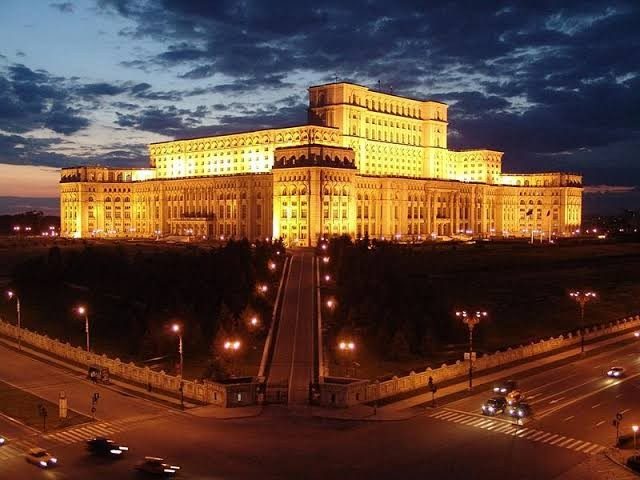
Bükreş tek bir kartpostal görüntüsüne indirgenmiyor. Belle Époque cepheleri, devasa komünist blokları, hâlâ onarılmamış birkaç bina ve yeni cam kuleler aynı sokakta yan yana duruyor. "Küçük Paris" lakabı 1900'lerin başında, Fransız mimarların şehri yeniden kurduğu dönemde ortaya çıktı; sonra Çavuşesku şehrin merkezini buldozerle yıktırıp yerine Halkın Sarayı'nı inşa ettirdi. Bu kontrast hâlâ sokaklarda okunuyor: bir köşeyi dönünce Belle Époque cephesiyle karşılaşıyorsun, ötekine geçince sosyalist apartman bloğuna çarpıyorsun.
Doğu Avrupa'nın en ucuz başkentlerinden biri sayılıyor. Bir akşam yemeği 15-20 EUR'a geliyor, bira 2.5 EUR, şehir içi Taxi 5-7 EUR. Prag ve Budapeşte'ye göre belirgin biçimde uygun, Tiflis ile aynı fiyat kategorisinde duruyor. Bu fiyat avantajı sayesinde Bükreş'in underground elektronik müzik sahnesi son on yılda büyüdü — Tale of Us, Solomun, Maceo Plex gibi DJ'ler şehri düzenli olarak ziyaret ediyor.
Therme Bükreş, şehrin öne çıkan tesislerinden biri. Avrupa'nın en büyük termal komplekslerinden birinde palmiyelerin altında 36°C suya giriyorsun, dışarıda aynı anda kar yağabiliyor.
Brașov ve Bran Şatosu (Dracula efsanesiyle anılan yapı), Bükreş'e yedi günlük bir ziyarette genelde plana giriyor. 5 saat sürüyor, bilet 14 EUR'a geliyor, güzergah Transilvanya tepelerinden geçip ortaçağ kasabasına ulaşıyor. Başkent, Erdel ve termal su kombinasyonu bu üçlüyü bir arada sunan başka bir Avrupa güzergahında karşına çıkmıyor.
Yemek baharatlı, doyurucu ve et ağırlıklı ilerliyor. Mici (kıyma köfteleri), sarmale (asma yaprağı sarması), mămăligă (mısır lapası), ciorbă (ekşili çorba) mutfağın klasikleri arasında. Osmanlı izleri hâlâ mutfakta duruyor, bu yüzden Türk damağına yabancı gelmiyor. Şarap ucuz ve kaliteli: Cotnari, Murfatlar, Recaș bölge şarapları öne çıkıyor. Țuică (erik rakısı) yerel ikramın klasik hali.
When to Go
Bükreş'te kara iklimi belirgin biçimde yaşanıyor. Yazlar sıcak geçiyor (35°C üzerine çıkabiliyor), kışlar soğuk oluyor (-10°C'ye düşebiliyor), bahar ve sonbahar kısa sürüyor.
| Period | Weather (daytime) | Density | Otel Fiyatı | Notes |
|---|---|---|---|---|
| January-February | -5 / 3° | Low | Low | It's cold, but Therme is in full season; serene after christmas |
| March | 2 / 12° | Low | Low | The beginning of spring, the parks are waking up |
| April | 7 / 18° | Medium | Medium | İyi bir başlangıç dönemi; Orthodox Easter atmosphere |
| May | 12 / 23° | Medium | Medium | Yılın en dengeli ayı; Eden Garden opens |
| June | 16 / 27° | Medium-High | Medium | Street Food Festival; long days |
| July | 18 / 30° | High | Medium-High | Hot; gündüzler bunaltıcı, geceler serinliyor |
| August | 18 / 30° | High | High | Summer Well, Enescu (biennial); Getting a hotel without air conditioning |
| September | 13 / 24° | Medium-High | Medium | İkinci uygun dönem; Enescu Festival final |
| October | 8 / 17° | Medium | Low-Medium | Autumn colors, parks are golden |
| November | 3 / 9° | Low | Low | End of season, cheap flights |
| December | -1 / 4° | Medium-High | Medium | Christmas market in front of the People's Palace; Therme + snow combination |
Our general recommendation is May-June and September. Therme deneyimi kışın da işliyor — kontrast daha belirgin oluyor. Brașov ve Bran day-trip için yaz aylarından kaçınmak, yağışsız bir bahar veya sonbahar günü seçmek daha rahat bir yolculuk sağlıyor.
How to get there
Bükreş'in ana havalimanı Henri Coandă Uluslararası Havalimanı (OTP), şehir merkezinin 17 km kuzeyinde yer alıyor. Eski adı "Otopeni" ve hâlâ bu isimle anılıyor.
Flights from Türkiye:
| Exit | Duration | Airline |
|---|---|---|
| Istanbul (IST) - OTP | 1 hour 35 min | THY (3-4 flights per day) |
| Istanbul (SAW) - OTP | 1 hour 40 min | Pegasus, Wizz Air (2-3 flights per day) |
| Ankara (ESB) - OTP | 1 hour 50 min | THY (3-4 flights per week) |
Wizz Air ve Pegasus'tan erken alınan biletler 50-100 EUR'a gidiş-dönüş çıkıyor.
From airport to city:
7 EUR, round trip). The cheapest option. 8 EUR). Seferler seyrek, saatleri önceden kontrol etmek gerekiyor.
- Bolt/Uber: 25-40 min, 60-100 RON (~12-20 EUR). En konforlu seçenek.
- Taxi: Ana terminaldeki otomatlardan biniş kuponu alınıyor (saat başına ücret üzerinden), sokak Taxisine binmemek gerekiyor — fiyatlar orantısız yüksek çıkıyor.
Bolt, şehirde en tutarlı fiyat veren seçenek olarak öne çıkıyor.
Tren seçeneği: Sofia 10 saat, Belgrade 14 saat, Budapest 16 saat sürüyor — Romanya demiryolu ağı Avrupa standartlarının altında kalıyor, uçak genelde daha mantıklı geliyor.
Urban Transportation
Bükreş'in toplu taşımasını STB (Societatea de Transport București) işletiyor.
Metro: 4 hat çalışıyor (M1-M4). M2 ana hat, kuzey-güney ekseni boyunca şehri kat ediyor. Sefer sıklığı 4-6 dakika, çalışma saatleri 05:00 - 23:30. 6 EUR), 10-pack 25 RON (~5 EUR). Bilet metro istasyonlarındaki otomatlardan alınıyor.
Tramvay ve otobüs: Ağ yoğun işliyor. 8 EUR, 2 trips). 6 EUR), tüm hatları kapsıyor.
Bolt/Uber: Şehir içi mesafeler 15-30 RON (~3-6 EUR) arasında tutuyor. Bolt fiyat olarak biraz daha ucuz kalıyor, Uber eşleşmeyi daha hızlı yapıyor.
Yürüyüş: Lipscani-Calea Victoriei-Athenaeum-Piaţa Revoluţiei aksı baştan sona yürünebiliyor. Halkın Sarayı, Lipscani'den 25 dakika yürüme mesafesinde. Therme ve Herastrau için araçlı ulaşım gerekiyor.
Otopeni transferi: Şehir içinde başka bir yere gitmeyecek olsan bile bu rota için Bolt kullanmak fiyat ve süre açısından avantajlı kalıyor.
Accommodation Regions
Bükreş kompakt bir şehir değil, bu yüzden Hotelin konumuna göre günün akışı değişiyor.
- Lipscani / Eski Şehir (Sector 3): Gece hayatı, restoranlar ve tarihi doku aynı bölgede toplanıyor. Kısa tatiller için pratik bir konum. Hafta sonu gürültü artabiliyor, iç avluya bakan oda istemek işe yarıyor.
- Calea Victoriei / Athenaeum çevresi (Sector 1): Belle Époque cepheleri ve daha yüksek Hotel fiyatları bu bölgeyi tanımlıyor. Mimari yürüyüş ve merkeze yakınlık için en avantajlı konum.
- Piața Romană / Universitate (Sector 1-2): Genç ve yerli nüfusun yoğun olduğu, kafe-bar yoğunluğu yüksek bir mahalle. Metro bağlantısıyla şehrin her noktasına kolay erişim sağlıyor.
- Herastrau / Aviatorilor (Sector 1, kuzey): Yeşil alan ve Belle Époque villalarla çevrili, sakin bir bölge. Şehir merkezine 10 dakika mesafede duruyor.
- Otopeni / havalimanı çevresi: Sadece transit geçiş veya Therme odaklı bir kalış için mantıklı. Şehir merkezinden uzak kalıyor.
Önerilmeyen bölgeler: Sector 5 ve 6'nın iç kısımları — bakımsız apartman blokları arasında kalıyor, geceleri ıssızlaşıyor, turistik bir rota değil.
Budget Plan
Bükreş, Avrupa başkentleri arasında belirgin biçimde ucuz kalıyor. Sofia ile aynı kategoride, Budapest'nin biraz altında konumlanıyor.
| Budget Style | Accommodation | Food | Activity/Transportation | Total (2 people/3 days) |
|---|---|---|---|---|
| Economic (hostel/2* hotel, street food) | 120 EUR | 70 EUR | 60 EUR | ~250 EUR |
| Moderate (3-4* hotel Lipscani, mixed) | 280 EUR | 130 EUR | 100 EUR | ~510 EUR |
| Comfort (4-5* boutique Calea Victoriei) | 550 EUR | 220 EUR | 150 EUR | ~920 EUR |
| Luxury (InterContinental, Athénée Palace) | 1.300 EUR+ | 400 EUR+ | 220 EUR | ~1.900 EUR+ |
Practical items: Espresso 10-15 RON (~2-3 EUR), mici portion 20-30 RON (~4-6 EUR), beer 10-15 RON (~2-3 EUR), Therme whole area 169 RON (~34 EUR), metro single ticket 3 RON (~0.6 EUR), Bolt city 15-30 RON (~3-6 EUR). EUR), Bran castle tour (day) 200-300 RON (~40-60 EUR), Braşov train ticket 70 RON (~14 EUR).
Practical Tips
Currency: Romania is a member of the EU but does not use the Euro — its currency is the Leu (RON, plural: Lei). 1 EUR ≈ 5 RON. Turistik yerlerde Euro kabul eden işletmeler var ama kur genelde dezavantajlı çıkıyor, RON kullanmak daha mantıklı. Kart neredeyse her yerde geçiyor, küçük tezgâhlar hariç. ATM "conversion" teklif ettiğinde reddetmek gerekiyor.
Su: Bükreş'in musluk suyu içilebiliyor, tadı tercih meselesi. Bottled water 3 RON.
Dolandırıcılık uyarısı: Havalimanında sokak Taxisi teklifleri (Bolt kullanmak daha güvenli), Lipscani'de bara davet eden yabancıların klasik senaryosu (gitmemek gerekiyor), Otopeni'deki döviz büroları (kur kötü, banka veya şehir merkezi tercih edilmeli). Genel olarak Bükreş güvenli sayılıyor ama küçük dolandırıcılıklara karşı dikkatli olmak gerekiyor.
Köpekler: 2000'lerde Bükreş sokakları başıboş köpeklerle doluydu, durum büyük ölçüde çözüldü ama bazı bölgelerde hâlâ rastlanıyor. Saldırgan değiller, mesafeli durmak yeterli.
Dil: Rumence Latin kökenli (İtalyancaya yakın), birkaç temel kelime öğrenmek yeterli oluyor. "Mulțumesc" (thanks), "Bună" (hello), "La revedere" (see you). Genç nesil İngilizce konuşuyor, yaşlı kuşakta Fransızca da işe yarıyor.
Schengen 2024: Romanya Mart 2024'ten itibaren Schengen'in hava ve deniz sınırları kısmına dahil oldu. Kara sınırı henüz Schengen kapsamında değil. Türk umuma-mahsus pasaportu için Schengen vizesi gerekiyor — Macaristan'a giriş yapan vize Romanya'da da geçerli oluyor.
Tip ödeme: Restoranda %10 standart sayılıyor. Kartla ödemede "tip eklemek ister misin" sorusu yaygın değil — nakit bahşiş tercih ediliyor. Bolt sürücüsüne uygulama üzerinden bahşiş eklenebiliyor.
Travel Guide with Children
Bükreş, Avrupa başkentleri arasında çocuk dostu sayılıyor — Therme tek başına ülkeye gelmek için yeterli bir gerekçe oluşturabiliyor.
Recommendations by Age Group
0-3 yaş: Herastrau Parkı bebek arabasıyla dolaşmaya uygun, oyun alanları bulunuyor. Köy Müzesi açık havada, koşmaya alan tanıyor. Therme'nin "Family" bölümü 3 yaş altı için uygun, küçük havuzlar içeriyor.
4-7 yaş: Therme Galaxy bölümü kaydıraklarla çocukların ilgisini çekiyor. Grădina Zoologică București (Hayvanat Bahçesi) Băneasa'da, geniş ve modernize edilmiş durumda. Țăndărică Kukla Tiyatrosu hafta sonu çocuk gösterileri düzenliyor.
8-12 yaş: Halkın Sarayı turu çocuklar için biraz uzun sürüyor ama binanın ölçeği ilgi çekiyor. Antipa Doğa Tarihi Müzesi dinozor iskeletleri ve interaktif sergilerle dikkat çekiyor. Cişmigiu Parkı'nda kayık kiralamak bir seçenek oluşturuyor.
13+ yaş: Bran Şatosu (Dracula) bu yaş grubunda ilgi görüyor — efsane hâlâ etkisini koruyor. Escape room'lar Bükreş'te yaygın ve fiyatları uygun. Eden Garden gece kulübü elbette bu yaş grubu için değil ama yaz aylarında açık hava sineması ve etkinlikler düzenleniyor.
Top 5 Kid-Friendly Activities
Therme Bucharest Galaxy — 10 slides, wading pool, lazy river. Bir gün kolayca burada geçiyor.
Village Museum (Muzeul Satului) — Open air, real village houses, wooden churches. Çocuklar evlerin içine girip oynayabiliyor.
Herastrau Parkı + tekne — Göl üzerinde su bisikleti, çevrede oyun alanları bulunuyor. Mini-tren turu da var.
Bran Şatosu day-trip — 12+ yaş için Dracula ve şato kombinasyonu ilgi çekici geliyor.
Antipa Doğa Tarihi Müzesi — Șoseaua Kiseleff'te, interaktif dinozor sergisi ve mineral bölümü içeriyor.
Practical Information
- Bebek arabası: Şehir merkezi düz ilerliyor ama kaldırımlar bazı yerlerde bozuk olabiliyor. Metro istasyonlarının çoğunda asansör var, hepsinde değil.
- Çocuk menüsü: Restoranların çoğunda bulunuyor. Mămăligă, krep, mititei küçükler için uygun seçenekler arasında.
- Bilet indirimleri: Müzelerde 7 yaş altı genelde ücretsiz, 7-18 yaş yarı fiyat uygulanıyor. Discounts for children under 11 at Therme.
- Tuvalet: AVM ve müzelerde sorun çıkmıyor. Parklarda ücretli tuvaletler 2-3 RON'a hizmet veriyor.
Warnings
- Yaz aylarında 35°C üzerine çıkan gündüzlerde dışarıda vakit geçirmek zorlaşıyor, gölge ve su bulundurmak gerekiyor.
- Lipscani gece saatlerinde çocuklar için uygun kalmıyor, gündüz dolaşmak daha mantıklı.
- Therme'de sıcak havuzlar 12 yaş altına kapalı — Galaxy bölümünde kalmak gerekiyor.
- Brașov-Bran trenleri uzun sürüyor, küçük çocuklarla yorucu geçebiliyor.
Local Label and Culture Notes
Romenler Balkan ve Latin karakterinin karıştığı bir sosyal tavır sergiliyor. Türklere karşı yaklaşım çoğunlukla nötr veya olumlu kalıyor; Osmanlı dönemi 400 yıl sürmüş olsa da bu tarih gündelik ilişkiyi etkilemeyen, daha çok akademik bir konu olarak duruyor.
Selamlaşma: El sıkışma standart karşılama biçimi, yakınlar arasında iki yanak öpüşme uygulanıyor (Fransa'daki gibi). "Bună ziua" (iyi günler, resmi) veya "Salut" (selam, samimi) kullanılıyor.
Restoran kuralları: Garson masaya gelmeden önce oturulabiliyor. Hesap istemek için "Nota, vă rog" cümlesi yeterli. Masa paylaşımı yaygın değil — kalabalık restoranlarda bekleme süresi oluşabiliyor.
Bahşiş: %10 standart sayılıyor. Garson hesabı getiriyor, ödeme yapılıyor, bahşiş sonrasında nakit bırakılıyor. Kart slipinde bahşiş kutucuğu genelde bulunmuyor.
" (nasılsın) sorusunu gerçek bir cevap beklentisiyle soruyor. Türkiye'deki gibi geçiştirici bir yanıt yerine kısa ama gerçek bir cevap veriliyor.
Kilise adabı: Ortodoks kiliselerde kadınlar için baş örtüsü zorunlu değil, erkekler için şort giyilmiyor. Stavropoleos gibi aktif manastırlarda fotoğraf çekmeden önce izin istemek, ayin sırasında içeri girmemek veya sessiz kalmak gerekiyor.
Rome toplumu konusu: Romanya nüfusunun %3-5'i Rome kökenli, konuyla ilgili sosyal gerilim hâlâ sürüyor. Bu başlığı yerli biriyle sohbette açmamak, hassas bir mesele olarak kalıyor.
Țuică geleneği: Erik rakısı (țuică) yerel ikramın klasik hali. İkramı reddetmek kabalık sayılmıyor ama bir yudum alıp "şerefe" demek nezaket olarak görülüyor. "Noroc" (şerefe) kullanılan kelime.
FAQ
How many days to visit Bucharest? Üç gün şehir merkezini görmek için yeterli oluyor — Halkın Sarayı, Lipscani, Athenaeum, Therme. Beş gün daha dengeli bir plan sunuyor: bu süreye Brașov day-trip eklenebiliyor. Bir hafta tam paket oluşturuyor: Bükreş + Brașov + Bran Şatosu + Therme'de tam gün + festivaller. Schengen vizesiyle gelindiğinde bir haftadan fazla burada kalmak gerekmiyor, Sibiu veya Kluj'a geçilebiliyor.
Is a Schengen visa required? Türk umuma-mahsus pasaport için gerekiyor — Romanya 2024'ten itibaren Schengen'in hava-deniz bölümüne dahil oldu. Macaristan, Yunanistan veya başka bir Schengen ülkesinden alınan çok girişli Schengen vizesi Romanya'da da geçerli oluyor. Hususi/hizmet/diplomatik pasaport vizesiz, 180 günde 90 gün kalınabiliyor. Detaylar Vize Rehberi sayfasında yer alıyor.
How to get to Bran Castle? İki yol bulunuyor: (1) Bükreş'ten direkt günlük tur — 200-300 RON arası, sabah çıkılıp akşam dönülüyor, otobüsle. GetYourGuide, Viator veya yerel acentelerden ayarlanabiliyor. 5-3 hours) + Braşov-Bran bus (50 min). Brașov'da bir gece kalıp ertesi gün Bran'a gidilirse yolculuk daha rahat geçiyor ve Brașov da görülmüş oluyor. Şato girişi tek başına 70 lej.
Is Dracula real? Romanı yazan Bram Stoker Romanya'ya hiç gelmedi, Bran Şatosu'nu da görmedi — kitabı yazarken Romen şato çizimlerine bakmakla yetindi. Tarihsel Drakula, yani Vlad Țepeș (Kazıklı Voyvoda), 15. yüzyıl Eflak prensiydi; Osmanlı'ya karşı savaştı ve esirlerini kazığa oturtmasıyla tanındı. Bran'da yaşamadı, kısa süreli bir esaret dönemi geçirmiş olabilir. Yine de efsane ve şatonun mimarisi turistik ilgiyi canlı tutuyor.
Is Therme Bucharest really worth it? Avrupa'nın en büyük termal komplekslerinden birinde bir günü kolayca geçiriyorsun. Galaxy (kaydıraklar), Palm (termal rahatlama), Elysium (yetişkin sauna) üç ayrı bölüm sunuyor. Tüm alan bileti 169 lej (~34 EUR), Galaxy tek başına 89 lej. Şehir merkezine 17 km, Bolt ile 50 lej tutuyor. Özellikle kış aylarında — palmiyeler altında 36°C su, dışarıda kar — bu kombinasyon başka bir yerde karşına çıkmıyor.
Is Bucharest safe? Avrupa standartlarında orta-yüksek güvenlik seviyesinde duruyor. Şiddet suçu oranı düşük, yankesicilik ve dolandırıcılık vakaları görülüyor (Lipscani, metro yoğun saatleri). Gece Lipscani çevresi turist yoğunluğu sayesinde güvenli kalıyor, Sector 5/6'nın iç kısımları geceleri tercih edilmiyor. Bolt kullanmak, sokak Taxisine binmemek öneriliyor.
Does Romania use the Euro? Hayır — AB üyesi ama Euro'ya geçmedi, para birimi Leu (RON, çoğul Lei). 1 EUR ≈ 5 RON. Hotelde ve Lipscani'nin bazı turistik mekanlarında Euro kabul ediliyor ama kur dezavantajlı çıkıyor. RON kullanmak veya kartla ödemek daha avantajlı.
How is Bucharest nightlife? Lipscani turistik ve hareketli bir bölge ama Bükreş'in underground sahnesi asıl karakteri oluşturuyor — Eden Garden, Guesthouse, Control Club gibi mekanlar elektronik müzik gecelerine ev sahipliği yapıyor. Tale of Us, Solomun, Maceo Plex gibi DJ'ler düzenli olarak sahne alıyor. Bilet 80-150 lej, içecek 15-30 lej — Avrupa standartlarına göre düşük fiyatlarla ilerliyor.