About
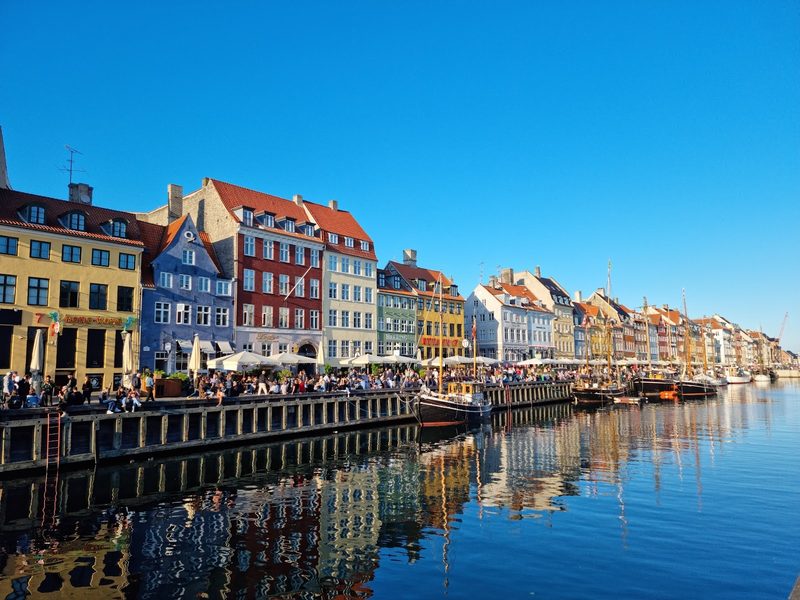
What comes to your mind when you think of Copenhagen? Colorful houses, bicycles, happy people. Denmark is constantly in the top three in world happiness reports, and one of the reasons for this is the lifestyle of this city. But it would be unfair to summarize Copenhagen simply as "the city of happy people" — it is also one of the culinary capitals of the world, the cradle of Scandinavian design, and one of the rare metropolises where the bicycle beats the car.
Founded on the eastern tip of the island of Sjælland, on the shores of the Öresund Strait, Copenhagen is connected to the Swedish city of Malmö by a bridge. Geographically, it is flat — its highest point is 91 meters. This flatness explains the cycling culture: pedaling in the city instead of driving is both faster and more logical. In the morning rush hour, the banker wearing a suit, the mother dropping off her child at the grocery store, and the university student pedaling in the same rhythm in the bike lane. This view is like a summary of Copenhagen.
The city's history dates back to the Viking age — even its name comes from Købmandshavn, meaning "merchants' harbour". But the real period that shaped today's Copenhagen is the 17th century: King IV. Rosenborg Castle, Rundetaarn and Christianshavn canals, built during the Christian period, still form the skeleton of the city. Hans Christian Andersen lived here, Kierkegaard thought here, Lars von Trier shot films here. There is history, but Copenhagen is not a city of nostalgia — it always looks ahead.
Food is a reason to travel in Copenhagen. When Noma started the "New Nordic" movement in the world, Copenhagen became at the center of the gastronomy map. There are more than 15 Michelin star restaurants in the city. But you can eat well without fine dining: smørrebrød, with shrimp, smoked meat and pickled ingredients on rye bread, is the star of every lunch. Buy a hotdog for 40 kroner from the red stalls on the street, eat oysters at Torvehallerne, and browse world cuisine at Reffen. It's hard to find bad food in Copenhagen — the only pitfalls are in the tourist restaurants right in the middle of the Nyhavn canal.
Everyone has heard of the concept of Hygge, but experiencing it in Copenhagen is something else. Drinking coffee with candles in a dimly lit cafe, curling up with a blanket and cracking open a beer by the canal, sharing simple but delicious meals at a friend's house — it's all hygge. You cannot translate this word into Turkish, but you will understand what it means the first evening you spend in Copenhagen.
Let's also say this: Copenhagen is expensive. Seriously expensive. A beer costs 70-80 DKK (around 10 EUR), dinner for two at the restaurant costs 800-1200 DKK (110-160 EUR). But the city does this on purpose — the standard of quality is high everywhere, there is almost no such category as "bad for cheap". Plan your budget well, use supermarkets, use your Copenhagen Card and turn to street food; Even though it is expensive, Copenhagen is a city you will not regret.
When to Go
Copenhagen's climate is maritime — summers are warm, winters are cold and dark. Summer days are very long (light until 22:00), winter days are very short (dark until 15:30). This difference seriously affects your planning.
| Period | Weather (daytime) | Density | Otel Fiyatı | Notes |
|---|---|---|---|---|
| January-February | -1 / 3° | Low | Low | Cold and dark but cheap. It's hygge season. |
| March | 1 / 7° | Low | Low | Spring hasn't come yet, the weather is changeable |
| April | 4 / 12° | Medium | Medium | Tivoli is opening, gardens are blooming |
| May | 8 / 17° | Medium-High | Medium-High | Ideal start; long days, warm weather |
| June | 12 / 21° | High | High | Distortion festival, longest days |
| July | 14 / 23° | High | High | Hottest month, Jazz Festival, Reffen open |
| August | 14 / 22° | High | High | Copenhagen Cooking is still good |
| September | 11 / 18° | Medium | Medium | Second best period, crowds are thinning |
| October | 7 / 12° | Low-Medium | Low-Medium | Autumn colors, the weather is getting colder |
| November | 3 / 7° | Low | Low | Christmas markets open in mid-November |
| December | 0 / 4° | Medium-High | Medium | Tivoli christmas market, gløgg, lights |
Our general recommendation is between May and September. During this period, the days are long, the weather is nice, outdoor activities and Reffen are open. But Copenhagen's December is different too — Tivoli's version of Christmas is magical, gløgg (mulled wine) is on every corner, and candle-lit cafes on dark nights are the peak of hygge.
How to get there
Copenhagen's main airport, Copenhagen Airport (CPH), is just 8 km southeast of the city center — one of the most accessible airports in Europe.
Flights from Türkiye:
| Exit | Duration | Airline |
|---|---|---|
| Istanbul (IST) - CPH | 3 hours 15 min | THY, SAS (2-3 flights per day) |
| Istanbul (SAW) - CPH | 3 hours 20 min | Pegasus (3-4 times a week) |
| Ankara (ESB) - CPH | 3 hours 30 min | THY (with connections, 2-3 times a week) |
| Izmir (ADB) - CPH | 3 hours 30 min | THY, SAS (direct) |
There are direct flights from Istanbul. THY and SAS (Scandinavian Airlines) operate direct flights. Pegasus also offers seasonal direct flights. It is possible to find tickets between 150-250 EUR with early booking.
From airport to city:
- Metro (M2): 15 min, Nørreport or Kongens Nytorv, 38 DKK (~5 EUR). The fastest and cheapest option. It works 24 hours a day.
- Train (DSB): 13 min, Hovedbanegården (central station), 38 DKK.
- Bus (5C): 30-40 min, city center, 38 DKK. The slowest option.
- Taxi: 15-20 min, 250-350 DKK (~35-47 EUR).
The metro is arguably the best option — it's fast, cheap, operates 24 hours a day, and drops directly into the city centre.
Train option: Öresund train to Malmö 35 minutes (Sweden!). 4.5 hours to Hamburg by IC3. Scandinavian trains are expensive but comfortable.
Urban Transportation
When it comes to transportation in Copenhagen, the first answer is: bicycle. But of course public transportation is also excellent.
Bicycle: Bicycle lanes in the city are independent of cars, with separate traffic lights for cyclists. 675,000 bikes vs 120,000 cars — the numbers speak for themselves. Rent a bike from Donkey Republic or Bycyklen (40-80 DKK/day). The rules are simple: keep right, give hand signals when turning, don't walk in the bike lane (Danes get very angry about this).
Metro: 4 lines (M1-M4), operates 24 hours a day, driverless and very clean. It covers the city center comprehensively. M1-M2 goes to the airport, M3 (Cityringen) ring line.
S-tog (commuter train): 7 lines to go out of town. It goes to day destinations such as Hillerød (Frederiksborg Palace) and Klampenborg (Dyrehaven deer park).
Bus: It closes the points that the metro and train cannot reach. Night buses (N lines) are available.
Ticket system: One way ticket 2 zones 24 DKK. City Pass for 24 hours is 80 DKK, 72 hours is 200 DKK. Copenhagen Card 80+ museums + unlimited transportation: 479 DKK for 24 hours, 949 DKK for 72 hours. Since museum entrances are expensive, Copenhagen Card definitely makes sense if you are going to visit 3+ museums. Tickets are purchased via Rejsekort (Denmark's Akbil) or the DOT app.
Taxi/Uber: Uber does not work (banned in Denmark). Free Now or Viggo applications are alternatives. Taxi is expensive — even short distances exceed 100 DKK.
Sea bus (Havnebussen): There is a free sea bus that runs along the canal (no ticket required). Nyhavn - Operaen - Papirøen line is both transportation and tour.
Accommodation Regions
Copenhagen is compact; If you choose the right area, you can reach anywhere in 15 minutes by bike or metro.
- Indre By (Inner City): Nyhavn, Strøget, Kongens Nytorv — everything within walking distance. It's the most expensive area but the location is unbeatable. Ideal for short visits and couples.
- Vesterbro: Close to the central station (Hovedbanegården), at the door of Tivoli. Meatpacking District, craft beer bars, trendy cafes. Prices are 20-30% lower than Indre By. For young couples and nightlife lovers.
- Nørrebro: The most multicultural and hipster neighborhood in Copenhagen. Superkilen park, Jægersborggade, Assistens Kirkegård. For those who want to see local life. Prices are reasonable.
- Christianshavn: Canals, proximity to Christiania, calm atmosphere. It feels like Amsterdam. Suitable for families and long stays.
- Frederiksberg: Quiet, green, rich residential area. Frederiksberg Garden and the zoo are nearby. For families and those looking for silence.
- Amager (Islands Brygge): Harbor pools, coast and newly developed area. For young people and those looking for budget-friendly options.
What we do not recommend: Brøndby and Hvidovre are far from the center and have little to offer in terms of tourism.
Budget Plan
Copenhagen is one of the most expensive cities in Europe. It competes with Oslo and Zurich. But with smart planning, you can control the budget.
| Budget Style | Accommodation | Food | Activity/Transportation | Total (2 people/3 days) |
|---|---|---|---|---|
| Economic (hostel, street food + supermarket) | 300 EUR | 180 EUR | 80 EUR | ~560 EUR |
| Moderate (3* hotel Vesterbro, mixed meal) | 600 EUR | 350 EUR | 150 EUR | ~1.100 EUR |
| Comfort (4* boutique hotel, gastronomy) | 1.200 EUR | 550 EUR | 200 EUR | ~1.950 EUR |
| Luxury (5* + Michelin, everything is the best) | 3,000 EUR+ | 1.500 EUR+ | 350 EUR | ~4,850 EUR+ |
Practical items: Filter coffee 35-50 DKK (~5-7 EUR), beer in the bar 60-80 DKK (~8-11 EUR), smørrebrød 95-175 DKK (~13-24 EUR), main course in the restaurant 150-250 DKK (~20-34 EUR), hotdog 40-65 DKK (~5.50-9 EUR), metro single ticket 24 DKK (~3 EUR), museum entrance 80-130 DKK (~11-18 EUR), Tivoli entrance 155 DKK (~21 EUR).
Currency tip: Denmark is not in the euro zone, so the Danish Krone (DKK) is used. 1 EUR ≈ 7.45 DKK. But you can pay by card almost anywhere — no need to carry cash. In fact, some places do not even accept cash, they work completely without cards.
Practical Tips
Carrying cash: Denmark is one of the most cashless countries in the world. Your visa card or Mastercard is sufficient. Even some shops and restaurants only accept cards. But it's still good to have a small amount of DKK on hand — some old flea markets and street stalls may ask for cash.
Water: Copenhagen's tap water is excellent. There's no need to buy bottled water. If you say "tap water" in restaurants, you get free tap water.
Bicycle rules: Don't walk in the bike lane (Danes will yell at you). Give hand signals when turning. If you're going to stop, raise your hand. Riding a bike at night without lights — you will be fined. Always lock the bike.
Sundays: Most shops are closed on Sundays in Denmark. Supermarkets are open (Netto, Føtex, Irma) but small shops are closing. Finish your shopping during the week.
Tip: There is no tipping culture in Denmark. Service included in the account. 5-10% is a nice gesture if you want to quit, but it's not mandatory and no one expects it.
Weather: The weather in Copenhagen can change at any time. It can rain even in the middle of summer. Always keep a folding umbrella or raincoat in your bag. The wind is also blowing hard — especially by the harbour.
Copenhagen Card: More than 80 museums and public transportation included. If you are going to visit 3+ museums and use public transportation, definitely consider it. 72 hour version 949 DKK (~127 EUR) — Tivoli (155 DKK) + Rosenborg (130 DKK) + Christiansborg (180 DKK) + National Museum (it's free anyway) = the card pays for itself.
Security: Copenhagen is a very safe city. You can walk comfortably even late at night. But bike theft is common — always lock your rental bike. Be careful in Pusher Street area in Christiania, do not take out your phone.
Health: Emergency 112. Hospital (Rigshospitalet) is one of the best hospitals in Europe. Pharmacies (Apotek) are located with a green cross sign. Steno Apotek (Vesterbrogade) is open 24 hours.
Travel Guide with Children
Copenhagen is one of the best cities in Northern Europe for families with children. Tivoli is already heaven for children, but there is also a lot to do outside of that. Since the city is flat, it is easy to travel with a stroller, public transportation is accessible, and museum programs for children are standard.
Recommendations by Age Group
0-3 years: Kongens Have (King's Garden) is ideal for running around with its wide lawns. The metro is fully equipped with elevators, and the low-floor buses are stroller-friendly. Tivoli's Petzi area is designed for little ones. Baby care rooms are standard throughout the city.
4-7 years: Tivoli Gardens is this age group's paradise — carousels, ship swings, playground. They can wear Viking clothes and play in medieval houses in the Børnenes Museum (Children's Museum) section of the National Museum. Experimentarium (science museum) is great with its interactive experiments.
8-12 years old: Advanced science experiments in the Experimentarium, Tivoli's big roller coasters, canal tour (they can sit in the boat captain's chair on some tours), bicycle tour and swimming at Amager Strandpark beach. Rosenborg treasure room impresses children.
Ages 13+: Christiania (with parent), Superkilen park (multicultural open-air museum), Designmuseum Danmark, Nørrebro neighborhood exploration, Reffen street food. Cycling by the canal gives a feeling of independence.
Top 5 Kid-Friendly Activities
Tivoli Gardens — There's something for kids of all ages. Little ones are in the Petzi area, adults are on the roller coaster. Pantomime theatre, live music and cotton candy. Take a full day.
Experimentarium — Interactive science museum in Hellerup. 300+ experimental stations: flight simulator, water experiments, architectural workshops. Children linger here for hours. Easy access by metro M1.
National Museum — Børnenes Museum — Museum section designed for children. Viking houses, medieval kitchens, Pakistani streets — they can touch, wear, play with everything. And it's free.
Canal tour + Little Mermaid — 1-hour canal tour is the most fun way for kids to explore the city. It would be more effective if you tell the Little Mermaid story through the boat.
Amager Strandpark — Artificial beach and lagoon, easy access by metro M2. Shallow water safe for small children. There is a cafe and toilet next to it. Ideal for picnics on summer days.
Practical Information
Baby stroller: Copenhagen is flat, the sidewalks are wide. Metro, trains and buses are fully accessible. Most restaurants and cafes have space for strollers. Danes leave strollers outside (yes, it's safe) — but we wouldn't recommend it for tourists.
Children's menu: Børnemenu (children's menu) is common in Danish restaurants. Hotdog, frikadeller (meatballs), pandekager (pancakes) and rugbrød (rye bread) are children's favorites.
Children's ticket discounts: 0-11 years old are free on public transportation (accompanied by an adult). Many museums are free for those under 18. There is a child version of the Copenhagen Card (half the price of an adult). Tivoli is free for children under 3 years old.
Toilet: Available in museums, shopping malls and cafes. There are free public toilets throughout the city — Copenhagen is generous in this regard.
Warnings
- Don't let children walk in bike lanes — very dangerous, cyclists are coming fast.
- Winter months (November-February) are very dark and cold. If you are coming with children during this period, plan Tivoli Christmas market + indoor activities.
- Christiania can be visited with children, but stay away from Pusher Street area.
- Smoking is prohibited in all indoor spaces in Copenhagen — you can rest easy about that.
- The wind blows hard at the seaside, so dress children warmly, especially in winter.
Local Label and Culture Notes
Danes are some of the most relaxed people in the world — but that doesn't mean there are no rules. It has its own codes.
Greeting: Handshake is standard; No hugging except from close friends. "Hej" (hey) is the most common greeting. "Hej hej" farewell. It's that simple.
Janteloven (Law of Jante): The invisible but powerful rule of Danish culture — “do not consider yourself superior to others.” That's why Danes don't like ostentation, modesty is important. It is one of the rare countries where showing off your expensive watch or branded bag has the opposite effect.
Bicycle label: Walking in the bike lane is the biggest sin. It is mandatory to give hand signals when turning. If you are going to stop, look back and raise your hand. Cycling while talking on the phone is prohibited and punishable.
Hygge: Don't try to create it artificially — it should be natural. Light a candle, wrap yourself in a blanket, open a hot drink, pick up the phone. Hygge is an atmosphere, not something to buy.
Working hours: Danes leave work around 16:00-17:00. It is rude to talk business after 18:00 in the evening. That's why you notice that even in evening bars, no one is on the phone — they're there because they want to be there.
Alcohol at meal: Drinking beer or akvavit (aquavit) at lunch is normal in Denmark and is done even at business lunches. "Skål!" Toast with (cheers), make eye contact — this is important.
Clothing: Smart casual is sufficient. Danes dress smartly but minimally — black, grey, neutral tones. Wearing a tourist t-shirt in neon colors will instantly make you stand out. Be sure to have a raincoat or windbreaker with you.
Silence: Talking loudly is not tolerated on public transport. Also keep your noise level low in museums, restaurants and cafes. Danes speak quietly, even among themselves.
Environmental awareness: Denmark is very sensitive about the environment. Don't throw your garbage on the ground, use recycling bins. The "pant" label on plastic bottles means a deposit — throw the bottles into the machines at Netto or Føtex supermarkets and get the money back (1-3 DKK per bottle).
FAQ
How many days to visit Copenhagen? Three days is the ideal minimum. In this time, you can fit in Nyhavn, Tivoli, a few museums, Christiania and food exploration. If you give it five days, you can add a bike tour, Malmö day trip and Louisiana museum. One week — perfect for a gastronomy-focused holiday.
Is English sufficient? Definitely. 86% of Danes speak fluent English — one of the highest rates in Europe. You can communicate comfortably in English everywhere. However, a few words like "hej" and "tak" (thanks) are a guarantee of a smile.
Does the Euro pass? Officially no — the Danish Krone (DKK) is used. Some tourist attractions may accept euros, but at a bad exchange rate. Payment by card is accepted almost everywhere, you don't even need to carry cash.
Copenhagen or Amsterdam? Both are canal cities, both are cycling paradises. Copenhagen is cleaner, safer and has superior food. Amsterdam is cheaper, the nightlife is livelier and the variety of museums is greater. It's hard to compare the two — they have different spirits.
How long does Tivoli take? 2-3 hours is enough just for the entrance + atmosphere. If you are going to ride the games, allow 4-5 hours. If you have children, calculate full time. If you go in the evening, the lighting is a different experience — you might consider going separately during the day and evening.
How to get to Malmö? 35 minutes by train from the Öresund Bridge. The ticket is purchased from Rejsekort or DSB application (approximately 110 DKK one way). Passport is being checked — keep it with you. You will pay in Swedish krona on the other side (or by card, no problem).
Is Copenhagen Card worth it? Yes, if you are going to visit 3+ museums and use public transportation. 72 hour pass 949 DKK — Tivoli + Rosenborg + Christiansborg + Designmuseum + Experimentarium = already 700+ DKK. Once transportation is included, you take out your card.
How to make a reservation for Noma? Noma switches to pop-up format in 2025 — check the current status at noma.dk. If it's open in its traditional format, reservations fill up months in advance, so sign up for the waiting list. Alternative: follow the daily restaurant projects of the same team.
Where to go on a day trip from Copenhagen? Louisiana Museum of Modern Art (35 km north, train 40 min — definitely go), Malmö (train 35 min, Swedish side), Helsingør (Hamlet's Kronborg Castle, train 45 min), Roskilde (Viking Ship Museum, train 25 min), Dragør (picturesque fishing town, bus 30 min).
What if I don't know how to ride a bike? No problem. You can reach everywhere by metro, bus and sea bus. But Copenhagen is flat, the bike lanes are separate from car traffic, and it's safe — it's an ideal city to try. You can make short half-hour trials from the Donkey Republic application.
What do I do if it rains? Rain is normal in Copenhagen — there are 170+ rainy days a year. Museums (National Museum, Ny Carlsberg Glyptotek, Designmuseum), Torvehallerne Grand Bazaar and cafes are indoor alternatives. Take a raincoat, carry an umbrella, and keep your plan very flexible.