About
Lisbon is the westernmost capital of Europe. Built on seven hills, where the Tejo River flows into the Atlantic Ocean, it stands in a place whose light is unlike any other European city. The sun here hits differently — golden yellow in the morning, honey-colored in the afternoon, orange-pink at sunset. Photographers call this light "Lisbon light" and they are not exaggerating.
545,000 people live in the city, but the metropolitan area exceeds 3 million. It has a compact center; You can visit most things on foot. Of course, I'm not counting the hills — Lisbon is not flat, not flat at all. Seven hills sounds romantic, but in practice it means your legs will be cursing you from day two. But just when you get tired, you come across a miradouro (observation terrace), you see Tejo and you forgive everything.
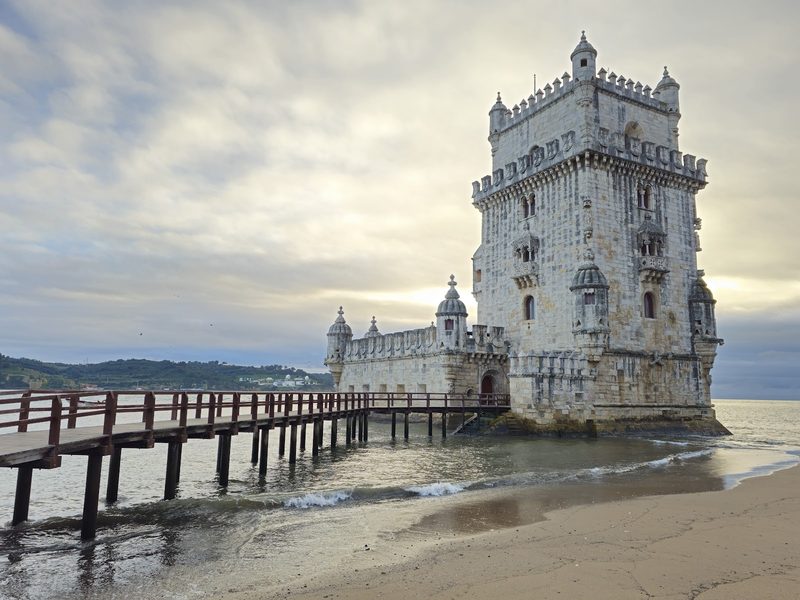
Portugal's greatness in the age of discovery is ingrained in every corner of the city. The monuments, monasteries and tower in the Belém region are the ruins of that period. But Lisbon doesn't just live on its past — it has become one of the most rapidly transforming cities in Europe in the last decade. The influx of digital nomads, the relocation of Web Summit, the explosion of creative spaces like LX Factory and the rise of the gastronomy scene have reshaped the city.
Lisbon's character is defined by a few things: fado music, pastéis de nata, azulejo tiles, yellow trams and saudade. Saudade is the untranslatable Portuguese word — a mixture of longing, sadness and beauty. When a fado singer starts singing, you feel the emotion even if you don't understand the language. That's how this city gets you.
Life here does not start as late as in Barcelona, but still, Istanbul is not as fast-paced. Lunch is between 13:00-14:00, dinner is between 20:00-21:00, and nightlife comes alive after 23:00. On Sundays, the city slows down and shops are generally closed. Adapt to this pace, do not rush - Lisbon is a city that is the enemy of rushing.
Let me say one more thing: Lisbon is one of the most affordable capitals in Europe. Quality at Western European standards, prices close to Eastern Europe. A beer costs 2-3 EUR, a good lunch 10-12 EUR, pastéis de nata 1.30 EUR. If you come after Paris and London, your eyes will fill with tears - of joy.
When to Go
Lisbon's average annual temperature is 17°C and sees 300 days of sunshine per year. Even winter is mild. But not every season is the same.
April-June golden period. The weather is between 18-25°C, there is plenty of sun, the crowds have not peaked yet. In June, especially with the Santos Populares festival, the city takes on a different energy — street parties, sardine barbecues, dancing. If you're going in June, catch it on June 12-13; Being in Alfama at Santo Antonio night is an unforgettable experience.
September-October second golden window. The summer crowds have dispersed, the temperature is still 20-26°C and the sea is swimmable. Prices have come down from their summer peak, and flight tickets are also more affordable.
July-August hot and crowded. 30-35°C can be seen, humidity is low but the sun burns. You can get sweltering at noon in Belém and Alfama. Hotel prices peak, with the NOS Alive festival pushing prices even higher in early July.
November-March is low season. 10-16°C, occasional rain. But the Lisbon winter is a lovable one — museums, fado houses and restaurants are highlights. Prices are quite affordable, except for the Web Summit week at the beginning of November. Christmas and New Year decorations are also beautiful.
Hotel prices increase significantly during festival periods (Santos Populares in June, NOS Alive in July, Web Summit in November). If you are going to stay on these dates, make a reservation 2-3 months in advance.
How to get there
Airway: Lisbon Humberto Delgado Airport (LIS) is just 7 km from the city center — one of the closest airports to the center in Europe. Turkish Airlines operates direct flights from Istanbul; Flight duration is approximately 4.5 hours. TAP Air Portugal is also active on the Istanbul-Lisbon route. It is possible to find tickets between 150-200 EUR if purchased early; It can go up to 300-400 EUR in the summer months.
Pegasus and other low-cost airlines offer connecting options; It may provide a price advantage, but the total journey time may extend to 8-12 hours.
Airport-City center:
| Option | Surah | Cost |
|---|---|---|
| Metro (Red line) | 20-25 min | ~1.65 EUR (with Viva Viagem card) |
| Aerobus | 25-35 min | ~4.50 EUR |
| Taxi | 15-20 min | 15-20 EUR (flat rate) |
| Uber/Bolt | 15-20 min | 10-15 EUR |
Metro is the most practical and cheap option. The airport stop (Aeroporto) is on the red line, and you reach Baixa-Chiado by transferring to the green line in Alameda. Get the Viva Viagem card from the machines at the airport (card costs 0.50 EUR + top-up).
Urban Transportation
Lisbon's public transport is operated by Carris (tram, bus, funicular) and Metropolitano (metro). Metro has 4 lines, is clean and fast; but it doesn't reach everywhere. Trams and buses complete the places where the metro does not go.
Viva Viagem card is the key to urban transportation. You can load a single trip (1.65 EUR) or a daily pass (6.85 EUR, unlimited metro+tram+bus) onto your 0.50 EUR card. If you are going to stay 3+ days, a daily pass makes sense.
Tram number 28 is the symbol of the city but also a means of transportation. The line from Martim Moniz to Estrela connects Alfama, Baixa, Chiado and Estrela. Before 08:00 in the morning or after 19:00 in the evening, a thousand people are packed like a sardine can. Watch out for pickpockets — keep your wallet in front on the tram.
Funiculars (elevadores): A humane way to climb the slopes of Lisbon. There are three historical funiculars:
- Elevador da Glória: Restauradores to Bairro Alto (most popular)
- Elevador da Bica: From Cais do Sodré up (most photogenic)
- Elevador do Lavra: Avenida da Liberdade to Torel garden (quietest)
They all work with the Viva Viagem card. The Santa Justa Elevator can also be taken with a transportation card, but the queue is long — you can also walk from the Carmo side.
Uber and Bolt are very active in Lisbon and cheaper than a taxi. Short distances 4-6 EUR, airport transfer 10-15 EUR. A good alternative when turning at night or when you don't want to climb hills.
Walking is the best transportation, but be prepared for hills. Comfortable shoes are a must — with heels you'll give up in 10 minutes in Alfama. Be careful, the paving stones are slippery when wet.
Accommodation Regions
Baixa-Chiado: The very center of the city. Metro, tram, restaurant, shopping everything is within walking distance. The most logical region for a first visit. Praça do Comércio and Rossio square are here. Prices are in the middle-upper segment but comfort is high.
Alfama: The heart of the old city. Narrow streets, historical houses, fado bars. Great for romantic couples and atmosphere seekers. Disadvantage: a lot of hills, don't come with luggage (serious), and some streets are quiet at night.
Bairro Alto / Príncipe Real: The center of nightlife. Bars, restaurants, boutiques. The streets are lively until late at night — those with mild sleep problems should stay away. Príncipe Real is a little more calm and stylish.
Cais do Sodré: Where Time Out Market is located. Riverside, trendy bars, close to the centre. It has become very popular in recent years. Ideal for young travelers and digital nomads.
Belém: One of the tourist areas, but a little far from the center (tram 15E or 15-20 minutes by bus). Quiet, wide, riverside. Suitable for families. Nightlife is almost non-existent.
Parque das Nações: Modern Lisbon. Oceanário, shopping mall, riverside promenade. Makes sense for business travel or Web Summit. Far from the atmosphere of historical Lisbon.
Budget Plan (3 days, per person, EUR)
| Category | Backpacker | Medium | Luxury |
|---|---|---|---|
| Accommodation (2 nights) | 50-80 (hostel) | 150-250 (3-4 stars) | 500+ (5 stars / boutique) |
| Food | 40-60 | 90-140 | 250+ |
| Transportation (Viva Viagem + metro) | 15 | 20 | 60 (taxi/Uber) |
| Museum + entrance fees | 20 (free domains) | 50 (Belém + Castle + Monastery) | 100 (guided tours) |
| Entertainment / night | 20 | 50 | 150+ |
| Total (3 days) | 145-195 | 360-510 | 1,060+ |
Lisbon is noticeably cheaper compared to Paris or Barcelona. The difference is especially noticeable in food and drink prices. A beer costs 2-3 EUR, an espresso (bica) costs 0.70-1 EUR, pastéis de nata costs 1.30 EUR. One of the cities offering Europe's best value/quality ratio for budget travellers.
During festival weeks (Santos Populares, NOS Alive, Web Summit) accommodation costs can double. Early booking always makes sense.
Practical Tips
Comfortable shoes come first. Lisbon's sidewalks are covered with cobblestones called calçada portuguesa. Beautiful but slippery and bumpy. Heeled shoes and flat-soled sandals are definitely a no-no. Walking shoes or well-soled sports shoes are a must.
Nata should be eaten hot. Pastéis de nata should be eaten hot right out of the oven. Sprinkle cinnamon and powdered sugar on top. There is a huge difference between cold and hot. The queue at Pastéis de Belém is long but moves fast, don't be afraid.
Bica/espresso culture: If you say "a coffee" in Portugal, espresso comes up. They call it "bica". If you want milk, ask for "galão" (latte-like) or "meia de leite" (half and half milk). The concept of filter coffee is almost non-existent.
If you haven't tried Ginja, you haven't come. Cherry liqueur is served in a chocolate glass. Get a shot for 1.50 EUR from the tiny bars around Rossio square. Sweet, powerful, addictive.
Pickpocketing: Be careful in Bairro Alto night, Tram 28 and Belém area. Don't carry your phone in your back pocket, keep your bag in front. Lisbon is generally a safe city, but there are opportunists in tourist-heavy areas.
Water is not free: In restaurants, they do not bring water without asking and bottled water is usually paid. Tap water is drinkable — if you say “água da torneira, por favor” it gets free.
Make a plan for Sunday: Many museums and small shops are closed on Sunday. On Mondays, museums are generally closed (including Belém Tower, Jerónimos). Plan the rest of your week accordingly.
Miradouro's free observation deck: There are dozens of observation decks on the hills of Lisbon. Best: Miradouro da Graça, Miradouro da Senhora do Monte (best for sunset), Miradouro de Santa Luzia (Alfama view), Miradouro das Portas do Sol. All free.
Sintra is a day trip. 40 minutes by train from Lisbon. Pena Palace, Quinta da Regaleira and Moors Castle can be visited in one day. Train from Rossio station every 20 minutes. Book a full day, go early.
Travel Guide with Children
Lisbon child-friendly score is 4.0/5 — the hills are tough, but the trams, pinwheels and colorful neighborhoods fascinate kids. The Portuguese are very friendly towards children; Restaurants are flexible, parks are safe.
Recommendations by Age Group
0-3 years: Belém region is flat and has wide pavements, the most suitable area for baby strollers. Jardim da Estrela park is shady and the playground is nice. But Alfama's stony slopes are stroller-friendly — use a kangaroo carrier.
4-7 years old: Tram number 28 is an adventure in itself for children (but it is crowded, be careful with your pocket). Oceanário (Europe's largest aquarium) is the star of this age group. It's also nice to run around in the park next to the Belém tower.
8-12 years: Sintra's colorful Pena Palace is like a fairy tale. Exploring the walls of Castelo de São Jorge and watching the city from above excites children. Eating fresh pastel de nata is a ritual at Pastéis de Belém.
Ages 13+: The art shops and cafes of LX Factory, the narrow streets and fado music of Alfama, and the train trip to Cascais attract young people.
Top 5 Kid-Friendly Activities
Oceanário de Lisboa — Europe's largest aquarium. Huge central tank, sea otters, penguins and interactive exhibits. Kids can't take their eyes off here.
Tram No. 28 — Passing through the narrow streets of Alfama on the yellow wooden tram is like an amusement ride for kids. Avoid crowded hours, get on early in the morning.
Castelo de São Jorge — Medieval hilltop castle. Exploring the walls, taking photos with the cannons and the city panorama make children happy.
Sintra Day Trip — The colorful walls of Pena Palace and the mysterious well of Quinta da Regaleira fascinate children. 40 minutes by train.
Jardim Zoológico de Lisboa — Zoo, dolphin show and cable car all in one. Full day activity.
Practical Information
Baby stroller: Lisbon is a hilly city. Strollers are impossible in Alfama and Bairro Alto. Belém and Parque das Nações are flat and convenient. Trams and metro are difficult with a baby stroller, buses are more practical.
Children's menu: In Portuguese restaurants, you can ask for children's portions (dose de criança). French fries, chicken, fish and rice are everywhere. Pastel de nata is a children's favorite.
Child ticket discounts: Metro and train are free for children under 4 years old. In most museums, children under 12 are free or discounted. Lisboa Card provides savings for the family.
Toilet: Available in museums and shopping malls. Few on the streets — cafes usually open to customers.
Warnings
- Slopes and stony pavements are prone to slipping. Make sure children wear appropriate shoes.
- Pickpockets are active on tram number 28, be careful with the child and the belongings.
- It can be intensely hot in the summer months, water and a hat are a must.
- You walk a lot in Sintra, bring comfortable shoes and snacks for the kids.
Local Label and Culture Notes
The Portuguese are warm, kind and hospitable people. But knowing a few things will make your life easier.
The greeting is a kiss on both cheeks — starting with the right cheek. In a business environment, a handshake is sufficient. "Bom dia" (good morning, until noon), "Boa tarde" (good afternoon, until evening), "Boa noite" (good evening) are the basic greetings. “Obrigado” means thank you for men, “obrigada” means thank you for women — just making that distinction makes people smile.
After you sit at the table in the restaurant, they bring you bread, butter, olives and sometimes cheese. Attention: these are not free. This service called "Couvert" costs between 2-5 EUR. If you don't want it, you can politely send it back and no one will be angry. But whoever touches it pays - even if you eat one olive, it is added to your account.
Tipping is not mandatory, but 5-10% is appreciated. It is enough to leave coins in the cafe and roll them in the restaurant. It's similar in a taxi.
Portuguese people don't appreciate you assuming they know Spanish. Portuguese and Spanish are related languages but not the same language. Say "Olá" instead of "Hola", say "obrigado/a" instead of "gracias". Knowing a few words of Portuguese immediately puts you in a different place.
Be quiet while listening to Fado. I'm serious — when the fado singer starts, even the cutlery stops in the restaurant. Talking, flash photography and phone ringing are considered disrespectful. Listen, feel, applaud.
Meal times in Lisbon are close to those in Türkiye. Lunch 12:30-14:30, evening 19:30-21:30. It's not like going to dinner at 23:00 like in Barcelona or Madrid — the restaurant might be full at 21:00.
Portugal's maritime past is a source of national pride. Be sensitive when talking about the age of exploration — the issue of colonialism is complicated. In general, Portuguese people look at their history with pride but critical eyes.
Finally, the topic of bacalhau (salt cod). The Portuguese claim to have 365 different bacalhau recipes — one for every day. It sounds like an exaggeration, but you really see dozens of different bacalhau dishes on menus. Bacalhau à Brás (with eggs and potatoes), Bacalhau com Natas (baked with cream), Pastéis de Bacalhau (fried bacalhau patties) are the most popular trio. Why a landlocked country is so dependent on salted, dried cod is an interesting question — the answer goes back to the need for protein that would not spoil on long sea voyages in the age of exploration.
FAQ
How many days to visit Lisbon? 3 days minimum for Belém, Alfama, Baixa-Chiado trio. 5 days with Sintra day trip, coastal towns (Cascais, Setúbal) and deeper neighborhood exploration is ideal. If you just want to see the city center quickly, 2 full days will be enough, but you will feel rushed.
Pastéis de Belém or Manteigaria? Try them both and decide for yourself. Pastéis de Belém is a traditional, historical, secret recipe. Manteigaria is more modern, the queue is shorter in Chiado. Both are excellent but different. Correct answer: eat both.
Should I take tram 28? Yes, but wisely. Get on before 08:00 in the morning or after 19:00 in the evening. The queue in the middle of the day reaches 30-40 minutes and is packed inside. Watch out for pickpockets. Alternative: 12E tram on similar route, less crowded.
Is Lisbon safe? One of the safest capitals in Europe. The violent crime rate is very low. But pickpocketing is common in tourist areas (Tram 28, Bairro Alto, Belém). Carry your bag in front, don't leave your phone on the table, be careful when you're drunk at night in Bairro Alto. In general, it is a city where you can walk comfortably on the streets even at night.
Is it possible to travel from Türkiye without a visa? No with ordinary (maroon) passport — Schengen visa required. Green (special), gray (service) and black (diplomatic) passport holders can enter without a visa for up to 90 days in 180 days. Schengen application is made through VFS Global; Due to the density of appointments in the summer months, it is safe to start 6-8 weeks in advance.
Where to listen to the best fado? In Alfama, Tasca do Chico is one of the most authentic options — small, friendly, not touristy. There are also fado houses in Bairro Alto. Beware: some "fado restaurant" packages are touristy and expensive (60-80 EUR). For the real fado experience, go to the little tascas, eat, wait — the singer will come.
How to get to Sintra? 40 minutes by CP train from Rossio station. Trains are every 20-30 minutes. Ticket ~2.50 EUR (one way). In Sintra, bus number 434 goes to Pena Palace. Go early (before 09:00), because Pena Palace gets very crowded in the afternoon.
Best transportation from the airport to the city? Metro red line is the cheapest and most practical (1.65 EUR, 20 min). Get your Viva Viagem card from the machine at the airport. Uber/Bolt 10-15 EUR and 15-20 minutes. Taxi fixed rate, 15-20 EUR.
Is English spoken in Lisbon? Yes, English is common, especially among the younger generation and in the tourism industry. Restaurant menus are generally available in English. But learning a few words of Portuguese (olá, obrigado/a, por favor) makes a big difference.