About
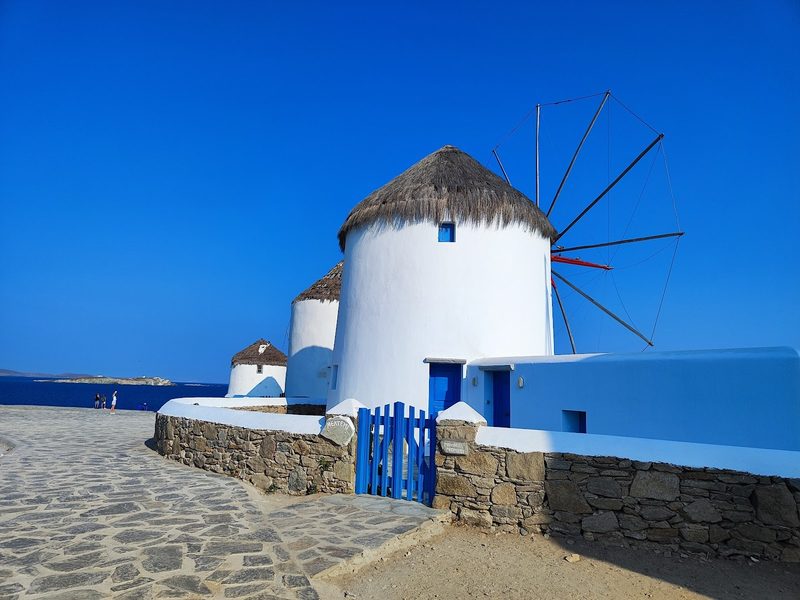
Mykonos is one of the Cyclades islands of Greece, but today it represents not a single island, but a way of life. Whitewashed houses, dark blue doors, bougainvillea flowers and the cobalt blue waters of the Aegean — this palette is known all over the world as "Mykonos". Its population is only around ten thousand, but in the summer months the daily population exceeds one hundred thousand.
This is not a cheap Greek island. On the contrary, it is one of the most expensive holiday destinations in the world. A cocktail is €25, a dinner is €100, a beach club lounger is €200, a one-night holiday is €500-€1,500 — these are daily figures. But what Mykonos sells isn't just beauty, it's a scene: yachts, celebrities, drag shows, superclub parties that last until the wee hours, and all in the same white-painted décor.
Mykonos is also one of the most well-known LGBT-friendly destinations in the world. This identity has been in the DNA of the island since the 70s — everyone is welcome on the street, on the beach, in the club. This atmosphere of freedom is an important part of the island culture.
There is also Delos. It's a completely different place, 30 minutes by boat from Mykonos, where the whole island is a UNESCO World Heritage ancient city. Birthplace of Apollo and Artemis. When you leave the fun frenzy of modern Mykonos for a day and travel back 2,500 years, you understand the double face of the island.
Our recommendation is clear: Go in September. Prices are falling from their July-August peak, the weather is still 28 degrees, the sea is warm, and the crowds are receding. The most mature version of Mykonos is experienced in this month.
When to Go
Mykonos season is tight but busy. From November to March, the island almost sleeps — most restaurants close, beach clubs shutter, only local life goes on.
| Period | Weather (daytime) | Density | Otel Fiyatı | Notes |
|---|---|---|---|---|
| January-March | 12 / 16° | Very Low | Very Low | Many places are closed; the island is in hibernation |
| April | 14 / 19° | Low | Low | Easter activity; venues are newly opening |
| May | 17 / 23° | Medium | Medium | Perfect start; Everywhere is open, the crowd is small |
| June | 21 / 27° | High | High | The season is getting warmer, the sea is 22° |
| July | 24 / 30° | Very High | Very High | Peak; Everywhere is full, prices are at the ceiling |
| August | 24 / 30° | Extremely High | Extremely High | All of Greece is on holiday; reservation impossible |
| September | 21 / 27° | High-Medium | Medium-High | The most ideal month; everything is open, the crowd is small |
| October | 17 / 23° | Medium | Medium | The season is coming to a close; The first week is ideal, the last week is risky |
| November-December | 12 / 17° | Very Low | Low | Beach clubs are closed; just chora |
In July-August, the summer peak, hotel prices increase by 200-300%, even a three-star hotel can go up to €400-500 per night. End of May-early June and September are the smart periods of Mykonos. September especially: the weather and sea are summer-like, the crowds have receded, prices have dropped by 30-40%, beach clubs are still operating at full capacity.
How to get there
There are two ways to Mykonos: plane or ferry.
Mykonos Airport (JMK) 4 km south of the city center. There are no direct flights to Türkiye — connecting via Athens (ATH) or Thessaloniki (SKG).
Flights from Türkiye:
| Exit | Duration | Airline | Transfer |
|---|---|---|---|
| Istanbul (IST) - JMK | 4-6 hours | THY, Aegean, Sky Express | Athens |
| Istanbul (SAW) - JMK | 5-7 hours | Pegasus + Aegean | Athens |
| Ankara (ESB) - JMK | 6-8 hours | THY + Aegean | Istanbul + Athens |
During the summer months (June-September) some charter and low-cost airlines operate direct flights — check at the beginning of the season. Ticket prices €300-450 (round trip, up to €600 at season peak).
Ferry option: If you are coming from Athens or other islands, the ferry is economical and atmospheric. Piraeus (Athens) - Mykonos: 2.5-5 hours (fast ferry 65 €, slow ferry 40 €). 2-3 hours from Santorini. There are daily departures during the summer months. Aegean Sea Lines, Blue Star Ferries and SeaJets are the main operators.
From airport to city:
- Bus (KTEL): 15 min, Chora bus station, €2. Every hour during the season.
- Taxi: 5-10 min, 15-25 € (to Chora). Few in number, expensive with a criminal record — taxi rank rather than practice.
- Hotel transfer: Most hotels provide paid/free transfers, ask before booking.
Urban Transportation
Mykonos is small (85 km²) but there are lots of hills and slopes — you can easily move around Chora alone on foot.
Bus (KTEL): There are services from Chora bus station to every point of the island. The fee is 2-2.5 €. There are regular services to the beaches (Paradise, Super Paradise, Elia, Platis Gialos) and Ano Mera. Every 30-60 minutes in season, less frequently in off season. The last trip is usually at 23:00-24:00. Buses can be crowded — standing travel is normal in August.
Taxi: There are only 30-35 taxis on the island. It is impossible to find it in the summer months, it is normal to wait for hours to reach it. Taxi stand is in Chora. No Bolt or Uber. Make a reservation by phone in advance.
Car rental: The smartest option. €40-100 per day (can go up to €150 during peak season). The roads are narrow and parking is impossible, especially around Chora. Still, I think it is indispensable for exploring the island. An international driver's license or one of the 28 EU countries is accepted.
ATV/Quad/Scooter: 25-50 € per day. It is the choice of young travelers, but accidents are very common. Helmet is mandatory, be careful.
Water Taxi (Sea Bus): Seasonal sea bus from the Old Port to Platis Gialos, Paranga and other southern beaches. €7-15, a fun alternative.
Accommodation Regions
Location is vital in Mykonos — pick the right area as getting from place to place is difficult.
- Chora (Mykonos Town): The heart of the island. Windmills, restaurants, boutiques, nightlife are within walking distance. The streets are narrow, you cannot park a car. The most logical region for your first Mykonos visit. If you are sensitive to noise, ask for a room facing the street.
- Ornos: 2 km from Chora, a small bay. Quiet for couples and families. The beach is not crowded and the restaurants are reasonably priced. Luxury hotels such as Belmond Cap d'Or are here.
- Platis Gialos: On the south coast, right next to the beach. Water taxi hub — from here you can go to other southern beaches. Ideal if you want family friendly, close to the beach.
- Psarou: The most luxurious area of Mykonos. Nammos is next door. Super luxury hotels and villas are here. Residences start from €1,000 per night.
- Paraga: The area around the bay where Scorpios and SantAnna are located. For party-oriented travelers. Young and energetic atmosphere.
- Ano Mera: The inner village of the island. Authentic, quiet, cheap. Far from the beach and nightlife — only sensible by car.
We do not recommend: Tourlos (close to the port but remote and soulless), Drafaki (next to the highway, walking is impossible).
Budget Plan
Mykonos is expensive. Let's be clear: this island is not designed for the budget traveler. However, you can control your budget limits by making smart choices.
| Budget Style | Accommodation | Food | Activity/Transportation | Total (2 people/3 days) |
|---|---|---|---|---|
| Economic (hostel/2-3* hotel, gyros + 1 restaurant) | 400 EUR | 250 EUR | 120 EUR | ~770 EUR |
| Moderate (4* hotel Ornos/Platis Gialos, beach club one day) | 900 EUR | 500 EUR | 350 EUR | ~1.750 EUR |
| Comfort (5* hotel, Scorpios, Nikolas) | 2,000 EUR | 900 EUR | 700 EUR | ~3,600 EUR |
| Luxury (Cavo Tagoo, Nammos, M-Eating) | 5,000 EUR+ | 2,000 EUR+ | 1,500 EUR | ~8,500 EUR+ |
Practical items: Espresso 4-6 €, gyros 6-10 €, freddo cappuccino 5-8 €, beach club sun lounger 60-300 € (depending on venue and beach), cocktail 15-30 €, indoor super club entrance 60-150 €, taxi (short distance) 15-30 €, bus ticket 2 €, dinner (medium level) 50-90 € per person.
Smart tactics: Go off-season (late May/September), use public beach instead of beach club, have some cheap meals with gyros and souvlaki, buy alcohol from supermarket (hotel minibar at spoilage price), carpool, book flights early on direct fare.
Practical Tips
Currency: Euro is used. The card is accepted everywhere, but local taverns sometimes offer a "cash discount". ATMs are plentiful in Chora, the fee is €3-5. Choose a currency protected card for Turkish banks.
Water: Tap water is not drinkable in Mykonos — it is salty, chlorinated on the island. Bottled water is standard. It is generally not given free of charge in hotels and restaurants.
Scam warning: In beach club accounts, a "service charge" comes automatically (10%), but some expect a tip on top. Before ordering, ask the price of the category — especially champagne, melon (Mykonos classic €50), seafood are priced per kilo. For "private boat tours" offered by yachts, the price must be decided clearly in advance.
Drag sunscreen: The Greek sun is brutal, at least SPF 30. Stay in the shade between 12-15 pm.
Clothing: Topless is allowed on the beach, nudity is accepted by tradition on some beaches (Super Paradise, some parts of Elia). Shoulders and knees must be covered when entering churches.
Wind: Mykonos is a windy island (Meltemi wind), especially July-August. The hat flies, the sand hurts on the beach. Beaches protected from the wind (Psarou, Ornos, Platis Gialos) are on the south coast.
Mykonos vs Santorini: Frequently asked — Santorini for scenery and romance, Mykonos for fun and beach. It takes 2 weeks to combine the two. If you have a tight time, choose accordingly.
Travel Guide with Children
Mykonos isn't a classic family destination — the prices are high, the nightlife-focused atmosphere isn't kid-friendly. Still, there are aspects that work for families with children.
Recommendations by Age Group
0-3 years: Ornos and Platis Gialos bays are shallow, calm and suitable for strollers. Chora's paved streets are difficult for a car, a backpack carrier is more practical. Sun loungers have shade but UV is high, bring additional awning.
4-7 years: Elia and Psarou beaches are child friendly. Moving from beach to beach with water taxis is an adventure for children. The Folklore Museum is small and quick to visit, ideal for explaining the island culture to children.
8-12 years old: The Delos tour is enjoyable from this age onwards. A combination of ancient ruins, mythology and boat travel. Water sports (banana boat, jet ski) are in Paradise and Platis Gialos. Aquaventure tours (cave visit) are fun.
Ages 13+: Young people love the atmosphere of Mykonos — shopping in Matoyianni, days at the beach, social media photos. Evening family dinners run long and late — plan accordingly.
Top 5 Kid-Friendly Activities
Delos Boat Tour — The UNESCO ancient city is like an open-air classroom. The lion terrace and mosaics attract the attention of children. Half day, return in the afternoon.
Ornos Bay — Shallow, calm, shade available. Children can swim safely. There are family restaurants around, the beach is sandy and has a blue flag.
Water Taxi Tour — Ride by water bus from the Old Port to Platis Gialos. Short, fun and with a surprising view.
Mykonos Folklore Museum — Small, free, kid-friendly. It visually explains island traditions. 30-45 minute visit.
Ano Mera Village and Pelican Petros — The pelican bird, the symbol of Mykonos, wanders around the port in Chora. Children can play freely in Ano Mera square.
Practical Information
Baby stroller: Chora's stone streets are difficult, Ornos and Platis Gialos are asphalt and flat. For hilly regions, folding jogger style cars are more practical.
Children's menu: Children's portions are not common in Greek restaurants, but sharing is comfortable. Souvlaki, pasta, gyros (plain) are options that children love. Fresh fruit is available everywhere.
Child ticket discounts: Buses are free for children under the age of 6, most museums are free for those under the age of 18 (including EU members, discounted for non-EU).
Health: Mykonos Hospital is 1 km away from Chora, there is a 24-hour emergency service. Pharmacies are in Chora and Ano Mera. If you do not have EU citizenship, private insurance is required.
Warnings
- Most beach clubs are not child friendly — noise, alcohol, music. Prefer family beaches (Ornos, Platis Gialos, Elia).
- Evening restaurants open late (after 20:00-21:00), which is difficult for young children.
- Party venues like Cavo Paradiso and Scorpios are 18+, don't forget the little ones.
- The Mykonos sun is merciless; Sunglasses and a hat are a must for children's eyes.
- The wind can be strong on the beaches, take small children to bays protected from the wind.
Local Label and Culture Notes
Mykonos embodies both traditional Greek island culture and global luxury tourism culture. It is necessary to tread gently between the two.
Greetings: Greeks are warm and direct. Handshake is standard, cheek kissing between close acquaintances (both parties). “Kalimera” (good morning), “Kalispera” (evening), “Efharisto” (thanks), “Yiamas” (cheers) — these five words work great.
Restaurant rules: Greek table takes a long time. Don't rush. Share the appetizers, put them out there. The waiter doesn't bring the bill on his own — he waits until you ask for it. The standard tip is 10%, if the service fee is automatic, it is good behavior to leave a small tip on top.
Island culture vs luxury tourism: The older locals in Chora's inner streets are not always welcoming to the luxury tourist atmosphere. Don't talk loudly on the streets or make noise late at night. When taking photos on the streets with local life, ask first.
LGBT-friendly: Mykonos has been a haven for the LGBT community since the 1970s. This culture appears in places such as Chora and Eros, Babylon. It is necessary to act like a guest and respect the identity of the island.
Church etiquette: Shoulders and knees should be covered when visiting Paraportiani and other churches. Always keep a pareo or cardigan in your bag. Photography rules vary from building to building — if there is no signage, ask.
Pelican Petros: The unofficial mascot of Mykonos. Pelican birds wandering around the port are under the protection of the public. It is forbidden to disturb them, feed them (except special food), or scare them.
FAQ
How many days to visit Mykonos? Just for Mykonos, 3-4 days is ideal. Chora fits in the main beaches, a Delos tour, and a few nightlife experiences. 7 days also makes sense — slow pace, different beaches, beach club days, late breakfasts. Staying longer will be financially difficult, but there are people who do it.
How expensive is Mykonos? Is it possible within the budget? Very expensive, but possible. Go at the end of May/September, stay in a 3-star hotel in Platis Gialos, use the bus, eat gyros and souvlaki, visit the beach club once (not mandatory), eat in tavernas. In this way, 100-150 € per person per day can be squeezed. €500-1,000 per day is normal on the luxury route.
How to go on a Delos tour? Morning boats leave from Chora's old port (09:00, 10:00, 11:30). Ticket 25 € (round trip boat) + 20 € (ancient city entrance). It takes about 5 hours — 30 minutes out, 3-4 hours exploring, 30 minutes back. Guided tour 50-70€. It is also possible to travel on your own, with mobile guide apps. Hat, water and sturdy shoes are a must.
Which is the best Mykonos beach? There is no single answer. If you want a party, Paradise. If you want luxury, Psarou. If you like it calm, Elia or Ornos. Platis Gialos for the family. Super Paradise for LGBT-friendly atmosphere. For authentic Agios Sostis (north coast, ownerless, most local). Most people try 3-4 different beaches, do the same.
How much does Mykonos nightlife cost? The calculation is with tax: super club entrance 60-150 €, cocktail 20-30 €, beach club sun lounger 80-300 €, table reservation starts from 500 €, champagne 200-2,000 €. A night at Cavo Paradiso or Scorpios easily works out to €200-500 per person. An evening can be spent in more modest places such as Astra Bar or Skandinavian for 60-100 €.
Is Mykonos visa-free? How to travel with a Turkish passport? Greece is a Schengen member, Schengen visa required with ordinary (maroon) passport. Applications are made through the Consulate General of Greece in Türkiye or VFS Global. Special (green), service and diplomatic passport holders can enter visa-free for up to 90 days in 180 days. The application period is 15-30 days, or up to 60 days if the season is busy. Start early.
Is Mykonos safe? It's very safe. Even pickpocketing is very rare. The main risks are late night ATV/scooter accidents (tired and drunk driving are very common), sunburn and dehydration. It is relatively safe to leave your belongings unattended on the beaches, but again, be careful.
Where to go on a day trip from Mykonos? Delos is the most logical (half day, ancient city). Tinos Island to the north, 30 minutes by ferry — a quieter, more authentic island experience. Naxos and Paros are a bit far for a day trip, but possible. Santorini day trip is unreasonable (5-7 hours one way), reserve at least 2 nights.
Why is September ideal for Mykonos The weather is still 27-28°C, the sea has been warm all summer, around 24-25°C. The July-August crowd has receded, hotel prices have dropped by 30-40%, and restaurant reservations are easy. Beach clubs and super clubs are still operating at full capacity. On top of that, the Greek grape harvest period, the festive atmosphere. The only drawback: The wind increases towards the end of September and some ferry services may be canceled.