About
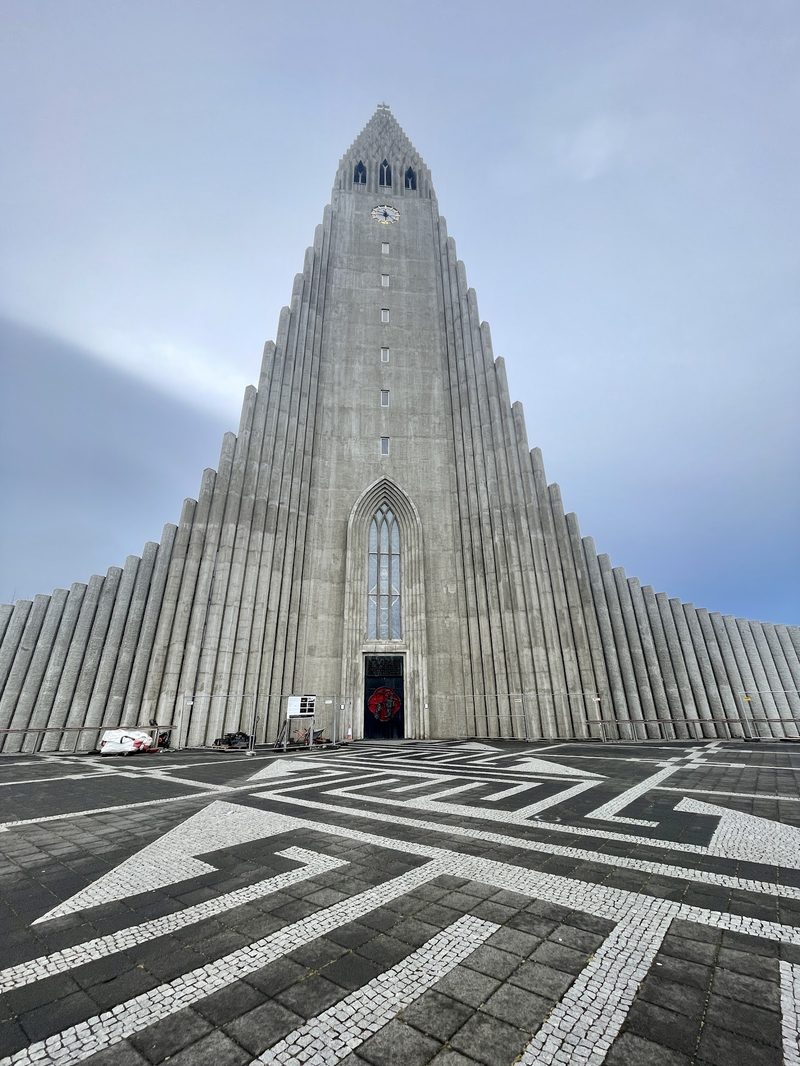
Reykjavik is the northernmost capital city in the world. It is a small city with a population of 140 thousand, but it attracts more than 2 million tourists every year. The reason is simple: the city is a starting point in itself. Colorful tin-roofed houses, basalt column church, honeycomb glass concert hall — but the real deal is around. A mineral hot spring is an hour's drive away, an active geyser is two hours away, a black sand beach is three hours away, and a glacier lagoon where blue icebergs float is five hours away. Game of Thrones' beyond the wall, Interstellar's water planet, Star Wars' snow scenes — they were all shot here.
The city is really small. 15 minutes walking from Hallgrímskirkja to the port. 20 minutes from the beginning to the end of Laugavegur street. That's why the city tour ends in 1-2 days; You need to devote the rest of your time to nature. Reykjavik is not a destination, it's a base. Leave the hotel in the morning, keep a souvenir of volcano ash in your pocket when you return in the evening.
Icelanders experience island psychology at its best: isolated but connected, harsh but warm, quiet but creative. The country, with a population of 400 thousand, has the highest book printing rate in Europe, the potential for the most Eurovision wins, and one of the most egalitarian societies. It is very difficult to find men who do not speak English — they learn it from kindergarten. How will you feel as a Turk? An icy but kind welcome. The waiters do not smile but are helpful, the taxi drivers talk little but take you to the right place. This is what the northern people are.
If you mean weather, three sentences fit: windy, changeable, rainy. You will see four seasons in one day — sun in the morning, rain at noon, wind in the afternoon, blizzard in the evening. Don't go out without a waterproof jacket. The Icelanders have a saying 'Það er ekki til vont veður, bara röng föt' (there is no bad weather, just the wrong clothes), so take it easy.
When to Go
Iceland has two seasons: summer (June-August, 24-hour daylight) and winter (November-February, almost no daylight but aurora). Both are different holiday experiences.
| Period | Weather (daytime) | Daylight | Density | Notes |
|---|---|---|---|---|
| January-February | -2 / 3° | 4-7 hours | Low | Aurora season peak, Þorrablót meals, hotel cheap |
| March | 0 / 5° | 10-12 hours | Low-Medium | Aurora is still active, roads are opening |
| April | 2 / 7° | 14-16 hours | Medium | Transitional month, prices are reasonable |
| May | 5 / 10° | 18-20 hours | Medium | Greening is starting, parrot birds are coming |
| June | 8 / 13° | 21-24 hours | High | Midsummer, white nights, whale tours |
| July | 10 / 14° | 21-22 hours | Very High | Peak season, hotel reservations months in advance |
| August | 9 / 13° | 17-20 hours | High | Marathon, Pride, carpet green |
| September | 6 / 10° | 12-14 hours | Medium-High | Aurora begins, autumn colors |
| October | 3 / 7° | 8-10 hours | Medium | Aurora is active, hotel prices are falling |
| November | 0 / 4° | 5-7 hours | Low-Medium | Iceland Airwaves, aurora |
| December | -1 / 3° | 4-5 hours | Medium | Christmas markets, aurora, snow landscape |
Our general recommendation: June-August for nature (ideal for the Ring Road with 24-hour daylight), late September - early March for the aurora. If you want to catch everything in one go, September or end of February — the roads are open and there are lights.
How to get there
Iceland's main airport, Keflavík International Airport (KEF), is 50 km southwest of Reykjavik.
Flights from Türkiye:
| Exit | Duration | Transfer | Airline |
|---|---|---|---|
| Istanbul (IST) - KEF | 7-9 hours | Amsterdam / Copenhagen / Frankfurt | KLM, SAS, Lufthansa (codeshare THY) |
| Istanbul (IST) - KEF | 7-10 hours | London | British Airways, Icelandair |
| Istanbul (IST) - KEF | 8-11 hours | Helsinki / Stockholm | Finnair, SAS |
There are no direct flights. Generally, connecting to Amsterdam or Copenhagen is the shortest total time. THY + Icelandair code sharing offers fast connection in some seasons. If you buy early it's 350-500 EUR, last minute it's 700-1000 EUR. Prices skyrocket during the summer peak — buy tickets in March-April, fly in August.
From airport to city:
- Flybus (Reykjavik Excursions): 45 min, 3,700 ISK (~26 EUR) to BSI terminal; 5,099 ISK (~36 EUR) for the hotel door. The most popular option.
- Airport Direct: Similar price, service for small groups.
- Public Bus 55: Strætó line, 1.5 hours, 2.260 ISK. It's cheap but slow and has transfers.
- Taxi: 1.5-2 hours travel time, 20,000-25,000 ISK (~140-180 EUR) due to distance. It's not practical.
- Car rental: Pick up from the airport and keep it for the entire trip. It is already a requirement for the Ring Road plan.
Our recommendation is Flybus — they have flights depending on the flight, luggage is comfortable. If you are going to do the Ring Road, rent a car from the airport, it makes no difference.
City Transportation and Car Rental
Reykjavik city center is small enough to be explored on foot. For public transportation there are Strætó buses (450 ISK / trip). But the main thing is outside the city.
Car rental: Seeing Iceland means a car is a must. In the summer months 4x4 is not mandatory but recommended; It is mandatory, especially if you are going to do the F-road (highland). In winter, 4x4 + snow tires are a must. Daily price is 8,000-25,000 ISK (~55-180 EUR) depending on the season. Buy SADS insurance (sand & wind damage) extra — Icelandic wind breaks doors.
Fuel: Gasoline around 320 ISK/litre (~2.3 EUR). A full tank costs 12,000-15,000 ISK. N1 and Olis are the most common stations. If you are going east, the distance between the station may be 100+ km, do not leave the tank empty.
Road status: Check road.is every morning. Icelandic roads may be closed during the winter months, the wind scale changes daily. F-roads are only open during the summer months.
Speed limit: 50 km/h in the city, 90 km/h on external roads, 80 km/h on gravel roads. The radars are intense, the punishment is heavy (above 50,000 ISK). Parking in Reykjavik is paid and there is a blue/green/red zone system.
Accommodation Regions
Reykjavik is compact, almost every area is within walking distance. Hotel prices are expensive — 250-400 EUR a night for two is normal from June to August.
- 101 Reykjavik (City Center): Hallgrímskirkja, Laugavegur, Old Harbor triangle. Cafes, restaurants and bars are within walking distance. Ideal for the city traveler. The most expensive area.
- Vesturbær (west of the 101): Between the University and the Old Harbour. Quiet, sea view, close to the center. For family or couples.
- Hlemmur (end of Laugavegur): The area where modern food halls and boutique hotels are concentrated. For young travelers.
- Höfði / Sundahöfn: East of the city, more affordable, easy to park a car at the hotel. 10 minutes by car to the center.
- Kópavogur / Hafnarfjörður: Non-Reykjavik suburbs. Sky Lagoon is a cheap option close to KEF airport. Practical for those coming by car.
Our recommendation: 101 Reykjavik for a short stay, Vesturbær or suburban for a longer trip.
Budget Plan
Iceland is one of the most expensive countries in Europe. We can say that restaurant prices are 5-6 times that of Türkiye. But nature is free — no entry to waterfalls or beaches. You need to keep the budget to meals and activities.
| Budget Style | Accommodation | Food | Activity/Vehicle | Total (2 people/5 days) |
|---|---|---|---|---|
| Economic (hostel, market, own vehicle) | 500 EUR | 400 EUR | 600 EUR | ~1,500 EUR |
| Moderate (3-4* hotels, mixed restaurants, rental SUV) | 1.200 EUR | 700 EUR | 1,000 EUR | ~2,900 EUR |
| Comfort (4-5* boutique, Sky Lagoon, fine dining) | 2,000 EUR | 1.200 EUR | 1,500 EUR | ~4,700 EUR |
| Luxury (private guide, helicopter tour, Michelin) | 4,000 EUR+ | 2,000 EUR+ | 3,000 EUR+ | ~9,000 EUR+ |
Practical items: Espresso 600 ISK (~4 EUR), lunch 2,500-4,500 ISK (~18-32 EUR), dinner restaurant 6,000-12,000 ISK (~43-85 EUR), beer (half liter) 1,400-1,800 ISK (~10-13 EUR), grocery shopping per day 4,000-6,000 ISK, Blue Lagoon 8,490 ISK, whale tour 12,000 ISK, northern lights tour 13,000 ISK, rental car 10,000-20,000 ISK per day.
Expensive shock tips:
- For the supermarket Bónus (pink pig logo) is the cheapest, Krónan is the second, shops 10-11 are the most expensive.
- Instead of a restaurant, try food hall: Hlemmur Mathöll, Grandi Mathöll. Same quality, half price.
- No water depletion — tap water is world-class. Buying bottled water is a waste of money.
- Alcohol is expensive. No purchases outside the state store Vínbúðin. Bring beer/wine into the airport duty-free.
Practical Tips
Currency: Icelandic Krona (ISK). There are places that accept Euro, but the exchange rate is bad, use ISK. Card payment is accepted everywhere — including in small shops. Apple Pay / Google Pay are common. Cash is almost unnecessary. There is no tipping culture, service is already included in the bill.
Water and air: Tap water is the purest natural spring water in the country. Don't buy a bottle. Hot water (shower, bath) is of geothermal origin, a slight sulfur smell is normal - it does not smell when you switch to cold water.
Clothing: Waterproof jacket, waterproof trousers, waterproof boots. Wool layer (lopapeysa investment), polartec fleece, gloves, hat, beanie. Even in summer the night is cold. Leave the swimsuit + towel in the container for the spa. Sunglasses — snow glare is serious.
Road safety: Fatal tourist accidents occur on Icelandic roads. Reasons: single lane road, gravel, wind, blind spot, sheep. Slow down before hitting the gravel road, sheep will dart onto the road, make sure you have a good jack in the boot. Save your travel plan on safetravel.is, if something happens, search and rescue will find you.
Wave warning (Reynisfjara): Big waves coming unseen, called 'sneaker waves', are hitting people on the black sand beach. Tourists die every year. Never turn your back to the ocean, stay within 50 meters of the beach, do not approach the water for photographs.
Alcohol restrictions: Beer/wine/hard liquor is only sold in government stores called Vínbúðin. Only low alcohol 'pilsner' is available in the supermarket. Hours are limited (10:00-18:00, closed on Sunday). You can also get it from the airport duty-free entrance, not the exit — use it.
Aurora hunting: Follow the KP index forecast on vedur.is. 3 and above appear around Reykjavik. The cloudiness map is also on the same site. Get away from the city lights — Grótta lighthouse, Heiðmörk park or 30 min out by car. The night mode of the phone camera now captures the eye better; But watch with your eyes first, then shoot. The moment missed does not come back.
Travel Guide with Children
Iceland is paradise for families with children — waterfalls, geysers, horses, whales, hot springs. The only thing to consider is weather and distance.
Recommendations by Age Group
0-3 years: Reykjavik city is walkable, sidewalks are ok for strollers. Ducks at Tjörnin lake, Family Park & Zoo (Húsdıragarðurinn) with small animals. There are children's pools in the hot springs, but children under the age of 2 are not allowed in the hot main pool. Long car rides (8 hours to Golden Circle) are too heavy for this age.
4-7 years old: Life-size whale models, Perlan's glacier cave and aurora planetarium in the Whales of Iceland museum are very interesting. Golden Circle is doable, but keep the day short. Watching Geysir eruption is this age's favorite. Icelandic pony short riding tours (Eldhestar) are safe and wonderful.
8-12 years: Glacier lagoon boat tour, Skógafoss stairs, black sand beach (distance), glacier walk (10+ years, child version). Saga Museum depicts the Viking era with live models — a little scary, but unforgettable. The Sky Lagoon ritual can be done with the family.
Ages 13+: Glacier walk full tour, ice cave adventure (November-March), ATV tours, skiing (Bláfjöll, winter), spring waterfall swimming. Aurora hunting is unforgettable for this age. The adventure spectrum is in full bloom.
Top 5 Kid-Friendly Activities
Perlan Glacier Cave — Carved from real ice at -10 degrees, you walk inside and see the Vatnajökull model. The Aurora planetarium is next door — even cloudy days are aurora pleasure.
Geysir Eruption — Strokkur erupts every 5-10 minutes. Children wait for hours thinking 'it will explode now'. There are hot springs and a promenade around it.
Family Park & Zoo (Húsdıragarðurinn) — In Laugardalur park. Iceland pony horse, sheep, goat, seal, bird. Next to it is a playground and a mini amusement park. Half a day passes easily.
Whale Watching Old Harbor — 3-hour boat tour. There is a high chance of seeing minke whales, humpback whales and dolphins. Recommended for children over the age of 6, heat protective overalls can be rented.
Sky Lagoon / Blue Lagoon Kids Hours — Children over 2 years old are allowed. Sky Lagoon is quieter, less crowded, family-friendly. Free or half price for child.
Practical Information
Car seat: Always order in advance when renting a child car seat — the airport may run out of stock. Law is necessary, control is tight.
Food: Children's menu is common in restaurants. Fish fingers, pizza, pasta are standard. Lamb soup is surprisingly delicious for children.
Diapers, formula: Bónus and Krónan supermarkets have a full range. Pharmacy (Apotek) sells medicines without a prescription, children's syrups are available.
Toilet: In restaurants, museums, spas, gas stations. The waterfall is usually available in the parking areas, but not in some remote areas — use it before you hit the road.
Warnings
- Never leave the child alone in the outdoor spa pool, there is a risk of slipping in wavy pools.
- At Reynisfjara black sand beach waves are deadly, do not let the child near the water.
- It is not suitable for this age for a long car trip (750 km daily to Jökulsárlón), take at least a 1-night break.
- The rocky edges of the waterfalls generally do not have railings. Hold his hand tightly.
- Risk of burns from hot water in volcanoes and geothermal areas — do not touch boiling mud pools, if they smell, move away.
Local Label and Culture Notes
Icelanders are one of the most egalitarian societies in the world. The President does his own shopping at Bonus, the Prime Minister lines up in front of the coffee shop. Hierarchy is not very popular, first name calling is the norm.
Greeting: A handshake is sufficient. 'Halló' (salute) or 'Sæll/Sæl' (man/woman) is common. Farewell 'Bless' or 'Bless bless' — the first one is warmer if called single, two.
Name system: Icelanders do not have surnames — father's name + son (son) or dóttir (daughter). Like Erlendsson, Gunnarsdóttir. The phone book is searched in first name order. That's why it's normal to call the president 'Guðni'.
Spa etiquette: Before the shower, naked is mandatory. In all spas, showering with soap before putting on a swimsuit is a strict rule, staff checks it. Otherwise, it will be a serious problem for the cleanliness of the pool. Bring a swimsuit, slippers accepted. Speak but don't shout; Pool silence is important.
Traffic rules: Speed limits are strictly enforced. The headlights are always on, even during the day. Parking in the middle of the field on a gravel road — sheep-wind-dust hazard. Use 'tourist parking' for your lonely roadside photo stop.
Respect for nature: Icelandic moss (mosi) is hundreds of years old and is permanently damaged by chewing. Don't hit the road, stay on the marked path. Tent camping in designated areas. Driving off-road outside the park gate is a crime, starting with a fine of 500,000 ISK.
**Tipping. Service is included in the restaurant bill, the spa / taxi / hairdresser does not expect a tip from anyone. Just say 'I liked it very much' and laugh.
Letters 'Þ' and 'ð': Þ (thorn) gives the English 'th' sound (think), ð (eth) is the vowel 'th' (this). Say Reykjavík as 'rey-kya-veek', not 'rey-kya-vik'. Þingvellir is pronounced 'thing-vetlir'.
FAQ
How many days to visit Reykjavik? 1-2 days from the city on its own. But it is not wise to come to Iceland and stay only in Reykjavik. Book at least 5 days — 3 days Reykjavik + Golden Circle + Blue Lagoon, 2 days south coast. 7 days Includes Jökulsárlón glacier lagoon. 10 days the entire Ring Road is done. If you want to see Aurora, add 2 additional nights, the weather may not be clear.
When and how do I see the northern lights? Season: End of September - beginning of March. The busiest activity is October-February. Conditions: Dark night + clear sky + KP index 3+. Location: Far from city lights — Grótta lighthouse, Þingvellir, Heiðmörk park, or minibus tour (4-5 hours). Tip: Check both the aurora and cloudiness forecast daily at vedur.is. Critical: Put the phone down when it becomes visible, first 5 minutes just watch — the missed moment does not come back.
Blue Lagoon or Sky Lagoon? Blue Lagoon: More classic, more touristic, more crowded. The mineral milky blue water is legendary. 20 minutes to the airport, practical for the day of arrival and departure. Price 60-82 EUR. Sky Lagoon: Newer (2021), less crowded, more sophisticated. The infinity pool overlooks the Atlantic, the 'Seven Step' ritual is special. 15 minutes from Reykjavik city center. Price 71-99 EUR. Verdict: Blue Lagoon if it's your first time and the airport connection is convenient. If you're coming for the second time or want a more elegant atmosphere, Sky Lagoon. If you have the budget, do both and see the difference for yourself.
Are there direct flights from Istanbul? None. No airline from Türkiye offers direct flights to Reykjavik. The shortest transfer is via Amsterdam (KLM) or Copenhagen (SAS) — 7-9 hours total. There are alternatives to Frankfurt (Lufthansa), Helsinki (Finnair), Stockholm (SAS). In summer peak the ticket costs around 600-1000 EUR, in winter around 350-500 EUR. Buy early, pay attention to the season.
Is it necessary to rent a car? If you're only visiting Reykjavik, it's not necessary — Flybus + walking and tour buses are enough. If you are going to do the Golden Circle / South Coast / Ring Road, car is a must. Tour buses are expensive and get off at limited stops, so you can't catch the right time for the photo. In summer a small SUV is enough, in winter 4x4 + snow tires are a must. 55-180 EUR per day.
Is Iceland really that expensive? Yes. It is considered the most expensive country in Europe. The restaurant is 5-6 times the size of a Türkiye, the market is 3-4 times, the hotel is 2-3 times. Ways to reduce the budget: Use the bonus market, make your own sandwich, eat in food halls, do not buy alcohol outside of Vínbúðin, share a car, get a Camping Card (camping), Airbnb country house. Average budget for 2 people, 5 days is 2,500-3,500 EUR.
Do Turks need a visa, where to apply? Ordinary passport: Schengen visa required. Iceland does not have a consulate in Türkiye — the application is made through the Danish Embassy, at the VFS Global Denmark Turkey offices. There are centers in Istanbul and Ankara. Special, service, diplomatic passport: Visa-free for 90 days in 180 days. Application must be made at least 4-6 weeks in advance, appointment is difficult during the summer peak.
Is it possible to go to Jökulsárlón in one day? Technically yes, but it's tiring. From Reykjavik it is 376 km one way, 5 hours out, 5 hours back, 2-3 hours in the lagoon — 12-13 hours total. It can be done in summer because there is 24-hour daylight, in winter it is dark and the icy road is dangerous. Recommendation: Stay 1 night in Vík or Höfn, go to Jökulsárlón early in the morning, and stop by Skaftafell on the way back in the evening. Jökulsárlón fits comfortably in the 7-day plan.
Should I choose summer or winter? Summer (June-August): 24 hours daylight, all roads are open, parrot birds (puffins) are visible, Ring Road is doable, weather is 10-15°C, crowded and expensive. NO northern lights (as it is not night). Winter (November-February): Aurora active, ice caves open (only in winter), snow view, hotel cheaper, but roads dangerous, daylight 4-5 hours, east/north closed. September and March are the middle ground — there is an aurora + the roads are clear + the price is reasonable. Our recommendation is late September or late February — that's the balance.