About
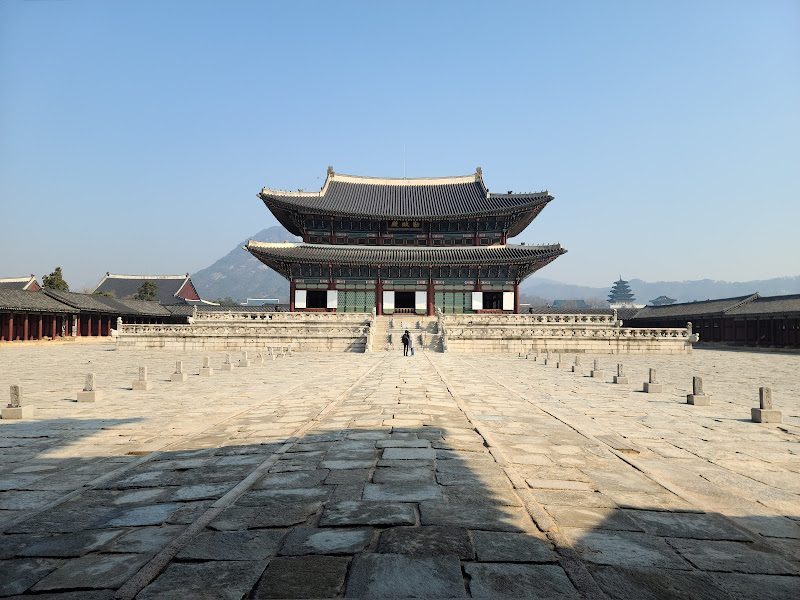
Seoul is a strange city. There is the smell of 5000 years of history on the streets, as well as a layer of technology that makes you feel as if it came from 2040. Directly opposite the magnificent palaces of the Joseon Dynasty, the neon lights of skyscrapers equipped with the world's fastest internet flash. Even the phones that people wearing hanbok use to take selfies on the narrow stone-paved streets of Bukchon are the sweetest proof of this contradiction.
This megacity, where approximately 10 million people live, is divided into two by the Han River. North of the river (Gangbuk) history, palaces and traditional neighborhoods; In the south (Gangnam), there is luxury, business and the modern lifestyle inspired by that famous PSY song. But the real magic of Seoul lies in the way the two mix together. One minute you're walking through a 14th-century palace, the next minute you're entering a restaurant with a hologram menu.
Koreans take eating and drinking very seriously. Seoul is one of the cities with the highest density of restaurants in the world. A BBQ restaurant is ready to explore on every corner, a tteokbokki stall on every street, and a food court in every shopping mall. There is also a system of side dishes called banchan culture: when you order the main course, 6-12 small plates come to the table, all of them are free and with unlimited refills. Yes, you read that right, unlimited.
The K-pop issue is also ingrained in the city's DNA. The headquarters of major agencies such as HYBE, SM, YG, JYP are here. It's normal to walk down the street and come across an idol group filming. There are even tours that visit the locations where K-drama series are filmed. If you're a K-pop fan, Seoul is your Mecca.
The city is also incredibly safe. Walking alone on the street at 3 am is an ordinary thing. Metro stations are spotless, taxis are cheap, and people are helpful. Even Koreans who don't speak English open Google Translate and try to communicate with you. This sincerity takes your love for the city to a completely different level.
When to Go
Seoul's four seasons are very different from each other, and which one you come to completely changes the city you see.
- April: Cherry blossoms time. Thousands of trees turn pink along the banks of the Han River in Yeouido. The weather is 15-20°C, there are plenty of sunny days. Seoul at its most romantic. But hotel prices are also skyrocketing.
- May: The flowers are gone but the greenery remains. 20-25°C, crowds decreased, prices returned to normal. Maybe the most ideal month.
- June-August: Summer monsoon. Heavy rain and 80%+ humidity from mid-July to mid-August. Temperature 30-35°C. You live in air-conditioned spaces. We do not recommend.
- September: Monsun ends, the weather clears up. 22-27°C, a nice transition period.
- October: Autumn leaves time. Namsan Mountain turns into a riot of orange-red-yellow colors. 15-20°C, perfect weather.
- November-March: Siberian winds. Winter is harsh, it can drop down to -10°C. But Seoul is prepared for winter: underground shopping tunnels, warm ondol (floor heating) and steaming tteokbokki stalls will keep you warm.
In short: April, May, September, October are the golden four.
How to get there
Turkish Airlines flies direct from Istanbul to Incheon (ICN). Flight duration is approximately 10 hours. On Korean Air's Istanbul route, prices remain reasonable thanks to competition.
Incheon Airport is approximately 60 km away from the city center, but transportation is perfectly solved. You can reach Seoul Station in 43 minutes with AREX (Airport Railroad Express) and 43 minutes with direct express. Ticket 9,500 KRW (express). You can also go by normal metro, it is a little longer but cheaper (4,150 KRW). Airport buses are also common and comfortable, with trips to every part of the city (10,000-17,000 KRW).
Round-trip ticket prices are generally between 400-650 EUR. The most affordable prices are in January-February and June. Prices rise during cherry blossom (April) and Chuseok (September-October). Early booking (2-3 months in advance) makes a serious difference.
Urban Transportation
Seoul's public transportation network is one of the best in the world. It's clean, punctual, cheap and goes everywhere.
- Metro: 23 lines, 700+ stations. You can reach everywhere by metro. Signs are in English and Korean, it's almost impossible to get lost. It operates until 24:00 at night, some lines operate until 01:00 on Friday and Saturday.
- T-money Card: Seoul's Suica/Oyster card. It is available on the subway, bus, taxi, and even in markets. It can be purchased from the airport or any grocery store (card costs 2,500 KRW, add balance on top). It provides discounts on public transport transfers.
- Bus: Buses reach places where the Metro does not go. Color coded blue (main lines), green (neighborhood), red (suburb).
- Taxi: Cheap, safe, everywhere. Starting 4,800 KRW, 100 KRW per km. There is a 20% increase at night. You can call with the Kakao T application (there is also Uber, but Kakao is more common).
- KTX (Bullet Train): 2.5 hours to Busan, 2 hours to Gyeongju. South Korea is a small country, you can go there and back in one day with KTX.
With the combination of Metro + T-money, your daily transportation cost in the city is between 5,000-8,000 KRW. Even by taxi, short distances are very reasonable.
Accommodation Regions
- Myeongdong: Shopping and food and beverage center. Everything is within walking distance, the tourist infrastructure is very developed. Ideal for a first visit to Seoul. Mid-upper price range.
- Hongdae: Young, energetic, nightlife is lively. Wide range from hostel to boutique hotel. Budget-friendly options abound. Perfect for university students and solo travelers.
- Gangnam: Luxury hotels, modern infrastructure, business community. Proximity to K-pop agencies. COEX Mall is here. For couples and those looking for comfort.
- Jongno / Insadong: Historical center, near the palaces. Hanok type accommodation experience is possible. For culture-focused travelers.
- Itaewon: International atmosphere, the most open district to foreigners. Various cuisines, English common. Comfortable for long stay.
- Dongdaemun: For night shoppers. The hotels are affordable and within walking distance of 24-hour shopping malls.
Budget Plan
Seoul is noticeably more affordable than Tokyo. Especially food, beverage and transportation are very reasonable.
| Category | Economical | Medium | Luxury |
|---|---|---|---|
| Accommodation / night | 30,000 KRW (hostel) | 80,000KRW (3-4*) | 300,000 KRW+ (5*) |
| Meal/day | 20,000KRW | 50,000KRW | 150,000KRW |
| Transportation / day | 5,000KRW | 10,000KRW | 40,000 KRW (taxi) |
| Activity / day | 5,000KRW | 20,000KRW | 60,000KRW |
| 3 days total | ~180,000KRW | ~480,000KRW | ~1,650,000KRW+ |
Approximately (1 EUR = 1,450 KRW) at May 2026 exchange rate: economy 125 EUR, medium 330 EUR, luxury 1,140 EUR+ (per person, excluding flights).
Street food in Seoul costs 3,000-5,000 KRW (2-3.5 EUR), restaurant lunch costs 8,000-12,000 KRW (5.5-8 EUR), Korean BBQ dinner costs 25,000-40,000 KRW (17-28 EUR). You eat much better for half the price of Europe.
Practical Tips
- Get your T-money card as soon as you land at the airport, your life will be easier. It is everywhere, from the subway to the market, from taxi to bus.
- Download the Papago app. Google Translate is good, but for Korean, Naver Papago translates much more accurately. Camera translation is also great.
- Cash may still be required. Small street stalls and traditional markets require cash. Keep 50,000 KRW with you.
- Adapter type C/F required, same as Turkey. That's comforting news about sockets.
- Wi-Fi heaven. There is free Wi-Fi in the subway, cafes, shopping malls, and even on buses. However, it is more practical to buy eSIM (Airalo, eSIM2Fly).
- Convenience store (GS25, CU, 7-Eleven) on every corner. Hot food, beer, ATM, phone charging and bill payment point even at 3 am. These are the real heroes of Korea.
- Wear Hanbok when visiting the palace, entrance is free. 4-hour rental 15,000-25,000 KRW, money saving and legendary photos.
- Last time on the Metro is usually between 23:30-00:00. If you miss it, use night buses or taxi (cheap).
Travel Guide with Children
Seoul is a great Asian city for families with children. South Koreans are very fond of children — high chairs in restaurants, playgrounds in shopping malls, children's theaters in parks are standard. K-pop culture also attracts young people.
Recommendations by Age Group
0-3 years: Han River parks are spacious and stroller friendly. Baby care rooms in shopping malls are at Japanese standards. No problems with the metro stroller — elevators are at every station.
4-7 years: Lotte World (indoor theme park) is perfect for rainy days. Full day activity with Children's Grand Park zoo and playgrounds. Hanbok (traditional dress) dressing is a favorite among children.
8-12 years: The changing of the guard ceremony at Gyeongbokgung Palace is impressive. Panorama from N Seoul Tower and the tradition of installing locks is fun. Trick Eye Museum 3D art museum drives kids crazy.
Ages 13+: Hongdae's K-pop stores and street performances, Korean cosmetics shopping in Myeongdong, PC bang (arcade) experience and Gangnam's modern atmosphere are favorites of young people.
Top 5 Kid-Friendly Activities
Lotte World — The world's largest indoor theme park + outdoor space. There is Magic Island, ice skating, and a folk museum. Perfect as a rainy day plan.
Gyeongbokgung Palace + Hanbok — Renting a Hanbok (5,000-15,000 KRW) and taking photos in the palace garden is an experience that children love. Palace entrance with Hanbok is free.
Trick Eye Museum — 3D illusion art museum. Children enter the paintings and take funny photos. The Ice Museum is also next to it.
N Seoul Tower — Cable car ride up to Namsan Hill, city panorama, locks of love, digital observatory. Go at sunset.
Children's Grand Park — Zoo, botanical garden, amusement park and large playgrounds. Free entry, full day of activities.
Practical Information
Baby stroller: Seoul is stroller friendly. Elevators are standard in metro stations, and low floors are common in buses. Palace gardens and parks are flat. But some of the old neighborhoods (Bukchon) are hilly.
Children's menu: Children's menus are not common in Korean restaurants, but kimbap (Korean sushi), tteokbokki (spicy rice cake - ask for less spicy), jeon (Korean pancakes) are dishes that children love. Bibimbap is also a safe choice.
Children's ticket discounts: Metro is free for children under 6 years old. Palaces are free for under 18s. Shopping mall playgrounds and theme parks apply child prices. Discover Seoul Pass is discounted.
Toilet: Clean and free everywhere. Metro stations, shopping malls, convents (CU, GS25) always have toilets.
Warnings
- During the winter months (December-February) it can reach -15°C. Thick coats and thermal underwear are required for children.
- Tteokbokki and kimchi can be very spicy, ask for "an maepge" (no spice) for younger children.
- The metro is very busy during rush hours (08:00-09:00, 18:00-19:00), avoid it with children.
- In K-pop idol stores, young people can get lost for hours, set a budget limit.
Local Label and Culture Notes
Korean culture is similar to Turkish culture in many ways: respect for elders, hospitality, the tradition of sharing food. But there are a few differences:
- Bow slightly when greeting. A deep Japanese greeting is not required, but a slight bow with the head is a sign of politeness. Shaking hands is also accepted.
- Soju culture is serious business. You fill the adult's glass, you don't fill your own glass. While drinking, you turn your face slightly to the side (a sign of respect for your elder). The first glass is drunk in one gulp.
- Take off shoes when entering houses, some traditional restaurants and temples. If there are slippers at the door, it means your shoes are left outside.
- Give with two hands, receive with two hands. When handing or receiving a business card, money, gift, anything, use two hands or place your left hand on your right wrist when giving with your right hand. Sign of respect.
- Age is very important. It is normal, even expected, to ask age during acquaintances. In this way, the form of address and hierarchy are determined.
- Do not remove the rice bowl from the table while eating. In Japan, the bowl is held in your hand, but in Korea, the bowl remains on the table and you eat with a spoon and chopsticks.
- No tip. Restaurant, taxi, hotel; There is no tipping tradition and leaving one might be considered strange.
- Omo! Everything they say is normal. Koreans express their feelings loudly. Exaggerated reactions are part of the social norm.
FAQ
How many days to visit Seoul? Minimum 4 days. If you want to add K-pop tours, DMZ visit, or Busan/Gyeongju, plan 7-10 days.
What is K-ETA and how to get it? Korea Electronic Travel Authorization. Online application (k-eta.go.kr), fee of KRW 10,000, usually approved within 24-72 hours. Valid for 2 years, you can stay 30 days per entry. Mandatory for ordinary passports.
Is English sufficient? Yes, in touristic areas and among the younger generation. It is limited to taxi drivers and elderly tradesmen. Papago or Google Translate camera mode is a life saver. Metro signs are in English, you won't get lost.
Is Seoul expensive? It's cheap compared to Tokyo and Europe. Food and beverages are very reasonable, transportation is very cheap, accommodation is medium level. Only luxury shopping and Michelin restaurants burn the wallet. An average traveler will be very comfortable with 50-80 EUR per day.
Is it possible to visit the DMZ (North Korean border)? Yes, with organized tours. Advance online reservation is required, passport information is provided in advance. Half-day tours are 50,000-80,000 KRW. 1 hour by bus from Seoul.
Is Seoul suitable for children? Yes. There is Lotte World (indoor amusement park), Everland (open air), children's museums, and K-pop experience centers. Children have priority in the Metro and there are separate waiting areas for families with children. The only drawback: bitter food culture, do not forget to ask for non-painful options for children.
What is the best K-Pop experience? Participating as an audience in music programs such as HYBE Insight (BTS museum), SM Town (COEX), K-pop hologram concerts and Inkigayo/Music Bank. Tickets are free but application is required through fan clubs, so plan a few weeks in advance.
Is the water drinkable? Tap water is technically drinkable, but even Koreans generally prefer filtered or bottled water. 500ml water from convenience stores costs 500-1000 KRW.