About
Tokyo is a huge metropolis consisting of 23 special districts (ku). The ring-shaped route of the JR Yamanote line forms the backbone of the city; Centers such as Shinjuku, Shibuya, Harajuku, Ueno and Tokyo Station are lined up on this ring. The imperial palace lies inside the ring, and quiet neighborhoods and suburbs lie outside.
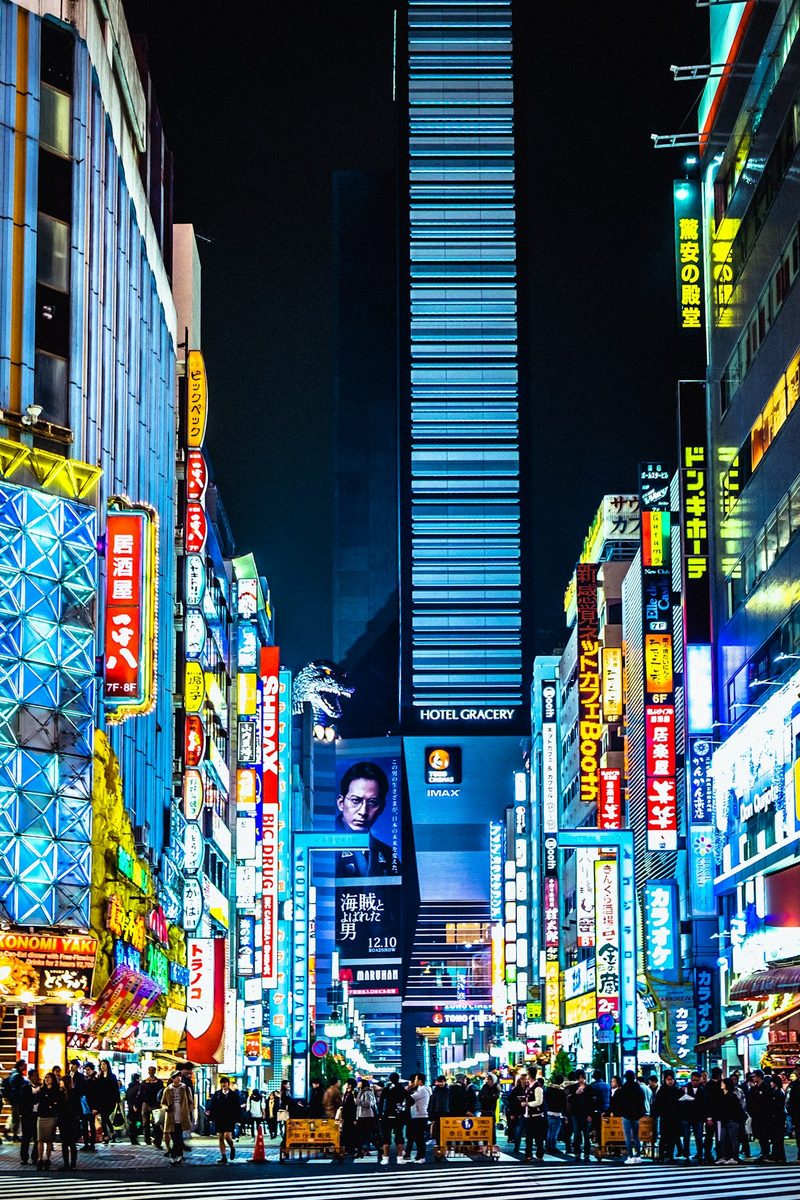
The character of Tokyo cannot be described in one word: 17th century temples in Asakusa, neon screens in Shibuya, skyscrapers in Roppongi, wooden houses in Yanaka. Although its metropolitan area of 37 million people is the largest in the world, the city is surprisingly quiet, clean and orderly.
When to Go
Tokyo has two most beautiful seasons: spring and autumn.
- End of March - beginning of April: Sakura (cherry blossom) time. The city is painted pink, but hotel prices are doubling.
- May: 18-23°C, calm crowd, ideal weather.
- October - November: Autumn foliage, 15-22°C. Second best season.
- December: Cold but dry, the Christmas lights (illumination) displays are spectacular.
- July - August: 80% humidity, 32°C+ temperature. It is only comfortable in air-conditioned spaces.
- September: Typhoon risk, be ready for plan changes.
How to get there
Tokyo has two major airports: Haneda (HND) is 15 km from the city center, and Narita (NRT) is 60 km away. Turkish Airlines' direct flight from Türkiye to Istanbul-Tokyo (Haneda and Narita) takes approximately 12 hours. ANA and JAL also fly to Istanbul.
The average round-trip ticket varies between 750-1200 EUR; The most affordable economy class prices are seen in February, the end of June and November. Sakura and New Year's periods are the most expensive.
Urban Transportation
Tokyo's transportation network is one of the most complex but reliable in the world. Basic tools:
- JR Yamanote line: The city's ring train connects the most important stops.
- Tokyo Metro + Toei Subway: 13 lines, 285 stations. Google Maps provides excellent directions.
- Suica or Pasmo IC card: Payment in metro, bus, JR and even markets with a single card. Pick up from the airport.
- Shinkansen (bullet train): To cities such as Kyoto, Osaka, Hiroshima. JR Pass is special for tourists.
- Taxi: Very expensive (500 JPY for the first 1 km), door opens automatically; Don't touch it.
Accommodation Regions
- Shinjuku: Transportation hub, nightlife, wide range of hotels. Ideal for a first visit to Tokyo.
- Shibuya: Young, energetic, plenty of shopping and restaurants. For couples and young people.
- Ginza: Luxury hotels, Michelin restaurants, daytime shopping. Quiet evenings.
- Asakusa: Traditional atmosphere, ryokan experience, more affordable prices.
- Ueno: Budget-friendly, close to museums, direct train from Narita to Keisei.
- Roppongi: The heart of nightlife, international crowd, luxury hotels.
Budget Plan (3 days)
Tokyo budget is flexible; It can appeal to all segments of society.
| Category | Economical | Medium | Luxury |
|---|---|---|---|
| Accommodation / night | 8,000 JPY (capsule/hostel) | 20,000 JPY (3*) | 60,000 JPY+ (Park Hyatt) |
| Meal/day | 3,000 JPY | 8,000 JPY | 30,000 JPY |
| Transportation / day | 1,000 JPY | 1,500 JPY | Taxi 8,000+ |
| Activity / day | 500 JPY | 4,000 JPY | 15,000 JPY |
| 3 days total | ~38,000 JPY | ~100,000 JPY | ~330,000 JPY+ |
Approximately with May 2026 exchange rate: economical 8,500 TL, medium 22,000 TL, luxury 73,000 TL+ (per person, excluding flights).
Practical Tips
- Get the Suica/Pasmo card as soon as you land at the airport; Payment for metro, bus and grocery stores with one move.
- Taxi door opens automatically; do not try to pull it with your hand. The driver doesn't like surprise touches.
- Ramen order is given via vending machine in most places; First, you buy a ticket from the machine and hand it to the conductor.
- No tip. Restaurant, taxi, hotel; No tip is left anywhere, it can even be considered an insult.
- Cash is still important. Cards may not be accepted in small restaurants and temples, so keep 10,000 JPY with you.
- Pocket Wi-Fi or eSIM can be rented at the airport; 30-50 EUR per week.
- Trash can is almost non-existent on the street; Take your trash to the hotel or to the bin next to the grocery store.
Travel Guide with Children
Tokyo is a perfect city for families with children. The Japanese lead the world in organization and order—baby rooms are up to luxury hotel standard, subway maps are kid-friendly, parks are clean and safe. Anime and manga culture also attracts children.
Recommendations by Age Group
0-3 years: The nursing rooms in Tokyo are incredible. There are shopping malls, museums, even some stations. Shinjuku Gyoen park is large and stroller friendly. The metro has low floors and an elevator.
4-7 years: TeamLab Borderless (or Planets) interactive digital art fascinates children. The Ueno Zoo pandas, the giant Gundam statue in Odaiba, and the Ghibli Museum (tickets available months in advance) are favorites for this age group.
8-12 years old: Tokyo Disneyland/DisneySea (one of the best theme parks in the world), Akihabara's anime shops, Tokyo Tower and Skytree observation platforms drive this age group crazy.
Ages 13+: Harajuku's Takeshita Street fashion street, Shibuya intersection, manga cafes, game centers and Akihabara otaku culture are the favorites of young people.
Top 5 Kid-Friendly Activities
Tokyo Disneyland + DisneySea — DisneySea is called the best theme park in the world. Allow 2 days for both parks. Buy tickets in advance.
TeamLab Borderless/Planets — Digital art museum. Children run inside the light projections and explore the worlds of water and flowers. Photo heaven.
Akihabara — Anime, manga, gaming paradise. Children get lost in Pokémon Center, Gundam Base and game centers for hours. Gacha machines are on every corner.
Ghibli Museum (Mitaka) — The world of Hayao Miyazaki. Totoro, Spirited Away themed interactive exhibition. Tickets are purchased months in advance from Lawson.
Ueno Park — Zoo, science museum, national museum and children's library all in one. Full day activities, lots of free areas.
Practical Information
Baby stroller: Tokyo is stroller heaven. Elevators and barrier-free passage are common in metro stations. There are stroller rentals in shopping malls. In older districts like Asakusa, sidewalks can be narrow.
Children's menu: Okosama setto (children's set) is common in Japanese restaurants. Curry rice, ramen, onigiri, tamagoyaki are dishes that children love. Konbini (7-Eleven, FamilyMart) is full of kid-friendly snacks.
Children's ticket discounts: Metro is free for children under 6 years old. Most museums and theme parks have children's prices. Tokyo Subway Pass is economical for the family.
Toilet: Japan's toilets are legendary — heated toilets, music and automatic flushing. Available everywhere, clean and free.
Warnings
- Silence is expected on trains — child crying is not welcome, be prepared (headphones, toys).
- In the summer months (July-August), the humidity is very intense, children get tired quickly.
- Ghibli Museum tickets sell out months in advance, don't leave it to the last minute.
- The buttons of Japanese toilets entertain children, but there is a risk of flooding, be careful.
Local Label / Culture Notes
In Japan, etiquette is not the infrastructure of politeness, but of common life. A few basic points:
- Talking on the phone is prohibited in the subway and train; silent mode (manner mode) is required even when ringing the bell.
- Shoe removal: Shoes are left at the door in traditional restaurants, temple interiors, ryokan and some try-on stores.
- Greeting: It is done by bowing (ojigi); Don't force a handshake; if the other person initiates it, join in.
- Stick rules: Do not stick sticks vertically into food (funeral ritual), do not transfer food with sticks.
- Blowing your nose is not acceptable in public; Go to the toilet and do it.
- Queuing culture: Everyone waits in turn at the subway door sign, in the elevator, and in front of the restaurant.
FAQ
How many days to visit Tokyo? Minimum 4 days. If Kyoto + Osaka will be added, 10-14 days is ideal.
Is English sufficient? Yes, in tourist areas and large chains. In small restaurants, the menu is illustrated or plastic; The Google Translate camera works very well.
Is Tokyo expensive? Accommodation and taxis are expensive; public transport medium; The food is cheaper than expected (a satisfying meal is possible between 10-30 EUR). We can call it mid-upper budget.
How to solve Wi-Fi? You rent the Pocket Wi-Fi device from the airport and drop it off at the airport. Alternatively, Japan eSIM (Ubigi, Airalo) is affordable.
Is Tokyo suitable with children? Yes. Tokyo Disney Resort, Ueno Zoo, teamLab Planets, Pokémon Center and Ghibli Museum are child-friendly. The only drawback: lack of elevators and crowded hours in some metro stations.
Japonya vizesi gerekiyor mu? No. Bordo pasaportla turistik amaçla 90 güne kadar vizesiz giriliyor (2011'den beri geçerli muafiyet). Pasaportun makine tarafından okunabilir ve kalış boyunca geçerli olması yeterli; sınırda dönüş bileti ve konaklama bilgisi sorulabiliyor.