Google: 4.6 (45K) Tripadvisor: 4.6 (6.4K)
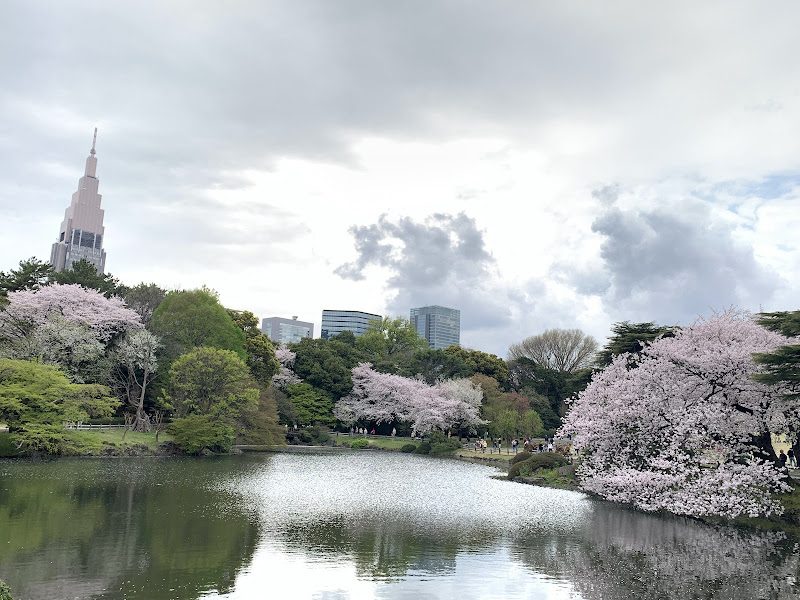
Shinjuku Gyoen Garden
3 different garden styles in one place — English, French, Japanese. Miracle in sakura season, a riot of colors in autumn.
- Hours
- 09:00 - 18:00 (Closed on Mon)
- Price
- 500 JPY
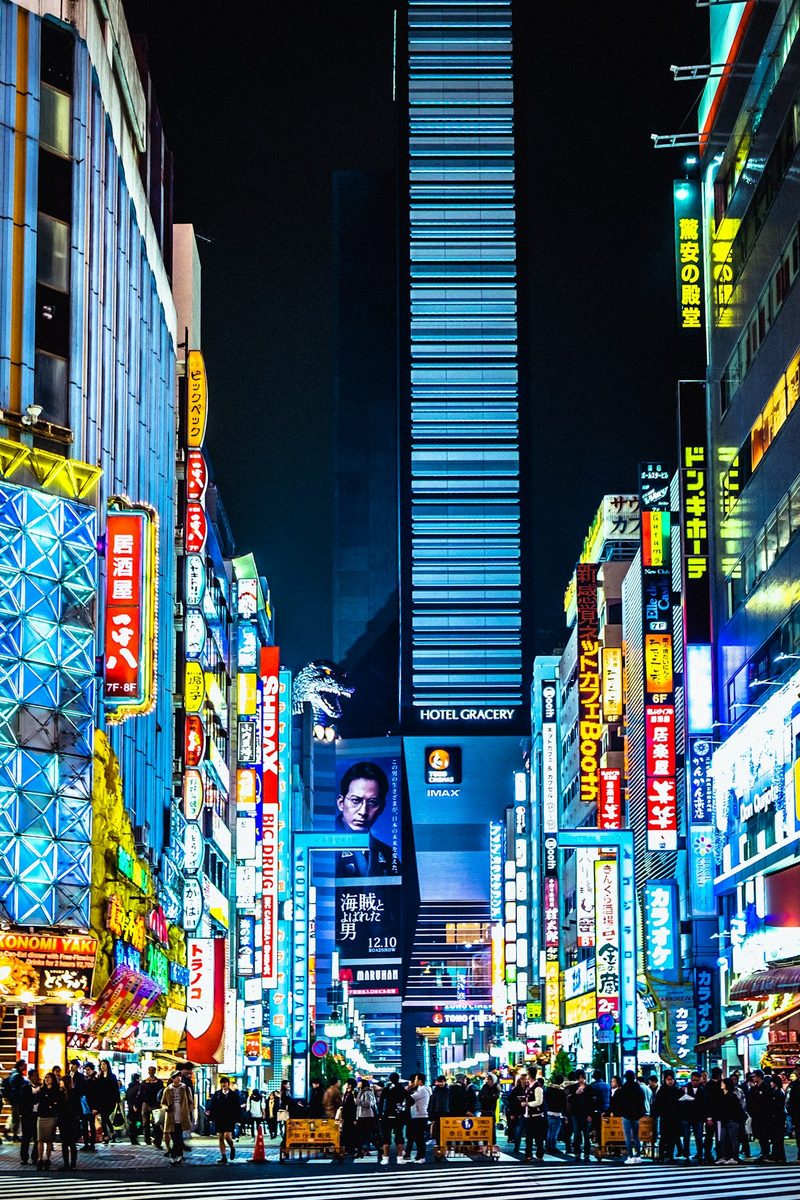
Peace in chaos, neon-lit silence
Ranked by interestingness score, based on real experience
3 different garden styles in one place — English, French, Japanese. Miracle in sakura season, a riot of colors in autumn.
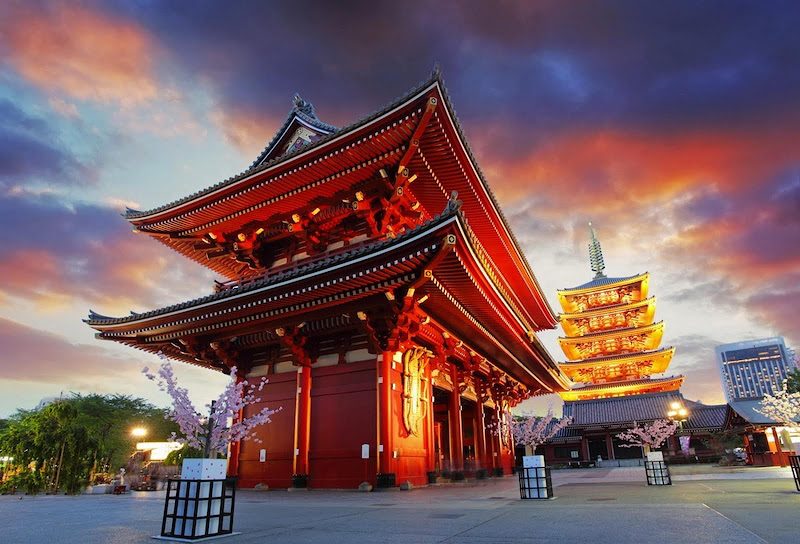
Dating from 645, the Buddhist temple is Tokyo's oldest. Nakamise shopping street and the big red Kaminarimon gate are a classic photo shot.
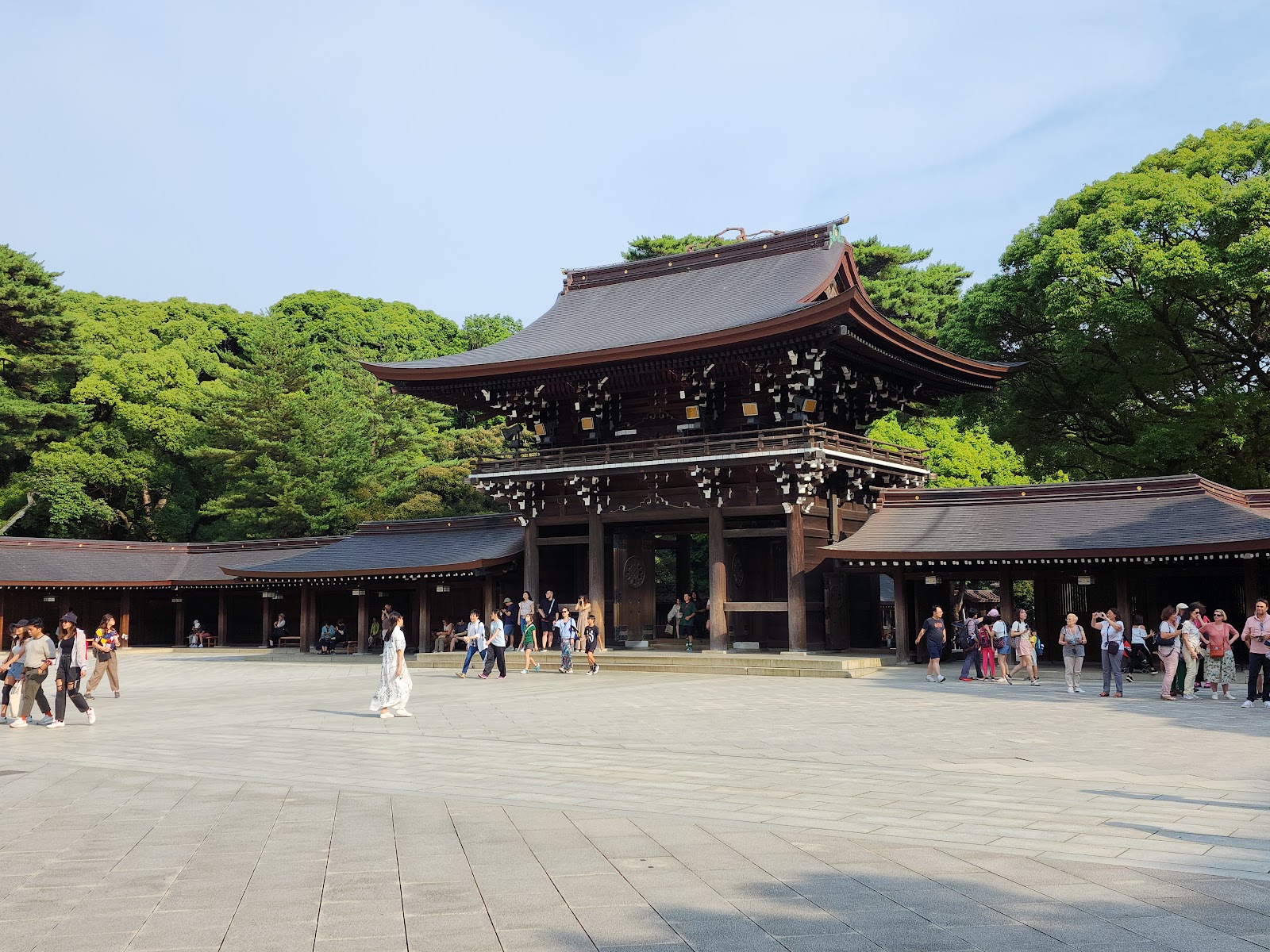
Shinto shrine in a 70-hectare forest in the middle of the city. Dedicated to Emperor Meiji, it is ideal for quiet walks.
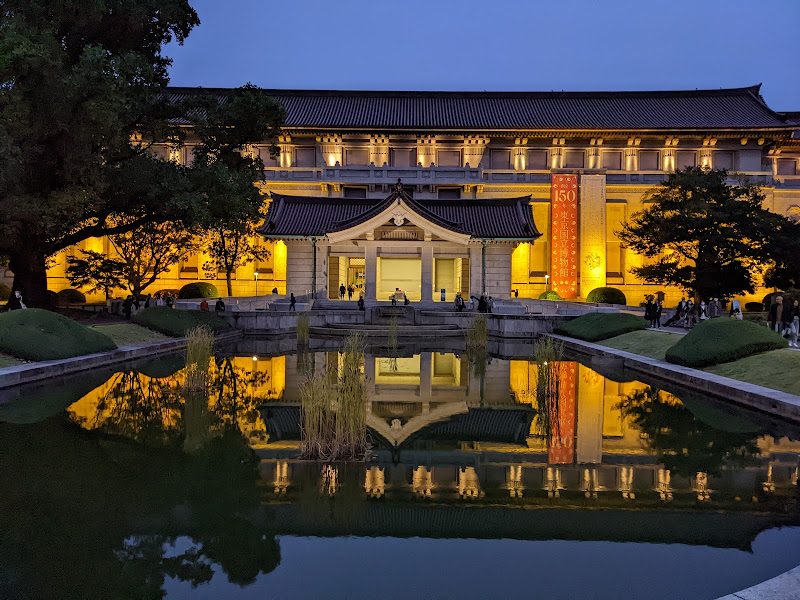
Large city park; in Tokyo National Museum, Science Museum, Western Art Museum and Ueno Zoo. It's the busiest point in the sakura season.
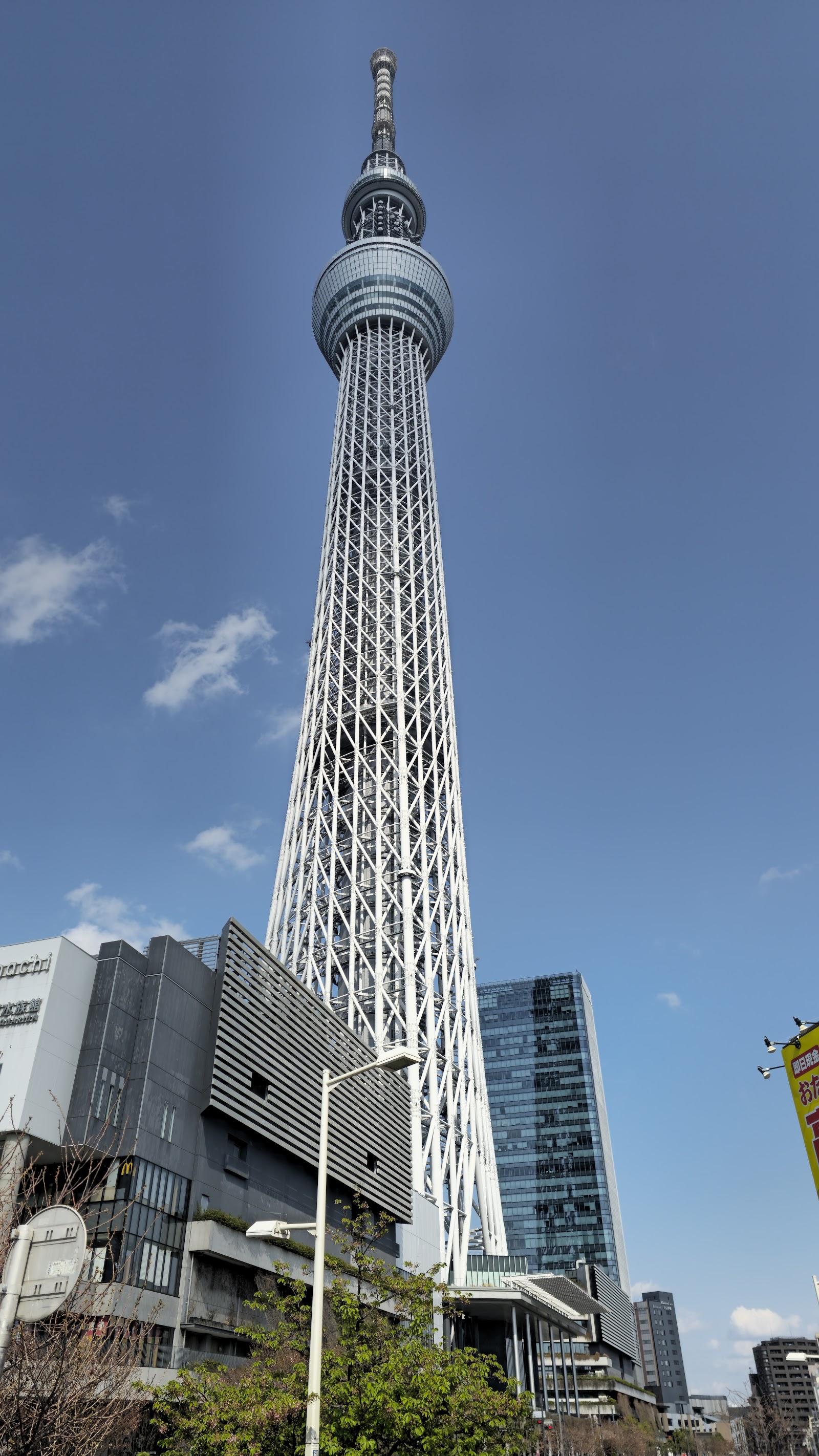
It is one of the tallest towers in the world with 634 meters. Observation terraces on the 350th and 450th floors show Mount Fuji on a clear day.
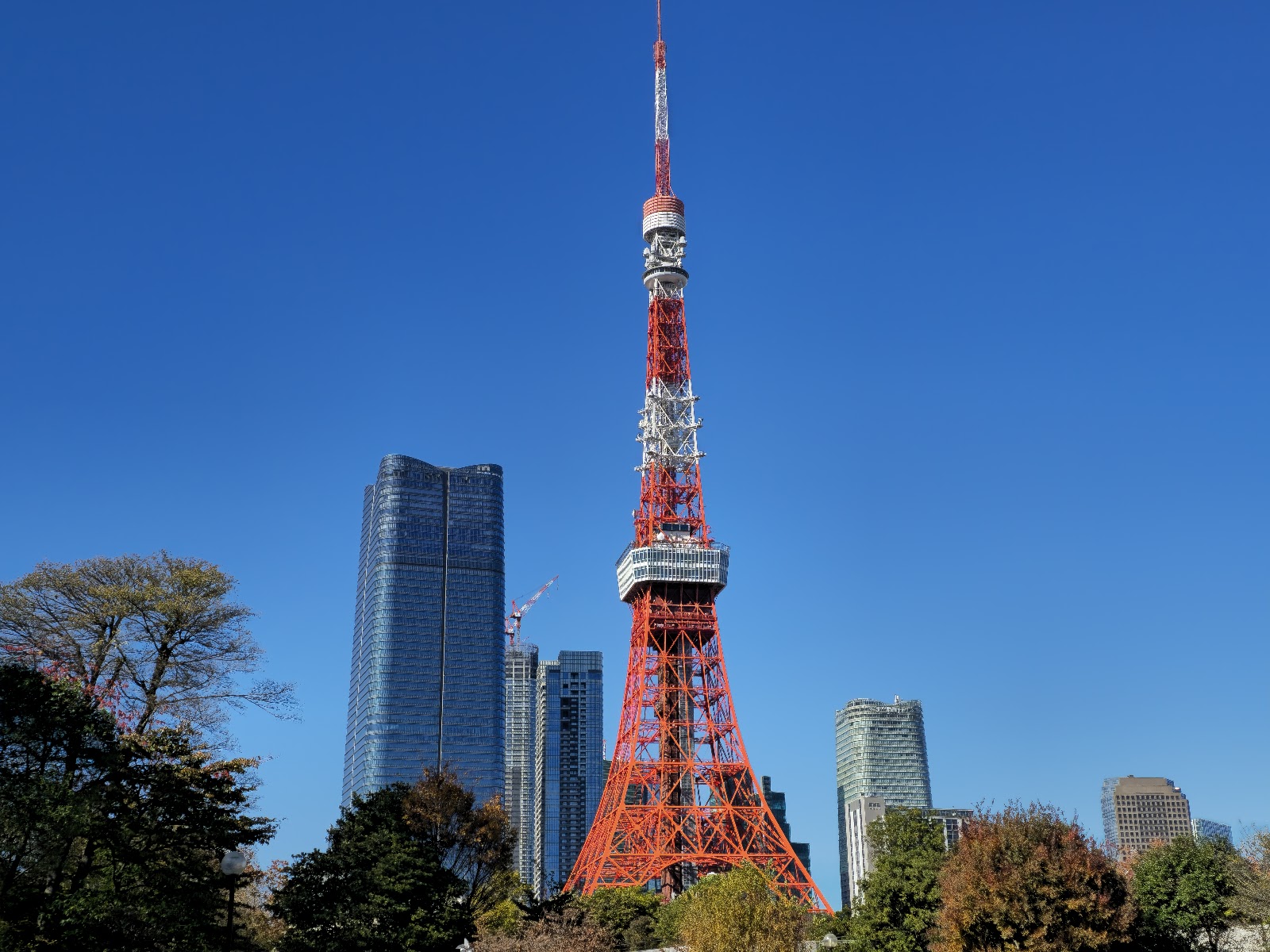
The orange-white tower, built in 1958, is inspired by Eiffel. 333 meters. Icon of the city with illumination at night.
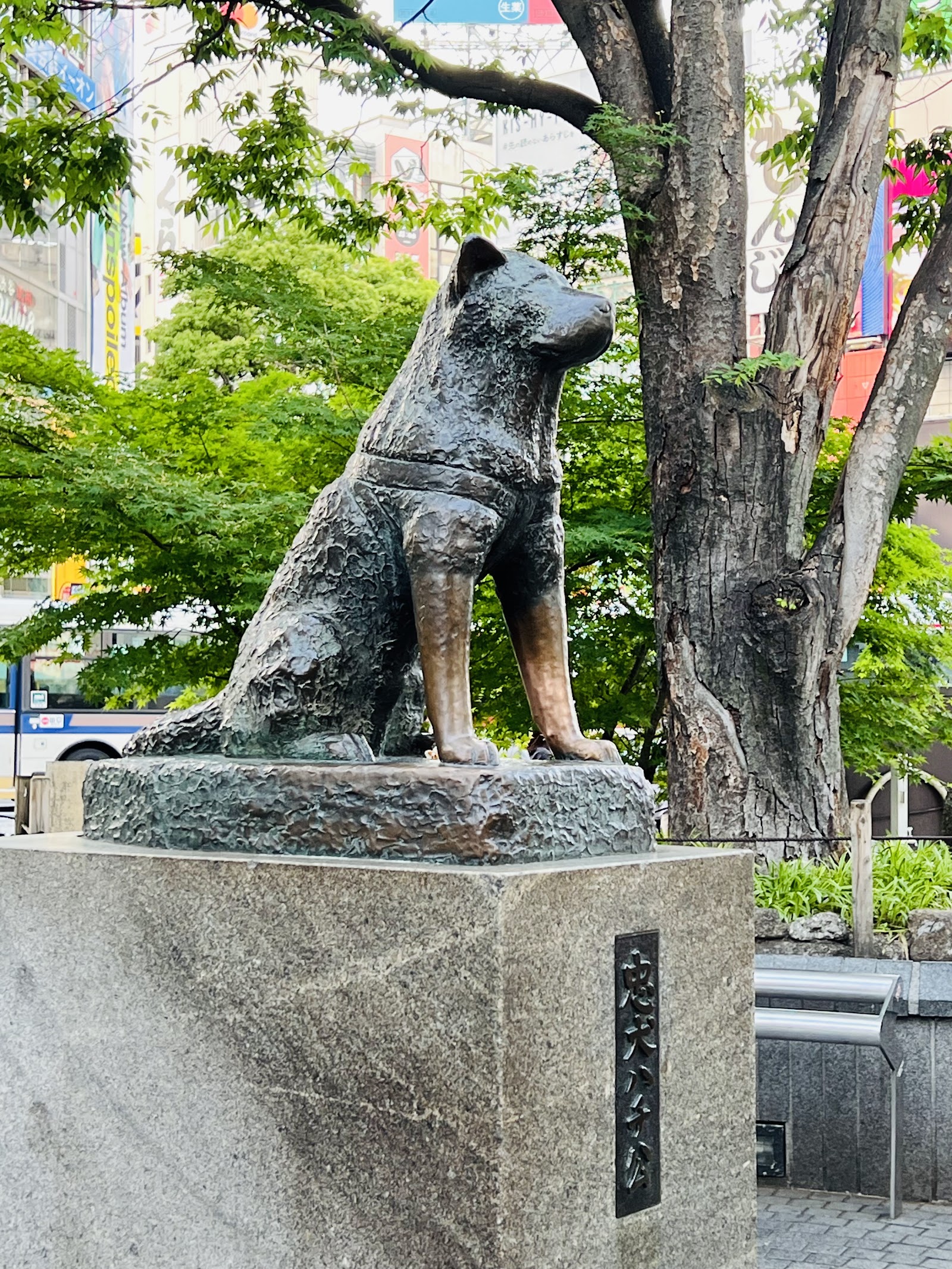
The world's most crowded pedestrian crossing. 2500 people pass by every time the light changes. Right next to it is the statue of the faithful dog Hachiko, a classic meeting point.
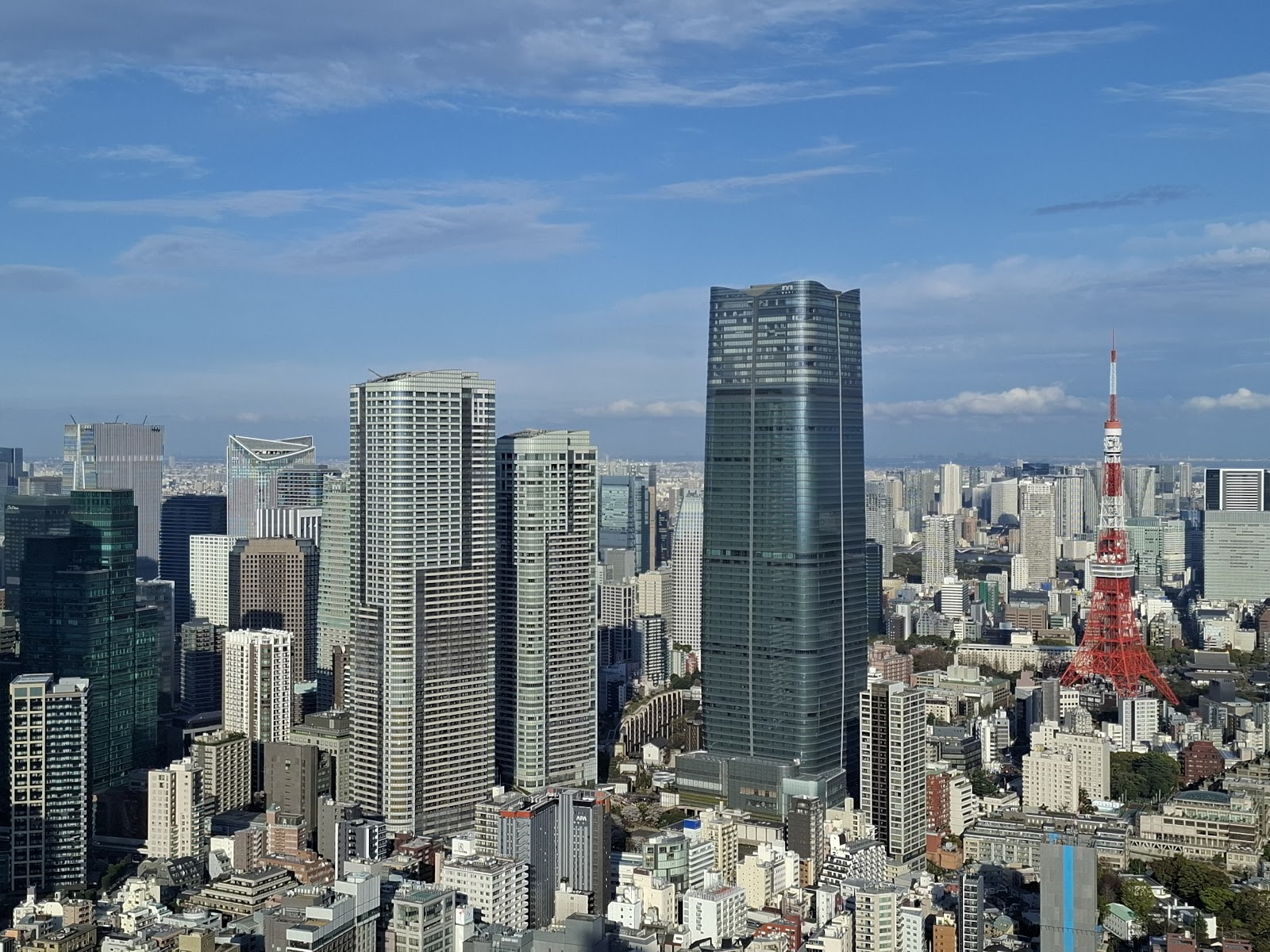
54-storey complex; City panorama with Mori Art Museum and Tokyo City View observation deck.
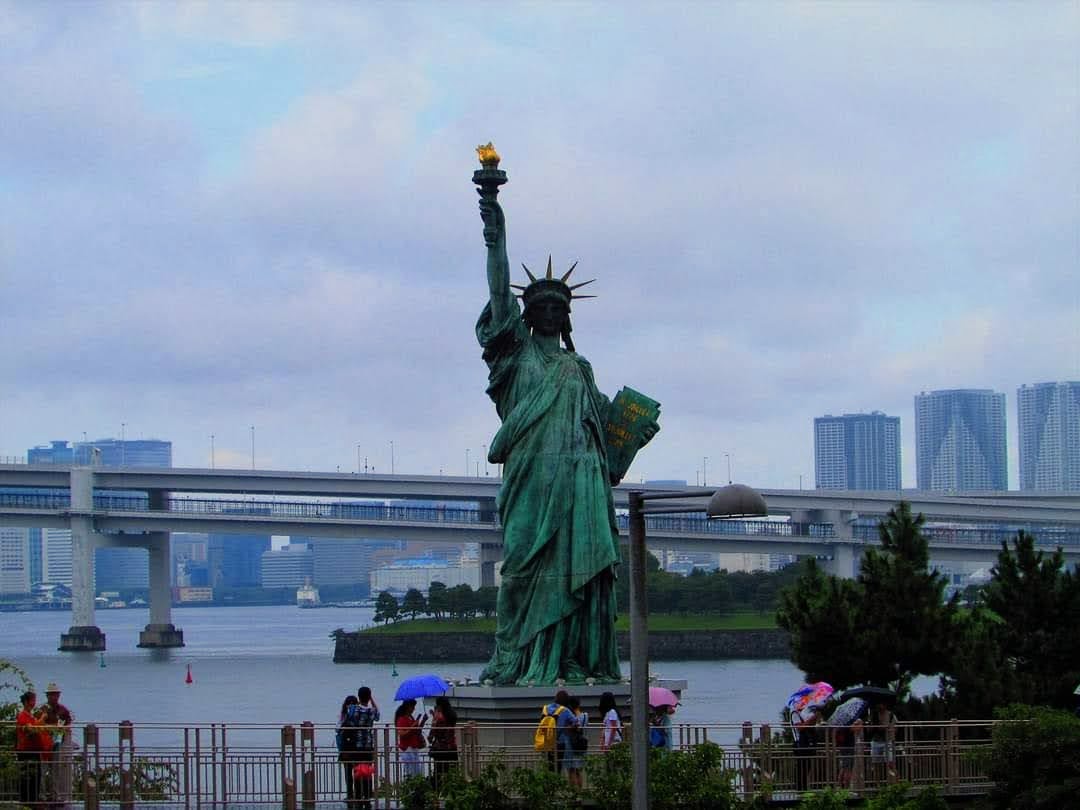
Artificial island in Tokyo Bay. Unicorn Gundam statue, teamLab Planets, shopping malls and views of the Rainbow Bridge.
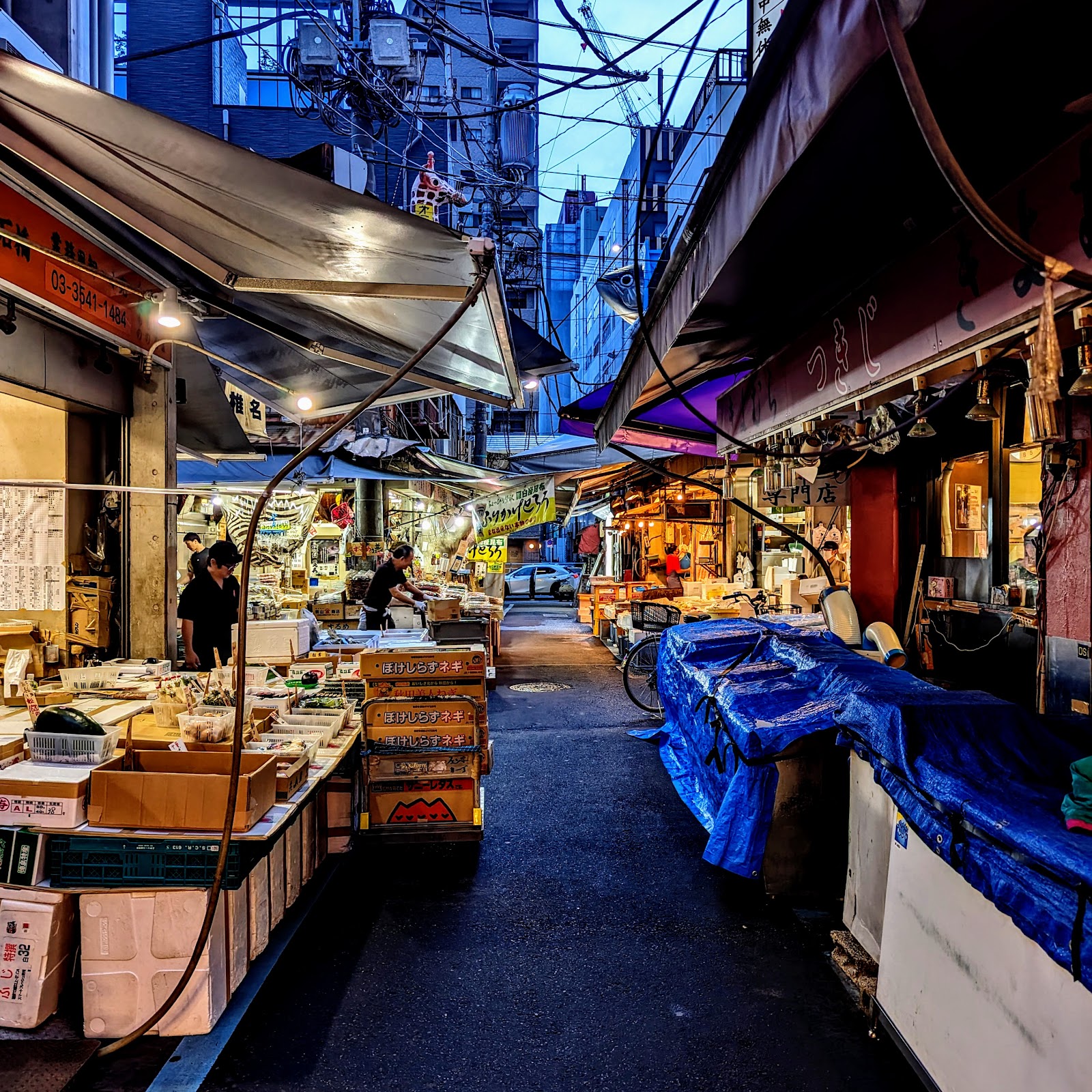
The domestic market has moved to Toyosu, but the foreign market is still vibrant. Street sushi, tamago, fresh seafood, kitchen utensils.
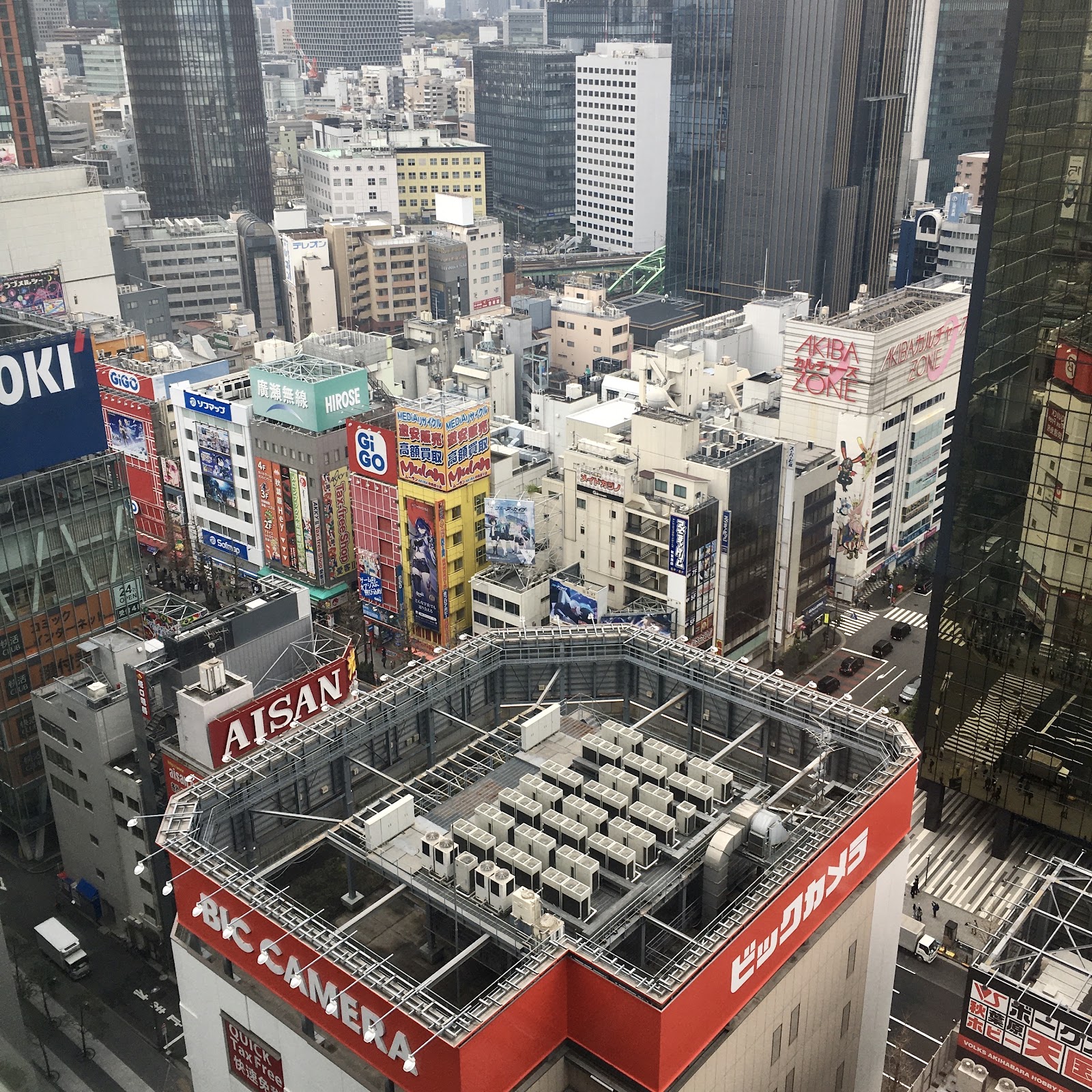
The capital of electronics, anime, manga and games. Multi-storey shops, retro arcade, figure stores, maid cafes.
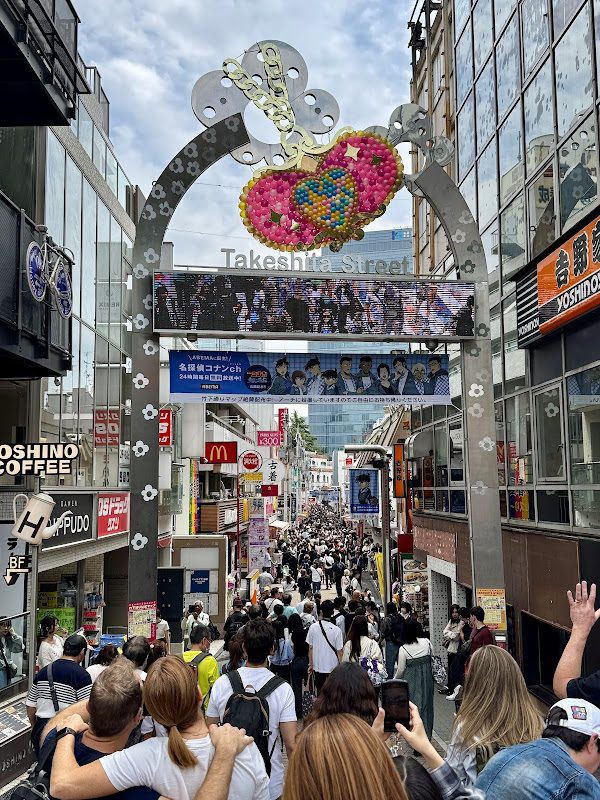
The center of kawaii culture. Colorful fashion, crepe stands, character shops. Young and energetic crowd.
What will you do from hour to hour, from morning to evening?
Temple + neon + sushi
Street sushi, omelette, fresh seafood. Go hungry.
Tokyo's oldest temple + Nakamise street.
Classic tonkotsu in a single cabin.
Tokyo's iconic moment. Japanese street fashion at Shibuya 109.
Yakitori + beer on the narrow street.
TeamLab + Harajuku + Ginza
Digital art museum. Online ticketing is mandatory.
Michelin ramen. You must have received the number in the morning.
Cosplay, crepe, young fashion. Crowded but colorful.
Kill Bill atmosphere, robata grill.
Premium meal + Golden Gai
Sakura season is a miracle, other times are calm.
A sushi classic since 1935. Omakase menu.
Transition from luxury to the electronic world.
Try 5-6 different small bars, chat with the locals.
From local classics to hype places
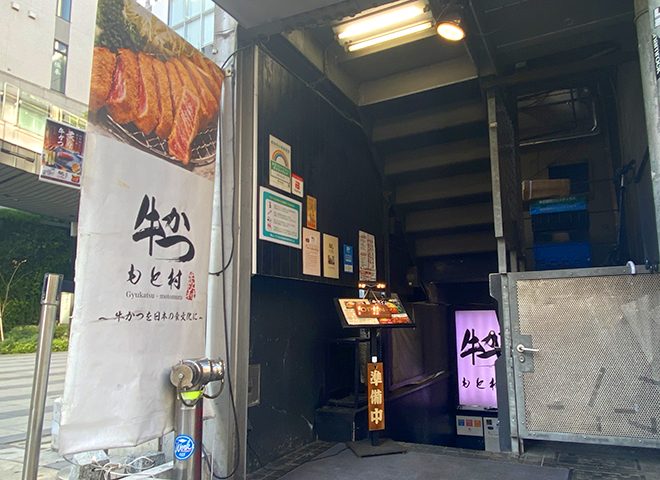 Current Hype
 The beef version is katsu — crispy on the outside, rare on the inside. Its own cooking ritual on the small stone that comes to the table.
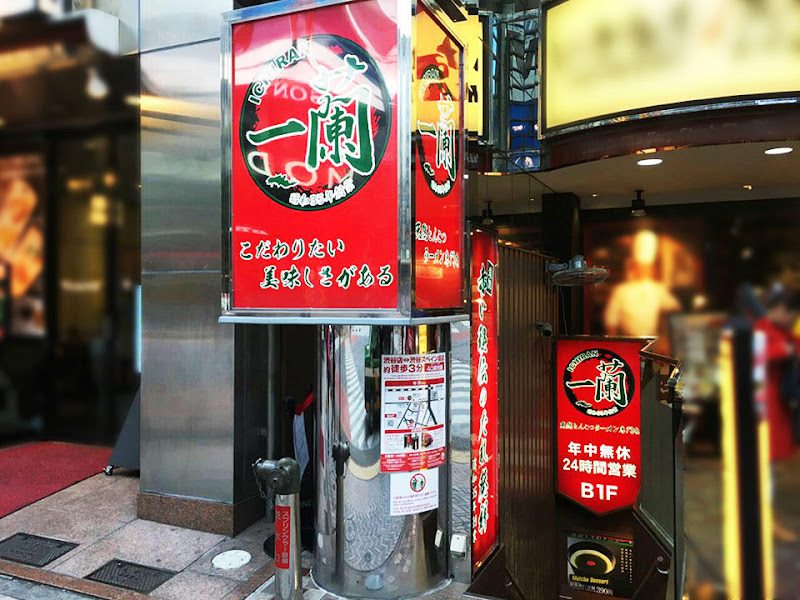 Local Classic
 Tonkotsu ramen in single booths. It's open late in every corner of Tokyo.
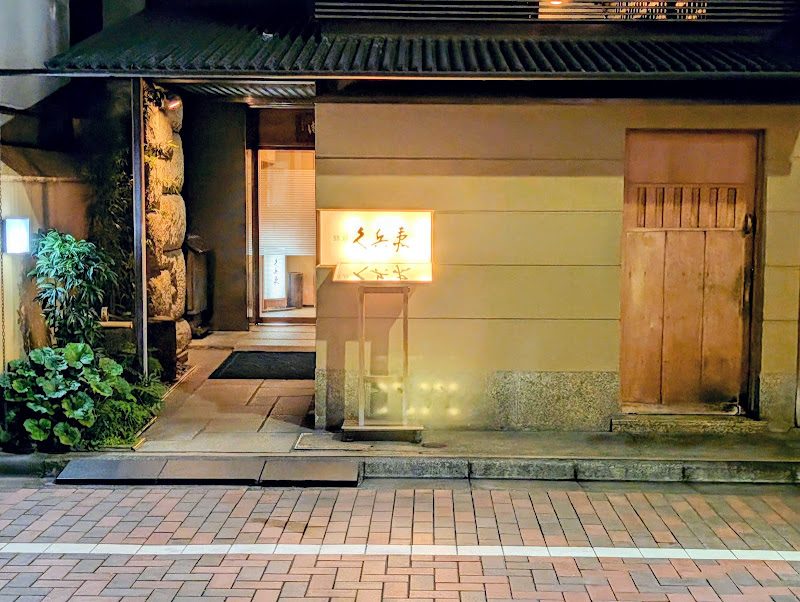 Premium
 The classic that's been running since 1935. Omakase menu with 20 pieces from the chef.
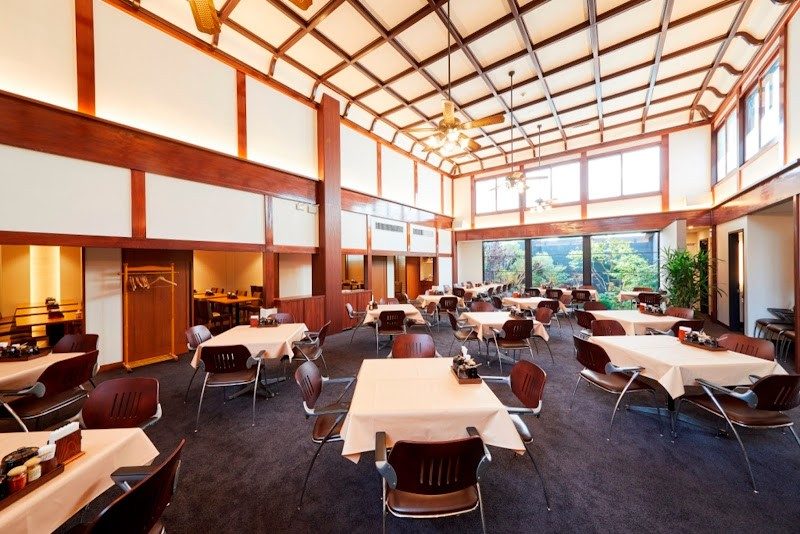 Local Classic
 Tokyo's favorite tonkatsu (breaded pork cutlet) chain. The balance of crunchiness and softness is perfect. The main branch is in the old bathhouse building.
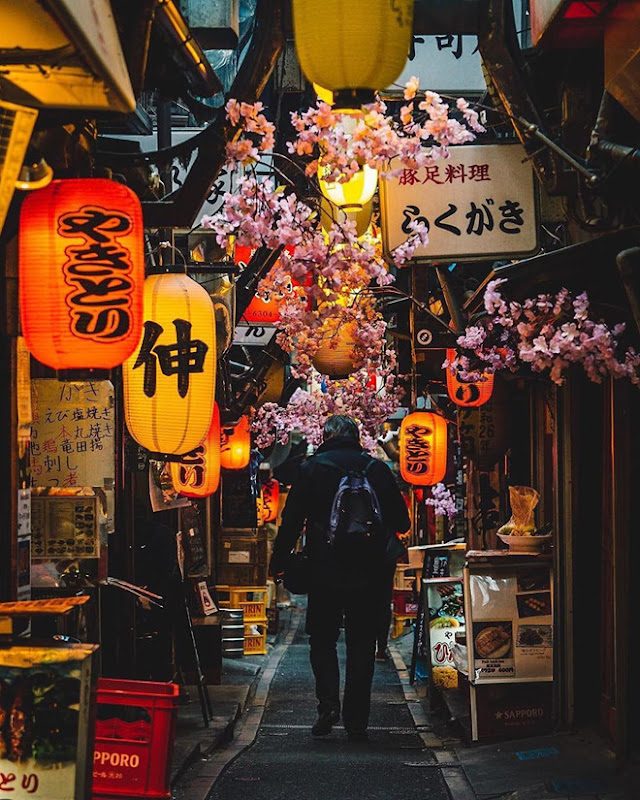 Local Classic
 Small yakitori bars that seat 7 people. Smoke, coal, beer. Tokyo's 60s atmosphere.
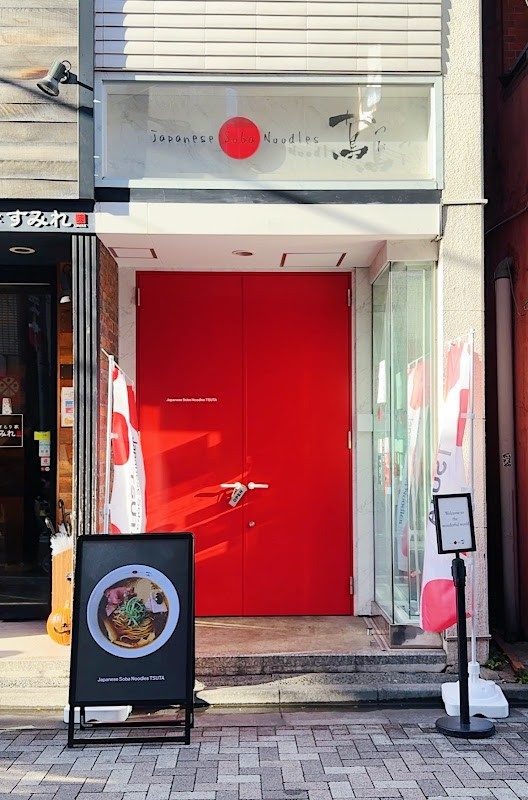 Current Hype
 The world's first Michelin star ramen place. Soy sauce soup is amazing. Get a number early in the morning.
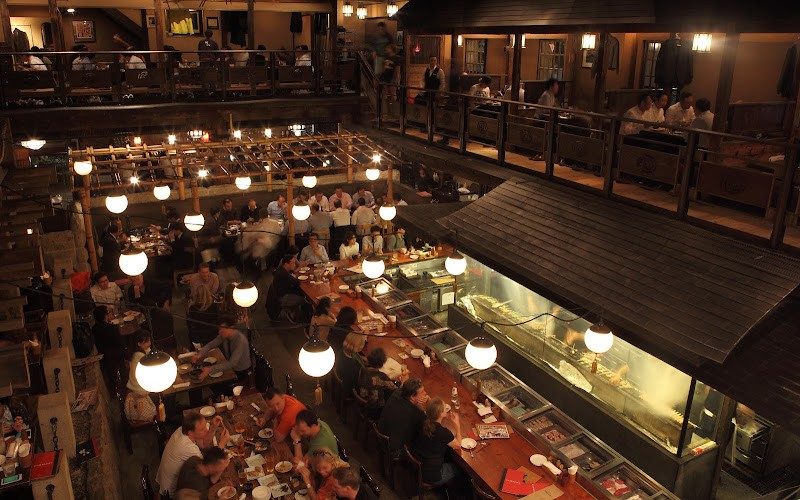 Current Hype
 The izakaya, the scene of Kill Bill. Robata grill + sake. The atmosphere is epic.
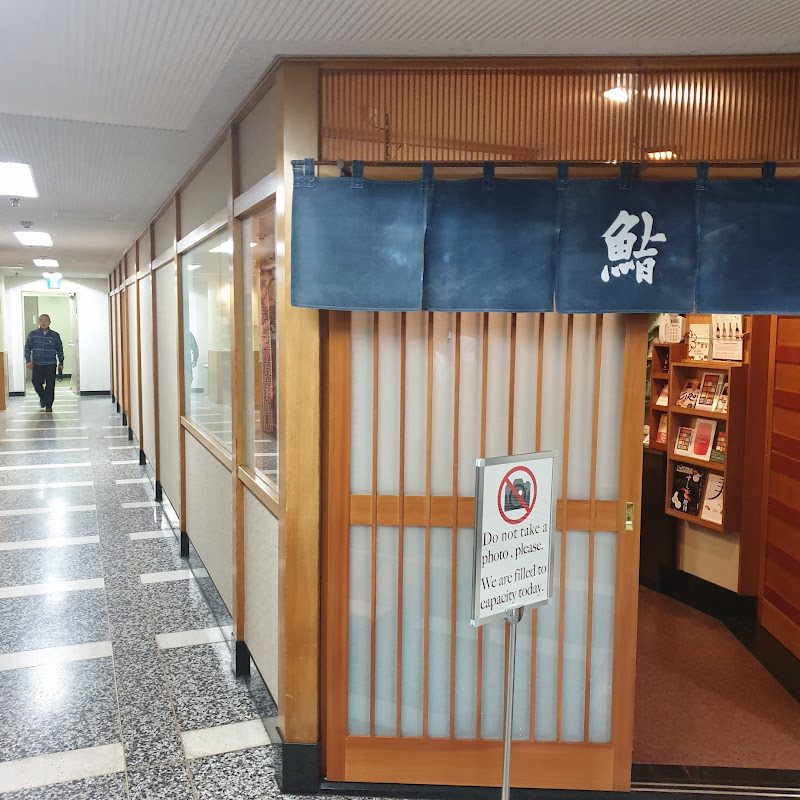 Premium
 Jiro Ono's 3 Michelin sushi bars. Even Obama came. Reservation is impossible, hotels can sometimes reserve it.
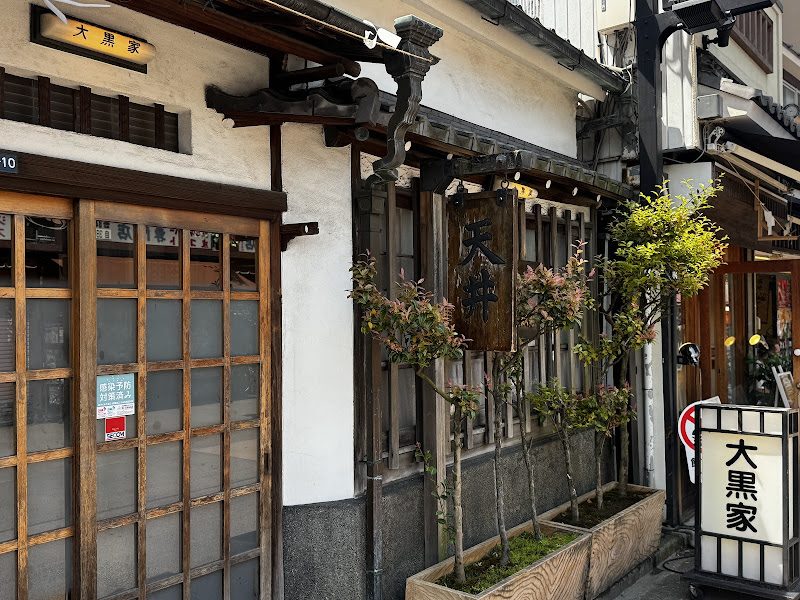 Local Classic
 A tempura classic that's been around since 1887. Shrimp, fish, vegetables fried in sesame oil. Ideal after visiting Senso-ji.
Entertainment from evening to morning
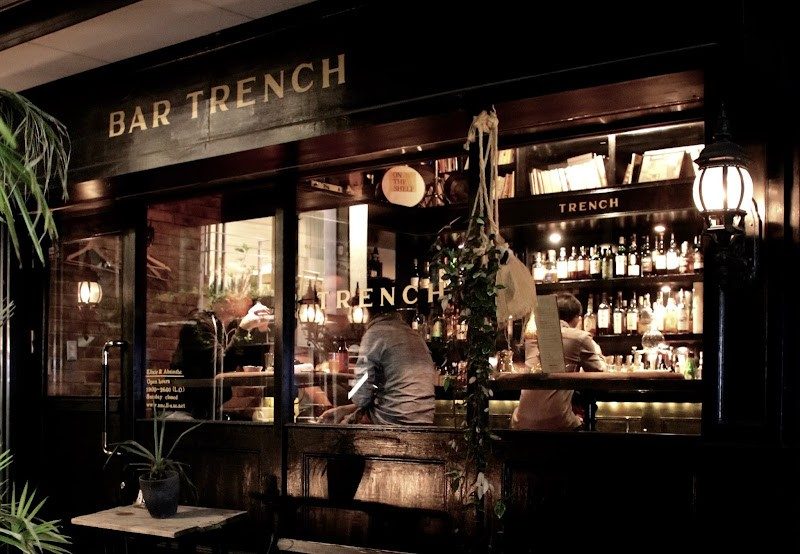 Current Hype
 The best cocktail bar in the city. Classics + modern interpretations. Reservation recommended.
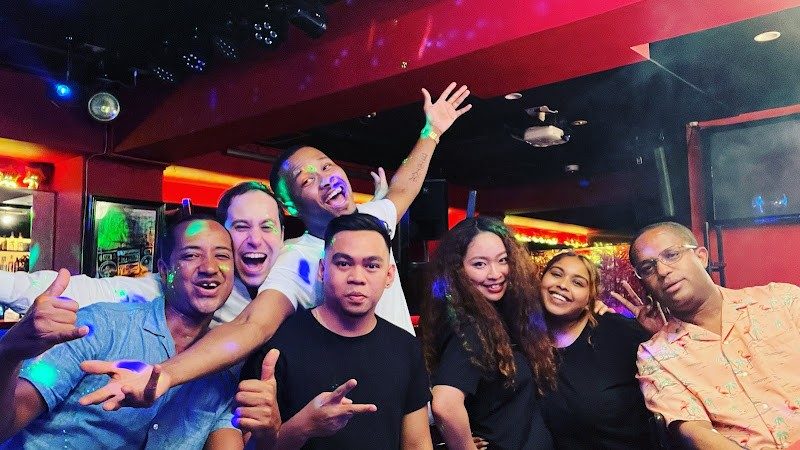 Current Hype
 Tokyo's most open night area to foreigners. Easy bar hopping at clubs like V2 Tokyo, Esprit, 1Oak.
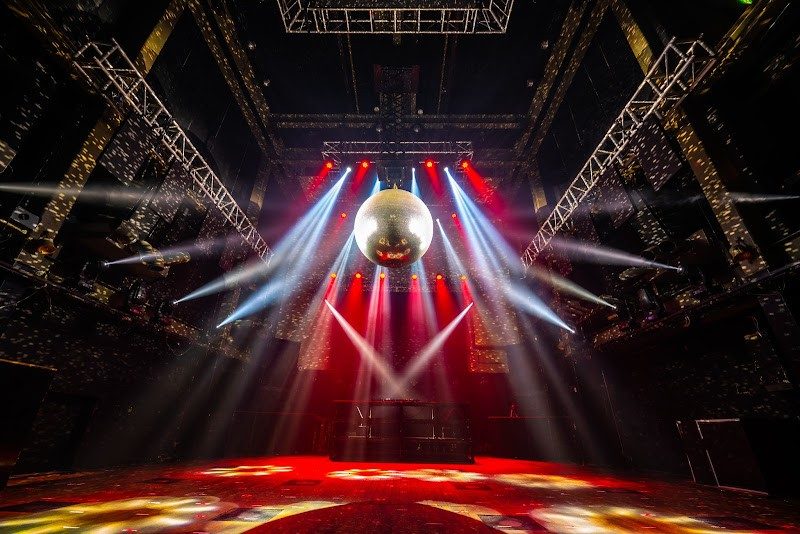 Premium
 Tokyo's biggest nightclub. 4 floors, international DJs, techno + house.
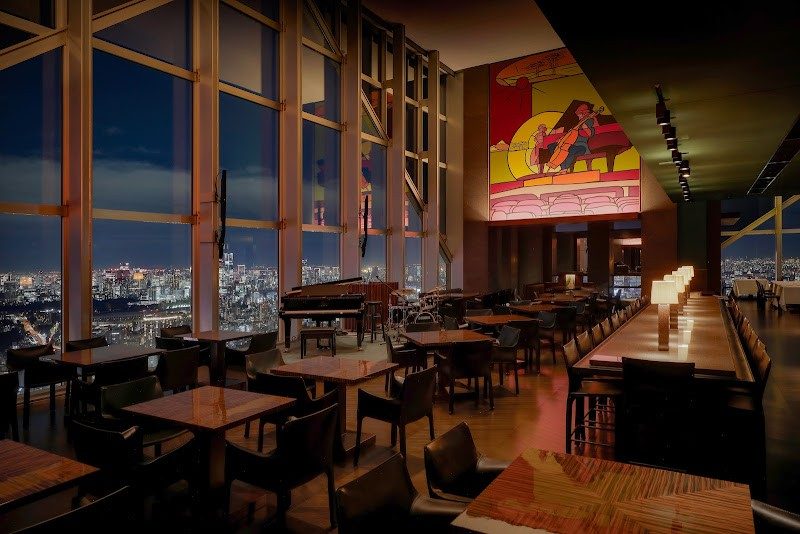 Premium
 Lost in Translation bar. 52nd floor, city view. Cazz + $25 cocktail.
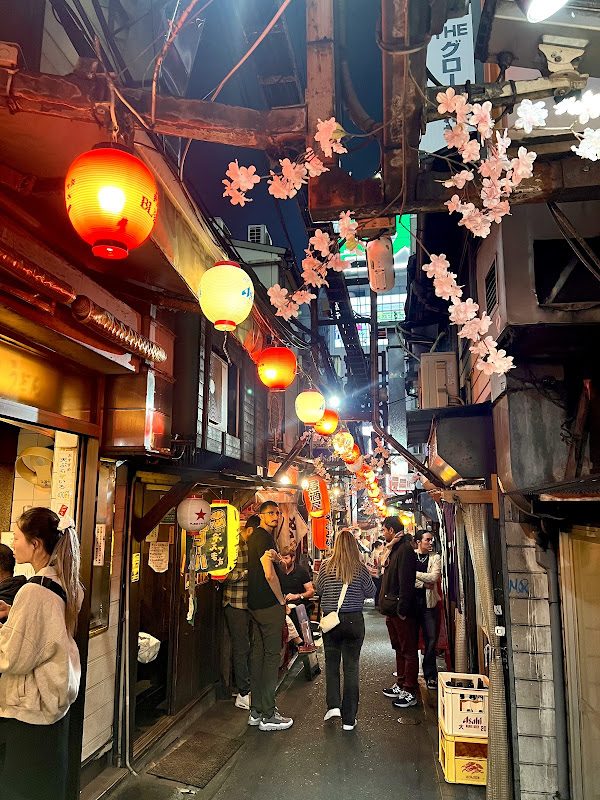 Local Classic
 200+ tiny bars within a single block. Places for 4-6 people, friendly conversation with locals.
Gift, local, premium
Electronic + anime + manga capital. 8-storey shops, retro game, figure.
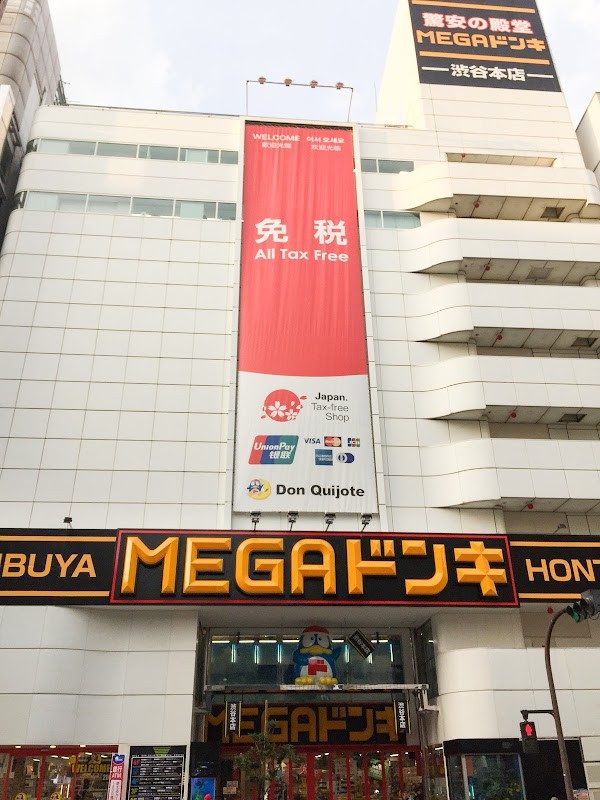
Chain that is open 24 hours a day and sells everything. Ideal for buying quirky gifts.
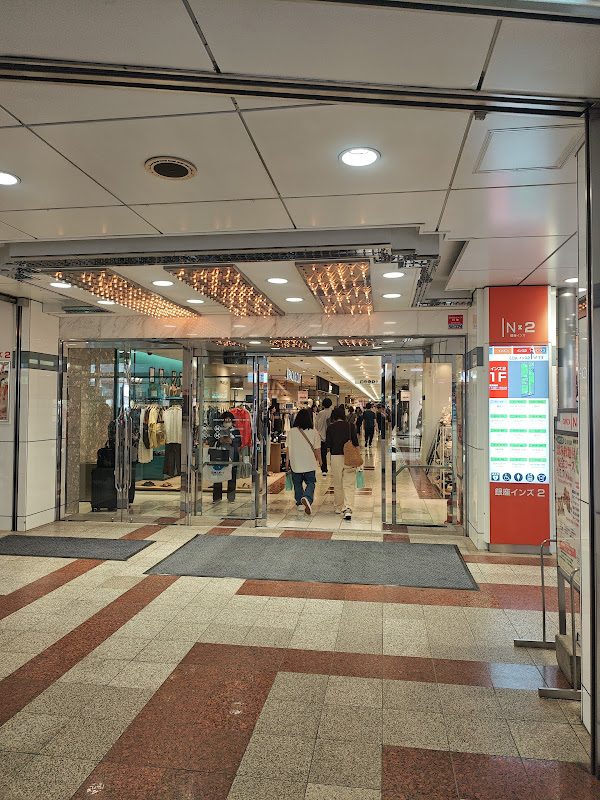
Luxury shopping mall classic. All high-end brands + Tsuta restaurant on the 4th floor.
Kawaii fashion, character stores, colorful sweets. The right place to see young Japanese style.
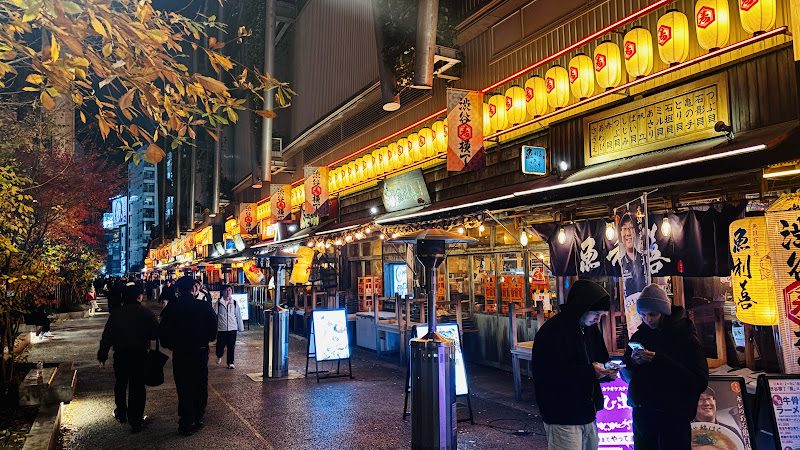
Young fashion center. If you want to learn Japanese street style, dive in.
When to go, how to get there, city transportation, accommodation, budget and practical tips.
Tokyo is a huge metropolis consisting of 23 special districts (ku). The ring-shaped route of the JR Yamanote line forms the backbone of the city; Centers such as Shinjuku, Shibuya, Harajuku, Ueno and Tokyo Station are lined up on this ring. The imperial palace lies inside the ring, and quiet neighborhoods and suburbs lie outside.
The character of Tokyo cannot be described in one word: 17th century temples in Asakusa, neon screens in Shibuya, skyscrapers in Roppongi, wooden houses in Yanaka. Although its metropolitan area of 37 million people is the largest in the world, the city is surprisingly quiet, clean and orderly.
Tokyo has two most beautiful seasons: spring and autumn.
Tokyo has two major airports: Haneda (HND) is 15 km from the city center, and Narita (NRT) is 60 km away. Turkish Airlines' direct flight from Türkiye to Istanbul-Tokyo (Haneda and Narita) takes approximately 12 hours. ANA and JAL also fly to Istanbul.
The average round-trip ticket varies between 750-1200 EUR; The most affordable economy class prices are seen in February, the end of June and November. Sakura and New Year's periods are the most expensive.
Tokyo's transportation network is one of the most complex but reliable in the world. Basic tools:
Tokyo budget is flexible; It can appeal to all segments of society.
| Category | Economical | Medium | Luxury |
|---|---|---|---|
| Accommodation / night | 8,000 JPY (capsule/hostel) | 20,000 JPY (3*) | 60,000 JPY+ (Park Hyatt) |
| Meal/day | 3,000 JPY | 8,000 JPY | 30,000 JPY |
| Transportation / day | 1,000 JPY | 1,500 JPY | Taxi 8,000+ |
| Activity / day | 500 JPY | 4,000 JPY | 15,000 JPY |
| 3 days total | ~38,000 JPY | ~100,000 JPY | ~330,000 JPY+ |
Approximately with May 2026 exchange rate: economical 8,500 TL, medium 22,000 TL, luxury 73,000 TL+ (per person, excluding flights).
Tokyo is a perfect city for families with children. The Japanese lead the world in organization and order—baby rooms are up to luxury hotel standard, subway maps are kid-friendly, parks are clean and safe. Anime and manga culture also attracts children.
0-3 years: The nursing rooms in Tokyo are incredible. There are shopping malls, museums, even some stations. Shinjuku Gyoen park is large and stroller friendly. The metro has low floors and an elevator.
4-7 years: TeamLab Borderless (or Planets) interactive digital art fascinates children. The Ueno Zoo pandas, the giant Gundam statue in Odaiba, and the Ghibli Museum (tickets available months in advance) are favorites for this age group.
8-12 years old: Tokyo Disneyland/DisneySea (one of the best theme parks in the world), Akihabara's anime shops, Tokyo Tower and Skytree observation platforms drive this age group crazy.
Ages 13+: Harajuku's Takeshita Street fashion street, Shibuya intersection, manga cafes, game centers and Akihabara otaku culture are the favorites of young people.
Tokyo Disneyland + DisneySea — DisneySea is called the best theme park in the world. Allow 2 days for both parks. Buy tickets in advance.
TeamLab Borderless/Planets — Digital art museum. Children run inside the light projections and explore the worlds of water and flowers. Photo heaven.
Akihabara — Anime, manga, gaming paradise. Children get lost in Pokémon Center, Gundam Base and game centers for hours. Gacha machines are on every corner.
Ghibli Museum (Mitaka) — The world of Hayao Miyazaki. Totoro, Spirited Away themed interactive exhibition. Tickets are purchased months in advance from Lawson.
Ueno Park — Zoo, science museum, national museum and children's library all in one. Full day activities, lots of free areas.
Baby stroller: Tokyo is stroller heaven. Elevators and barrier-free passage are common in metro stations. There are stroller rentals in shopping malls. In older districts like Asakusa, sidewalks can be narrow.
Children's menu: Okosama setto (children's set) is common in Japanese restaurants. Curry rice, ramen, onigiri, tamagoyaki are dishes that children love. Konbini (7-Eleven, FamilyMart) is full of kid-friendly snacks.
Children's ticket discounts: Metro is free for children under 6 years old. Most museums and theme parks have children's prices. Tokyo Subway Pass is economical for the family.
Toilet: Japan's toilets are legendary — heated toilets, music and automatic flushing. Available everywhere, clean and free.
In Japan, etiquette is not the infrastructure of politeness, but of common life. A few basic points:
How many days to visit Tokyo? Minimum 4 days. If Kyoto + Osaka will be added, 10-14 days is ideal.
Is English sufficient? Yes, in tourist areas and large chains. In small restaurants, the menu is illustrated or plastic; The Google Translate camera works very well.
Is Tokyo expensive? Accommodation and taxis are expensive; public transport medium; The food is cheaper than expected (a satisfying meal is possible between 10-30 EUR). We can call it mid-upper budget.
How to solve Wi-Fi? You rent the Pocket Wi-Fi device from the airport and drop it off at the airport. Alternatively, Japan eSIM (Ubigi, Airalo) is affordable.
Is Tokyo suitable with children? Yes. Tokyo Disney Resort, Ueno Zoo, teamLab Planets, Pokémon Center and Ghibli Museum are child-friendly. The only drawback: lack of elevators and crowded hours in some metro stations.
Japonya vizesi gerekiyor mu? No. Bordo pasaportla turistik amaçla 90 güne kadar vizesiz giriliyor (2011'den beri geçerli muafiyet). Pasaportun makine tarafından okunabilir ve kalış boyunca geçerli olması yeterli; sınırda dönüş bileti ve konaklama bilgisi sorulabiliyor.
Festivals, concerts and public holidays — 2026 calendar
March 2026 (first Sunday — date to be confirmed with official calendar)
City center (Shinjuku - Tokyo Station route)
One of the 6 biggest marathons in the world. 38,000+ runners. City center roads are closed, transportation must be planned.
Official source →Third weekend of May 2026
Asakusa, Senso-ji Temple area
Tokyo's largest traditional festival. 2 million visitors, mikoshi (portable temple) parades, traditional music and dance.
Official source →Last Saturday of July 2026
Sumida River, Asakusa
Tokyo's largest fireworks display. 20,000+ cartridges, 1 million viewers. The tradition of wearing yukata.
Official source →End of March 2026
Tokyo Big Sight (Odaiba)
The world's largest anime convention. Studio announcements, premieres, cosplay contest.
Official source →End of September 2026 (Chiba — Makuhari Messe)
Makuhari Messe, Chiba (40 min from Tokyo)
Asia's largest video game expo. New console and game launches, eSports tournaments.
Official source →Mar 20, 2027 – Apr 10, 2027
Ueno Park, Shinjuku Gyoen, Meguro River, Chidorigafuchi
Tokyo's busiest and most beautiful season. Hanami picnic tradition in parks and riversides. Hotel prices double.
Official source →Jun 6, 2027 – Jul 11, 2027
Asakusa Culture Tourist Information Center (Taito)
Free/public traditional dance performances of Asakusa geishas. On screening days, the area around Asakusa becomes more crowded.
Official source →Current according to passport type
İyi haber: Türk vatandaşları Japonya'ya 90 güne kadar VİZESİZ girer (2011'den beri karşılıklı muafiyet). Tek şart, pasaportunun ICAO standardında makine-okunur/çipli olması. 90 günü aşan ya da çalışma amaçlı ziyaretlerde önceden konsolosluk vizesi gerekir.
Official application →Visa-free with diplomatic and service passports.
Visa-free.
Visa-free.
For application links and other countries, check the Turkish Passport Visa Guide.
Instant Ticket Prices
Best prices with a single click, flights to Tokyo
Istanbul → Tokyo · One Way
If you liked Tokyo, check these out too