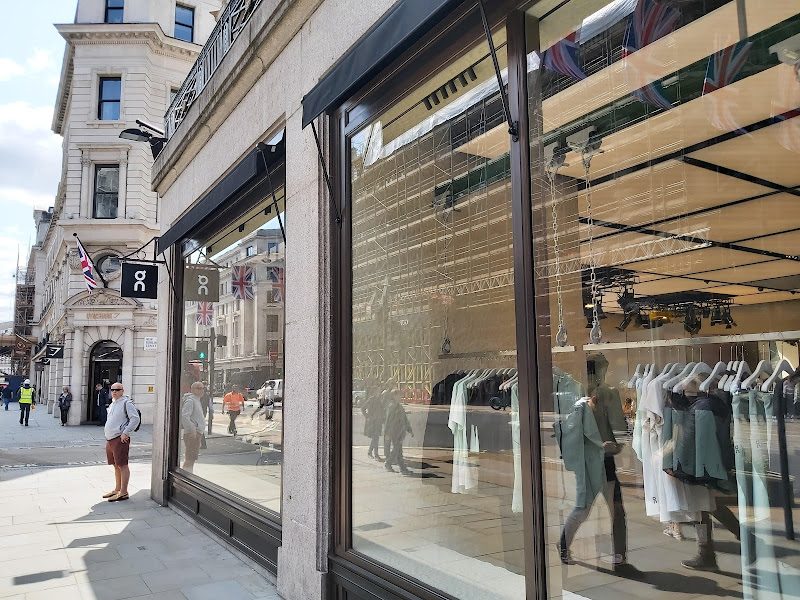
About
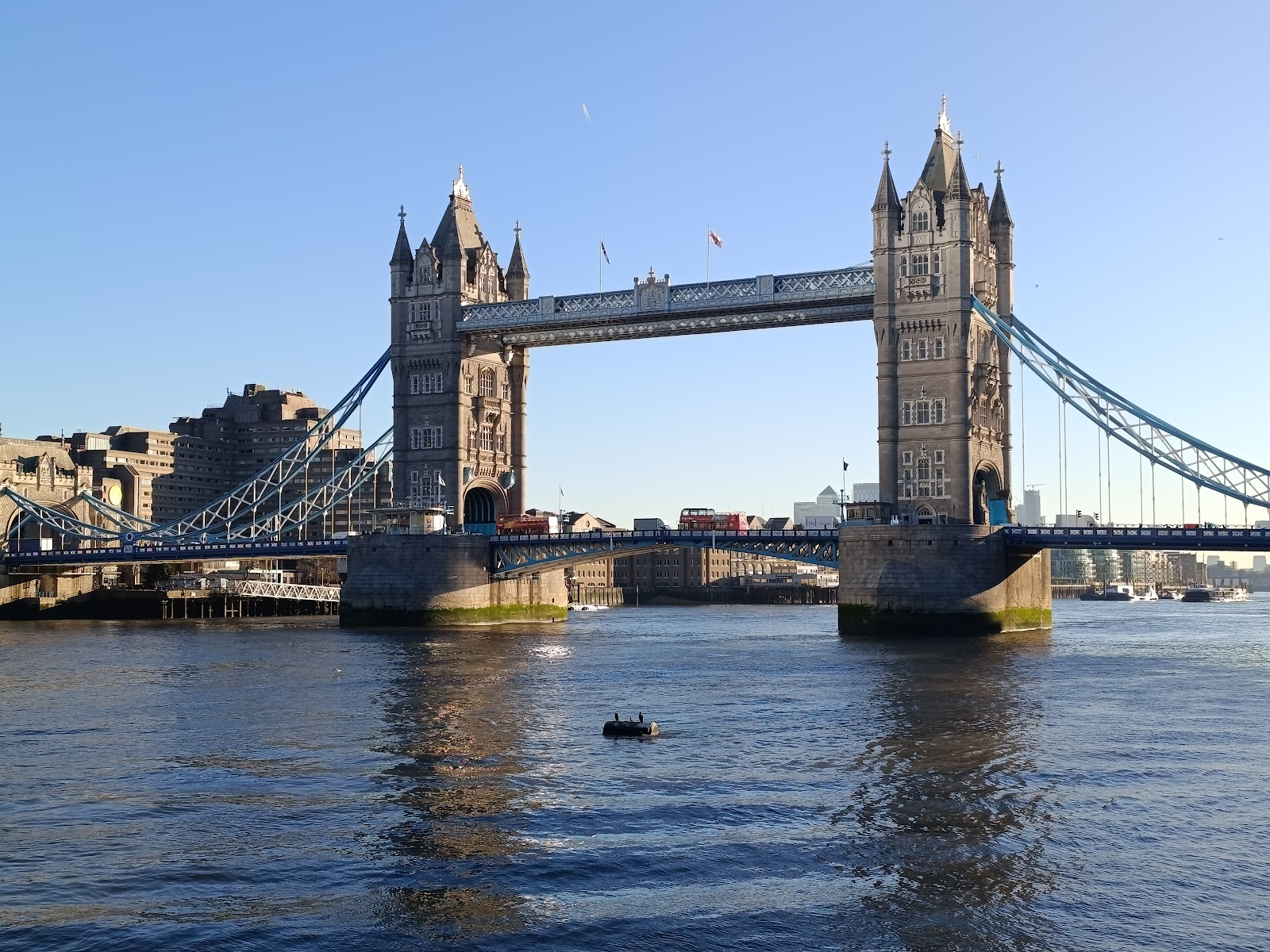
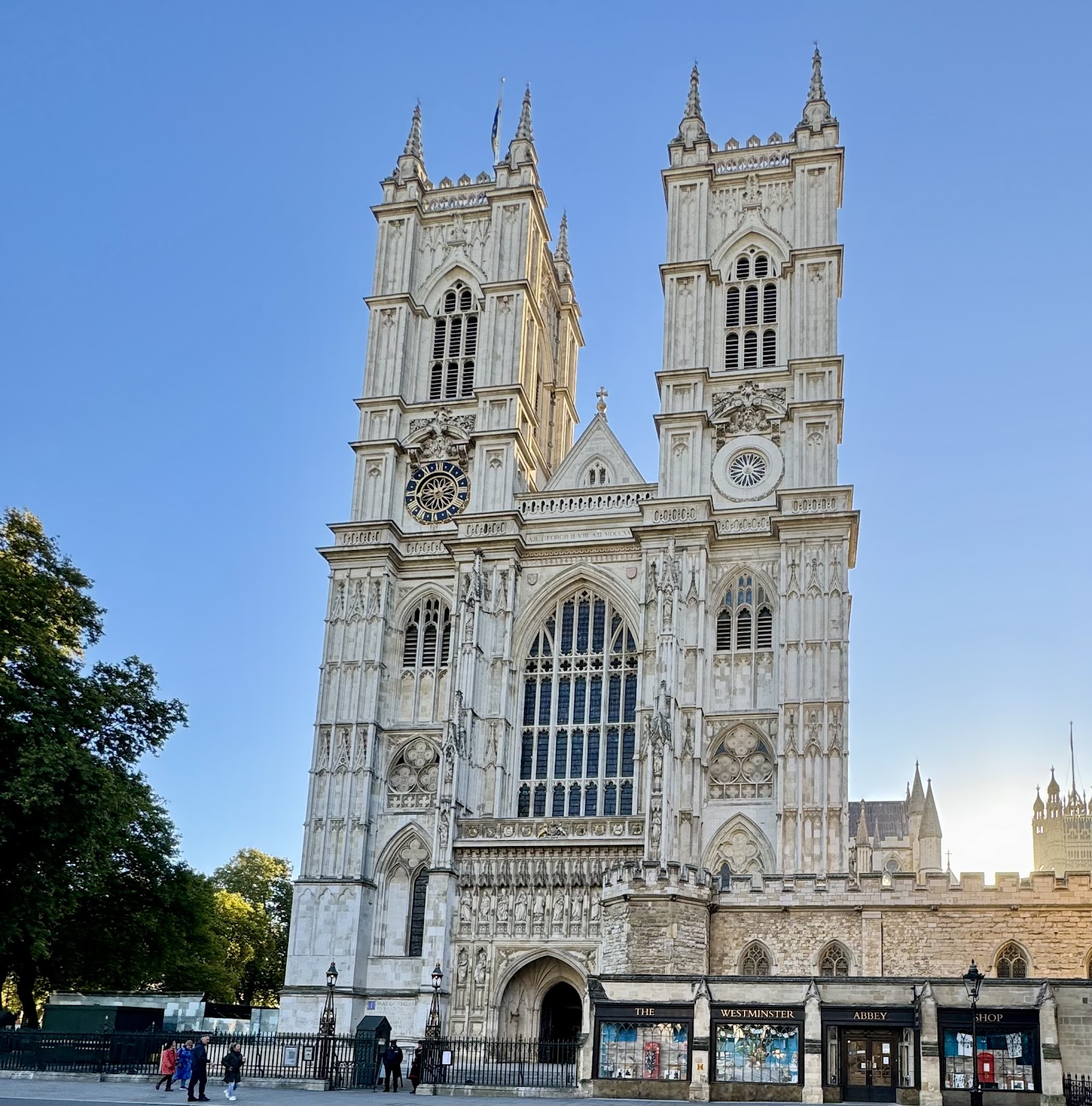
London is a strange city. While the queen's guards stand watch motionlessly, a punk-haired man plays the guitar two blocks away. Glass skyscrapers rise in the shadow of centuries-old cathedrals. While you're eating scones with Earl Gray tea in the morning, you're snacking on tikka masala at Brick Lane in the evening. This city thrives on contradictions, and that's exactly why it's impossible to get bored.
It has one of the oldest subways in the world, but that subway is packed every morning. This huge metropolis, where approximately 9 million people live, spread on both banks of the Thames River, actually consists of dozens of villages attached to each other. Each neighborhood has its own character: In Westminster they expect you to wear a tie, in Camden no one will turn a glance even if you wear a pink wig.
It is not only the capital of England, but also one of the world's financial centers, a metropolis that keeps its finger on the pulse of the global art scene, and a cosmopolitan melting pot that has welcomed immigrants for centuries. From Shakespeare's theaters to the Beatles' Abbey Road studio, from Harry Potter's platform 9 3/4 to Sherlock Holmes' Baker Street, the DNA of popular culture is written on these streets.
Before you come, let me warn you: London is not a cheap city. A pint of beer is £7, a Tube ticket is £2.80, dinner in a casual restaurant is around £30 per person. But most of the museums are free, the parks are enormous, and the street culture is free. If you manage your budget wisely, London can make you happy both in your pocket and your soul.
When to Go
London's weather is a joke. The sun shines in the morning, it rains at noon, and the sun comes out again in the evening. It is normal here to experience four seasons in one day. So whatever season you come, take a raincoat or umbrella with you.
May–June (Spring/Early Summer): The most ideal period. Temperatures are around 18-22°C, days are long (light until 21:00 in the evening), parks are in bloom. The Chelsea Flower Show starts in May and the tennis season starts in June.
July–August (Summer): The hottest period, but when we say "hot" we mean 25-30°C, don't wait for Istanbul summer. It's sunbathing season, open-air cinemas and festivals in Hyde Park. There is Notting Hill Carnival at the end of August, don't miss it.
September (Early Autumn): The summer crowds have dispersed, prices have dropped slightly, the weather is still nice. It's a great time when you can easily visit museums and theaters.
October–November (Autumn): The leaves are golden yellow, the air is cool. The November 5 Bonfire Night fireworks displays are atmospheric. But at 16:00 it starts to get dark and your morale may be low.
December–February (Winter): Cold (2-8°C), damp and grey. But London's decorations, Christmas markets, ice skating rinks and Boxing Day sales (26 December) are a different world during the Christmas period. Winter London is beautiful too, just dress in layers.
How to get there
Airline: London has five airports, but the three that interest you are Heathrow (LHR), Gatwick (LGW) and Stansted (STN). There are direct flights from Istanbul Airport (IST) to Heathrow with Turkish Airlines and British Airways, and to Stansted with Pegasus. Pegasus also flies to Stansted from Sabiha Gökçen (SAW). Flight duration is approximately 4 hours. Early tickets are around 150-250 EUR.
Airport–City center transportation:
| Airport |
Option |
Duration |
Cost |
Note |
| Heathrow (LHR) |
Elizabeth Line (Metro) |
35-45 min |
£5.50 |
He goes to Paddington. The most economical and fastest way. |
| Heathrow (LHR) |
Heathrow Express |
15 min |
£25 |
Express to Paddington. Fast but expensive. |
| Heathrow (LHR) |
Taxi / Uber |
45-90 min |
£50-90 |
Duration varies greatly depending on traffic. |
| Gatwick (LGW) |
Gatwick Express |
30 min |
£20 |
Goes to Victoria Station. |
| Gatwick (LGW) |
Thameslink Train |
45 min |
£12 |
Towards London Bridge and King's Cross. |
| Stansted (STN) |
Stansted Express |
47 min |
£20 |
Goes to Liverpool Street Station. |
| Stansted (STN) |
National Express Bus |
60-90 min |
£8-12 |
Cheapest option but slow. |
Urban Transportation
Transportation in London is expensive but incredibly advanced. The metro network (Tube) of 270 stations reaches every corner of the city, and there are buses, DLR and river boats.
Oyster Card or Contactless: Don't buy paper tickets on the London Underground, enter directly with your debit card (contactless) or Oyster Card. Daily spending is automatically set at an upper limit (daily cap), so you pay for as much as you use unlimitedly. Zone 1-2 daily cap is around £8.10.
Tube (Metro): 11 lines, 270+ stations. It operates from 05:00 in the morning until midnight. On Friday and Saturday nights, some lines are open 24 hours a day (Night Tube). During peak hours (07:30-09:30, 16:30-19:00), it gets crowded like a geranium box.
Red Buses: The iconic double-decker red buses are the most enjoyable way to tour the city. Sit in the front row upstairs, it's like a city tour. There are lines working 24 hours a day. Does not accept cash, contactless or Oyster only.
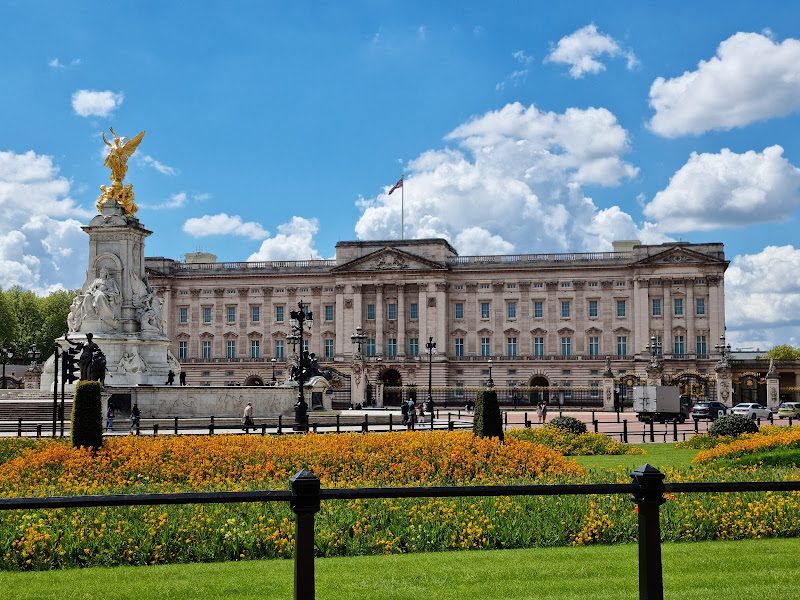
Walking: Many central points of London are within walking distance. 5 minutes from Covent Garden to Trafalgar Square, 10 minutes from there to Buckingham Palace. Use the walking option of Google Maps, you will be amazed.
Uber / Bolt: Available and widespread. It may be preferred instead of the metro late at night or if you are in a group. Prices are 3-4 times that of Istanbul.
Accommodation Regions
Where you stay in London determines the type of holiday you will have:
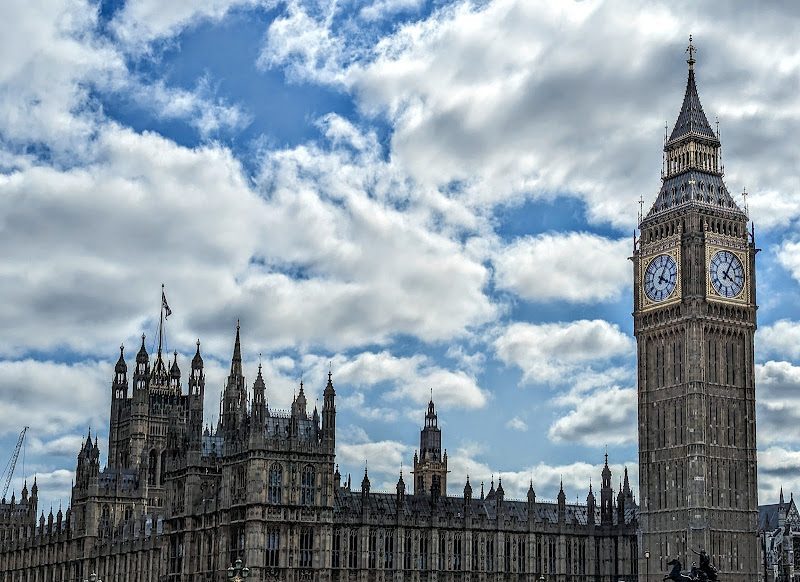
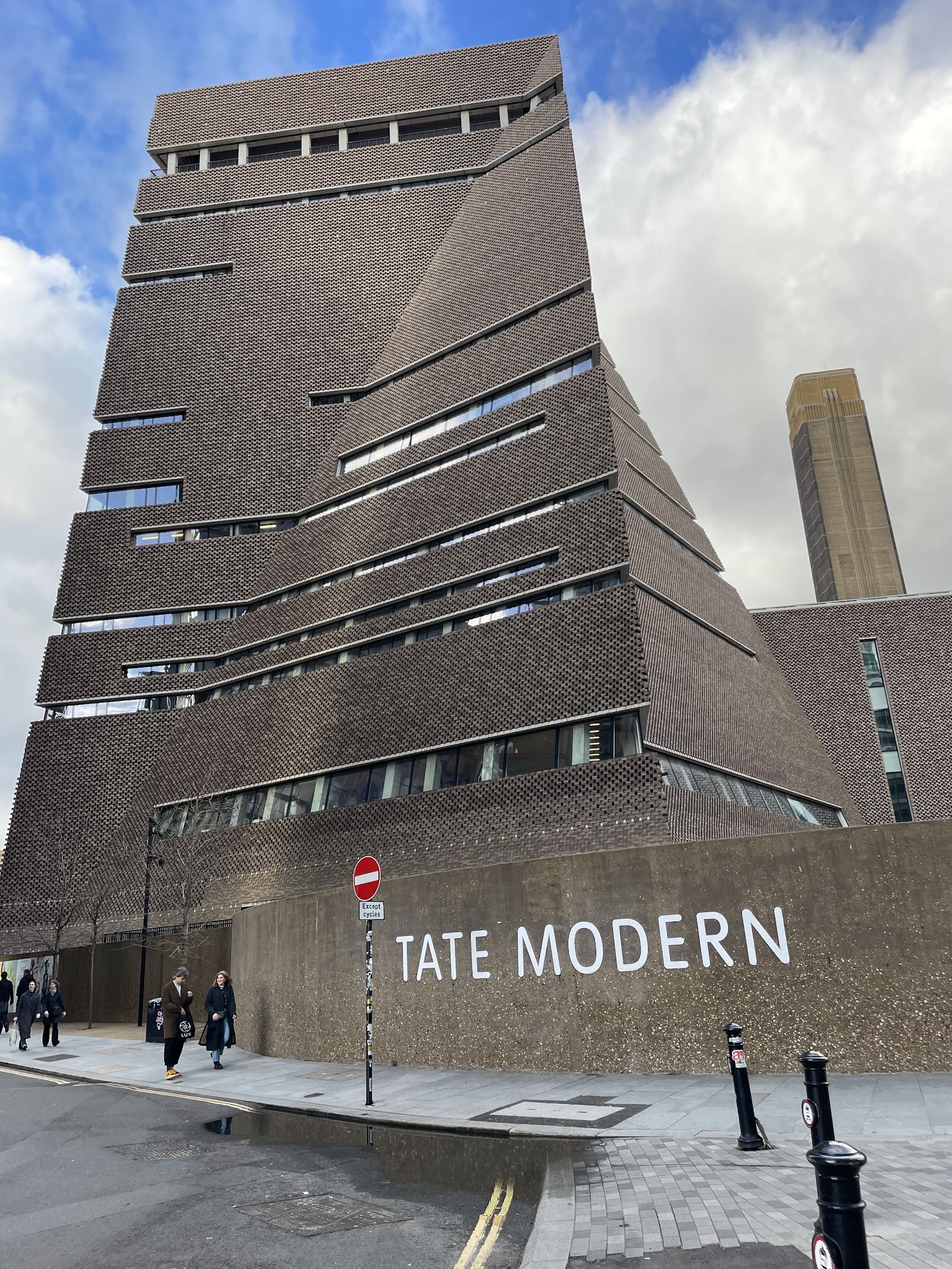
Westminster / South Bank: Big Ben, London Eye, Tate Modern are all within walking distance. The heart of the tourist area. Hotel prices are high but you are close to everything. If you're visiting for the first time, this is the ideal starting point.
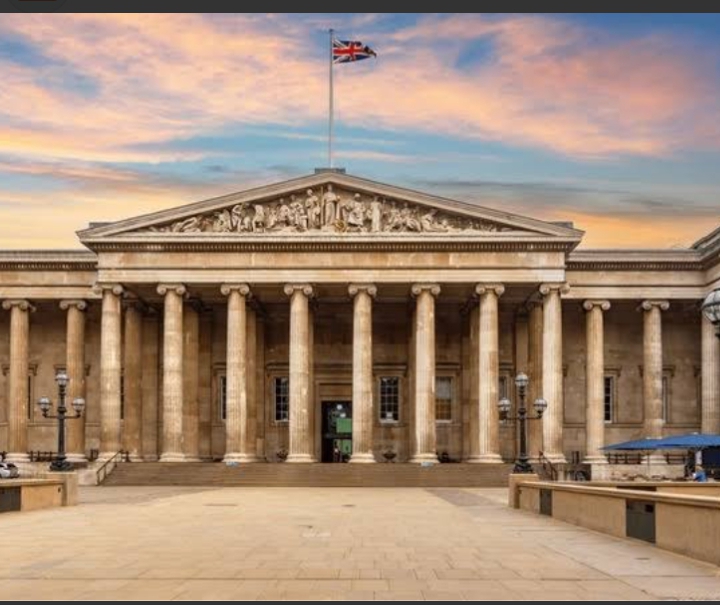
King's Cross / Bloomsbury: Close to the British Museum, center of train stations. If you're going to Paris by Eurostar or planning a train trip north, this place makes sense. There are plenty of mid-budget hotels.
Shoreditch / Brick Lane: The hipster heart of East London. Street art, independent cafes, vintage shops and nightlife are here. Perfect for young travelers and creative souls. Prices are more affordable than in the center.
Kensington / Earl's Court: Close to the Natural History Museum, Victoria & Albert Museum and Hyde Park. A quiet and safe area surrounded by elegant Victorian houses. Ideal for families and romantic couples.
Camden / Islington: The center of alternative culture. Walking distance to Camden Market, close to live music venues. Hostel prices are affordable, it is the choice of young people.
Notting Hill / Bayswater: You are close to colorful houses, Portobello Market and quiet cafes. It is a pleasant area with both a central and neighborhood atmosphere. You can also walk to Hyde Park.
Budget Plan (3 days, per person, GBP)
| Category |
Backpacker |
Medium |
Luxury |
| Accommodation (2 nights) |
£60-100 (Hostel) |
£200-350 (3-4★) |
£700+ (5★ Hotel) |
| Transportation (Oyster/Contactless) |
£25 (Daily cap) |
£30 |
£100 (Taxi/Uber) |
| Food |
£50-70 (Market & pub) |
£120-180 |
£400+ (Fine Dining) |
| Entrance Tickets |
£35 (Tower + Abbey) |
£70 |
£150 (Private tours) |
| Nightlife / Entertainment |
£30 |
£60 |
£150+ |
| Total (3 days) |
£200-260 |
£480-690 |
£1500+ |
Check the current exchange rate as the Pound-TL exchange rate is constantly changing. As of 2026, 1 GBP is around 55-60 TL.
Practical Tips
Don't take your raincoat with you. In London, the weather forecast is not even 3 hours ahead. Always keep a compact umbrella or a thin raincoat in your bag. Umbrellas can turn upside down in the wind, a windbreaker is more practical.
Enter everywhere with Contactless. If your Visa or Mastercard has contactless feature, you do not need to buy an Oyster Card separately. You can scan your bank card directly in subways, buses and trains.
Evaluate free museums. British Museum, National Gallery, Tate Modern, Natural History Museum, Science Museum, Victoria & Albert Museum... London's biggest museums are free. It's foolish not to take this opportunity.
Experience the pub culture. British pubs are not just places to drink beer, they are like neighborhood living rooms. Sunday Roast is a must try. There is no table service in pubs, you order at the bar and carry it to your table yourself.
Tipping (tip) is not mandatory. In restaurants, a 12.5% service fee is generally automatically added to the bill. If it's already included, you don't need to leave a tip. Tips are not allowed for bar service in pubs.
Stay on the left in the subway. On escalators, stand on the right, the left side is for walkers. If you break this rule, you will hear mutterings in English behind you.
If you're going in winter, dress in layers. The subways and stores are warm, it's cold outside. It makes more sense to wear several thin layers rather than a single thick coat.
Travel Guide with Children
London gets a 4.3/5 child-friendly rating and it's deservedly so. One of the best cities in Europe for families with children, with free museums, huge parks and interactive experiences.
Recommendations by Age Group
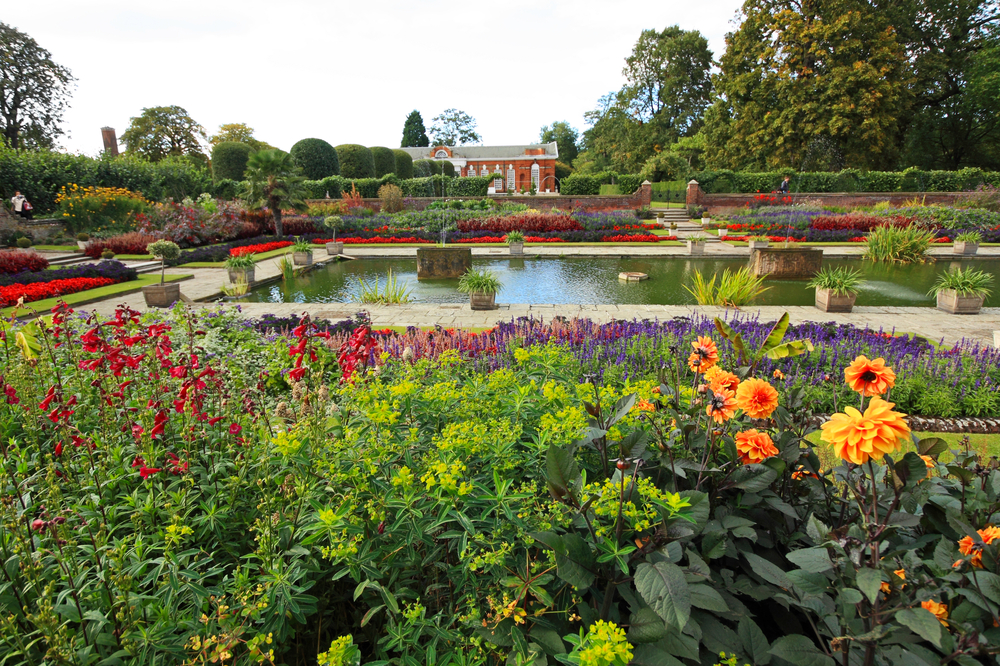
0-3 years: Diana Memorial Playground in Hyde Park and Kensington Gardens is heaven for little ones. Stroller access is seamless throughout most of the city; Check the stations with elevators on the tube on the TfL app, because most of the older stations do not have elevators. Baby care rooms are usually available in museums.
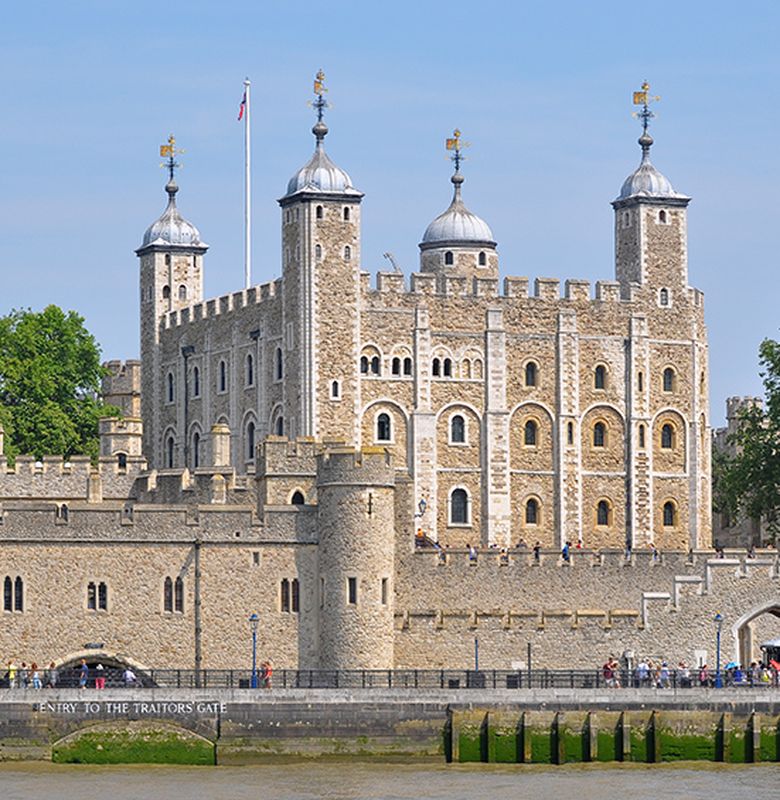
4-7 years: The dinosaur galleries at the Natural History Museum are the favorite of this age group. There are interactive sections in the Science Museum, children can play for hours. Stories of Beefeater in the Tower of London also fascinate these ages.
8-12 years: The Harry Potter Studio Tour (Warner Bros.) is the number one activity for this age group, but it's in Watford outside London and you need to buy your tickets weeks in advance. Watching the city over the Thames from the London Eye is also an experience that children love.
Ages 13+: The alternative atmosphere of Camden Market, the street art of Brick Lane and the energy of Soho attract the attention of young people. Seeing a musical in the West End would also be an unforgettable experience.
Top 5 Kid-Friendly Activities
Natural History Museum — Giant dinosaur skeleton, interactive earthquake simulation, wildlife garden. It's completely free. Children can spend time here until they get tired of running around.
Science Museum — Wonderlab interactive gallery (fee, £11) introduces children to science. There is also an IMAX cinema. The rest of the museum is free.
London Zoo (Regent's Park) — More than 750 species, penguin feeding demonstrations and tropical butterfly house. Book a full day, there are dining options inside.
Hyde Park / Diana Memorial Playground — The pirate ship themed playground is great for young kids. You can rent a pedal boat on the Serpentine Lake.
SEA LIFE London Aquarium — On the South Bank, right next to the London Eye. Sharks, penguins and glass tunnel fascinate children.
Practical Information
Baby stroller: London's pavements and major museums are stroller friendly. But you will have difficulties in the subway; Most old stations have escalators but no elevators. The Elizabeth Line and new stations are fully accessible. The buses are stroller friendly.
Children's menu: The majority of restaurants have a children's menu. Pubs also usually have child-friendly meals, but some pubs do not allow children in the evening, so ask in advance.
Children's ticket discounts: Children under 11 travel free of charge on the metro and buses (with an adult). Most museums are free anyway. There is usually a family ticket option at paid places.
Toilet: There are free toilets in major museums and shopping malls. But it's hard to find on the street, just pop into the nearest McDonald's or Pret a Manger.
Warnings
- Carrying a baby stroller on the subway can be challenging, definitely avoid rush hour (07:30-09:30, 16:30-19:00).
- London pavements are busy; Do not leave small children unattended in crowded areas (Oxford Street, Camden Market).
- The weather changes suddenly; Spare clothes and a raincoat are required for the child.
- Harry Potter Studio Tour tickets sell out days in advance, don't leave it to the last minute.
Local Label and Culture Notes
The British are world champions of politeness. You'll hear the word "Sorry" at least 50 times a day; Even if someone bumps into you, he apologizes. If you bump into someone, say "sorry" immediately, this reflex is the basic rule of living here.
Queue culture is sacred. There is a neat queue everywhere, at the bus stop, in the market, in front of the toll booth. The person who cuts the queue is socially lynched, not physically but with looks. Get in your turn and wait patiently.
British people are masters of small talk. The weather is the safest conversation topic: if it's raining, you complain together, if the sun is shining, you rejoice together. Stay away from politics and religion, you can talk football but it matters which team you support.
Pubs have a "round" system: someone buys beer for the entire group, then it's the next person's turn. If someone bought you a pint, you should buy it too on the next round. If you are stingy in this regard, you will be immediately ostracized.
Finally, London is an incredibly multicultural city. More than 300 languages are spoken. Indian, Pakistani, Caribbean, Turkish, Chinese, African and Eastern European communities have established their own neighborhoods in every corner of the city. This diversity is especially reflected in food culture; You can find the world's best Indian food, the most authentic dim sum or the most delicious Turkish kebab in London.
FAQ
How many days to visit London?
A minimum of 3 days is required to complete the classic tourist route. But London is such a layered city that even if you stay for a week, you'll wish it were one more day. If you are going to focus on museums or going to the theater, plan 4-5 days.
How long does it take to get a UK visa?
The UK visa for maroon passport holders is separate from Schengen. An online application is made and biometric data is collected at the TLScontact centre. Results take approximately 3-4 weeks. Green and gray passport holders can travel without a visa for up to 90 days.
Is London really that expensive?
Yes, it is one of the most expensive cities in Europe. But most of the museums are free, the parks are gorgeous, and there's street food. With a smart budget, you can get by with £60-80 per person per day (transportation + food + entrance). Accommodation is the biggest item; It can be reduced by early booking and hostel use.
Is it possible to travel around London without knowing English?
It is difficult but not impossible. The map and signs of the metro are very clear, you can survive with Google Translate. But knowing basic English makes your job much easier when ordering at a restaurant, asking for directions, and chatting at the pub.
Which airport should I fly to?
Heathrow is the closest and most connected to the city, THY flies here. Stansted is good for cheap flights (Pegasus) but 1 hour away from the city. Gatwick is also within reasonable distance. Calculate the ticket price and transfer cost to the city together, sometimes a cheap flight to Stansted + expensive transfer can be more expensive than a direct flight to Heathrow.
Is the electrical outlet different?
Yes. The UK uses a Type G socket, this is a large plug with three rectangular pins. Type C/F plugs in Türkiye do not fit. Don't forget to buy an adapter, they are also sold at the airport but they are expensive. Buy your travel adapter from Türkiye.