About
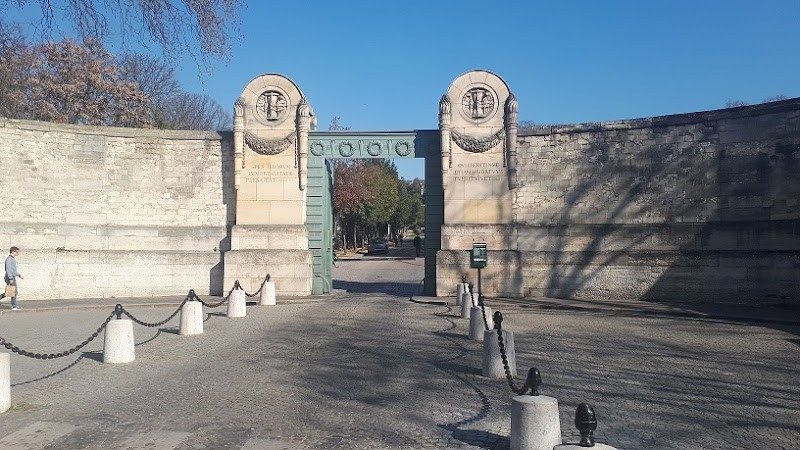
Paris, Fransa'nın başkenti; yaklaşık 2,1 milyon kişi yaşıyor ve Avrupa'nın en çok ziyaret edilen şehirlerinden biri sayılıyor. Seine Nehri şehri kuzeyde Rive Droite (Sağ Yaka) ve güneyde Rive Gauche (Sol Yaka) olarak ikiye bölüyor. Şehir, merkezden saat yönünde dışa doğru spiral biçimde numaralanmış 20 arrondissement'a (bölge) ayrılıyor; 1. bölge Louvre çevresinden başlıyor, 20. bölge Père Lachaise'de bitiyor.
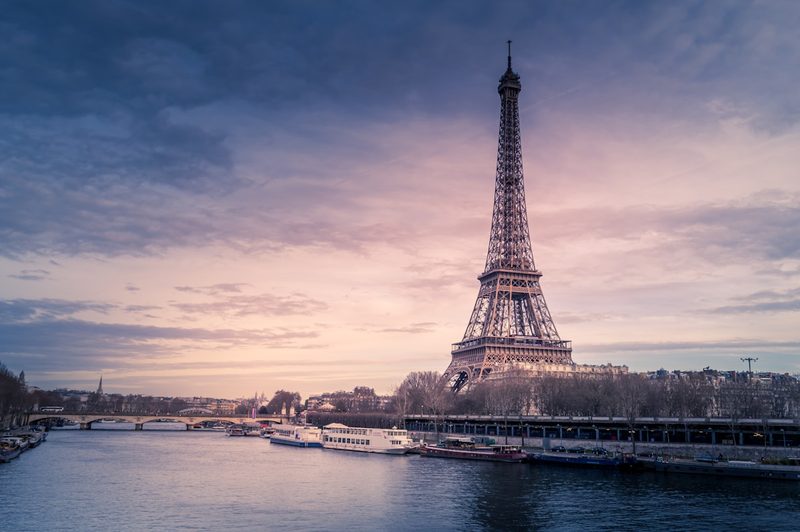
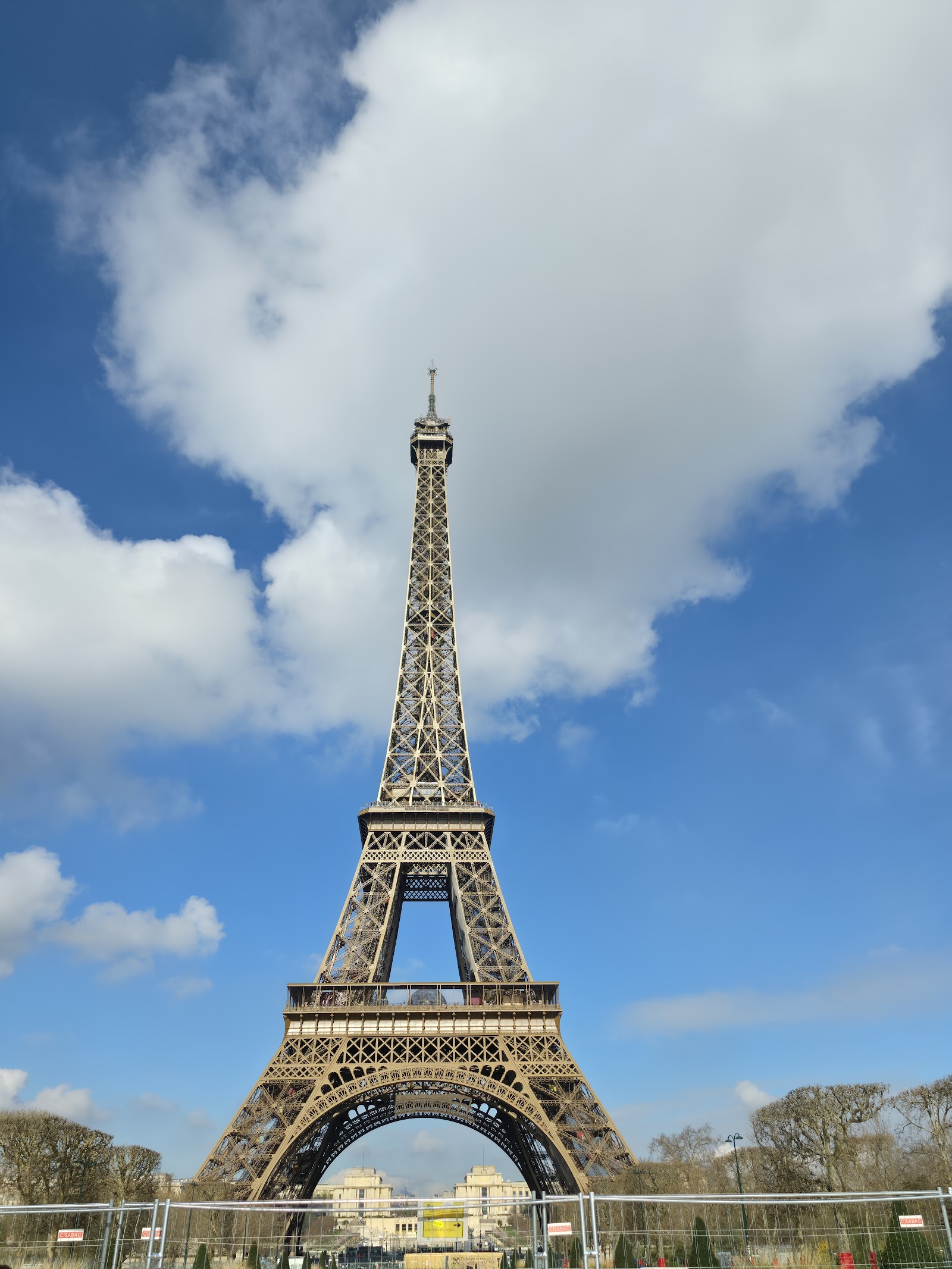
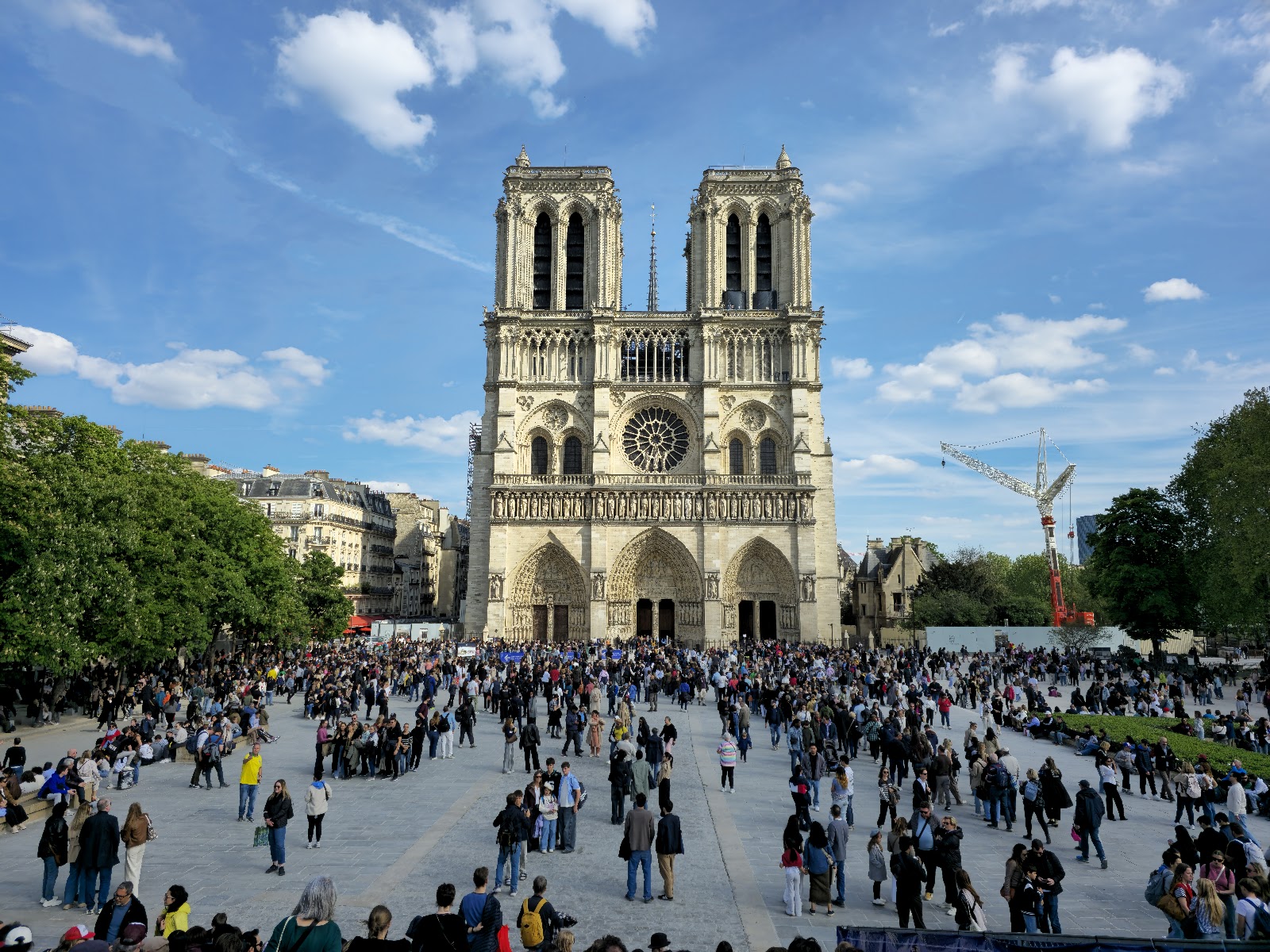
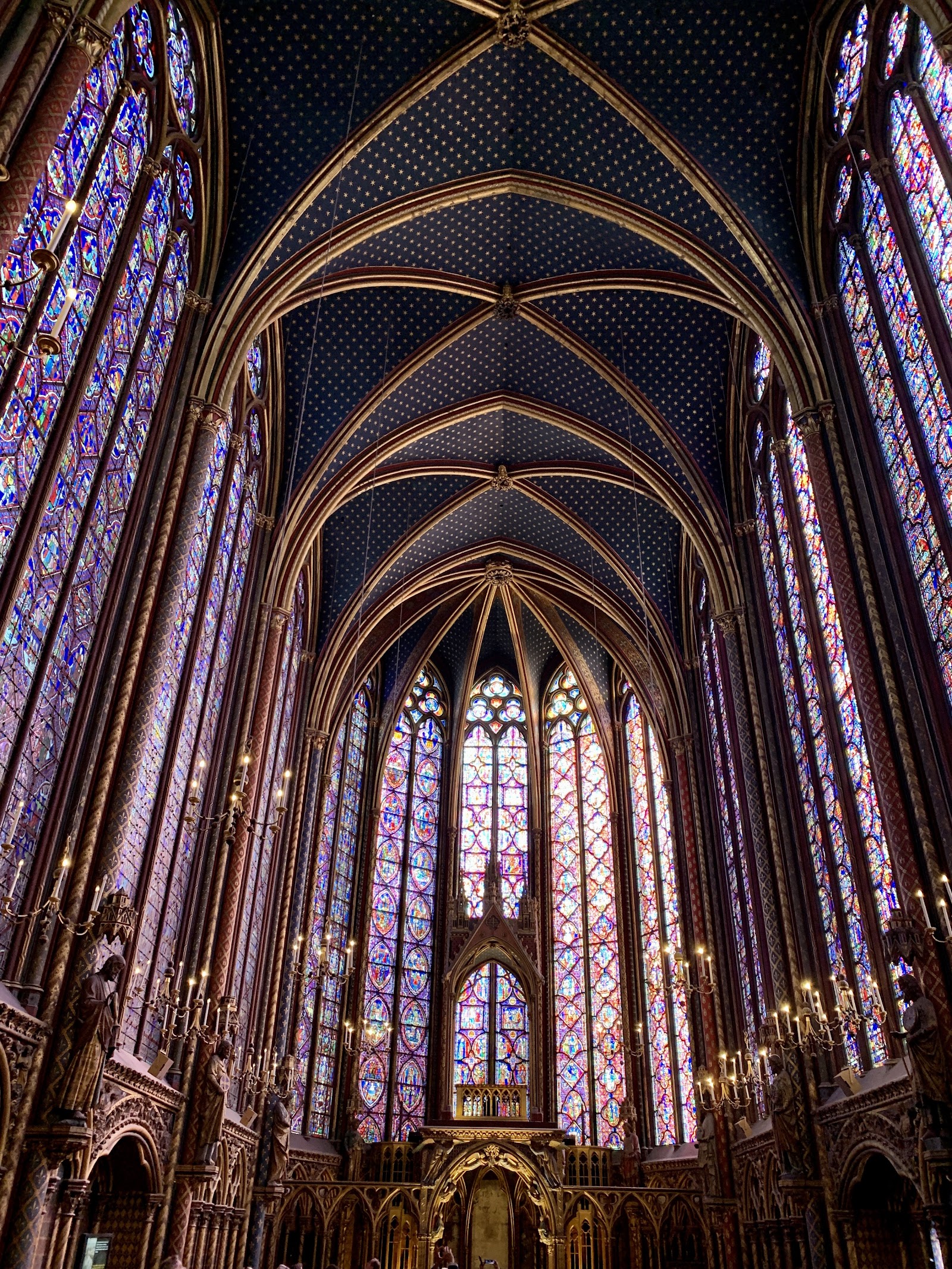
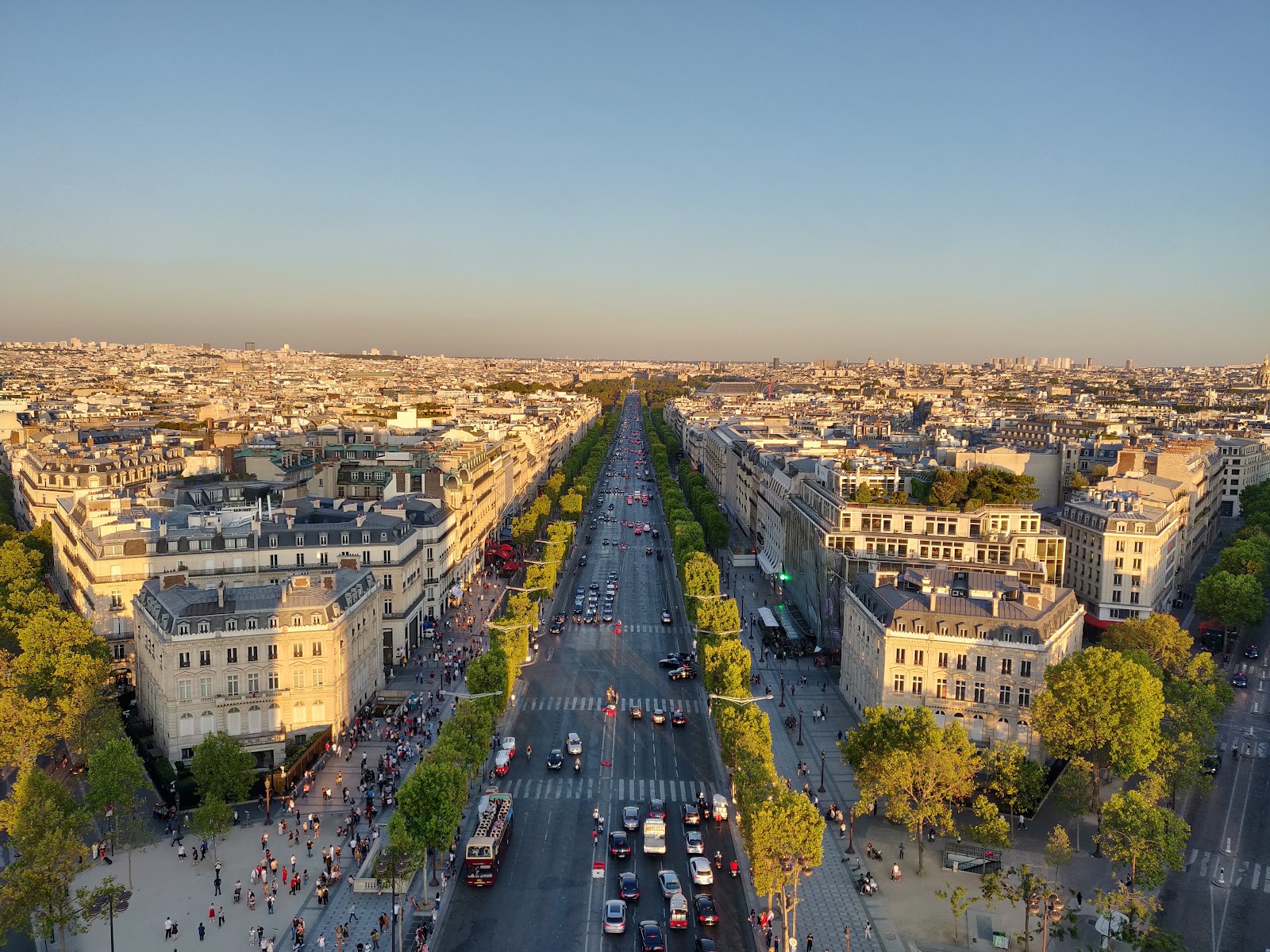
Paris'in tarihi MÖ 3. yüzyılda Seine üzerindeki Île de la Cité adasında kurulan Lutetia yerleşimine uzanıyor. Romalıların ardından Frenkler ve Capet hanedanı şehri başkent yaptı; Hugues Capet 987'de tahta çıkınca Paris bin yıldır Fransa'nın merkezi olarak kalıyor. Gothic architecture (Notre-Dame, Sainte-Chapelle), 17th century. century classicism (Versailles), Haussmann's 19th century yüzyılda çizdiği bulvarlar ve 1889 Eyfel Kulesi, şehrin üst üste binen katmanlarını oluşturuyor.
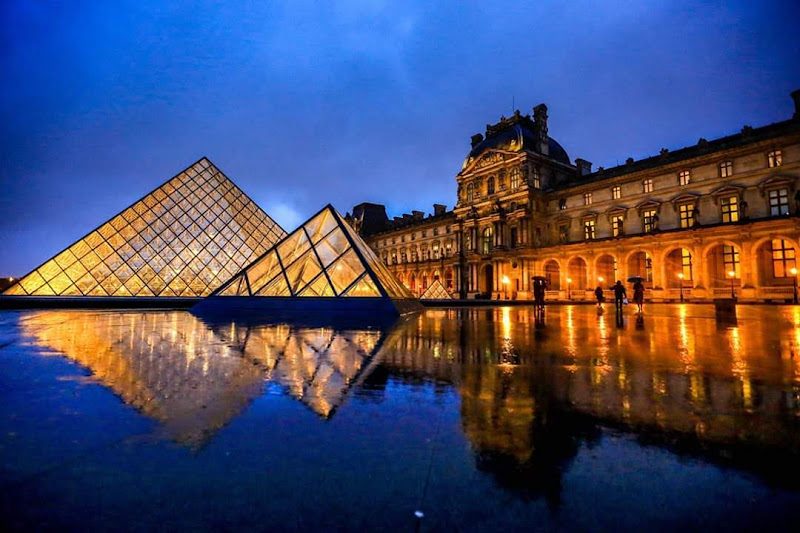
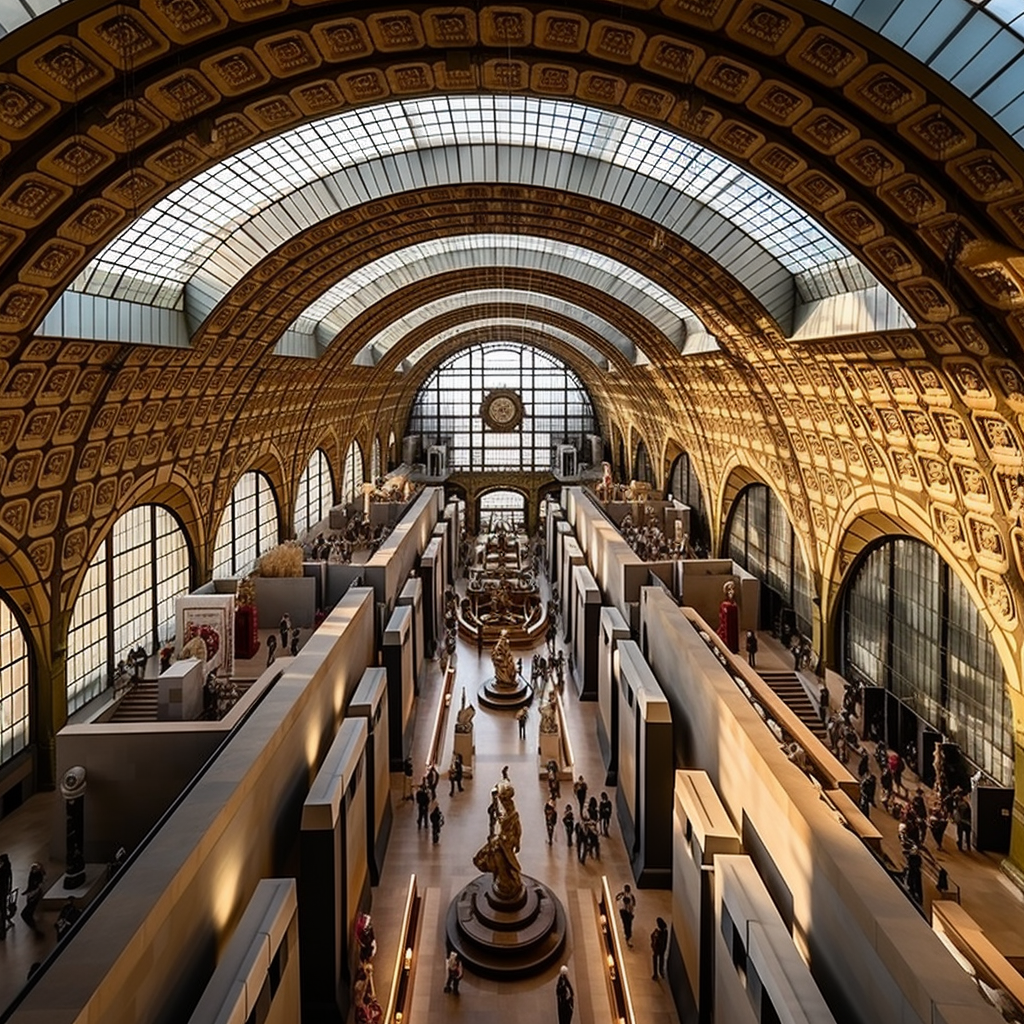
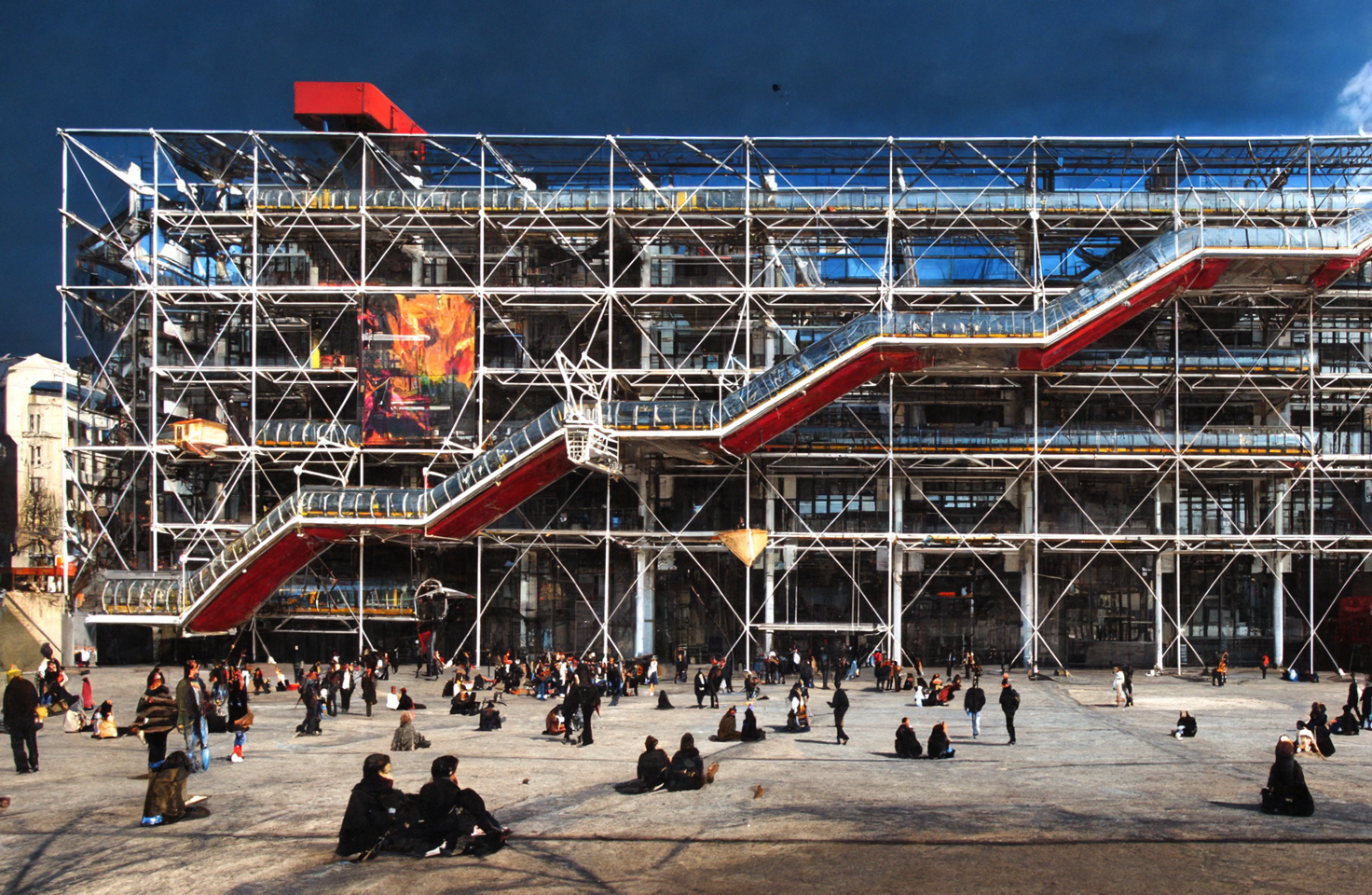
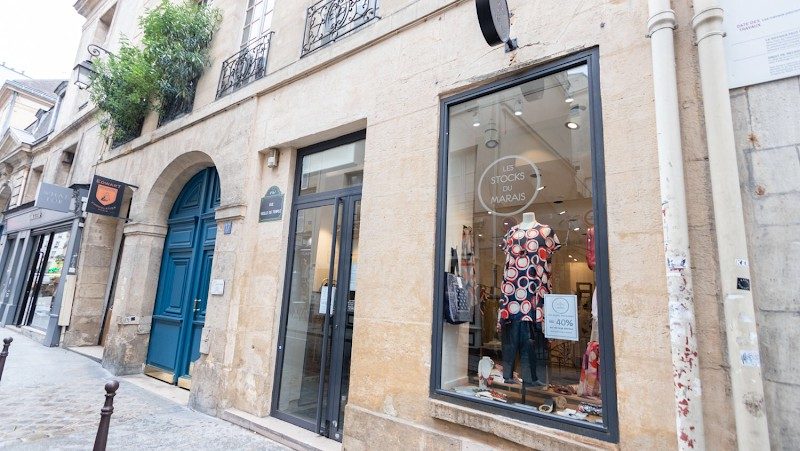
Bugün Paris üç ana kimlikle ziyaret ediliyor: sanat ve kültür (Louvre, Orsay, Pompidou aksı), moda ve lüks (Avenue Montaigne, Faubourg Saint-Honoré, Le Marais butikleri) ve gastronomi (bistro klasikleri, Michelin Starred modern mutfak, boulangerie kültürü). Eyfel fotoğrafları hep aynı açıdan çekiliyor, Mona Lisa'nın önü kalabalık; ama bir kafede café crème eşliğinde oturup şehrin geçişini izlemek, iki yüzyıldır insanları buraya çeken şeyin ne olduğunu tek başına anlatıyor.
When to Go
Paris ılıman okyanus ikliminde; aşırı sıcak veya soğuk nadir görülüyor. Yağış yıla yayılmış durumda, öğle saatlerinde bile şemsiye taşımak işe yarıyor.
| Period |
Weather (daytime) |
Density |
Otel Fiyatı |
Notes |
| January-February |
3 / 8° |
Low |
Low |
Cold and damp; museums are empty, season of opportunity |
| March |
5 / 12° |
Medium |
Medium |
Spring is opening; rain often |
| April |
8 / 16° |
Medium-High |
Medium-High |
One of the ideal months; gardens bloom |
| May |
11 / 20° |
High |
High |
The most suitable month; Roland-Garros weekend crowd |
| June |
14 / 23° |
High |
High |
Long days, open cafe season; Fête de la Musique |
| July |
16 / 26° |
Very High |
High |
Hot and crowded; Bastille Day; locals are on holiday |
| August |
16 / 26° |
High (tourist) |
Medium-High |
The locals are not in the city; many bistros are closed |
| September |
13 / 22° |
High |
High |
The second most ideal month is; Fashion Week is expensive |
| October |
9 / 17° |
Medium |
Medium |
Autumn colors; Nuit Blanche |
| November |
5 / 11° |
Low-Medium |
Low |
Rainy; Paris Photo |
| December |
3 / 8° |
Medium-High |
Medium-High |
Christmas lights, markets, mulled wine |
Genel önerimiz Nisan-Haziran ve Eylül-Ekim dönemleri. Temmuz-Ağustos hem sıcak hem aşırı kalabalık; üstelik lokallerin önemli bölümü tatile çıktığı için pek çok küçük restoran ve fırın kapanıyor. Aralık ayında Noel pazarları ve mağaza vitrinleri şehre ayrı bir hava katıyor.
How to get there
Paris'in iki ana havalimanı var:
- Charles de Gaulle (CDG) — 25 km northeast of the city; uluslararası uçuşların büyük çoğunluğu buraya iniyor.
- Orly (ORY) — 14 km south of the city; Avrupa içi ve iç hat uçuşları yoğun.
- Beauvais (BVA) — the third airport used by low-cost airlines, 85 km away from the city.
Flights from Türkiye:
| Exit |
Duration |
Airline |
| Istanbul (IST) - CDG |
3 hours 50 min |
THY, Air France (6-8 flights per day) |
| Istanbul (SAW) - ORY |
4 hours |
Pegasus (1-2 times a day) |
| Ankara (ESB) - CDG |
4 hours 10 min |
THY (1 flight per day) |
| Izmir (ADB) - CDG |
4 hours |
THY (5-6 flights per week) |
Uçak bileti ipuçları: Yaz sezonu için 2-3 ay öncesinden bakmak öneriliyor. Salı-çarşamba uçuşları hafta sonuna göre belirgin biçimde ucuza geliyor. Pegasus + Sabiha Gökçen kombinasyonu fiyat avantajı sağlıyor ama ORY-merkez ulaşımı CDG'ye göre biraz daha sınırlı kalıyor.
Tren seçeneği: Eurostar ile London St Pancras - Paris Gare du Nord arası yaklaşık 2 saat 20 dakika sürüyor. Brussels'den Thalys ile 1 saat 22 dakika, Amsterdam'dan 3 saat 20 dakika tutuyor. By TGV Marseille 3 hours 15 minutes, Lyon 2 hours. Avrupa içinde tren çoğunlukla uçaktan daha hızlı geliyor.
Urban Transportation
Paris'in toplu taşıma ağı dünyada referans sayılıyor. Métro, RER (bölgesel ekspres), otobüs, tramvay ve Vélib (bisiklet paylaşımı) birlikte işliyor.
Métro: 14 hat şehrin tamamına ulaşıyor. Sabah 05:30 - gece 00:30 arası çalışıyor, cuma-cumartesi geceleri 02:15'e kadar uzuyor. İki istasyon arası ortalama 500 metre. Tek yön bilet 2,15 EUR, 10'lu carnet 17,35 EUR.
RER: Beş hat (A, B, C, D, E) banliyölere uzanıyor. Versailles için RER C, Disneyland için RER A, CDG havalimanı için RER B kullanılıyor. Métro biletiyle merkez bölge geçerli; banliyö için ek bilet gerekiyor.
Navigo Easy + Navigo card: As of 2026 Navigo Easy plastic card 2 EUR; üzerine carnet yükleniyor. Daha uzun kalınacaksa haftalık Navigo Découverte kartı (yaklaşık 35 EUR, pazartesi başlangıçlı) tüm zonlarda sınırsız kullanım sağlıyor; fotoğraf gerekiyor.
Vélib: Bicycle sharing system with 1400 stations. A day pass costs around 5 EUR; The first 30 minutes are free, thereafter 1 EUR/30 min. Elektrikli versiyon biraz daha pahalı. Paris düz bir şehir ve bisiklet yolu yoğun.
Taxi vs Uber: Uber, Bolt ve Heetch çalışıyor. Havalimanı transferinde sabit ücret uygulanıyor: CDG-merkez sağ yaka 56 EUR, sol yaka 65 EUR. Şehir içi kısa mesafelerde Uber genelde sayaçlı Taxiyle benzer fiyata geliyor; gece zammı uygulanıyor.
Accommodation Regions
Paris'te bölge seçimi şehrin nasıl deneyimleneceğini doğrudan belirliyor. Five main recommendations:
- Le Marais (3-4. bölge): Tarihi Yahudi mahallesi, butik mağazalar, LGBTQ+ dostu kafe sahnesi, Picasso ve Carnavalet müzeleri yakın. Genç çiftler veya küçük gruplar için uygun. Hotel fiyatları orta-yüksek bantta.
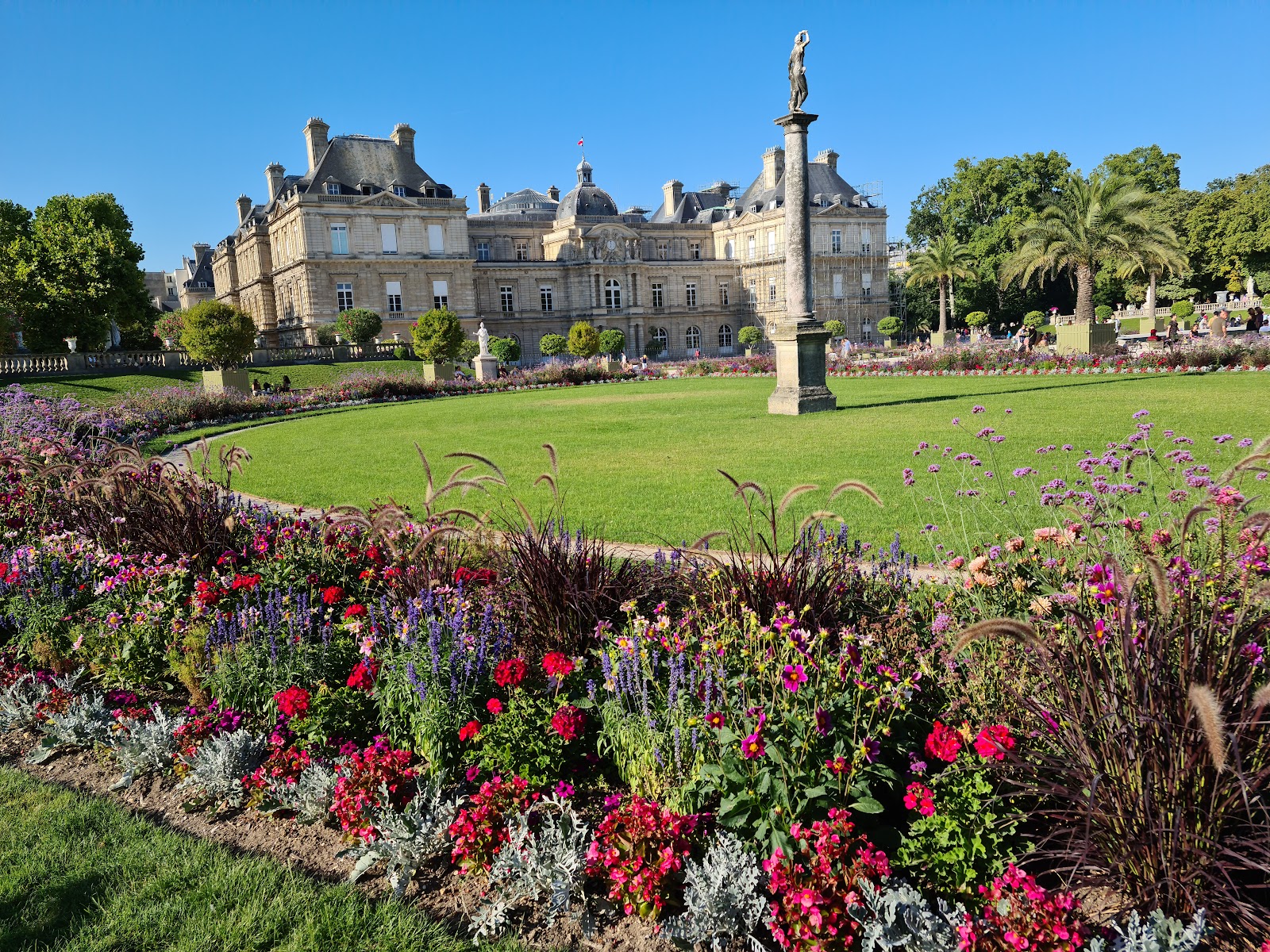
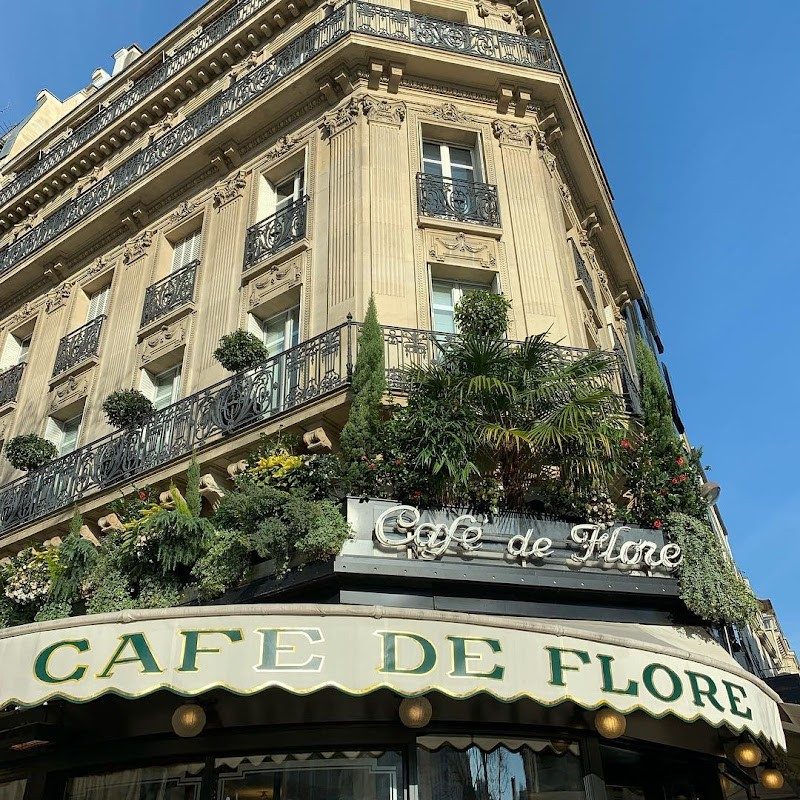
- Saint-Germain-des-Prés (6. bölge): Edebiyat tarihinin ağır bastığı, "eski Paris" hissi veren bölge. Café de Flore, Les Deux Magots are here. Lüksemburg Bahçesi ve Orsay yürüme mesafesinde. Kültür ağırlıklı seyahat için uygun; prices are high.
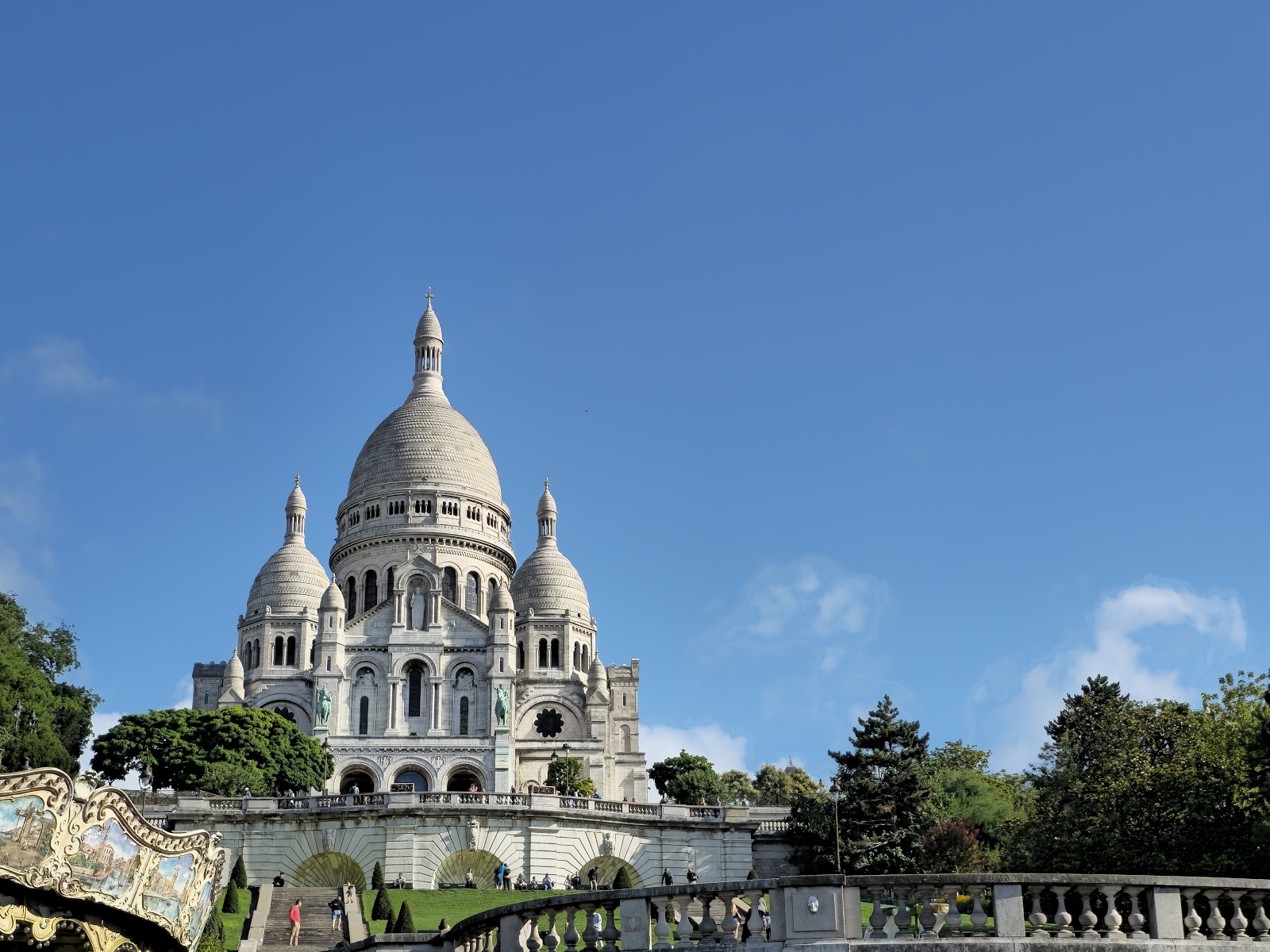
- Montmartre (18. bölge): Sanatçı semti, Sacré-Cœur eteklerinde. Yokuşlu; valizle taşınmak zorlaşabiliyor. Hotel fiyatları diğer merkez bölgelere göre daha uygun.
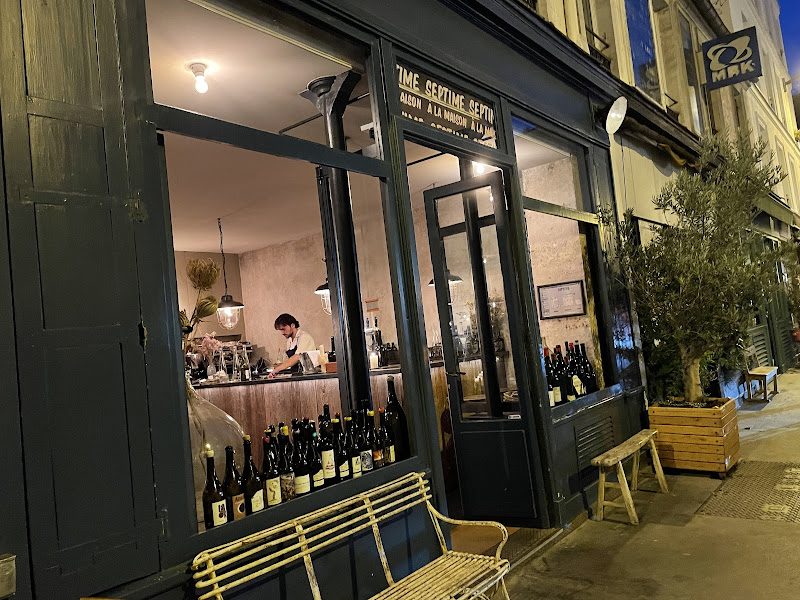
- Bastille / République (11. region): The local cafe-bar scene is intense, gastronomy addresses such as Septime are nearby. Métro ile her yere kolay bağlanıyor. Affordable and lively for young travelers.
- Latin Quarter (5th area): Sorbonne area, student population, relatively affordable. Notre-Dame and Panthéon are within walking distance.
What we do not recommend: 8. bölge çevresi (Champs-Élysées) turistik ve pahalı, gece sokakları boşalıyor; 18. bölgenin kuzey ucu (Barbès) akşam saatlerinde dikkat gerektiriyor.
Budget Plan
Paris pahalı bir şehir. Estimated budgets for two people for three nights-three days (excluding flights):
| Budget Style |
Accommodation |
Food |
Activity/Transportation |
Total (2 people/3 days) |
| Economic (hostel/2* hotel, boulangerie + 1 bistro) |
300 EUR |
180 EUR |
80 EUR |
~600 EUR |
| Moderate (3-4* hotel Marais/Latin, bistro mixed) |
700 EUR |
350 EUR |
150 EUR |
~1.200 EUR |
| Comfort (4-5* boutique hotel, gastronomy 1 meal) |
1.400 EUR |
600 EUR |
200 EUR |
~2,200 EUR |
| Luxury (Ritz, Plaza Athénée, Michelin 2-3 stars) |
4,000 EUR+ |
1.500 EUR+ |
400 EUR |
~6,000 EUR+ |
Pratik kalemler: Klasik bir kahve 4-5 EUR, croissant 1,5-2 EUR, basit bir bistro öğle menüsü 18-25 EUR, akşam ana yemek 25-40 EUR, Michelin 1 yıldız akşam menüsü 80-150 EUR bandında. Museum entrance costs approximately 14-22 EUR; Paris Museum Pass (2 gün 70 EUR, 4 gün 90 EUR) 4+ müze planında kendini amorti ediyor.
Practical Tips
Métro ve pickpocket: Paris Métrosu güvenli ama özellikle 1. line (Louvre - Champs-Élysées), 4. hat ve RER B (havalimanı) yankesicilik vakalarıyla bilinen rotalar. Cüzdanı arka cepte taşımayın, telefon kullanırken turnike kenarında ayakta durmayın. Kalabalık vagonda dikkatli olun.
Restoran "service compris": Fransa'da bahşiş yasal olarak hesaba dahil; zorunluluk yok. Memnun kalındıysa 1-2 EUR yuvarlama veya hesabın %5-10'u standart ama gerekli değil. ABD'deki yüzde 20 mantığı burada geçerli değil.
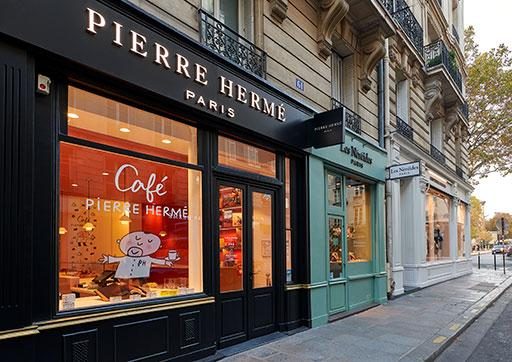
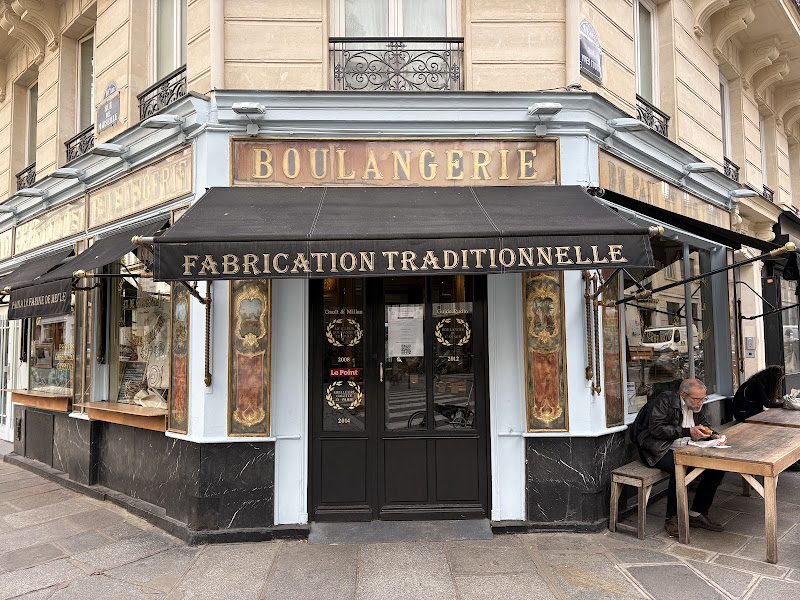
Kahvaltı boulangerie kültürü: Hotel kahvaltısı 20-30 EUR/kişiyse, ki sıklıkla öyledir, mahalle boulangerie'sinde croissant + café crème 5-6 EUR'ya kahvaltı ediliyor; üstelik daha otantik. Pierre Hermé, Du Pain et des Idées, Poilâne, Stohrer fırınları referans adresler.
Bilet kontrolü: Métro çıkışında bileti atmayın; kontrolörler turnikeden sonra da geçerli bilet isteyebiliyor. Cezası 50 EUR civarında.
Sağlık: Acil için 15 (SAMU - ambulans), genel acil için 112 aranıyor. Hôpital Américain de Paris ve Hôpital Hôtel-Dieu turistlerin sık başvurduğu hastaneler. Eczaneler yeşil haç işaretiyle bulunuyor; gece nöbetçi eczane listesi kapılarında asılı oluyor.
Suyu: Şebeke suyu içilebilir kalitede; Paris'in çeşmeleri (Wallace çeşmeleri dahil) güvenli. Restoranlarda "une carafe d'eau, s'il vous plaît" diyerek ücretsiz musluk suyu istenebiliyor.
Travel Guide with Children
Paris is a much better city for families with children than one might think. Parks, museums, crêpes and merry-go-rounds — the French treat children as "little adults" and expect proper behavior from them, even in restaurants, but do so warmly.
Recommendations by Age Group
0-3 years old: The playground in the Jardin du Luxembourg is the best in Paris (paid but great). The Tuileries garden is also large and stroller friendly. The metro is difficult with a stroller — many stairs, few elevators. Buses are more practical.
4-7 years old: Going up to the first two floors of the Eiffel Tower is enough for children. Cité des Sciences et de l'Industrie (La Villette) huge interactive science museum is a favorite of these ages. Boat tour (Bateaux Mouches) on the Seine is fun.
8-12 years: Treasure hunting tour of the Musée d'Orsay and the Louvre (child guides available). The gardens of the Palace of Versailles are magnificent for running around. Paris catacombs (underground bones) can be interesting but frightening for those over the age of 10.
Ages 13+: Montmartre's street artists, Le Marais' vintage shops, Disneyland Paris and walks along the Seine attract young people.
Top 5 Kid-Friendly Activities
Cité des Sciences et de l'Industrie — Huge science museum in La Villette. Cité des Enfants (separate sections for ages 2-7 and 5-12) are interactive and excellent.
Jardin du Luxembourg — Playground, pony riding, sailboat rental (in the pool), puppet theatre. Spend half a day.
Eiffel Tower — Stairs or elevator access to the first two floors. Picnics and running around in Champ de Mars park are bonuses for kids.
Disneyland Paris — 32 km east, 45 minutes by RER. Classic Disney + Walt Disney Studios. Allow at least 1 full day.
Bateaux Mouches Seine Tour — 1-hour boat tour shows Paris' monuments from the water. Children love passing under bridges.
Practical Information
Baby stroller: Paris sidewalks are generally smooth, but the metro is a nightmare — very few elevators, endless stairs. RER lines are better. The buses are suitable for strollers.
Kid's menu: Most restaurants have a menu enfant (kids' menu) — usually steak haché (burger patty) + fries + ice cream. Crêpe stands are kids' favorites.
Children's ticket discounts: Metro: Free for children under 4, half price for 4-9. In most museums, children under 18 are free (EU and some country citizens). Paris Museum Pass is valuable for families.
Toilet: Free in museums. Sanisette automatic toilets on the streets are free but there may be a queue. Cafes are generally open to customers.
Warnings
- Pickpockets are very active in tourist areas (Eiffel, metro, Sacré-Cœur) — be careful with children and protect your bag.
- The French expect children to sit quietly in the restaurant, children who are too loud may be subject to glares.
- Some lines of the Metro are very hot (there is no air conditioning), which can be unbearable during crowded hours in summer.
- Watch out for dog feces on city sidewalks — don't let children sit on the ground.
Local Label / Culture Notes
Paris'te en yaygın yanılgı "Parisliler kabadır" klişesi. Aslında konu kültürel: Fransız servis kültüründe selamlaşma zorunluluğu var. Bir mağazaya, kafeye veya Taxiye girerken "Bonjour" demeden başlamak, lokal için kabalık sayılıyor. Aynı şekilde çıkarken "Au revoir, merci" demek standart.
" üçlüsünü Fransızca söyleyip ardından İngilizceye geçmek servis tonunu belirgin biçimde yumuşatıyor. Doğrudan İngilizce başlamak genç nesilde sorun yaratmıyor ama klasik bistroda ve taşrada olumsuz karşılanıyor.
Yemek saati: Öğle 12:00-14:00, akşam 19:30-22:00 aralığında. Bistrolar bu saatler dışında kapalı kalıyor; "all day dining" konsepti Paris'te yaygın değil. Pazar günü pek çok yer kapalı; çarşamba ve cumartesi en doğal lokal hafta sonu havasını taşıyor.
Kıyafet: Parisliler abartısız ama özenli giyiniyor. Spor ayakkabı, şort ve sırt çantası kombinasyonu turisti ele veriyor; yankesiciler için de hedef haline getiriyor. Koyu renk, sade kesim, az aksesuar yerel hatta karışmayı kolaylaştırıyor.
Sigara: Restoran içlerinde sigara yasak ama teras kültürü güçlü; teraslar büyük oranda sigara içilen alanlara dönüşüyor. Dumandan rahatsız olanlar için teras yerine iç mekanı seçmek pratik bir çözüm.
FAQ
How many days to visit Paris?
Üç gün asgari, beş gün ideal. Üç günde ana noktaları (Eyfel, Louvre, Orsay, Notre-Dame, Montmartre, Versailles) görmek mümkün ama yorucu geçiyor. Beş gün rahat tempoda mahalleleri tanıma fırsatı veriyor. One-day getaways like Disneyland, Giverny or Reims can be added for a week.
Is English sufficient?
Turistik bölgelerde evet; müzeler, Hoteller ve büyük restoranlarda sorun çıkmıyor. Mahalle boulangerie'sinde, küçük bistroda ve Taxilerde temel Fransızca selamlaşma ifadeleri işleri belirgin biçimde kolaylaştırıyor.
Does the Paris Museum Pass make sense?
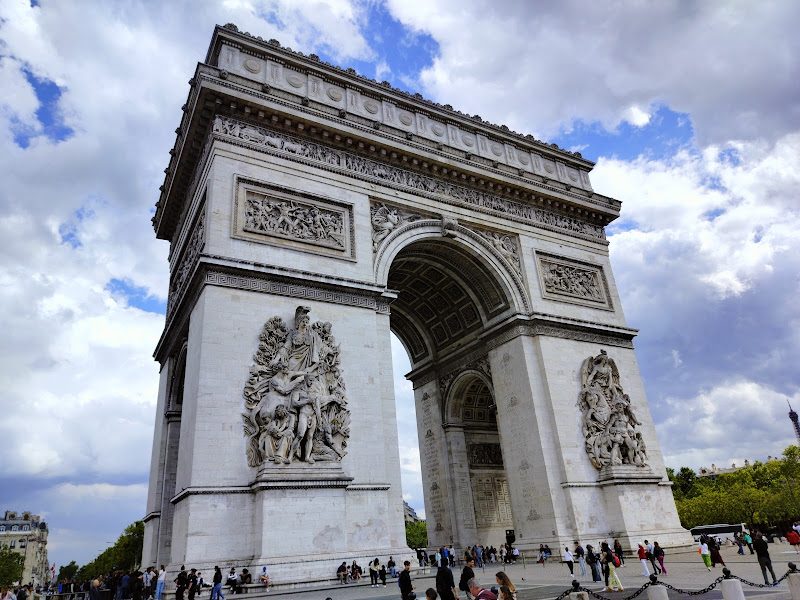
İki gün boyunca 4 ve üzeri müze planı varsa evet. Louvre, Orsay, Versailles, Sainte-Chapelle, Arc de Triomphe gibi adresler tek başına 70+ EUR tutuyor; kart bunu karşılıyor ve sırasız giriş sağlıyor. Yalnız 2-3 müze gezilecekse tek tek bilet daha uygun kalıyor.
Is Versailles a day trip?
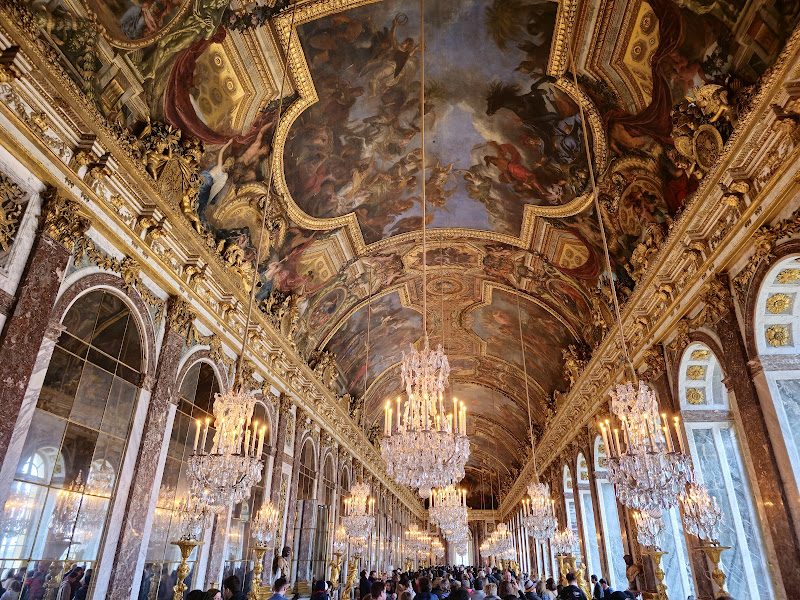
Yes. Sabah 09:00 açılışında orada olup Aynalar Galerisi ve daireler için 2-3 saat, bahçeler için 2-3 saat ayırmak gerekiyor. Marie Antoinette köyü vakit kalırsa eklenebiliyor. RER C ile gidiş-dönüş 1,5 saatlik ulaşımı hesaba katmak lazım. Pazartesi saray kapalı.
How to get to Disneyland Paris?
RER A ile merkez Paris'ten yaklaşık 40 dakika sürüyor; Marne-la-Vallée Chessy son durağı park girişine 5 dakika yürüme mesafesinde. One way ticket costs 8-10 EUR. Tam günlük tek park bileti 62 EUR'dan başlıyor; two parks (Disneyland + Walt Disney Studios) 87 EUR.
What time do the Eiffel Tower lights turn on in the evening?
Hava karardıktan sonra her saat başı (örneğin 22:00, 23:00) 5 dakika boyunca ışıldama gösterisi yapılıyor. Yaz aylarında ilk gösteri 22:00, kış aylarında 18:00 civarında başlıyor. Trocadéro tarafından izlemek için 30-40 dakika önceden yer kapmak gerekiyor.
Is Notre-Dame open to visitors?
Yes. Reopened in December 2024; içeri giriş ücretsiz. Kule kısmı sınırlı kapasiteyle ve önceden randevuyla ziyarete açık. Sabah 08:00 açılışında girenler nispeten boş buluyor.
Is Center Pompidou open?
2025 sonunda kapsamlı yenileme için kapatıldı; yeniden açılış planı 2030 olarak duyuruldu. Picasso ve Matisse koleksiyonlarının bir kısmı yenileme süresince farklı geçici mekanlarda sergileniyor. Ziyaret öncesinde resmi siteyi kontrol etmek gerekiyor.
Is traveling to Paris with children tiring?
Métro merdivenleri ve eski binalar bebek arabasıyla zorlayıcı oluyor. Buna karşılık Lüksemburg Bahçesi, Tuileries, Jardin d'Acclimatation, Cité des Sciences ve Disneyland çocuk dostu adresler. 4 yaş üstü için Louvre kısa bir aile turuyla idare edilebiliyor; daha küçükse Orsay ve Versailles bahçeleri daha uygun düşüyor.