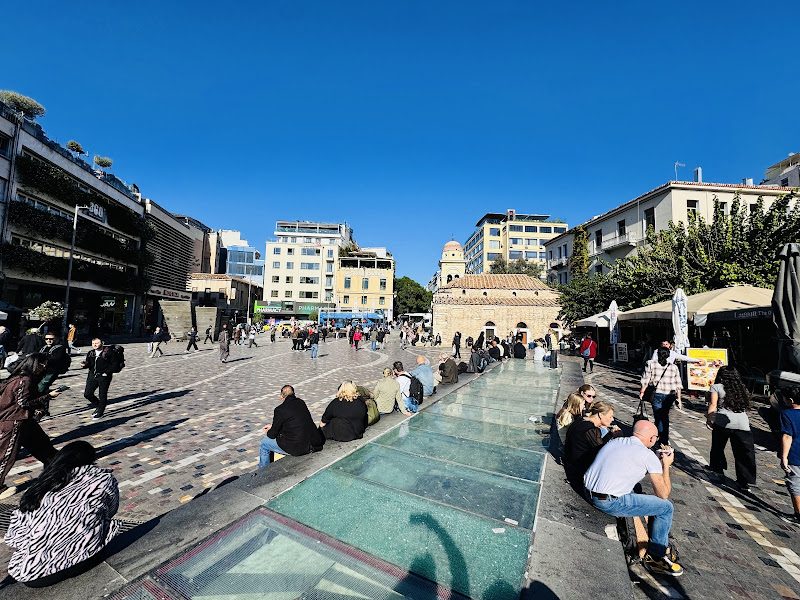
About
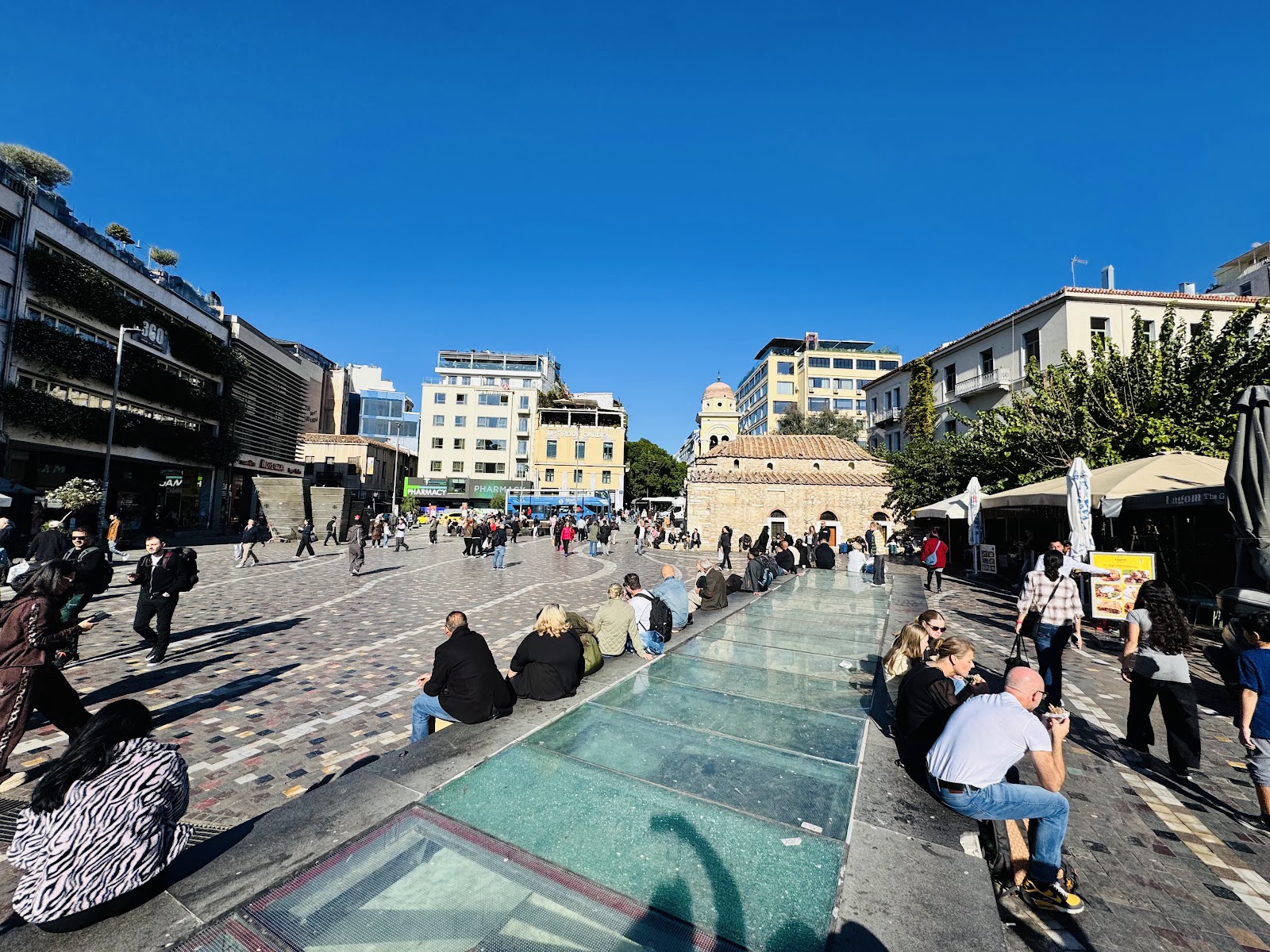
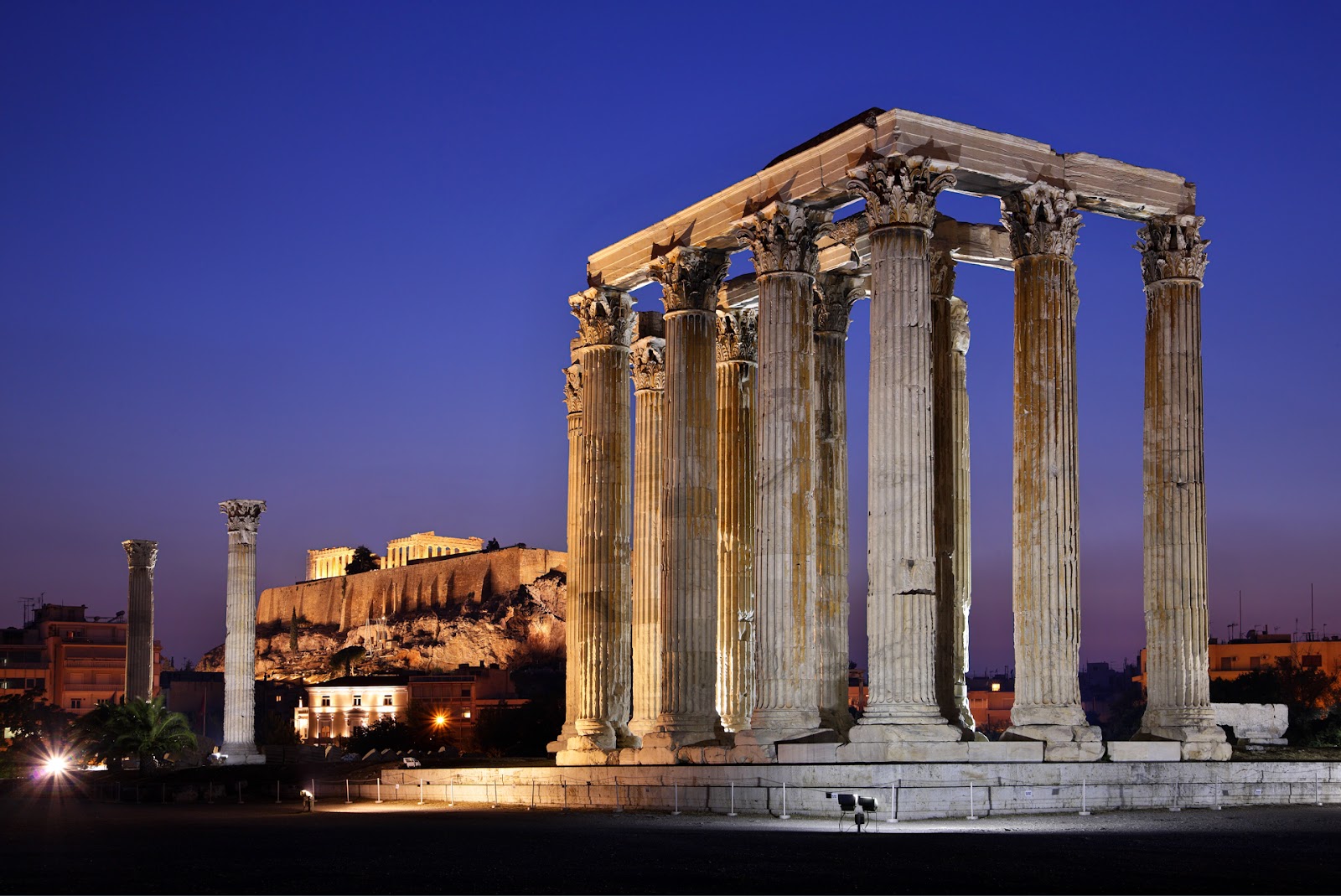
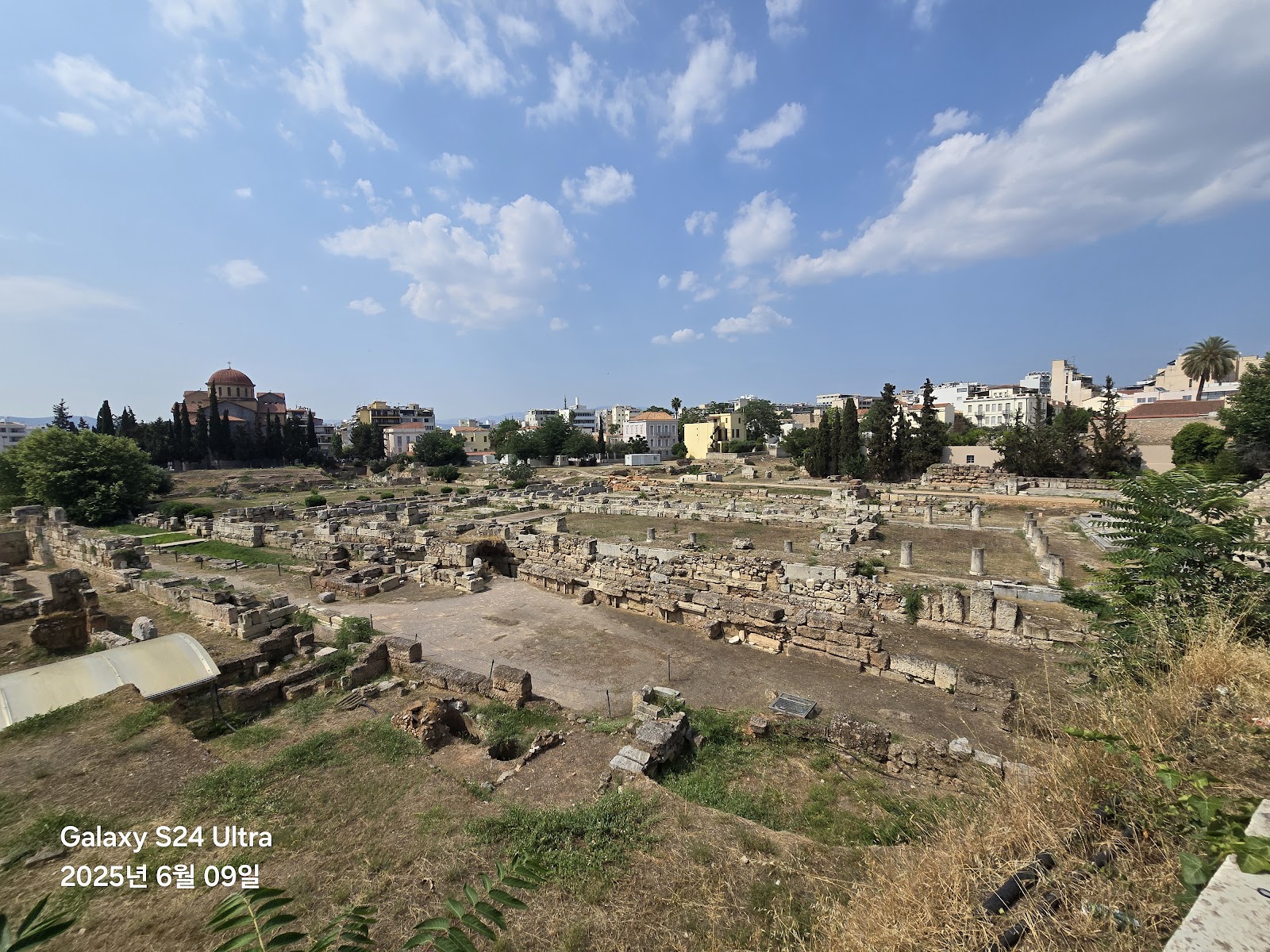
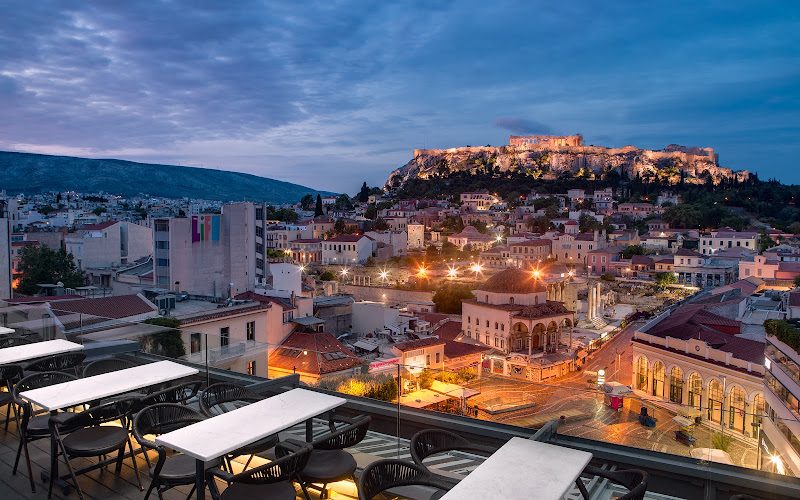
400 yıldan uzun süredir kesintisiz yaşayan bir yerleşim. Sokrates burada baldıran zehiri içerek yargılanmasının sonucuna katlandı, Platon Akademia'yı burada kurdu, tiyatro türü bu topraklarda şekillendi. Ama şehir bu geçmişi bir vitrin gibi sergilemiyor — Monastiraki metro istasyonunun kazı çukurunda MÖ 5. yüzyıla ait bir su kanalı hâlâ görülebiliyor, işleyen bir istasyonun içinde.
İstanbul'dan uçuş 1 saat 15 dakika sürüyor, Antalya'ya gitmekten kısa. Sezon dışı biletler 50-80 EUR bandında bulunabiliyor; bu yakınlık ve fiyat, Yunanistan'ı Türkiye'den çıkan gezginler için erişilebilir kılan iki temel etken.
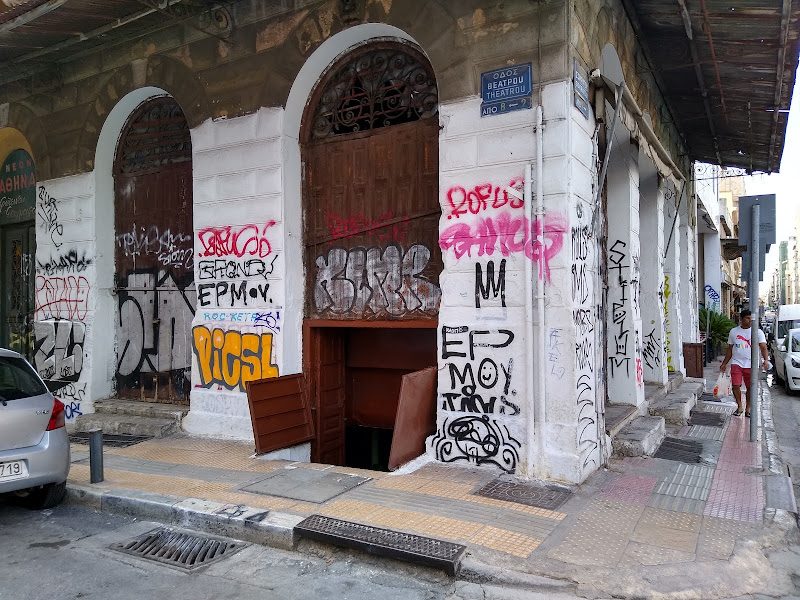
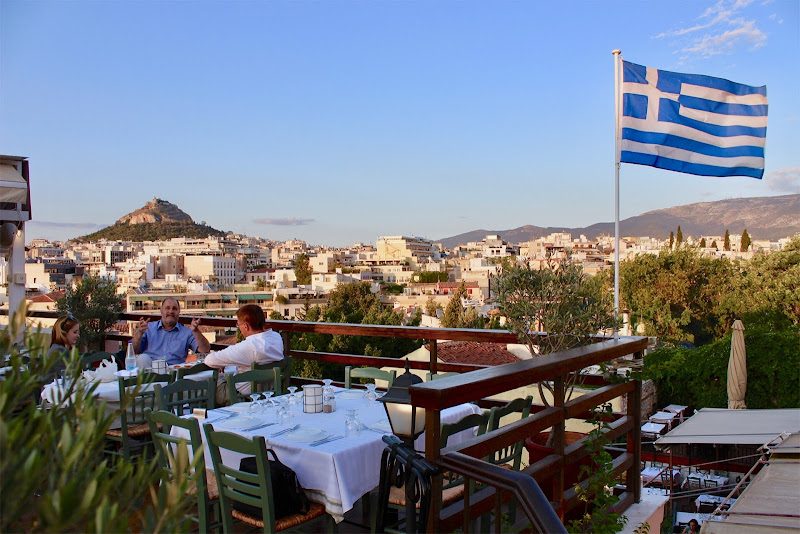
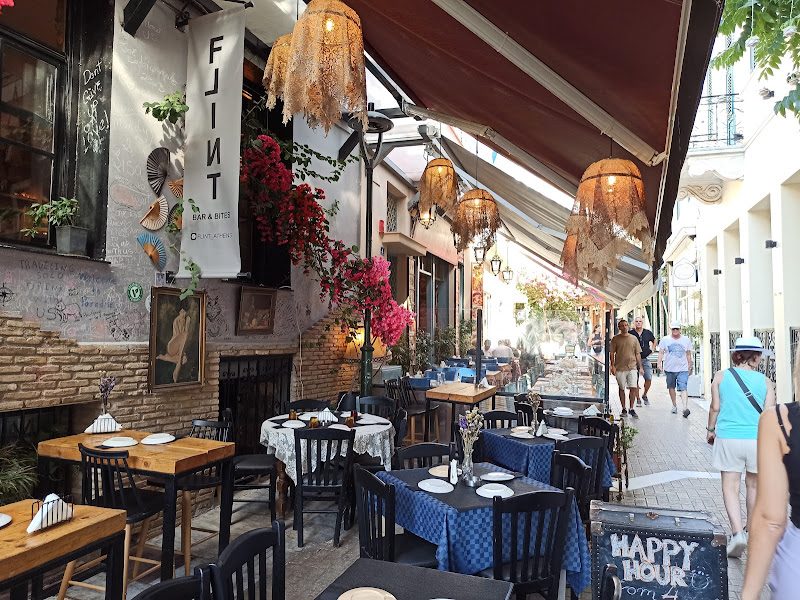
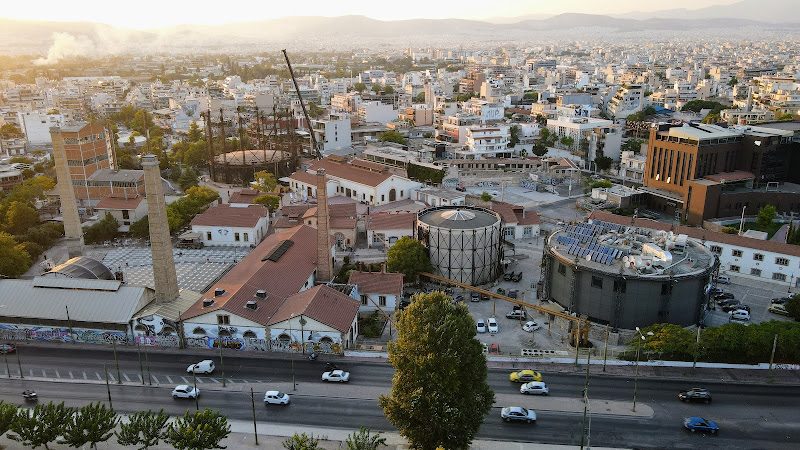
3,15 milyon nüfusuyla ülkenin en büyük kenti. Plaka'nın dar sokaklarından Exarchia'nın grafiti kaplı duvarlarına, Kolonaki'nin butik caddelerinden Gazi'nin eski gazhane binasına dönüşen kulüp bölgesine kadar her mahalle farklı bir karakter taşıyor; merkez kompakt olduğu için mahalleler arası geçiş yürüyerek yapılabiliyor.
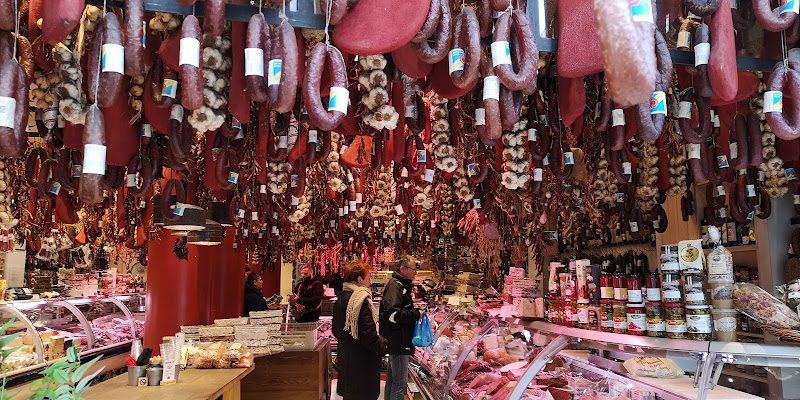
Mutfak, Türkiye'den gelen biri için tanıdık bir kelime dağarcığıyla karşılıyor: souvlaki (şiş kebap), moussaka (patlıcanlı güveç), tzatziki (cacık), dolmadakia (yaprak sarma), spanakopita (ıspanaklı börek). İsimler farklı ama malzeme ve yapım tekniği örtüşüyor — zeytinyağı ve feta peyniri neredeyse her tabağın temelinde yer alıyor.
Gece hayatı geç başlıyor. Yunanlılar akşam yemeğine 21:00'den önce oturmuyor, barlar gece yarısından sonra dolmaya başlıyor. Yazın sahil kulüpleri (Athens Rivierası hattı), kışın Gazi ve Psirri bölgesi öne çıkıyor.
Fiyat seviyesi çoğu Avrupa başkentine göre düşük: bir souvlaki 2-3 EUR, tavernada iki kişilik akşam yemeği 30-50 EUR, orta seviye Hotel gecesi 80-120 EUR civarında seyrediyor. Bu da şehri öğrenciler ve ilk Avrupa seyahatini planlayanlar için erişilebilir bir seçenek yapıyor.
Denize yakınlık şehrin az bilinen tarafı. Merkezden tramvayla 30-40 dakikada Glyfada, Voula veya Vouliagmeni sahillerine ulaşılabiliyor; Saronik Körfezi'ndeki Aegina, Hydra veya Poros adalarına Pireas limanından feribotla günübirlik gidiş-dönüş mümkün.
Yaz ayları (Temmuz-Ağustos) 38-42°C'ye çıkabiliyor, arkeolojik alanlarda gölge az. Trafik yoğun, sürücüler yaya geçitlerinde her zaman durmuyor. Exarchia gibi mahalleler politik gerginlik dönemlerinde hareketlenebiliyor — bu detaylar planlamayı etkiliyor ama şehri gezilmez kılmıyor.
When to Go
Athens Akdeniz iklimine sahip: yazlar sıcak ve kurak, kışlar ılık ve yağışlı. Nisan-Mayıs ve Ekim-Kasım ayları en dengeli hava koşullarını sunuyor.
| Period |
Weather (daytime) |
Fatigue |
Hotel Price |
Notes |
| January-February |
5 / 13° |
Low |
Low |
Quiet season, occasional rain, museums quiet |
| March |
8 / 16° |
Medium |
Medium |
It's the beginning of spring, flowers are starting to bloom |
| April |
12 / 20° |
Medium-High |
Medium |
Sudden jump, ideal weather during Easter |
| May |
16 / 25° |
High |
High |
Most recommended month — hot but not sweltering |
| June |
21 / 30° |
High |
High |
Festival season begins, long accents |
| July-August |
24 / 34° |
Very high |
High |
It's scorching hot, nothing to miss but it's hard |
| September |
20 / 30° |
High |
High |
The sea is still warm, the accents are beautiful |
| October |
15 / 24° |
Medium |
Medium |
Second golden moon—cool, calm, calculating |
| November |
11 / 18° |
Low |
Low |
Rainy days increase but prices are very affordable |
| December |
7 / 14° |
Low-Medium |
Medium |
Christmas atmosphere, giant tree in Syntagma |
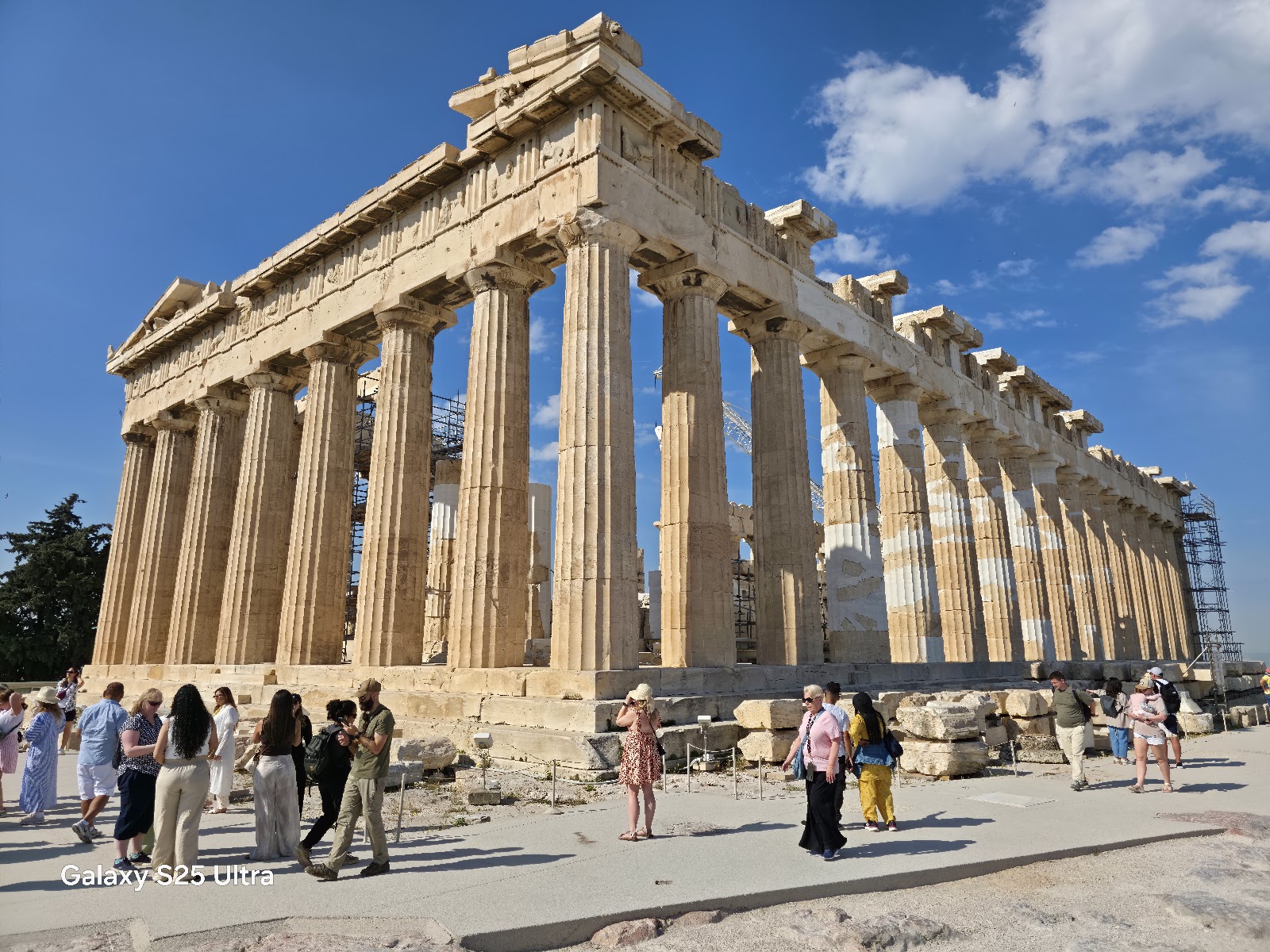
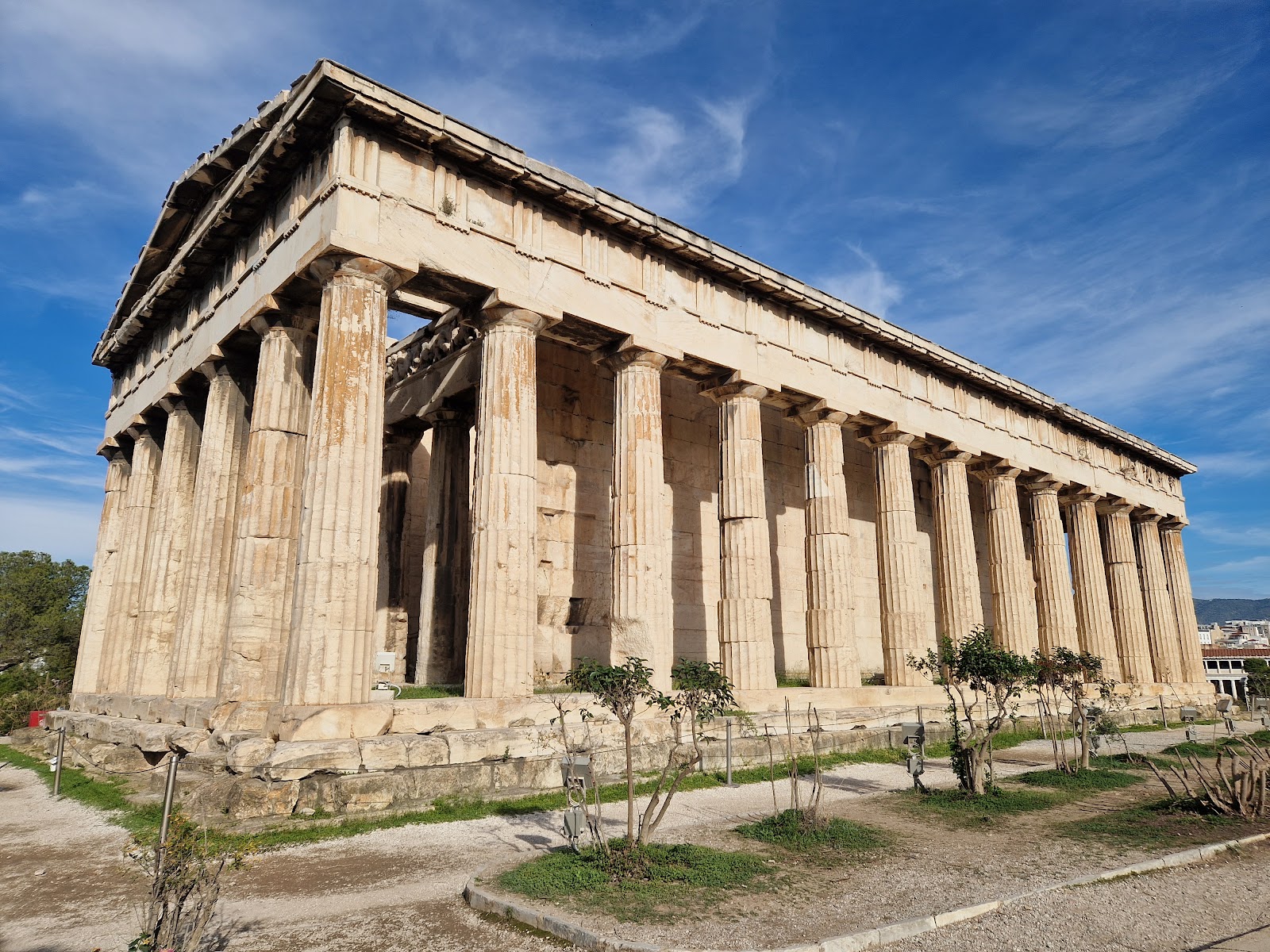
Yaz aylarında sıcaklık 38°C üzerine çıkabiliyor; Akropolis ve Agora gibi gölgesiz arkeolojik alanlarda öğle saatleri zorlayıcı geçiyor. Su ve şapka gerekli, öğle vaktini müzede veya klimalı bir mekanda geçirmek mantıklı. Ağustos'ta Yunanların büyük kısmı tatile çıkıyor, bu dönemde bazı küçük işletmeler geçici olarak kapanabiliyor.
How to get there
Athens'ya Türkiye'den uçuş süresi iç hat mesafesine yakın. **
| City of Exit |
Surah |
Frequency (approximately) |
| Istanbul (IST/SAW) |
1 hour 15 min |
4-6 flights per day (THY, Pegasus, Aegean) |
| Ankara (ESB) |
1 h 50 min |
1-2 flights per day (THY) |
| Izmir (ADB) |
1 hr |
3-4 times a week |
| Frankfurt (FRA) |
3 hours |
4-6 times a day |
| London (LHR/STN) |
3 h 30 min |
8+ trips per day |
Athens Eleftherios Venizelos Havalimanı (ATH): Şehir merkezine 33 km, 2001'de açıldı.
From airport to center:
- Metro (Mavi Hat, M3): Havalimanı – Syntagma arası 40 dakika, 9 EUR. The most practical option.
- Havaalanı Ekspres Otobüsü (X95): Syntagma Meydanı'na 60-90 dakika (trafiğe bağlı), 5,5 EUR. 24 saat çalışır.
- Taxi: Sabit fiyat 40 EUR (gündüz) / 55 EUR (gece 00:00-05:00). Sarı resmi Taxileri tercih edin.
- Özel transfer: Welcome Pickups veya GetTransfer uygulamalarıyla 40-50 EUR.
Uçak bileti notu: İstanbul-Athens hattında rekabet yüksek olduğu için fiyatlar genelde makul kalıyor. 2-3 hafta önceden alımda 50-120 EUR bandı yaygın; Pegasus ve Aegean en uygun seçenekler arasında. Yaz zirvesinde ve bayramlarda fiyatlar 2-3 katına çıkabiliyor.
Feribot seçeneği: İtalya'dan (Bari, Ancona, Brindisi) Patras'a feribot işliyor, oradan Athens'ya otobüs veya trenle devam ediliyor. Uzun bir güzergah, Interrail yapan gezginler için anlamlı bir alternatif.
Urban Transportation
Athens'nın toplu taşıma ağını OASA işletiyor. Metro, otobüs, tramvay ve banliyö treni (Proastiakos) tek bilet sistemine bağlı.
Bilet fiyatları:
- Tek biniş: 1,20 EUR (90 dakika geçerli, tüm araçlarda)
- 24 saatlik: 4,10 EUR
- 5 günlük: 8,20 EUR
- Havalimanı metro bileti: 9 EUR (tek yön)
Metro: Üç hat işliyor:
- M1 (Yeşil): Pireas – Kifissia (eski hat, yer üstünde)
- M2 (Kırmızı): Anthoupoli – Elliniko
- M3 (Mavi): Agia Marina – Havalimanı (en kullanışlı hat)
Syntagma and Monastiraki are the most central stations. Metro kazıları sırasında çıkan arkeolojik buluntular istasyon içinde sergileniyor; Syntagma istasyonunun vitrinlerinde bu düzenleme özellikle belirgin.
Tramvay: Syntagma'dan sahil hattına (Glyfada, Voula) gidiyor, deniz için pratik bir seçenek.
Taxi: Sarı renkli, sayaçlı araçlar çalışıyor. Beat uygulaması (Yunanistan'da Uber'in yerini alan servis) güvenli ve yaygın. Havalimanı dışında Taximetre üzerinden ücretlendiriliyor, kısa mesafeler 4-8 EUR arasında.
Yürüyüş: Athens merkezi kompakt. Syntagma – Monastiraki – Plaka – Akropolis – Psirri arası 15-20 dakikalık yarıçaplar içinde, tamamı yürüme mesafesinde. Kaldırımların durumu değişken olduğundan rahat ayakkabı gerekiyor.
Accommodation Regions
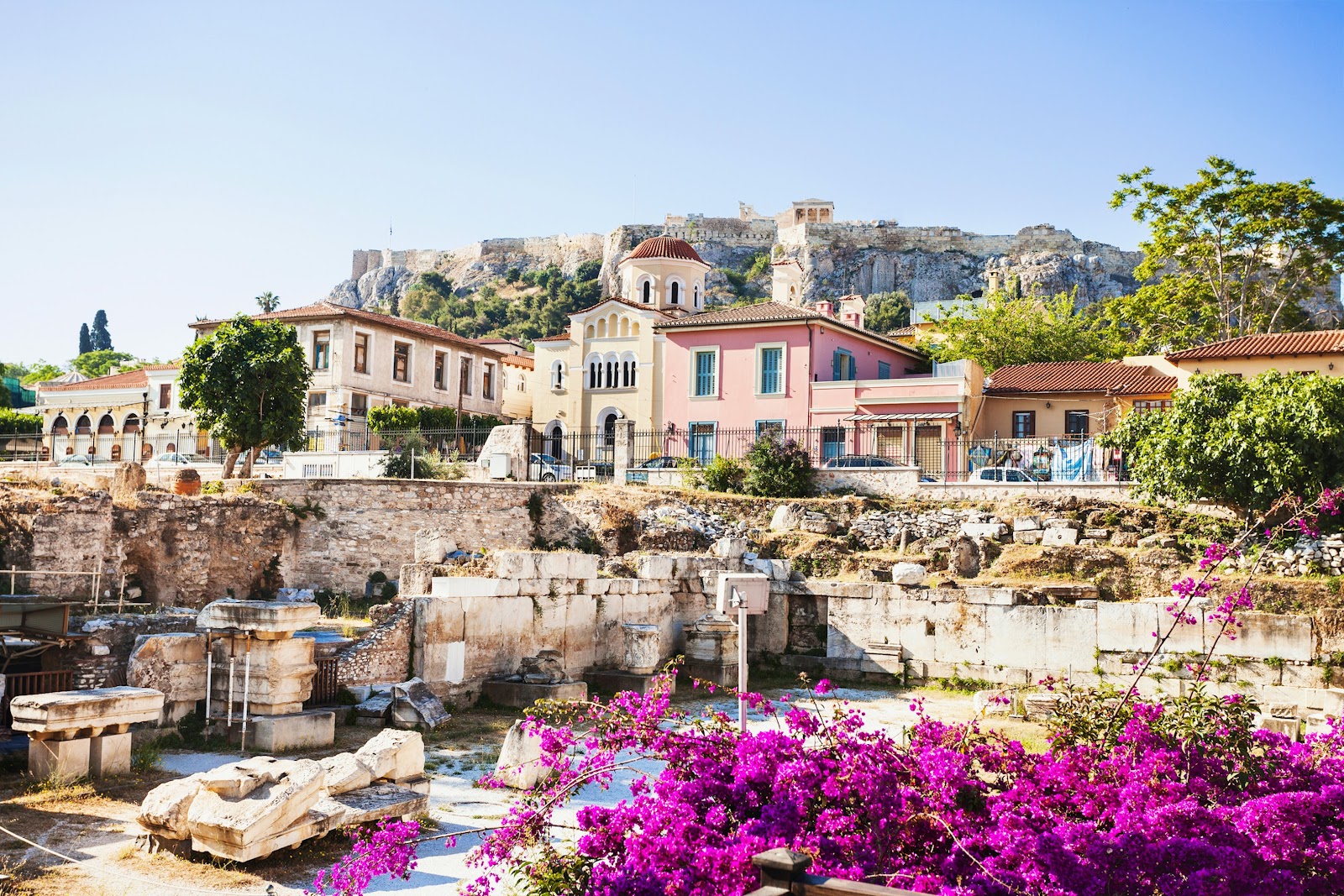
Plaka & Anafiotika: Akropolis'in eteğinde, dar sokaklar ve neoklasik binalarla dolu en eski mahalle. Turist yoğunluğu yüksek ama akşamları sakinleşiyor, her yere yürüyerek ulaşılıyor. İlk kez gelenler için pratik bir konaklama noktası.
Monastiraki & Psirri: Plaka'ya bitişik ama daha genç ve hareketli. Barlar, grafiti, sokak sanatı yoğun. Gece hayatına yakın kalmak isteyenler için mantıklı; hafta sonu geceleri gürültü seviyesi yükseliyor.
Syntagma & Kolonaki: Şehrin idari ve ticari merkezi. Büyük Hoteller ve metro bağlantısı burada toplanıyor. Kolonaki daha sakin ve pahalı, Syntagma trafiğin yoğun olduğu bölge. İş seyahati için uygun.
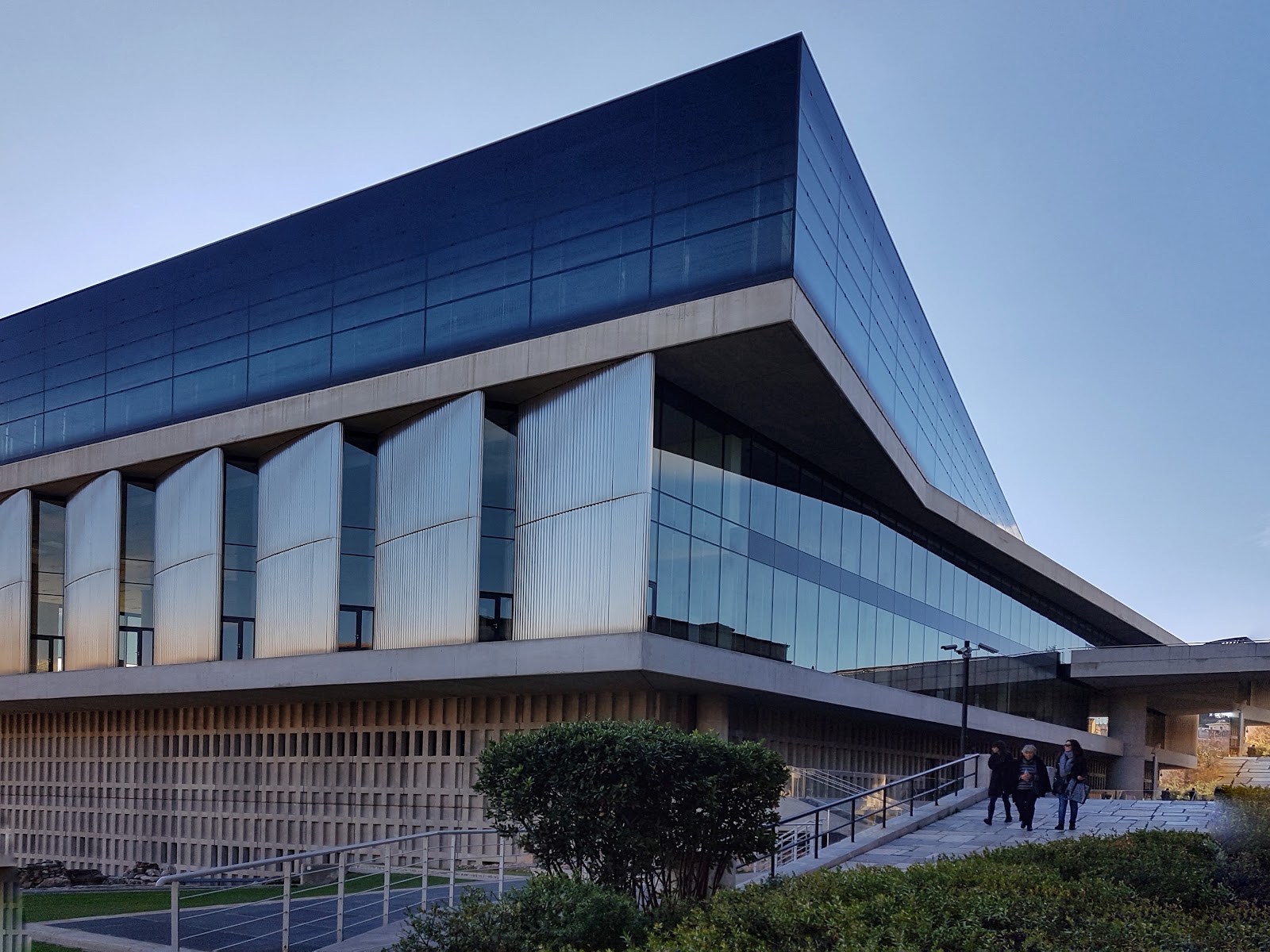
Koukaki & Makrygianni: Akropolis'in güneyinde, daha yerel karakterli ve fiyatı düşük bir bölge. Akropolis Müzesi'ne yürüme mesafesinde. Son yıllarda butik Hotel ve kısa dönem kiralık sayısı arttı.
Exarchia: Üniversiteye yakın, politik hareketliliğin de yaşandığı bohem mahalle. Ucuz barlar, vegan restoranlar, kitapçılar öne çıkıyor. Gece geç saatlerde dikkatli olmakta fayda var.
Pireas: Liman bölgesi, ada feribotlarına binecekler için pratik. Şehir merkezine metroyla 25 dakika. Mikrolimano'da sahilde balık restoranları sıralanıyor.
Budget Plan (3 days, EUR)
Athens, Euro bölgesi içinde fiyat seviyesi düşük başkentlerden biri. Aşağıdaki kişi başı günlük aralıklar 2026 ortalama gözlemlerine dayanıyor.
| Budget Style |
Accommodation (night) |
Food (day) |
Activity/Transportation |
Total 3 days (person) |
| Backpacker (hostel, souvlaki, free spots) |
20-35 EUR |
15-25 EUR |
20-30 EUR |
165-270 EUR |
| Moderate (3* hotel, tavern, main museums) |
70-120 EUR |
35-50 EUR |
40-60 EUR |
435-690 EUR |
| Comfort (4* boutique hotel, good restaurants, guided tour) |
150-250 EUR |
60-90 EUR |
60-80 EUR |
810-1260 EUR |
| Luxury (5* hotel, fine dining, private guide) |
350 EUR+ |
150 EUR+ |
150 EUR+ |
1950 EUR+ |
Kombo bilet (30 EUR) 7 arkeolojik alanı kapsıyor ve 5 gün geçerli — tek tek almaktan daha hesaplı çıkıyor. Ayın ilk Pazar günü devlet müzeleri ücretsiz, ancak bu günlerde kuyruk uzuyor. 18 yaş altı AB vatandaşları çoğu müzede ücretsiz giriyor.
Tasarruf kalemleri: Souvlaki 2-3 EUR, metro tek biniş 1,20 EUR, çeşme suyu içilebilir olduğundan şişe doldurulabiliyor, ücretsiz yürüyüş turları (Free Walking Tour Athens) mevcut, Pazar günü bazı müzeler ücretsiz, Likavitos Tepesi'ne yürüyerek çıkmak ücretsiz.
Practical Tips
- Kombo bileti kapıda değil online al: 30 EUR'luk bilet Akropolis dahil 7 alanı kapsıyor, 5 gün geçerli; gr üzerinden alınca gişe kuyruğu atlanıyor.
- Akropolis'e 08:00'de git: Kapılar tam saatte açılıyor, 08:30'a kadar nispeten boş kalıyor. 10:00'dan sonra tur otobüsleri geliyor, hem kalabalık hem sıcak artıyor.
- Su şişeni doldur, satın alma: Athens çeşme suyu içilebilir. Akropolis girişindeki çeşmeden doldurup gir, içeride satış noktası az ve pahalı.
- Kaygan mermer için düz taban giy: Akropolis'in yürüme yolları asırlarca ayak trafiğiyle parlamış, yağmurdan sonra özellikle kaygan.
- 15:00-17:00 arası küçük dükkan bulamayabilirsin: Siesta saatlerinde bazı esnaf kepenk indiriyor; bu saatte müze veya klimalı mekan planla.
- Akşam yemeğine 21:00'den önce oturma: Yunanlılar geç yemek yiyor, 19:00'da açık bir tavernada tek müşteri sen olabilirsin — servis normal ama masa seçimi kısıtlı olabilir.
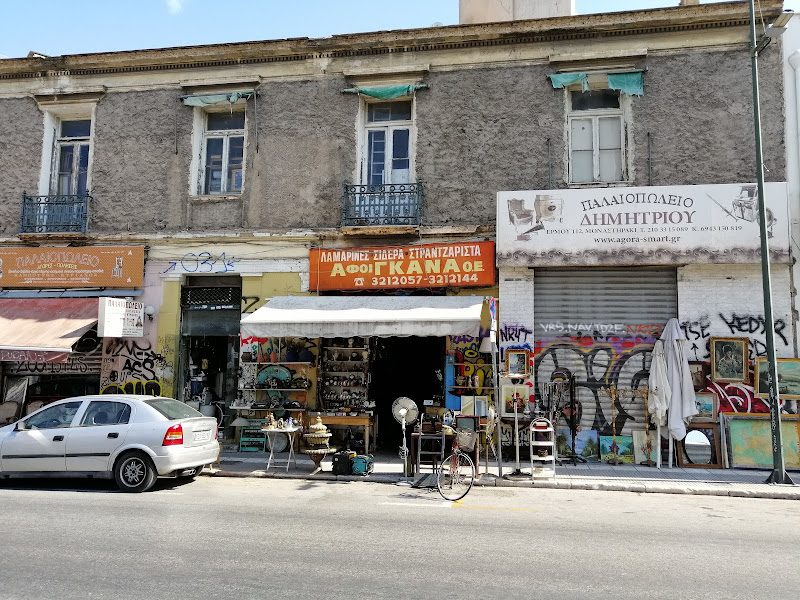
- Monastiraki pazarında ilk fiyatı kabul etme: Pazarlık bekleniyor, %20-30 indirim normal karşılanıyor. Lokanta ve markette pazarlık yok.
- eSIM'i havalimanında değil önceden al: Cosmote/Vodafone gişeleri havalimanında 15-25 EUR'a paket satıyor ama kuyruk oluyor; Airalo veya Holafly ile önceden aktive etmek zaman kazandırıyor.
- Monastiraki metrosunda cüzdanı ön cepte taşı: Yankesicilik en çok bu istasyonda ve kalabalık otobüslerde bildiriliyor.
- Taxi için Beat uygulamasını indir: Uber Yunanistan'da hizmet vermiyor, yerel alternatif Beat (Free Now); sarı Taxiler de sokaktan çevrilebilir.
Travel Guide with Children
Yunan restoranlarında çocuğun masada gürültü yapması genellikle görmezden gelinir, garsonlar çocuklu masalara ayrıca ilgi gösterir. Sıcak hava ve Akropolis'teki yokuşlar planlama gerektiriyor; buna karşılık mitolojik hikayelerle örülü şehir dokusu çocuklar için anlatı malzemesi sunuyor.
Recommendations by Age Group
0-3 yaş: Ulusal Bahçe (Ethnikos Kipos) gölgeli ve bebek arabasıyla dolaşılabilir bir alan. Akropolis'te kaygan mermer ve basamaklar bebek arabasını zorluyor; Plaka'nın düz sokakları bu yaş grubu için daha uygun.
4-7 yaş: Akropolis'e çıkmadan önce Zeus, Athena ve Poseidon hikayelerini anlatmak taşları çocuk için somutlaştırıyor. Hellenic Children's Museum (Paidiko Mouseio) interaktif bölümleriyle bu yaş grubuna hitap ediyor.
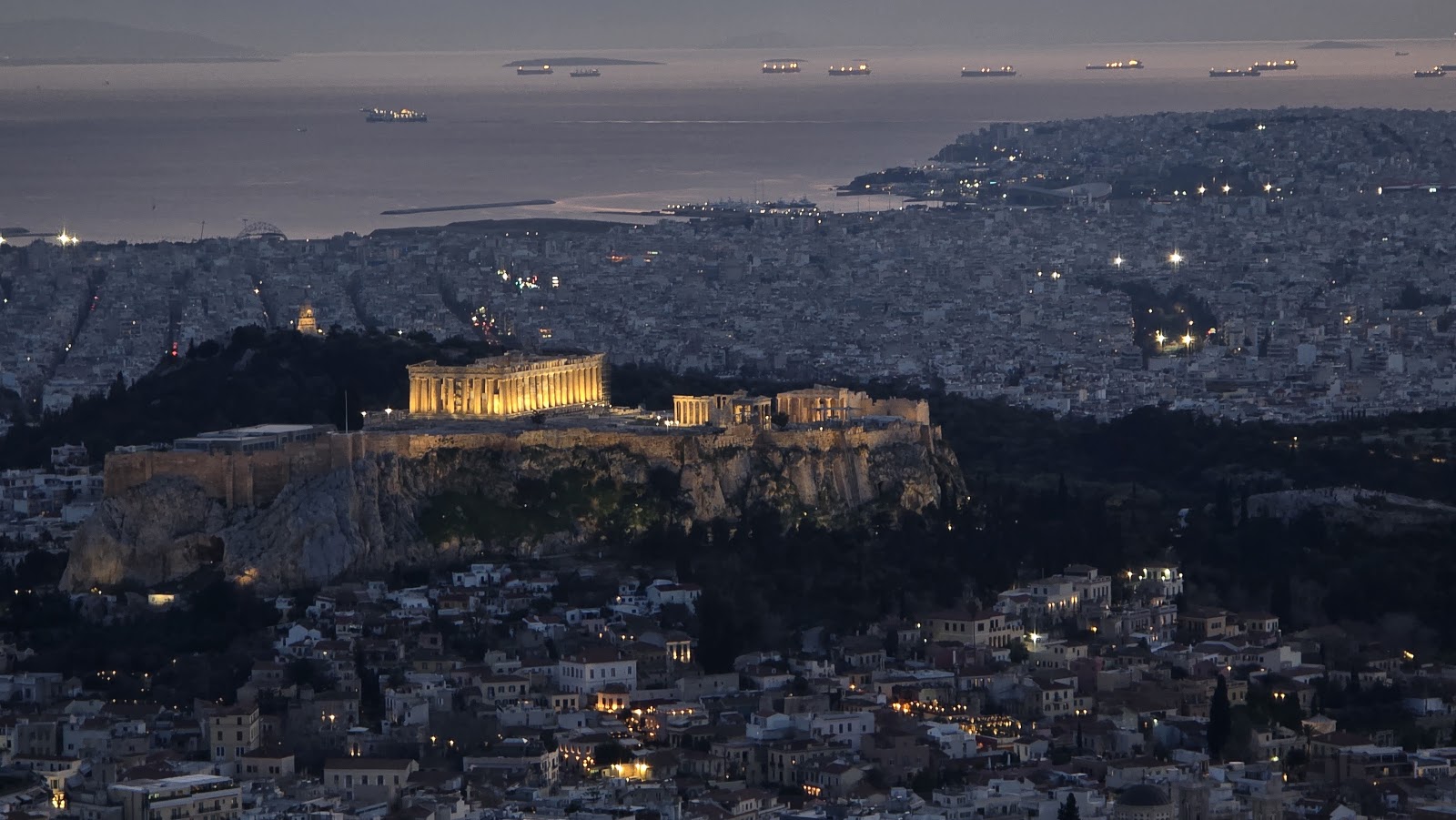
8-12 yaş: Akropolis Müzesi'ndeki interaktif bölümler ve Antik Agora'da Sokrates'in yürüdüğü yolları takip etmek bu yaştaki tarih merakını besliyor. Filopappou Tepesi'nden gün batımında Akropolis manzarası izlenebiliyor.
13+ yaş: Monastiraki bit pazarı ve Exarchia'nın sokak sanatı gençlerin ilgisini çekiyor. Athens Rivierası'nda (Vouliagmeni, Glyfada) plaj molası da gün programına eklenebilir.
Top 5 Kid-Friendly Activities
Akropolis ve Mitoloji Turu — Rehberli çocuk turlarında mitolojik hikayeler canlandırmayla anlatılıyor. Rehbersiz gidildiğinde de Zeus ile Athena'nın Athens'yı kazanma yarışı hikayesi çocuğa sırayla anlatılabilir.
Ulusal Bahçe (Ethnikos Kipos) — Şehir merkezinde gölgeli bir alan; küçük bir hayvanat bahçesi, gölet, oyun alanı ve botanik yolları içeriyor. Öğle sıcağında sığınılacak bir nokta.
Stavros Niarchos Kültür Merkezi — Geniş park alanları, yaz aylarında su oyunları, bisiklet kiralama ve kütüphane bir arada. Ücretsiz etkinlikler düzenli olarak yapılıyor.
Athens Rivierası Plajları — Vouliagmeni Gölü'nün ılık termal suyu çocuklar için güvenli kabul ediliyor. Glyfada ve Vouliagmeni plajları şehre yakın ve aile ziyaretine uygun altyapıya sahip.
Teknopolis (Gazi) — Eski gaz fabrikasından dönüştürülen kültür merkezinde çocuk festivalleri, atölye çalışmaları ve açık hava etkinlikleri düzenleniyor.
Practical Information
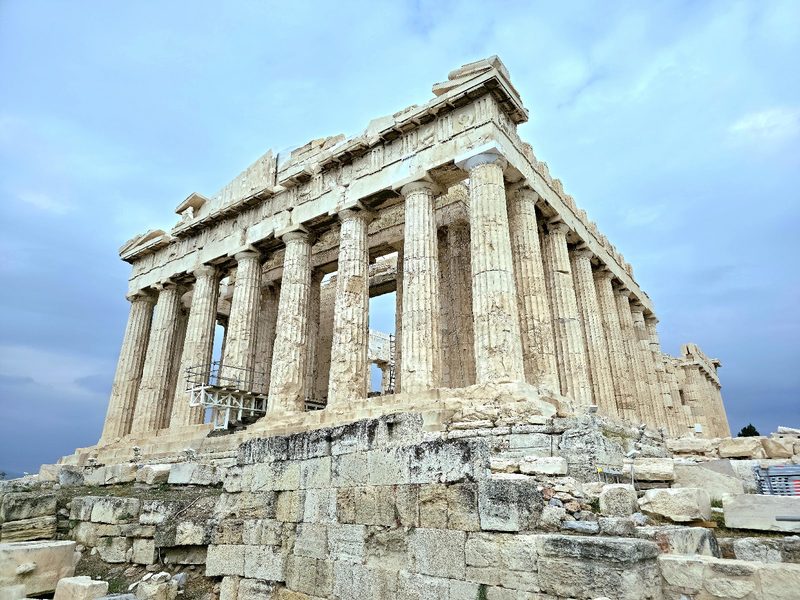
Bebek arabası: Athens'nın kaldırımları düzensiz ve dar; The area around the Acropolis is stony and rugged. Sağlam tekerlekli, hafif bir bebek arabası tercih edilmeli. Metro istasyonlarının çoğunda asansör bulunuyor.
Çocuk menüsü: Yunan restoranlarında resmi çocuk menüsü nadir ama garsonlar porsiyon konusunda esnek davranıyor. Patates kızartması, souvlaki, pita ve tzatziki çocukların genelde tercih ettiği seçenekler.
Çocuk bileti indirimleri: AB vatandaşı çocuklar (18 yaş altı) devlet müzelerinde ücretsiz giriyor. Türk pasaportlu çocuklar için de çoğu yerde indirim uygulanıyor. Metroda 6 yaş altı ücretsiz.
Tuvalet: Müzelerde ve büyük restoranlarda bulunuyor. Yunanistan'da kanalizasyon sistemi eski olduğundan tuvalet kağıdı çöp kutusuna atılıyor, çocuğa bu kural önceden anlatılmalı.
Warnings
- Yaz aylarında (Haziran-Ağustos) sıcaklık 40°C'ye ulaşabiliyor. 12:00-16:00 arası dışarıda vakit geçirmekten kaçınmak, güneş kremi ve şapka kullanmak gerekiyor.
- Akropolis'te gölge yok, mermer zemin kaygan — çocuklara kaymaz tabanlı ayakkabı giydirilmeli.
- Sokak köpekleri genelde zararsız ama küçük çocuklar korkabiliyor, bu ihtimale karşı hazırlıklı olun.
- Trafik yoğun, yaya geçitlerinde araçlar her zaman durmuyor — çocuğun elini sıkı tutmak gerekiyor.
Local Label and Culture Notes
- Selamlaşma: Dükkana, restorana veya asansöre girerken "Kalimera" (öğleye kadar günaydın) ya da "Kalispera" (iyi akşamlar) demek yaygın bir nezaket. "Efharisto" (teşekkürler) her ortamda geçerli.
- Kahve kültürü: Yunan kahvesi Türk kahvesine yakın hazırlanıyor ama öyle adlandırılmıyor; sipariş "metrio" (orta şekerli), "sketo" (sade) veya "glyko" (tatlı) olarak veriliyor. Frappe (köpüklü soğuk nescafe) ve freddo espresso yaz aylarında hemen her kafede bulunuyor.
- Bahşiş: Zorunlu değil, %5-10 memnuniyet göstergesi olarak bırakılıyor. Masada bırakılan bozuk para yeterli sayılıyor, Taxide yuvarlama yapılıyor.
- Yemek paylaşımı: Yunan sofrasında mezeler ortaya geliyor, herkes aynı tabaklardan yiyor. "Diki mou" (benim tabağım) diyerek ayrı sipariş verilebiliyor ama paylaşmak beklenen davranış biçimi.
- Kilise ziyareti: Ortodoks kiliselerine kısa şort veya açık omuzla girmek uygun karşılanmıyor. Plaka ve Monastiraki'deki küçük kiliselerde bu kurala dikkat edilmesi gerekiyor.
- Tabak kırma geleneği: Modern restoranlarda güvenlik gerekçesiyle yasak; canlı müzik olan geleneksel mekanlarda çiçek atma (louloudia) geleneği hâlâ sürdürülüyor, uygulaması için garsona danışmak gerekiyor.
- Yunan-Türk ilişkileri: Siyasi konularda hassasiyet olabiliyor ama bireysel düzeyde Yunanlılar Türk ziyaretçilere genelde sıcak davranıyor. Ortak yemek kültürü sohbet için doğal bir zemin oluşturuyor; Kıbrıs ve Ege konularından uzak durmak öneriliyor.
- Pazar ve tatil günleri: Pazar günleri çoğu dükkan kapalı. Ulusal bayramlarda (25 Mart, 28 Ekim) törenler ve geçitler şehir merkezini etkiliyor. Ortodoks Paskalyası döneminde (tarihler yıldan yıla değişiyor) alışveriş seçenekleri kısıtlanıyor.
- Fotoğrafçılık: Arkeolojik alanlarda tripod ve profesyonel ekipman kullanımı için izin gerekebiliyor. Turist fotoğrafçılığında herhangi bir kısıtlama yok; askeri alan ve polis noktalarının fotoğraflanması ise sorun yaratıyor.
FAQ
Athens kaç günde gezilir?
Ana noktalar (Akropolis, Agora, müzeler, Plaka) için 2-3 tam gün yeterli. Sahil, ada günübirlikleri (Aegina, Hydra), Delphi turu ve gece hayatıyla birlikte 4-5 gün öneriliyor. Bir haftaya yayıldığında Peloponnesos veya Kiklat adalarına uzanmak mümkün.
İstanbul'dan Athens'ya uçak ne kadar sürüyor?
Sezon dışında 50-100 EUR, yaz döneminde 120-250 EUR bandında. THY, Pegasus ve Aegean Airlines uçuyor. Uçuş süresi 1 saat 15 dakika.
Akropolis bileti önceden alınmalı mı?
Zorunlu değil ama öneriliyor. Özellikle Mayıs-Ekim arasında online bilet kuyruğu ortadan kaldırıyor. Kombo bilet (30 EUR, 7 alan, 5 gün geçerli) en mantıklı seçenek.
Athens'da İngilizce konuşuluyor mu?
Turistik bölgelerde (Plaka, Monastiraki, Syntagma) sorun yaşanmıyor. Genç nesil genelde iyi İngilizce biliyor. Mahalle içlerinde iletişim el kol hareketi ve çeviri uygulamalarına dayanabiliyor.
Yunanistan vizesi nasıl alınır?
Umuma mahsus pasaport için Schengen vizesi gerekiyor (180 günde 90 gün). Yeşil (hususi) ve gri (hizmet) pasaport sahipleri vizesiz giriyor. Başvuru VFS Global üzerinden Yunanistan konsolosluğuna yapılıyor, işlem süresi 10-15 iş günü.
Athens'da denize girilebiliyor mu?
Yes. Şehir merkezinden tramvayla 30-40 dakikada Glyfada, Voula, Vouliagmeni sahillerine ulaşılıyor. Ücretsiz halka açık plajlar ve ücretli plaj kulüpleri (şezlong 5-10 EUR) mevcut. Deniz suyu Ege kadar berrak olmayabiliyor ama yüzülebilir durumda.
Athens'da gece hayatı nasıl işliyor?
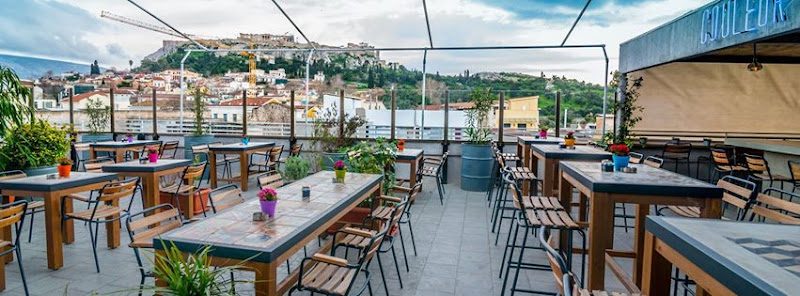
Geç başlıyor, geç bitiyor. 23:00'ten önce bara gidildiğinde mekan boş bulunabiliyor. Gazi bölgesi kulüp hattı, Psirri kokteyl barları, Monastiraki rooftop'ları ana seçenekler arasında. Yaz aylarında sahil kulüpleri (Athens Riviera) tercih ediliyor. Giriş ücretleri 5-15 EUR, kokteyller 8-15 EUR bandında.
Çocukla Athens nasıl geziliyor?
Orta zorlukta bir güzergah. Arkeolojik alanlar sıcak ve yorucu olabiliyor; buna karşılık Ulusal Bahçe (ücretsiz, gölgeli), Attica Hayvanat Bahçesi, sahil tramvayı ve ada günübirlikleri çocuklar için uygun aktiviteler sunuyor. 6 yaş altı çoğu müzede ücretsiz giriyor. Bebek arabası için Plaka'nın dar sokakları zorlayıcı, Syntagma ve Kolonaki daha rahat.
En iyi souvlaki nerede yeniyor?
Kostas (Syntagma yakını, 2 EUR pita), Thanasis (Monastiraki), Bairaktaris (Monastiraki Meydanı) klasikler arasında sayılıyor. Şehirdeki ortalama souvlaki kalitesi de genelde yüksek seyrediyor.
Athens'dan günübirlik nereye gidilir?
- Aegina adası: Pireas'tan feribot 40 dk, antik tapınak, fıstık üretimi, sahil
- Hydra adası: Pireas'tan feribot 1,5 sa, motorlu araç yasak, eşekle taşımacılık, yüzme
- Delphi: Otobüs 2,5 sa, Apollon Tapınağı ve antik kehanet merkezi
- Sounion Burnu (Poseidon Tapınağı): Otobüs 1,5 sa, gün batımı için tercih ediliyor
- Nafplio: Otobüs 2 sa, Venice kalesi ve sahil kasabası