About
Resmi adı Krung Thep Maha Nakhon; törensel tam hali 168 harfle dünyanın en uzun başkent adı sayılır, günlük konuşmada Taylar şehre kısaca "Krung Thep" der. Chao Phraya Nehri'nin iki yakasına yayılan şehir, 10 milyonu aşkın nüfusuyla Güneydoğu Asya'nın en kalabalık metropollerinden biri. Havalimanından çıkan yolcuyu ilk karşılayan şey nemli hava ve tuk-tuk kornası oluyor; kaldırım tezgahlarından yükselen kızarmış sarımsak kokusu daha Hotele varmadan burnu buluyor.
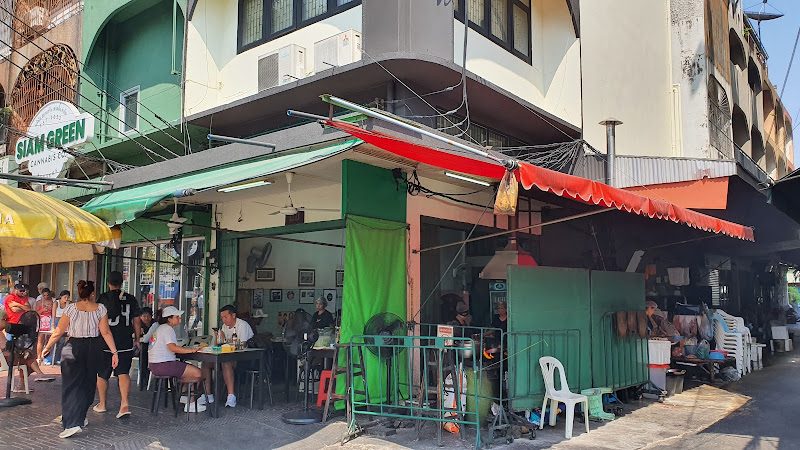
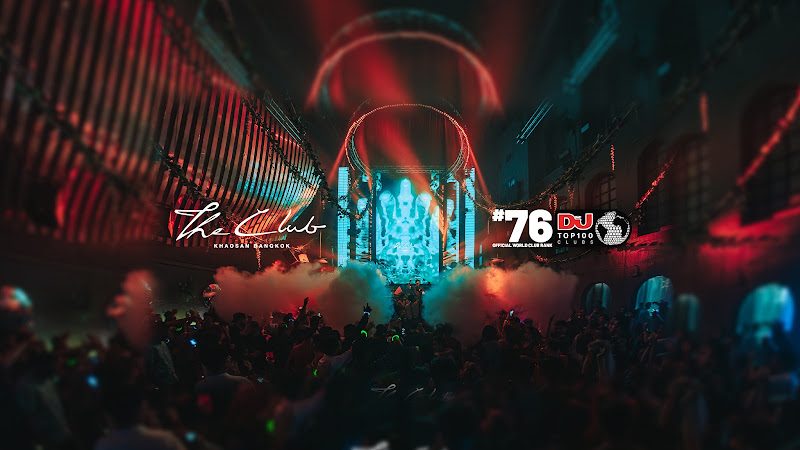
Şehrin günlük ritmi katmanlı ilerliyor. Sabah 6'da tapınak avlusunda safran cüppeli keşişler dilenme turuna (bintabat) çıkıyor, öğlen gökdelenler arasında iş insanları öğle arasına koşuyor, gece Khao San Road'da farklı ülkelerden gelen gezginler kova kokteyl içerek dans ediyor. Aynı mahallede bir tezgahta 40 baht'a pad thai bulunabiliyor, iki sokak ötesindeki Michelin Starred bir restoranda tadım menüsü 8.000 baht'a çıkabiliyor — fiyat aralığındaki bu fark şehrin en belirgin özelliklerinden biri.
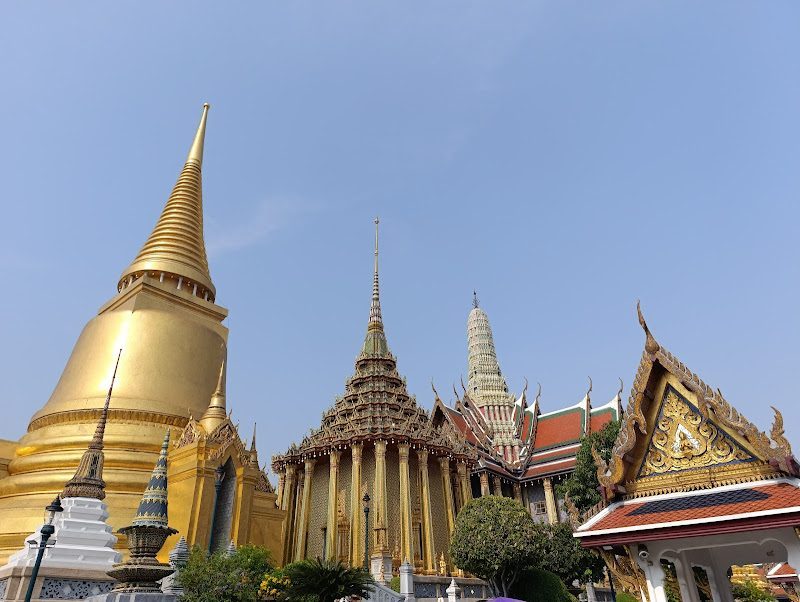
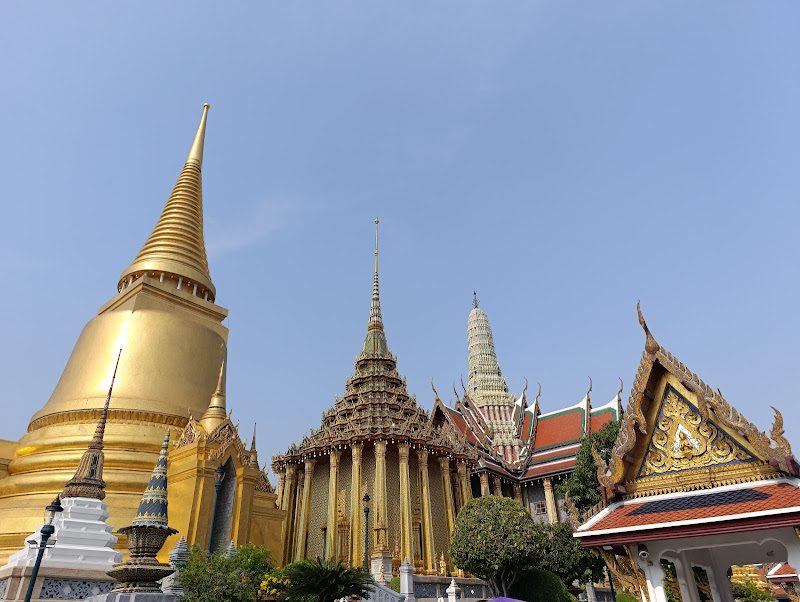
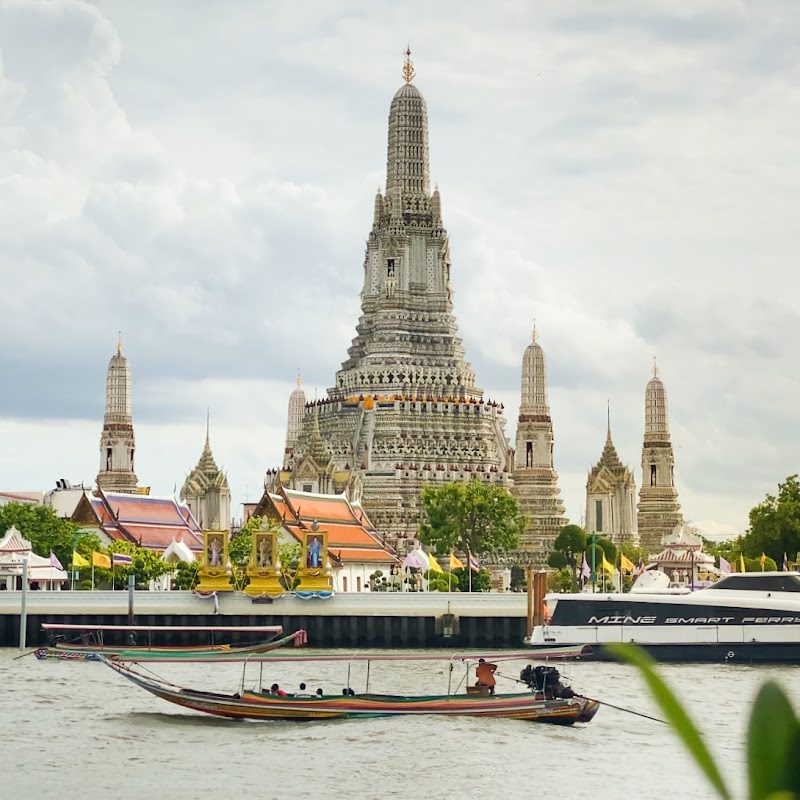
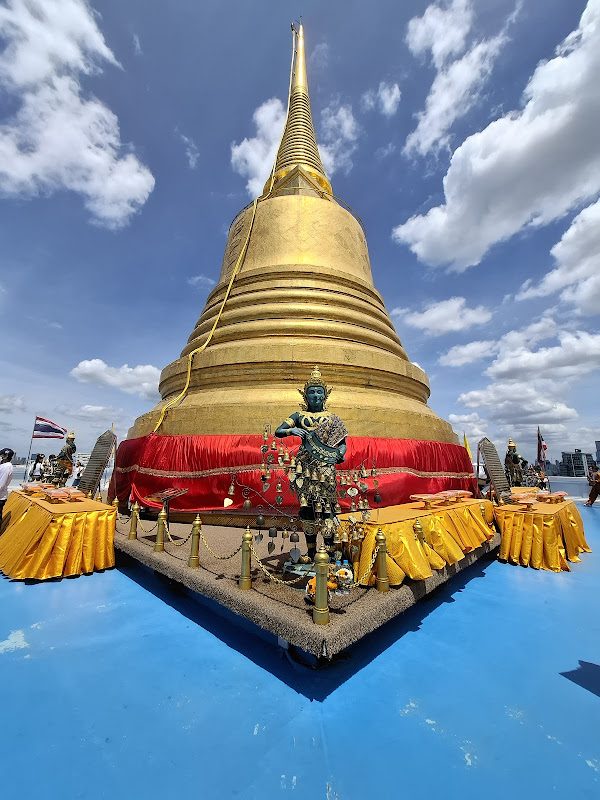
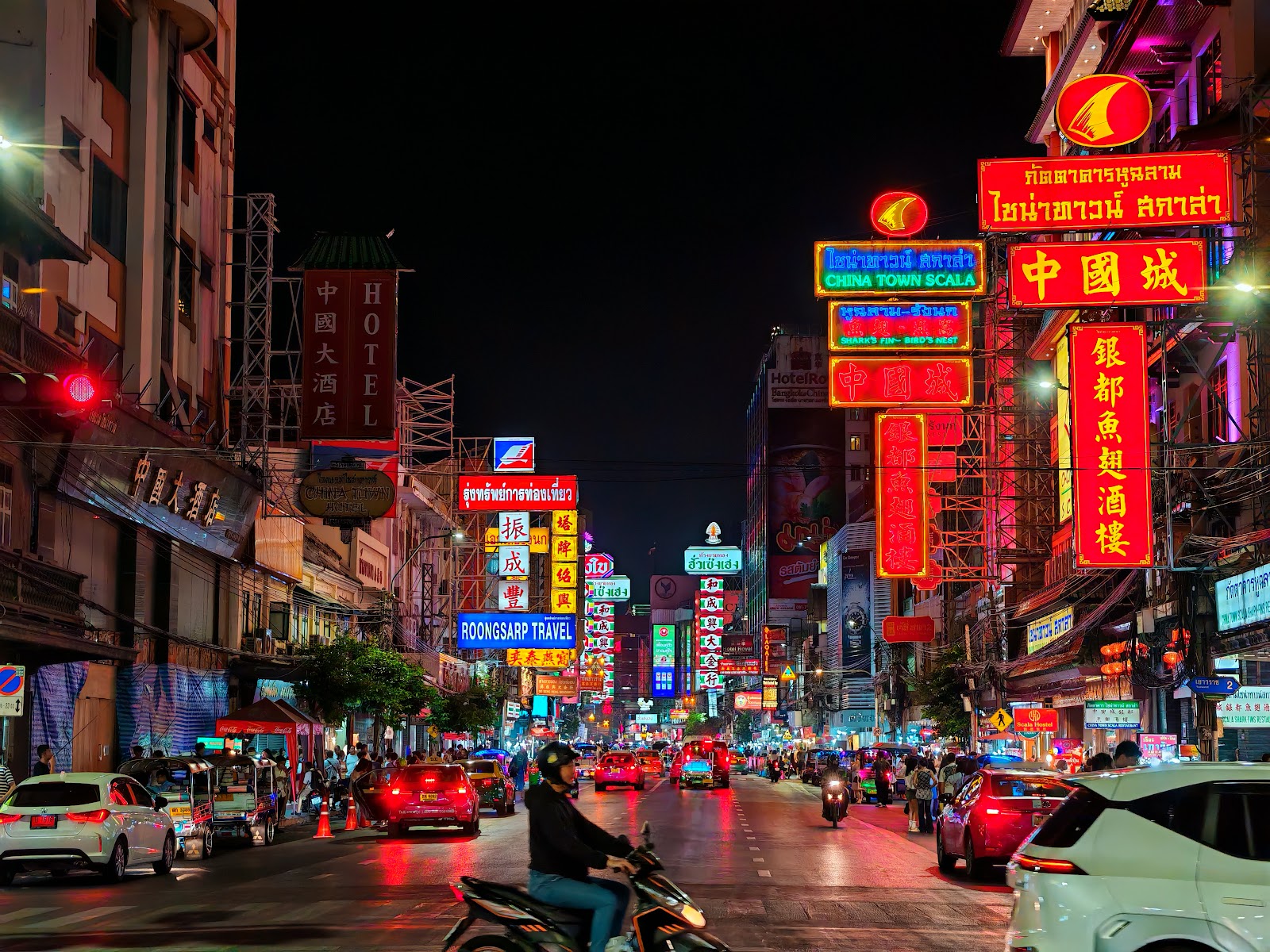
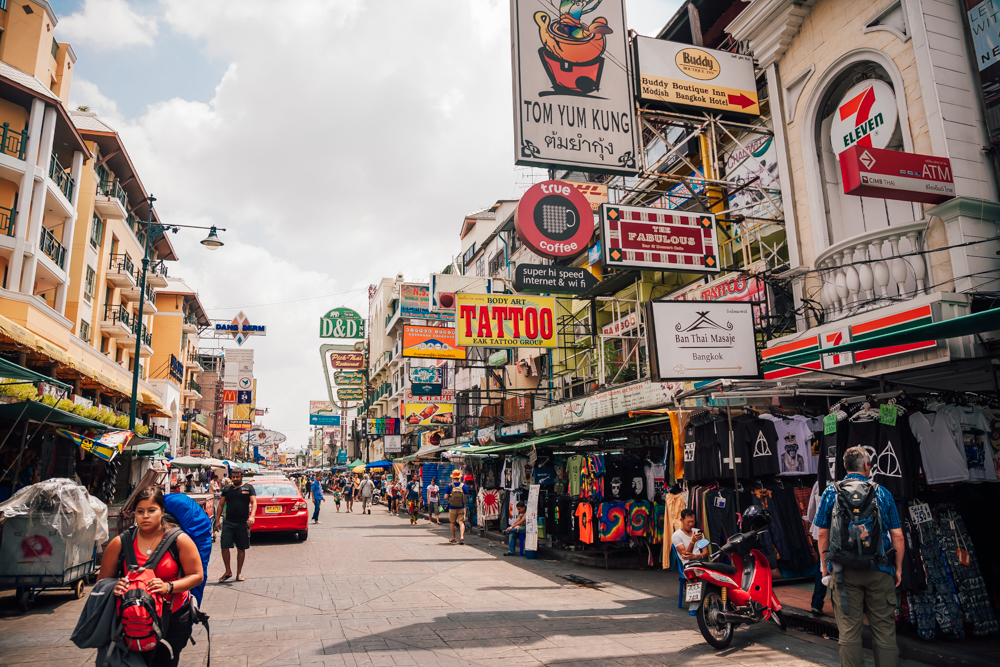
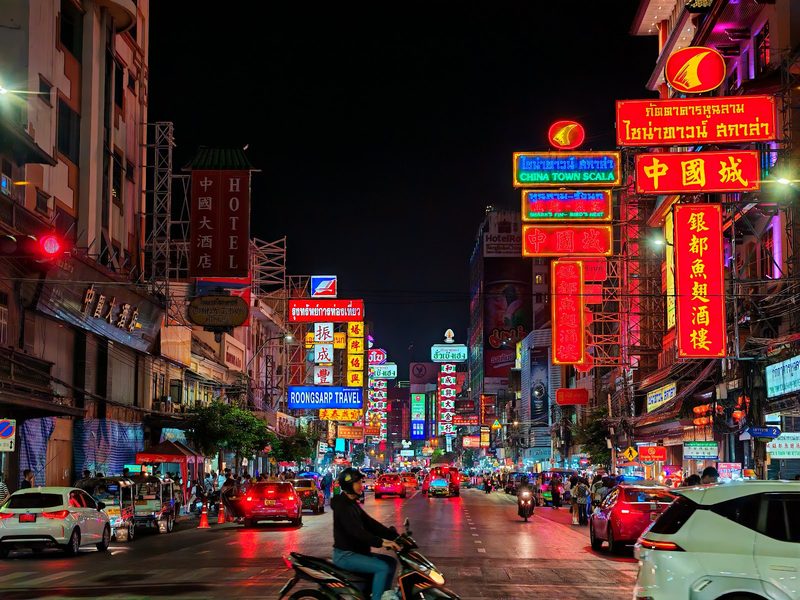
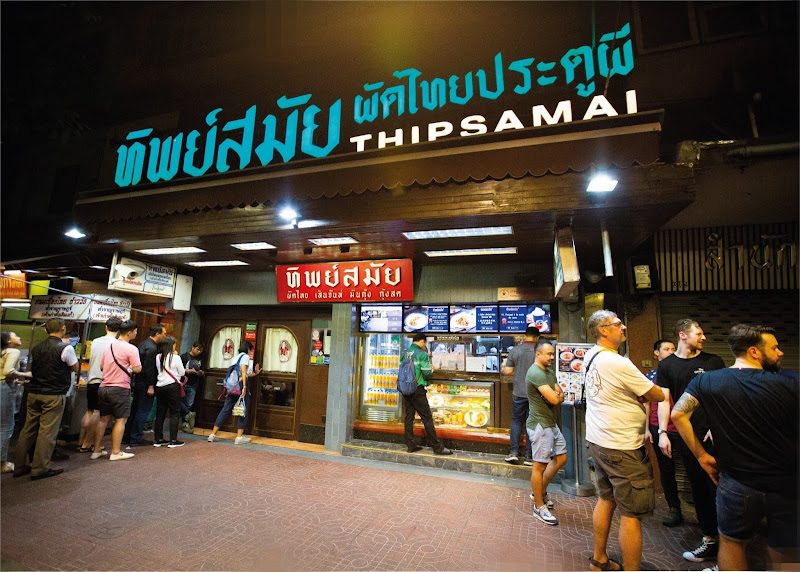
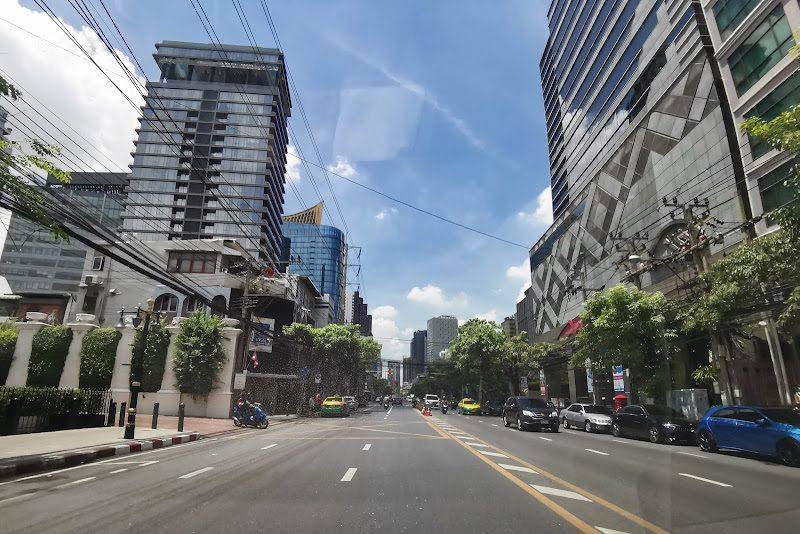
Bangkok'un mahalle dağılımı ziyaret rotasını da belirliyor. Rattanakosin Adası tarihi merkez: Grand Palace, Wat Pho, Wat Arun hep bu bölgede. Silom ve Sathorn gündüz iş bölgesi, akşam rooftop barlarla doluyor. Sukhumvit hattı BTS boyunca uzanıyor; Siam alışveriş merkezleri, Thonglor bar sokakları, Asok gece hayatıyla öne çıkıyor. Yaowarat yani Chinatown neon tabelalar, altın dükkanları ve sokak tezgahlarıyla kendi başına bir bölge; Khao San Road ise 1980'lerden beri backpacker kültürünün merkezi.
When to Go
İklim tropikal, mevsim sadece sıcaklık derecesini ve yağış olasılığını değiştiriyor.
Kasım - Şubat (Kuru Sezon): Hava 25-32°C bandında seyrediyor, nem nispeten düşük, yağış nadir. Aralık-Ocak en konforlu aylar sayılıyor; bu yüzden Hotel fiyatları ve turist yoğunluğu da bu dönemde zirveye çıkıyor. Yine de Bangkok'un genel fiyat seviyesi düşük olduğu için "pahalı sezon" bile birçok Avrupa şehrinden ucuz kalıyor.
Mart - Mayıs (Sıcak Sezon): Sıcaklık 35-40°C'ye, nem %80'in üzerine çıkıyor. Nisan ortasında düşen Songkran festivali (Tay Yeni Yılı, üç günlük su savaşı) bu dönemin en büyük etkinliği; sıcaklık yüksek olsa da festival dönemi turist trafiğini artırıyor.
Haziran - Ekim (Muson Sezonu): Günde 1-2 saatlik tropikal sağanak görülüyor, ardından hava açıyor; yağış gün boyu sürmüyor. Hotel fiyatları ve turist sayısı bu dönemde düşüyor, sokak tezgahları normal işleyişini koruyor. Eylül-Ekim aylarında bazı caddelerde su birikmesi görülebiliyor.
İlk ziyaret için Kasım-Şubat arası önerilir. Bütçe odaklı ve kalabalıktan kaçınan gezginler için Haziran-Ağustos makul bir seçenek. Songkran deneyimi hedefleniyorsa Nisan ortası, ancak yüksek sıcaklığa hazırlıklı olmak gerekiyor.
How to get there
İstanbul'dan Bangkok'a Türk Hava Yolları direkt uçuş işletiyor, süre yaklaşık 10 saat; iniş Suvarnabhumi Havalimanı'na (BKK) yapılıyor. THY bu hatta genellikle gece uçuşu planlıyor; İstanbul'dan akşam kalkıp Bangkok'a sabah erken varılıyor.
Gidiş-dönüş ekonomi bilet fiyatı ortalama 400-600 EUR bandında. En uygun fiyatlar genellikle Haziran-Eylül ve Kasım başında görülüyor; yılbaşı dönemi ve Songkran (Nisan ortası) en pahalı tarihler.
THY dışında Emirates (Dubai aktarma), Qatar Airways (Doha aktarma) ve Singapore Airlines (Singapore aktarma) gibi bağlantılı seçenekler de mevcut. Aktarmalı biletler bazen 50-100 EUR daha ucuza gelebiliyor, ancak toplam seyahat süresine 4-8 saat ekliyor.
Suvarnabhumi Havalimanı şehir merkezine 30 km mesafede. Transportation options:
- Airport Rail Link: 45 minutes, 45 THB. Phaya Thai istasyonunda BTS'e aktarma yapılıyor; en ekonomik ve öngörülebilir seçenek.
- Taxi: Metre ücreti ve otoban geçiş ücreti dahil 250-400 THB; trafik yoksa 30-45 dakika, yoğun saatte 1-2 saate çıkıyor.
- Grab: Havalimanında ayrılmış bekleme noktası var, fiyat yolculuk öncesi belli oluyor, 300-500 THB.
Bangkok trafiği sabah 7-9 ve akşam 16-20 arasında ciddi şekilde tıkanıyor; bu saatlerde havalimanı transferi için Airport Rail Link daha güvenilir bir seçenek oluşturuyor.
Urban Transportation
Bangkok'ta hangi ulaşım aracının kullanılacağı büyük ölçüde saat ve güzergaha bağlı; raylı sistem trafikten bağımsız olduğu için çoğu zaman en hızlı seçenek oluyor.
BTS Skytrain: Şehrin üzerinden geçen hafif metro hattı. Sukhumvit (yeşil) ve Silom (koyu yeşil) hatları Siam, Asok, Thong Lo, Chit Lom gibi merkezi noktaları birbirine bağlıyor. Tek yön 16-62 THB; Rabbit kart alınarak turnikeden otomatik geçiliyor.
MRT Metro: Yeraltı hattı. Blue Line Chinatown, Chatuchak ve Hua Lamphong tren istasyonuna ulaşıyor, BTS ile birkaç noktada aktarma sağlıyor. 16-42 THB one way.
Tuk-tuk: Kısa mesafeler için tercih ediliyor, Taximetre bulunmadığından fiyat binmeden önce pazarlık ediliyor. 5 dakikalık bir yol için 50-100 THB makul kabul ediliyor; uzun mesafede maliyeti yükseliyor.
Chao Phraya Express Boat: Nehir boyunca işleyen tekne sistemi, Grand Palace, Wat Pho ve Wat Arun gibi tapınak bölgesine ulaşım için pratik. Turuncu bayraklı tekneler her istasyonda duruyor, tek yön 15-20 THB.
Grab: Taxi çağırma uygulaması, fiyat yolculuk öncesi belirleniyor ve güzergah uygulama üzerinden takip edilebiliyor.
Motosiklet Taxi: Turuncu yelekli sürücüler sokak köşelerinde bekliyor; trafik sıkışıklığında araçlar arasından geçerek kısa mesafeleri hızlı kat ediyor. Kısa mesafe 20-50 THB; kask talep etmek gerekiyor, her zaman otomatik verilmiyor.
Trafik saatlerinde (sabah 7-9, akşam 16-20) BTS veya MRT kullanmak, nehir kenarı tapınaklar için tekneyi tercih etmek pratik bir yaklaşım. BTS/MRT güzergahına yakın bir Hotelde kalmak günlük ulaşım süresini belirgin şekilde kısaltıyor.
Accommodation Regions
Bangkok'ta hangi bölgede kalınacağı seyahatin karakterini büyük ölçüde belirliyor. Altı bölge altı farklı deneyim sunuyor:
Sukhumvit (Asok - Phrom Phong - Thong Lo): BTS hattı üzerinde, restoranlar, barlar, alışveriş ve gece hayatına yürüme mesafesinde. Hostelden 5 yıldızlı Hotele kadar geniş bir fiyat yelpazesi var. Gece başına 25-200 EUR.
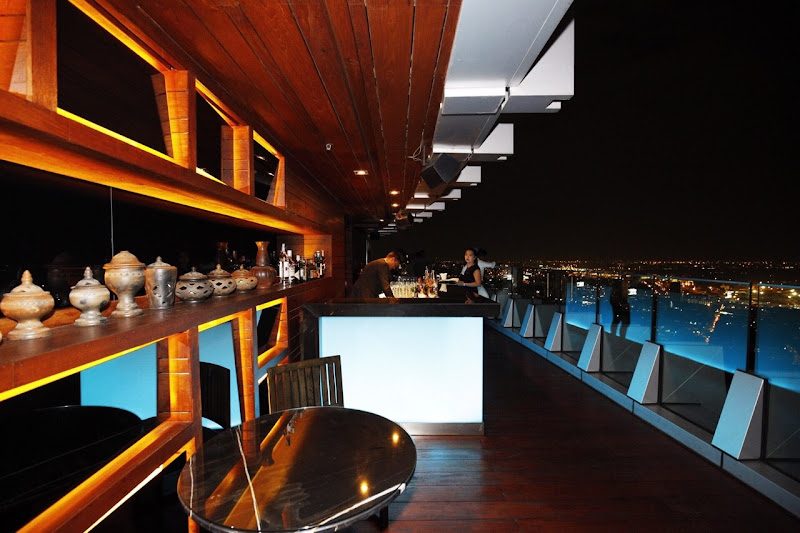
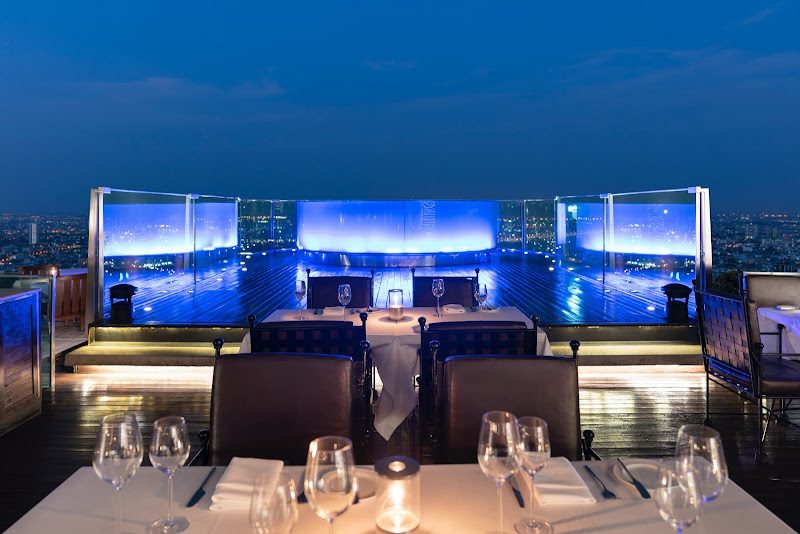
Silom / Sathorn: Gündüz iş bölgesi, akşam rooftop barlarıyla canlanıyor; Sky Bar bu bölgede. BTS ve MRT bağlantısı güçlü, Lebua ve Banyan Tree gibi lüks Hoteller burada yoğunlaşıyor. Gece başına 50-300 EUR.
Khao San Road / Banglamphu: Ucuz Hostel ve sokak yemeği yoğunluğuyla backpacker rotasının merkezi. Grand Palace'a yürüme mesafesinde ama BTS/MRT bağlantısı yok, tekne veya Taxi gerekiyor. Gece başına 8-40 EUR.
Riverside (Nehir Kenarı): Chao Phraya Nehri manzaralı, Mandarin Oriental, Shangri-La ve Peninsula gibi lüks Hoteller bu şeritte kümeleniyor. Gece başına 150-500 EUR.
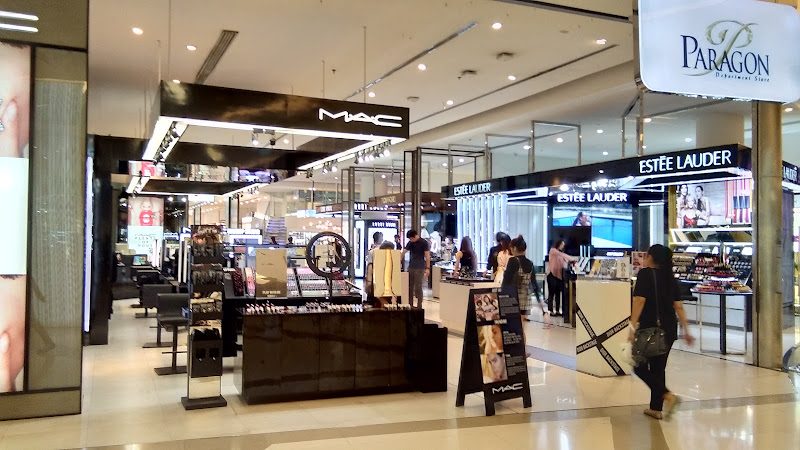
Siam / Pratunam: MBK, Siam Paragon ve CentralWorld'ün bulunduğu alışveriş bölgesi; BTS bağlantısı güçlü, orta bütçeli Hotel seçeneği fazla. Gece başına 30-100 EUR.
Chinatown (Yaowarat): MRT bağlantısıyla ulaşımı kolaylaşan, bütçe dostu ama lüks seçeneği sınırlı bir bölge. 15-60 EUR per night.
İlk ziyaret için Sukhumvit (BTS Asok - Phrom Phong arası), bütçe önceliği olanlar için Khao San Road, nehir manzaralı bir konaklama arayanlar için Riverside öne çıkıyor.
Budget Plan
Bangkok, Güneydoğu Asya'nın en düşük günlük maliyetli metropollerinden biri sayılıyor. 3 günlük yaklaşık bütçe tablosu (kişi başı, uçak hariç):
| Category |
Economical |
Medium |
Luxury |
| Accommodation / night |
400 THB (hostel) |
2,000 THB (3-4*) |
8,000 THB+ (5*) |
| Meal/day |
300 THB (street) |
1,000 THB |
4,000 THB+ |
| Transportation / day |
100 THB (BTS/MRT) |
300 THB (BTS + Grab) |
1,500 THB (Grab/taxi) |
| Activity / day |
200THB |
800THB |
3,000 THB |
| 3 days total |
~3,000 THB (~80 EUR) |
~12,300 THB (~325 EUR) |
~49,500 THB (~1,300 EUR) |
Ekonomik planda günlük harcama 25-30 EUR civarında kalıyor: sokak yemeği 30-80 THB, BTS tek yön 16-62 THB, şişe su 10 THB seviyesinde.
1 EUR is approximately 38 THB (May 2026 exchange rate). 1,000 THB is about 26 EUR.
Practical Tips
- Grab uygulamasını seyahat öncesi indirip hesabı açmak öneriliyor. Fiyat önceden belirlendiği için Taximetreli Taxilere göre sürpriz risk taşımıyor; motosiklet opsiyonu trafik saatlerinde zaman kazandırıyor.
- Nakit bulundurmak gerekiyor ama abartmaya gerek yok. Sokak tezgahları, tuk-tuk ve küçük dükkanlar nakit istiyor; 000 THB cepte yeterli. Large venues and shopping malls accept cards.
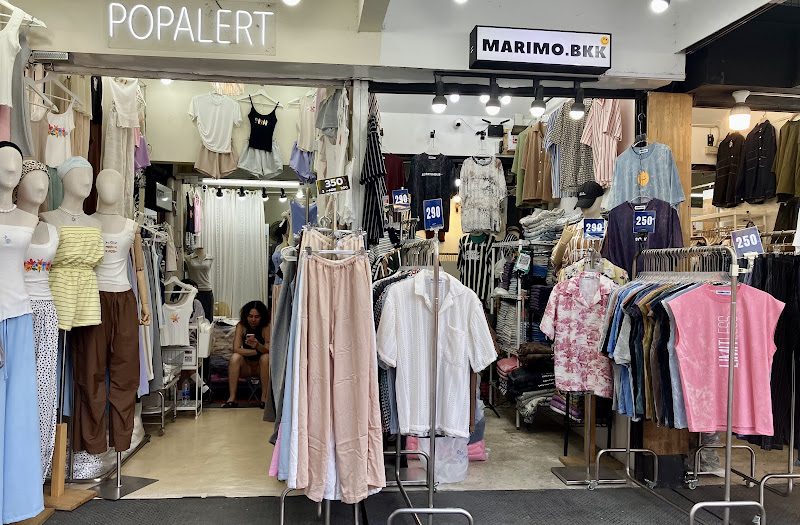
- Pazarlık kültürü: Chatuchak, MBK ve sokak satıcılarında pazarlık standart uygulama. İlk fiyatın %60-70'i teklif edilip ortada buluşuluyor. Sabit fiyatlı dükkanlarda (7-Eleven, Siam Paragon) pazarlık geçerli değil.
- Su tüketimi Bangkok'un nemi yüzünden fark edilmeden artıyor; yanında sürekli bir şişe su bulundurmak öneriliyor. Musluk suyu içilmiyor, şişe su her yerde 10 THB.
- Güneş kremi ve şapka özellikle tapınak gezilerinde gerekli; tropikal güneş kısa sürede yakıyor.
- 7-Eleven her köşe başında bulunuyor; ATM, soğuk içecek, sandviç, telefon şarjı ve fatura ödeme hizmeti veriyor. 000'den fazla şube işletiliyor.
- Taximetre talebi gerekebiliyor; bazı Taxiciler turist gördüğünde sabit fiyat öneriyor. "Meter, krap/ka" demek yeterli olmazsa başka Taxi bulmak veya Grab kullanmak öneriliyor.
- Tapınak kıyafet kuralı: Diz ve omuz kapalı olması gerekiyor; şort, askılı üst ve yırtık kot kabul edilmiyor. Grand Palace'ta denetim sıkı, kapıda ücretsiz sarong veriliyor ama bu bekleme süresini uzatıyor.
- eSIM veya yerel SIM havalimanından alınabiliyor. AIS, DTAC veya TrueMove'un 7 günlük turist paketi 299-599 THB, sınırsız data içeriyor.
- Trafik özellikle Cuma akşamları ve yağmurlu günlerde ciddi şekilde yavaşlıyor; randevuları raylı sisteme göre planlamak öneriliyor.
Travel Guide with Children
Sıcak ve nemli hava küçük çocuklar için zorlayıcı olabilir, ancak ucuz fiyatlar, alışveriş merkezlerindeki oyun alanları ve şehre özgü deneyimler aile seyahatini destekliyor.
Recommendations by Age Group
0-3 yaş: BTS Skytrain klimalı ve bebek arabasına uygun. Büyük AVM'lerdeki (Siam Paragon, CentralWorld) bebek bakım odaları gelişmiş standartlarda hizmet veriyor. Kaldırımların düzensiz olması nedeniyle kanguru taşıyıcı bebek arabasına göre daha pratik bir seçenek oluşturuyor.
4-7 yaş: Elephant Nature Park'ın günübirlik turları bu yaş grubuna hitap ediyor. SEA LIFE Bangkok Aquarium (Siam Paragon altında) ve Safari World çocukları saatlerce meşgul ediyor.
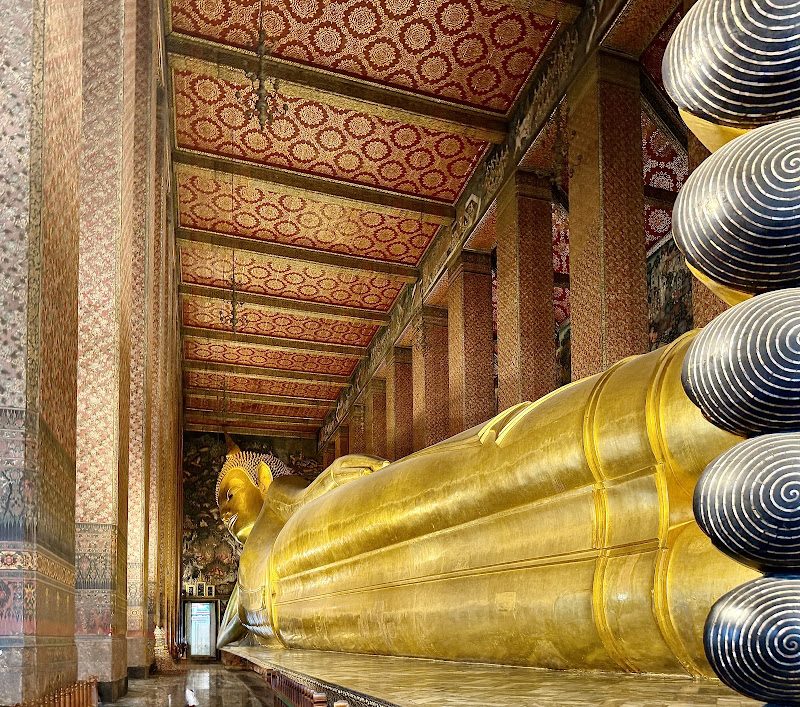
8-12 yaş: Yüzen pazarlarda tekne turu, Wat Pho'daki 46 metrelik yatan Buda heykeli ve tuk-tuk'la şehir keşfi bu yaş grubunda ilgi görüyor. Muay Thai gösterisi kültürel bir deneyim olarak ekleniyor.
13+ yaş: Chatuchak Weekend Market'te alışveriş, Khao San Road atmosferi ve sokak yemekleri turu gençlerin ilgisini çekiyor. AVM'lerde escape room ve VR merkezleri de bulunuyor.
Top 5 Kid-Friendly Activities
SEA LIFE Bangkok Ocean World — Siam Paragon'un altındaki akvaryumda cam tünel, köpekbalığı besleme gösterisi ve 4D sinema var; klimalı olması yağmurlu gün planı için uygun.
Safari World — Açık safari turu ve deniz gösterisi parkını bir arada sunuyor, tam gün süren bir aktivite. Şehir dışında yer alıyor, transfer turları uygun fiyatlı.
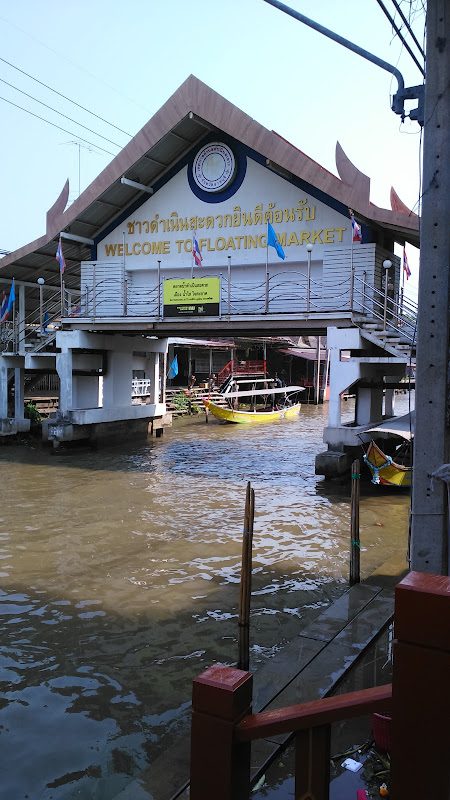
Yüzen Pazar Turu (Damnoen Saduak veya Amphawa) — Tekneyle pazar gezisi. Amphawa daha az turistik, akşam saatlerinde ateşböceği turu da düzenleniyor.
Kidzania Bangkok — Siam Paragon'da, çocukların çeşitli meslekleri deneyimlediği interaktif bir merkez; pilot, doktor, itfaiyeci rolleri oynanabiliyor. 4-14 yaş arası için uygun.
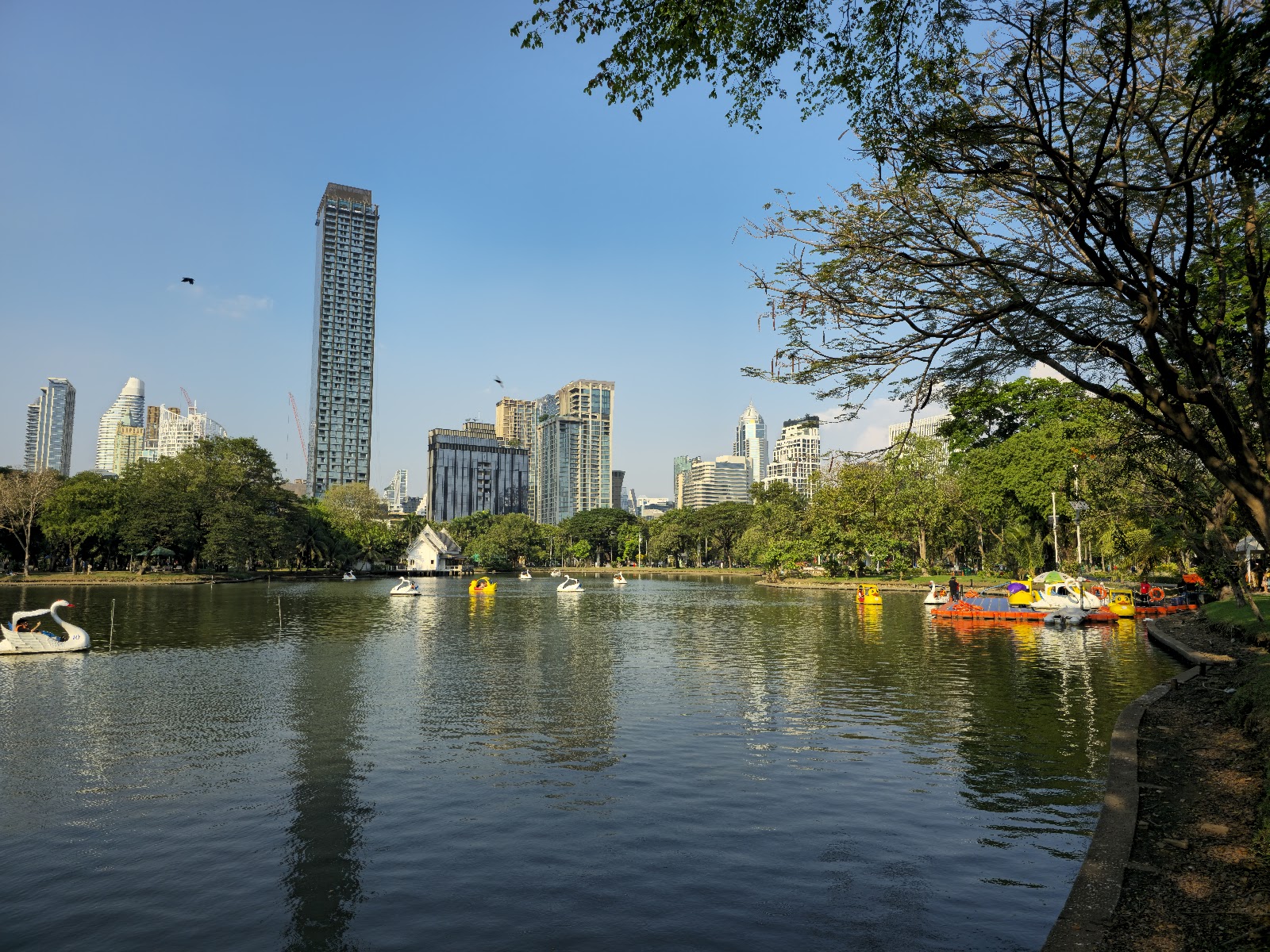
Lumphini Parkı — Pedallı bot, oyun alanları ve su varanlarını (monitor lizard) gözlemleme imkanı sunuyor. Giriş ücretsiz, sabah erken saatlerde hava daha serin.
Practical Information
Bebek arabası: Bangkok kaldırımları düzensiz ve bazı bölgelerde kablo yoğunluğu var; kanguru taşıyıcı veya sırt çantası bebek arabasına göre daha kullanışlı. AVM'ler ve BTS istasyonları bebek arabasına uygun tasarlanmış.
Çocuk menüsü: Tay restoranlarında ayrı çocuk menüsü nadir bulunuyor, ancak pilav, tavuk satay ve mango sticky rice hemen her yerde mevcut. Baharatlı yemek siparişinde "mai pet" (baharatsız) ifadesi kullanılabiliyor.
Çocuk bileti indirimleri: Çoğu tapınakta çocuklar için ücretsiz veya yarı fiyat giriş uygulanıyor. BTS'te 90 cm altındaki çocuklar ücretsiz seyahat ediyor.
Toilet: Clean and free in shopping malls. Tapınaklarda ve sokaklarda ücretli (5-10 THB); ıslak mendil bulundurmak öneriliyor.
Warnings
- Sıcak ve nem yoğun; çocuklar hızlı susuz kalabildiğinden düzenli su takviyesi ve klimalı mekanlarda mola gerekiyor.
- Sokak yemeklerinde küçük çocuklara çiğ sebze ve buz verirken dikkatli olunması öneriliyor.
- Gürültü ve kalabalık küçük çocukları yorabiliyor; AVM'lerin sakin bölümleri mola noktası olarak kullanılabiliyor.
- Tuk-tuk'larda emniyet kemeri bulunmuyor; küçük çocuklu aileler için Taxi veya Grab tercih edilmesi öneriliyor.
Local Label and Culture Notes
Tayland "Gülümsemeler Ülkesi" (Land of Smiles) lakabıyla anılıyor. Bazı davranış kuralları bilinmeden ihlal edilirse ciddi bir yanlış anlaşılmaya yol açabiliyor.
** Tayland'da kral kutsal kabul edilir ve lese-majeste (krala hakaret) yasası ağır ceza öngörüyor. Kral veya kraliyet ailesi hakkında olumsuz yorum, şaka niyetiyle bile yapılsa risk taşıyor. Sinema ve kamu etkinliklerinde kraliyet marşı çalındığında ayağa kalkılıyor.
** Tay kültüründe baş vücudun en kutsal noktası sayılıyor; çocuklar dahil kimsenin başına dokunulmuyor, saç karıştırma gibi refleksler bile hoş karşılanmıyor.
** Ayak vücudun en aşağı kısmı kabul ediliyor; ayak ucunu insanlara veya Buda heykellerine doğrultmak kaba sayılıyor. Tapınakta otururken bacaklar geriye katlanıyor, ayak tabanları heykele dönük durmuyor.
** İç mekana girerken ayakkabı kapıda bırakılıyor; bu kural bazı evlerde ve geleneksel restoranlarda da geçerli oluyor.
** Elleri göğüs hizasında birleştirip hafifçe eğilmekten oluşan bu selamlaşma biçimi karşılık bekliyor; wai yapılan kişi aynı şekilde karşılık veriyor. Garson veya çocuklara wai yapmak zorunlu değil, gülümsemek yeterli sayılıyor.
** "Sorun değil, boşver" anlamına gelen bu ifade günlük yaşamın felsefesini özetliyor; yüksek ses, sinirlenme ve tartışma tercih edilmiyor. Bir Tay'ın gülümsemesi bazen dolaylı bir "hayır" anlamına gelebiliyor.
** Kadınlar keşişlere dokunmuyor, otobüs veya trende yanlarına oturmuyor. Keşişe bir şey verilmek istendiğinde nesne yere bırakılıyor veya bir erkek aracılığıyla iletiliyor.
Bahşiş: Zorunlu değil ancak yaygın bir uygulama. Restoranda hesabın %5-10'u veya 20-50 THB, masajda 50-100 THB, Hotel taşıyıcıya 20-50 THB uygulanıyor.
FAQ
How many days to visit Bangkok?
Minimum 3 gün, ideal 5 gün öneriliyor. 3 günde tapınaklar, birkaç sokak yemeği noktası ve bir rooftop bar sığdırılabiliyor; 5 günde yüzen pazar, Ayutthaya günübirlik turu ve mahalle keşfi eklenebiliyor.
Is there a language problem?
Turistik bölgelerde İngilizce yeterli oluyor. Taxi ve sokak tezgahlarında iletişim kısıtlı kalabiliyor, Google Translate ve işaret dili bu durumlarda işe yarıyor. Birkaç Tayca kelime (sawasdee = merhaba, khop khun = teşekkürler, aroy = lezzetli) öğrenmek olumlu karşılanıyor.
Is Bangkok safe?
Genel olarak güvenli kabul ediliyor; turistlere yönelik şiddet suçu nadir görülüyor. Dikkat edilmesi gereken konular arasında yankesicilik (kalabalık yerlerde çanta önde taşınmalı), turist tuzakları (tuk-tuk sürücülerinin "tapınak kapalı" diyerek dükkan turuna yönlendirmesi) ve gece saatlerinde aşırı alkol tüketimi sayılıyor.
Is street food safe?
Usually yes. Kuyruk oluşan tezgahlar yüksek müşteri sirkülasyonu ve taze malzeme anlamına geliyor; sıcak pişmiş yemekler soğuk olanlara tercih ediliyor. Buz genellikle fabrikada üretiliyor ve güvenli kabul ediliyor; hassas mide için ilk gün yavaş başlamak öneriliyor.
Is Bangkok expensive?
Hayır, dünyanın nispeten uygun fiyatlı başkentlerinden biri sayılıyor. Sokak yemeği 30-80 THB, BTS bileti 16-62 THB, Hostel gecesi 400 THB'den, orta segment Hotel gecesi 2.000 THB'den başlıyor. Bütçenin en büyük kalemini uçak bileti oluşturuyor.
Do I need a Thai visa?
Umuma mahsus (bordo) Türk pasaportu ile Tayland'a 30 güne kadar vizesiz giriş yapılabiliyor. Pasaportun en az 6 ay geçerli olması ve dönüş bileti ibraz edilmesi gerekebiliyor.
Are there any restrictions on alcohol sales?
Yes. Marketler ve restoranlar alkol satışını 11:00-14:00 ve 17:00-00:00 saatleri arasıyla sınırlandırıyor. Dini bayramlarda satış tamamen durdurulabiliyor; restoran ve barlarda bu kural daha esnek uygulanıyor.
Which is the best transportation card?
Rabbit Card (BTS için) ve MRT kartı ayrı sistemler; ikisi de istasyon gişelerinden temin edilebiliyor. Grab uygulaması Taxi ve motosiklet Taxi için ayrıca öneriliyor.
What is the Songkran festival experience like?
13-15 Nisan tarihlerinde şehir geneli su savaşına dönüşüyor. Telefon su geçirmez kılıfa konulmalı, ıslandığında şeffaflaşabildiği için açık renkli tişört tercih edilmemeli, değerli eşyalar Hotelde bırakılmalı. Khao San Road ve Silom Road ana etkinlik alanları arasında.