About
There is a city called Buenos Aires, which even though it is 12,000 km away and has a 6-hour time difference between it and Istanbul, the moment you step out on the street you say "this place looks familiar". It's crowded, noisy, chaotic, delicious and one hundred percent confident. But with a difference: everyone here goes out at 1 a.m., steak is a religion in itself, and they remind us at every opportunity that they are the inventors of the tango.
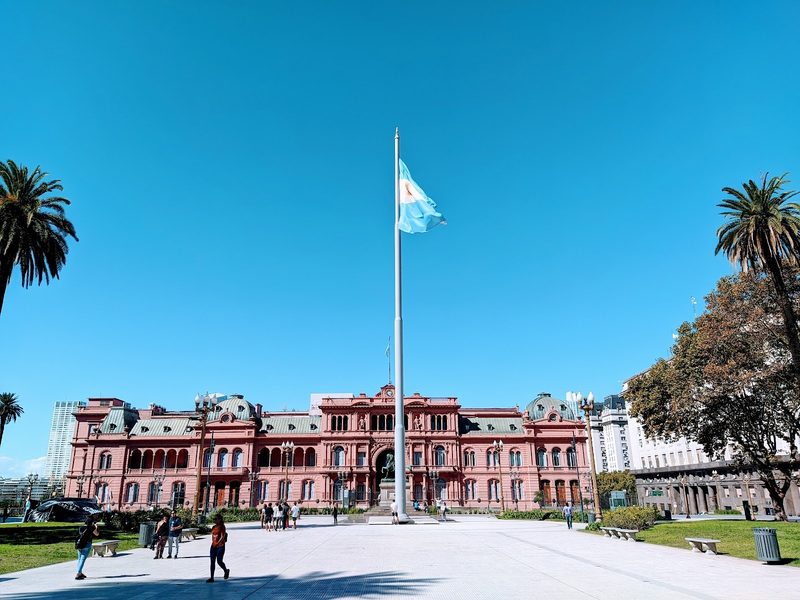
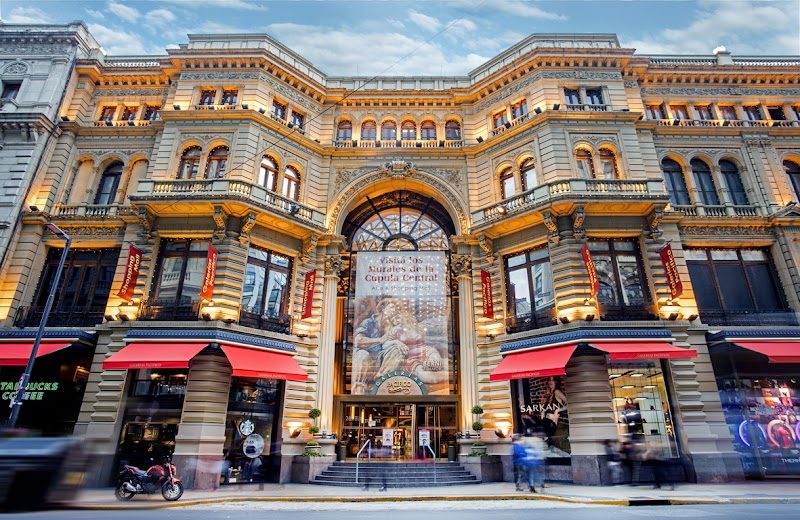
The city's full name, Ciudad Autónoma de Buenos Aires, is a capital city of 3 million people located on the southern bank of the La Plata River. But if you count the metropolitan population, it jumps to 15 million. They call it the Paris of South America — Avenida de Mayo's Beaux-Arts buildings, wide boulevards, and cafe culture deserve this nickname. But this Paris has tango bars underground, Maradona graffiti on its streets, and the best steak in the world in its cuisine.
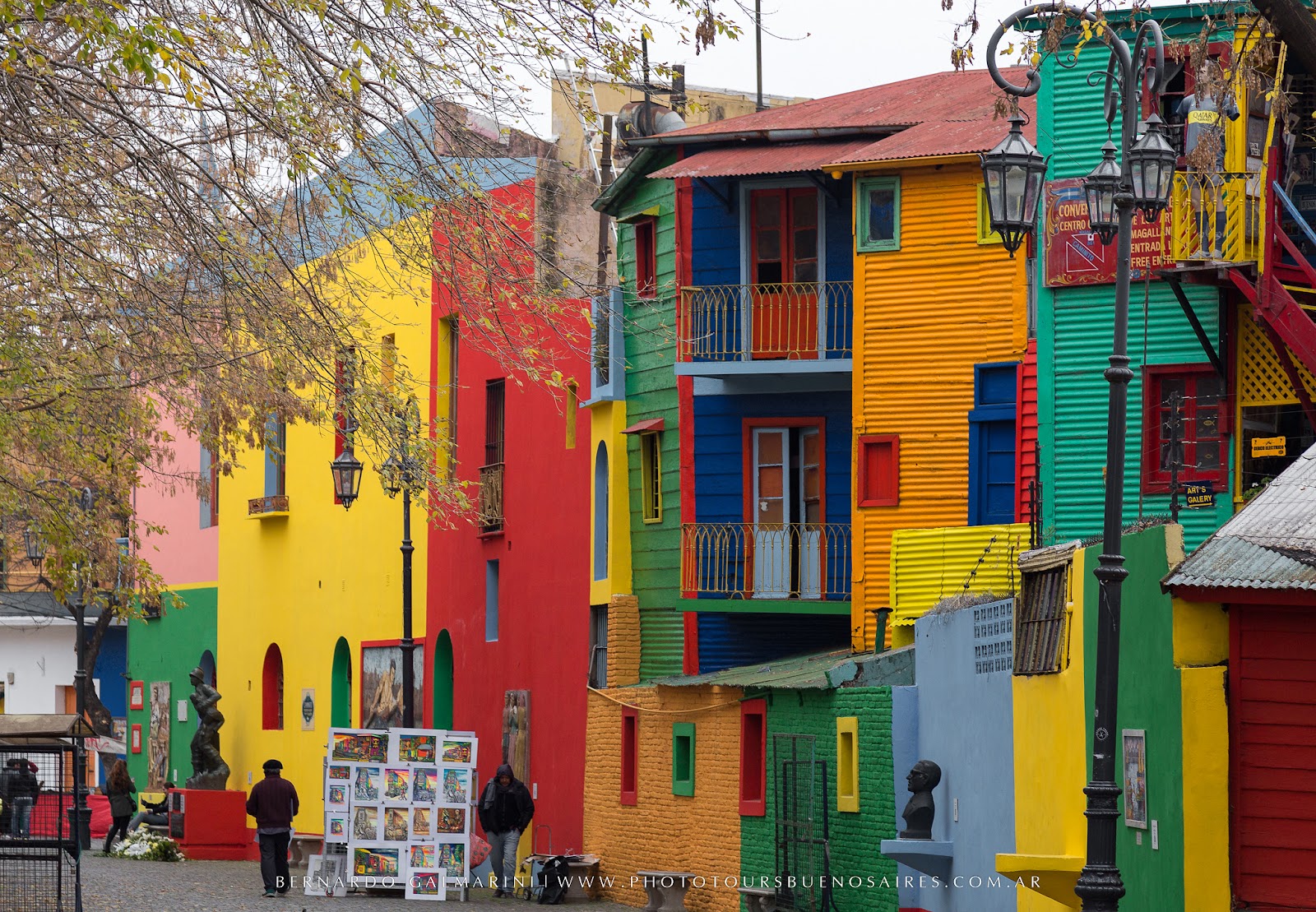
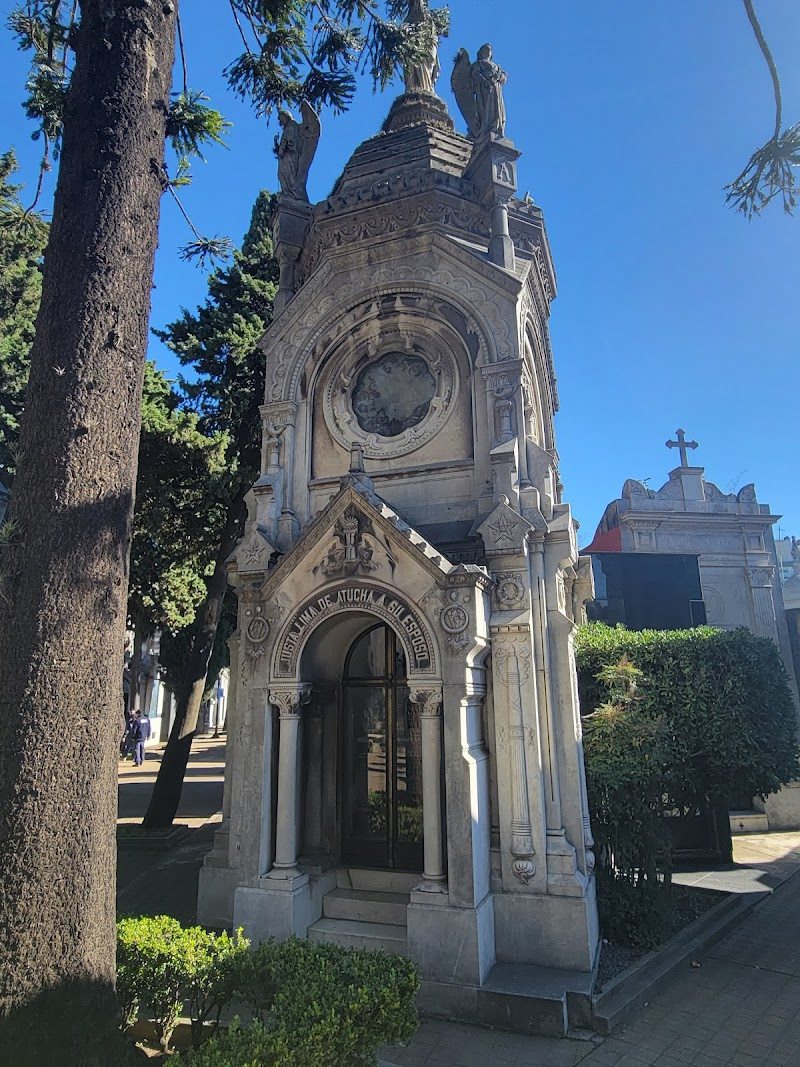
The magic of Buenos Aires is hidden in contrasts. You feel like you are in Europe when you walk among the marble sarcophagi in Recoleta, and half an hour later you are in the heart of Latin America among the tin houses of La Boca. The glass towers of Puerto Madero shine like Wall Street, while 10 minutes away, an 80-year-old man plays the accordion on the cobblestone streets of San Telmo. And Palermo - Karaköy, Beyoğlu and Cihangir of Buenos Aires at the same time. Graffiti walls, third wave coffee shops, boutique shops and a parilla (steakhouse) on every corner.
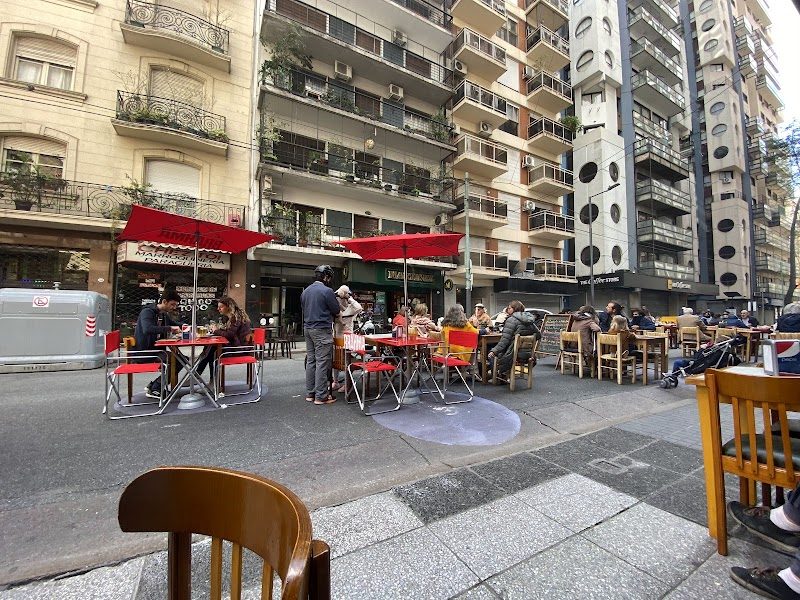
Argentinians are people who adore food, go to bed late, talk a lot and live football like a religion. Dinner is not eaten before 21:00, one cannot go to a nightclub before midnight, and the week does not end without having an asado (barbecue) at the family table on Sunday. Drinking mate is a ritual — people walking down the street with thermos and mate containers are everywhere. And tango is not just a dance, it is a way of life. At the age of 80, couples are still on the dance floor at milongas.
It seems far away from Istanbul, but Buenos Aires is a city that Turkish travelers can love. The food culture is strong, the people are friendly, the prices are affordable (the dollar/euro is very valuable thanks to the peso crisis), you can stay for 90 days without a visa, and gesturing is universal even if you don't speak Spanish.
When to Go
Buenos Aires is in the southern hemisphere, so the season is exactly opposite to Türkiye. Our summer is their winter, our winter is their summer. Turn this over in your mind and make a plan.
March - May (Autumn): The golden age of Buenos Aires. The weather is 15-22 degrees, the leaves are yellow-orange, the parks are a riot of colors. Humidity is low, rain is low. Hotel prices are reasonable. If you are going for the first time, target this period.
June - August (Winter): Between 5-15 degrees, similar to Istanbul winter but more humid. In August there is the Buenos Aires Tango Festival — the largest tango event in the world. Despite the cold, the festival season is amazing. Hotel prices are low.
September - November (Spring): Jacaranda trees paint the city with their purple flowers, especially in November. The weather is getting warmer (15-25 degrees), outdoor activities begin. There is a Jazz Festival in November. It's as good an alternative as autumn.
December - February (Summer): 28-35 degrees, humid and hot. Argentines go on vacation, the city gets a little emptier. Some restaurants may be closed in January. If you want a beach, you can take a 1-hour ferry to Uruguay's Punta del Este. But it's hot and sweltering for a city tour.
Short answer: Go March-May or September-November. If you want a tango festival, aim for mid-August. Avoid summer months (January-February).
How to get there
There are no direct flights from Istanbul to Buenos Aires — at least one layover is required. Flight duration is between 18-24 hours including transfer.
Most common routes:
- Turkish Airlines + Aerolíneas Argentinas: Istanbul → São Paulo → Buenos Aires. THY flies direct to São Paulo (about 13 hours), from there to Buenos Aires 3 hours.
- Iberia: Istanbul → Madrid → Buenos Aires. Transfer from Madrid is 13-14 hours.
- Air France / KLM: Istanbul → Paris/Amsterdam → Buenos Aires.
- Emirates: Istanbul → Dubai → Buenos Aires (via São Paulo). Long but comfortable.
- Ethiopian Airlines: Istanbul → Addis Ababa → Buenos Aires (via Brazil). Budget friendly but very long.
The average round-trip ticket price for economy class varies between 600-1,000 EUR. The best prices are found in June-August (Buenos Aires winter) and with early booking. The end of December and the Carnival period are the most expensive.
Landing in Buenos Aires: Ezeiza International Airport (EZE), 35 km from the city center. Your transportation options:
- Tienda León shuttle: 45-60 minutes, ~15,000 ARS (~15 USD). Reliable, comfort.
- Taxi/Remis: Official taxis from the airport cost 20,000-30,000 ARS (~20-30 USD). No taximeter, fixed price.
- Transfer (booked in advance): 25-40 USD. The most comfortable option, especially for night landings.
- Bus (Línea 8): Cheapest but takes 2 hours and difficult with luggage. I do not recommend.
Tip: Buenos Aires also has Aeroparque Jorge Newbery (AEP) airport — domestic flights and some regional flights (Uruguay, Brazil) depart from there. Only 15 minutes to the city center, very practical.
Urban Transportation
Buenos Aires is a big city, but transportation is much more regular and cheaper than Istanbul. SUBE card is the key to everything.
SUBE Card: The only card valid on metro, bus and train. It can be purchased from kiosks or metro stations, around 2,000 ARS. You top up your balance and each ride is automatically deducted. Transportation in Buenos Aires is almost impossible without a card, there are no buses that accept cash.
Subte (Metro): 6 lines (A-H), covering the city center well. Line A is one of the oldest subways in the world (1913!), its wooden wagons are still working. Single ride is ~700 ARS (~0.70 USD). Punctual, clean, safe. Working hours: Monday-Saturday 05:00 - 23:00, Sunday 08:00 - 22:00.
Colectivo (Bus): More than 150 lines go to every corner of the city. SUBE card is mandatory. ~500 ARS (~0.50 USD) boarding. There are lines working 24 hours a day. Google Maps shows route and stop information.
Taxi: Black and yellow taxis are everywhere. Taximeter works, is reliable. The average trip within the city is 5,000-15,000 ARS (5-15 USD). Uber also exists, but its legal status is gray — taxi drivers hate Uber. Cabify is the less problematic alternative.
Bicycle (EcoBici): Free city bike system! Download the application, register, buy a bike from the stations. 30 minutes free, small fee if you extend. Bicycle paths are good in Palermo and Recoleta.
Walking: Buenos Aires is a flat city, very suitable for walking. The San Telmo → Puerto Madero → Microcentro → Recoleta line is a nice walking route. But distances can be long — comfortable shoes are a must.
Golden rule: Get a SUBE card, use metro + bus combo, walk short distances, take a taxi or Cabify at night. Ideal for bike parks and Palermo.
Accommodation Regions
Where you stay in Buenos Aires depends on your travel style. Here are the main regions:
Palermo Soho / Palermo Hollywood: The most popular tourist area and yet authentic. Bars, restaurants, boutiques, cafes are all here. Shopping during the day, life at night. There is something for every budget, from hostel to boutique hotel. 20-150 USD per night.
San Telmo: Bohemian, artistic, with tango. The atmosphere of old Buenos Aires. The market festival on Sundays is great. There are plenty of hostel and Airbnb options. 15-80 USD per night.
Recoleta: The most stylish district of Buenos Aires. Luxurious hotels, beautiful parks, museums. Nightlife is quiet but cultural activity is intense. 50-250 USD per night.
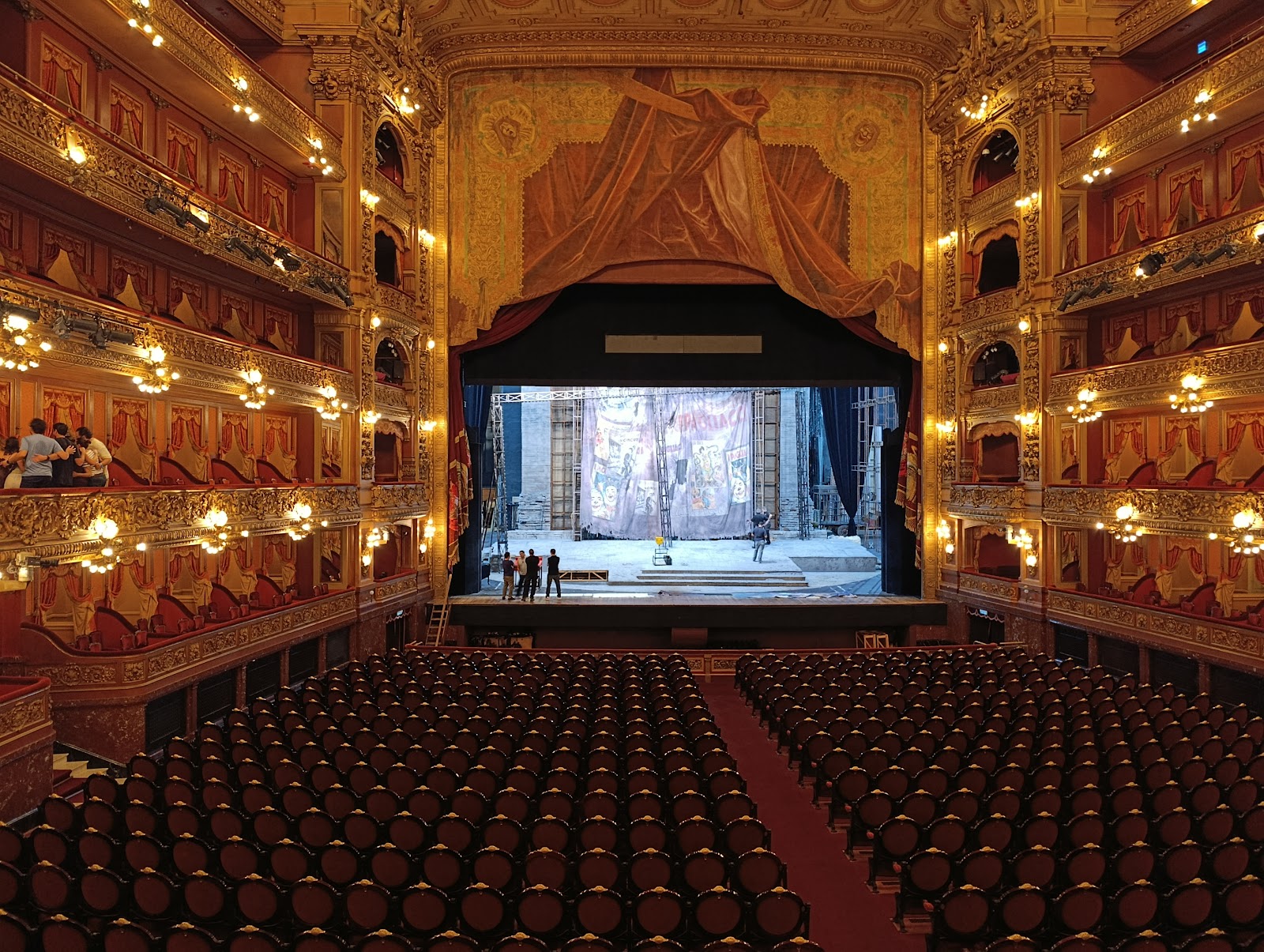
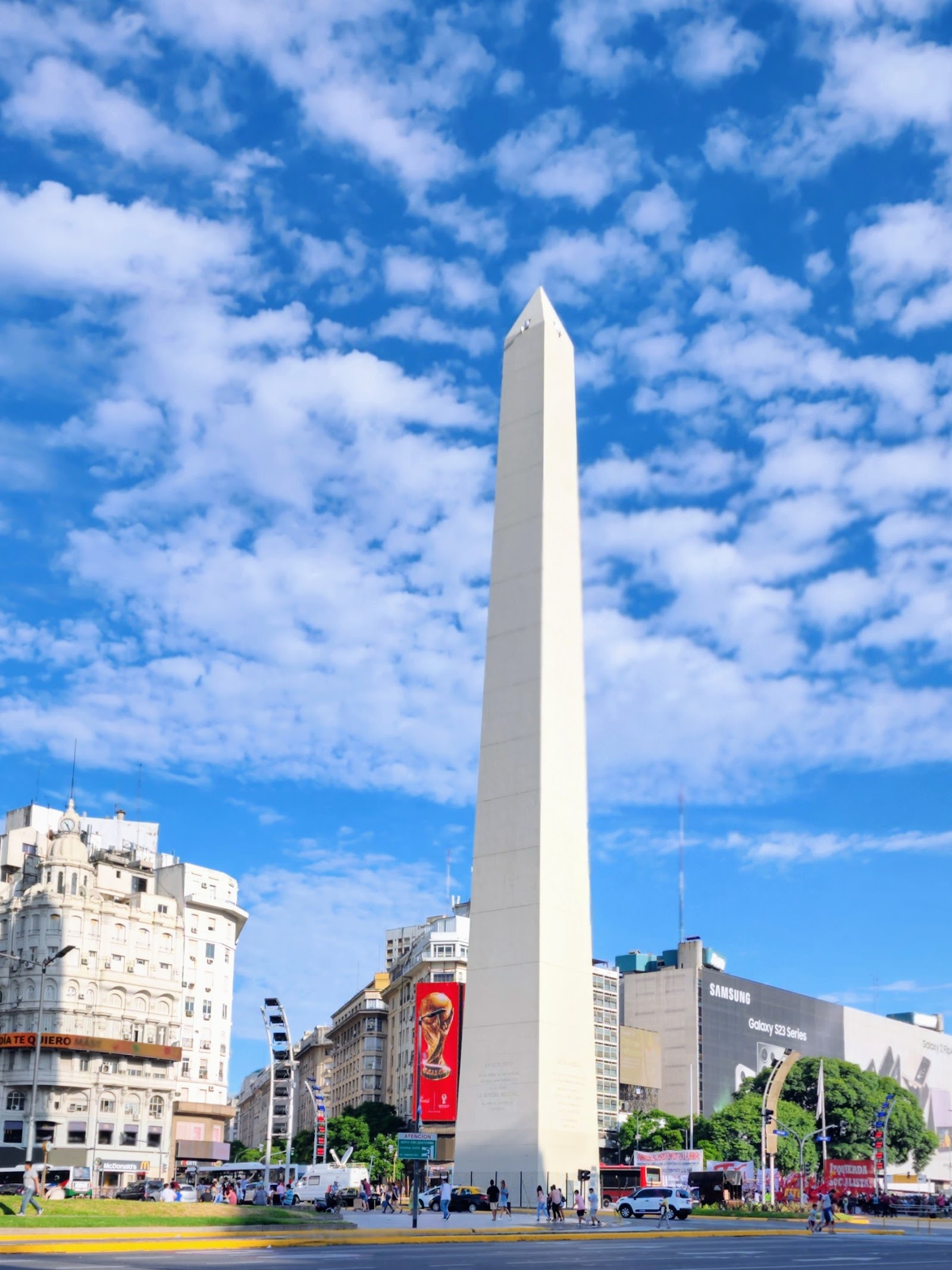
Microcentro / San Nicolás: Business district, hotels are affordable. Obelisco, Teatro Colón, Calle Florida are here. He's off on weekends. 25-100 USD per night.
Puerto Madero: Modern, expensive, safe. Luxury hotels with river views. But the nightlife and local atmosphere are zero. 80-300 USD per night.
Recommendation: Palermo Soho (most choice) if you're going for the first time, San Telmo if you're on a budget, Recoleta if you're looking for a romantic getaway, Microcentro if you're traveling for business.
Budget Plan
Buenos Aires is extremely affordable for European and American travelers, thanks to Argentina's economic crisis and peso devaluation. You can live very well with dollars and euros.
Important note — Exchange rate: There are two different exchange rates in Argentina: the official exchange rate and the "blue dollar" (blue dollar / dólar blue). The blue dollar is much higher than the official rate and is valid on the street / in exchange offices (cueva). Credit cards charge the official exchange rate — so it is much more advantageous to bring USD/EUR in cash and exchange it for blue dollars. As of May 2026, 1 USD is approximately 1,000-1,200 ARS (blue dollar rate).
| Category |
Economical |
Medium |
Luxury |
| Accommodation / night |
15,000 ARS (hostel) |
50,000 ARS (3-4*) |
200,000 ARS+ (5*) |
| Meal/day |
15,000 ARS (street + restaurant) |
40,000 ARS |
120,000 ARS+ |
| Transportation / day |
3,000 ARS (metro + bus) |
10,000 ARS (metro + taxi) |
40,000 ARS (taxi/remis) |
| Activity / day |
5,000 ARS |
15,000 ARS |
50,000 ARS+ |
| 3 days total |
~114,000 ARS (~115 USD) |
~345,000 ARS (~345 USD) |
~1,230,000 ARS (~1,230 USD) |
Yes, you can have a great time in Buenos Aires for 30-40 USD per day. A steak dinner at the parrilla costs 15-25 USD, a cocktail costs 5-10 USD, and a metro ticket costs 0.70 USD. It can be cheaper even from Istanbul.
Tip: Bring cash USD or EUR, exchange it at the blue dollar rate. Use your credit card only for major hotels and international restaurants. Even Western Union gives an exchange rate close to the blue dollar.
Practical Tips
- Bring cash USD/EUR. The blue dollar exchange rate in Argentina is much more advantageous than the official exchange rate. Carry 500-1,000 USD in cash and exchange it there. Credit cards charge the official exchange rate, so 30-50% loss.
- Get SUBE card first thing. Cash is not accepted on the metro and bus. Pick up from the kiosk or metro station and top up your balance.
- Even if you don't speak Spanish learn "una mesa para dos" (table for two), "la cuenta" (calculation), "gracias" (thanks), "cuánto cuesta" (how much). English works in Palermo and Recoleta, it is difficult in other neighborhoods.
- Dinner should not be eaten early. Restaurants open at 20:00, but Argentines sit down at 21:00-22:00. When you go at 19:00, you find it completely empty and the waiters give you a "oh, they came early" look.
- Nightlife starts late. Go to bars at 00:00 and clubs at 02:00. If you go at 23:00, you will wait alone in front of the door.
- Fernet con Coca-Cola The national drink of Argentina. It's weird to taste, but try it — you'll either love it or be disgusted, there's no middle ground.
- Mate is everywhere. Everyone drinks mate in the park, on the street, in the office. If someone is offered mate, don't refuse — it's a cultural ritual of sharing.
- Security: Buenos Aires is generally safe, but beware of pickpockets. Don't keep your phone in sight (especially in the subway and in crowds). Don't go outside the tourist area in La Boca. When walking at night, do not leave the main streets.
- Socket type: Mixture of Argentinian socket Type C (European) and Type I (Australian style). Bring a multi-purpose adapter, some outlets take both.
- Tap water: Tap water in Buenos Aires is drinkable but tastes chlorinated. Bottled water is affordable everywhere.
- Wi-Fi: Cafes and restaurants usually have free Wi-Fi. There is also a free municipal network called BA WiFi in the city (slow but functional). It is more practical to buy an eSIM or a local SIM — you can get a 30-day package from Personal, Claro or Movistar for 10-15 USD.
- Tip: 10% standard in restaurants. Leave cash — credit card tipping system is not common.
Travel Guide with Children
Buenos Aires is a surprisingly enjoyable city for families with children. Argentinians love children — if you come to a restaurant with a baby, the waiter will shout "ay que lindo!" He runs to you, holds you in his arms, and chats with you. Late meal times may be challenging at first, but children also get used to this rhythm.
Recommendations by Age Group
0-3 years: The metro is stroller friendly (there are elevators, but not at every station). The Bosques parks in Palermo are wide and flat, ideal for strollers. There are treatment rooms in large shopping malls (Alcorta Shopping, Alto Palermo).
4-7 years old: Museo de los Niños (Children's Museum, in Abasto shopping center) is a favorite of this age group — they experience a profession in a miniature city. Bird watching and hiking in the ecological reserve (Reserva Ecológica) is nice.
8-12 years old: The colorful streets of La Boca and the La Bombonera stadium tour will drive football-loving kids crazy. Planetario (planet house) in Palermo. Street performers in the San Telmo market are interesting.
Ages 13+: Palermo Soho shopping, graffiti tour, ice cream contest (Freddo vs. Rapanui), tango lesson (yes, teenagers can do it too).
Top 5 Kid-Friendly Activities
Museo de los Niños (Abasto) — Interactive children's museum inside Abasto Shopping. They act in miniature places such as supermarkets, banks and TV studios. Ideal for ages 2-12. Air-conditioned, rainy day plan.
Bosques de Palermo + Rosedal — Giant parks, lake, pedal boat, playgrounds. Fish feeding in Japan Garden. There is also bike rental. Free and spacious.
Reserva Ecológica Costanera Sur — 350 hectares of nature reserve right next to Puerto Madero. Birds, turtles, iguana. Children can run easily on flat walking paths.
La Bombonera Stadium Tour — For football-loving kids (and parents). Boca Juniors museum, visiting the stands. Going on match day is a different experience, but it can be crowded with young children.
Planetario Galileo Galilei — Inside the park of Palermo. Sky shows, space exhibition. The building itself is also retro-futuristic and photogenic.
Practical Information
Baby stroller: Buenos Aires sidewalks are smooth, strollers can be used. But some of the old streets (San Telmo) are cobblestone — the carrier is more comfortable here.
Kids menu: Most restaurants have “menú infantil” — milanesa (schnitzel), fideos (pasta), papas fritas (french fries). The steak portion is huge, ask for a half portion (media porción).
Children's discounts: Metro is free for children under the age of 4. Museums often offer children free or half price. Tango shows are free for children under the age of 5.
Toilet: Clean and free in shopping malls and cafes. Variable in parks and metro stations.
Warnings
- Dinner hours are late for children. Find a restaurant to eat at 20:00, do not wait for Argentinian time (21:30).
- Nightlife is not suitable for families with children — plan to return early.
- Do not go outside the tourist area in La Boca, be especially careful with children.
- Sunscreen and hat Argentina's ozone layer is thin — UV is very strong, especially in summer.
Local Label and Culture Notes
Argentines are the most European community in Latin America. Italian and Spanish immigrants make up the vast majority, and this cultural DNA permeates everything — the food, the architecture, the gestures, the habit of raising one's voice.
Kiss greeting. In Argentina, the greeting whether you have met or not is a kiss on the cheek (beso). It is done by men-women, women-women, even when meeting. Male-male usually shake hands + back shake. Don't be surprised if someone comes towards your face while you hold out your hand and wait.
The concept of time is flexible. If you are told "Let's meet at 9 o'clock", calculate 9:30-10:00. It's a cultural thing, it's not considered rude. But tourist tours and restaurants are usually on time.
Football is sacred. The question of River Plate or Boca Juniors is as serious as the question of religion. When they ask which team you support, stay neutral or say "I'm from Galatasaray" — they'll laugh and love you. Superclásico (derby) talk is everywhere.
There is no rush to eat. Lunch takes 1-2 hours, dinner takes 2-3 hours. The bill doesn't come without being asked for — you have to look the waiter in the eye and say "la cuenta, por favor." Rushing is considered rude.
Mate sharing. If someone offers you mate, don't refuse — it's an expression of trust and friendship. Everyone drinks from the same bombilla (metal straw), you have to get used to it. Don't stir the mate and say "gracias" (which means "I don't want it anymore"), give it back when you've finished the water.
Blue dollar talk. Argentinians love to talk (or rather, complain) about the economy. Exchange rate problem, inflation, dollar exchange rates are ordinary topics of conversation. But be careful about politics — the Peronist/anti-Peronist debate is very deep and emotional.
Tipping: It is standard to leave 10% of the bill in cash at the restaurant. Tipping is not mandatory in taxis, but it is paid in rounds. 1,000-2,000 ARS to hotel carrier.
FAQ
How many days to visit Buenos Aires?
Minimum 3 days, ideal 5-7 days. You can fit the historical center, a parrilla, a milonga and Palermo in 3 days. In 7 days you explore all the neighborhoods, go to multiple milongas, and add a day trip to Tigre or Colonia del Sacramento (Uruguay).
How to get to Buenos Aires from Istanbul?
There are no direct flights. The most common routes: connecting to São Paulo with THY, connecting to Madrid with Iberia or connecting to Paris/Amsterdam with Air France/KLM. Total flight time is 18-24 hours. Round trip costs between 600-1,000 EUR.
Do I need an Argentine visa?
No! You can enter without a visa for up to 90 days with a Turkish ordinary (maroon) passport. Your passport must be valid for at least 6 months.
Is there a language problem?
In Buenos Aires, English is used in the tourism sector and in Palermo/Recoleta, but in general, knowing Spanish is very useful. Download Google Translate offline Spanish package. Learn a few words: hola (hello), gracias (thank you), cuánto cuesta (how much), la cuenta (account), muy rico (so delicious).
Is Buenos Aires safe?
Generally safe but beware of pickpockets. Don't keep your phone in sight in the subway, don't go out of the tourist area in La Boca, don't leave the main streets at night. In a taxi, use the official yellow-black taxi or Cabify.
What does blue dollar mean?
In Argentina, there is an official exchange rate and a parallel (blue) dollar exchange rate. The blue dollar is much higher than the official rate. If you bring USD/EUR in cash and exchange it at the exchange offices at the blue dollar rate, you will shop much more advantageously. Credit cards charge the official exchange rate.
Where to eat the best steak?
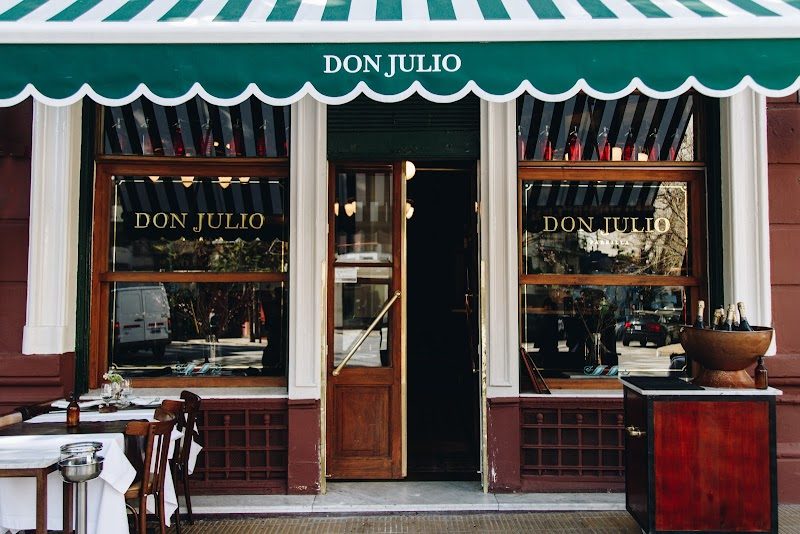
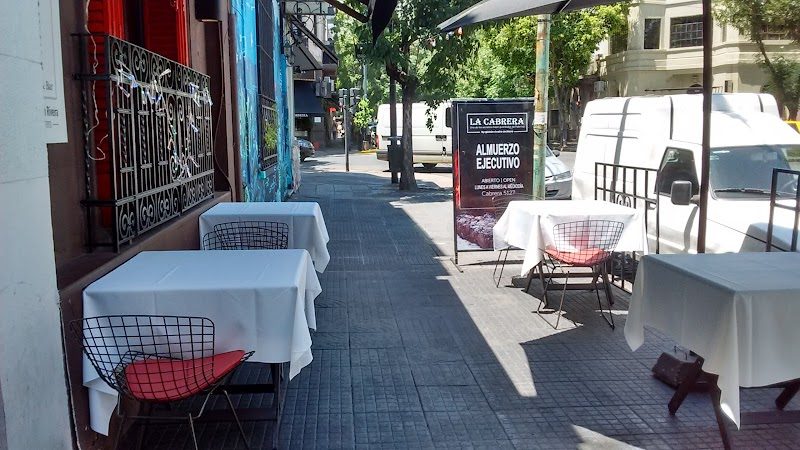
Don Julio (on the world list), La Cabrera (famous for its side dishes), La Brigada (in San Telmo). Ask for bife de chorizo (tenderloin) or ojo de bife (entrecote), cooking degree "a punto" (medium rare). Argentines know meat well, you won't regret it.
Can I go to a milonga without knowing tango?
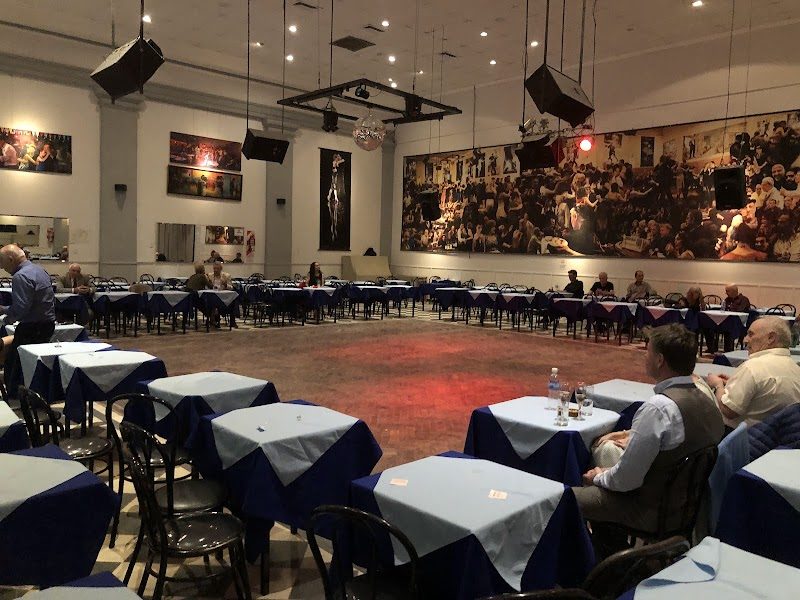
Definitely. Most milongas offer beginner lessons 1-2 hours before starting. Watching is also completely acceptable. Milongas such as La Catedral and Salon Canning are open to both spectators and beginners.
Why is Argentine pizza different?
Pizza, brought by Italian immigrants, evolved in Argentina — thick dough, lots of cheese (they call it muzzarella), little sauce. They put fainá (chickpea flour pita) on top. There is also pizza a la piedra (thin crust), but the classic Argentinian pizza is the thick one.
Where to go on a day trip from Buenos Aires?
Tigre (river delta, 1 hour by train), Colonia del Sacramento, Uruguay (1 hour by ferry, visa-free), San Antonio de Areco (gaucho town, 2 hours).