About
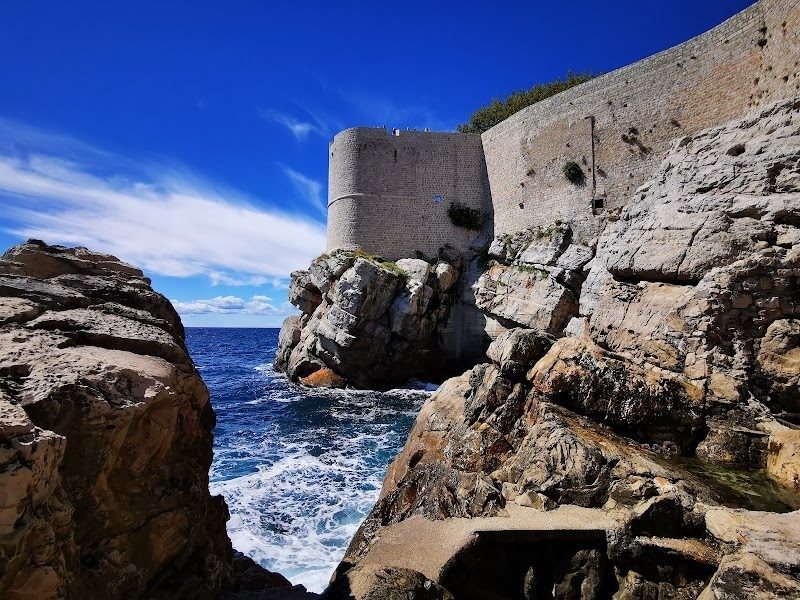
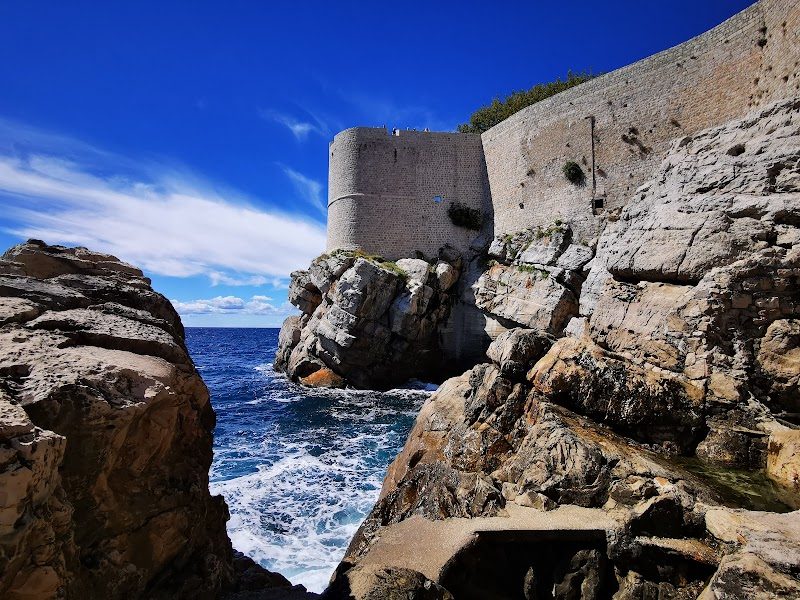
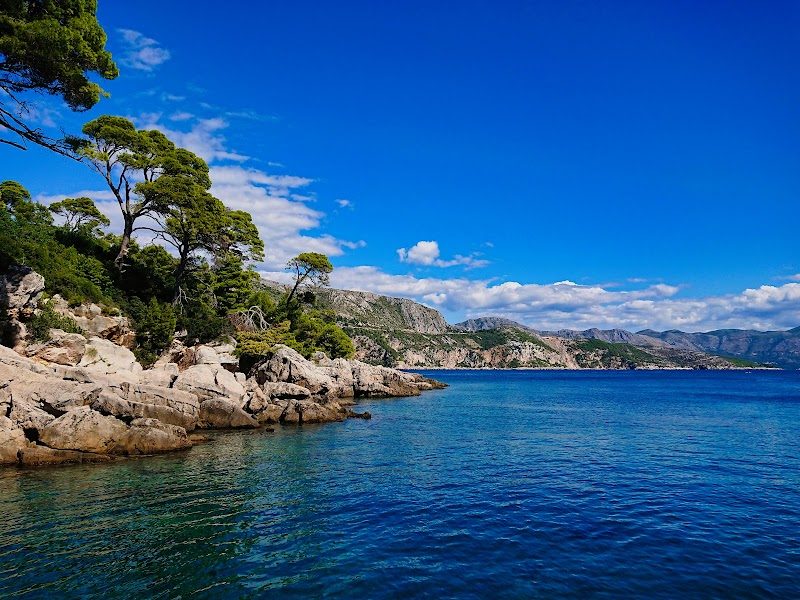
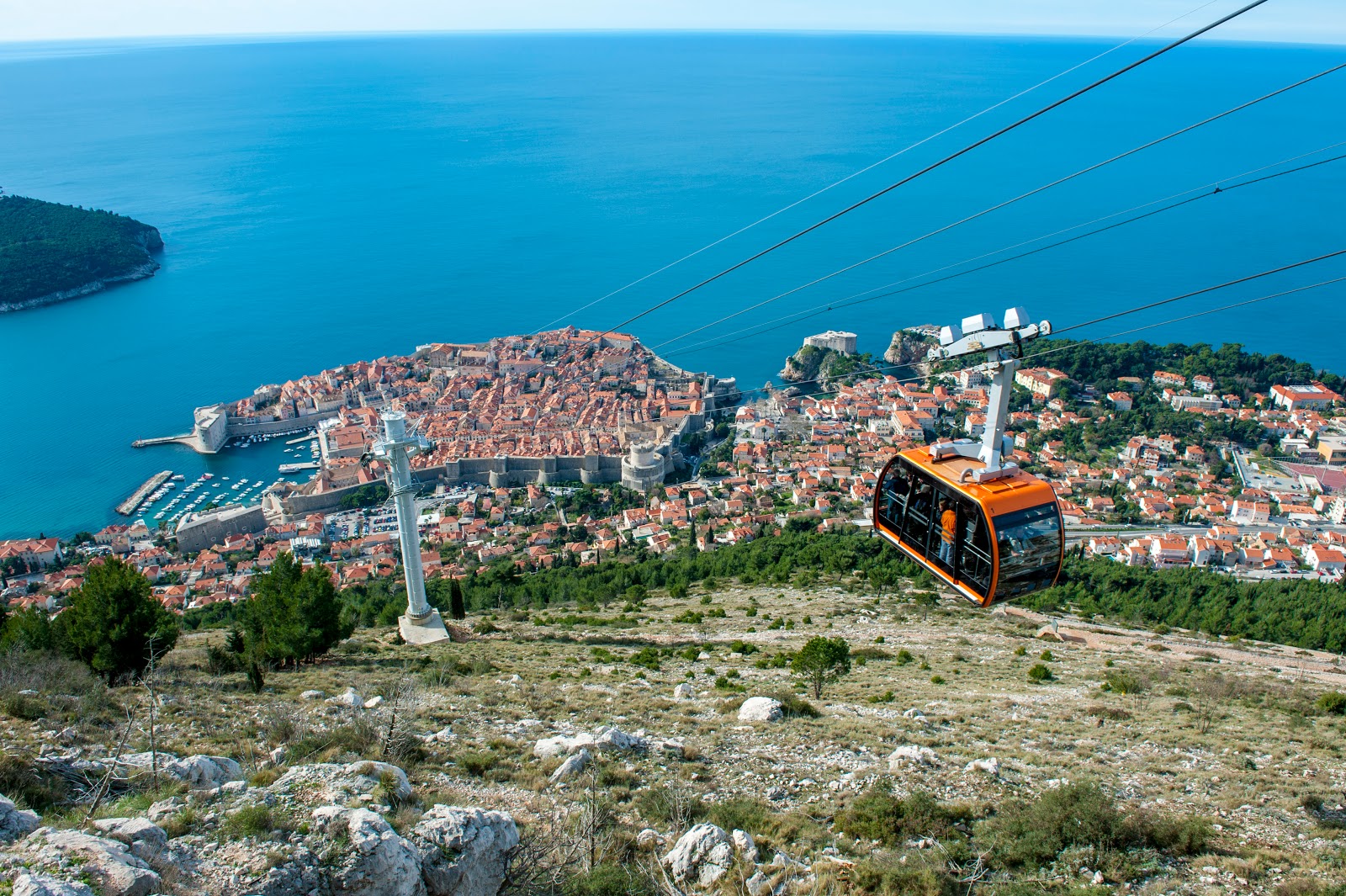
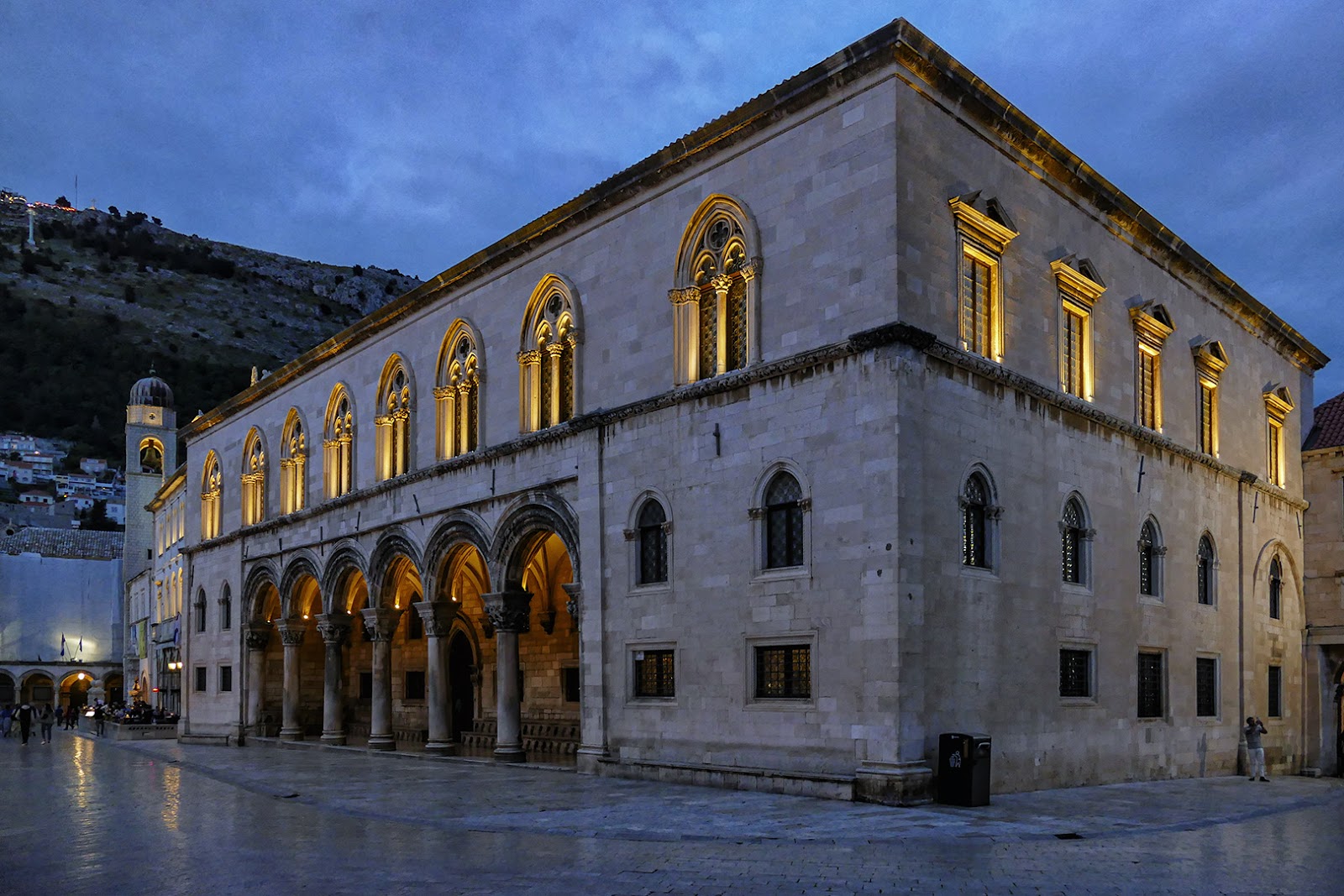
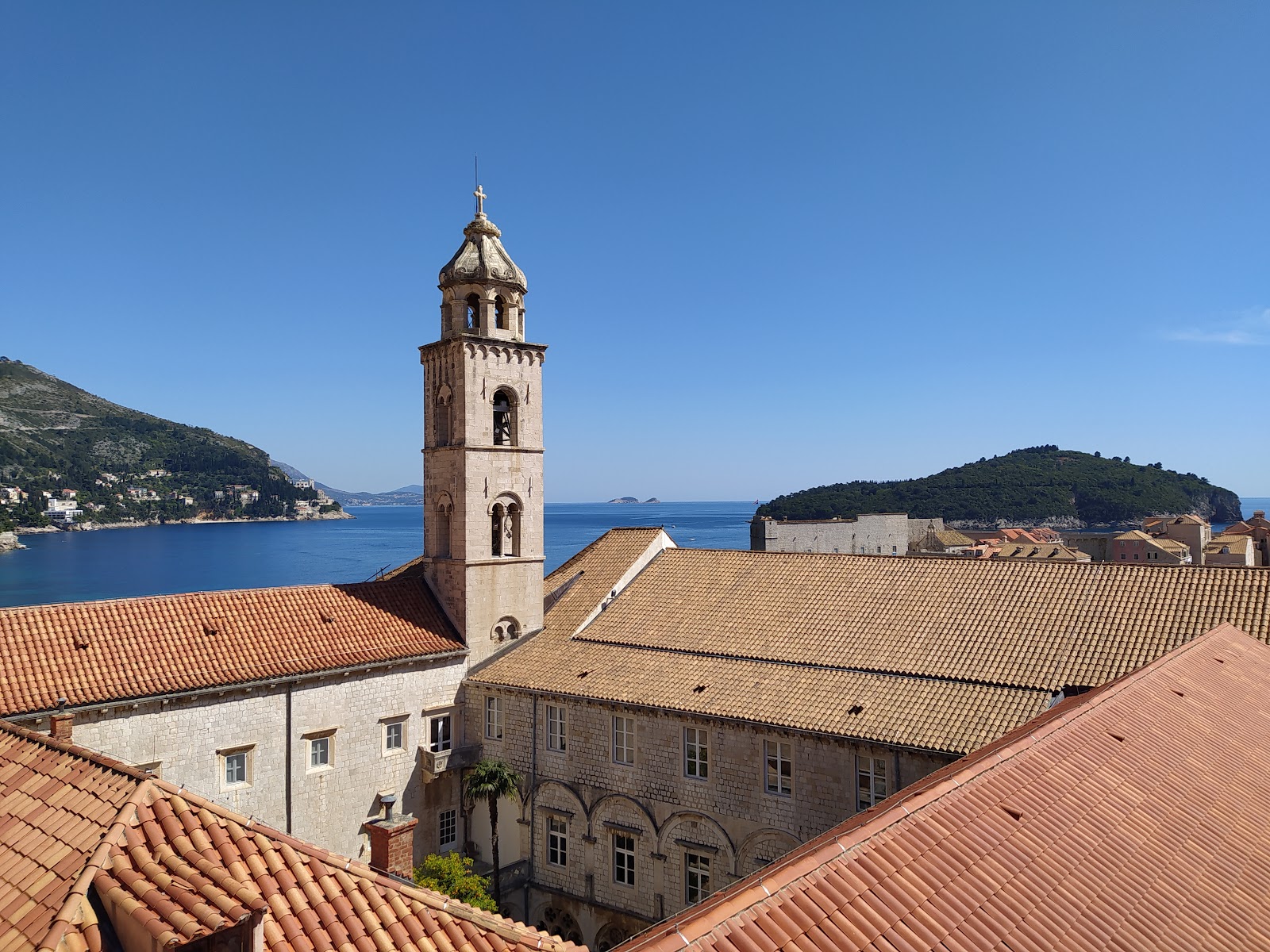
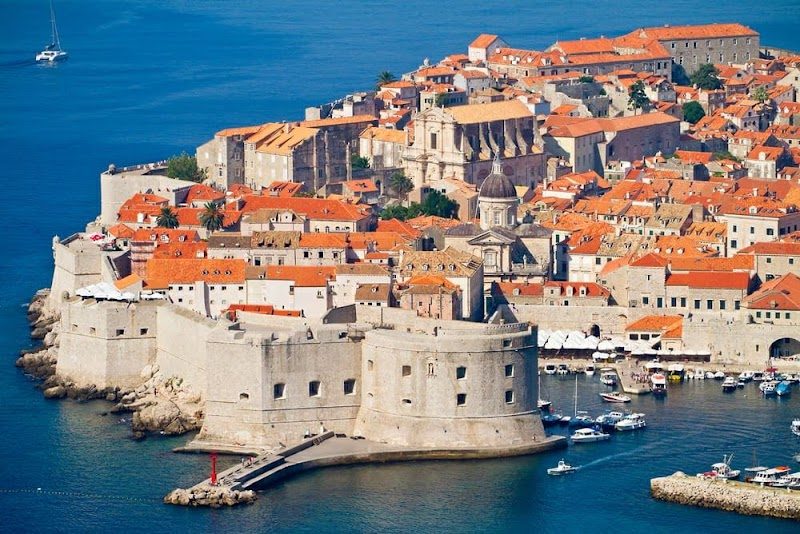
When you first see Dubrovnik, you stop and stare. That impossible blue of the Adriatic, orange roofs, huge walls and mountains in the background — it's like someone turned the contrast of the landscape photo up to full blast, but no, it's really like that. George Bernard Shaw was right: "If you are looking for paradise, look at Dubrovnik." Okay, it's a bit cliché, but the guy didn't have Instagram when he said this, so he was sincere.
This small city of 42,000 people hosts over 1.5 million tourists a year. Dubrovnik, which exploded around the world with the TV series Game of Thrones, actually has a much older and more real story. The Republic of Dubrovnik (Ragusa) is a place that maintained its independence between Venice and the Ottomans for centuries, had a say in maritime trade, and lived the inscription "Non bene pro toto libertas venditur auro" (Freedom is not sold with gold) on its walls not only as a slogan but as a state policy.
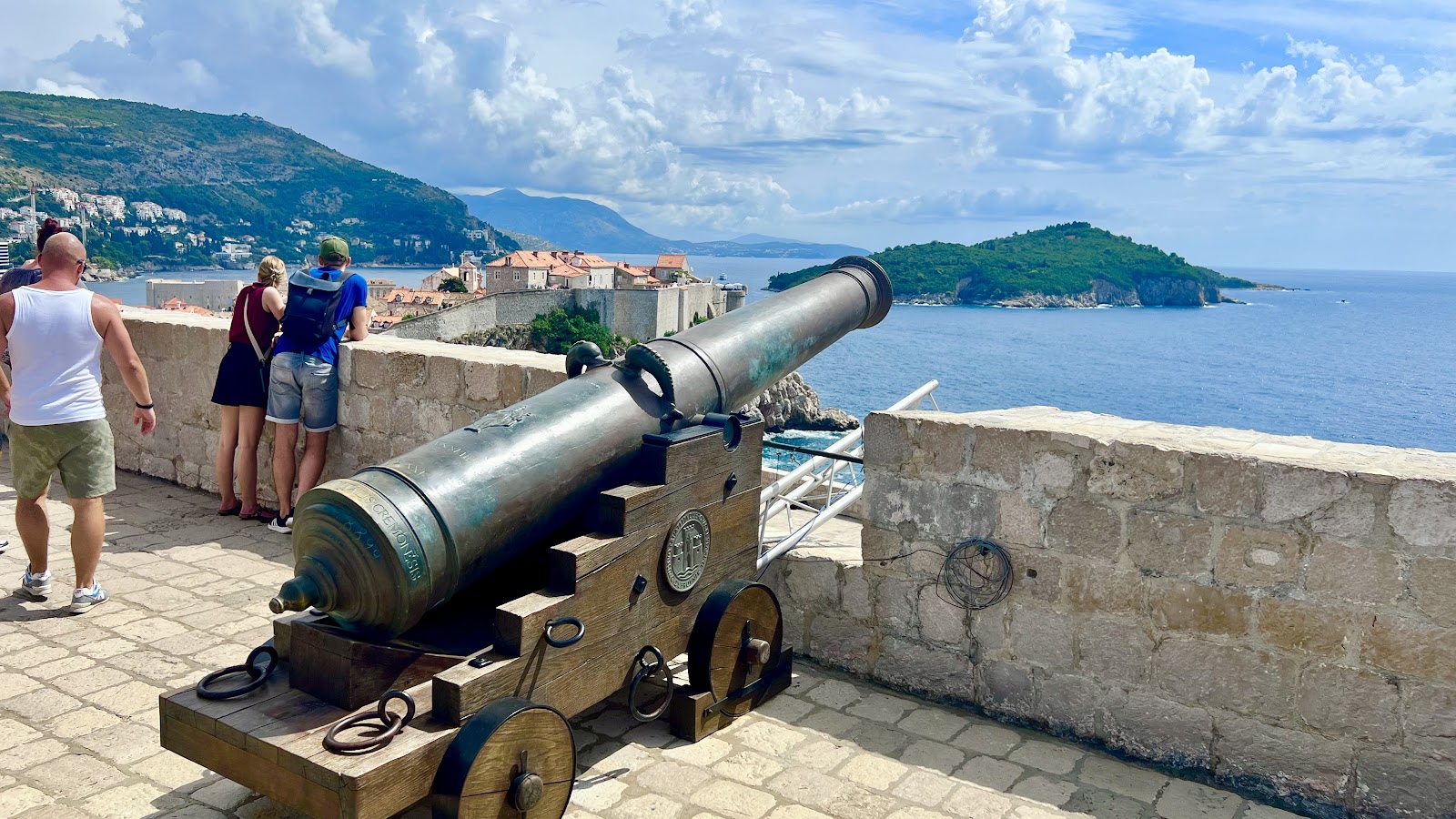
The city, which was subjected to heavy bombardment during the Croatian War of Independence in 1991-92, was restored to its former glory with an incredible restoration work. Today, it is on the UNESCO World Heritage list and those old roofs have been re-laid, one by one, with original clay tiles. As you look from the top of the walls, you'll notice that some tiles are brighter than others — these are the ones that were replaced after the war. There is history in every corner of the city, but this history is not a museum, but a living one.
When to Go
Dubrovnik has a Mediterranean climate, meaning summers are hot and dry and winters are mild and rainy. But the answer to the question "when to go" depends not only on the weather — the crowd factor is very decisive here:
May-June (Early Summer): Golden period. The weather is 20-28°C, the sea is suitable for swimming, and the crowds are still bearable. Prices are 20-30% lower than peak season. The beginning of May may be a little early for the sea, but the weather is perfect for walking. If you are going to go, go during this period.
September-October (Late Summer/Autumn): Its beauty rivals May-June. The July-August crowds have receded, the sea is still warm (23-24°C) and the weather is sunny. The beginning of September is almost like the end of summer, and the evenings get cooler towards the middle of October. Good Food Festival bonus in October.
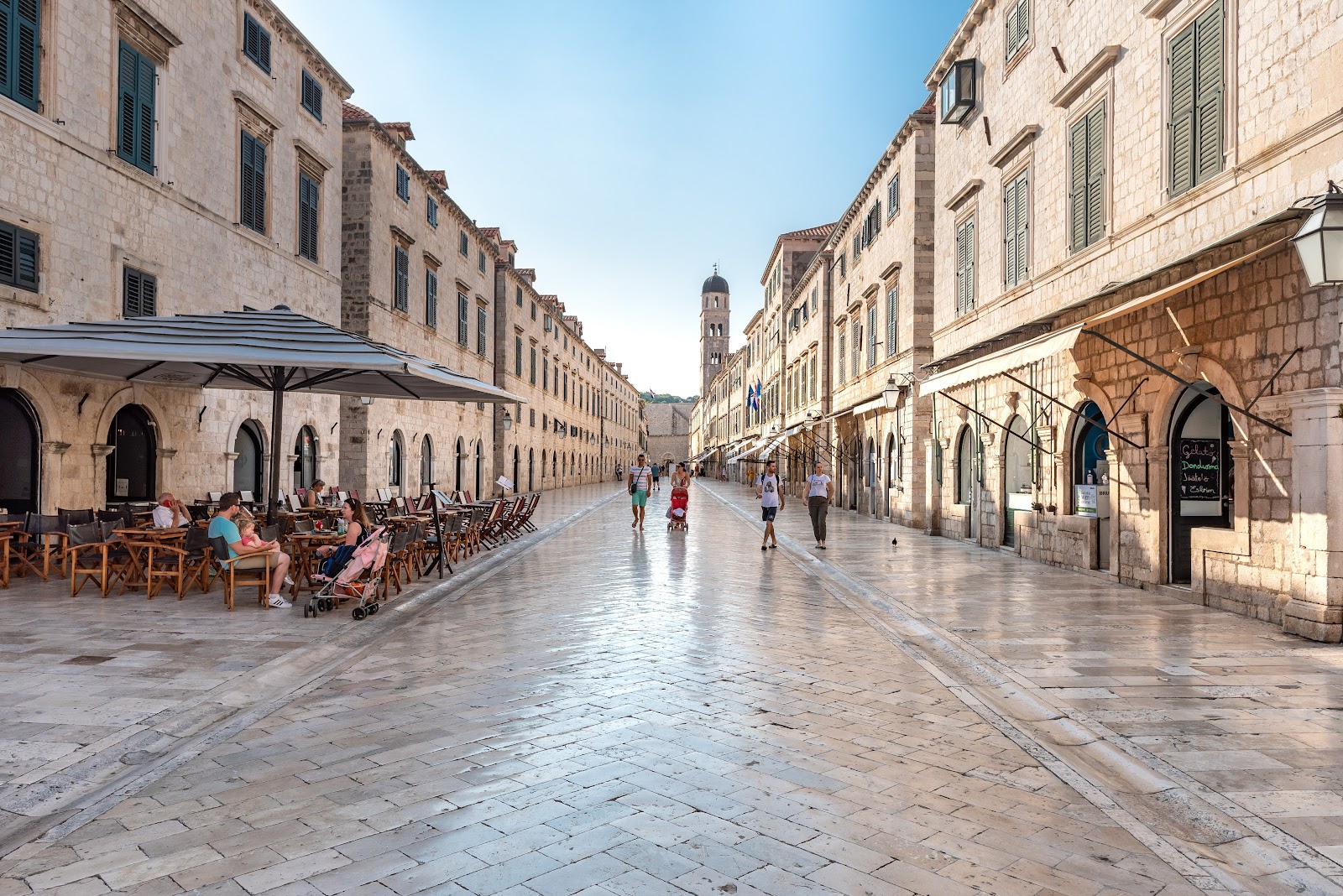
July-August (Peak Season): I warn you, Dubrovnik is really crowded during the summer months. Stradun shoulder to shoulder, sur queue 30 minutes, everything is expensive. Temperature exceeds 35°C, no shade. But the Summer Festival is during this period and the sea is perfect. If you come, start early in the morning and hide at the beach or indoors in the afternoon.
November-March (Winter): Quiet and cheap. Most tourist attractions are open, but hours are limited. There are many rainy days. Winter Festival (November-February) lights up the city. If you want to walk the walls without crowds and can stand the cold, winter is actually the most authentic state of the city.
How to get there
Airline: Dubrovnik Airport (DBV) is in the town of Chilipi, approximately 20 km from the city center. Turkish Airlines (THY) offers direct flights from Istanbul, flight duration is approximately 1 hour and 45 minutes. During the summer season, Pegasus and AJet also offer seasonal direct flights. Early purchased tickets can be found between 120-250 EUR. You can also go with transfer flights (via Zagreb or other European cities), but it is unnecessary when there are direct flights.
Airport - City center transportation:
| Option |
Duration |
Cost |
Note |
| Atlas/Platanus Shuttle |
30 min |
10-12 EUR |
Each flight is planned according to plan and leaves at Pile Gate. The most practical. |
| Bus (Kavat Line 38) |
35 min |
7 EUR |
Slower but cheaper. |
| Taxi / Uber |
20-25 min |
30-40 EUR |
It may be the only option for late night arrivals. |
Important: Uber and Bolt operate in Dubrovnik, but the number of vehicles is low and may cause waiting especially during peak hours in the summer months. Shuttle is the most reliable option.
Urban Transportation
Dubrovnik is a small city and the old town is entirely pedestrian — no cars allowed. This is both beautiful and challenging:
Walking: The Old Town is completely pedestrian zone, everywhere is within walking distance. But the stairs are many, the slopes are steep, and climbing in the summer heat is tiring. Comfortable shoes, definitely.
Bus (Libertas): City buses run regularly between Lapad, Gruž port, Babin Kuk and the airport. Single ticket 2 EUR (from the driver), 1.50 EUR (by kiosk or card). Day pass 7 EUR. Lines 1A and 1B are the most frequently used between Pile Kapısı and Lapad-Babin Kuk.
Taxi: Short distances 8-15 EUR. Vehicles cannot enter the old city, the closest stops are in front of Pile Gate or Ploče Gate. There is Uber and Bolt, but few vehicles.
Water Taxis and Boats: Flights to Lokrum, Cavtat and Elafiti Islands depart from the Old Port. Lokrum 27 EUR round trip.
Car Rental: Unnecessary in the city center, parking is impossible. But Pelješac, Ston, Mostar or Kotor are very logical for day tours. Pick up the vehicles from Gruž Port or airport.
Accommodation Regions
Where you stay in Dubrovnik changes a lot:
Old Town: Inside the walls. Everything is on the doorstep, but the prices are brutal, it's noisy in the summer, and carrying your luggage up the stairs can be a pain (no elevator, no car). There are no big hotels, mostly Airbnb or boutique hostels. Romantic but impractical.
Ploče: East of the walls, close to Banje Beach. Middle-upper segment hotels are concentrated here. Walking distance to the old city, with sea view. Large hotels such as Hilton Imperial are in this region. Price/location balance is best.
Lapad: 3-4 km from the old city, 15 minutes by bus. It has its own beach, marina, walking promenade and plenty of restaurants. Prices can be half as much as Old Town. Ideal for families and long stays.
Babin Kuk: Extension of Lapad, more all-inclusive hotel and aparthotel options. Copacabana Beach is here. For those who want large resort hotels with pools. 20 minutes by bus to the old town.
Gruž: Port area. Budget-friendly options are here. Supermarket, local restaurants and real life. Non-touristy but functional.
Budget Plan (3 days, per person)
| Category |
Backpacker |
Medium |
Luxury |
| Accommodation (2 nights) |
60-100 EUR (Hostel) |
180-350 EUR (3-4★) |
600+ EUR (5★ / Boutique) |
| Transport |
20 EUR (shuttle + bus) |
30 EUR (shuttle + taxi) |
80 EUR (private transfer) |
| Food |
60-90 EUR |
120-200 EUR |
300+ EUR |
| Entrance Tickets |
55 EUR (walls + museums) |
80 EUR (Dubrovnik Card) |
120 EUR (including tour) |
| Nightlife |
20-40 EUR |
50-80 EUR |
150+ EUR |
| Total (3 days) |
215-345 EUR |
460-740 EUR |
1250+ EUR |
Let's be honest: Dubrovnik is not cheap. It is noticeably more expensive than other coastal cities of the Adriatic (Split, Zadar). In the old city, a coffee costs 4-5 EUR, beer costs 5-7 EUR, dinner costs 30-50 EUR per person. But once you go outside the city walls, prices drop significantly. If you're traveling on a budget, stay in Lapad or Gruž, have lunch at the market and supermarket, do the wall walk and a few museums — the rest is free view anyway.
Practical Tips
Buy Dubrovnik Card. There are 1 day (35 EUR), 3 days (45 EUR) and 7 days (55 EUR) options. Including the city wall entrance, museums and buses. Since the Sur ticket itself is 35 EUR, they even issue a 1-day card.
Walk the walls at 08:00 in the morning. In the afternoon, it is crowded and the sun is burning, there is no shade. It takes 2-2.5 hours, take at least 1 liter of water with you. A hat is also a must.
Avoid cruise ship days. 3-4 cruise ships can dock in Dubrovnik at the same time and the city is filled with tourists several times the population. Check the ship arrival schedule by searching "Dubrovnik cruise ship schedule". The city is much more livable on days without ships.
Croatia switched to Euro in 2023. You no longer have to worry about foreign exchange kiosks, you can pay with your card anywhere. Carry some cash for small cafes and stalls.
Get ready for the stairs. The old city is like an amphitheater within the walls — stairs everywhere. Baby strollers are difficult, wheeled suitcases are a disaster. Light bags and comfortable shoes are the golden rule.
Carry a water bottle. You can fill up with free, drinkable water from the Onofrio Fountain (Pile Gate entrance) in the old city. Bottled water in restaurants costs 3-5 EUR.
To escape the crowd: The quietest periods are before 08:00 in the morning or after 18:00 in the evening. Between 11:00 and 16:00 the old city is buzzing.
Take sea shoes. The beaches are pebble and rocky, there is almost no sand (except Šunj Beach). Entering without sea shoes guarantees pain.
Apply plenty of sunscreen. The Adriatic sun is harsh, there is no shade on the walls. Don't go out without SPF 50 and a hat.
Try local wines. Croatian wines are little known in the world, but the quality is very high. Don't leave without trying Plavac Mali (red) and Pošip (white). The Pelješac peninsula is like Croatia's Tuscany.
Travel Guide with Children
Can you go to Dubrovnik with children? You can go, but it takes some planning. The city is full of stairs, the summer heat is harsh and the old town is hostile to the stroller. If you know these and prepare, it is actually a very exciting city for children — walls, castles, islands, jumping from cliffs into the sea, the Game of Thrones story... Adventure-loving children will love it.
Recommendations by Age Group
0-3 years: Challenging period. Baby stroller gets stuck on the stairs in the old city. It makes the most sense to stay in Lapad or Babin Kuk and enjoy it from the beach. Copacabana Beach is shallow and sheltered, suitable for babies.
4-7 years: Lokrum Island is full of adventure with peacocks and the Dead Sea. They can walk part of the walls, but a full tour may be tiring. Cable car climbing up the hill is exciting. Ice cream breaks work as a motivational tool.
8-12 years: The most productive age group. Walking the walls, exploring Fort Lovrijenac, jumping off cliffs into the sea (in controlled areas), touring Lokrum and finding Game of Thrones locations keep kids busy.
Ages 13+: Game of Thrones tour, Elafiti Islands boat trip, skiing and diving activities, jumping into the sea from the cliffs of Buža Bar and the view from the Srd hill attract young people.
Top 5 Kid-Friendly Activities
Lokrum Island — Peacocks, Dead Sea lake, botanical garden and Game of Thrones exhibit. Take half a day or a full day. Bring a picnic.
Srd Hill by Cable Car — Climbing to 778 meters in 4 minutes, panoramic view. Kids love the cable car experience.
Swimming from the Rocks — You can swim from the rocks around Buža Bar (with care). There are safer swimming areas at Banje Beach.
Walls Walk (Partial) — The full 2 km may be difficult for little ones. Walk from Pile entrance to Minčeta Tower (the best part), then get off. Half an hour is enough.
Kajak in the Old Port — Family kayak tours are available with children over 8 years old. Seeing the walls from the sea is a completely different perspective.
Practical Information
Baby stroller: Not possible in the old city, there are stairs everywhere. Use a carrier or backpack. Lapad beach promenade is suitable for strollers.
Children's menu: Most Croatian restaurants have a children's menu. Pasta, pizza and schnitzel are available everywhere. Ćevapi (meatballs) is an option that children love.
Child ticket: Sur entrance is 15 EUR for ages 5-18, free for under 5s. Cable car child ticket is 10 EUR. Buses are free for children under 6 years old.
Toilet: There are paid toilets in the old town (0.50-1 EUR). Toilets in restaurants and cafes are cleaner.
Warnings
- The railings are low on the walls, keep small children at all times. There is serious height.
- Prepare plenty of water and hats before taking your children for a walk in the summer heat. There is a high risk of sunstroke.
- Sea shoes are required on rocky beaches. There are sea urchins, they hurt a lot when pressed.
- Be careful on the stairs at night in the old city, lighting is inadequate in some streets.
Local Label and Culture Notes
Croatians are generally warm and hospitable people, but in Dubrovnik the locals are a bit overwhelmed by the tourist crowds. So you may come across as a bit distant — don't take it personally. You can break the ice with a few Croatian words: "Hvala" (thank you), "Molim" (please/welcome), "Dobar dan" (have a good day). People are very warm when they become friendly.
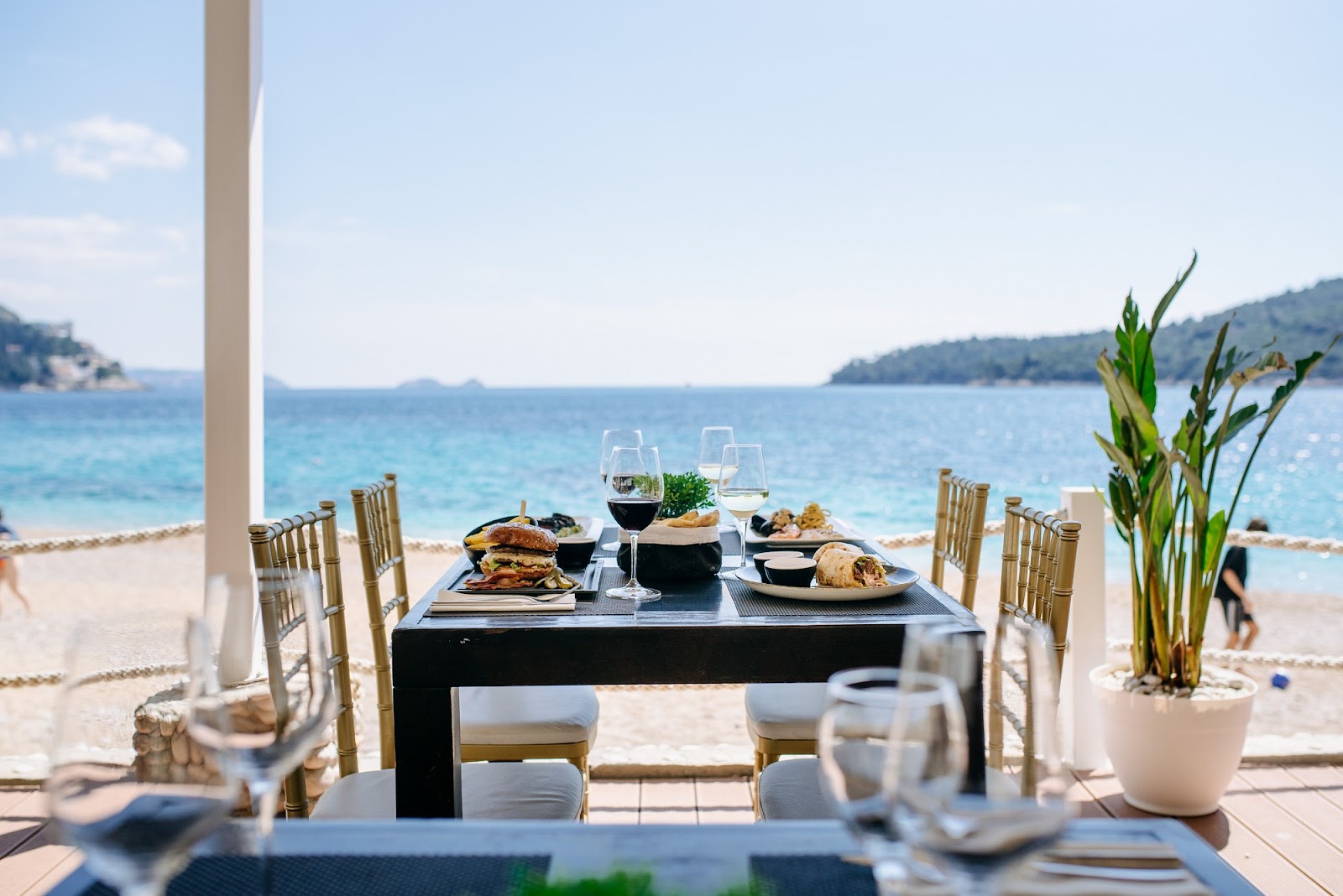
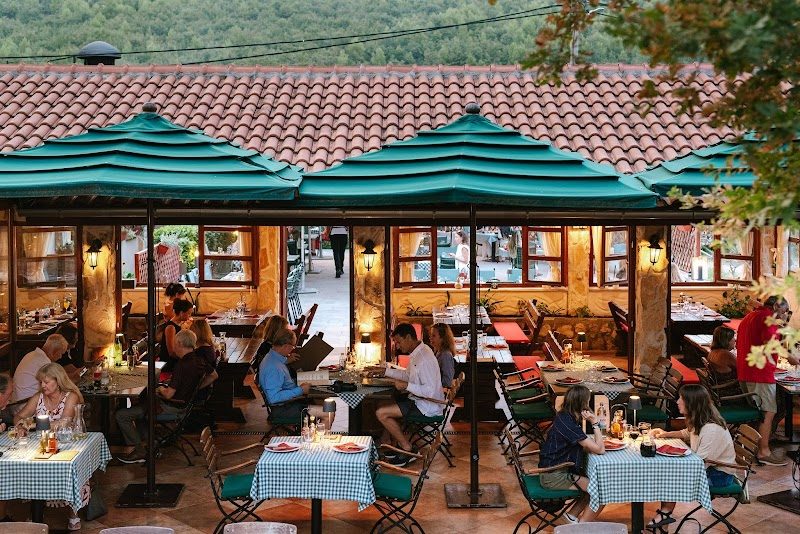
Food culture is a serious issue here. Croatians don't rush their meals — lunch takes at least an hour, dinner takes two hours, and that's normal. Waiters don't rush to bring the bill, they wait until you ask. This is not slowness, it is the understanding that "eating is a matter of pleasure". When you ask for an account, say "Račun, molim" (account please).
Tipping is not required, but leaving around 10% is appreciated. Rounding up the bill (saying 50 EUR if 47 EUR) is the most common method. Tipping is optional in bars.
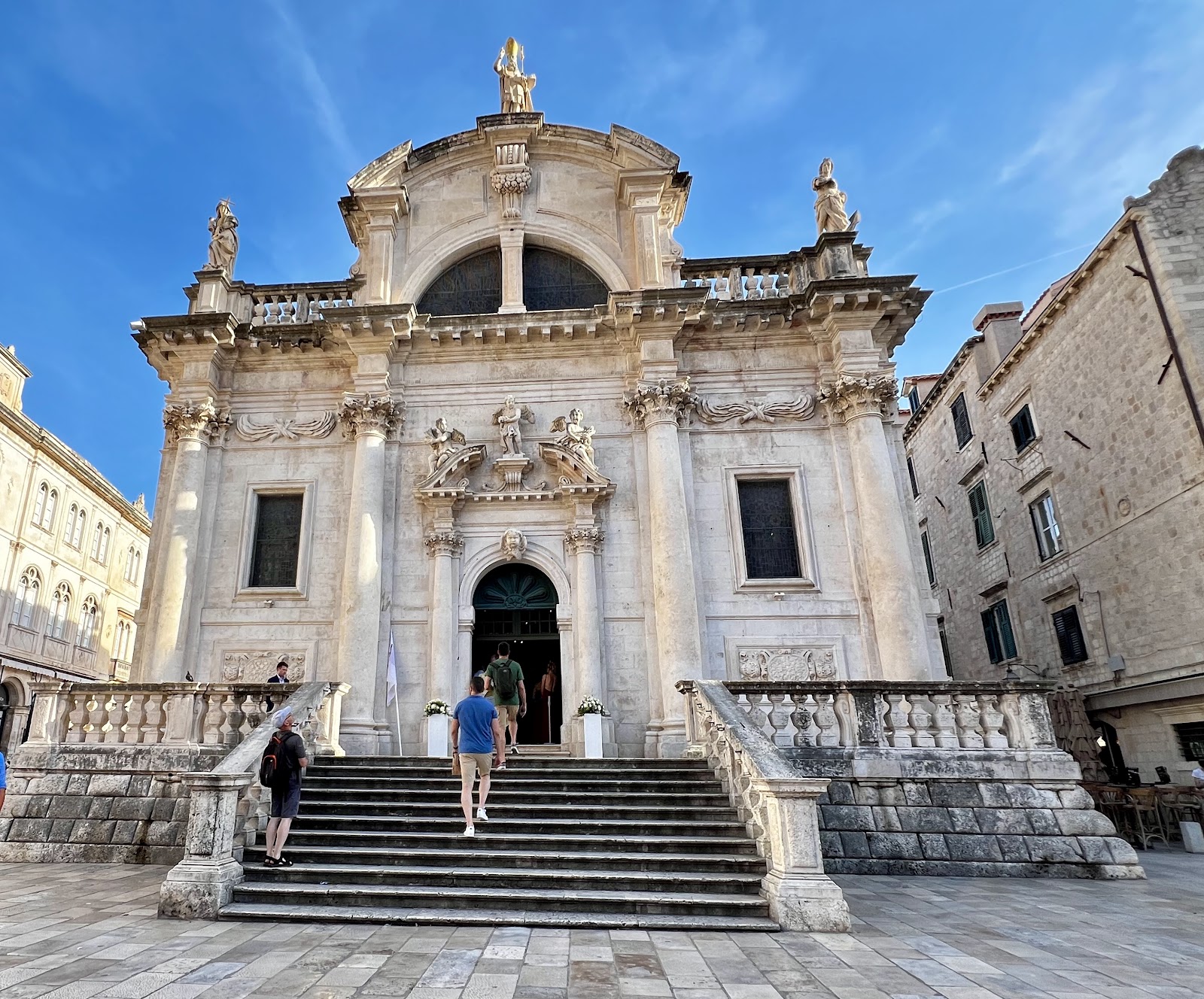
There is a relaxed culture when it comes to clothing, but shoulders and knees must be covered when entering churches. Especially St. Blaise and the Cathedral also pay attention to this.
The Game of Thrones theme works well in conversations with locals, but don't exaggerate — the city has a much older history than the show, and they like to be reminded of that. Saying "Republic of Dubrovnik" gets more sympathy than saying "King's Landing."
It is culturally very shameful to leave garbage at the seaside. Croatians are very fond of their sea and have zero tolerance for garbage.
FAQ
How many days to visit Dubrovnik?
2 days are enough just for the old town, but if you add Lokrum Island, Srd Hill, beaches and maybe a day tour (Ston, Elafiti, Mostar or Kotor), 4-5 days is ideal. Those who want to fill the week can make a rich program with Pelješac peninsula wine tours and boat trips to the islands.
Is Dubrovnik expensive?
Yes, it is the most expensive city in Croatia. Dinner at restaurants in the old town costs 30-50 EUR per person, beer 5-7 EUR, coffee 4-5 EUR. But when you go outside the city walls (Lapad, Gruž) prices drop by 30-40%. Budget-conscious travel is possible, but Dubrovnik is not a "cheap holiday" city.
Where are the Game of Thrones filming locations?
The main ones: Walls and Fort Lovrijenac (King's Landing), Stradun (Walk of Shame), Lokrum Island (Qarth gardens), Minčeta Tower (House of the Undying), Trsteno Arboretum (Tyrell gardens, 20 km outside the city). Guided GoT tours cost between 25-40 EUR and last approximately 2 hours.
Is a Croatian visa required?
Since 2023 Croatia has been in the Schengen area. Maroon passport holders must obtain a Schengen visa. Green, gray and black passport holders are visa-free for up to 90 days. If you have a valid Schengen visa, you do not need to do anything else.
Which days are the cruise ship days?
There is no fixed day, it changes every week. Check the current schedule by searching "Dubrovnik port schedule" or "Dubrovnik cruise ship calendar". The city is much more livable on days without ships. Ship traffic decreases in September-October.
When can you swim in Dubrovnik?
The sea is suitable for swimming (22-26°C) from early June to mid-October. The brave can try it at the end of May (20°C). July-August peak temperature is excellent with sea 25-26°C.
Are the beaches sandy?
No, most beaches are pebble or rocky. The only sandy beach is Šunj Beach on the island of Lopud (visited by Elafiti tours). Water shoes are a must, otherwise you will suffer. Copacabana Beach is gravel but landscaped and suitable for families.
Can I drive into the old town?
No. The old town is entirely a pedestrian zone. Vehicles remain in the parking areas in front of the Pile or Ploče Gates. Even hotel transfers are available to the door and then on foot. You may have to carry your luggage up the stairs — most boutique hotels offer a shuttle service, so ask.
Can I go to Mostar or Kotor from Dubrovnik?
Yes, both are popular day tours. Mostar (Bosnia-Herzegovina) ~2.5 hours by car, Kotor (Montenegro) ~2 hours. Tour companies organize it at prices between 40-60 EUR. There is passport control when crossing into Bosnia, but Turkish citizens can go without a visa. You can enter Montenegro with a Schengen visa.
Is Dubrovnik safe?
It's very safe. Crime rate is low, walking at night is not a problem. The biggest risks are sunstroke and falling on the stairs (I'm serious). Pickpocketing may occur in tourist areas, but overall the risk of theft is low. Stepping on sea urchins is probably the biggest danger you'll face.