About
Cairo is a unique city in the world. It is a place that punches you from the first minute with its 21 million people, over 5,000 years of history, desert heat, traffic cacophony and minaret silhouettes. The moment you exit the airport, a horn concert greets you — taxis, minibuses, donkey cars, motorcycles and pedestrians dancing in the same lane. This chaos overwhelms you on the first day, you get used to it on the second day, and you love it on the third day.
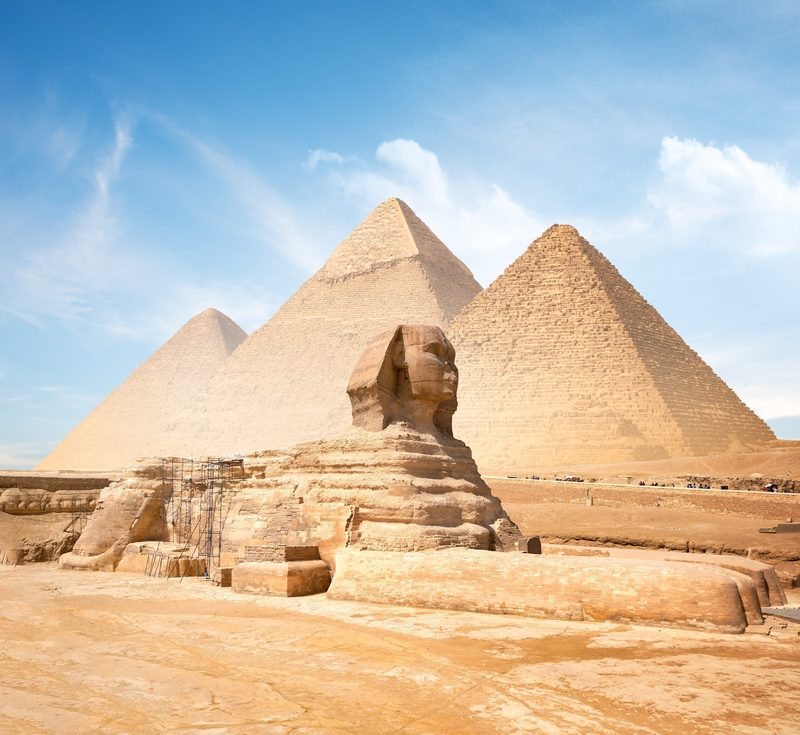
To understand Cairo, you need to understand two things. First: this city is not just about pyramids. Yes, the Giza trio is the world's most iconic sight, but Cairo's true spirit lives on in its narrow streets, bazaar labyrinths, mosque courtyards and tea gardens along the Nile. Second: this is a lot like Istanbul — a megacity stuck between East and West, with layers of history stacked on top of each other, traffic damned, food exceptional. But Cairo is more raw, more raw, more unfiltered. If Istanbul is the cream of the earth, Cairo is the black tahini.
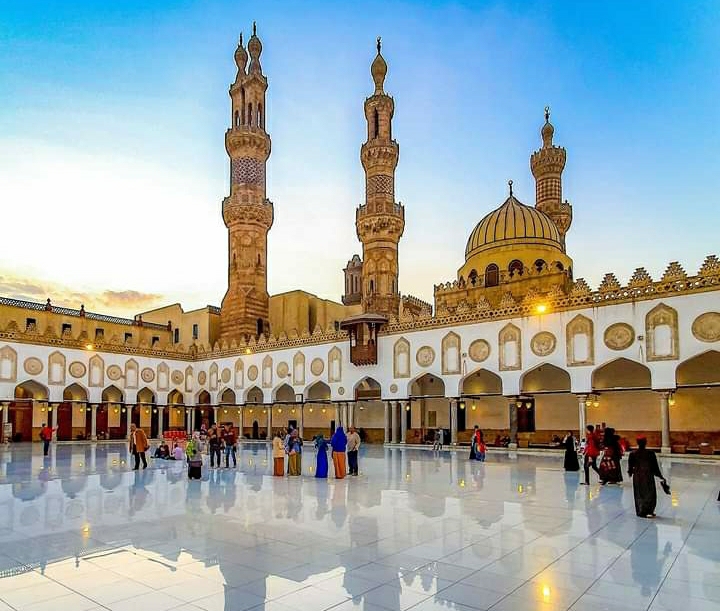
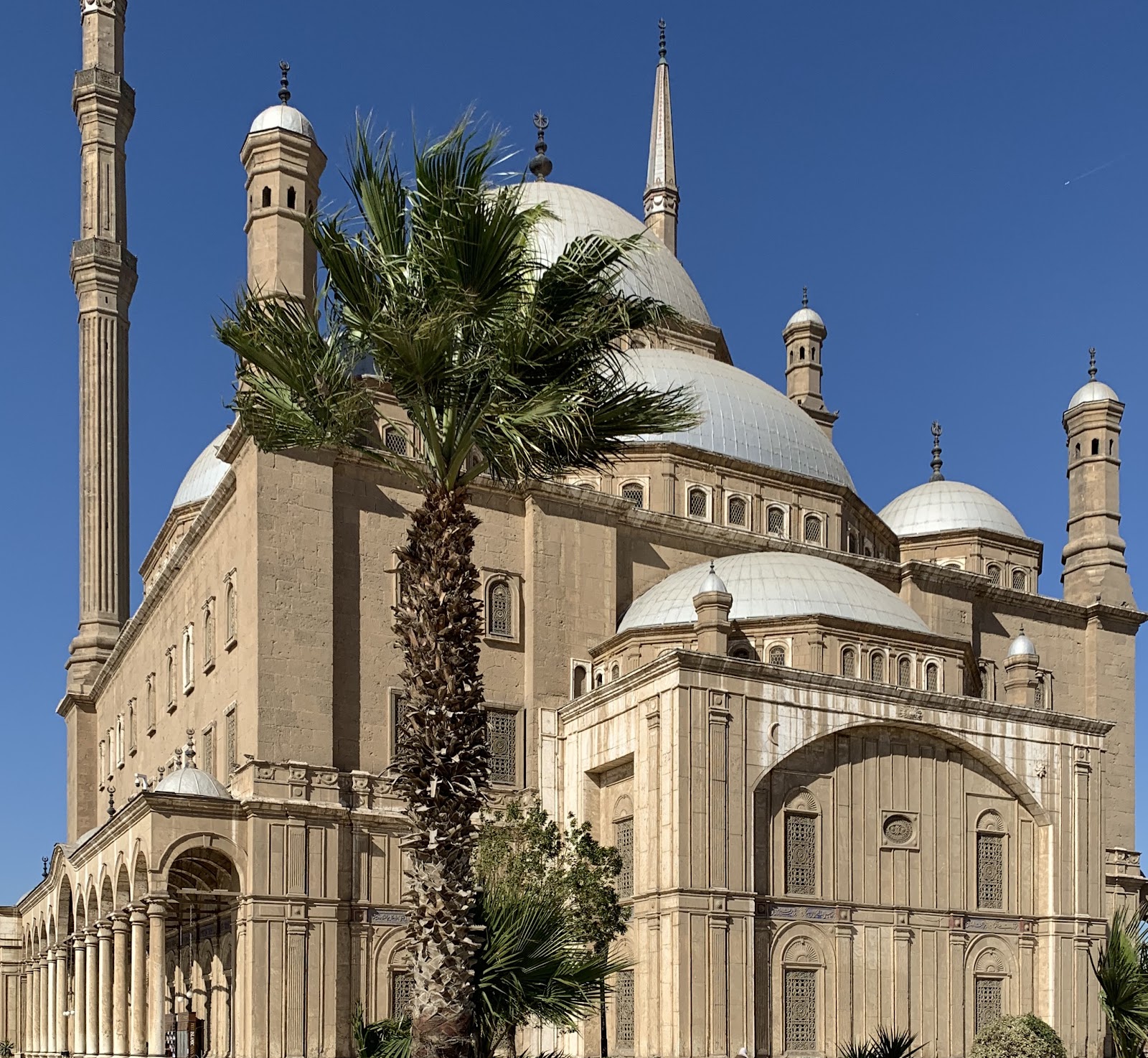
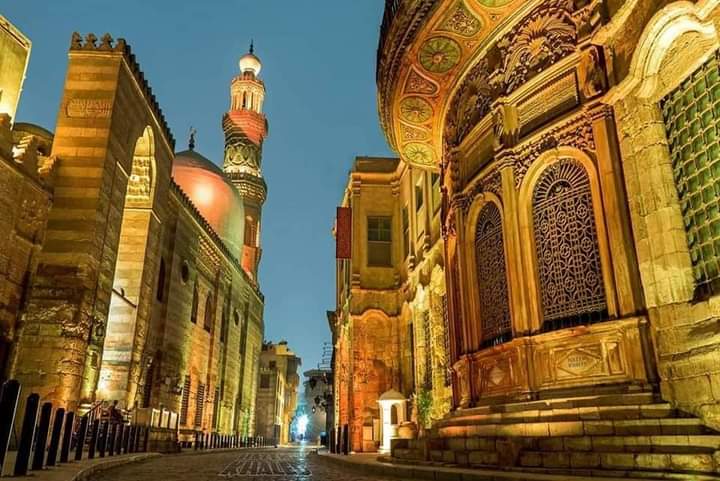
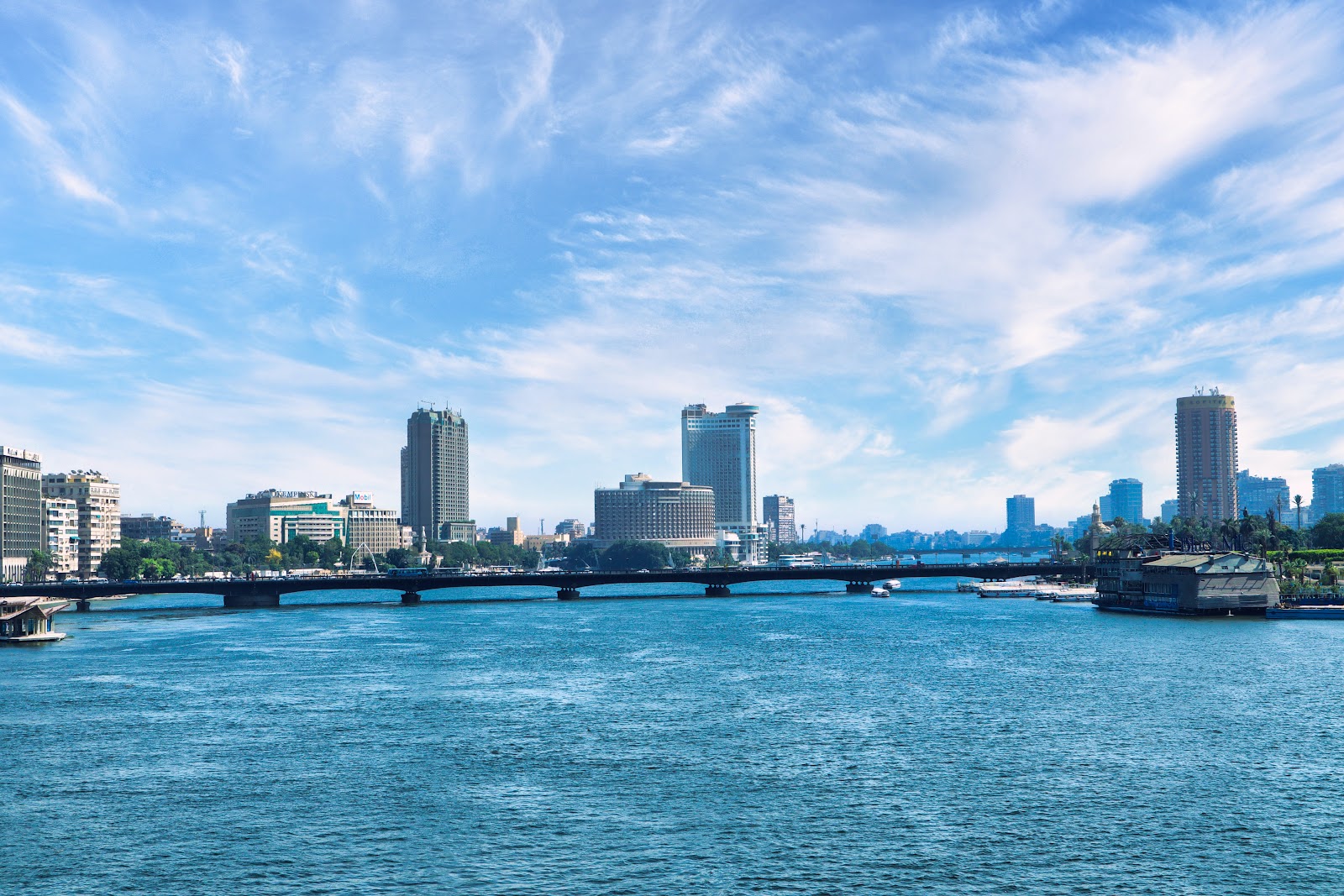
The Nile River divides the city into two. The east side is the historical and commercial center — the colonial buildings of Downtown, the mosques and bazaars of Islamic Cairo, the churches of the Coptic region are all on this side. Giza on the west bank — pyramids, museum and more modern settlements. The Zamalek district on Gezira Island on the Nile is Cairo's most cosmopolitan neighborhood: gallery owners, diplomats and foreign journalists hang out here. In short, Zamalek is Cairo's Cihangir, Downtown Eminönü, and Khan el-Khalili is the more chaotic version of the Grand Bazaar.
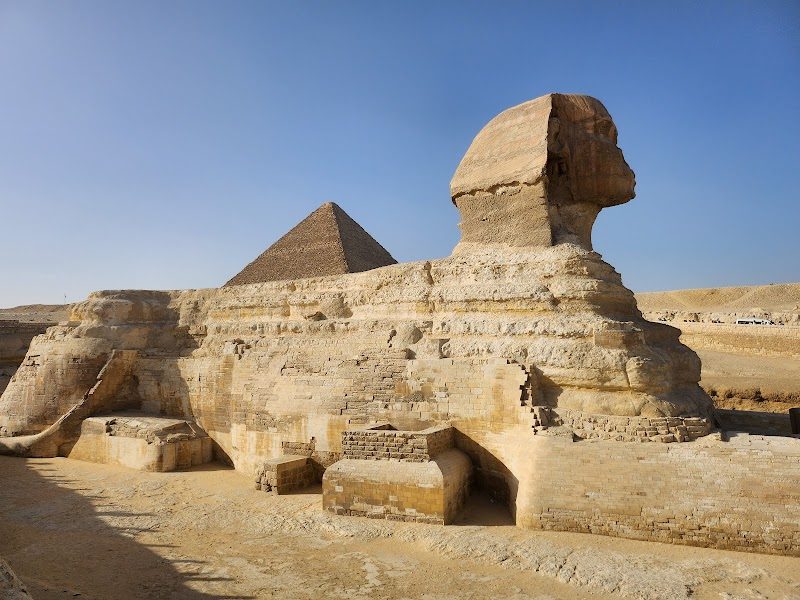
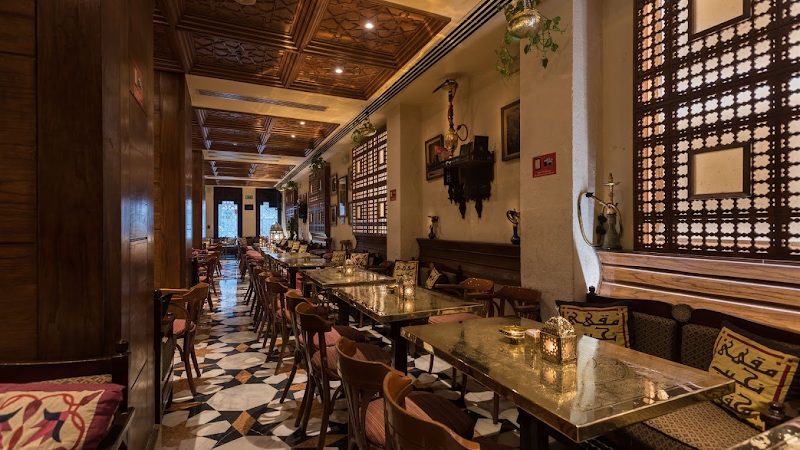
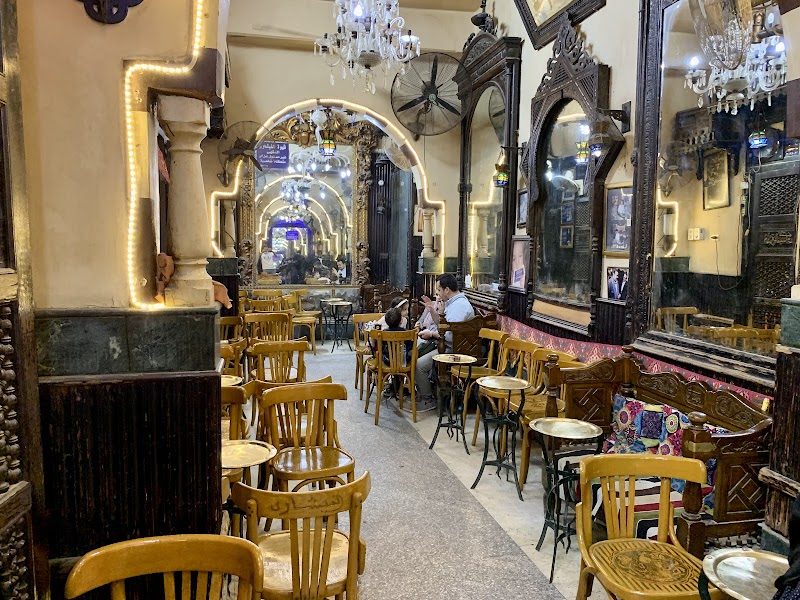
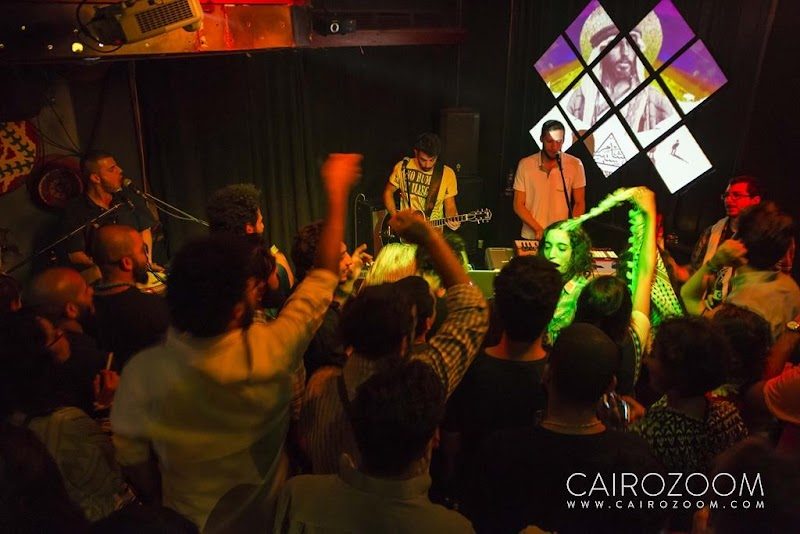
It's physically impossible to get bored in this city. Sitting at Pizza Hut opposite the pyramids and looking at 4,500-year-old structures, drinking tea and chatting about life with a shopkeeper in Khan el-Khalili, watching the sun set while floating on a felukade on the Nile, smoking a hookah in a coffeehouse that has been open since 1773, seeing Tutankhamun's golden mask in the ultra-modern museum that opened in 2024 — it all happens in the same city, sometimes on the same day. Cairo has melted these opposites within itself, and what emerges is a chemistry you cannot find anywhere else.
A word of warning: Cairo is not an easy city. Traffic is a disaster, the air is dusty, the sidewalks are full of holes, the sellers are insistent. But underneath these difficulties, there are incredibly friendly people, the most important works of world history, and an energy that calls you again and again. Get ready, Cairo will have you covered — but first, it'll make you sweat a little.
When to Go
Cairo's weather is simple: hot or very hot. Does it rain sometimes? Hardly. There is an average of 5-6 days of rain a year, usually a few drops. The sun is the boss here.
October - April (Best period): The weather is between 18-28 degrees, ideal for traveling. Especially between November and February is the golden season with 20-25 degrees. It can drop to 10-12 degrees at night, take a thin coat. Tourist density is high during this period, but Cairo is a cheap city anyway, the price difference is not very dramatic.
May - September (Hell mode): 35-45 degrees, the sun burns, dust storms (khamsin wind) may occur. When you stand in front of the pyramids for 5 minutes, you feel like melting ice cream. But if you're budget-oriented, prices are low and places are empty. If you are going to go, leave early in the morning, stay at the hotel between 12-16 noon, and go out again in the evening.
Ramadan period: Cairo experiences a completely different atmosphere during Ramadan — fenuses, iftar tables, night markets. Eating and drinking is limited during the day (restaurants are open to tourists, but eating and drinking on the street is shameful), but the city comes alive after iftar and there is life until midnight. It is a very rich cultural experience, but it requires planning.
Short answer: if you're going for the first time, plan between October and March. If you can tolerate the heat and want a bargain, gamble June-August, but tie a wristband.
How to get there
There are direct flights from Istanbul to Cairo. Turkish Airlines and EgyptAir both fly this route — duration is approximately 2 hours 15 minutes. Yes, it is shorter than going to Izmir. Round-trip ticket economy class costs between 200-400 EUR. The best prices are generally seen in June-August and January. Festive periods and Christmas-New Year are the most expensive times.
Cairo International Airport (CAI) is 22 km from the city center. Your transportation options:
- Taxi: Price is clear from the airport taxi stand, 250-400 EGP to Downtown. 30-60 minutes (depending on traffic). You can arrive in 20 minutes without traffic at midnight.
- Uber/Careem: Uber operates in Egypt, there is also Careem (a local alternative). The price is about the same as a taxi, but it is determined in advance, there are no surprises. It can sometimes take 5-10 minutes to find a driver waiting at the airport.
- Bus: CTA airport bus goes to Tahrir Square, 10 EGP. Cheap but slow, luggage problematic and not tourist friendly. I wouldn't recommend it, especially on the first visit.
Tip: Cairo traffic rivals Bangkok. The roads are paralyzed between 7-10 in the morning and 16-20 in the evening. Aim for late night or early morning hours for your airport transfer. Plan urban transfers by metro.
Urban Transportation
Transportation in Cairo is not a strategy, it's a survival skill. Traffic is truly legendaryly bad — a 5km drive can take 1 hour. But if you choose the right vehicle at the right time, you can explore the city efficiently.
Metro: Cairo's most reliable means of transportation. There are 3 lines, connecting the central points. Sadat station (Tahrir Square), Mar Girgis (Coptic Cairo), Attaba (Downtown), El-Shohadaa (Ramses station). Ticket 8-12 EGP, air-conditioned, fast. There is a special carriage for women (pink sign on the middle carriage). Comfortable outside of Russian time.
Uber/Careem: Lifesaving app in Cairo. The price is determined in advance, the route is on GPS, there is no language problem. Minimum trip 30-40 EGP, average urban 60-120 EGP. Definitely download it.
Taxi: White taxis have taximeters, but most of them are broken or do not turn on. Negotiate the price before getting in or use Uber. Black taxis are old and have no air conditioning, prefer white ones.
Minibus (Microbus): Local people's favorite means of transportation. 5-10 EGP. Its line and stop are clear, but it is difficult to read for foreigners. If you have an adventurous spirit, you can try it, but I wouldn't recommend it for the first visit.
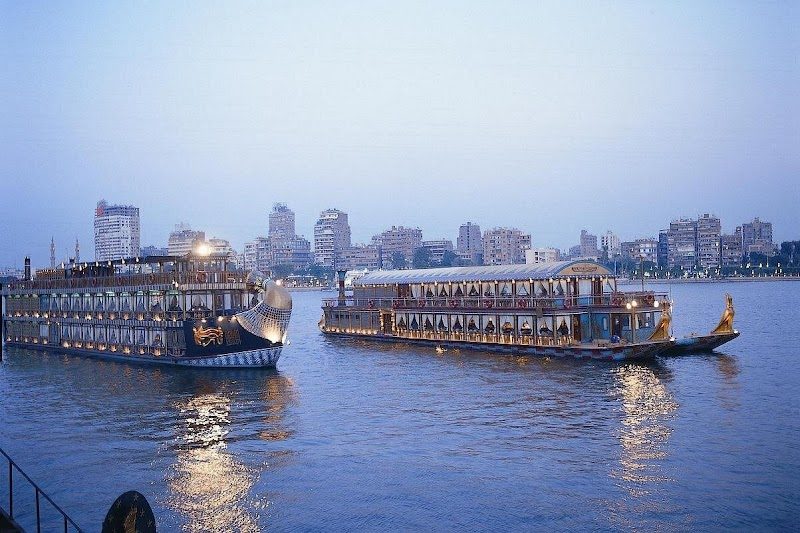
Nile boats: There are water taxis and felukas operating along the Corniche. It is not practical between the Pyramids area and Downtown, but it is an alternative between points along the Nile.
Golden rule: book a hotel on metro lines. Never get in the car during traffic hours. When going to Giza, leave early in the morning. Uber for long distances, walk for short distances (pay attention to the sidewalks, they are uneven).
Accommodation Regions
Where you stay in Cairo determines your travel style. Here are the main regions:
Zamalek (Gezira Island): The most livable neighborhood in Cairo. Tree-lined streets, cafes, galleries, bars. Foreigners and diplomats are concentrated here. Safe, clean, cosmopolitan. There is no metro connection, but 15-30 minutes to everywhere by Uber. 40-150 EUR per night.
Downtown (Wust el-Balad): Tahrir Square area. Colonial architecture, cheap hotels, street food heaven. Metro Sadat station is here. It's noisy and chaotic, but you can feel the pulse of Cairo here. 15-60 EUR per night.
Giza (near the Pyramids): There are hotels within walking distance of the Pyramids. Ideal for going to the pyramids early in the morning, but far from the city center. Boutique hotels with romantic views are here. 30-200 EUR per night.
Heliopolis: Close to the airport, modern, quiet. Practical for a last night stay. City Stars Shopping Mall is here. 25-80 EUR per night.
Maadi: Green, quiet, expat neighborhood on the banks of the Nile. Family friendly but far from tourist spots. 30-100 EUR per night.
Recommendation: If you're going for the first time, Zamalek or Downtown. Giza is your priority if the pyramids are your priority. Downtown if you're on a budget. If you have an early flight, Heliopolis is the last night.
Budget Plan
Cairo is incredibly budget-friendly for Turkish travelers. The Egyptian Pound (EGP) has lost significant value in recent years, which increases the spending power of the Turkish Lira. You can have a great time by spending less than 30-40 EUR in a day. Here is the approximate budget table for 3 days (per person, excluding flights):
| Category |
Economical |
Medium |
Luxury |
| Accommodation / night |
500 EGP (hostel) |
2,500 EGP (3-4*) |
8,000 EGP+ (5*) |
| Meal/day |
200 EGP (street) |
800 EGP |
3,000 EGP+ |
| Transportation / day |
50 EGP (metro) |
300 EGP (metro + Uber) |
1,500 EGP (Uber/taxi) |
| Activity / day |
500 EGP |
1,500 EGP |
3,000 EGP |
| 3 days total |
~3,750 EGP (~70 EUR) |
~15,300 EGP (~285 EUR) |
~46,500 EGP (~870 EUR) |
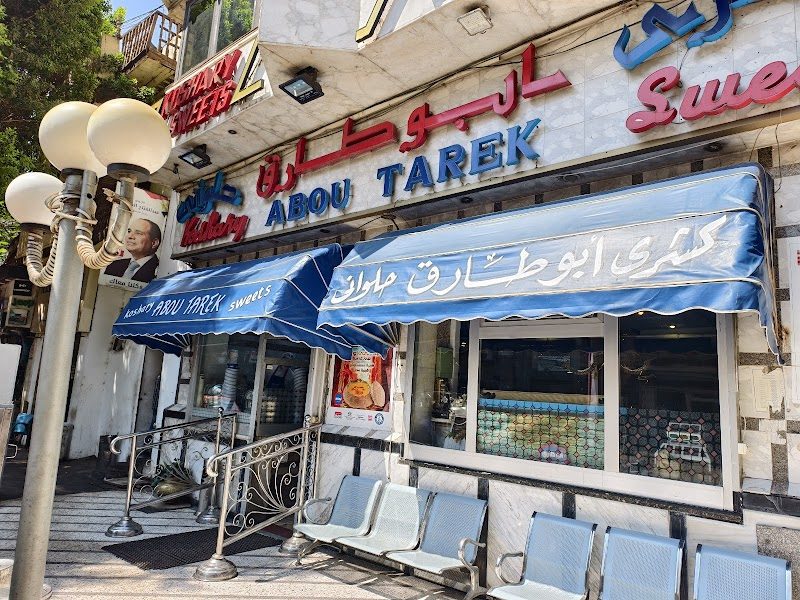
Yes, in the economic plan, you can survive on 20-25 EUR per day. Koshari costs 40-80 EGP (1-2 EUR), metro ticket costs 8-12 EGP, a bottle of water costs 10 EGP. It's almost impossible to say "I can't afford it" in Cairo.
1 EUR is approximately 53 EGP (May 2026 exchange rate). 1,000 EGP is about 19 EUR.
Note: Museum and historical site entrance fees for foreigners are 10-20 times the local price. This is standard Egyptian practice, accept it.
Practical Tips
- Download the Uber/Careem app while you are in Turkey. In Cairo, taxi meters usually do not work or taxi drivers inflate prices when they see tourists. Uber has no price surprises, the route is clear, it saves lives.
- Carry EGP cash. Street stalls, taxi, bazaars and small shops require cash. ATMs are everywhere, but withdraw 5,000-10,000 EGP at a time (as the commission is deducted on each transaction). Large hotels and restaurants accept cards.
- Bargaining is the sport here. Bargaining is a must with Khan al-Khalili, street vendors and taxi drivers. You can get as low as a third of the initial price. Smile, drink tea, be patient — bargaining is social interaction, not fighting.
- Drink water, drink lots of water. Cairo's heat and dust are drying you out. Always have bottled water with you. Drinking tap water, bottled water costs 10-15 EGP everywhere.
- Sunscreen and hat are mandatory. The desert sun is no joke, especially on a pyramid visit.
- eSIM or local SIM pick up at the airport. Vodafone Egypt or Orange 7-day tourist package 200-400 EGP, data + local calls included. Wi-Fi is unreliable outside the hotel.
- Female travelers: Cairo is generally a safe but conservative city. Harassment (verbal) may occur in crowded places. The below-the-knee and shoulder-covered outfit feels comfortable. Women can use a special carriage in the metro.
- Mosque visit: Clothing that covers knees and shoulders is mandatory. Shoes come off at the door. Head coverings for women are usually given at the door. Entry may be restricted during prayer hours.
- Tip (bakshish) culture: Tipping is expected everywhere in Egypt. 10-15% at the restaurant, 20-50 EGP to the hotel porter, 5-10 EGP to the toilet, 20-50 EGP to anyone who "helps" at the pyramids. Keep coins and small bills in your pocket.
- Learn "No thank you". Vendors, guides and camel owners can be persistent. The firm but gentle “la, shukran” (no, thank you) works. Keep walking without making eye contact.
- Attention at the pyramids: Be prepared to be taken on a camel/horse tour even though you don't want to, and to be asked for a tip after the "free photo". Price the service you want in advance, and clearly reject the service you don't want.
Travel Guide with Children
Cairo is a challenging but rewarding destination for families with children. Hot weather, crowds and chaotic traffic are challenging, but seeing the pyramids live, riding camels and examining mummies is a textbook experience for children. Egyptians are very welcoming to children — smiles and little gifts everywhere.
Recommendations by Age Group
0-3 years: Cairo is challenging for this age group. Hot, dusty and pavements are the enemy of strollers. If you're going to go, plan between October and March, with air-conditioned hotels and Uber in mind. You can go to the Pyramids with a baby carrier, but the sun is too harsh after 10:00.
4-7 years old: Riding a camel in the pyramids will be the experience of a lifetime for this age group. The mummies in the Grand Egyptian Museum are both scary and intriguing. Feluka tour on the Nile makes children happy. A pool break at the hotel is a must during hot hours.
8-12 years old: Going inside the pyramids, exploring the stepped pyramid in Saqqara, learning bargaining in Khan el-Khalili are the favorites of this age group. Allocate at least half a day to the Grand Egyptian Museum; kids love Tutankhamun's treasures.
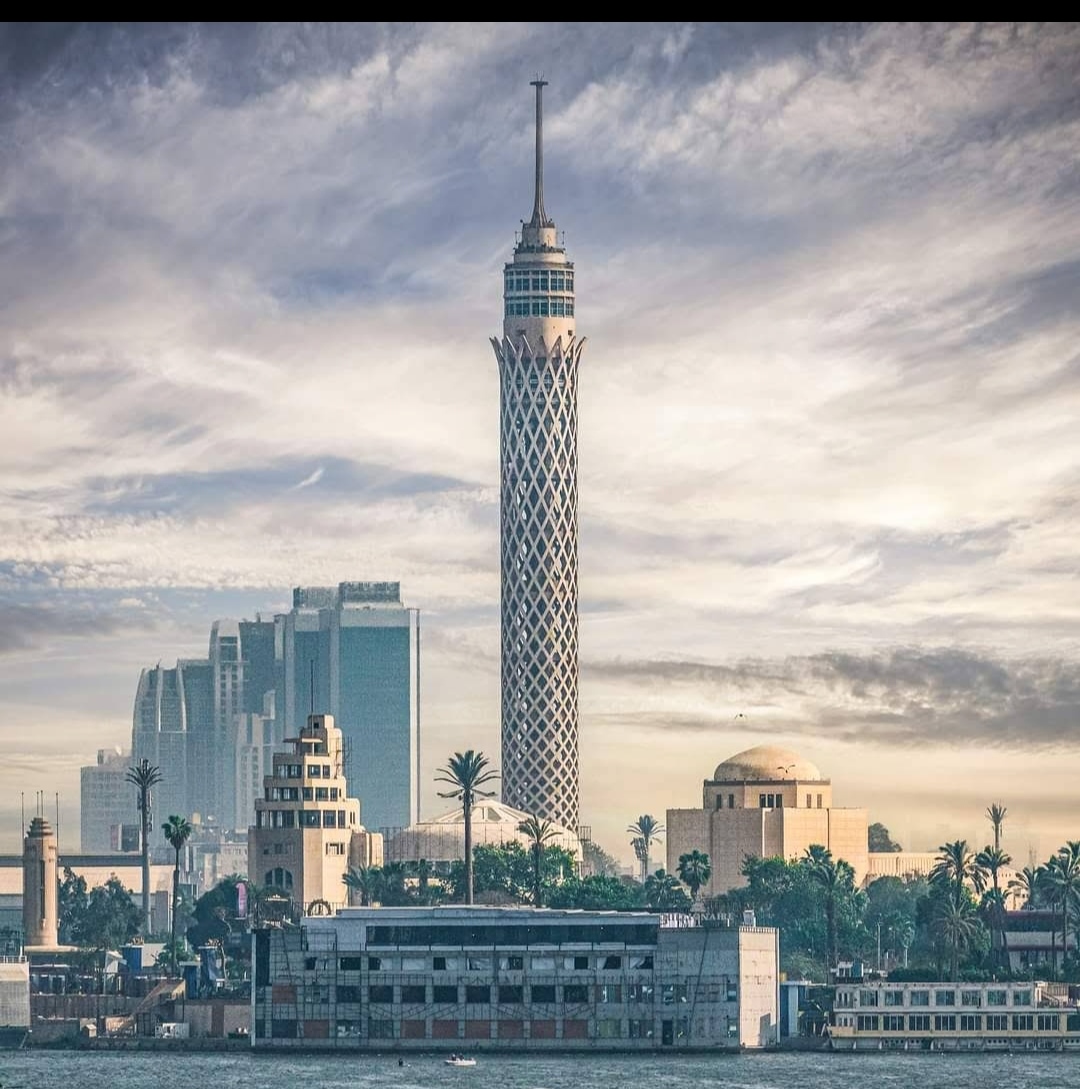
Ages 13+: Al-Muizz Street walk, Downtown's street food tour and Cairo Tower view attract young people. For young history enthusiasts, the Saqqara + Memphis day tour is great.
Top 5 Kid-Friendly Activities
Camel Tour in the Pyramids — Touring around the pyramids on a camel is unforgettable for children. Negotiate the price in advance (300-500 EGP), clarify the duration and itinerary. For younger children, there is an option to ride with a parent.
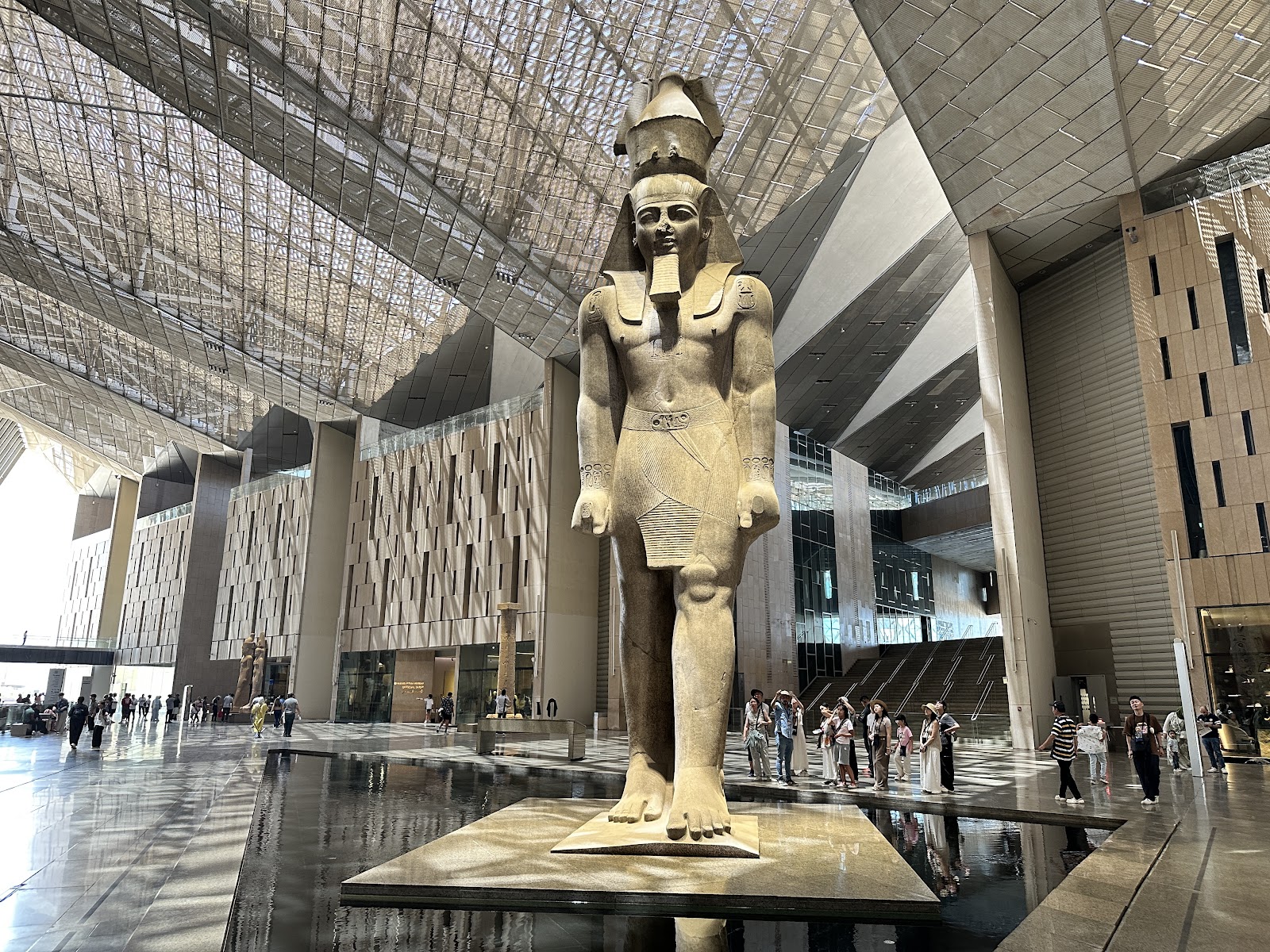
Grand Egyptian Museum — Tutankhamun's golden mask, mummies and interactive exhibition areas keep children entertained for hours. Air-conditioned and spacious, it's also perfect as an escape from the heat.
Feluka Tour on the Nile — Floating on the Nile by sailboat is an adventure for kids. A 1-hour tour is enough, take it at sunset. The boat doesn't rock, but ask for a life jacket.
KidZania Cairo — Interactive entertainment center at Cairo Festival City Mall where kids experience professions. Ideal for ages 4-14, air-conditioned and safe.
Sound and Light Show (Pyramids) — Egyptian history comes to life with lasers, music and narration in front of the Sphinx in the evening. A magical experience for children. It's cool because it's night, an escape from the heat of the day.
Practical Information
Baby stroller: Cairo sidewalks are full of holes, broken and disabled. A kangaroo carrier or backpack is much more practical than a car. Shopping malls and museums are car-friendly.
Children's menu: Children's menus are rare in Egyptian restaurants, but rice, chicken, potatoes and ta'ameya (falafel) are everywhere. Be careful with spicy foods, learn to say "min gheir harr" (no pain).
Children's ticket discounts: In museums, children under the age of 6 are generally free, and those between 6 and 12 are half price (based on foreigners' prices). Metro is free for children under 6 years old.
Toilet: Clean in shopping malls and large hotels. There is a fee (5-10 EGP) in touristic places and on the streets and the quality is variable. Be sure to carry wet wipes and hand sanitizer.
Warnings
- It's hot and the dust is very dense. Children get dehydrated easily and get sunstroke — drink water constantly, wear a hat, don't stay outside between 11 a.m. and 3 p.m.
- Hygiene requires attention in street food. Do not feed raw vegetables, salad and ice to young children. Prefer cooked and hot meals.
- In the pyramids, unwanted "helpers" can give gifts to children and then ask for tips. Be kind but firm.
- Traffic is very dangerous, the concept of pedestrian crossing is almost non-existent. Never let go of children's hands, be extra careful when crossing the street.
Local Label and Culture Notes
Egyptians are some of the friendliest people in the world. If you ask for help from someone you don't know on the street, they will stop what they are doing and come with you. But if some rules are violated unknowingly, the atmosphere may become tense.
Islamic sensitivities. Egypt is a Muslim-majority country. Do not eat or drink on the street during Ramadan (restaurants are open to tourists). Enter mosques with appropriate clothing. There are places where alcohol is sold, but do not drink alcohol on the street.
Left hand. Use your right hand when eating, giving and greeting. The left hand is considered reserved for hygiene tasks. This rule is serious about food.
Photography. Ask permission before taking photos of people. Photographing women is a sensitive issue. It is forbidden to take photographs of military facilities, bridges and some government buildings.
Clothing. Short-sleeved t-shirts and long trousers are sufficient in touristic areas, but knees and shoulders must be covered when visiting mosques. Head coverings for women are compulsory in mosques (usually given at the door). Do not go out wearing a bikini or excessively revealing clothing.
Show respect, be respected. Egyptians attach great importance to hospitality. If you are offered tea, don't refuse, at least take a few sips. If you are invited to a house, take off your shoes at the door. Saying "bismillah" (in the name of Allah) when the food is presented to you makes people very happy.
Religion is discussed, politics is not. Egyptians do not hesitate to talk openly about religion, but be careful about political matters. Criticism of the government is a sensitive area, especially in public places.
Tip is everywhere. The "bakshish" culture is very strong in Egypt. Restaurants, hotels, taxis, restrooms, guides, anyone helping out at the pyramids — tips are expected. Keep 10-50 EGP banknotes in your pocket. It is considered rude not to give.
Greetings. "As-salamu alaykum" (peace be upon you) is the universal greeting. Its equivalent is "ve aleykum as-salam." Shaking hands is normal, but shaking hands with conservative women may not be appropriate — if the woman extends her hand, shake it, if not, put your hand on your heart and smile.
FAQ
How many days to visit Cairo?
Minimum 3 days: pyramids + museum (1 day), Islamic Cairo + bazaar (1 day), Coptic Cairo + Nile (1 day). Ideal 5-7 days: Saqqara, Memphis, Dahshur day tour added, neighborhoods explored in more depth, Nile cruise and nightlife experienced.
Is there a language problem?
Broken English is accepted in tourist areas. English is limited with taxis and street vendors, but your hand and numbers work. There is no language problem at Uber, everything is via the app. Learning a few Arabic words (shukran = thank you, bikam = how much, la = no) makes people happy.
Is Cairo safe?
In general yes. Violent crime against tourists is very rare. Things you need to be careful of: pickpocketing (carry your bag in front in crowded places), tourist traps (fake guides at the pyramids, directing you to fake perfume shops), and not walking alone on deserted streets late at night. Female travelers should stay in crowded and well-lit areas.
Is street food safe?
Usually yes, but be careful. Prefer hot cooked meals over cold ones. Choose crowded stalls — high circulation means fresh ingredients. Start slowly on the first day, wait for your stomach to get used to it. Be careful with raw vegetables and salads, and definitely drink water from the bottle.
Is Cairo expensive?
No, quite the opposite. One of the cheapest capitals in the world. Koshari starts from 40-80 EGP (1-2 EUR), metro from 8-12 EGP, hostel night from 500 EGP, mid-segment hotel from 2,500 EGP. The only expensive items are museum entrance fees (foreigner price) and flight tickets.
Do I need an Egyptian visa?
An e-Visa to Egypt is required with an ordinary (burgundy) Turkish passport. Online application via visa2egypt.gov.eg, single entry 25 USD, multiple entry 60 USD, 3-5 business days results. Passport must be valid for at least 6 months. Visa-free entry with special and service passports.
Is alcohol available in Cairo?
Yes, but not everywhere. Zamalek bars, luxury hotel bars and some restaurants sell alcohol. It is not appropriate to drink alcohol on the street or in public places. Beer and wine can be purchased from the Drinkies (Egypt's monopoly dealer) chain. Alcohol sales are severely restricted during Ramadan.
When is the best time to go to the pyramids?
Go as soon as the door opens at 7:00 in the morning. After 09:00 the buses arrive and the crowd explodes. If you go between November and March, you will escape the heat. Friday morning is relatively calm.
Uber or taxi?
Definitely Uber or Careem. In taxis, the meter usually does not work, tourist prices are requested, and there may not be air conditioning. In Uber, the price is determined in advance, payment by credit card, and the route is tracked. Application that makes your life easier.
How to get to Giza?
Downtown to Giza by Uber 30-60 minutes (depending on traffic), 100-200 EGP. Take the metro to Al-Giza station, from there take Uber or minibus to the pyramids in 15 minutes. Drop off an Uber during traffic hours, combine metro + short Uber.
Should we go to Saqqara and Memphis?
Definitely. The step pyramid (Djoser) at Saqqara is even older than Giza—the world's first known monumental stone structure. The huge World War II monument at the open-air museum in Memphis. There is a statue of Ramses. Both are done on the same day, it can be combined with Giza but it will be a busy day. You can go with an organized tour or Uber, public transportation is not practical.
What to buy in Cairo?
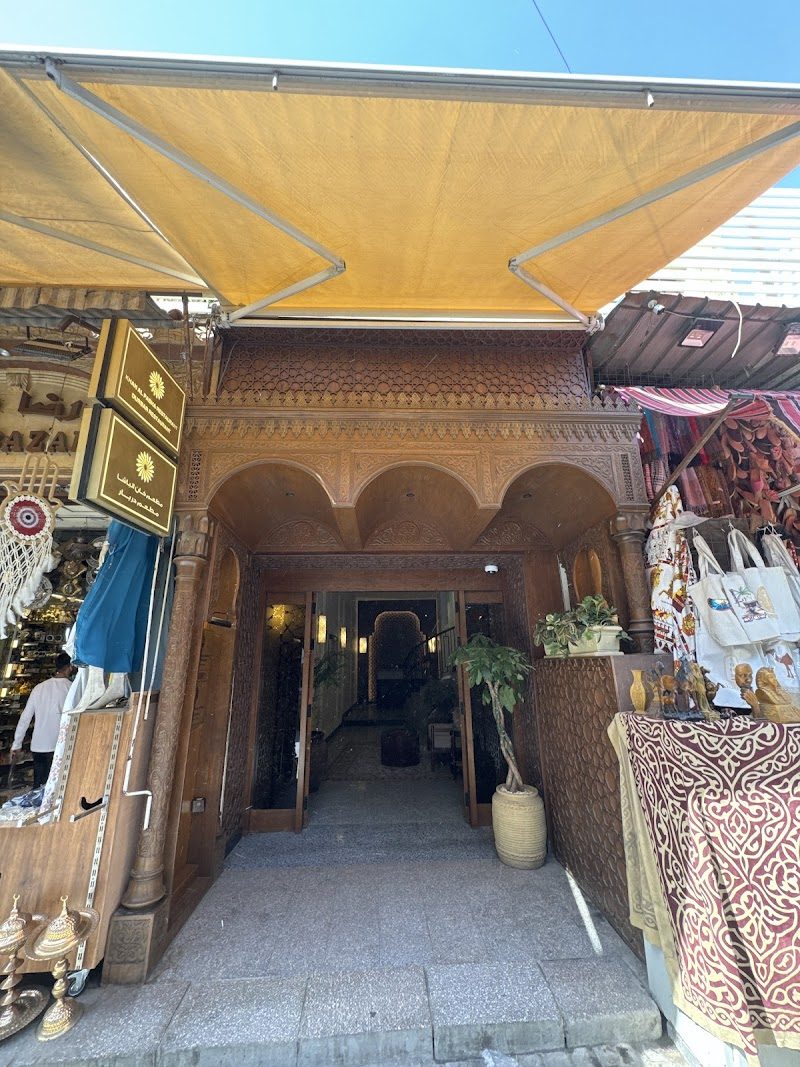
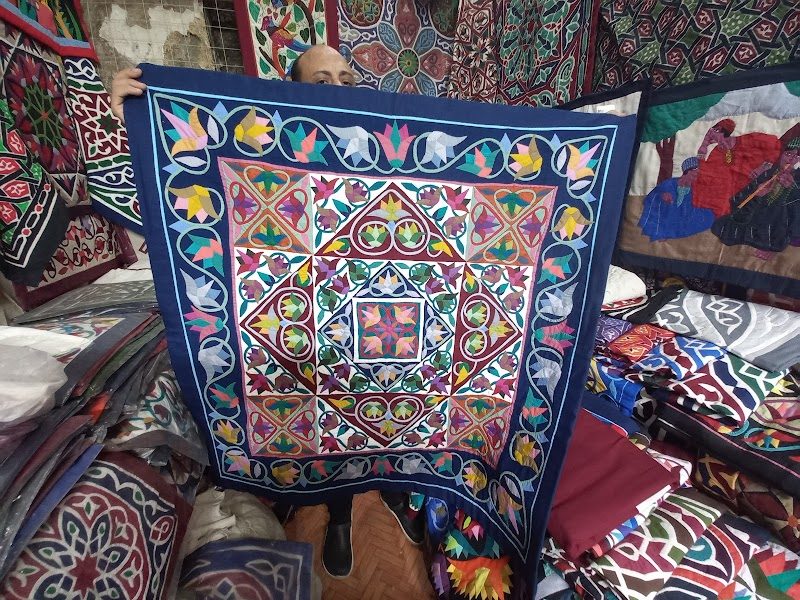
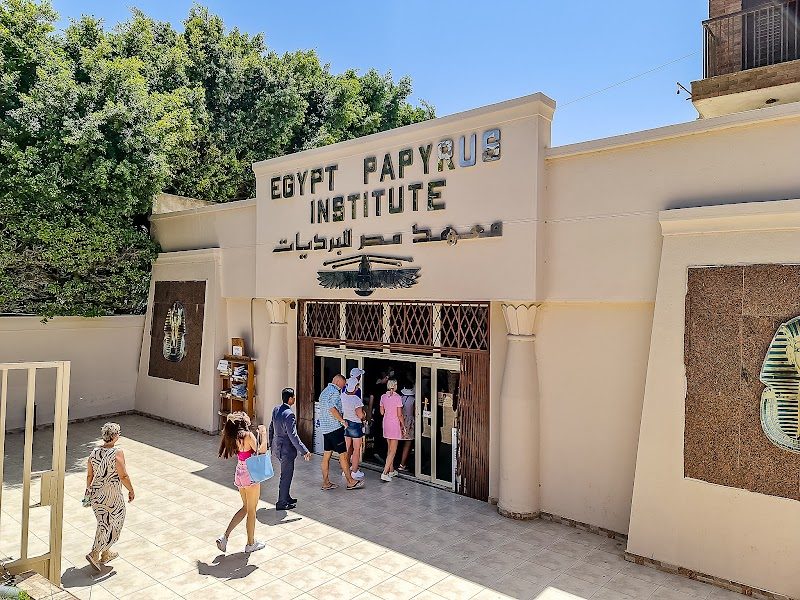
Spices (saffron, cumin, hibiscus tea), oud perfumes, copper handicrafts, papyrus paintings from Khan el-Khalili. If you're buying papyrus, learn to distinguish between real papyrus and banana leaf imitations—the fibers are visible when real papyrus is held up to light. Handmade bell jars (Ramadan fenuses) in the workshops on El-Muizz Street are nice souvenirs. Gold and silver are available in Al-Sagha Souq, but do research prices.