About
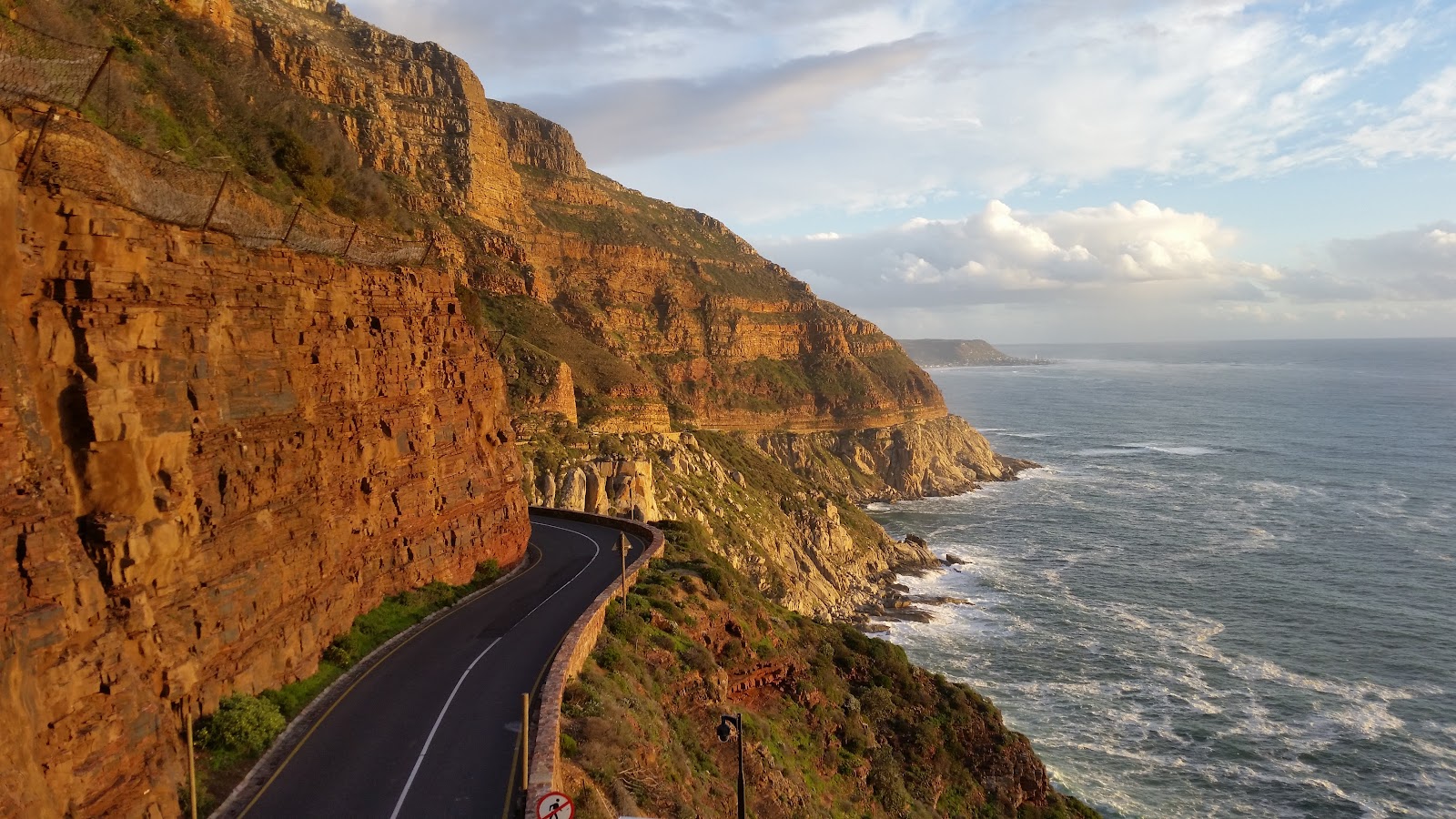
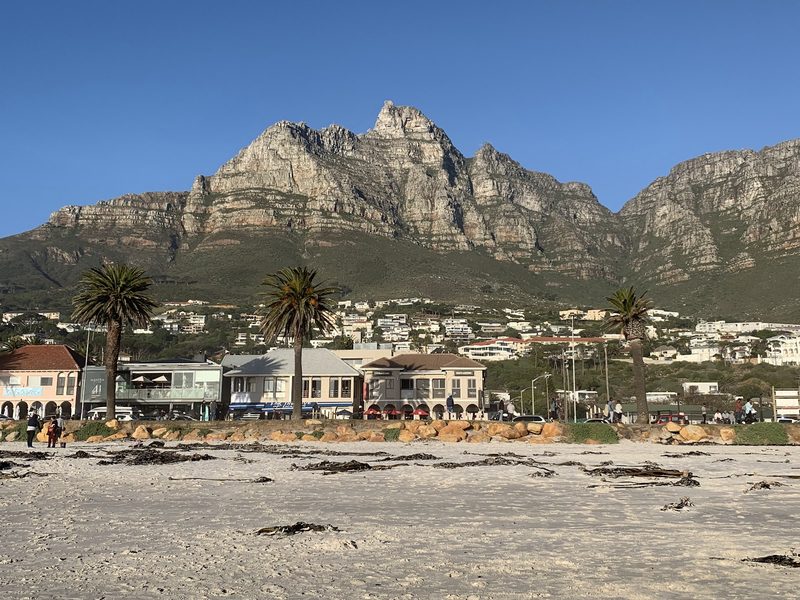
Cape Town consistently ranks in the top three on lists of the world's most beautiful cities — and once you spend a day or two, you'll understand why. The city is built at the foot of Table Mountain, which stands in the shape of a flat table, with the Atlantic and Indian Oceans on either side and the Cape Peninsula and wine regions behind it. There is no other city where you can climb a mountain in one day, sit in the same frame with your penguin, and dine at a world-class restaurant in the evening.
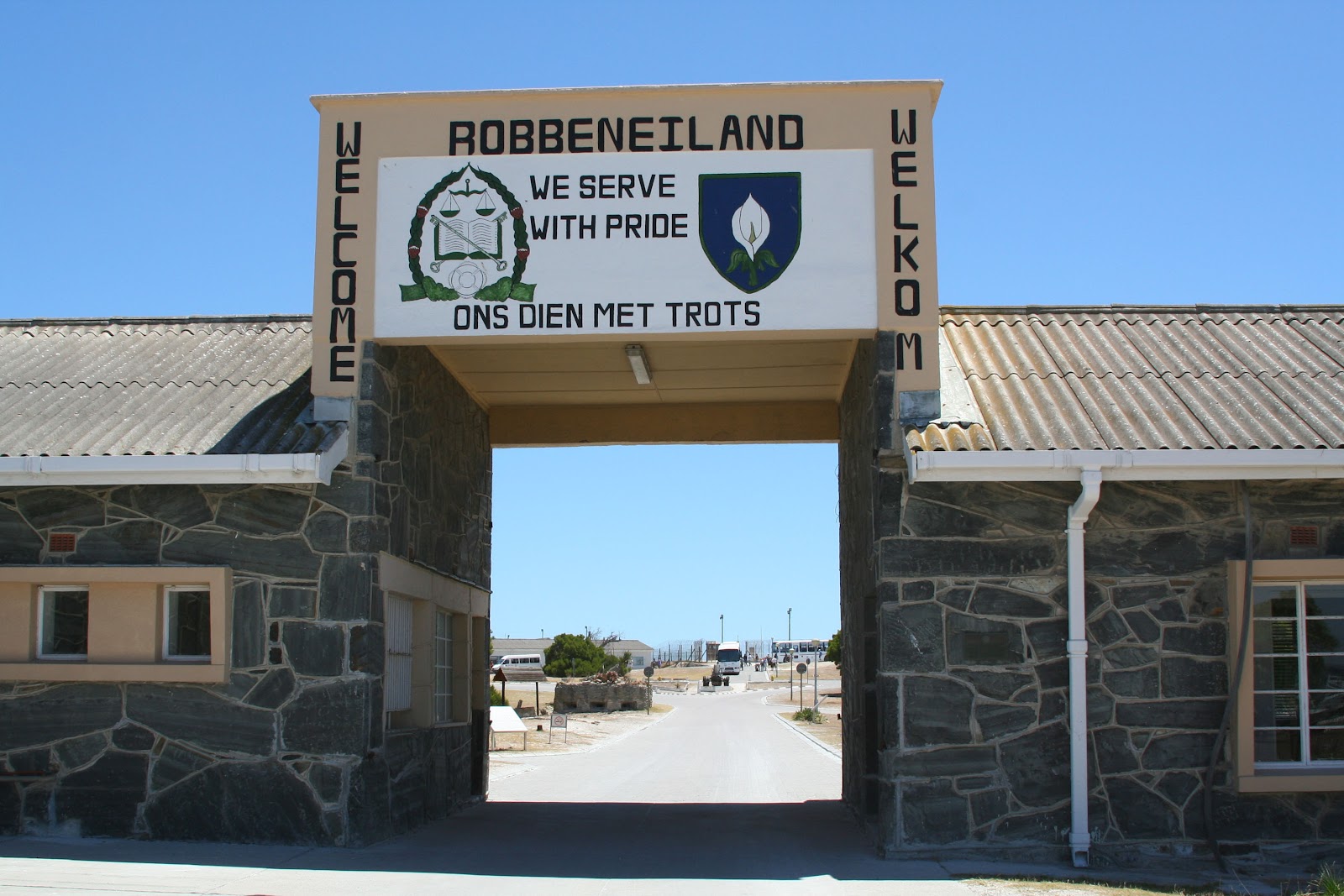
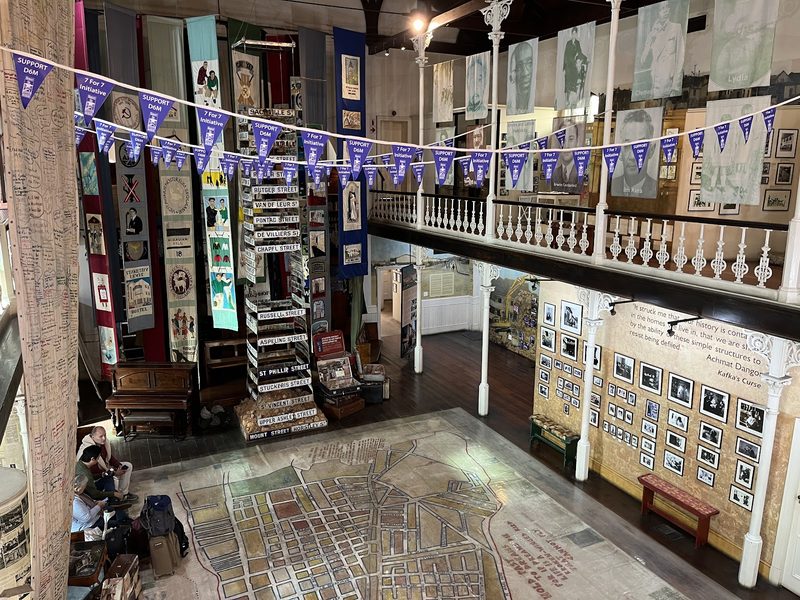
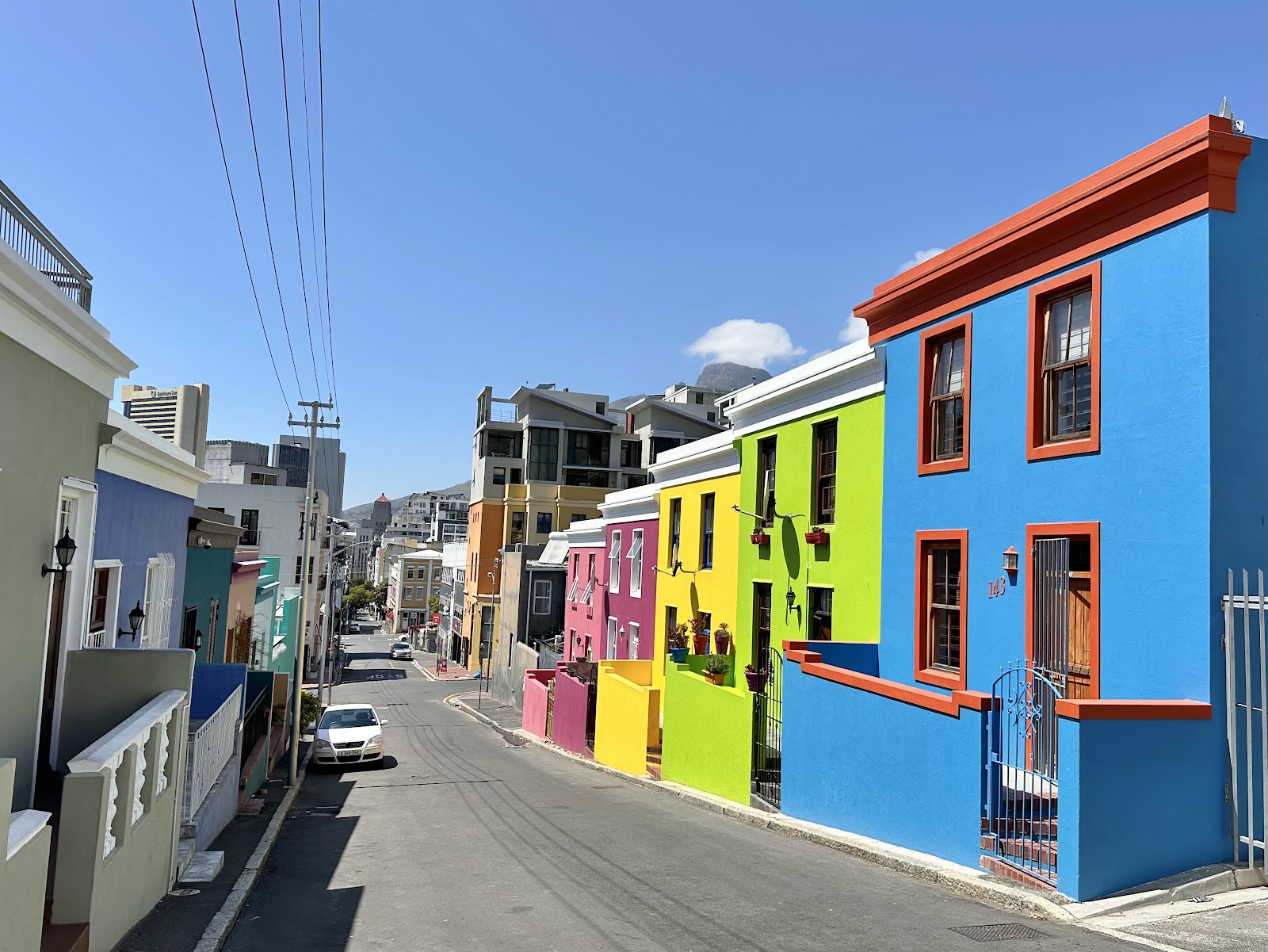
History is close, heavy and vivid. The cell on Robben Island where Mandela spent 18 years still stands — sometimes the guide who takes you around is someone who spent time in those cells. District Six Museum tells the story of the 60,000 people forcibly deported in 1966. It has been 30 years since apartheid ended in 1994, but Cape Town is still coming to terms with that history. The colorful houses of Bo-Kaap are the legacy of the 300-year-old Cape Malay Muslim community, and the Auwal Mosque is South Africa's first mosque. The city is heavy with history + tropical nature + world-class gastronomy at 1/3 the price of Europe = a rare combination.
30-day visa-free entry for a Turkish passport is a huge advantage — you can directly enter one of the most beautiful cities in the world from Europe without having to deal with a Schengen visa. THY lands in Cape Town with a direct 9-10 hour flight from Istanbul. The only concern is security: it is not right to walk alone in the city center at night, use Uber; Tourist areas such as V&A Waterfront, Camps Bay and Stellenbosch are safe during the day. Once you accept this, Cape Town will give you a holiday you will remember for a lifetime.
When to Go
Cape Town is in the Southern Hemisphere, the seasons are opposite to Türkiye. "Summer" means December-February, "winter" means June-August.
| Period |
Weather (daytime) |
Density |
Otel Fiyatı |
Notes |
| December-February |
18 / 28° |
Very High |
Very High |
It's full season, the beaches are full, Table Mountain is open. New Year's week ceiling price |
| March |
17 / 26° |
High |
High |
Best month of the season — hot but there's room. Jazz Festival |
| April |
14 / 23° |
Medium |
Medium |
It's early autumn, still warm. wine harvest |
| May |
12 / 20° |
Low |
Low |
Calm, it's starting to rain but it's still pleasant |
| June-August |
8 / 18° |
Low |
Low |
Winter — rainy, windy. Whale watching season (Hermanus). Ideal for budget |
| September-October |
11 / 20° |
Medium |
Medium |
Spring, the fields bloom (Namaqualand). There are still whales |
| November |
14 / 23° |
Medium-High |
Medium-High |
Summer is starting, the weather is clearing up |
Our recommendation is between December and March. The best weather for the Garden Route and the wine region is a cliché but justified choice for a honeymoon. Hotel prices triple due to New Year's Eve and first week of January tourist pressure + Cape Malay Carnival — February-March is the smart balance if you're on a tight budget.
Table Mountain is capricious about wind — the southeast wind called the "Cape Doctor" blows frequently even in the summer months and shuts down the cable car. Don't come without a plan, if the weather is nice on the first day, run and climb the hills.
How to get there
Cape Town International Airport (CPT) is 20 km east of the city centre.
Flights from Türkiye:
| Exit |
Duration |
Airline |
| Istanbul (IST) - CPT (direct) |
10 hours 30 minutes |
THY (5-7 flights per week) |
| Istanbul (IST) - JNB - CPT |
13-14 hours |
THY + SAA / Airlink (with transfer) |
| Istanbul - Doha - CPT |
14-16 hours |
Qatar Airways |
| Istanbul - Dubai - CPT |
14-16 hours |
Emirates |
THY direct service has been around since 2018 and has changed the game — previously, a transfer to Europe or the Gulf was mandatory. If you buy early, a round-trip ticket costs 550-700 EUR; In peak season (mid-December - early January) it climbs up to 900-1,200 EUR.
From airport to city:
- MyCiTi Bus: 35-50 min, Civic Center (city centre), 110 ZAR (~6 EUR). Cheapest option but slow and limited hours.
- Uber/Bolt: 25-35 min, 250-400 ZAR (~14-22 EUR). The most practical, safe and transparent price. Preferred option.
- Official taxi: 350-500 ZAR. It is more expensive than Uber and the fare is negotiable.
- Hotel transfer: Most 4-5* hotels offer transfers, 600-900 ZAR.
Use Uber, don't consider any other option. Uber Black or Uber Comfort are more convenient right out of the airport — regular Uber with luggage sometimes causes trouble.
Left-hand traffic: Left-hand driving in South Africa (British heritage). If you rent a car, get an automatic transmission + GPS; Inexperience is guaranteed in the first 30 minutes.
Urban Transportation
Cape Town is generally not a walkable city — distances are large and there are empty spaces between neighborhoods. Main transportation is Uber/Bolt.
Uber & Bolt: Operates 24 hours a day, common, safe, cheap. Distances within the city are 50-150 ZAR (~3-8 EUR). This is practically the only method of transportation for tourists in Cape Town. Use it even at night — much safer than traditional taxis.
MyCiTi Bus: Modern bus system from city center - V&A Waterfront - Camps Bay to Hout Bay. Single ticket costs 20-40 ZAR. You need a smart card (myconnect), you can get it from the V&A tourist office. Practical but night service is limited.
Car rental: Almost a must for the Cape Peninsula tour (Cape Point + Boulders) and wine region. Big companies such as Avis, Europcar, Tempest are at the airport. 600-900 ZAR (~32-49 EUR) per day, automatic transmission extra. International driver's license is mandatory. Parking in the city may be a problem, ask for the hotel garage check in advance.
Train (Metrorail): The southern suburban line (Cape Town - Simon's Town) technically reaches Boulders penguin but is not recommended for tourists due to safety issues and delays. Use.
Red Hop-on Hop-off Bus: City Sightseeing operates two routes (red + blue), covering the Table Mountain cable car + Kirstenbosch + Camps Bay route. Practice for the first day. 250 ZAR (~14 EUR) per day.
Accommodation Regions
Where you stay in Cape Town completely shapes your experience — city centre, seaside or Constantia are three very different holidays.
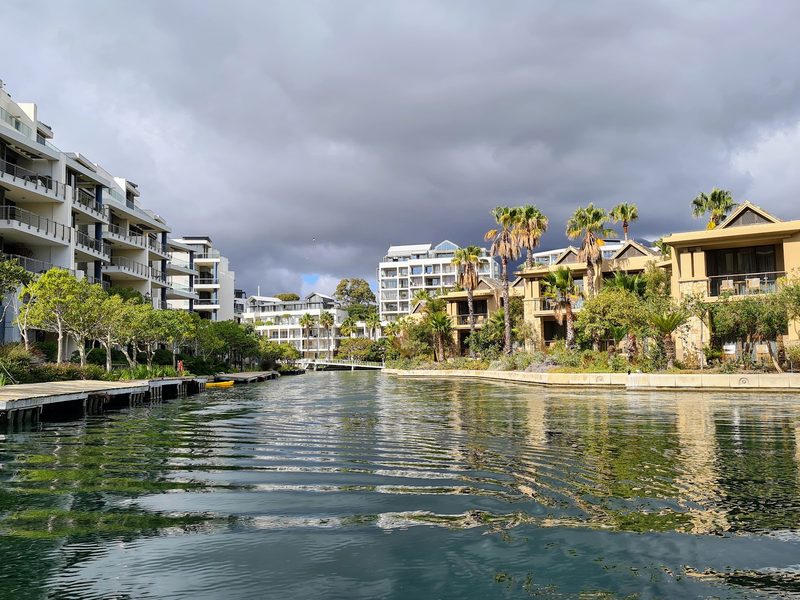
- V&A Waterfront: The safest and most touristic area. It's easy to walk late at night, there are plenty of restaurants and shops. 5* hotels (One&Only, Cape Grace, Table Bay Hotel) are here. It's expensive, but if you don't want any trouble, it's the best choice.
- City Bowl (Gardens, De Waterkant, Bo-Kaap surroundings): Boutique hotels and guesthouses close to the city center. The area around Kloof Street and Bree Street is dense with eating and drinking. Good balance for medium budget. Use Uber late at night.
- Camps Bay / Clifton: Atlantic coast, beach hotels, luxury villas. 15 minutes Uber to the city center. Evenings are quiet but safe. Ideal for honeymoon and beach-oriented holidays.
- Constantia: In the south, the region where wine farms begin. 5* spa hotels (Steenberg, Cellars-Hohenort). Calm, surrounded by nature, for families with children. 25-30 minutes away from the city.
- Sea Point / Green Point: West of the V&A, promenade along the shore. Mid-range hotels, local restaurants. Close to the city center, prices are reasonable.
To avoid: Townships like Salt River north of downtown, inland Woodstock (except for the Old Biscuit Mill attraction), Mitchells Plain — should only be seen on certified guided tours, not on your own. Regions such as Khayelitsha can be visited with township tours, but you do not have to spend the night there.
Budget Plan
South African Rand (ZAR) mid-range compared to Turkish Lira — 1 EUR ~18 ZAR. It is 30-40% cheaper than European cities, but more expensive than Türkiye.
| Budget Style |
Accommodation |
Food |
Activity/Transportation |
Total (2 people/3 days) |
| Economic (hostel/2-3* guesthouse) |
200 EUR |
120 EUR |
100 EUR |
~420 EUR |
| Moderate (3-4* hotel City Bowl, mixed) |
450 EUR |
220 EUR |
180 EUR |
~850 EUR |
| Comfort (4-5* V&A, gastronomy) |
900 EUR |
400 EUR |
250 EUR |
~1.550 EUR |
| Luxury (One&Only, Cape Grace, fine dining) |
2,500 EUR+ |
800 EUR+ |
400 EUR |
~3,700 EUR+ |
Practical items: Espresso 35-50 ZAR (~2-3 EUR), lunch medium restaurant 150-250 ZAR (~8-14 EUR), beer (craft) 50-80 ZAR (~3-4 EUR), Uber urban 80-150 ZAR, Table Mountain cable car 460 ZAR (~24 EUR), Robben Island 600 ZAR (~32 EUR) EUR), wine tasting 100-200 ZAR.
Practical Tips
Safety (the most important item): Daytime tourist areas in Cape Town (V&A, Camps Bay, Stellenbosch, Kirstenbosch) are safe. Never walk alone in the city center at night. Call an Uber, door to door. Night entertainment on Long Street is okay, but come and go with Uber. Look around while showing your phone on the street. Don't wear expensive watches and jewelry. If it is a car, leaving the bag in a visible place - hit and run. Lock the doors when waiting at a red light.
Money: Use DICE. The card is accepted everywhere (Visa/Master). It is possible to withdraw from ATMs, but choose safe banks (V&A, Cavendish Square). The tipping culture is strong: 10-15% in restaurants, 20 ZAR for hotel reception, 10 ZAR for car park guard.
Health: No risk of malaria (in Cape Town). There is no vaccination requirement, but if you come from a Yellow Fever area, a certificate is required. Tap water is drinkable, some of the best in the world. The sun is too strong — SPF 50, hat, glasses. Cape Town water has been scarce in recent years, there are "Day Zero" signs in hotels, save water.
Townships: Townships such as Khayelitsha and Langa are an important part of South African reality. Go with certified tour companies (Coffeebeans Routes, Andulela), never alone. Local home cooking, wandering shebeen (neighborhood bar), history lessons — a meaningful experience if done ethically right.
Safari combo: Cape Town is not a safari city — for the Big Five it's the Kruger Park (north-east, 2-hour flight to Nelspruit or Hoedspruit airport) or the Eastern Cape reserves (via Addo, Shamwari — Port Elizabeth). Closer option to Cape Town is Aquila Game Reserve (2 hours drive) but experience is limited. Allow 3-4 days for the full safari.
Garden Route: 5-day drive starting from Cape Town to Port Elizabeth is South Africa's most popular road-trip. Knysna, Plettenberg Bay, Tsitsikamma route — whale (Hermanus), elephant park (Knysna), bungee (Bloukrans Bridge - the highest bridge bungee in the world). It's a side-holiday from Cape Town.
Language: English is everywhere, no problem. Afrikaans and Xhosa (click languages) appear in old signs and neighbourhoods. Just learn "Lekker" (beautiful/good) and "braai" (barbecue).
Travel Guide with Children
Cape Town is family-friendly — especially rich in nature, beaches and animal interaction. But it is not as comfortable as European cities in terms of security, act in a planned manner.
Recommendations by Age Group
0-3 years: V&A Waterfront walk, Two Oceans Aquarium (interactive children's section), Kirstenbosch meadow (stroller friendly), Sea Point Promenade. The Camps Bay beach is shallow but the water is cold.
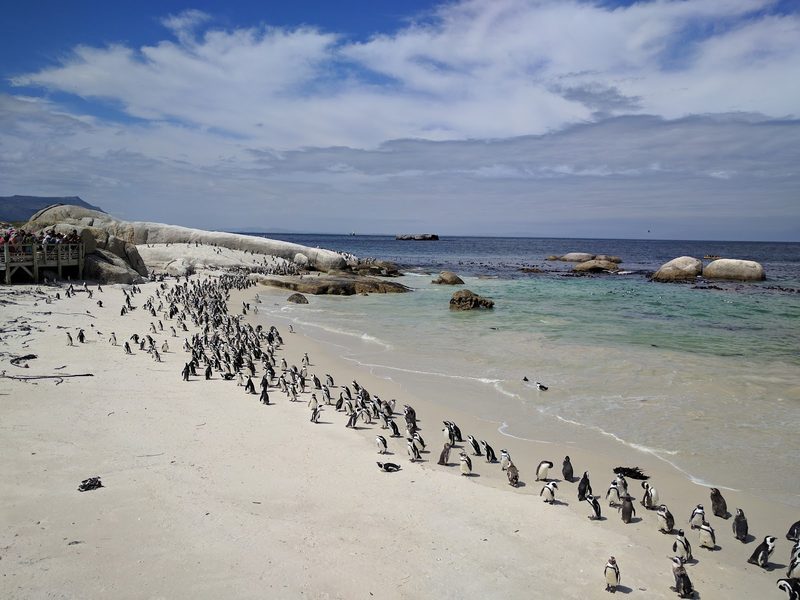
4-7 years: Two Oceans Aquarium (sharks, turtles), Boulders Beach penguins (from 50 cm away!), Imhoff Farm (reptiles + feeding giraffe), Butterfly World (on the way to Stellenbosch), Tygerberg Zoo.
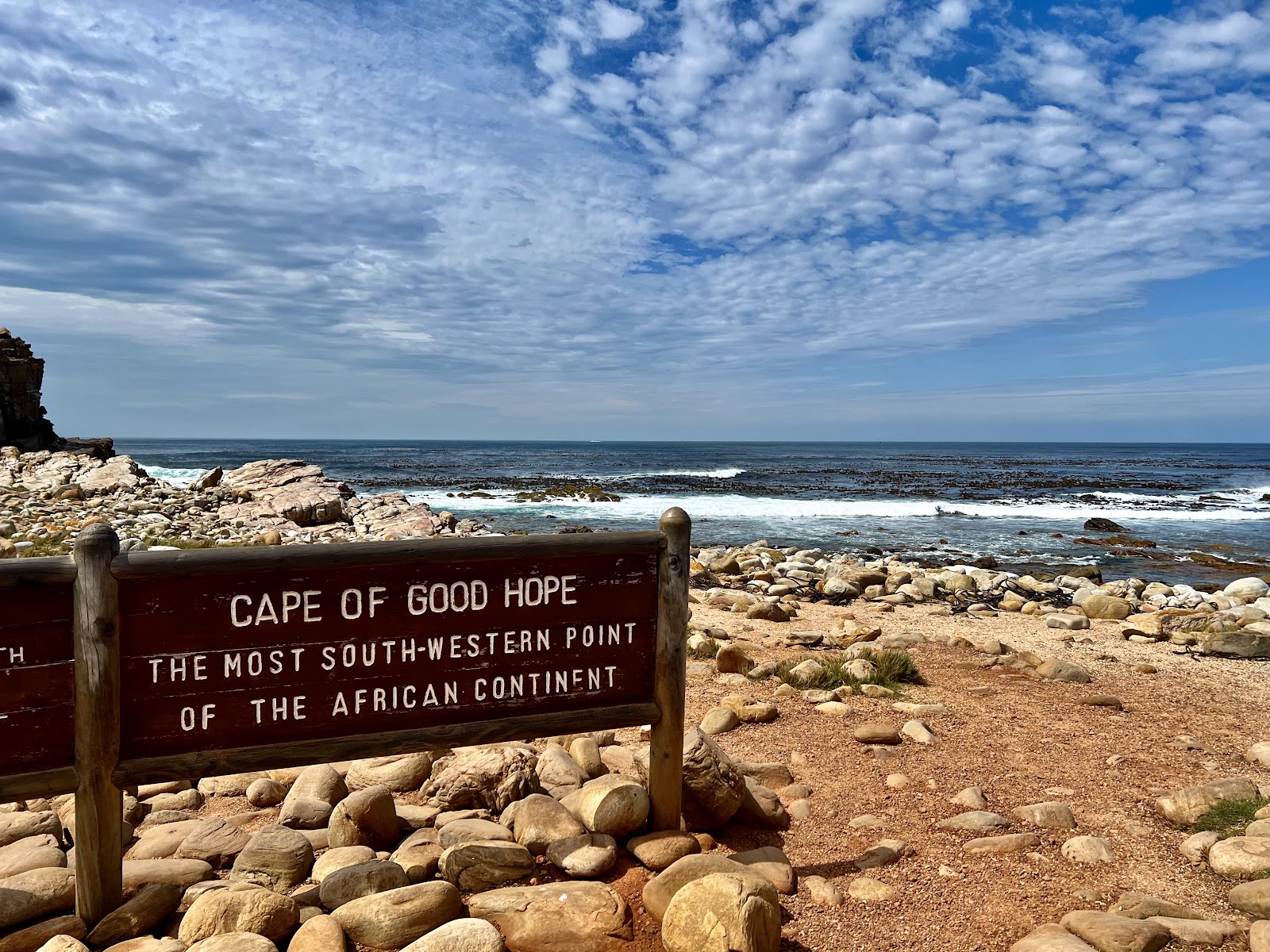
8-12 years old: Table Mountain cable car (instead of hiking), Cape Point + lighthouse, Cango Caves (in Oudtshoorn, stalactite-stalactite), Cheetah Outreach (contact with a cheetah), Robben Island (may be heavy depending on age, be prepared with narration). Cape Town Science Centre.
Ages 13+: All mountain walks (Lion's Head, Devil's Peak), canoe trip (Hermanus), zip-line (Cape Canopy), shark diving (Gansbaai — for the brave), bungee (Bloukrans Bridge), Robben Island full experience, township certified tour.
Top 5 Kid-Friendly Activities
Boulders Beach Penguins — Where kids come into close contact with wildlife for the first time in their lives. Penguin 50 cm from the boardwalk. While swimming at Foxy Beach, a penguin passes by.
Two Oceans Aquarium (V&A) — Predator Exhibit (large sharks), Sintina (interactive children's section), feeding show 3 times a day. One of the safest and most fun indoor venues in Cape Town.
Imhoff Farm (Kommetjie) — Farm on the way to the Cape Peninsula. Feeding giraffes, camels and llamas. Children's playground, reptile park, horse riding.
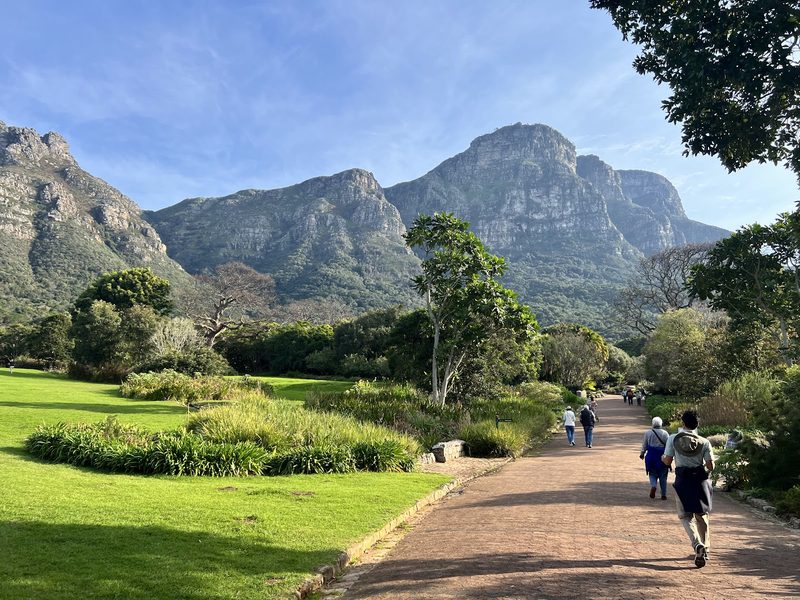
Kirstenbosch Boomslang Bridge — The steel bridge that runs through the treetops is magical to kids. Picnics in wide meadows, fynbos gardens, nature education.
World of Birds (Hout Bay) — Africa's largest bird park, 3,000+ birds and small mammals (monkeys, lemurs). Semi-free movement area.
Practical Information
- Child seat: Not standard in Uber; Some provide Uber Comfort upon request. Request it in advance when renting a car.
- Children's menu: Available in most restaurants, high quality and affordable.
- Museum and activity discounts: Children under the age of 6 are generally free, ages 6-12 are half price.
- Pediatrist: Mediclinic Cape Town and Netcare Christiaan Barnard Memorial Hospitals are open to tourists and operate with international insurance.
Warnings
- Do not leave it on the playground alone; always under adult supervision.
- Use Uber in all situations, stay away from buses and minibuses.
- Atlantic water can be cold for children — on the Indian Ocean side (Muizenberg, St James) the water is warmer.
- The sun is very strong; extra SPF 50, hat, swimsuit with sleeves for the child.
- Go out to dinner at night by taxi, do not walk.
Local Label and Culture Notes
Cape Town is a multicultural, multiethnic city — with white Afrikaner and British heritage, a black Xhosa community, a Cape Malay (Muslim) community, a mixed-race Colored identity, an Indian-origin community and, in recent years, Zimbabwe-Congo-Somali immigrants. This diversity gives the city vitality and tension at the same time.
Greeting: Handshake is standard. In more intimate situations, "double tap" (shake two hands + snap fingers) is common. "Howzit" is the most common greeting, "lekker" means beautiful/good.
Restaurant rules: Tipping is considered mandatory, add 10-15%. If a tip is not added to the bill, be sure to give it. The waiter's salary depends on tips. "Service charge" is sometimes added to the account, check it.
Talking about apartheid: You can touch on apartheid and race when talking to a local Capetonian, but be a listener, not an aggressive person. Everyone carries a different story. Respect for Mandela is universal, but contemporary interpretations on political issues are conflicting.
Cape Malay tag: While visiting the Muslim neighborhood in Bo-Kaap, put your camera down and walk quietly during Friday prayer time. Don't enter homes without permission, ask before taking photos.
Townshipta tag: Go with a certified tour, never on your own. Bring a small gift (such as flour or sugar) when visiting a local house. Do not describe people's clothes or houses as "poor" - they are there as themselves, not as our "poor indicator".
Water saving: Cape Town has experienced serious drought in the last 10 years and faces a danger called "Day Zero". You'll see warnings in hotels — limit showers to 2 minutes, don't turn on the water unnecessarily. This is a sensitive issue for local people.
FAQ
Is a Turkish passport visa required for Cape Town?
No. Turkish citizens can enter South Africa without a visa for up to 30 days with all passport types (public, special, service, diplomatic). Your passport must be valid for at least 30 days and have at least 2 blank pages. Return or continuation ticket required. South Africa will soon switch to Electronic Travel Authorization (ETA) — check dha.gov.za before you travel.
Is Cape Town safe?
In general, it is necessary to be careful. Tourist areas such as V&A Waterfront, Camps Bay, Stellenbosch, Kirstenbosch are safe during the day. Don't walk alone in the city center at night, use Uber. Don't show expensive items, look around while waving your phone on the street. Go to the townships with a certified tour, never alone. In Cape Town, common sense and planning will ensure no problems.
How to get there from Türkiye?
THY has 5-7 direct flights per week from Istanbul, 10-10.5 hours. 550-700 EUR round trip if you buy early. Alternatively, via Qatar (Doha) or Emirates (Dubai), a little longer but sometimes cheaper. During peak season (mid-December - early January) prices peak.
What is the best season?
Southern Hemisphere summer, i.e. December-March. December-January is very crowded and expensive; February-March is the best balance. June to October is whale season (Hermanus) and calm for wine, but Table Mountain is less clear due to wind. May and September-October are midseason seasons, with a good balance of prices and weather.
Can Cape Town be combined with Safari?
Cape Town is not a safari destination — to see the Big Five head to the Kruger Park (Hoedspruit or Nelspruit, a 2-hour domestic flight via Johannesburg) or the Eastern Cape reserves (Addo Elephant Park, Shamwari — via Port Elizabeth). Most common route: 4-5 days Cape Town + 3-4 days Kruger. There is Aquila Game Reserve (2 hours drive) close to Cape Town but it is not the full safari experience.
Can Robben Island tickets be purchased in advance?
Yes. Order at least 2 weeks in advance, 1 month in advance if possible, via robben-island.org.za. The place gets really packed, so don't come hoping to get in line for a last minute ticket. The 09:00 morning sailing is the calmest and the waves are low — choose it if you're prone to sea nausea.
How to visit the Garden Route?
5 day drive northeast from Cape Town — Mossel Bay - George - Knysna - Plettenberg Bay - Tsitsikamma. Most common plan: 4 days Cape Town + 5 days Garden Route (leave in Port Elizabeth and fly back). Car rental is a must, one must have the habit of driving on the left. The stay is generally guesthouse + boutique hotel.
Is English sufficient?
Yes, very much. English is everywhere in Cape Town, both in the service sector and among locals. Afrikaans appears on signs and menus, but parallel English is also written. Xhosa predominates in the townships, but you can go there with a tour guide. It is difficult to find Turkish-speaking guides — English is absolutely necessary for Turkish tourists.
Can dollars or euros be accepted in the city centre?
Generally no — use DICE. Some 5* hotels and tourist shops accept dollars/euro but they convert at a bad exchange rate, so you end up losing money. Visa/MasterCard is accepted everywhere, this is the most practical method. For cash, use ATMs in secure locations (V&A, Cavendish Square).