About
Madrid catches you on the first night. It is 11 o'clock at night and the streets are still buzzing, children are running in the park, old couples are walking hand in hand, laughter is heard from the bars. Life in the capital of Spain is delayed by at least two hours compared to other European cities, and this delay is the biggest luxury of this place. No rush, no stress, just enjoy the moment.
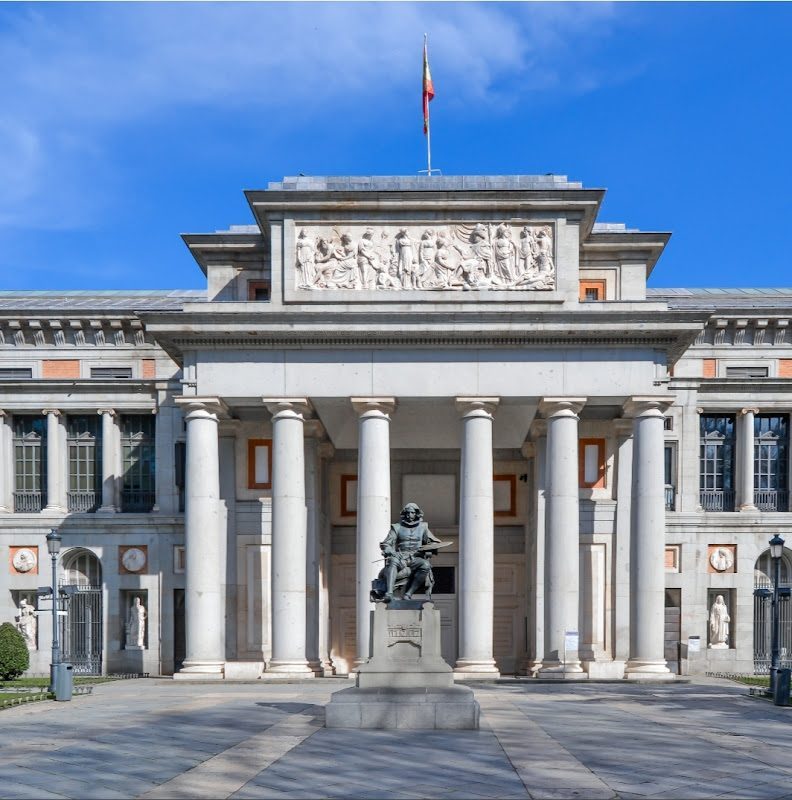
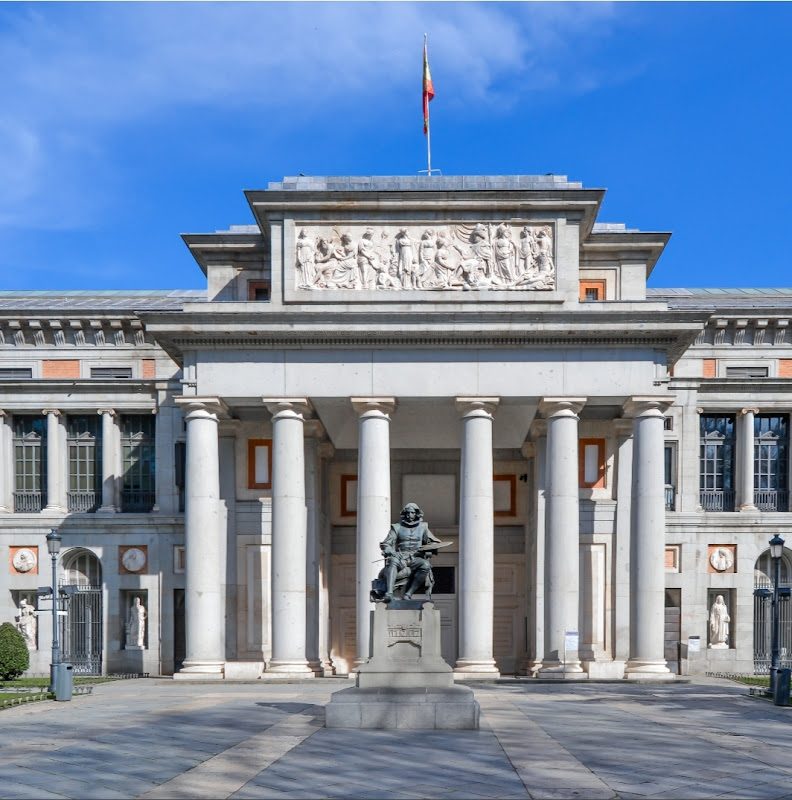
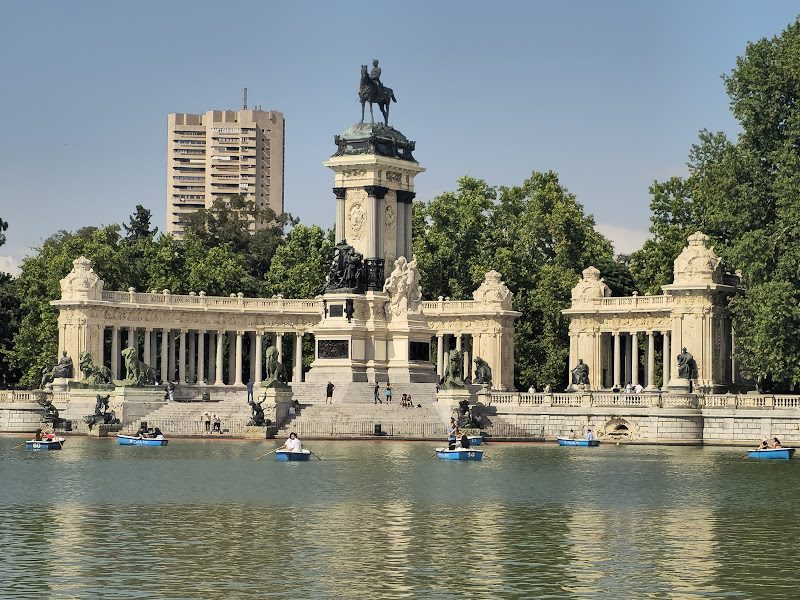
Madrid, the largest city in Spain with a population of 3.4 million, does not have a seashore like Barcelona, but this is never felt as a deficiency. The city's power is within: Velazquez paintings in the Prado, Sunday boat rides in Retiro Park, crowds hopping from tapas bar to bar in the narrow streets of La Latina, and queues for churros at San Gines at 5 a.m. Madrid is more than just the geographical center of Spain, it is the cultural, gastronomic and nightlife heart of the country.
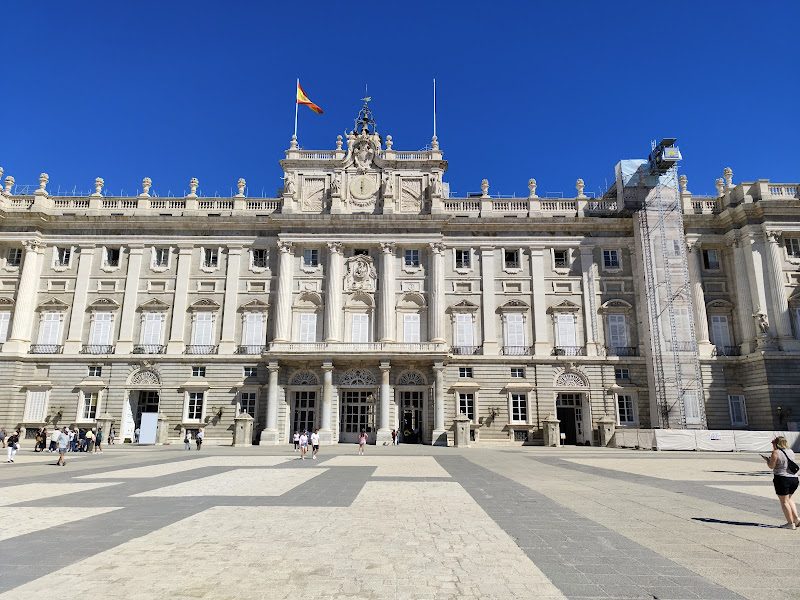
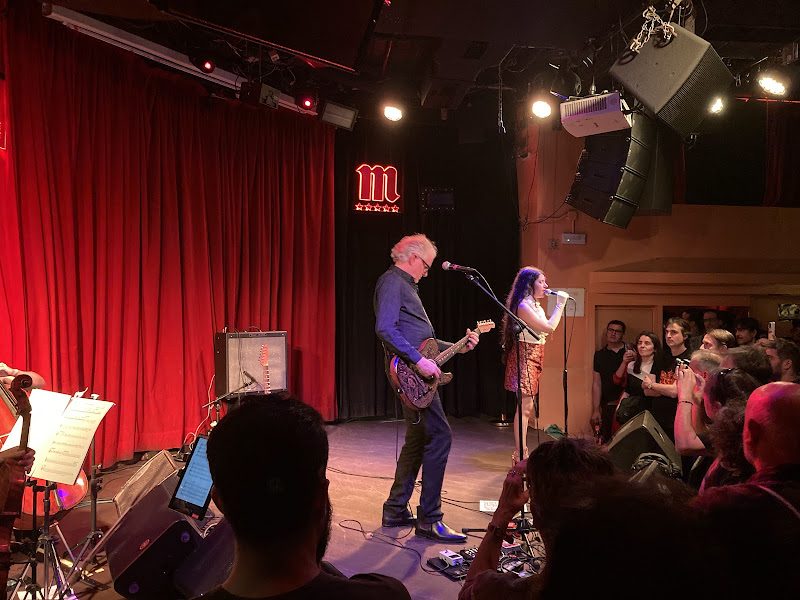
It is located in the middle of the Meseta plateau, at an altitude of 650 meters above sea level. This means summers are scorching hot and winters are unexpectedly cold. But Madrid is built precisely on these contrasts: the underground jazz club right behind the royal palace, the neon-lit churros shop two streets away from Goya's dark paintings. While it hosts Europe's most established art collections, it also has the world's oldest nightlife.
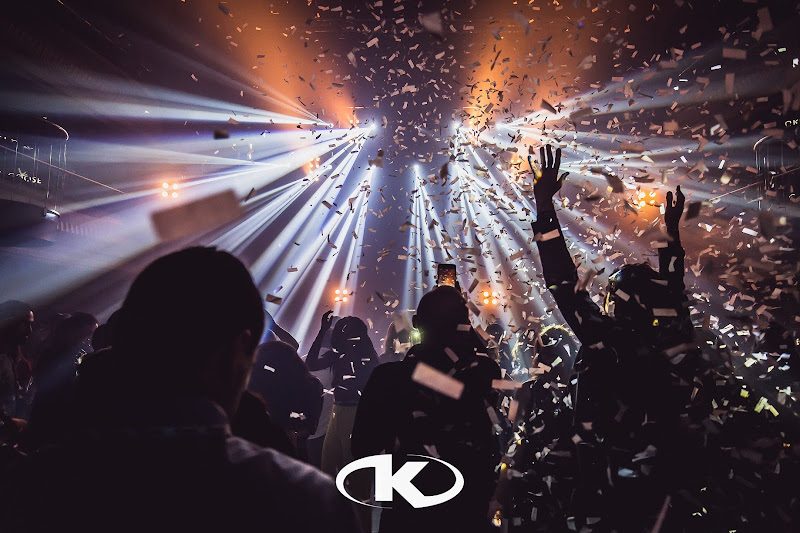
The rhythm of local life here is very clear: slow awakening at 10 am, long lunch and possibly a short siesta from 14:00 to 16:00, going out again at 18:00, dinner at 21:00, bar at 23:00, club at 02:00, churros at 05:00. You may want to resist this cycle on the first day, but you will surrender on the second day. Madrid pulls you into its rhythm and doesn't let go.
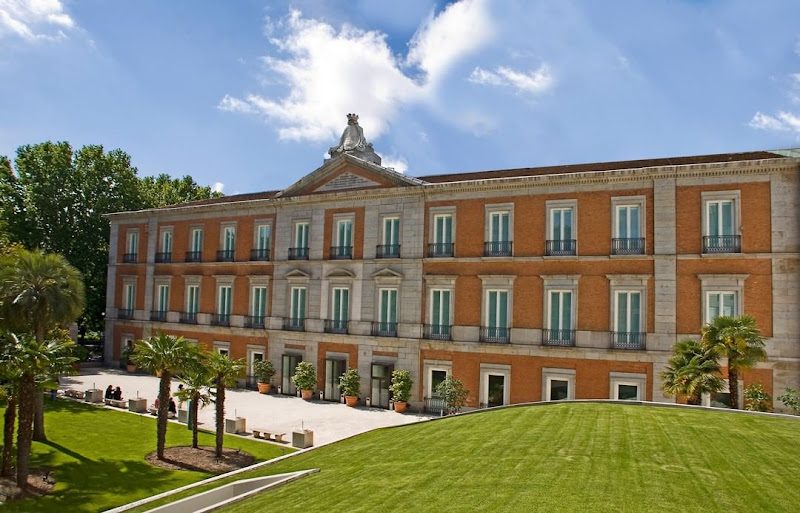
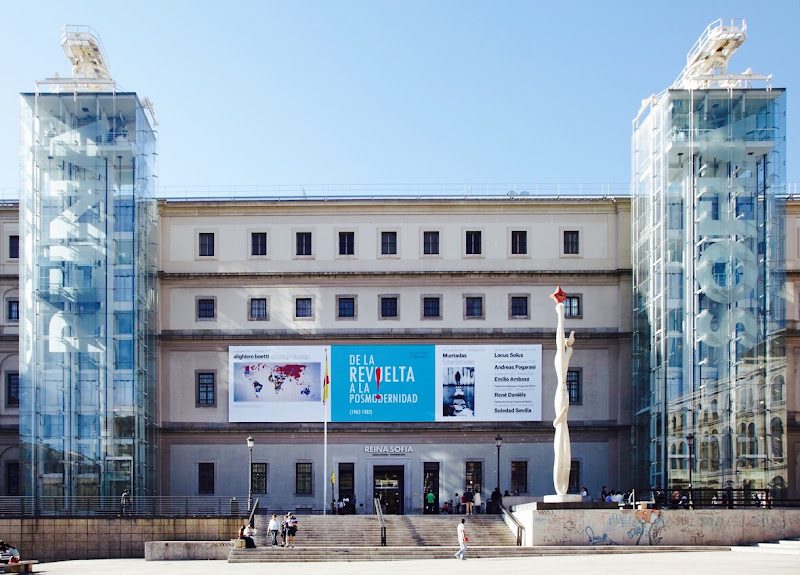
One of the most striking features of the city is the area known as the "art triangle". The Prado, Reina Sofia and Thyssen-Bornemisza museums are within walking distance of each other and together form one of the densest art collections in the world. You can travel from Velazquez's Las Meninas to Picasso's Guernica, from Goya's Black Paintings to Dali's surrealist world in one afternoon. Checking out Bosch's Garden of Earthly Delights in the morning and drinking craft beer at Malasana in the evening — that's Madrid.
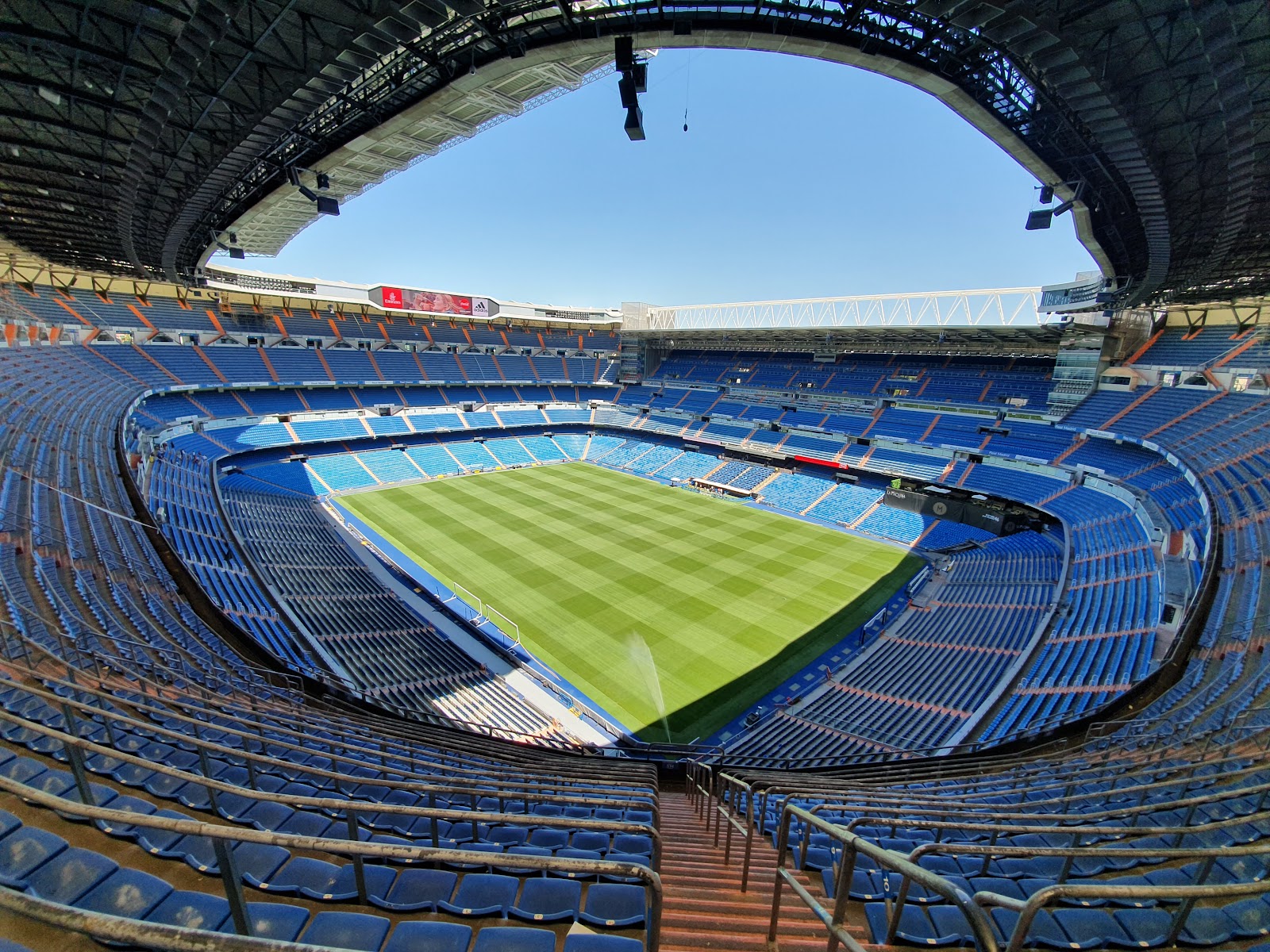
Football is like religion here. Real Madrid's renewed Santiago Bernabeu stadium is now an architectural experience in itself with its retractable roof and 360-degree giant screen. On match day, the city's energy reaches a whole new level: crowds in front of the bars are glued to the television, buildings shake from the sound of goals. And don't forget the Atletico Madrid fans — they also bring a special passion to the Wanda Metropolitano.
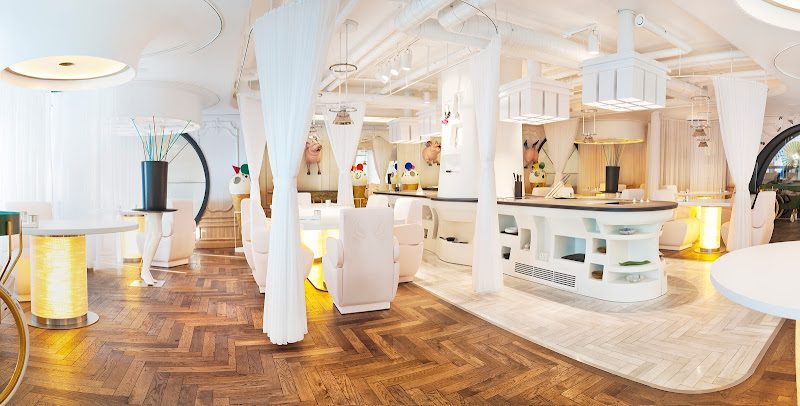
Madrid is also the gastronomic capital of Spain. Yes, Barcelona and San Sebastian are also strong, but the cuisine of every region is represented in Madrid. Galicia's seafood, Andalusia's gazpacho, Basque pintxos and, of course, Castile's cochinillo tradition—it's all here. One evening you can experience molecular gastronomy at the Michelin-starred DiverXO, the next day you can eat 3 EUR bacalao fries at the counter of Casa Labra. This range is the epitome of Madrid's food culture.
When to Go
Madrid's ideal timing is directly related to the continental climate typical of Spain's interior. In the city, which is far from the influence of the sea, summers can be scorching and winters can be so cold that even Istanbulites would be surprised.
- April-May (Spring): The most ideal period. The weather is 18-25°C, Retiro Park is in bloom, and you can sit on the terrace and drink sangria. The San Isidro festival brings the city to life in mid-May. Hotel prices have not hit the ceiling yet.
- October-November (Autumn): Second ideal window. The summer heat has receded, the temperature is 12-20°C. Museums are quieter, and it is easier to find reservations in restaurants. Christmas markets are held at the end of November.
- June-September (Summer): It is not a surprise to see 40°C in July and August. There is no one on the streets at noon, everyone is on air conditioning. Madriders themselves go on vacation, and some neighborhood restaurants close completely in August. But the Mad Cool festival and lively nightlife are the factors that make this period attractive.
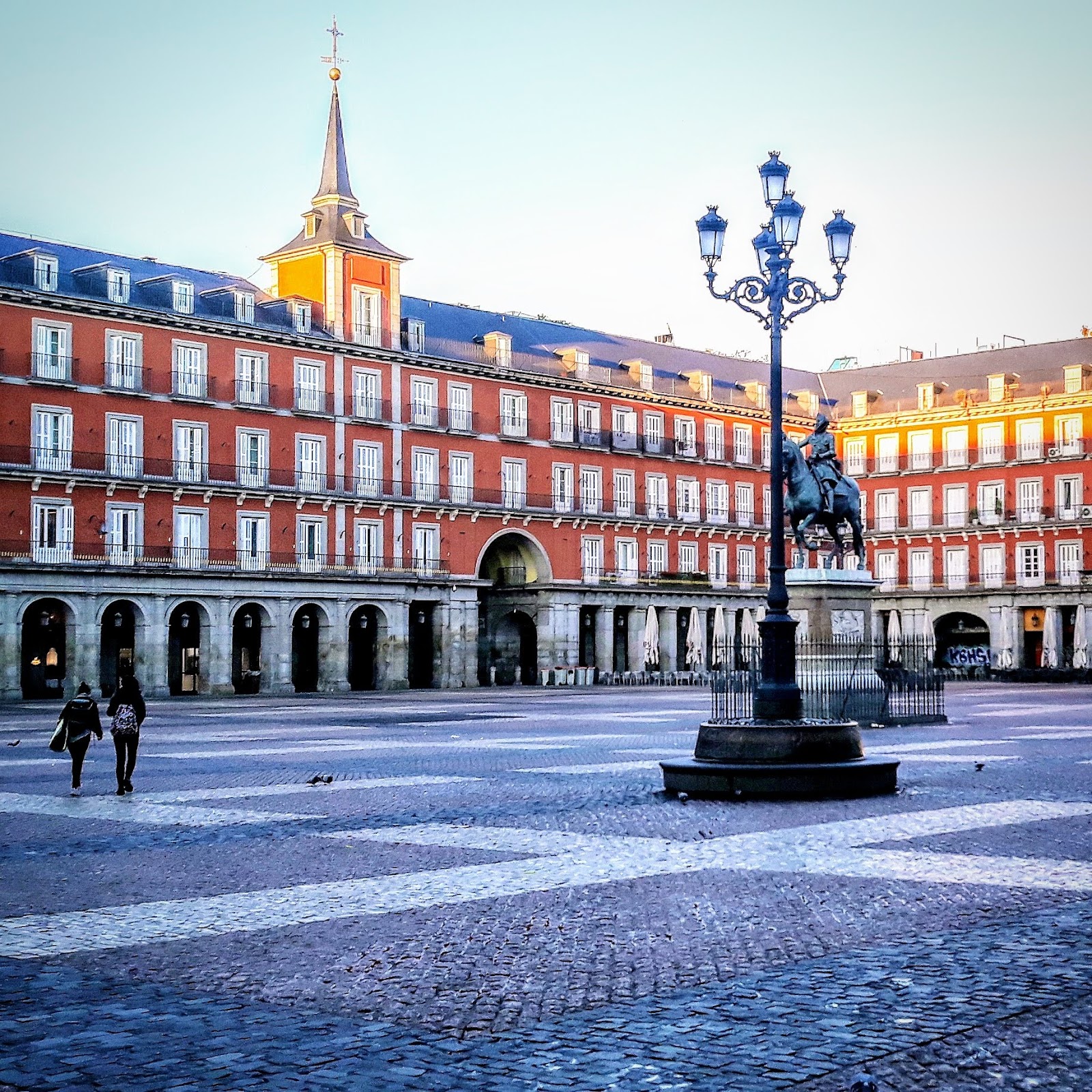
- December-March (Winter): 5-10°C, even snow may fall occasionally. The Christmas period (December-January) is fascinating with the Plaza Mayor market and the Reyes Magos parade. January-February is the calmest and cheapest period.
Golden rule: If you are planning to go to Madrid in summer, reserve the afternoon between 14:00 and 18:00 for the museum or a siesta. Being outside can truly be torture.
How to get there
Airline: Adolfo Suarez Madrid-Barajas Airport (MAD) is one of the largest airports in Europe and the main hub of Spain. Approximately 13 km from the city center. Turkish Airlines and Iberia have direct flights from Istanbul; Flight duration is approximately 4 hours. Pegasus and AJet also offer periodic flights. While early tickets can be found between 150-250 EUR, they can go up to 350 EUR during summer and festival periods.
Madrid is one of the cheaper destinations to fly to from Türkiye compared to many cities in Europe. It is possible to get deals around 120-150 EUR, especially in the winter months.
Airport - City center transportation:
| Option |
Surah |
Cost |
Note |
| Metro (line 8) |
30-40 min |
4.50-5 EUR (including airport surcharge) |
Direct to Nuevos Ministerios |
| Airport Express Bus |
30-40 min |
5 EUR |
24-hour service to Atocha station |
| Renfe Cercanías (C1/C10) |
25 min |
~2.60 EUR |
T4 to Atocha/Sol |
| Taxi |
20-30 min |
33 EUR (fixed tariff, to city centre) |
Same price day and night |
Taxi fare is fixed: 33 EUR from the airport to any address around the M-30. No bargaining, no taximeter. Uber and Cabify are also active, but they are not significantly cheaper than a taxi.
Urban Transportation
Madrid's metro system is one of the most extensive networks in Europe: 13 lines, more than 300 stations. It is clean, fast and reliable. It works from 06:00 in the morning until 01:30 at night.
Ticket options:
- Single ticket: 1.50-2 EUR (depending on distance)
- 10-pack ticket (Multi): 12.20 EUR — the most logical option
- Tourist subscriber: 1 day 8.40 EUR, 3 days 18.40 EUR, 7 days 35.40 EUR (A region). If you make more than 3 trips a day, you are profitable.
Metro tickets are also valid on the bus. The Abono Turistico card can also be used for Cercanias (commuter train).
Bus: After the metro closes, night buses (Buho / Bayku) run in all directions from Cibeles square. Very practical for going out to a nightclub.
Bicycle: BiciMAD system electric bike sharing. Apart from the annual card, there is also a power card (2 EUR activation + fee per use). But some of Madrid's streets are quite steep — the Retiro and Castellana area is flat, the rest is messy.
Taxi: White with a red stripe on it. It works with a taximeter, 5-8 EUR for short distances. It can also be called from Uber and Cabify applications.
General advice: Madrid's historical center is compact enough to be easily explored on foot. From Sol to Retiro, from Retiro to Prado, from Prado to La Latina are all within walking distance. Save the Metro for remote destinations (Bernabeu, Ventas, airport).
Accommodation Regions
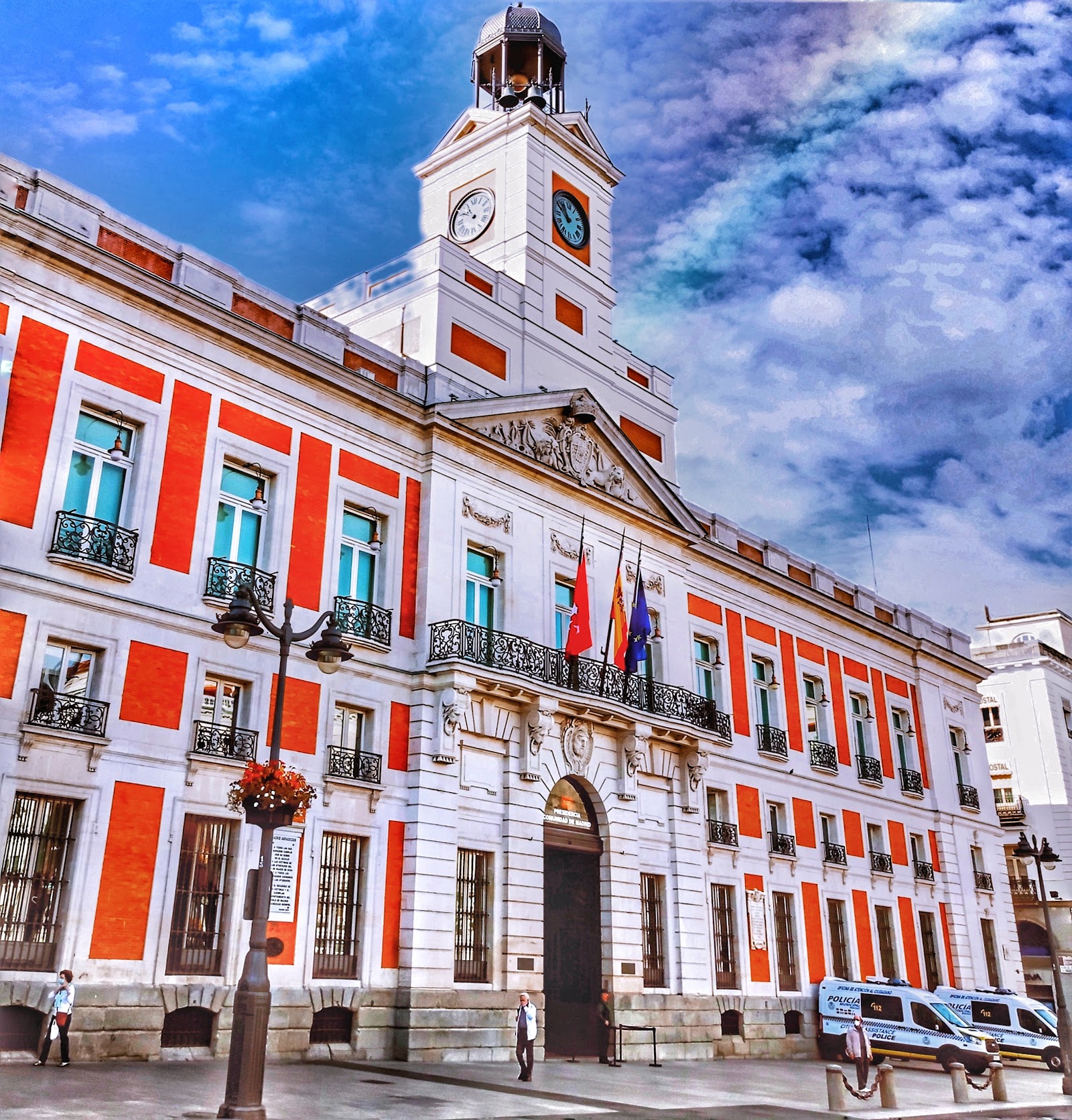
- Sol / Centro: Puerta del Sol is inside the triangle of Plaza Mayor and Gran Via. Walking distance to everything, abundance of restaurants and bars. The disadvantages are night noise and tourist prices. The most practical region for the first visit.
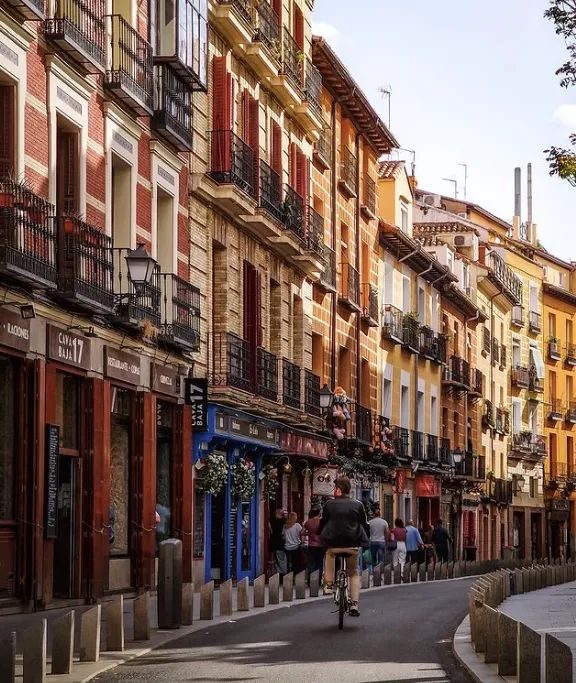
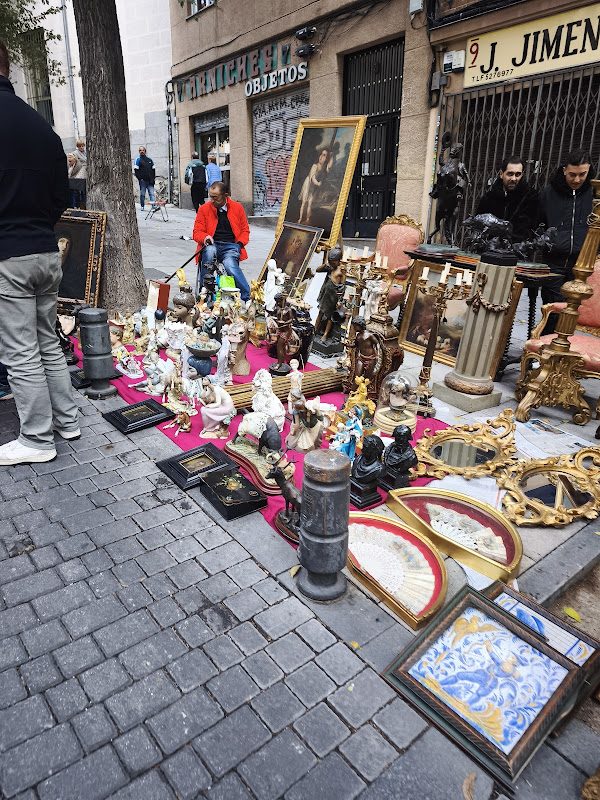
- La Latina: Tapas bars and the center of El Rastro on Sunday. Narrow streets, colorful balconies, local atmosphere. The night is a little noisy, but it makes you feel the heart of Madrid in terms of energy.
- Malasana: Hipster Madrid. Vintage shops, independent cafes, murals. Young and creative crowd. It is close to nightlife but accommodation is relatively affordable.
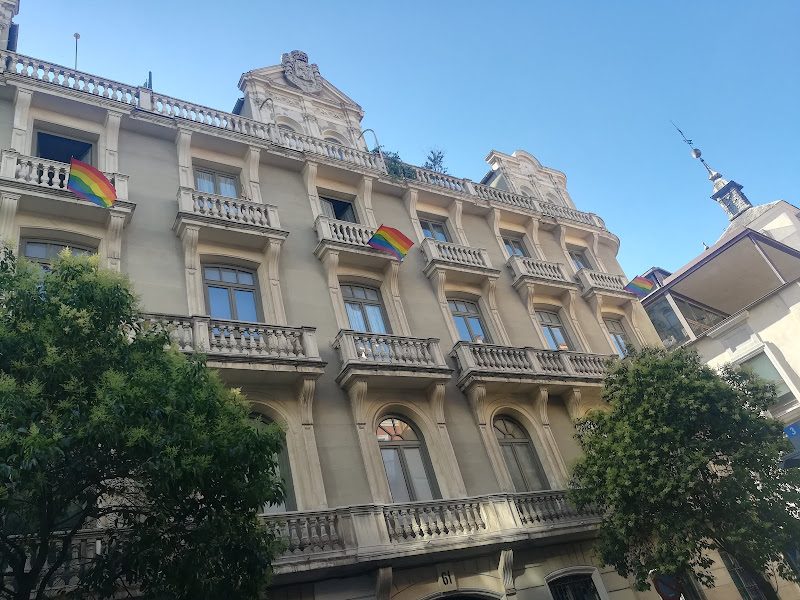
- Chueca: LGBTQ+ friendly, colorful, energetic. Good restaurants and bars. Also close to shopping (Fuencarral street). His energy peaks during Madrid Pride.
- Salamanca: The luxurious neighborhood of the city. Designer boutiques, clean streets, quiet nights on Calle Serrano. It is not budget friendly, but it is ideal for those looking for comfort.
- Chamberí: A quiet, non-touristy neighborhood where local people live. Authentic tapas bars, local markets. You will experience Madrid like a Madrid native.
Budget Plan (3 days, per person, EUR)
| Category |
Backpacker |
Medium |
Luxury |
| Accommodation (2 nights) |
70-110 (hostel) |
180-320 (3-4 stars) |
600+ (5 stars) |
| Food |
50-70 (tapas + menu del dia) |
120-180 |
400+ (including Michelin) |
| Transportation (Multi card + airport) |
20 |
25 |
70 (taxi) |
| Museum + tickets |
25 (redeem free hours) |
60 (Prado + Reina Sofia + Bernabeu) |
150 (guided tours) |
| Entertainment / night |
20 |
60 |
200+ |
| Total (3 days) |
185-245 |
445-645 |
1.420+ |
One of Madrid's biggest advantages is the "menu del dia" tradition. For lunch, most restaurants offer 3 courses (starter + main course + dessert) + bread + drink for 12-16 EUR. It is difficult to find lunch of this quality for this price elsewhere in Europe.
Additionally, the Prado, Reina Sofia and Thyssen museums all have free entrance hours. With a little planning, you can tour the art triangle at zero cost.
Practical Tips
- Ask for "menu del dia" at lunch. Most restaurants offer this formula between 13:00-16:00 on weekdays. Even if it's not on the menu, ask your waiter — it's usually available and it's incredibly valuable.
- Respect siesta hours. Small shops and some restaurants are closed between 14:00-17:00. Use these hours for a siesta in a museum, park or hotel.
- Tap water is drinkable. Madrid's water comes from the Sierra de Guadarrama mountains and is one of the highest quality tap waters in Spain. You don't need to get water in the bottle.
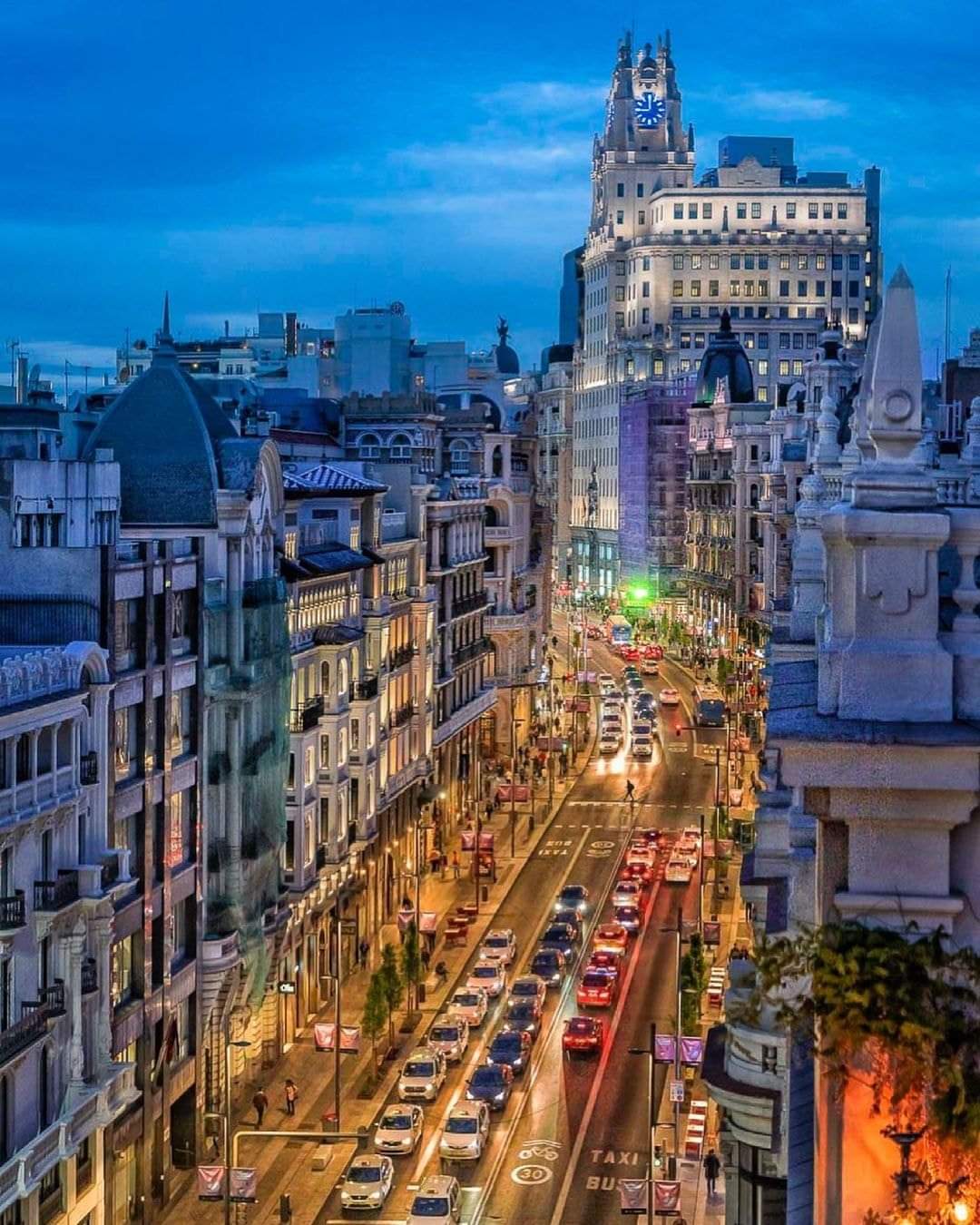
- Beware of pickpockets in Gran Via. Carry your wallet first, especially at subway entrances and crowded streets. The area around Sol and Plaza Mayor is also a risky area.
- Search for a flamenco show. Avoid tourist trap tabernas. Choose real tablaos like Casa Patas, Corral de la Moreria or Cardamomo. It's not cheap (35-50 EUR) but don't leave Madrid without trying real flamenco.
- Sunday plan: El Rastro in the morning + La Latina tapas in the afternoon + Retiro Park in the afternoon. Madrid's best gun combination.
- Rebajas (discount) season: Early January and early July. Spanish brands (Zara, Mango, Massimo Dutti) are discounted by 50-70%. If you're planning shopping, target these dates.
- Time to go out at night: Do not go to the bar before 23:00, do not go to the club before 01:00. If you go early, you'll find an empty place and get strange looks.
Travel Guide with Children
Madrid is a better city for families with children than you think. Spaniards love kids — restaurants, cafes, even bars are tolerant and welcoming to kids. Don't be surprised when you see children in the park late at night, this is the culture of this place.
By Age Groups
- 0-3 years: The wide walking paths and shaded areas in Retiro Park are ideal for strollers. Most museums (Prado, Reina Sofía) have stroller-friendly elevators. Finding a lactation room can be difficult, but cafes are usually understanding.
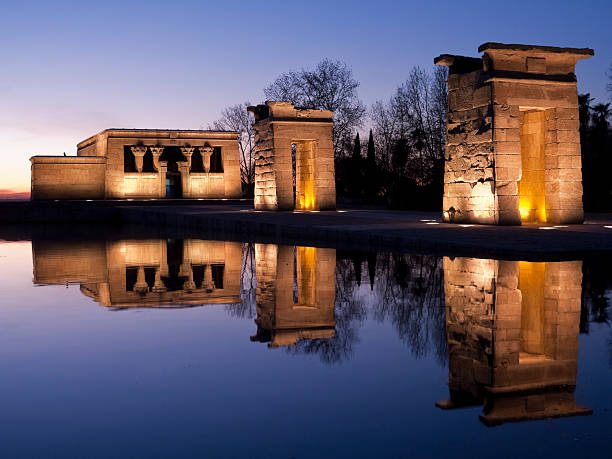
- 4-7 years: Boating in Retiro, park areas around Debod Temple, Faunia zoo and Madrid Rio park are great for this age group. Churros + chocolate ritual will be a kids' favorite.
- 8-12 years: Santiago Bernabeu stadium tour will drive football enthusiasts crazy. The Guernica painting at the Reina Sofía is an impressive lesson for those interested in history. The Teleférico (cable car) to Casa de Campo is a beautiful experience.
- Ages 13+: Street art tour of Malasaña, vintage shopping at El Rastro, cinema and shopping at Gran Vía. Renting kayaks or paddles in Retiro is also fun.
Top 5 Kids Activities
- Retiro Park boat ride — 45-minute boat ride on the pond (6 EUR). Watching swans and turtles is endless fun for little ones. The Crystal Palace is also right next to it.
- Churros in San Ginés — Churros dipped in hot chocolate are a favorite of all ages. Kids will love this ritual.
- Santiago Bernabeu Stadium Tour — Going down to the field, seeing the locker room, taking photos with the trophies. Even if he's not interested in football, he's impressive.
- Madrid Rio Park — Modern park along the Manzanares River. There are playgrounds, a water track (in summer), a bike path and a skateboard track. On hot days, children play for hours on the water course.
- Teleférico (Cable Car) — 11-minute aerial ride from Paseo del Pintor Rosales to Casa de Campo. The city views are spectacular and exciting for kids.
Practical Information
- Children's menu in restaurants: Most restaurants do not have an official children's menu, but you can ask the waiter for a "media ración" (half portion). Patatas bravas, tortillas and croquetas are classics that children love.
- Metro and children: Under 4 years old is free. Stations with stroller lifts are limited — check in advance. Buses are generally more practical.
- Siesta planning: Spanish children also take siesta. It's smart to return to the hotel between 14:00 and 17:00 and rest — you need this break if you're going to be out until 21:00.
- Sun protection: UV is very high in summer. A hat, sunscreen and plenty of water are a must. Look for shade between 12:00 and 17:00.
Things to Consider
- Sidewalks can be uneven, especially in the historical centre. Choose a baby stroller with sturdy wheels.
- Pickpockets are active in tourist areas — watch your bag while watching out for kids.
- In Spain, places with alcohol are not prohibited for children, but going to a bar with a child after 22:00 at night is not an expected thing.
Local Label and Culture Notes
Madrid people are warm-hearted, smiling and social people. He is generally curious and helpful towards strangers. Unlike the Catalan distance in Barcelona, here it's easy to strike up a conversation with people you've never met — especially if you're sitting next to each other in a bar.
Greeting is done by kissing on both cheeks (right cheek first). Shaking hands is more common between men, but kissing between close friends is also normal. When you enter a place, saying "Hola, buenas" is enough and expected.
Food culture is serious business. The Spanish people's relationship with food is not a simple diet, but a social ritual. Lunch is between 14:00-15:30, dinner is between 21:00-22:30. Trying to have dinner at 7pm instantly rules you out as a tourist — most restaurants aren't open at that time anyway.
Tapas culture works differently in Madrid. In some areas (La Latina, Lavapies) a free tapa comes with your drink order — this is called "ir de canas". Ask for a caña (small beer) and it comes with a plate of olives or patatas. This tradition is not valid everywhere, but if you come across it in local bars, it's a nice surprise.
The "Manana" culture is real. Business moves slowly, appointments start late, when the courier says "tomorrow" he may mean two days later. This will annoy you, but it's part of the Madridist philosophy of life — "la screw es corta" (life is short), don't stress.
Betting is not required but is appreciated. It is common to leave 5-10% in the restaurant, a rounded-up Euro or two at the bar is sufficient. You can leave your clothes to the taxi driver.
The subject of football can be sensitive. Before you ask Real Madrid or Atletico, do some research. The rivalry between the fans of the two teams is one of the deepest cultural divisions in the city.
FAQ
How many days to visit Madrid?
3 days minimum for art triangle + historical center + tapas. If you want to include Flamenco, Bernabeu tour, Toledo or Segovia day trip and nightlife, 5 days is ideal.
Barcelona or Madrid?
The two are completely different cities. Barcelona beach + architecture + Mediterranean atmosphere; Madrid art + gastronomy + nightlife + real Spanish culture. Barcelona is easier for tourists, while Madrid is the better address to understand Spain. The ideal is to see both — just 2.5 hours between them by AVE train.
Is Madrid safe?
In general, it is a very safe city. The violent crime rate is low. But pickpocketing is especially common in tourist areas (Sol, Gran Via, metro). Carry your bag in the front, don't carry your wallet in your back pocket, and don't leave your phone on the table.
What is menu del dia?
Fixed price menu offered for lunch on weekdays: starter + main course + dessert + bread + drink. Usually 12-16 EUR. Best way to eat budget friendly in Madrid.
Where to watch Flamenco?
Corral de la Moreria, Casa Patas and Cardamomo are the real tablao venues. Prices are around 35-50 EUR (including beverages). The cheap tabernas around Sol are often tourist traps — spend a little more, but see real flamenco.
Where to go for a day trip from Madrid?
Toledo (30 min by train, medieval city), Segovia (27 min by AVE, Roman aqueduct and sausage lamb), El Escorial (1 hour, royal monastery). All three places are magnificent and easily accessible.
Is it possible to go from Turkey without a visa?
No with ordinary (maroon) passport — Schengen visa required. Green (special), gray (service) and black (diplomatic) passport holders can enter without a visa for up to 90 days in 180 days. Applications for the Spanish Consulate are made through BLS International.
Can you travel without knowing Spanish?
English is sufficient in touristic areas and hotels. But knowing Spanish makes your job much easier in local bars, neighborhood restaurants and taxis. "Hola", "gracias", "una caña por favor" (a small beer please) and "la cuenta" (calculation) — these four phrases will help you survive in Madrid.
Where to eat the best churros?
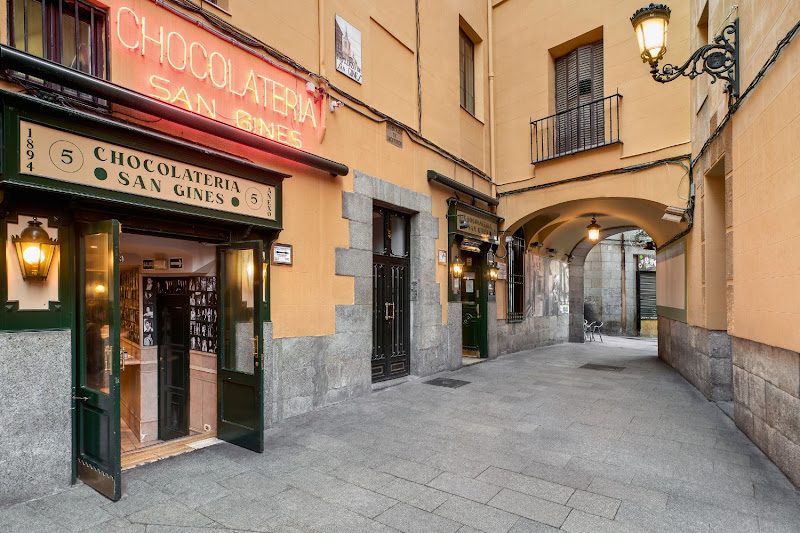
San Guineas is the undisputed winner. It has been in the same location since 1894, open 24 hours a day. Eating churros with hot chocolate at 4 in the morning after leaving the club at night is the pinnacle of the Madrid experience.