About
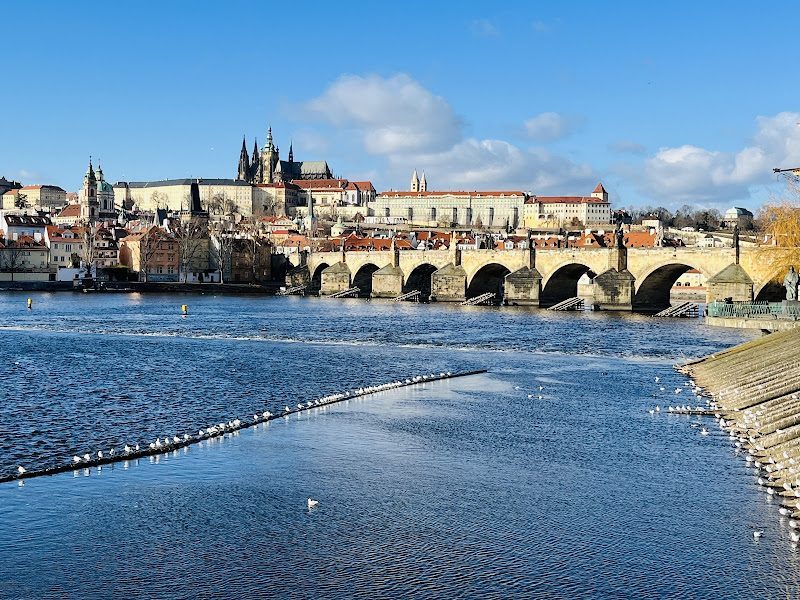
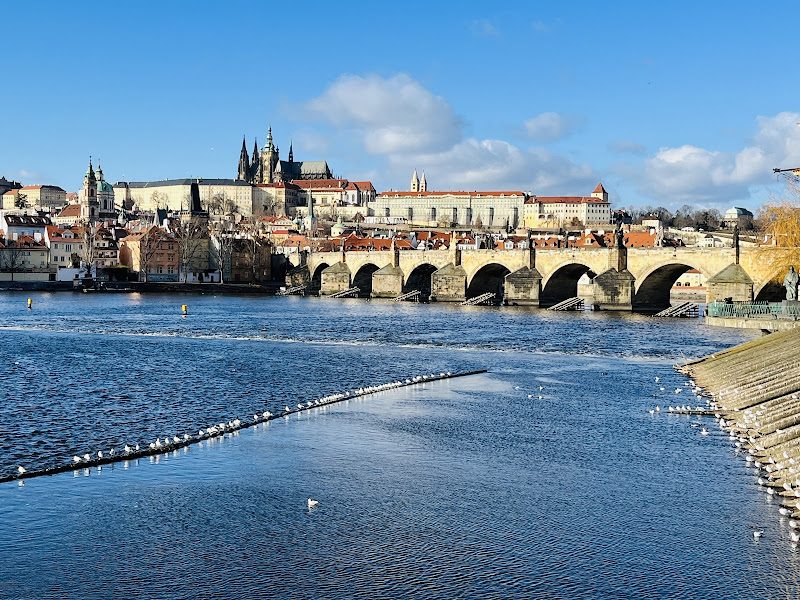
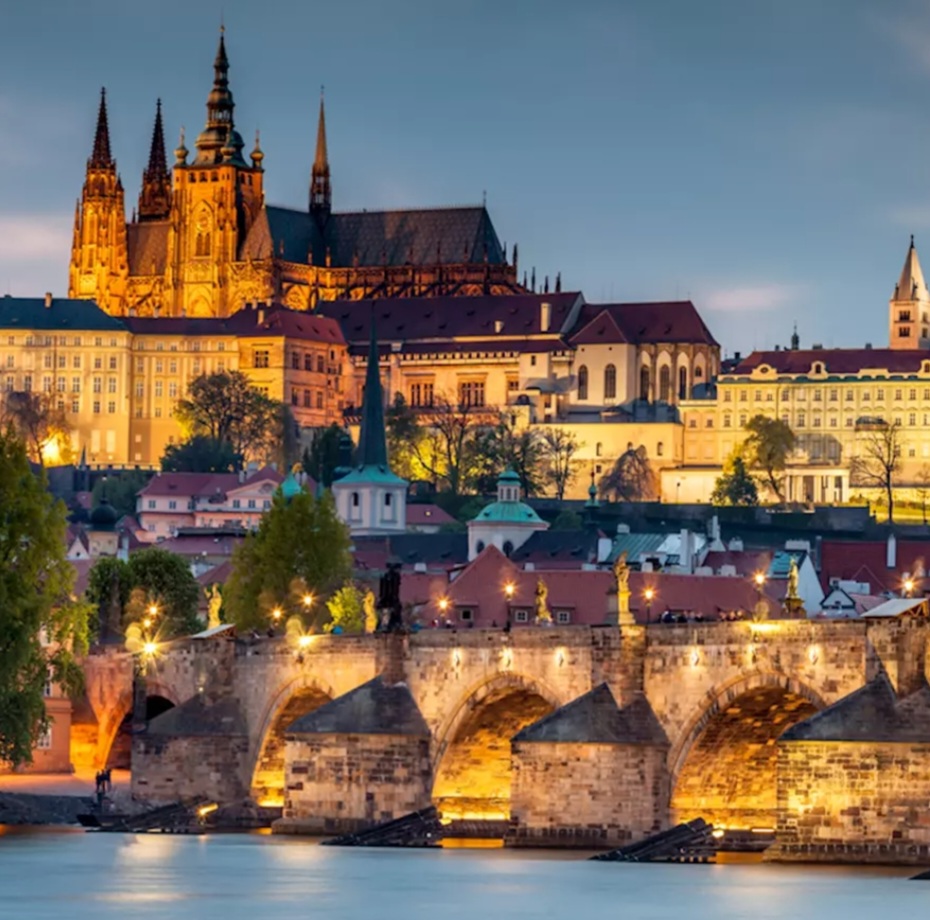
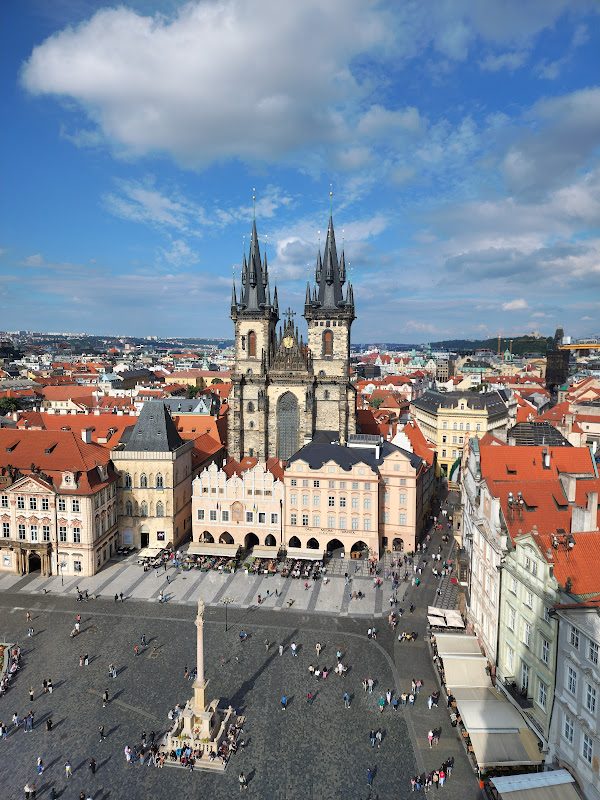
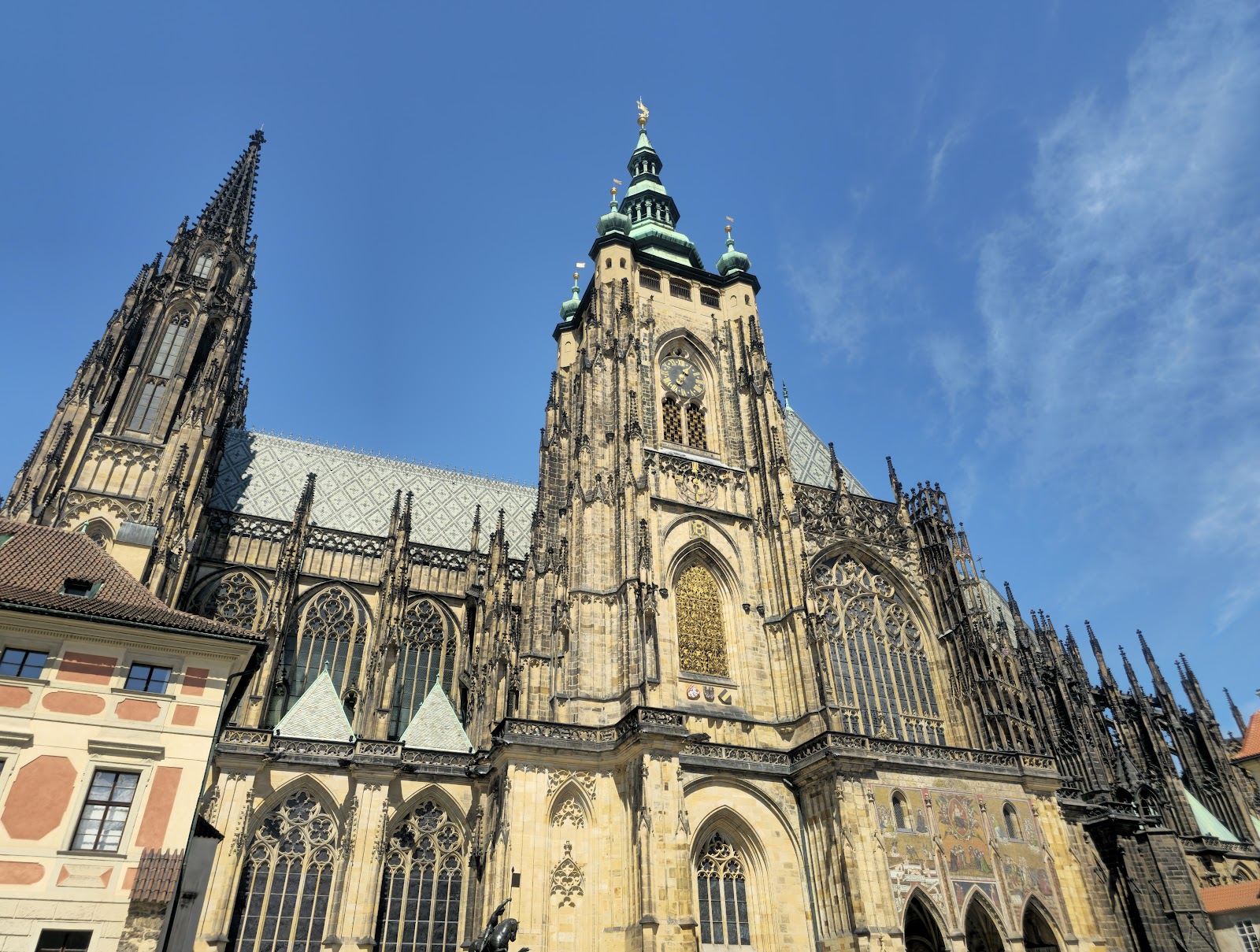
What comes to your mind when you think of Prague? Probably red roofs, stone bridges, cheap beer and streets that look like they're straight out of the Middle Ages. Here's the good news: Prague is exactly that. Even more. This city, divided into two by the Vltava River, has one of the best-preserved historical centers in Europe and is the apple of UNESCO's eye. Gothic towers, Baroque palaces, Art Nouveau facades and cubist buildings can stand side by side on the same street — and somehow this chaotic harmony works magnificently.
The capital of the Czech Republic has a population of approximately 1.3 million, but hosts more than 8 million tourists every year. Despite this, Prague remains one of the most affordable capitals in Europe. As you sit in a bar and sip half a liter of fresh Pilsner for 60-80 CZK (approximately 2.5 EUR), you will smile and remember the beer price of 9 EUR in Paris. Food, accommodation, museum entrances — everything is significantly cheaper compared to Western Europe. If you want a quality European experience without breaking the bank, Prague is your city.
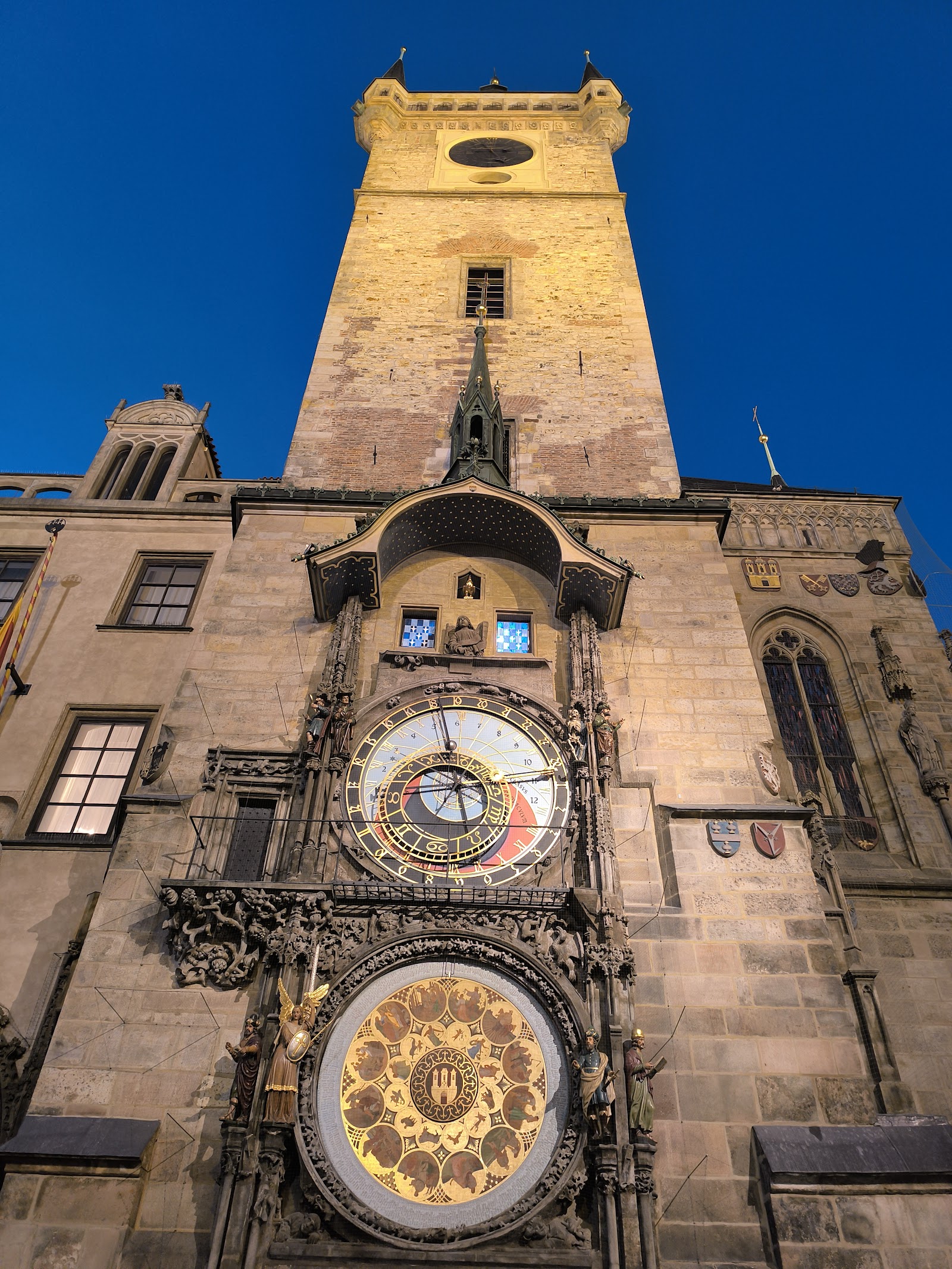
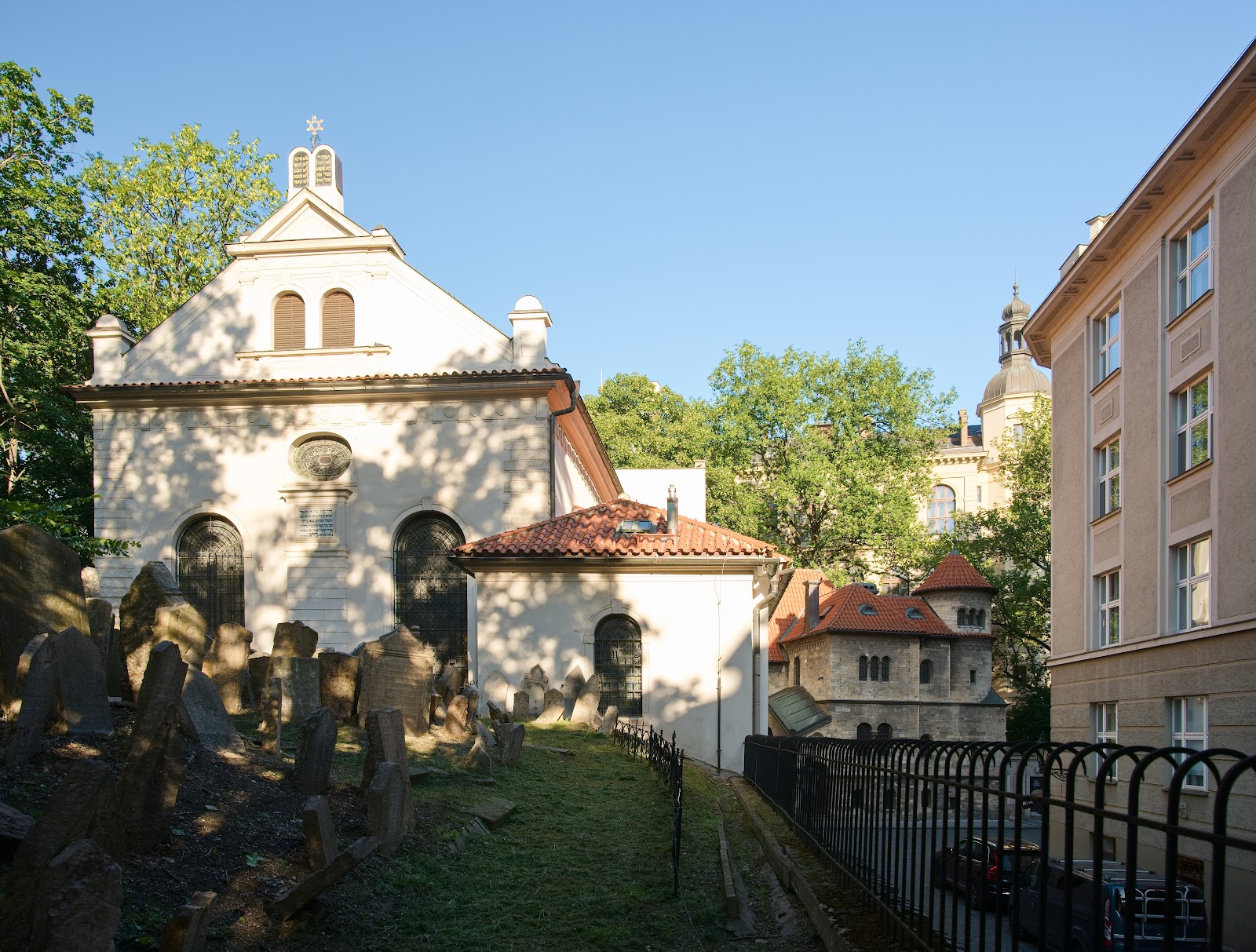
The city also has a mystical side. Franz Kafka was born and wrote here; You can feel the traces of his paranoid universe in the streets. The Golden Street (Zlatá ulička) where the alchemists worked still stands inside Prague Castle. The legend of the golem originated in the Jewish Quarter. The clock made by medieval astronomers has been ticking every hour for more than 600 years. Prague is like a historical theme park, but not plastic — there's a real story behind every stone.
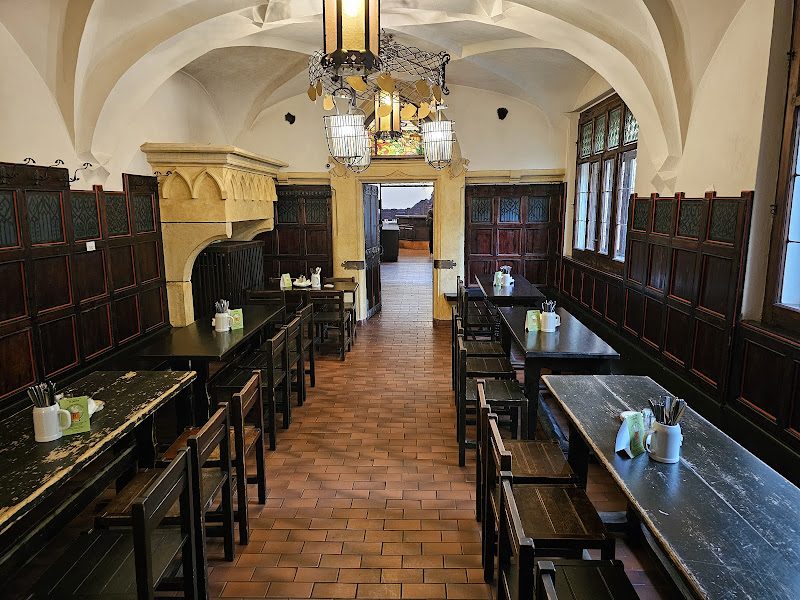
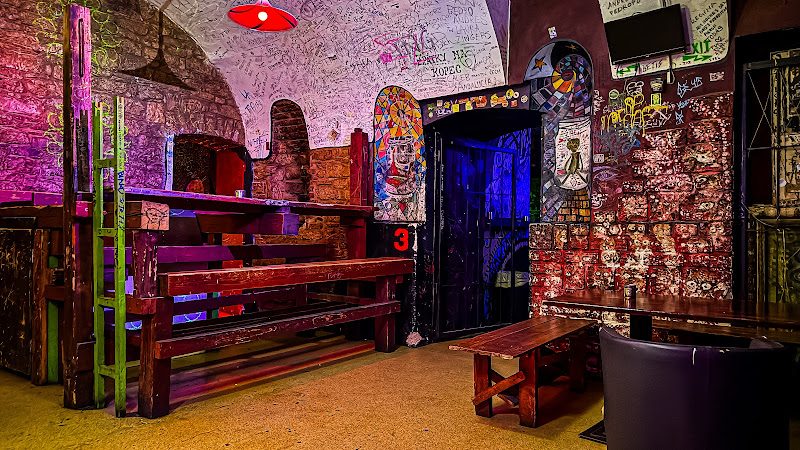
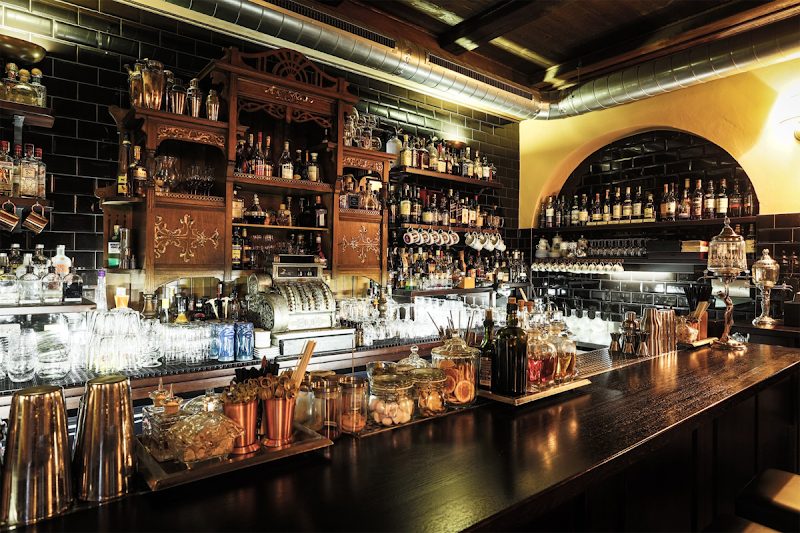
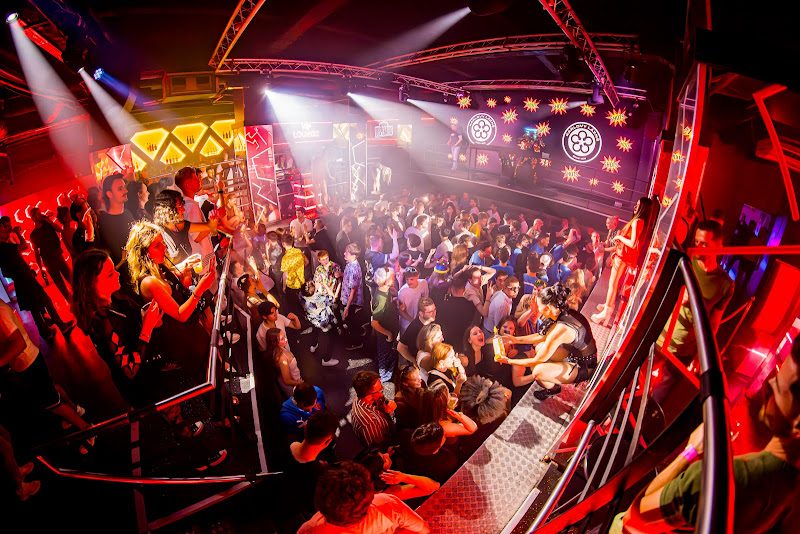
Modern Prague carries a completely different energy. Neighborhoods like Vinohrady and Žižkov are full of hipster cafes, independent bookstores and small galleries. The Karlín district is like the Brooklyn of Prague, where old factories have been transformed into loft restaurants. Nightlife is the city's secret weapon: there is a scene for every taste, from huge five-storey clubs to bars set up on old boats on the banks of the Vltava, from underground jazz clubs to absinth bars. And what they all have in common: prices are reasonable, the atmosphere is friendly, the people are relaxed.
When to Go
Prague's continental climate offers four clear seasons, and each has its own charm. But let's be honest, some periods are much more enjoyable than others:
April-June (Spring/Early Summer): Golden period. Temperatures hover between 15-25°C, parks are blooming, the riverside is coming to life. Tourist density has not yet reached crazy levels. Prague Spring Music Festival starts in May. It's the best time of the year.
September-October (Autumn): It rivals spring in beauty. The leaves are turning yellow-red, the view from Petřín Hill is like an oil painting. Summer crowds have decreased, prices have dropped, and the weather is still ideal for walking at 15-20°C.
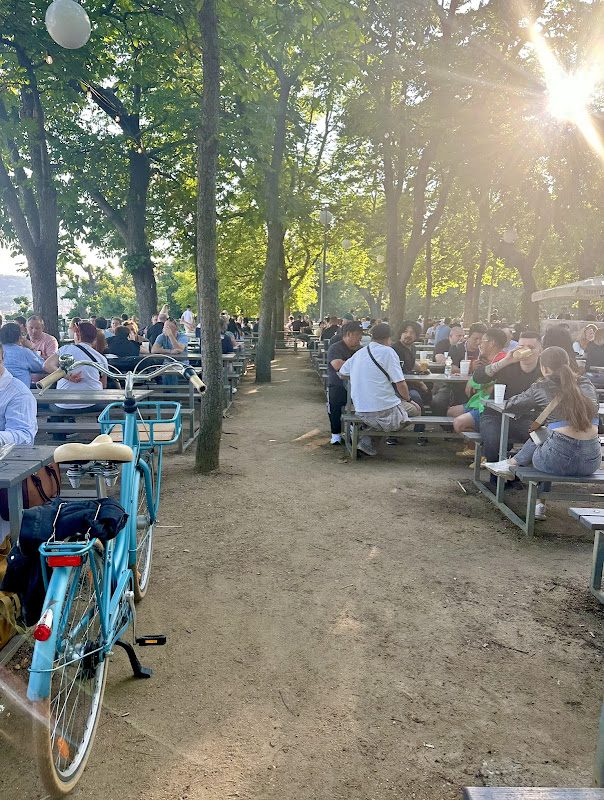
July-August (Summer): The most crowded period. You will walk shoulder to shoulder on the Karel Bridge. Temperatures can exceed 30°C and air conditioning is not common. The evening coolness is a savior in beer gardens. The Czech Beer Festival is in late May-early June, but there are outdoor events throughout the summer.
November-March (Winter): Cold (0 to -5°C), gray and damp. But the Christmas markets held from early December to early January put Prague in a magical atmosphere. The giant tree, the smell of mulled wine (svařák) and the lighting in the Old Town Square — it's a great time if you want to get into the Christmas spirit. January-February is the quietest and cheapest period, but the weather is really gloomy.
How to get there
Airway: Václav Havel Airport (PRG) is approximately 17 km from the city center. Turkish Airlines and Czech Airlines (now partly under the umbrella of Smartwings) operate direct flights from Istanbul Airport (IST). Pegasus and AJet can also offer periodic direct flights. Flight duration is approximately 2.5 hours. Early tickets can be found for 100-200 EUR — one of the most affordable routes in Europe.
Airport - City center transportation:
| Option |
Duration |
Cost |
Note |
| Airport Express (AE Bus) |
35 min |
100 CZK (~4 EUR) |
It goes towards Hlavní nádraží (Main Train Station). The most practical option. |
| Bus 119 + Metro A |
45 min |
40 CZK (~1.6 EUR) |
The cheapest way. Bus number 119 to Nádraží Veleslavín metro stop, from there to the center with line A. |
| Taxi / Bolt / Uber |
25-35 min |
500-700 CZK (~20-28 EUR) |
Taxis outside the airport can be expensive, use Bolt or Uber app. |
Important warning: Be careful of people who meet you at the airport and offer "private transfer". Prices can be 2-3 times that of official taxis. Download the Bolt or Uber app in advance.
Urban Transportation
Prague's public transport system (DPP) works perfectly. The metro, tram and bus network is integrated and you can use them all with a single ticket.
Metro: 3 lines: A (green), B (yellow) and C (red). Central cases: Můstek (intersection of lines A and B), Muzeum (intersection of lines A and C), Florenc (intersection of lines B and C). It starts at 05:00 in the morning and ends at 00:00 at night.
Tram: The real hero of the city. More than 30 lines, night trams (numbers 51-59) also available. Tram 22 connects almost all the sights — think of it as Prague's hop-on hop-off, but free (with your ticket).
Ticket System: 30-minute ticket 30 CZK (~1.2 EUR), 90-minute ticket 40 CZK (~1.6 EUR), 24-hour ticket 120 CZK (~5 EUR), 72-hour ticket 330 CZK (~13 EUR). Be sure to have your ticket stamped (validate) at the yellow machines inside the tram/bus or at the metro entrance. An unstamped ticket means a 1500 CZK fine — the control officers dress in civilian clothes and have no mercy.
Lítačka App: Don't bother buying paper tickets, download the official DPP Lítačka app. You can buy all tickets from your phone, they are activated automatically.
Walking: Prague is a great city to walk. The Old Town can be explored on foot between Mala Strana and the castle area. But cobblestones are hostile to high heels, comfortable shoes are a must.
Accommodation Regions
Where you stay directly shapes your Prague experience:
Staré Město (Old Town): In the center of everything. Karel Bridge, Astronomical Clock, squares are at your doorstep. There is night noise and tourist prices, but the location cannot be beat. Ideal for middle and upper budget.
Malá Strana: Romantic neighborhood full of pastel-coloured houses and narrow cobblestone streets, just below the Castle. Great for couples and those who want a quiet holiday. Prices are close to the Old Town but the atmosphere is much more friendly.
Nové Město (New City): Although it is called "New", it dates from the 14th century. Close to Wenceslas Square and the main train station. Prices are a little more affordable than in the Old Town, but still within walking distance of everything.
Vinohrady: The most livable neighborhood in Prague. Cafes, independent restaurants, green spaces and quiet streets. It's far from the touristic crowds, but you're in the center with a 10-minute tram ride. Best price/performance for medium budget.
Žižkov: The alternative face of Prague. Plenty of bars, low prices, local people. It has a bit of a suburban feel but is very rich in personality. Perfect for backpackers and nightlife enthusiasts.
Karlín: Up-and-coming neighborhood where the former industrial area has become a favorite of young professionals. Trendy restaurants, modern cafes and renovated factory buildings. Walking distance from Florenc metro stop.
Budget Plan (3 days, per person)
| Category |
Backpacker |
Medium |
Luxury |
| Accommodation (2 nights) |
800-1500 CZK / 32-60 EUR (Hostel) |
3000-6000 CZK / 120-240 EUR (3-4★) |
12000+ CZK / 480+ EUR (5 Hotels) |
| Public Transportation |
330 CZK / 13 EUR (72 hours) |
330 CZK / 13 EUR |
1500 CZK / 60 EUR (Uber/Taxi) |
| Food |
1500-2500 CZK / 60-100 EUR |
3000-5000 CZK / 120-200 EUR |
8000+ CZK / 320+ EUR |
| Entrance Tickets |
600 CZK / 24 EUR |
1200 CZK / 48 EUR |
2500 CZK / 100 EUR |
| Beer and Nightlife |
500-1000 CZK / 20-40 EUR |
1500-2500 CZK / 60-100 EUR |
5000+ CZK / 200+ EUR |
| Total (3 days) |
3730-6330 CZK / 149-253 EUR |
8030-15030 CZK / 361-601 EUR |
29000+ CZK / 1160+ EUR |
The biggest advantage of Prague is that it is budget-friendly. A backpacker can have a very enjoyable day with 50-80 EUR per day — this includes museum entrance, three meals and a few beers in the evening. A comfortable hotel, good restaurants and even a visit to a cocktail bar can fit into a medium budget.
Practical Tips
Beware of foreign exchange kiosks! Prague's biggest tourist trap is fake currency kiosks. Those who write "0% commission" usually work with terrible exchange rates. For the best rate, withdraw with your card at ATMs — but reject the "DCC (Dynamic Currency Conversion)" option and use your own bank's rate. If you have to go to foreign exchange kiosks, definitely look for "guaranteed rate" and verify the commission.
Use Czech Koruna (CZK), not EUR. Many tourist attractions accept EUR, but their exchange rate is extremely bad. They give the change in CZK and the loss grows. Always pay with CZK.
Check the bill at restaurants. Some tourist restaurants add a "couvert" (bread/service) fee to the bill or add additional items that are not on the menu. Read the account carefully.
Tipping culture: It is customary to tip around 10% in restaurants. You can round up the bill when paying: For a bill of 180 CZK, just say "200". Tipping is not required in bars, but it is appreciated.
Public transport fines are brutal. Civilian control officers ask for your ticket when you least expect it. If there is no ticket or it is not stamped, they issue an instant fine of 1500 CZK (~60 EUR). If you pay on the spot it may come down to 800 CZK but no debate.
Wear comfortable shoes. Cobblestones, castle slopes and tower stairs are the standard of Prague. Coming in high heels is a torture to yourself.
Dress warmly in winter. The wind blows from the Vltava River and penetrates the bones. In winter, a hat, scarf and gloves are a must.
Carry a water bottle. Prague's tap water is drinkable and delicious. A small bottle of water can cost 50-70 CZK in touristic places.
Travel Guide with Children
Prague is a budget-friendly and enjoyable European capital for families with children. Fairy-tale castles, narrow streets and astronomical clocks stimulate children's imagination. Czechs are warm and tolerant towards children.
Recommendations by Age Group
0-3 years: Letná Park is large and shady, the playground is nice. Baby strollers are difficult in the old town — the cobblestones are jarring. But subways and trams, suitable for baby strollers, and low-floor vehicles are common.
4-7 years: The Astronomical Clock fascinates the little ones with its figures that chime at every hour. It's fun to take the funicular up Petřín Hill and get lost in the mirror maze. Prague Zoo is one of the best in the world.
8-12 years old: Exploring Prague Castle, climbing the tower of St. Vitus Cathedral and seeing the miniature houses on Golden Street fascinate this age group. The Lego Museum is also popular.
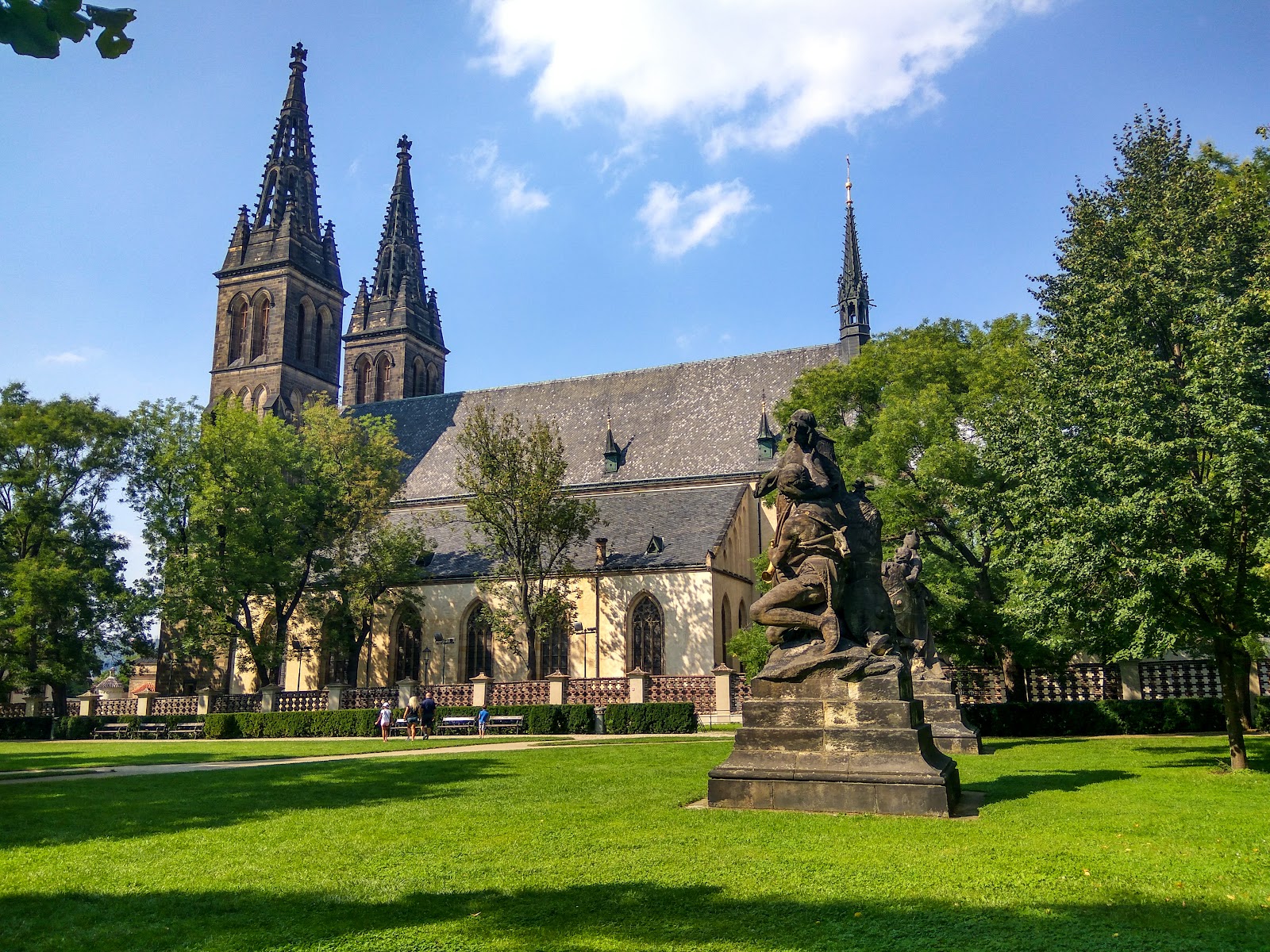
Ages 13+: Vinohrady's cafes, Žižkov's alternative bars (alcohol age 18), the night atmosphere of the old town and the view of Vyšehrad Castle attract young people.
Top 5 Kid-Friendly Activities
Prague Zoo — The zoo ranked among the top 5 in the world by National Geographic. Elephant valley, Indonesian forest, children's farm. Take a full day.
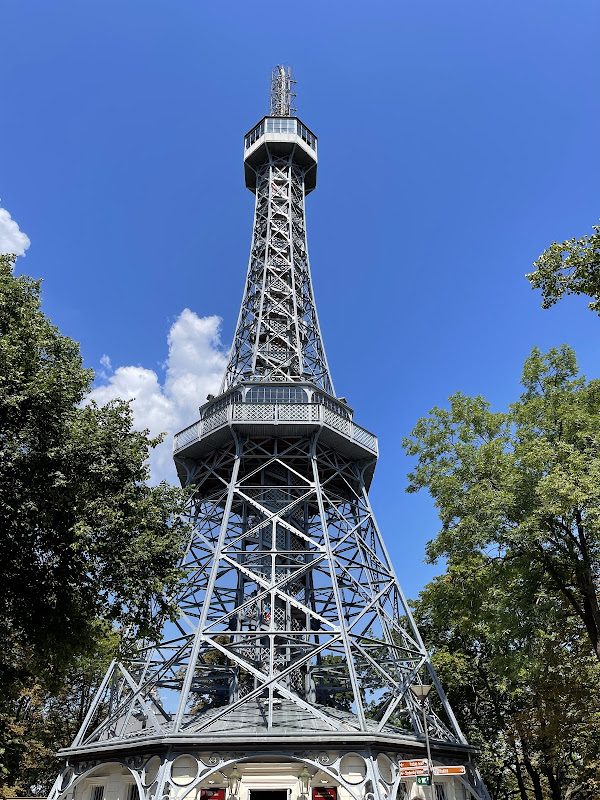
Petřín Hill — Funicular exit, Eiffel Tower miniature (observation tower), mirror maze and rose garden. An adventure-filled half day for children.
Astronomical Clock — Mechanical figures dance every hour. A short but fascinating show for children. Combine it with ice cream in the Old Town Square.
Lego Museum — Europe's largest Lego exhibition. More than 2,500 models, interactive building area. It's fun for both little ones and adults.
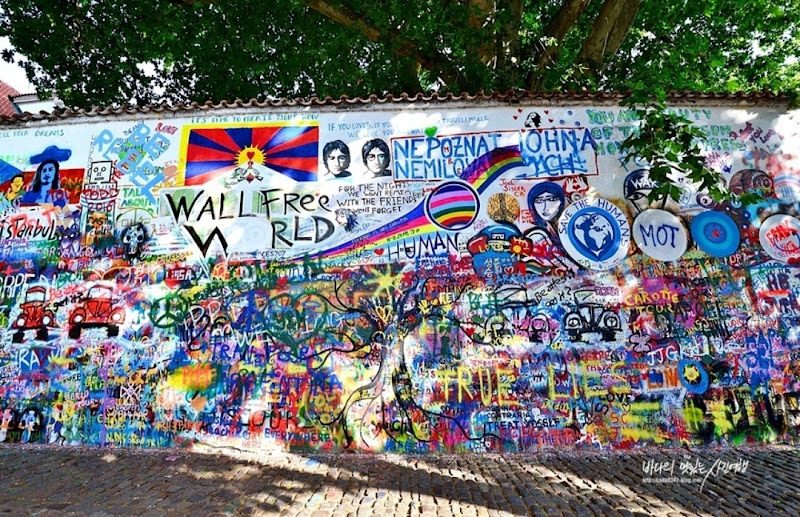
Kampa Island + Lennon Wall — Small island, park and playground on the Vltava. Drawing on the Lennon Wall is a favorite among young people.
Practical Information
Baby stroller: There are cobblestone pavements in the old city center, they are bumpy but navigable. Metro and trams have low floors and are accessible. The castle hill is difficult, take tram 22 to the top.
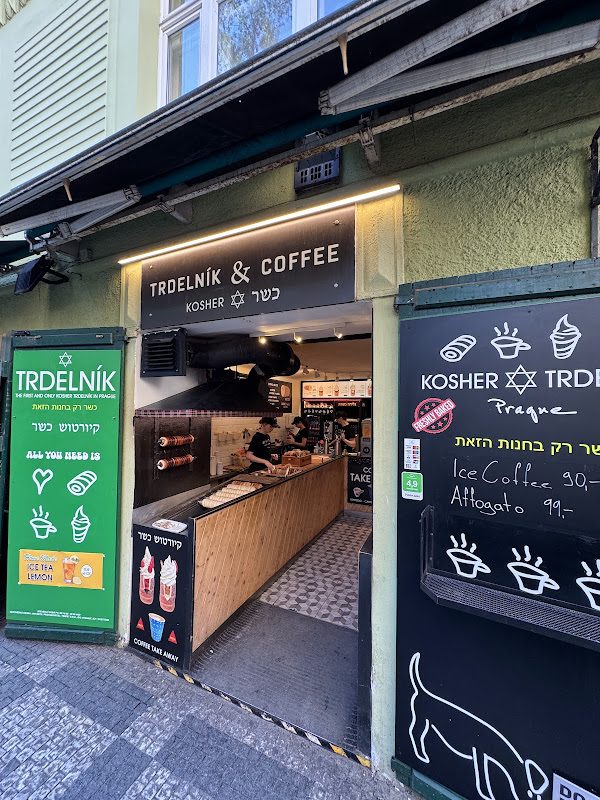
Kids menu: Dětské menu (kids menu) is common in Czech restaurants — Řízek (schnitzel) + french fries are classic. Trdelník (chimney cake) is a street dessert loved by children.
Children's ticket discounts: Metro and tram are free for children under 6 years old, discounted for children 6-14. Most museums have children's tickets. Prague Card is economical for the family.
Toilet: Available in museums and restaurants. There are paid toilets (10-20 CZK) on the streets, but they are clean.
Warnings
- Cobblestones can be slippery, especially in the rain. Have children wear non-slip shoes.
- There are tourist trap restaurants around the Old Town Square, check prices in advance.
- In the winter months (November-March) the cold is harsh, but the Christmas markets are great for families with children.
- There are few railings by the Vltava river, hold small children by the hand.
Local Label and Culture Notes
Czechs may seem a little cold and distant at first glance, but this is a cultural norm. They behave formally and calmly towards people they do not know, this is not rude. After a few beers the ice thaws and you see they are very warm people. Don't forget to make eye contact when you toast with what the Czechs call "na zdraví" (cheers) — otherwise they say 7 years brings bad luck (yes, they're serious about that).
Beer is the backbone of Czech culture. The Czech Republic is the country that consumes the most beer per capita in the world, and this is not just a statistic, it is a way of life. Drinking beer at lunch is normal, even expected. Learning the phrase "Pivo, prosím" (one beer please) will instantly endear you. They don't treat beer like water — quality, fresh, tank-drawn beer is the standard in almost every pub.
In restaurants, you don't call the waiter before he comes to you — they wait. Just make slight eye contact and say “Prosím” (please). When requesting the bill you can say "Zaplatím, prosím" (I want to pay, please). Waiters come to the table and pay the bill there; there is no need to take the bill to the cash register.
The smoking ban in Prague has been valid in all indoor spaces since 2017. It is generally free on outdoor terraces.
An important note: "gentlemen's club" invitees are very active at night in the center of Prague, especially around Wenceslas Square. If you're not interested, don't make eye contact and keep walking. Most of these places are famous for their exorbitant prices.
FAQ
How many days to visit Prague?
3 days is ideal for the main tourist spots. The Karel Bridge, the castle, the Old Town, a few beer halls and a nightlife experience fit into this period. If you want to add day tours such as Kutná Hora (Bone Church) or Český Krumlov, it will increase to 4-5 days. Many people say 2 days are enough, but Prague opens up much more beautifully when explored slowly.
Is Prague expensive?
Absolutely not. Compared to Western European capitals, Prague is still very affordable. Half a liter of beer costs 50-80 CZK (2-3 EUR), a main course in the restaurant costs 200-400 CZK (8-16 EUR), tram ticket 30 CZK (1.2 EUR). Of course, tourist restaurants in the Old Town Square can approach Western European prices — move one street back and the price is halved.
How to get a Czech Republic visa?
Ordinary (burgundy) passport holders must obtain a Schengen visa. Applications are made through VFS Global or iData. It can take 4-8 weeks to find an appointment. Green, gray and black passport holders can travel without a visa for up to 90 days. Start your travel plan at least 3 months in advance.
Should I use Czech Koruna or Euro?
Definitely Czech Koruna (CZK). There are places that accept EUR, but the exchange rate is extremely disadvantageous. Withdraw CZK from the ATM, always reject the "DCC" (Dynamic Currency Conversion) option. Stay away from foreign exchange kiosks — especially those that say "0% commission" are traps.
Is English spoken in Prague?
English is spoken quite well in tourist areas and among the younger generation. Most restaurants have English menus. For the older generation and in districts far from the center, English may be limited, but you can get by anywhere with Google Translate. Learning a few Czech words (děkuji - thank you, prosím - please, na zdraví - cheers) is very welcome.
When is Karel Bridge empty?
At sunrise (between 05:00-06:00 in the summer months). In the afternoon and evening hours, the bridge is crowded shoulder to shoulder. It is relatively calm late at night (after 23:00), but the light at sunrise is completely different, that time is ideal for photography.
Prague güvenli mi?
In general, it is a very safe city. Violent crimes are very rare. The biggest risk is pickpocketing — be especially careful on the Karel Bridge, Old Town Square, in front of the Astronomical Clock and on crowded trams. Put your purse and wallet in the front, do not carry your phone in the back pocket. The area around Wenceslas Square at night requires a little more attention, but overall Prague is one of the safest capitals in Europe.