About
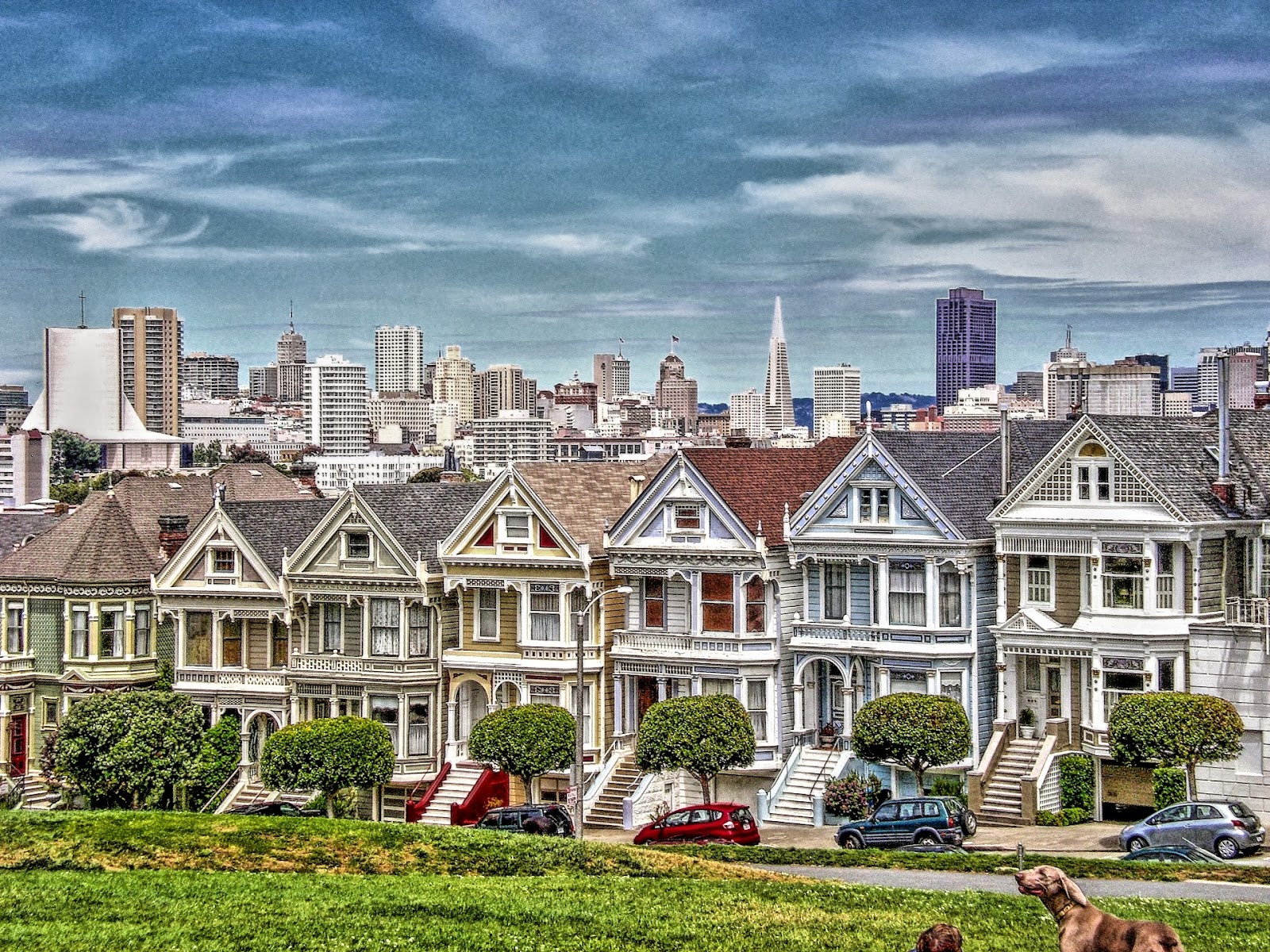
San Francisco is a city with a population of 870 thousand, but its impact is much larger. The gateway to Silicon Valley, home of the Beat generation, birthplace of the Summer of Love, world capital of the LGBTQ+ movement — a place that packs so much history into a small peninsula. The real magic of the city is in the hills. A new view at the top of every hill, every neighborhood has its own character. You hear Spanish in the Mission, Cantonese in Chinatown, Italian in North Beach — and that iconic fog ties it all together.
There is a famous quote about the weather attributed to Mark Twain: "The coldest winter I ever spent was a summer in San Francisco." It's not quite accurate, but the weather is really weird — it might be 15 degrees in July, 28 degrees in September. Dress in layers, always have a windbreaker in your pocket.
When to Go
- September–October: This is the real summer of SF. Temperatures are 20-27°C, fog is minimal, sun is abundant. Locals call it "Indian Summer". The ideal window.
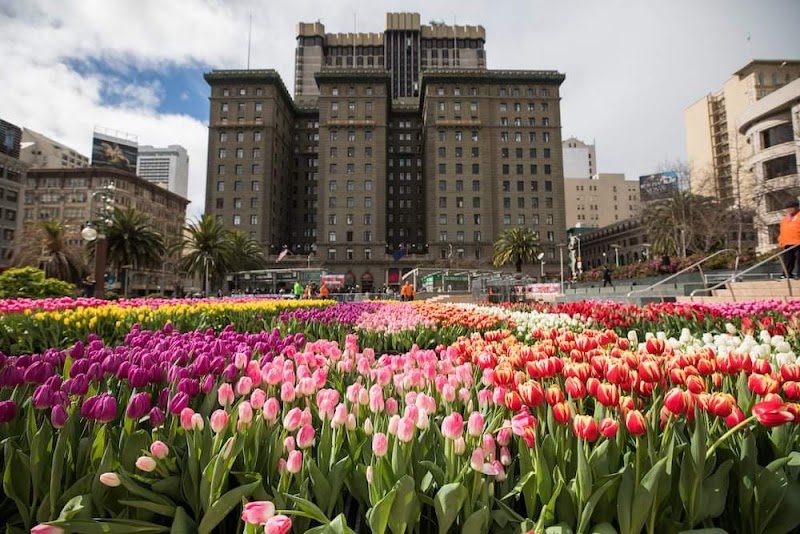
- April–May: Temperate, green, relatively cheap. Flowers are blooming, parks are alive. There is fog occasionally, but it doesn't last long.
- June–August: It's not the summer you were expecting. Karl the Fog (yes, the fog has a name) covers the city every morning and dissipates towards noon. 15-18°C is normal. But that's part of SF too.
- November–March: Rainy season. Not cold (8-14°C) but wet. Hotel prices decrease, crowds decrease. It's a period of opportunity for budget travelers.
When considering the visa process, start your application at least 12 months before travel.
How to get there
There are no direct flights from Türkiye to San Francisco. The most practical routes: Istanbul–SFO with Turkish Airlines (with a connection at Lufthansa FRA or a joint line with United), United Airlines Istanbul–SFO (usually with a connection in Newark or Washington). Total flight duration is 15-18 hours including transfer.
SFO (San Francisco International Airport) closest airport to the city:
- BART (metro): 30 minutes from airport to city center, approximately 10 USD. The most practical and cheapest option.
- Taxi/Uber: 25-45 minutes to city center (depending on traffic), 35-55 USD.
- SamTrans bus: Cheapest but slowest option.
Oakland (OAK) airport is an alternative; BART takes 45 minutes to SF and sometimes flight prices are more affordable.
Urban Transportation
Renting a car in SF is generally unnecessary — finding parking is a nightmare, gearing up on hills is another nightmare. Public transportation + walking + Uber/Lyft is the smartest combination.
Muni (bus + metro + tram) is the city's main public transportation system. Single ticket is 2.50 USD, daily pass is 24 USD. Payment is made by Clipper Card or credit card. BART is an interregional metro and provides connections to the airport, Oakland and surrounding cities.
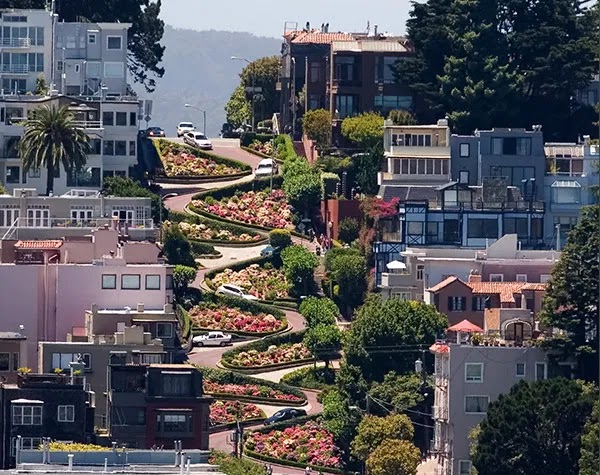
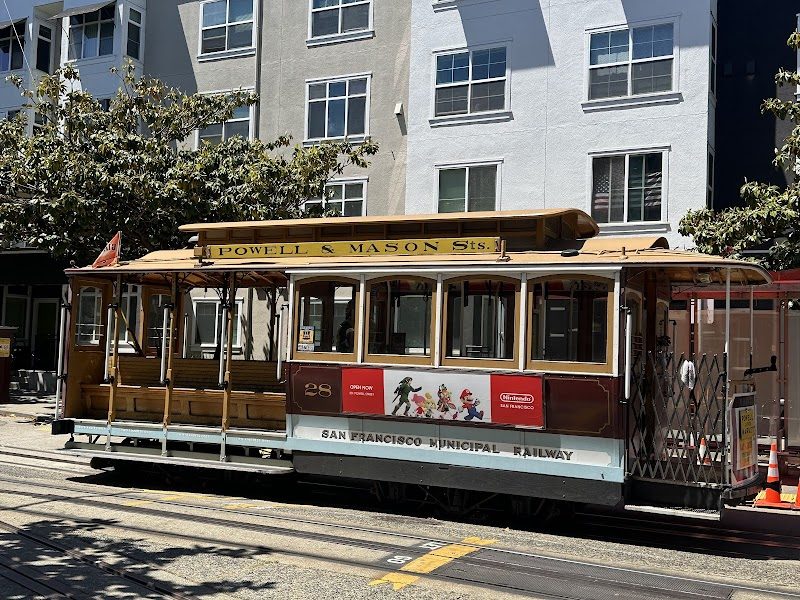
Cable Car is both a transportation and tourist experience — but it's 8 USD/one way and the lines are long. The Powell-Hyde line is the most scenic. The Ferry system (Golden Gate Ferry, SF Bay Ferry) provides both transportation and sightseeing to Sausalito, Tiburon and Oakland.
For bike lovers, there is the Bay Wheels shared bike system. Biking across the Golden Gate Bridge and down to Sausalito is a classic route — but be prepared for hills.
Accommodation Regions
- Union Square / Financial District: Central location, close to major chain hotels, shopping. Prices are high but transportation is easy. Practical for first time visitors.
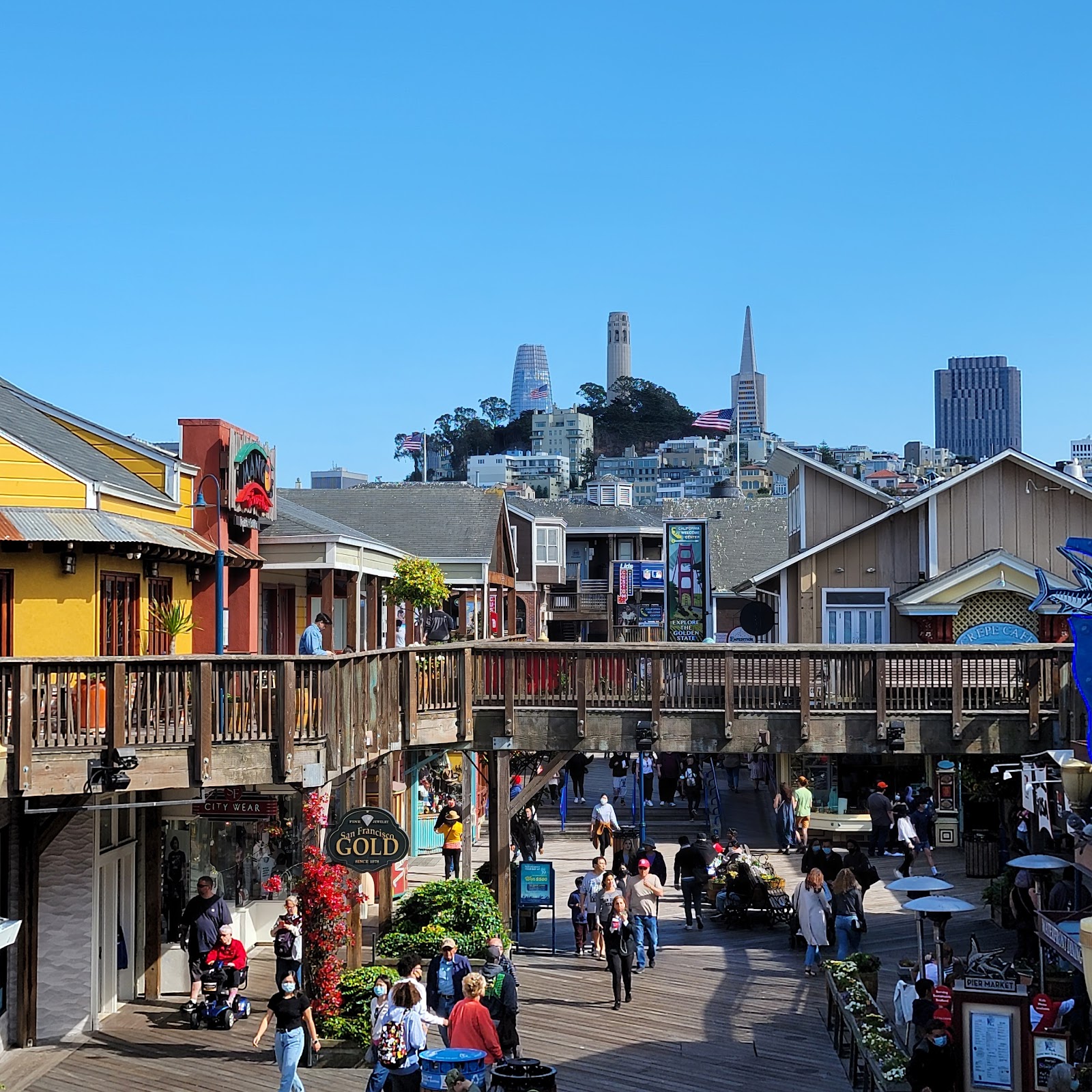
- Fisherman's Wharf / North Beach: There are hotels that are touristy but have a bay view. Pier 39, Alcatraz ferry, Chinatown within walking distance.
- Mission District: Young, energetic, close to local life. Boutique hotels and Airbnb options. Nightlife is at your door.
- SoMa (South of Market): Moscone Center area, business travel oriented but close to museums. Prices drop on weekends.
- Marina / Pacific Heights: Quiet, safe, close to the Golden Gate. Suitable for families. Prices are mid-upper.
- Oakland (East Bay): 15-20 minutes to SF by BART. Prices are noticeably lower. It has its own food and bar scene.
Budget Plan (3 days)
SF is one of the most expensive cities in the US — accommodations are especially tough on the budget.
| Style |
Accommodation / day |
Meal/day |
Activity / day |
3 days total (USD) |
| Economical |
80-120 (hostel/Oakland) |
35 |
20 |
405-525 |
| Medium |
200-300 (3* Union Sq) |
80 |
50 |
990-1.290 |
| Comfort |
350-500 (4* Marina) |
130 |
80 |
1.680-2.130 |
| Luxury |
600+ (5* Nob Hill) |
250+ |
150+ |
3,000+ |
Flight tickets and visa fees are not included. CityPASS or Go City cards save money by combining attractions like Alcatraz, California Academy of Sciences and de Young Museum.
Practical Tips
- Dress in layers. It may be 12°C in the morning, 22°C at noon, and 12°C in the evening. Always have a windbreaker and thin fleece in your bag.
- Tip is mandatory. 18-20% in restaurants, 15% in coffee shops, 15% in taxi/Uber. If it is not automatically added to your account, be sure to add it.
- Buy your Alcatraz ticket early. It sells out 2-3 weeks in advance. Buy online at alcatrazcruises.com.
- Don't rent a car (literally). Parking tickets are harsh (80+ USD), parking on hills is stressful, public transportation is adequate.
- Tax is not included in the price. 8.625% sales tax is added to the sticker price at checkout.
- Carry a water bottle. Water costs 3-5 USD outside the restaurant. Tap water is drinkable.
- Earthquake preparation: SF earthquake zone. There is no reason to panic, but check the emergency exits in the hotel room. The probability of a serious earthquake is low, but it is good to know.
Travel Guide with Children
San Francisco is a surprisingly good city to visit with kids. Compactness is an advantage — everything is close by. But hills and strollers don't get along very well, so know that.
Recommendations by Age Group
0-3 years: Golden Gate Park is wide, flat and stroller friendly. Children's Playground (inside the park) is safe and well maintained. Sea lions fascinate young children at Fisherman's Wharf. But the cable car cannot be ridden with a baby stroller, so skip it.
4-7 years: California Academy of Sciences is this age group's favorite — aquarium, planetarium, rainforest under one roof. The Exploratorium science museum is interactive and keeps kids busy for hours. The Alcatraz ferry tour is exciting, but the prison part may scare some kids.
8-12 years: The Alcatraz audio guide tour is perfect for this age. Walking the Golden Gate Bridge gives a feeling of adventure. The cable car experience is great for this age group. The Bay Area Discovery Museum (in Sausalito) is still fun.
Ages 13+: Getting lost in the streets of Chinatown, Mission murals, Haight-Ashbury vintage shopping, VR experiences at Pier 39. A Warriors (NBA) or Giants (baseball) game may be scheduled.
Top 5 Kid-Friendly Activities
California Academy of Sciences — Aquarium, planetarium, rainforest and natural history museum in one building. Children stay in the reptile section and giant aquarium for hours.
Exploratorium — Interactive science museum at Pier 15. Everything can be touched, everything can be tried. The perfect plan for rainy days B.
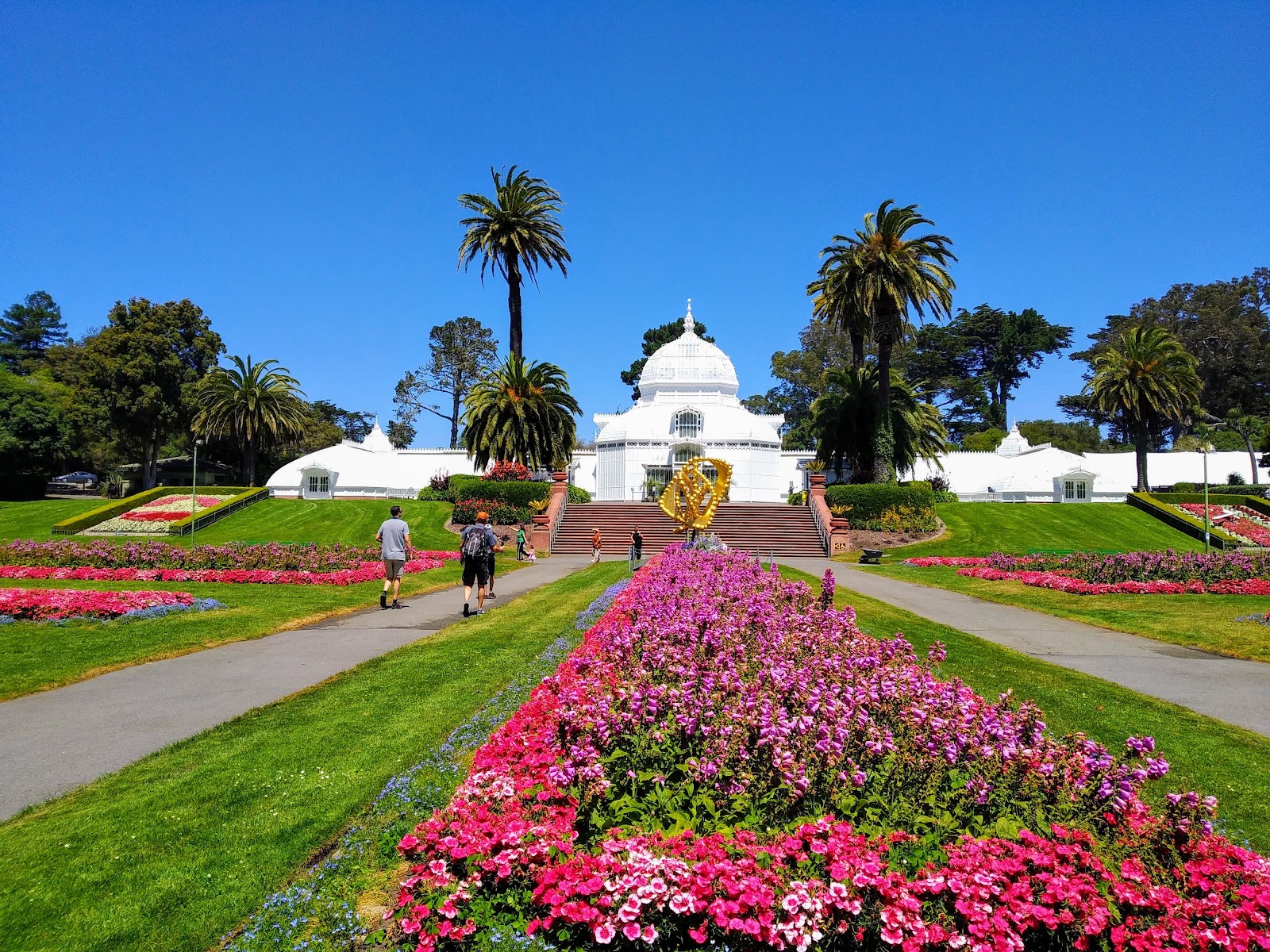
Golden Gate Park — Playgrounds, lake, bikes, botanical garden. There are real bison in the Bison Paddock — kids can't believe it.
Fisherman's Wharf Sea Lions — Dozens of sea lions bask in the K Dock at Pier 39. It's free, it's fun, kids love it.
Cable Car — Yes, it is touristy, but unforgettable for children. The wind hits their faces as they descend the hills on the open platform. Actually, adults are having fun too.
Practical Information
Baby stroller: No problem in flat neighborhoods (Marina, Embarcadero, Mission). But on steep slopes such as Nob Hill and Russian Hill, a backpack carrier makes more sense. Muni buses fit strollers, but they are crowded during subway hours.
Kids menu: Most restaurants have a kids menu. Pizza and burritos can be found on every corner at affordable prices. At Ghirardelli Square, a chocolate sundae works well as a kid's reward.
Child ticket: On BART, children under 5 are free (with adult). Discounts for ages 5-17 at Muni. In museums, children under the age of 4 are generally free, and those aged 5-11 are half price.
Toilet: Free in museums, Ferry Building and shopping malls. There are JCDecaux automatic toilets on the streets (free but few).
Warnings
- Hill climbs are tiring — make sure kids wear comfortable shoes and plan breaks.
- Fog and wind can surprise — always keep a light coat in the bag.
- The Tenderloin area (just south of Union Square) is not family friendly — be careful when passing by.
- Currents are dangerous at Ocean Beach — don't swim, just play in the sand.
Daily Tours and Sightseeing Trips
SF's real strength is in its environment. You can reach the redwood forests in half an hour, the wine region in an hour, and the most dramatic coastal road in California in two hours.
Muir Woods (Redwood Forest): Walk under 1,000-year-old redwood trees, just north of the Golden Gate Bridge. Admission is $15, parking reservations required (gomuirwoods.com). 45 minutes by car, 3-4 hour half day tours with tour companies cost 60-90 USD. Go early in the morning — the crowds increase in the afternoon.
Sausalito: Crossing the Golden Gate Bridge by bike and going down to Sausalito is one of the classic routes of SF. Eating in town and returning to SF by ferry fills up a full day. Ferry 14 USD one way, bike rental 30-50 USD/day.
Napa Valley and Sonoma: California wine country 1-1.5 hours north from SF. Napa is more luxurious and expensive, Sonoma is more relaxed and affordable. Day tour companies 80-150 USD/person, tasting fees may not be included. $25-50 per tasting. If you are going to drive, the driver should not drink — DUI fines start at $10,000.
Half Moon Bay: South of SF, 45 minute drive. Quiet seaside town, surfing, fish restaurants. There is the world-famous giant pumpkin festival (Mavericks Pumpkin Festival) in October. There are plenty of beautiful spots to picnic.
Monterey / Carmel / Big Sur: 2-2.5 hours south from SF. Monterey Bay Aquarium is world-class, Carmel-by-the-Sea is a fairytale village, Big Sur is California's most impressive coastal drive. Monterey + Carmel can be done in 1 day, if you want to add Big Sur, you need 2 days.
Point Reyes National Seashore: North, 1.5 hour drive. Lighthouse, wild seals, Tule deer. During the winter months (January-March), whale watching can be done from the beach. For food, the small cafes in Point Reyes Station are sufficient.
Berkeley and Oakland: 15-20 minutes via BART. UC Berkeley campus, Gourmet Ghetto food district, Telegraph Avenue bookstores. Oakland is worth exploring on its own—Jack London Square is at the heart of the emerging food scene.
Local Label / Culture Notes
San Franciscans are allergic to saying "Frisco." Not welcome in "San Fran". If you want to shorten it, just say "SF" and get rid of it. It's accepted in "The City" — but only Bay Area residents use it.
The city is progressive, environmentally friendly and tolerant. Gender pronouns are observed, waste segregation is taken seriously (garbage, recycling, compost — three separate bins), plastic bags are not provided. It's normal to fill your own water bottle in restaurants; It is not considered strange.
Tipping culture is the same as New York: 18-20% is expected in a restaurant, at least 15% is expected on the counter-top tip display in a cafe. The "No type" option technically exists, but it raises eyebrows. At Uber/Lyft, tipping is expected to be around 15%.
The influence of technology companies is everywhere. Even the coffee filter is made with scientific precision, and there is hardly a restaurant menu that does not say "locally sourced, sustainably harvested". This may be noticeable at times, but it is reflected in the quality of the food — SF eats really well.
Neighborhood Guide
Each neighborhood of SF is a different world. Knowing which one to choose and why makes your trip much more productive.
North Beach (Little Italy): Home of the Beat generation. Breathe in the spirit of Kerouac and Ginsberg at City Lights Bookstore, drink espresso at Caffe Trieste, and join the queue for brunch at Mama's. Washington Square Park is nice for a picnic. The walk to Coit Tower starts from here.
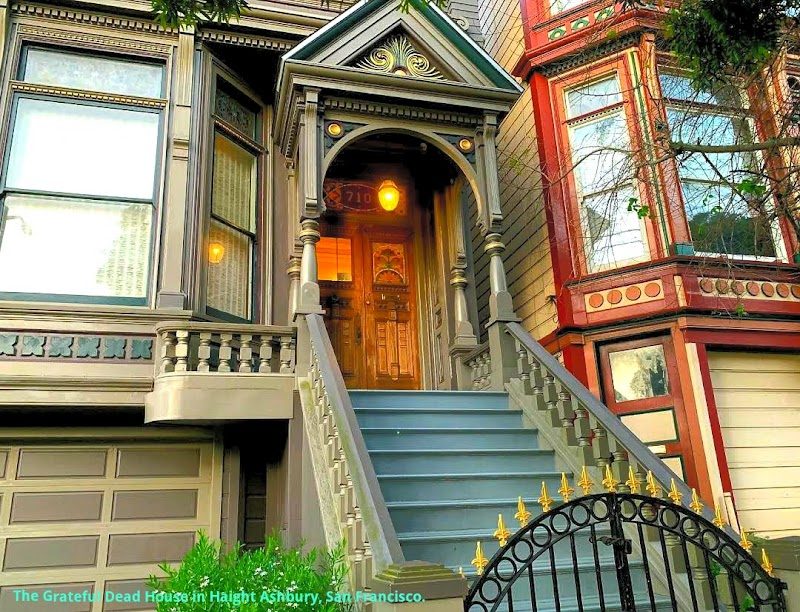
Haight-Ashbury: Birthplace of the 1967 Summer of Love. Vintage shops, record stores, independent cafes. Amoeba Music is one of the world's largest independent music stores. The eastern entrance to Golden Gate Park is here. Hippy culture has turned into a tourist version, but the street atmosphere is still fun.
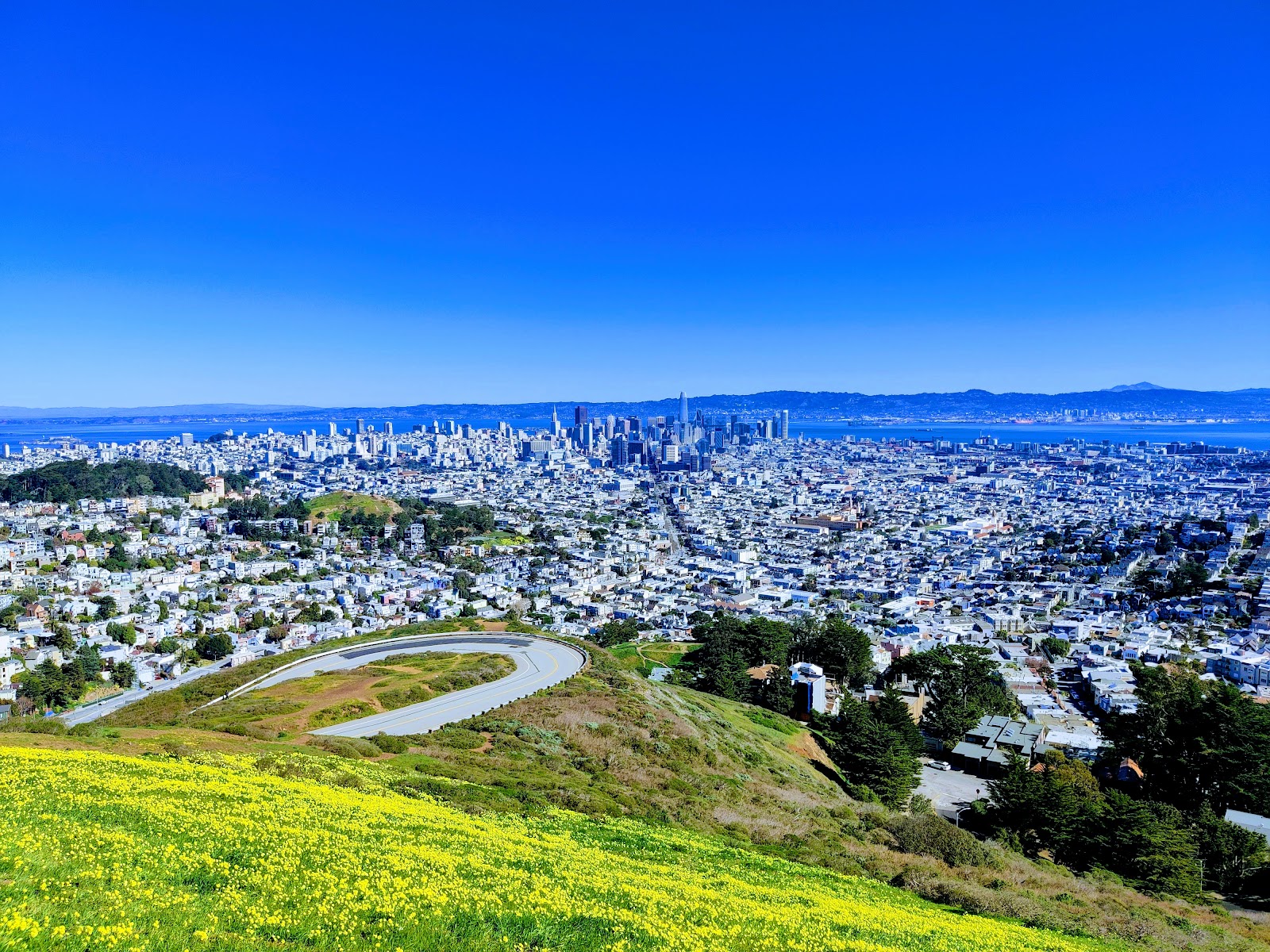
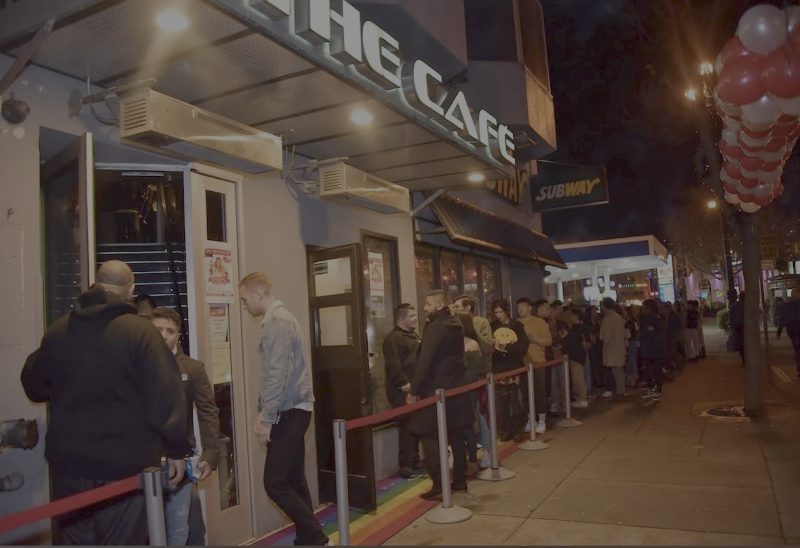
Castro: Historical center of the LGBTQ+ movement. Harvey Milk's store, rainbow crosswalks, the Castro Theater neon sign. The walk to the top of Twin Peaks from here is 20 minutes and the 360-degree panorama of the city is rewarding.
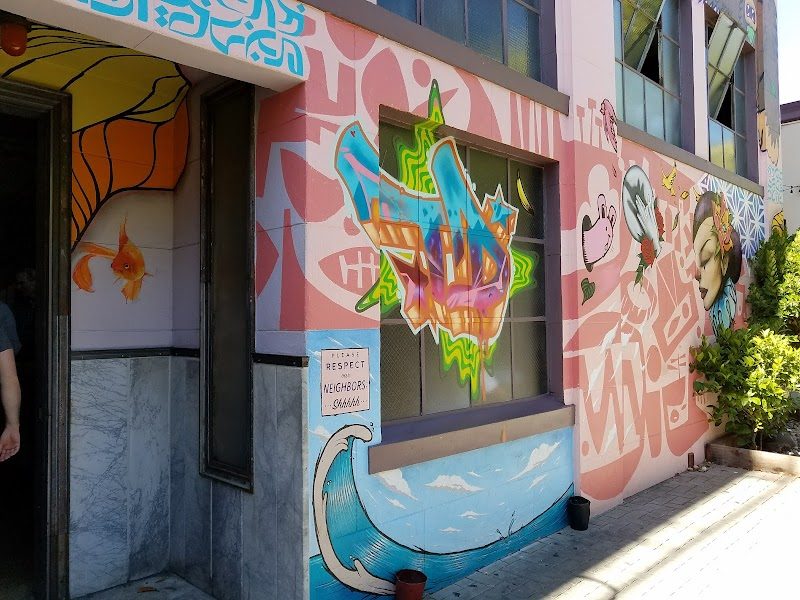
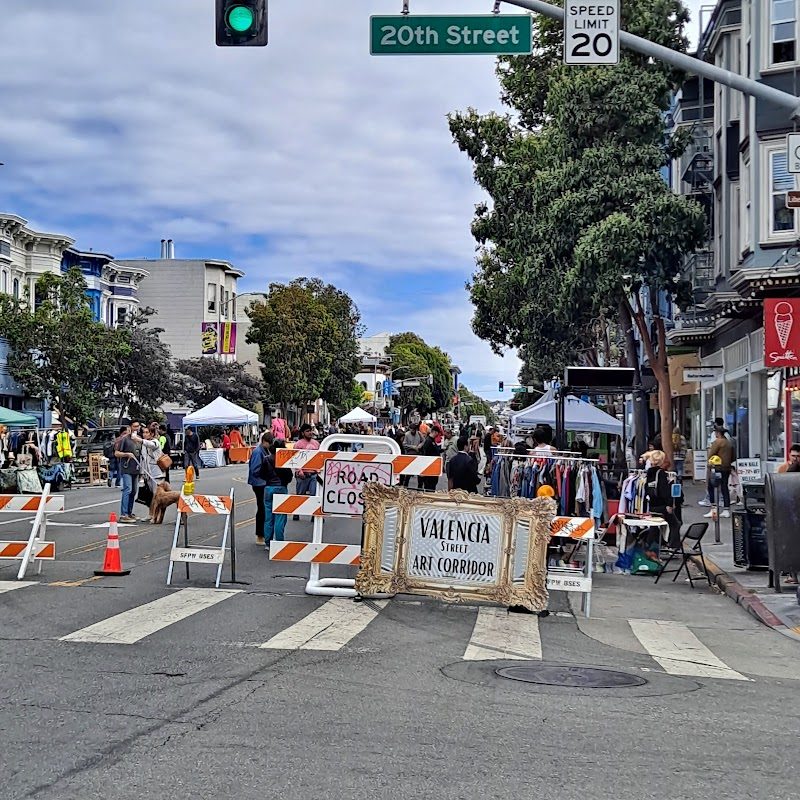
Mission District: Spanish-speaking streets, Mexican restaurants, street art and murals. Clarion Alley and Balmy Alley are filled with murals. Nightlife is the most energetic part of SF — bars and live music venues abound. Gentrification is rapid, but the spirit remains.
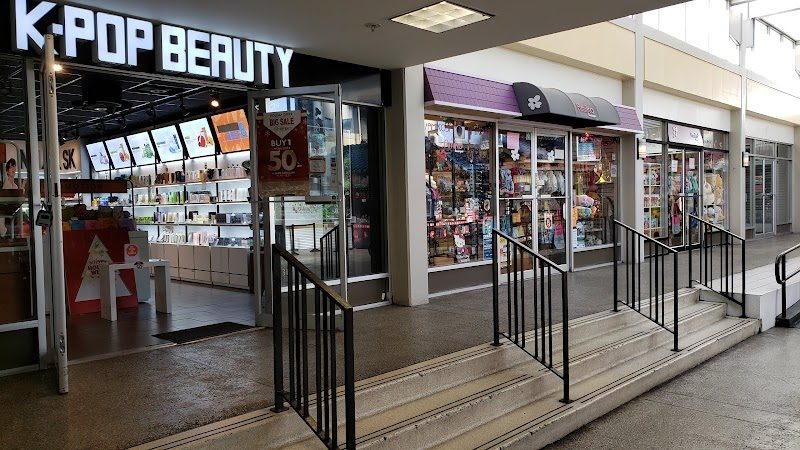
Japantown: One of three remaining Japantowns in the United States. Ramen, mochi and Japanese stationery shops at Japan Center Mall. Traditional Japanese bath experience at Kabuki Springs spa. Cherry Blossom Festival (April) is colorful and fun.
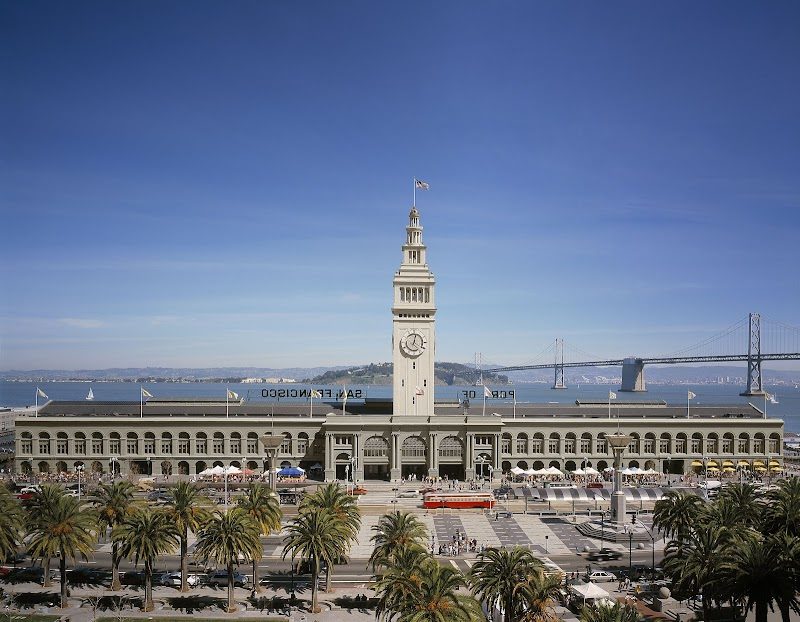
Embarcadero and Ferry Building: Bayfront walkway, artisanal cheese, chocolate and local produce at the Ferry Building. Saturday farmer's market is one of the best in California. Sausalito, Tiburon and Alcatraz ferries leave from here.
FAQ
How many days are enough for San Francisco?
If it's your first time, 3 full days cover the main points. Muir Woods, Napa/Sonoma wine region and Monterey/Big Sur day tours can be added with 5-7 days.
How long does it take to get a visa?
US B1/B2 visa appointments from Türkiye may take 6-12 months as of 2026. Alternatively, waiting times may be shorter at the Belgrade, Athens or Yerevan consulates. Check travel.state.gov for up-to-date information.
Is SF really cold in the summer?
Yes, from June to August it can be 15-18°C and foggy in the city centre. But in September-October, temperatures exceed 25°C — that's SF's real summer. Dress in layers, I'm serious.
How do I get from the airport to the city with BART?
There is a direct connection to BART from SFO. 30 minutes from airport station to Powell Street (downtown), about 10 USD. It works until 00:30 at night.
Is there an earthquake risk?
SF is on an active fault line, but modern buildings are built to withstand earthquakes. There is always the possibility of a major earthquake, but earthquakes that affect daily life are rare. Check the emergency exit plan in the hotel room, that's enough.
Can Napa Valley be visited as a day trip?
Yes, 1-1.5 hour drive north from SF. Tour companies organize daily wine tours (80-150 USD/person). If you're going to drive, remember that the driver shouldn't be drinking — DUI penalties are very harsh.
Is the homelessness problem really that bad?
Prominent in the Tenderloin and Civic Center areas. It's not dangerous, but it can be annoying. Be careful when passing through these neighborhoods, but SF is generally a safe city.
Can the Golden Gate Bridge be crossed on foot?
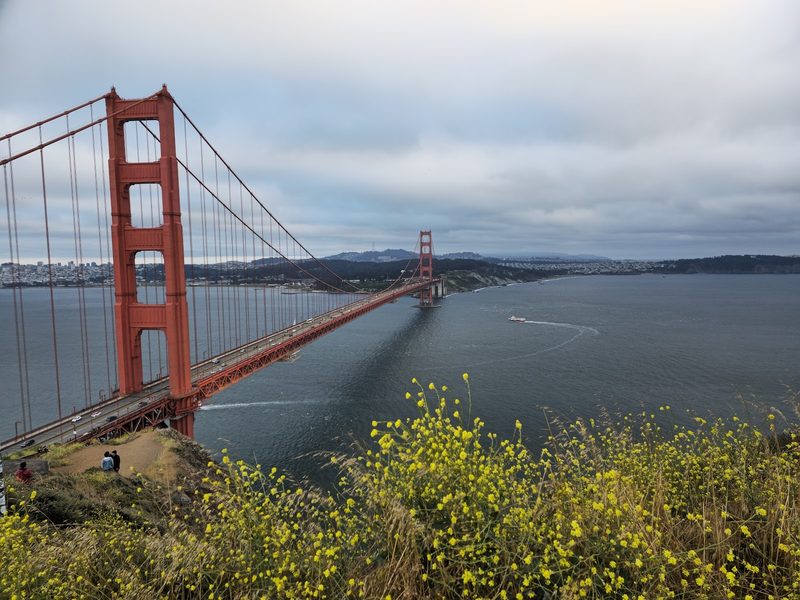
Yes, it's free. The pedestrian path is open daily from 05:00 to 21:00 (until 18:00 in winter). 2.7 km one way, 30-45 minutes walking. The wind may blow hard, a jacket is required. It can also be crossed by bicycle. The most beautiful light is early in the morning or at sunset.
Are Mission burritos really that good?
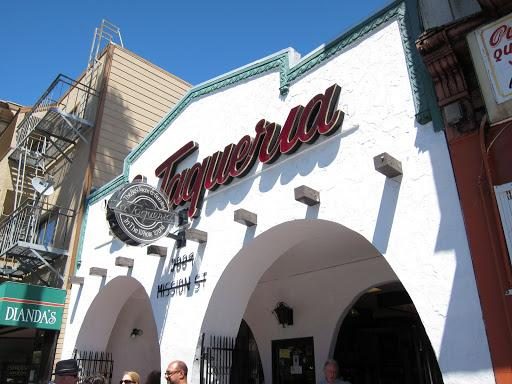
Yes. The Mission District is the Bay Area headquarters of Mexican cuisine. La Taqueria, El Farolito and Taqueria Cancun are addresses that deserve long queues. You shouldn't come to SF without trying the super burrito (rice, beans, meat, guacamole, salsa—all wrapped in aluminum foil). Between 12-18 USD.
Should I go to Chinatown?
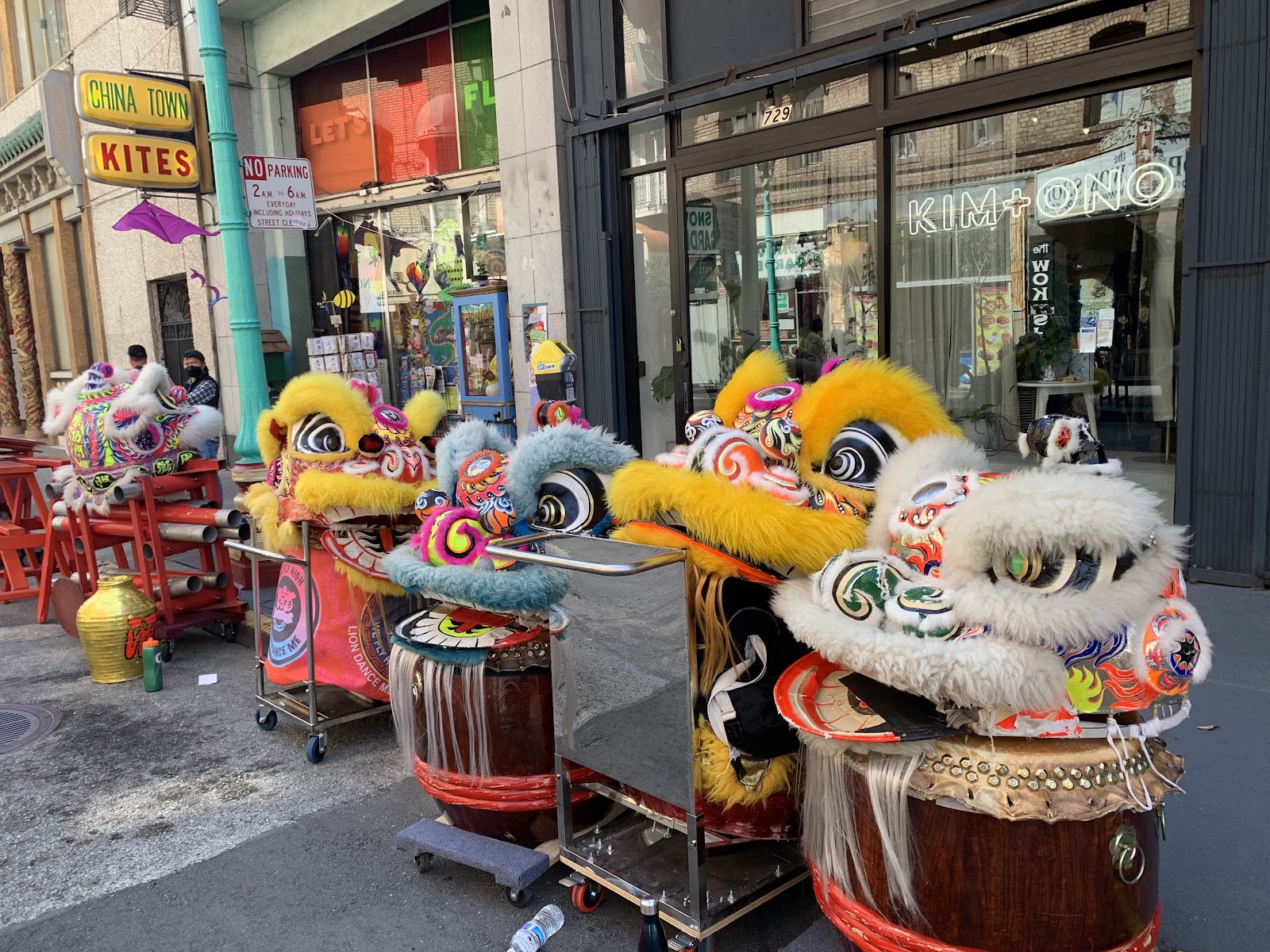
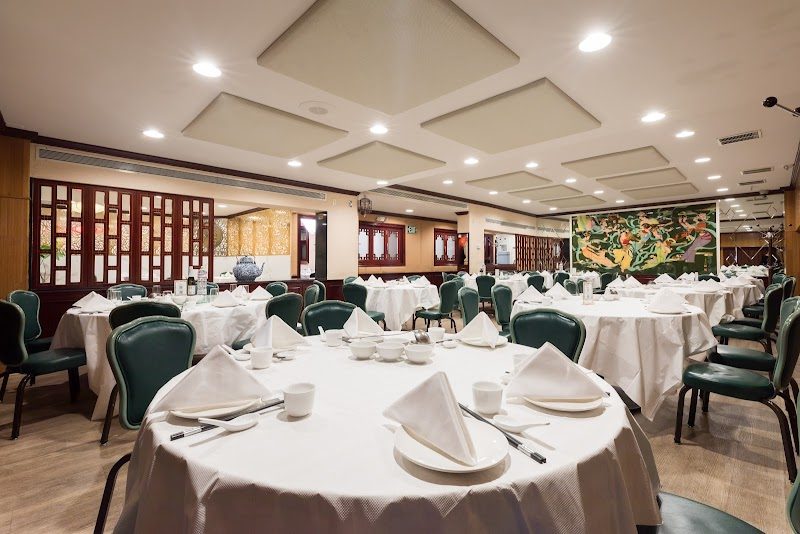
Definitely. North America's oldest and largest Chinatown. From the Dragon's Gate entrance, walk along Grant Avenue, turn onto Stockton Street — this is where locals shop, not tourists. For dim sum, try R&G Lounge or City View Restaurant. The Chinese New Year (February) parade is one of SF's largest street events.
How long does it take to visit Alcatraz?
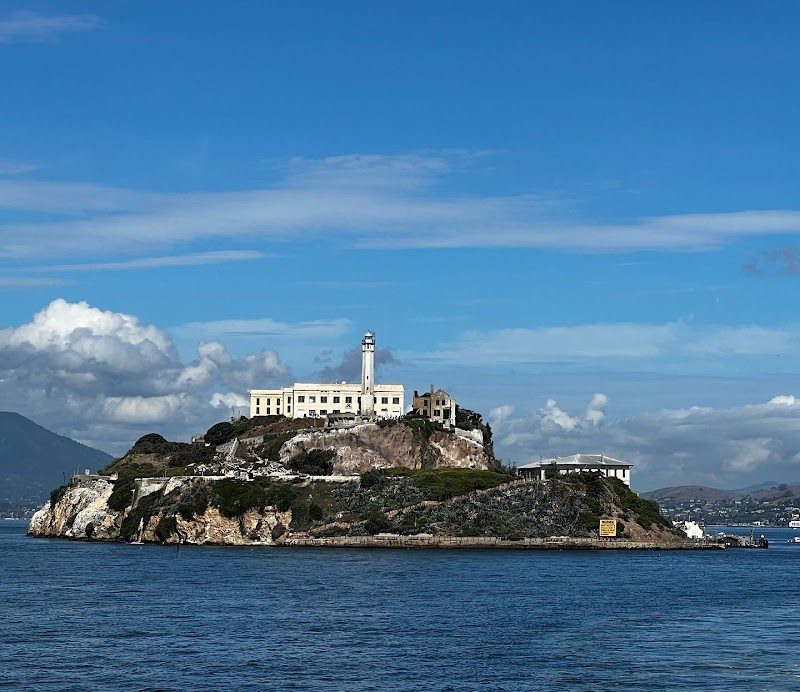
Ferry departs from Pier 33, 15 minutes to Alcatraz island. You will spend at least 2-2.5 hours on the island. Audio guide tour (no Turkish, only English) is the best experience — former guards and prisoners narrate. There are also night tours and they are more atmospheric. Buy your tickets 2-3 weeks in advance from alcatrazcruises.com, you won't find them last minute.
Where to drink the best coffee in SF
SF is one of the cities where the third wave coffee revolution was born. Start with pour-over at Blue Bottle Coffee's original shop in Hayes Valley. Sightglass (SoMa), Ritual Coffee (Mission) and Equator Coffees (Fort Mason) are other favorites. Philz Coffee is known for its friendlier, personalized drip coffee — try their "Mint Mojito." A cup of filter coffee costs between 4-7 USD.
How do I solve SIM card or internet?
T-Mobile or AT&T prepaid SIM can be purchased at the airport, 30-day unlimited data plans are 40-60 USD. It is more practical and cheaper to buy Airalo or Holafly eSIM in advance from Türkiye — 5 GB costs about 10-15 USD. Most cafes have free Wi-Fi, Starbucks and libraries are everywhere.
Should I take a cable car?
At least once yes. There are three lines: Powell-Hyde (most scenic, goes down to Fisherman's Wharf), Powell-Mason (to North Beach), California Street (straight line, less crowded). $8 one way, included with Muni Passport. Lines on Powell lines can be 30-60 minutes — shorter early in the morning or at night. There are rarely queues on the California Street line.
What are the best view points?
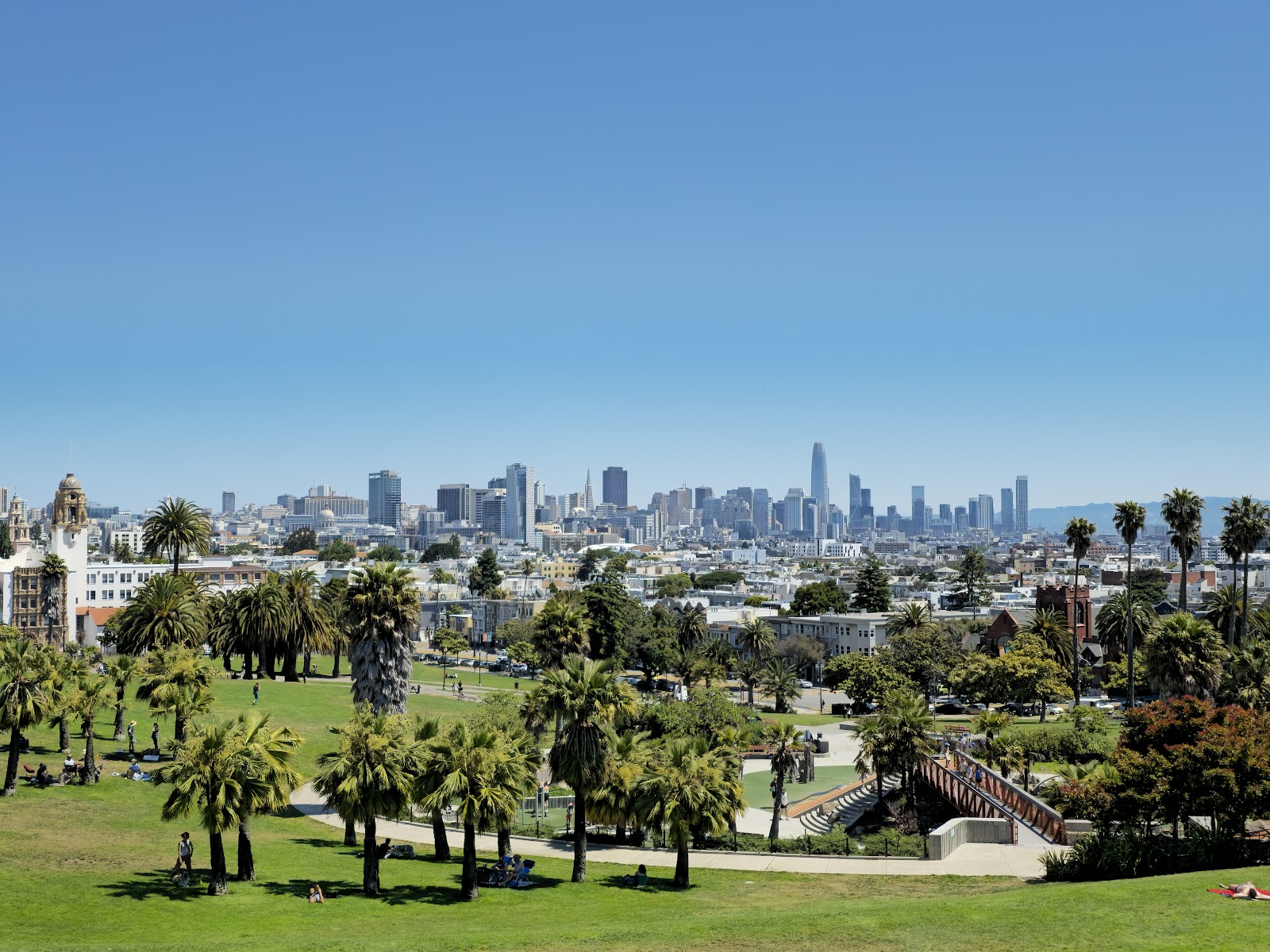
Twin Peaks (360-degree panorama, free, no car needed, but the hill is steep), Coit Tower (entrance $12, at the top of Telegraph Hill), Battery Spencer (best photo spot of the Golden Gate Bridge, on the Marin side), Dolores Park (in Mission, picnic area and city view combined).