About
Singapore is a 733 square kilometer island state hanging off the tip of Malaysia. Its surface area is slightly larger than Beşiktaş and Şişli combined, but it is a place that has managed to fit the world's best airport, Michelin-starred street stalls, the architecture of the future and the cuisine of four different cultures into this tiny area. It's far from the classic Southeast Asian chaos, but it's as if you've filtered all the flavors of that chaos and put it on a sparkling plate.
The story of the city begins with Sir Stamford Raffles establishing a trading port here in 1819, but Singapore's real adventure flares up with independence in 1965. Under the leadership of Lee Kuan Yew, this tiny island with zero natural resources transformed itself into one of the richest, most orderly and greenest cities in the world in sixty years. Of course, this transformation was not that easy; There are strict rules, heavy penalties and huge infrastructure investments behind it. But when you see the result, you understand: walking in a country where it is forbidden to throw chewing gum on the street makes you feel like the ground under your feet is clean.
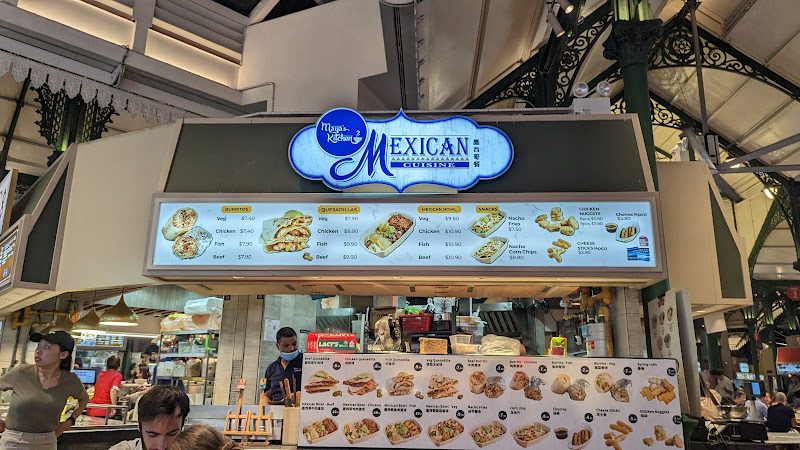
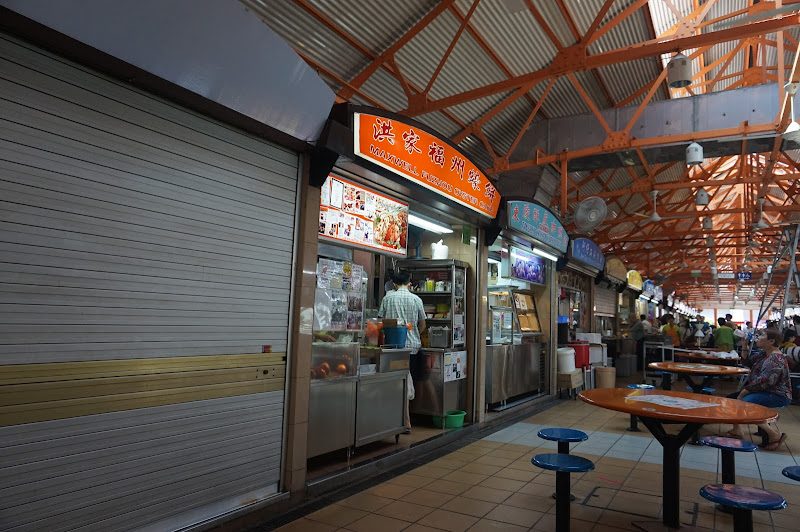
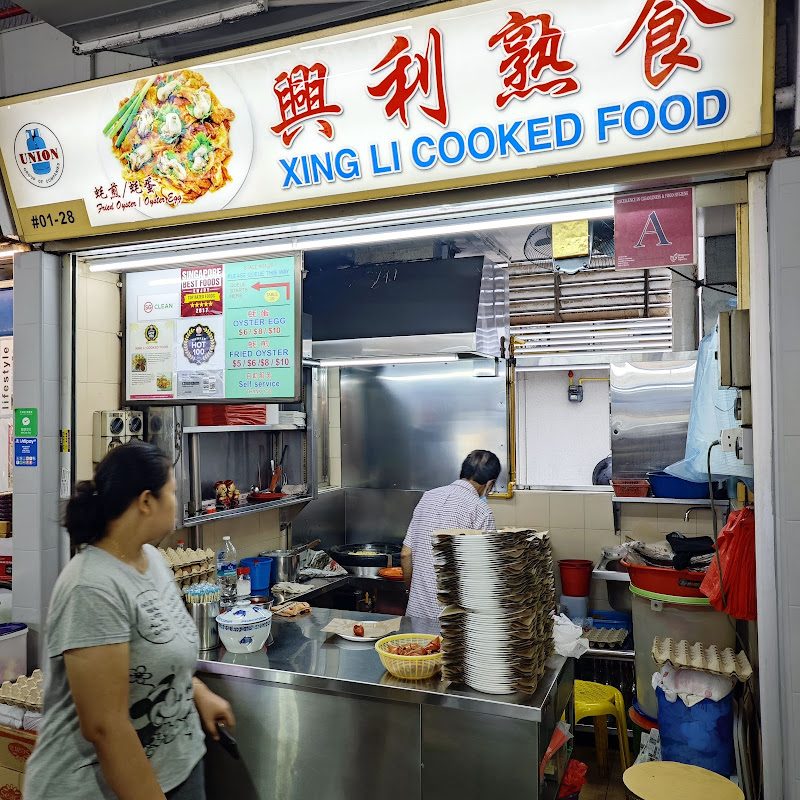
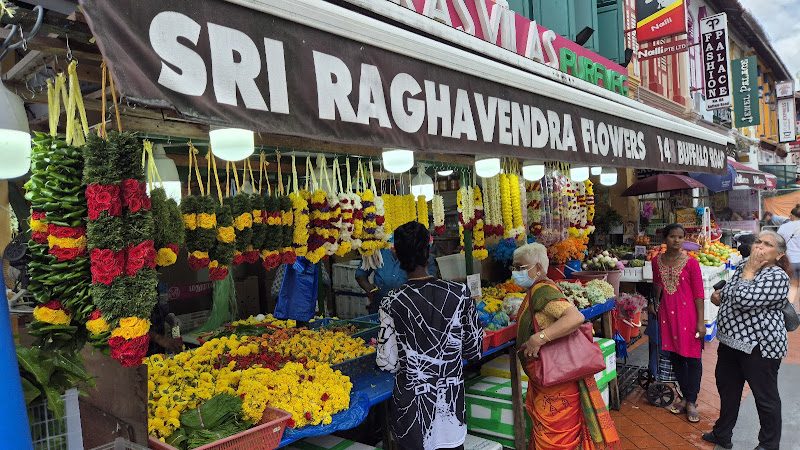
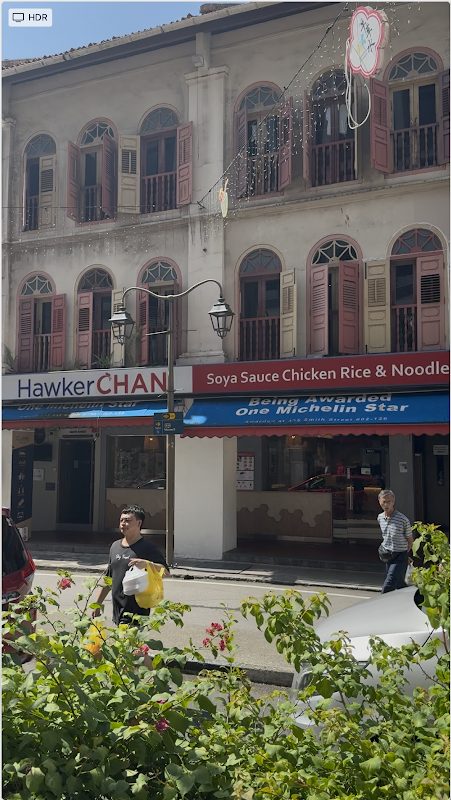
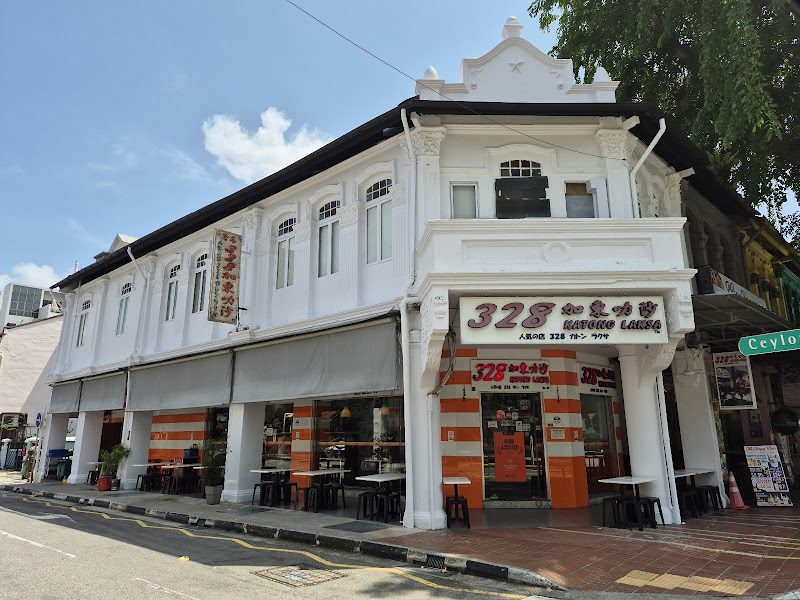
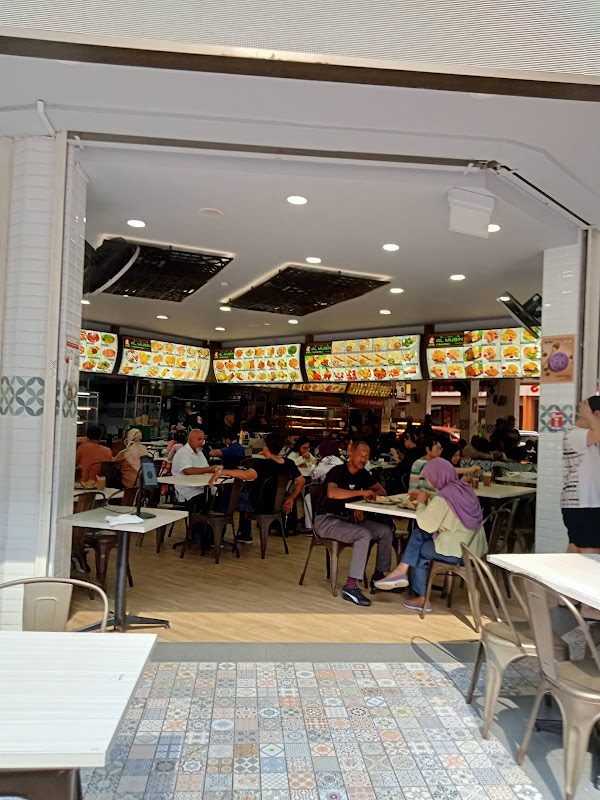
Singapore's fabric is nourished by four major cultural cores: Chinese majority, Malay roots, Indian community and Peranakan (Sino-Malay hybrid) tradition. These four cultures live in separate neighborhoods -- Chinatown, Little India, Kampong Glam and Katong -- but their dishes all come together under the same roof of Hawker Centre. That's why Singapore is more than just a food city, it is a food civilization. Kaya toast and half-cooked eggs for breakfast, chicken rice or laksa at noon, chilli crab in the evening, roti prata late at night. Each meal is from a different culture, each plate for a few dollars.
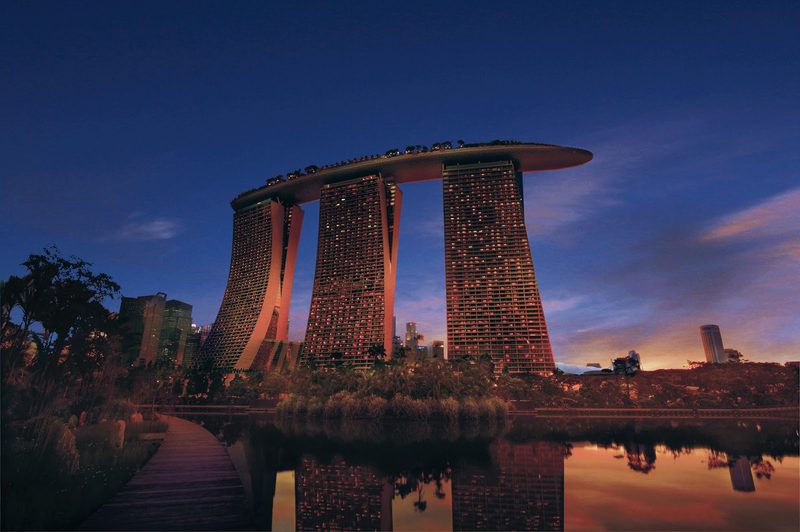
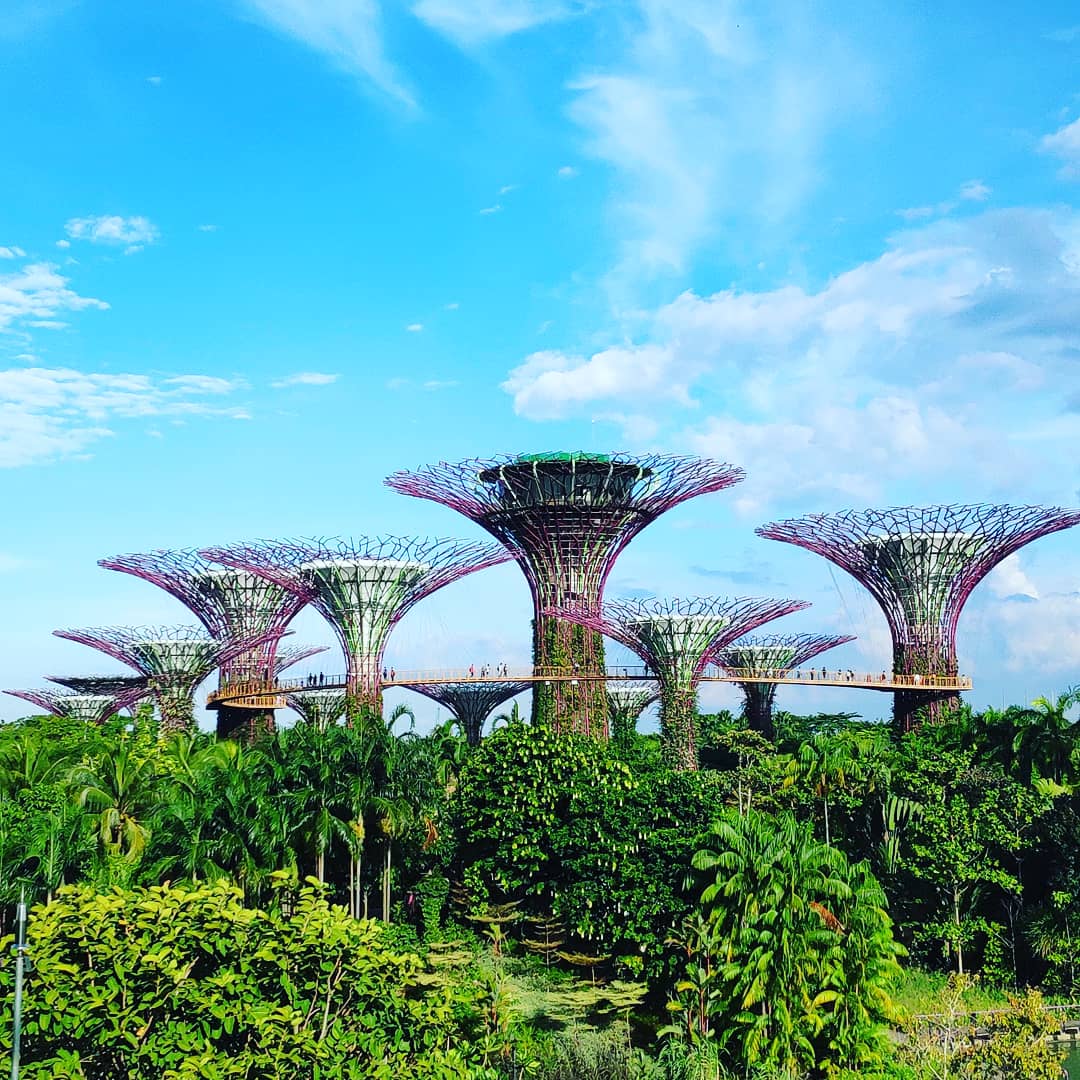
Marina Bay district is the modern face of the city. The ship-shaped roof of Marina Bay Sands, the alien trees of Gardens by the Bay and the lotus flower silhouette of the ArtScience Museum are all here. At night, this area turns into a science fiction movie set; As you watch the light show of the Supertrees and the warm tropical air hits your face, you wonder "is this place real?" You can't help but ask.
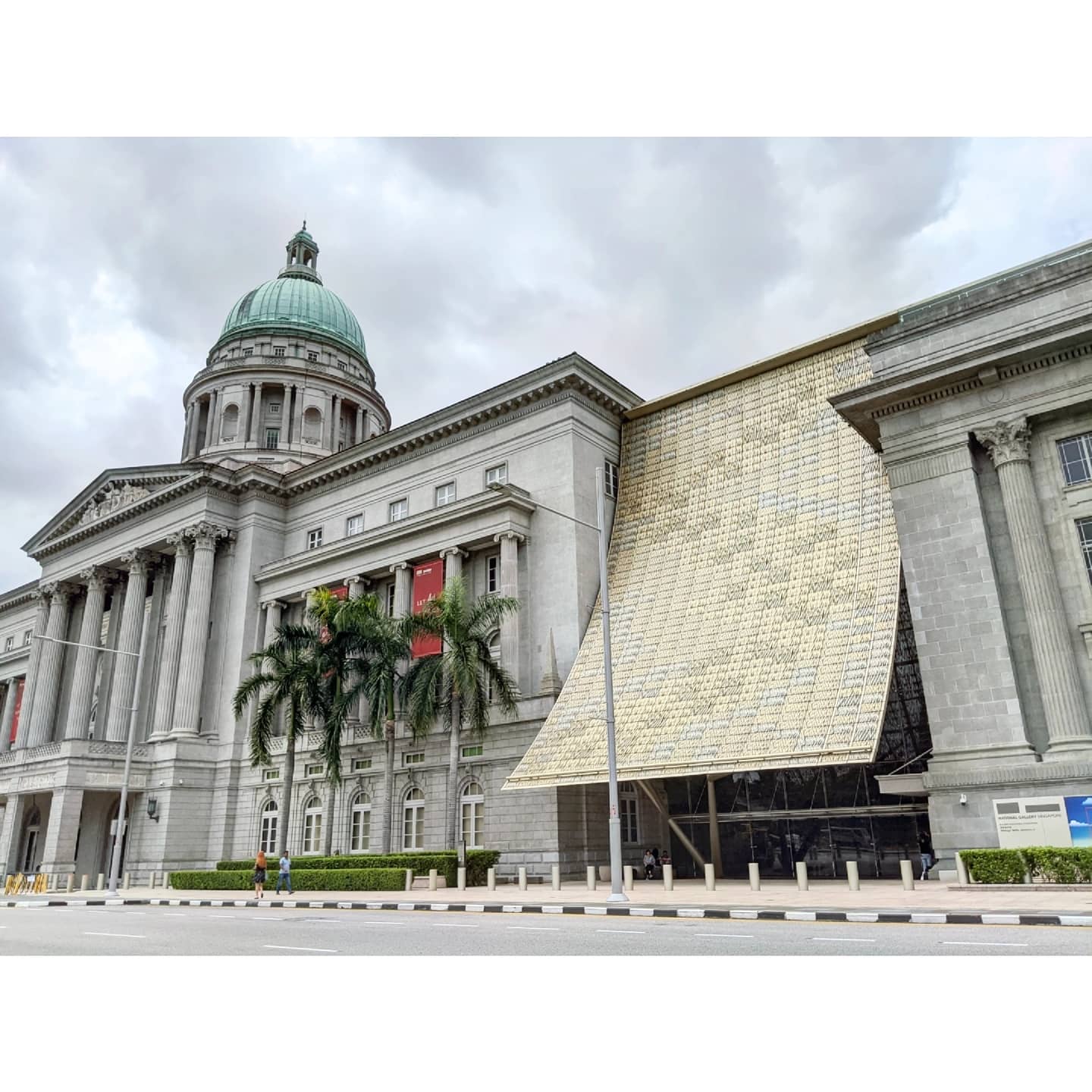
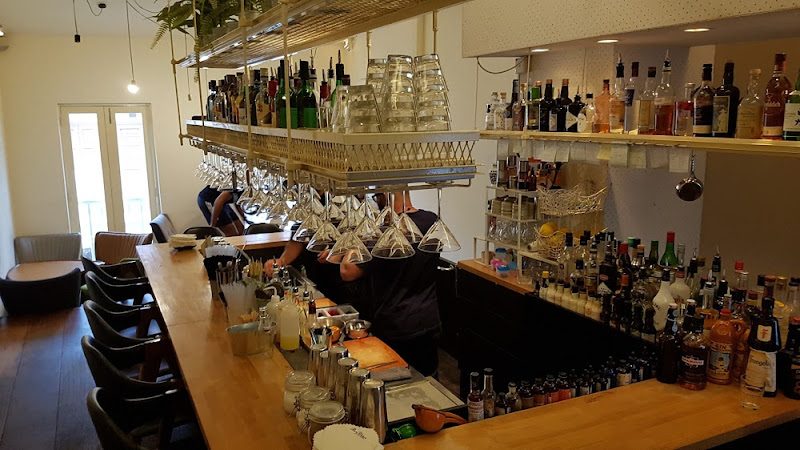
But Singapore isn't just shiny and new. The white colonial buildings in the Colonial District, the restored merchant houses in Boat Quay, the colorful Peranakan houses of Emerald Hill and the art deco buildings of Tiong Bahru add depth to the city. While drinking a Singapore Sling at Raffles Hotel's Long Bar (this is the only bar in the world where you can throw peanut shells on the floor), you feel the layers of the city.
Another extraordinary aspect of Singapore is its relationship with nature. The "Garden City" vision has now evolved into "City in a Garden". There are rainforest remnants in the city center -- Bukit Timah Nature Reserve is a real tropical forest in the middle of the city. With the MacRitchie TreeTop Walk, you walk through the treetops. With the Southern Ridges trail system, you cross the Henderson Waves bridge and move through miles of greenery. It's surprising to find so much green amidst so much concrete and steel.
Singapore is great when it comes to transportation. The MRT (metro) system reaches every corner of the city, the bus network is excellent, Grab (the Uber of Southeast Asia) works everywhere. Go anywhere with one touch with EZ-Link or SimplyGo card. The city is so small that it takes 45 minutes from one end to the other by MRT. Even taxis and Grab are not too expensive; CBD to Sentosa SGD 15-20.
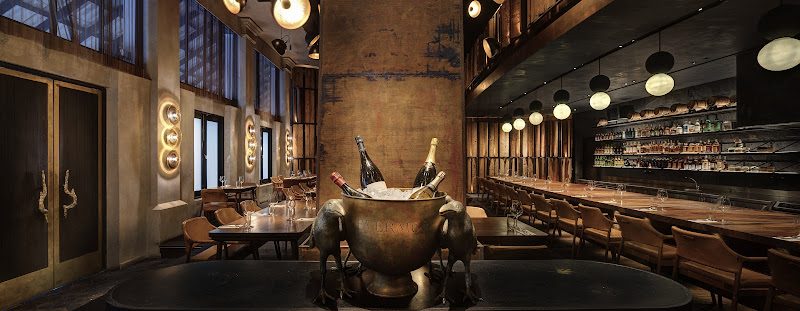
Yes, Singapore is the most expensive city in Southeast Asia. Hotel nights, alcohol prices and taxi fares are many times higher than Bangkok or Kuala Lumpur. But the secret is this: if you eat at Hawker Centres, it is cheaper than Tokyo, if you walk on the streets, transportation is free, and if you visit free parks and gardens, the activity cost is zero. Singapore is one of the rare cities where you can have a $300 dinner at Michelin restaurants and be satisfied with $2 chicken rice. You determine your budget.
When to Go
Singapore sits almost above the equator, meaning it's hot and humid year-round. It can be said that there is no concept of season; The average temperature is 27-32 degrees every month and the humidity is around 80%. But still, some periods are more comfortable than others.
- February - April: Least rainy period. Humidity is slightly lower, days are sunny. The ideal time for outdoor trips.
- May - July: Beginning of the southwest monsoon. There may be short but heavy rains in the afternoon. The rain usually lasts 1-2 hours, then the sun shines.
- August - October: Haze (smoke/haze) season. Smoke from forest fires in Indonesia sometimes affects Singapore. Air quality may decrease and eyes may burn. Follow the PSI index.
- November - January: Northeast monsoon. It's the wettest period, but the rain is tropical -- it starts suddenly, ends suddenly. Orchard Road Christmas decorations in December and January are spectacular.
Whenever you come, take a light raincoat or foldable umbrella with you. The air conditioning of shopping malls is brutal, 32 degrees outside and 18 degrees inside; A thin cardigan also works.
How to get there
Turkish Airlines has direct flights from Istanbul Airport to Singapore Changi Airport. Flight duration is approximately between 10 hours 45 minutes and 11 hours 15 minutes. THY usually uses Boeing 787 Dreamliner on this line; wide body, comfortable seats.
Round-trip ticket prices vary between 450-700 EUR depending on the season. The cheapest prices are usually in February and May, the most expensive are August (holiday season) and December-January (Christmas/new year).
Singapore Airlines, Qatar Airways (via Doha), Emirates (via Dubai) and Cathay Pacific (via Hong Kong) are also alternative options. Connecting flights can sometimes be 100-150 EUR cheaper, but they add 4-6 hours of extra time.
Changi Airport is a place that cannot get enough of being chosen as the best airport in the world. Terminal 1's Jewel Changi -- a 40-meter-high Rain Vortex, tropical gardens, shopping and restaurants -- is a sightseeing destination in itself. Even transit passengers can spend hours here. From the airport to the city center 30 minutes by MRT, 20-25 minutes by taxi (SGD 20-30).
Urban Transportation
Singapore is a small island, but its transportation infrastructure is the envy of giant cities.
- MRT (Mass Rapid Transit): 6 lines, 130+ stations. It reaches every corner of the city. Clean, air conditioned, punctual. The first time is around 05:30, the last time is around 00:30. Single trip costs 1-3 SGD.
- Bus: Buses go to places where MRT does not go. Google Maps shows bus routes perfectly. Air conditioned, tidy.
- EZ-Link / SimplyGo card: Contactless card valid on subways, buses and some taxis. Pickup from the airport costs 10 SGD (5 SGD deposit + 5 SGD balance). You can now use your credit card directly with Apple Pay and Google Pay.
- Grab: The Uber of Southeast Asia. Download the app and call anywhere. It is more expensive than MRT, but there is no taxi tariff increase, the price is determined in advance. The only option after midnight.
- Taxi: Safe, clean, works with taximeter. There are peak hour and night surcharges. CBD to Sentosa SGD 12-20.
- Walking: Singapore is a flat island, sidewalks are wide and pedestrian crossings are regular. But it's hot and humid; Take into account that you will sweat when walking longer than 20 minutes.
Accommodation Regions
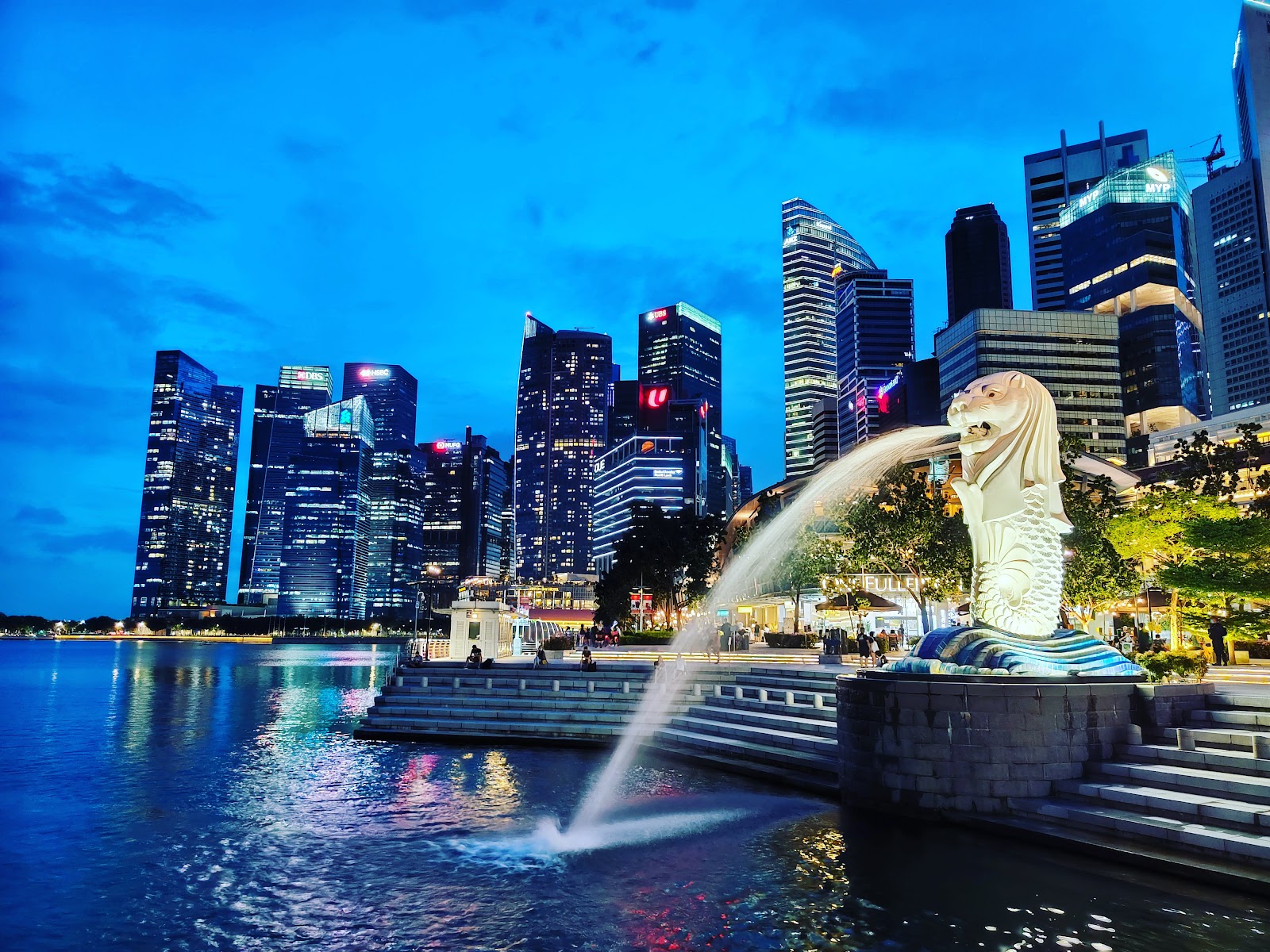
- Marina Bay / Downtown: The heart of the city. MBS, Gardens by the Bay, Merlion are all within walking distance. Luxury hotels mainly; Fullerton, Ritz-Carlton, MBS. 250-600 SGD per night.
- Chinatown: Central location, close to hawker centers, plenty of boutique hotels and hostels. Budget-friendly options are here. 80-200 SGD per night.
- Little India / Bugis: The most affordable region. Tekka Center food, colorful streets. Backpackers' favorite. 50-150 SGD per night.
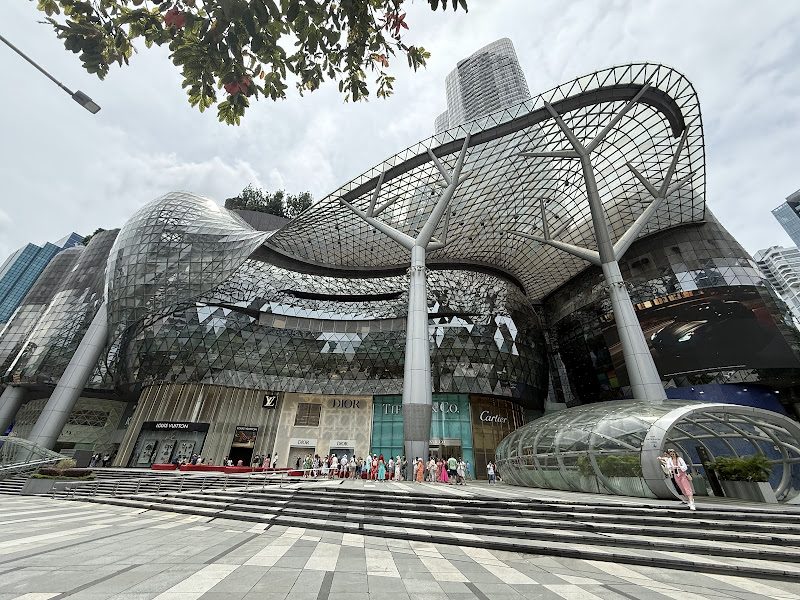
- Orchard Road: Shopping paradise. Middle-upper segment hotels. Marriott, Hilton, Mandarin Orchard. 200-400 SGD per night.
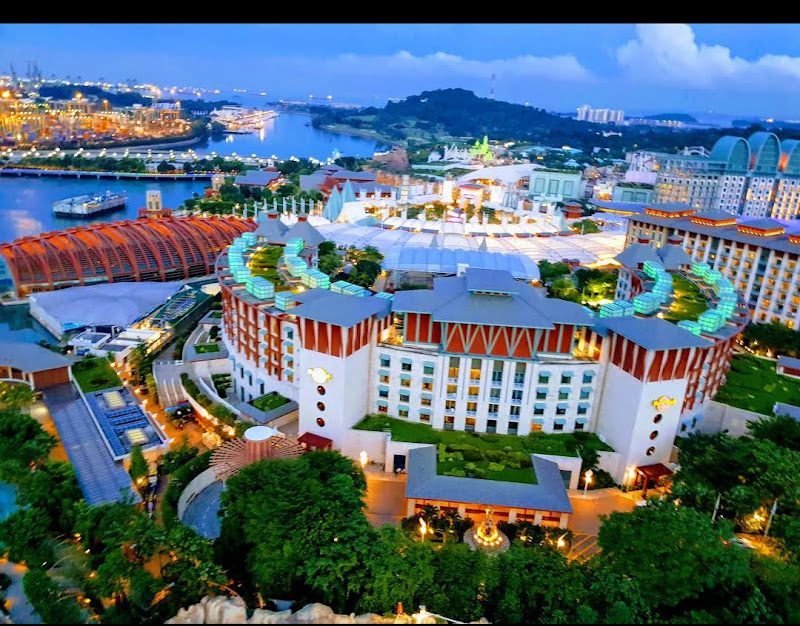
- Sentosa: For families and holidaymakers. Beach access, theme parks nearby. Shangri-La, W Sentosa, Capella. 300-800 SGD per night.
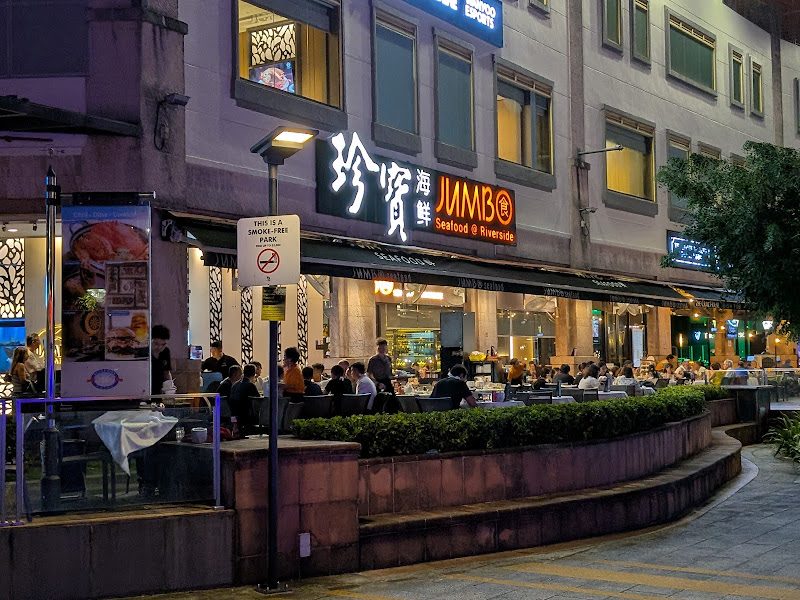
- Clarke Quay / Robertson Quay: Riverside venues close to nightlife. Middle segment. 150-300 SGD per night.
Budget Plan
Singapore is a city with high budget flexibility. If you eat in Hawker centres, it is very cheap, if you drink in rooftop bars, it is expensive. Here are the 3-day forecasts:
| Category |
Economical |
Medium |
Luxury |
| Accommodation / night |
70 SGD (hostel/capsule) |
200 SGD (4*) |
500 SGD+ (MBS/Fullerton) |
| Meal/day |
20 SGD (hawker) |
60 SGD (hawker + restaurant) |
200 SGD+ (Michelin) |
| Transportation / day |
8 SGD (MRT) |
20 SGD (MRT + Grab) |
60 SGD (Grab/taxi) |
| Activity / day |
10 SGD (parks) |
50 SGD (museum + zoo) |
150 SGD (USS + rooftop) |
| 3 days total |
~320 SGD (~215 EUR) |
~990 SGD (~660 EUR) |
~2700 SGD+ (~1800 EUR+) |
Approximately with May 2026 exchange rate: economical 7,500 TL, medium 23,000 TL, luxury 63,000 TL+ (per person, excluding flights).
Currency note: 1 SGD is approximately 0.67 EUR or around 25 TL (May 2026). Cards are passed everywhere; You don't really need to carry cash, but some stalls in hawker centers still only take cash.
Practical Tips
Singapore's rules are no joke. In this country, punishments are not deterrent, they are destructive. But if you follow the rules, you will feel like you are in one of the safest, cleanest, most comfortable cities in the world.
- Chewing gum is prohibited. It is prohibited to import, sell and distribute. Therapeutic gum (like nicotine patches) can be purchased from pharmacies, but if you chew gum on the streets you can be fined up to SGD 1000. Don't even carry it in your suitcase.
- It is forbidden to throw garbage. If you throw cigarette butts, paper or plastic on the ground, you will be charged 300 SGD for the first time, 1000 SGD for the next time and a public area cleaning penalty. Trash cans are everywhere, there are no excuses.
- Durian carrying ban: It is forbidden to carry durian (spiny, smelly tropical fruit) in MRT, buses and most hotels. If you want to eat, eat outdoors.
- Smoking: Strictly prohibited in closed areas. You can drink outside in the yellow-lined "smoking zones". Cigarette packs are 12-15 SGD (very expensive).
- Alcohol sales: Alcohol sales are prohibited in markets between 22:30 at night and 07:00 in the morning. There are no problems in bars and restaurants.
- Drug transportation: Singapore's drug laws are some of the toughest in the world. Carrying more than a certain amount can be punishable by death. Even over-the-counter medications can cause problems; Carry any medications you take with you along with their prescription.
- Crossing without using a pedestrian crossing: If there is a pedestrian crossing within 50 meters, you have to use it, otherwise there will be a penalty.
- Food and drink are prohibited in MRT: Nothing, including water, can be eaten or drunk in metro stations and wagons. 500 SGD fine.
- Time at Changi Airport: Arrive 3-4 hours before your return flight. Take one last photo from the waterfall at Jewel, do your last shopping. GST (tax) refund can be claimed at the airport for purchases over SGD 100.
- Air Conditioning: Shopping malls and subways are ice cold. 33 degrees outside, 18 degrees inside. Always keep a thin cardigan or shawl in your bag.
- Socket type G: UK style three-prong socket. Bring an adapter or ask from hotels.
Travel Guide with Children
Singapore is Asia's number one destination for families with children. The world leader in clean, safe, organized and child-friendly infrastructure. There is a playground in every shopping mall, children's chairs in every restaurant, and an interactive experience in every park.
Recommendations by Age Group
0-3 years: Far East Organization Children's Garden water games at Gardens by the Bay are great for little ones (free). Children's areas at Marina Bay Sands Shopping Mall are at a luxury level. Singapore has air conditioning everywhere, it's easy to escape the heat.
4-7 years: Singapore Zoo and River Wonders are the stars of this age group. S.E.A. Aquarium (Sentosa) is one of the largest in the world. Sentosa island is a children's paradise in itself.
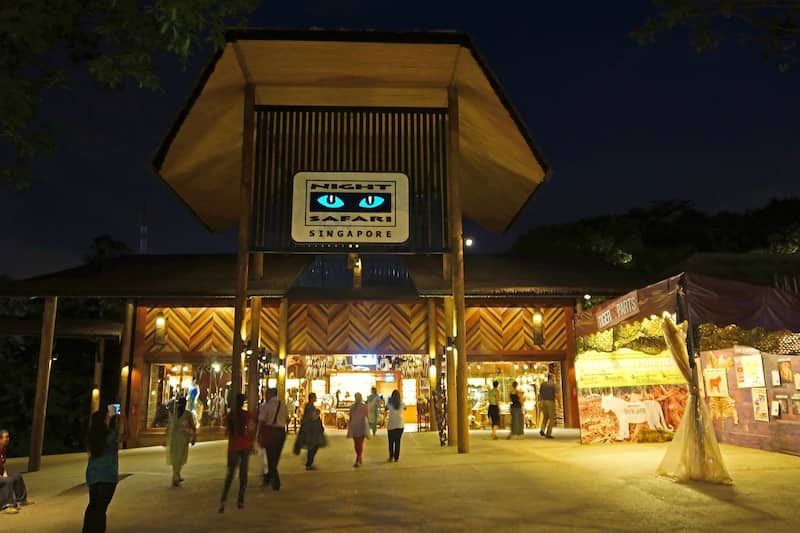
8-12 years: Universal Studios Singapore (Sentosa) drives this age group crazy. Science Center Singapore is interactive and educational. The night zoo (Night Safari) is the only one in the world — it is fascinating to watch animals in their natural habitat in the dark.
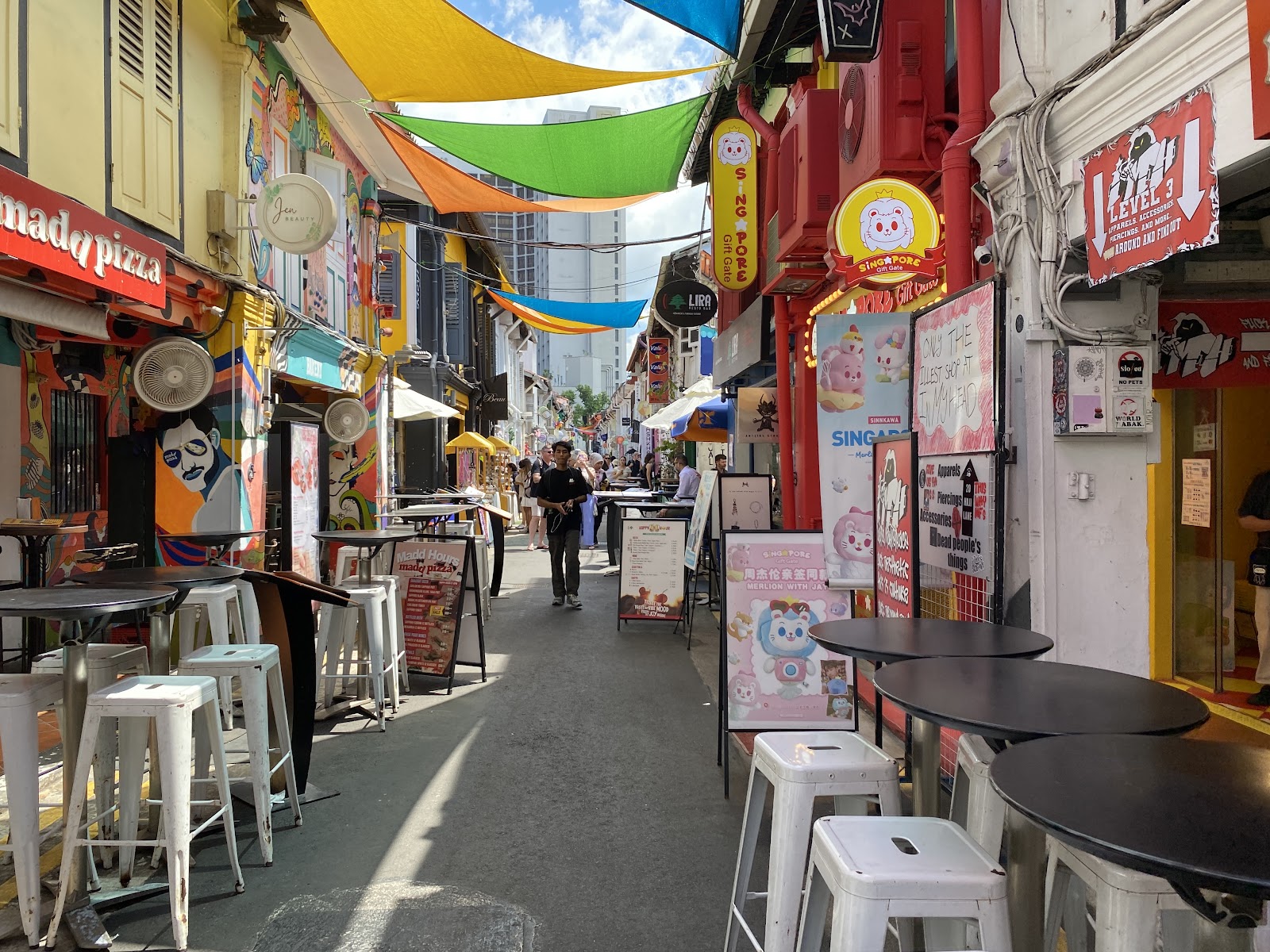
Ages 13+: Orchard Road shopping, Haji Lane's vintage shops, street food tour at Hawker Centers and iFly Singapore (indoor skydiving) attract young people.
Top 5 Kid-Friendly Activities
Singapore Zoo + Night Safari — Classic zoo during the day, and a unique night safari in the world at night. Observation of animals in their natural habitat, without barriers. Take two days.
Universal Studios Singapore — 7 themed zones on Sentosa island. Transformers, Jurassic Park, Minion Land. Take a full day.
Gardens by the Bay — Giant waterfall at Cloud Forest dome, Supertree show (evening light show), children's water garden. The Flower Dome is also impressive.
S.E.A. Aquarium — Huge aquarium in Sentosa. More than 100,000 sea creatures and the giant observation panel fascinate children.
Sentosa Island — Beaches, Mega Adventure (zipline), Skyline Luge (go-kart-like), iFly and more. Full day adventure island.
Practical Information
Baby stroller: Singapore is stroller heaven. MRT stations have 100% elevators, sidewalks are flat, shopping malls are huge and accessible. Sentosa has free stroller rental.
Children's menu: There are no children's portions at Hawker Centres, but the portion sizes are small and cheap anyway. Chicken rice, laksa (light version), roti prata are dishes that children love.
Children's ticket discounts: MRT is free for children under 7 years old. Most attractions apply children's prices. Sentosa Fun Pass is economical for the family.
Toilet: The cleanest toilets in the world. Available everywhere, free and well maintained. Baby care rooms are standard.
Warnings
- Heat and humidity are high throughout the year (30-34°C). Make children drink plenty of water and take breaks in air-conditioned places.
- Sunscreen is a must, the tropical sun is very strong.
- Chewing gum is prohibited (serious fine), explain this rule to the children.
- Singapore is expensive — plan your daily budget in advance, hawker centers are budget-friendly alternatives.
Local Label and Culture Notes
Singapore is a multicultural society. The four main ethnic groups (Chinese, Malay, Indian, other) live together, and everyone has different religions, food habits and holidays. This diversity is reflected in daily life.
- Hawker center etiquette: A tissue pack or umbrella is left to "chope" (reserve) the table. It's a tradition; If you pick up the left handkerchief and don't sit down, it means there is a table owner.
- Food sharing: Singaporeans love to share food. At Hawker Centre, you buy food from different stalls and eat it together at a table.
- Singlish: Singaporean English -- A mixture of English, Malay, Hokkien and Tamil. Words like "can" (may), "lah" (accent suffix), "shiok" (wonderful) are heard everywhere.
- Shoe removal: During home visits and some temples, shoes are left at the door.
- Eating with the left hand: In Malay and Indian culture, the left hand is considered "dirty"; Use your right hand when giving and taking food.
- No tip: Restaurants usually add a 10% service charge and 9% GST automatically. Extra tip is not expected but appreciated.
- Queuing culture: Singaporeans take queuing very seriously. It is considered normal to wait in line for 1-2 hours for a newly opened restaurant or a popular hawker stall.
- Kiasu culture: Hokkien word meaning "fear of loss". Singaporeans are a competitive society; If something is given away for free, a queue forms; if a new restaurant opens, everyone wants to go first.
FAQ
How many days to visit Singapore?
3 days is enough to see the main points. 4-5 days is the ideal pace; You can spend a full day in Sentosa, take a Hawker Center tour and explore the parks. You can also make day trips to Johor Bahru, Malaysia, or Batam Island, Indonesia, for 7+ days.
Is English sufficient?
Definitely. English is one of Singapore's four official languages and the language of government, business and education. Signs, menus and transportation information are all in English. Uncle Hawker's accent may be a bit challenging, but overall there are zero language problems.
Is Singapore expensive?
While accommodation and alcohol are expensive, food and transportation are surprisingly affordable. You can have a hearty meal for 2-5 SGD (40-120 TL) at Hawker centres. A beer is 12-18 SGD (300-450 TL) at the bar but 4-6 SGD at the grocery store. The average budget is twice that of Bangkok, similar to Tokyo.
Is it safe to drink water?
Yes. Tap water is above world standards and can be drunk directly. You don't need to buy bottled water, just carry a water bottle.
What to eat in Singapore?
Be sure to try: Hainanese chicken rice, chilli crab, laksa (coconut soup), satay (skewer), char kway teow (wide noodles), roti prata (Indian pancake), kaya toast (breakfast classic), bak kut teh (pork soup -- at non-Muslim stalls). For halal options, head to Tekka Center and Kampong Glam area.
Is Singapore suitable for children?
Very convenient. Universal Studios, S.E.A. There is Aquarium, Singapore Zoo, Night Safari, River Wonders, Gardens by the Bay Children's Garden (free water park). MRT stations have elevators, sidewalks are wide and stroller friendly. Most shopping malls have breastfeeding rooms.
Singapore vizesi gerekiyor mu?
No. Bordo pasaportla 30 güne kadar vizesiz giriliyor. sg ya da MyICA uygulamasından ücretsiz SG Arrival Card formunu doldurmak; bu bir vize değil. Passport must be valid for at least 6 months.
Is it easy to travel between Singapore and Malaysia?
It's easy. It takes 30-45 minutes to reach Johor Bahru by bus from Woodlands or Tuas border gate. You can eat, massage and shop in JB for half the price of Singapore. Don't forget to carry your passport with you.