About Diyarbakir
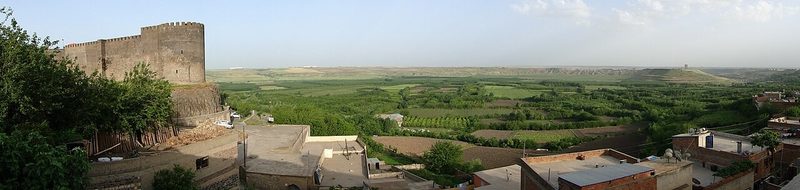
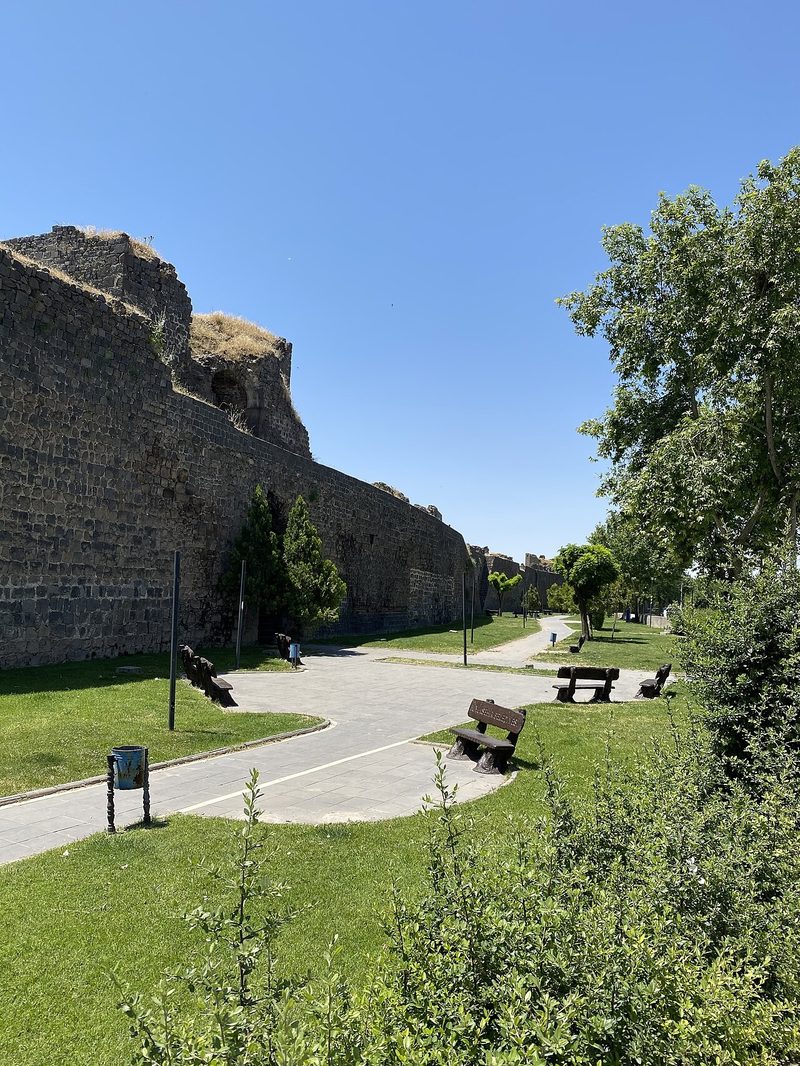
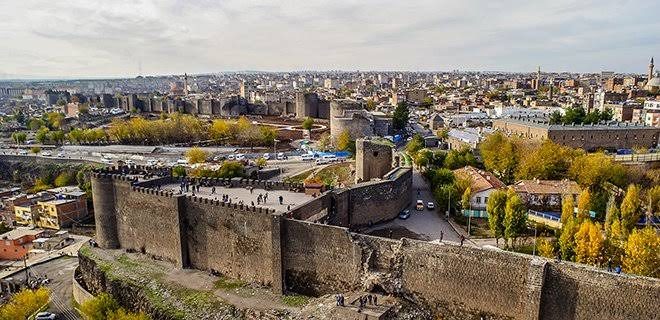
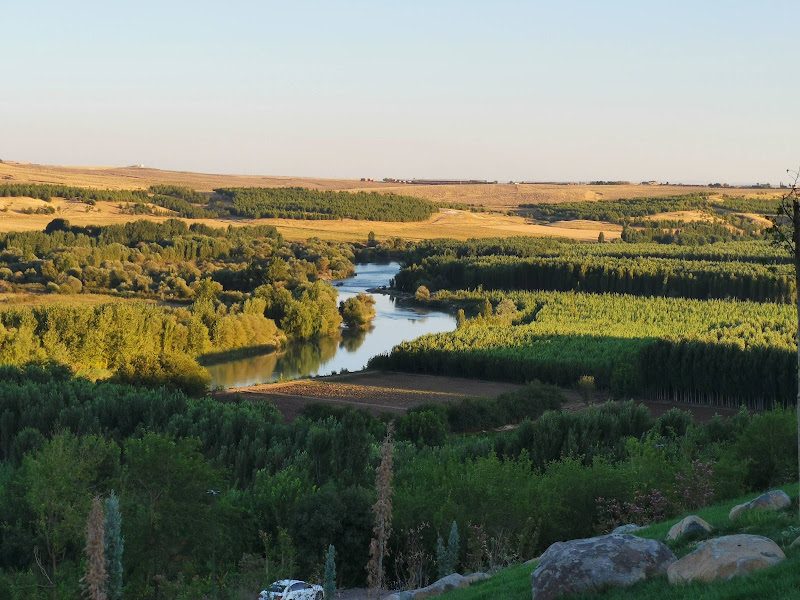
It is a 10,000-year-old city with a population of 1.8 million, in southeastern Türkiye, on the west bank of the Tigris River, surrounded by basalt walls. Its old name was Amid/Amed. Suriçi (Suriçi) is still a neighborhood where people live, where they have breakfast and where children play — it is not a touristic museum. In 2015, UNESCO included the city walls and Hevsel gardens on the common heritage list; The 5.8 km long walls made of basalt stone are the longest surviving wall system in the world after the Great Wall of China.
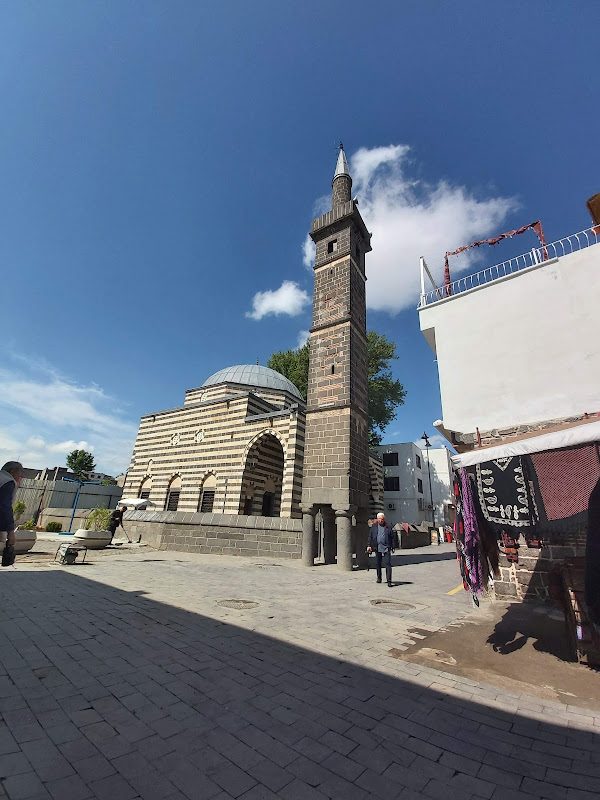
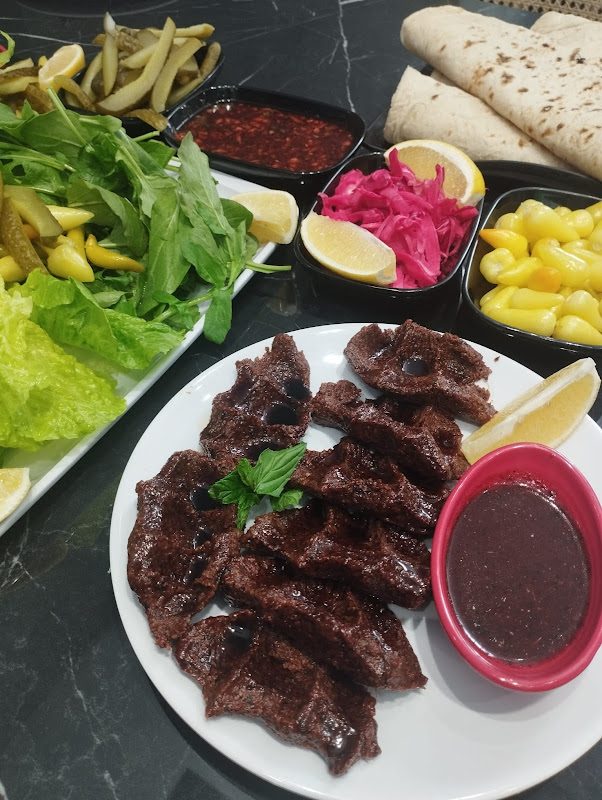
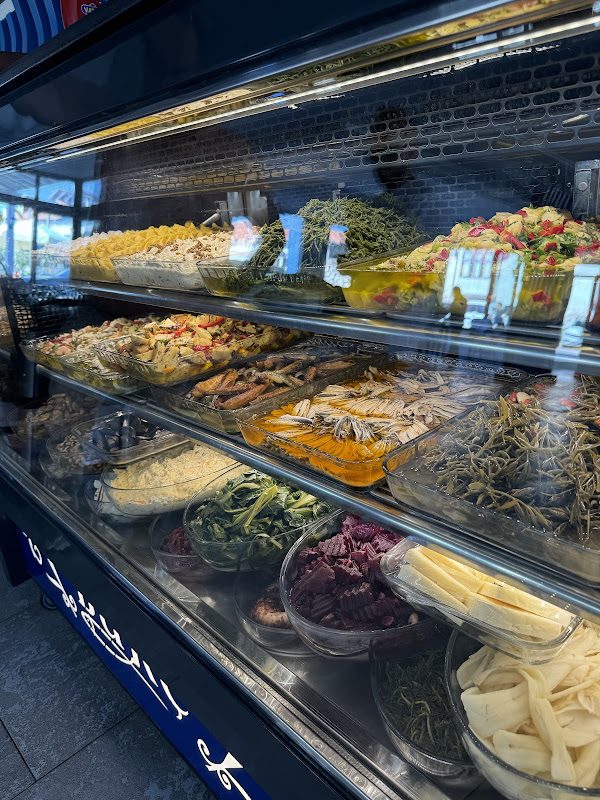
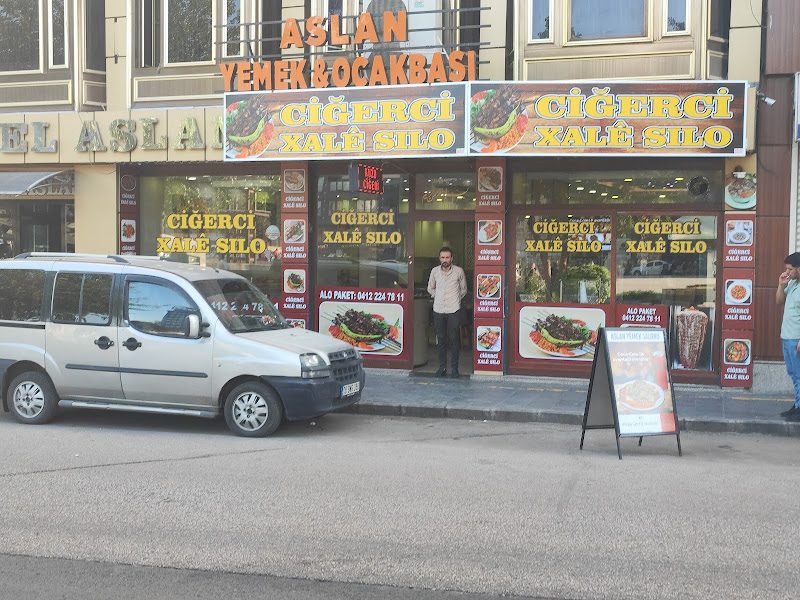
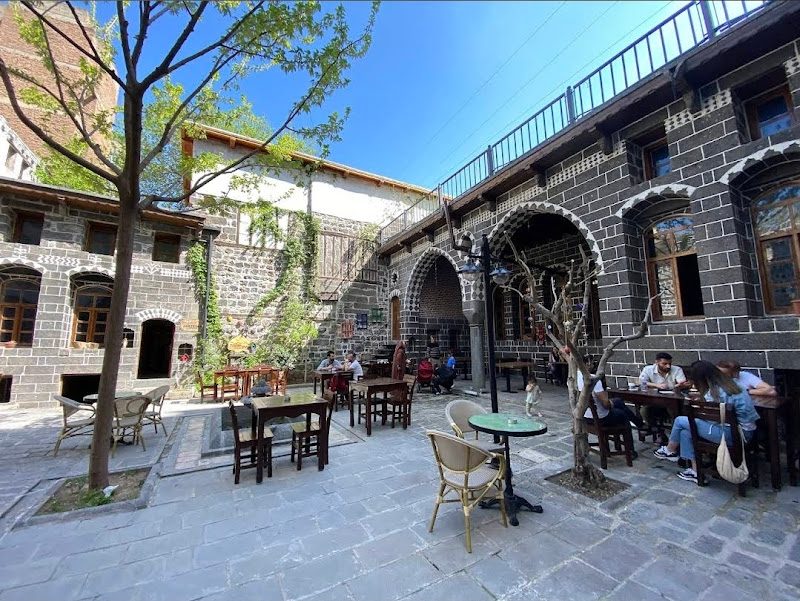
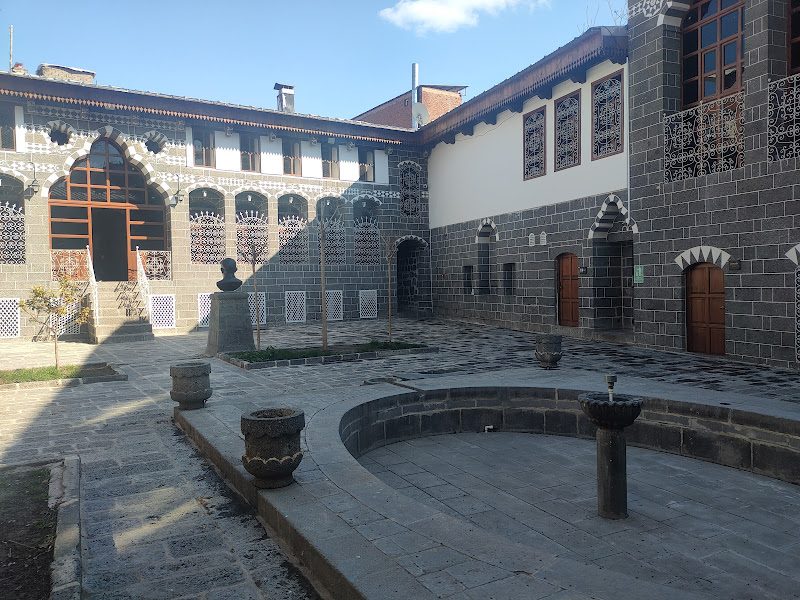
Two things distinguish Diyarbakir from other Anatolian cities: materials and cuisine. Almost every historical structure of the city - walls, mosques, inns, bridges, houses - is made of black basalt from the local volcanoes. When the sun hits the summer noon, the stone heats up and gives the heat back at night; The architecture was born in response to the climate. The cuisine is in the top three of Türkiye in terms of richness: stuffed ribs, meftune, lebeni soup, stuffed meatballs, kelle trotter, liver kebab, kerebiç dessert, isotated butter. Instead of Antep's sweet and Urfa's bitter identity, sour (sumac, pomegranate syrup) is dominant in Diyarbakir.
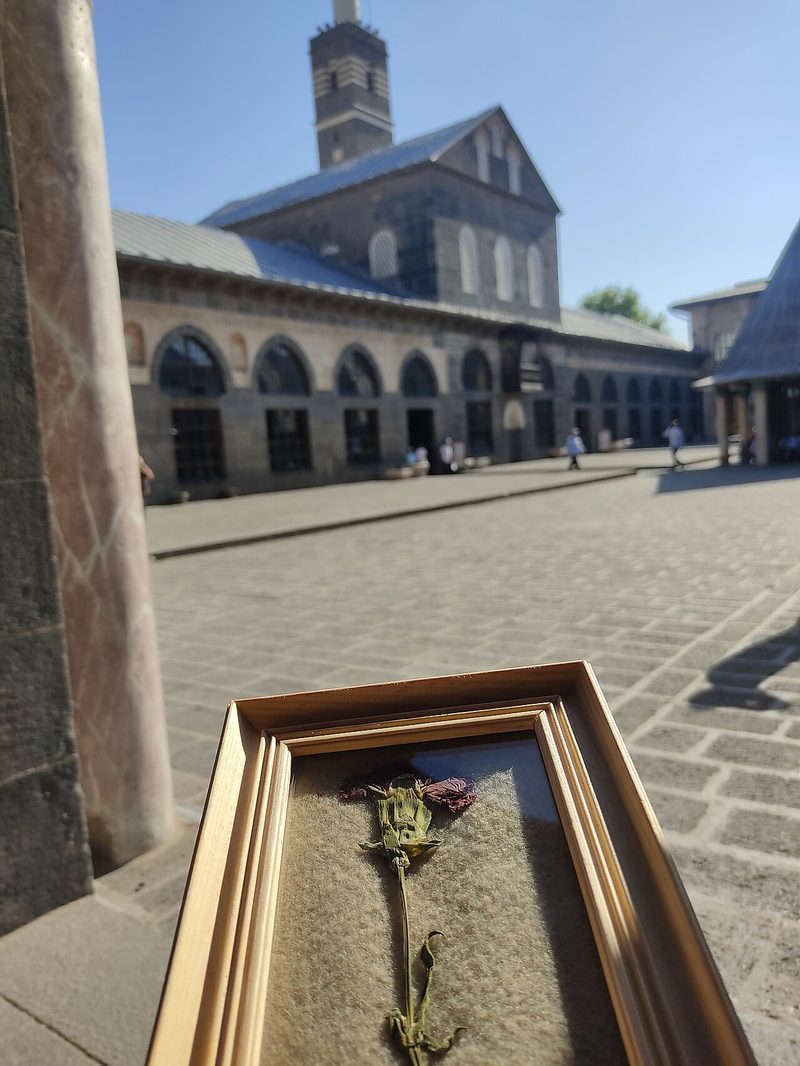
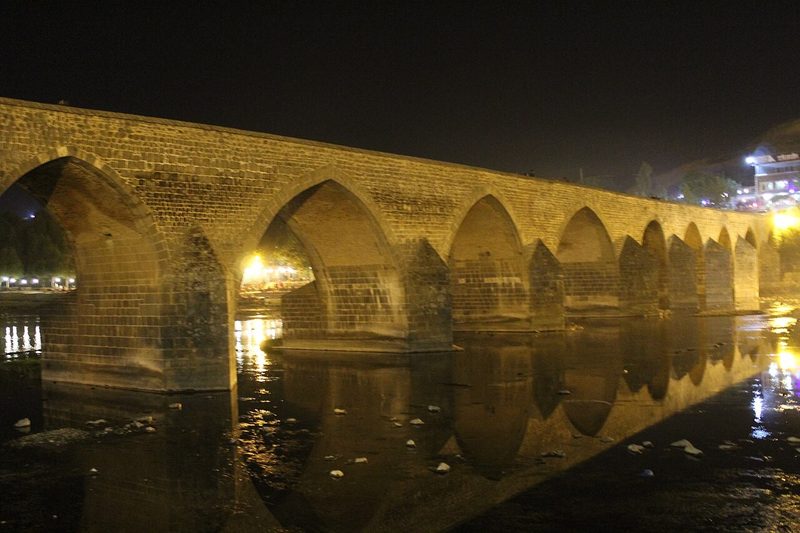
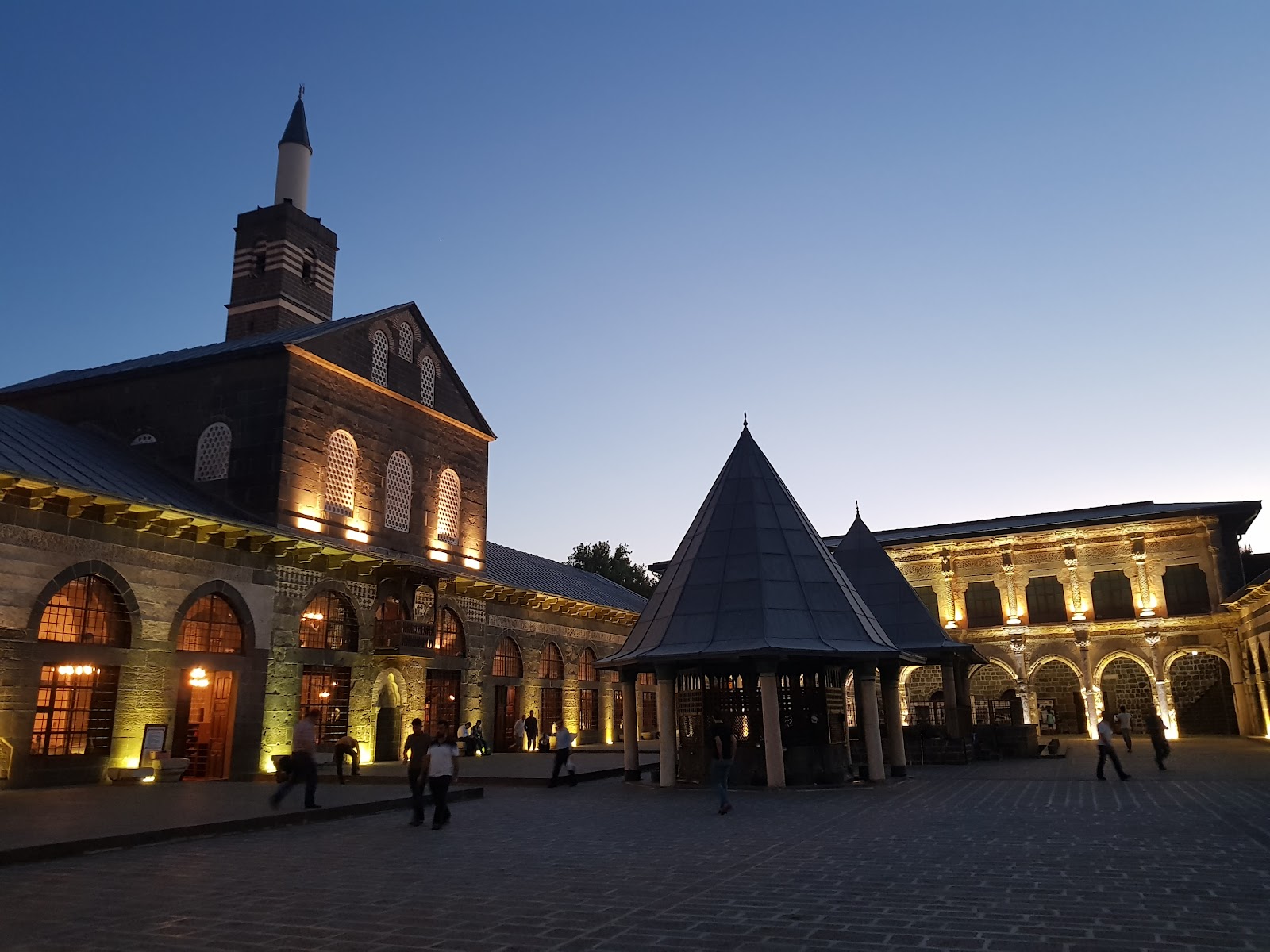
The city carries an unfair label of fear due to Türkiye's long-standing problems — today's reality is different. The city walls are alive 24 hours a day, tourist traffic has doubled in the last 5 years, the main attractions (Great Mosque, Hasan Pasha Inn, Goat Bastion, Ten-Eyed Bridge) are completely safe. 3 days city + connecting to Mardin; If you spare 5-7 days, Hasankeyf will be filled with Şanlıurfa-Göbeklitepe daily tours.
When to Go
Diyarbakir's climate is harsh continental — summer is very hot, winter is cold. The navigation window gets stuck in spring and autumn.
| Period |
Temperature |
Feature |
Recommendation |
| March - May |
12-26°C |
Hevsel green, wildflowers, temperate |
Ideal — few crowds, clean air |
| June - August |
32-42°C |
It's so hot, the wall stone is burning |
Visit only after 7-10am + 6pm |
| September – November |
16-30°C |
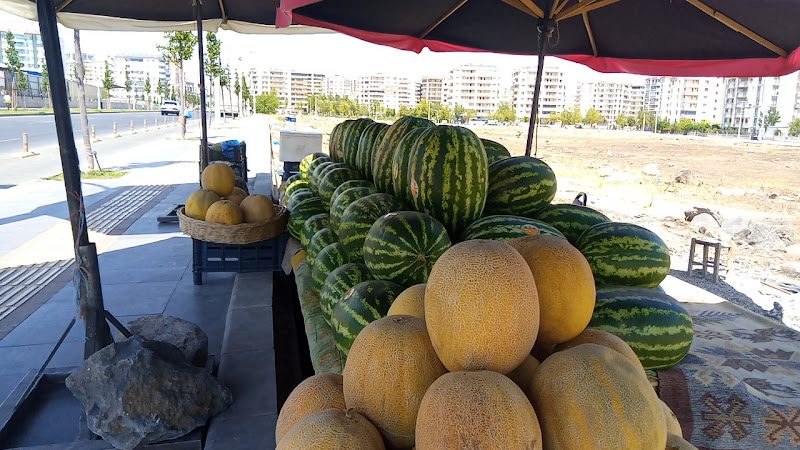
Watermelon season (September), clear weather |
Second best period, photo featured address |
| December - February |
0-10°C |
Cold, sometimes snow |
A tour focusing on museums and inns, the walls can be walked, but be careful. |
The most recommended months are March, April, May, October and November. The July-August heat is felt more scorching between the stone walls, and walking on the walls without shade can be dangerous.
How to get there
By plane. Diyarbakir Airport (DIY) is only 6 km from the city center. THY, Pegasus, AnadoluJet offer 6-8 flights per day between Istanbul and Diyarbakir. The ticket price is between 1500-3200 ₺, but if you buy early, it may be under 1000 ₺. There are also daily direct flights from Ankara (1300-2700 ₺, 1.5 hours). Generally transfer from Izmir to Istanbul.
By bus. 18-22 hours from Istanbul, night departures are preferred (1100-1700 ₺). Metro, Star, Diyarbakir Seyahat lines are operating. 12-14 hours from Ankara (850-1300 ₺). Good option for bus lovers; Getting up at night and arriving in Diyarbakir in the morning also fits the hotel check-in time.
By train. TCDD's "South Kurtalan Express" Istanbul (Haydarpaşa line is currently connected to Konya) - Ankara - Kayseri - Diyarbakir - Kurtalan line operates several times a week. The journey is 24+ hours, the view is rewarding but it takes time. Good for romantic train journey, not for fast transportation.
By car. 1380 km from Istanbul, 15-17 hours by highway via Ankara. Anatolian highway, then Şanlıurfa-Diyarbakir highway. Beware of the risk of snow in the eastern part during the winter months.
Urban Transportation
Diyarbakir consists of two "cities": Surinside (old, stone, narrow streets, pedestrianized) and Yenişehir/Office (modern, wide street, hotels, shopping mall, nightlife).
From airport to center:
- HAVAŞ shuttle: 80 ₺, 25 minutes, leaves to the central bus station.
- Taxi: 250-350 ₺, 15-20 minutes.
- BB1 public bus: 25 ₺, 40 minutes, economical but not frequent.
The city walls: Completely pedestrian. Stone, slippery, steep slopes — flat-heeled sneakers are a must. Be careful, basalt slips a lot in rainy weather.
Yenişehir/Office ↔ Suriçi: Minibus 20-30 ₺ (10-15 minutes) or taxi 80-150 ₺. Dag Kapı square is the minibus departure point.
Taxi: 80-200 ₺ average within the city. It is rare that a driver does not know the way; Request that the meter starts on. There is no Uber, BiTaksi operates limitedly.
City bus (card): Card 35 ₺ + boarding 17 ₺. It is not practical for tourists in the city walls, use it if you are going to Yenişehir.
Rent a car: The most logical option for Mardin, Hasankeyf, Urfa tours. Avis, Hertz, Europcar + 4-5 local companies at the airport. Insist on 1200-1800 ₺ economy per day, including insurance.
Budget Estimate
Diyarbakir is one of the most affordable among Türkiye domestic destinations. Average hotel price is 1600 ₺ — half of Cappadocia, one-third of Istanbul. Eating and drinking are the same way.
| Category |
Economic / day |
Medium/day |
Comfortable / day |
| Accommodation |
700-1100 ₺ (hostel) |
1500-2200 ₺ (boutique within the city walls) |
2800-4500 ₺ (Yenişehir 4★) |
| Breakfast |
100-180 ₺ (local) |
250-400 ₺ (Hasan Pasha) |
400-600 ₺ (hotel) |
| Noon |
120-200 ₺ (tradesman) |
250-400 ₺ (restaurant) |
500-800 ₺ (stone house) |
| Evening |
250-400 ₺ (local) |
500-700 ₺ (Zodiac style) |
800-1200 ₺ (special menu) |
| Museum + entrance |
0-100 ₺ |
100-200 ₺ |
200-400 ₺ |
| Transportation (inner city) |
30-80 ₺ (minibus) |
150-300 ₺ (taxi mixed) |
400-700 ₺ (taxi weight) |
| Daily total |
1150-2060 ₺ |
2750-4200 ₺ |
5100-8200 ₺ |
A person can return with 4500-6500 ₺ with an economical budget for 3 days. The middle segment for a couple is between 18-25 thousand ₺ for 3 days.
Travel Guide with Children
With a child-friendly score of 3.8/5, Diyarbakir is a rewarding city that requires some preparation for families. Although the basalt streets within the city walls are challenging for strollers, the green areas in Hevsel Gardens and the banks of the Tigris offer ample space for children to move around. Historical walls, bridges and inns are a living history lesson for little explorers.
Recommendations by Age Group
0-3 years: The straight paths and grass areas in Hevsel Gardens are suitable for this age group. The stone streets within the walls are difficult for a stroller — opt for a kangaroo carrier. There are baby care rooms in shopping malls and large hotels in Yenişehir.
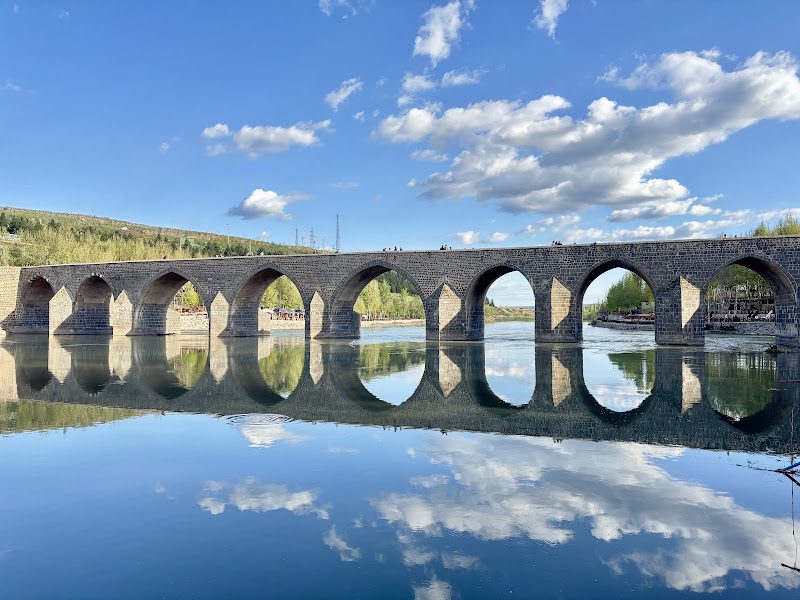
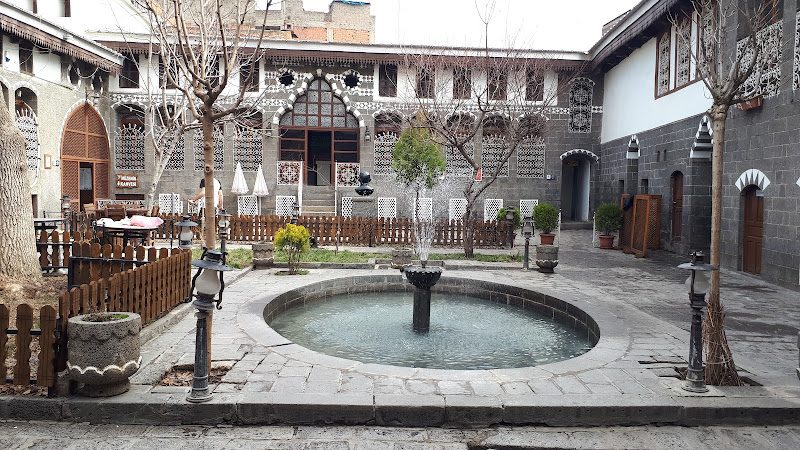
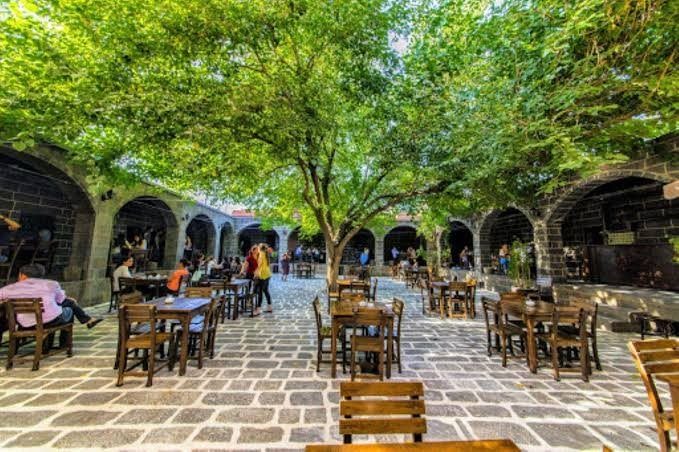
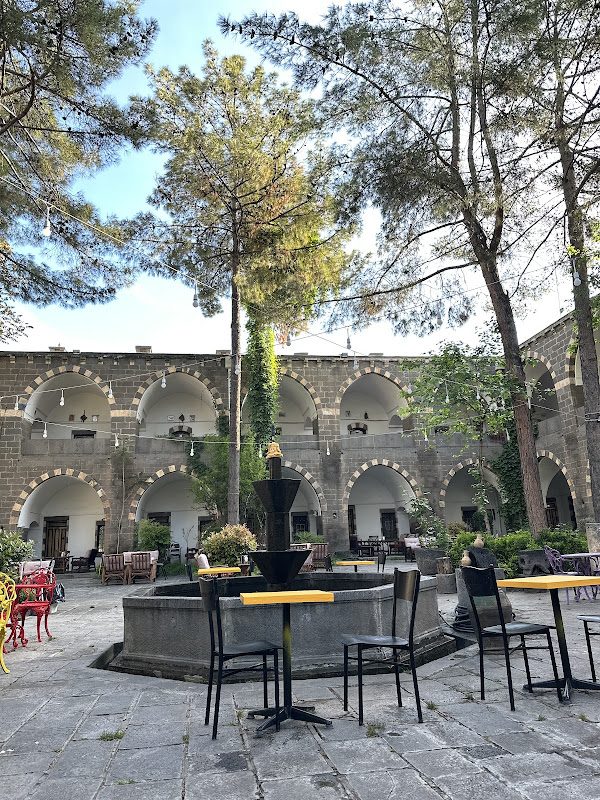
4-7 years: Children enjoy watching the Tigris River on the Ten-Eyed Bridge and counting its arches. The flock of pigeons and the fountain in the courtyard of Hasan Pasha Inn entertain the little ones. Drinking sherbet at Sülüklü Han is a sweet break.
8-12 years old: Climbing the Goat Bastion in the Diyarbakir Walls and exploring the 5.8 km long wall line excites this age group. The story of the Four-Legged Minaret attracts their attention. It is possible to cycle in Hevsel Gardens.
13+ ages: Exploring the walled streets, Cahit Sıtkı Tarancı Museum, listening to traditional music in Dengbêj House and the tea and hookah atmosphere in Hasan Pasha Inn attract the attention of young people.
Top 5 Kid-Friendly Activities
Hevsel Gardens — 700 hectares of UNESCO-listed historical orchards. There are walking and cycling paths and picnic areas. It is possible to cool off by the Tigris. Free.
Diyarbakir Walls and Goat Bastion — Climbing up on the walls and seeing the city from a bird's eye view is full of adventure for children. The story of basalt stones and the discovery of 82 zodiac signs excite little explorers.
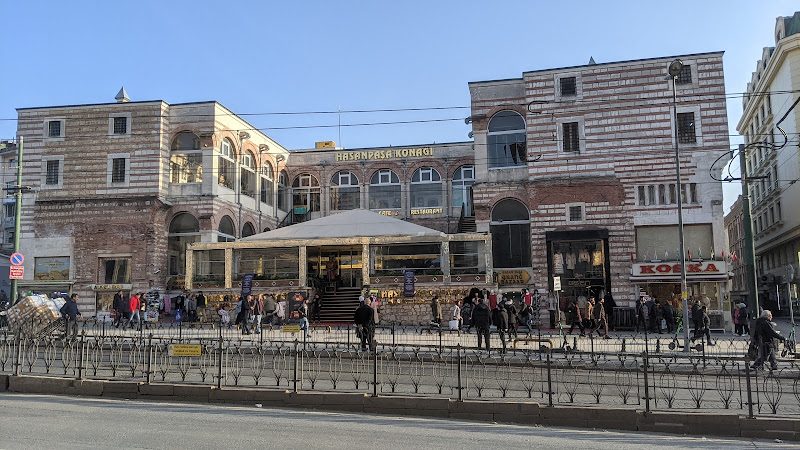
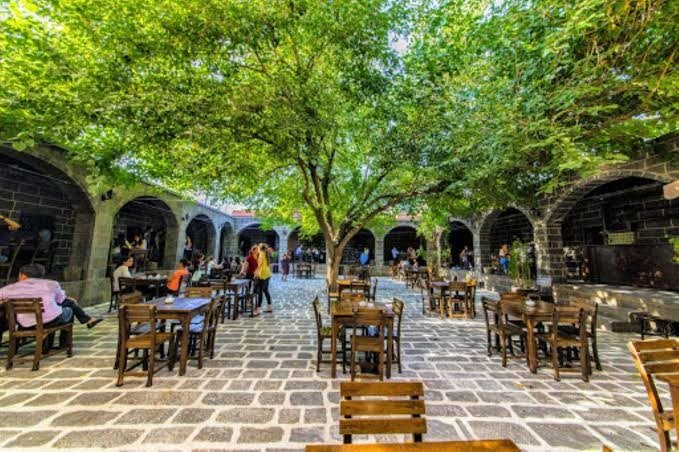
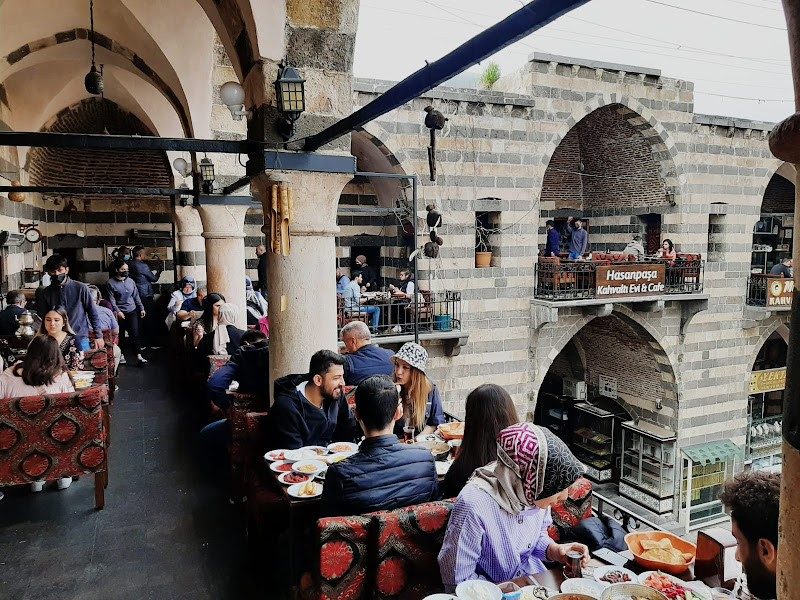
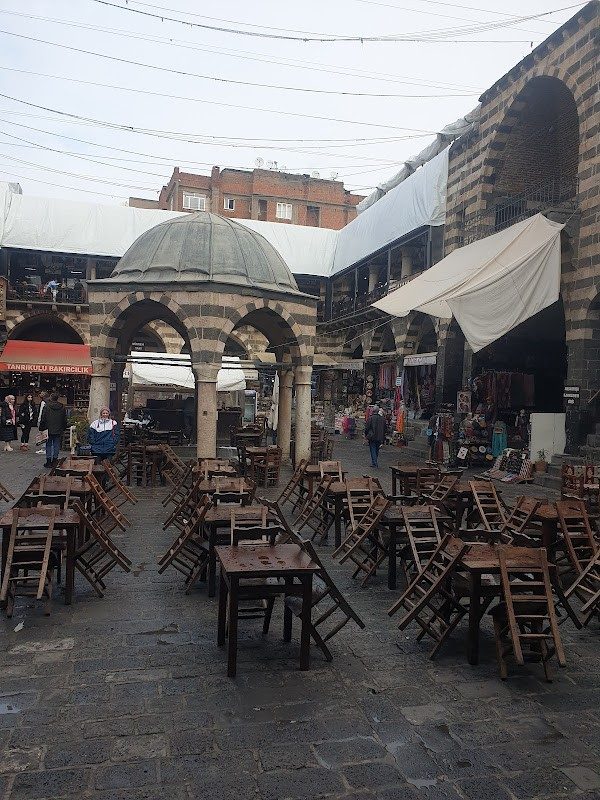
Hasan Pasha Inn — Historical inn from the Ottoman period. While the fountain and pigeons in the courtyard entertain the little ones, adults can have tea and breakfast.
Ten-Eyed Bridge — Walk on the historical bridge over the Tigris. Evening lighting is a visual feast for children. Free.
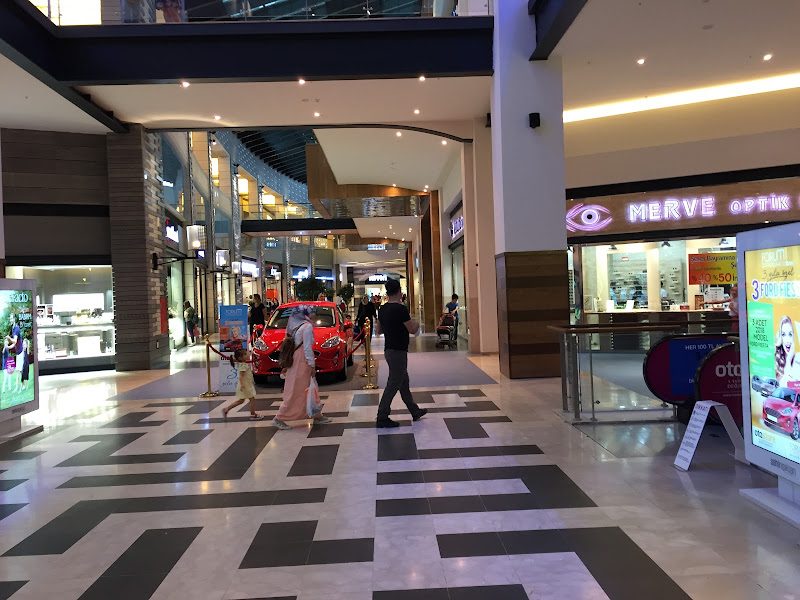
Forum Diyarbakir AVM — Cinema, playgrounds and children's activity center in the shopping mall in Yenişehir. Air-conditioned shelter during hot afternoons.
Practical Information
Baby stroller: The basalt stone streets of the city walls are rough and narrow — a baby stroller is difficult, a kangaroo carrier is recommended. Yenişehir and shopping malls have flat floors. The main paths in Hevsel Gardens are stroller friendly.
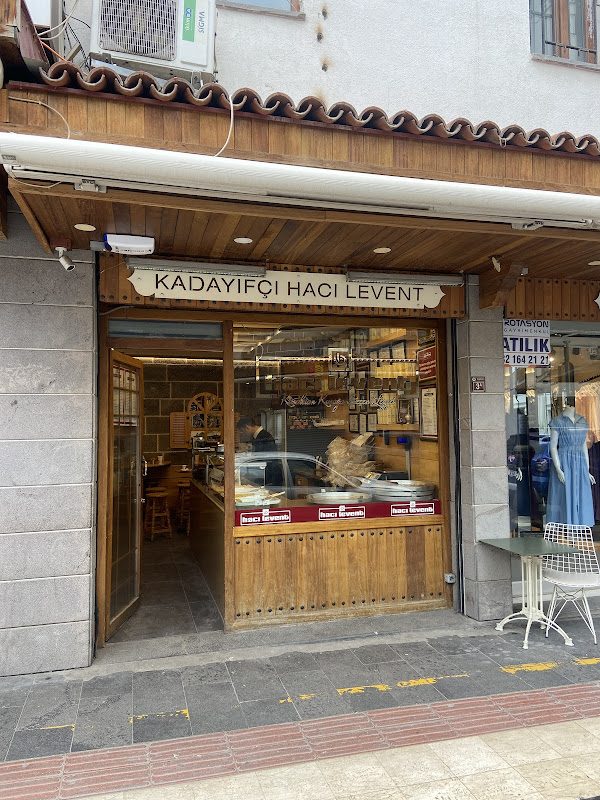
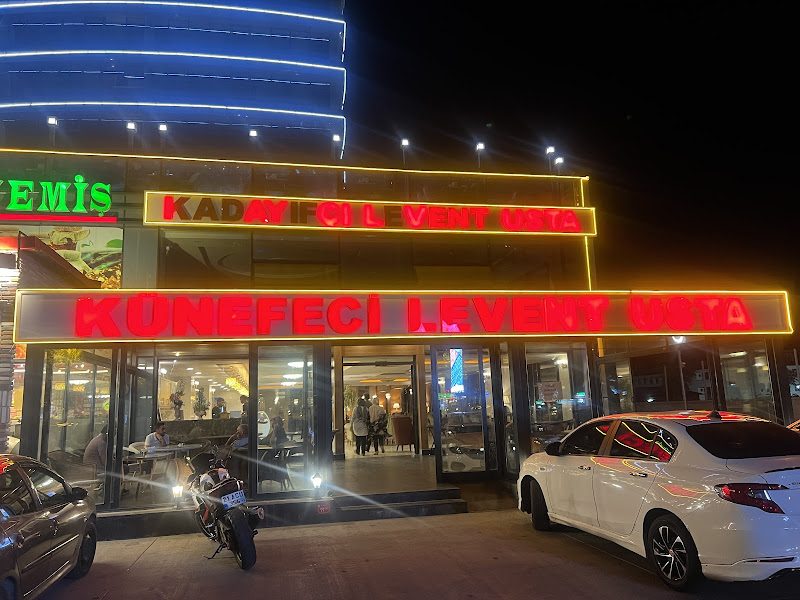
Children's menu: Raw meatballs (meatless version) is a flavor that children love. The stuffed ribs portion is large, two kids can share. Künefe is ideal for a dessert break. There are children's chairs in the Kervansaray Hotel restaurant.
Children's ticket discounts: Goat Bastion entrance is free for children under 8 years old. Museum Card discounts for under 18s are valid in museums. Forum AVM cinema children's ticket costs approximately 80-120 ₺.
Toilet: There are toilets open to customers in Hasan Pasha Inn and Sülüklü Inn. It's free at Forum AVM. There are municipal toilets inside the city walls (5-10 ₺).
Warnings
- Basalt stone streets are very slippery in the rain — make children wear sneakers with serrated soles, sandals are definitely not allowed.
- During the summer months (June-September) between 12:00-16:00, the stone buildings become like ovens — do not walk within the city walls with children at these hours, there is a high risk of dehydration.
- Do not walk around Hevsel Gardens with children after dark; It is safe during daylight hours.
Local Tips
- Keep isot close at hand. Diyarbakir pepper (isot) gives a slightly sweet, non-stinging pain. Buy 1 kg for your home-cooked meals when you return home — the vacuum-sealed package will pass through airport control.
- Order in advance for stuffed ribs. We recommend that you call the restaurant in the morning and order it for the evening. Most places cook a limited number of ribs per day; A "no way" response is common for a last-minute visit.
- Basalt stone is slippery. When it rains and the snow melts, the inner city streets are like skating rinks. Flat-soled, clawed sneakers are a must; sandals or luxury leather are bad ideas.
- Early morning, afternoon break. In the summer months, it is not possible to visit between 12:00 and 16:00 — the stone buildings are like ovens. Take a break at an air-conditioned hotel or shopping mall, and start again after 17-18 in the evening.
- Mırra with water for the gentleman. Mırra, the bitter coffee of Mardin/Diyarbakir, shocks at the first try. Ask for ice water to go with it, and it is tradition to leave a tip when the cup is empty (20-30 ₺ for the master).
- The woman is alone inside the city walls at night. The city walls are completely safe during the day, but some narrow streets are deserted at night. The Yenişehir/Office side is more comfortable for the lone female traveler in the evening. There is no problem with the group at night inside the city walls.
- Is the hotel within the city walls or in Yenişehir? Within the city walls: mansion hotels, walking distance, atmosphere (1500-2500 ₺). Yenişehir: modern room, fast internet, next to the shopping mall (1000-1800 ₺). The only logical choice for sightseeing is within the city walls, and for business travel, Yenişehir.
- Call the municipality for Dengbêj tradition. Dengbêj House is not open every day. Diyarbakir Metropolitan Municipality Culture and Arts unit announces the weekly program.
Frequently Asked Questions
Is Diyarbakir safe?
Yes. Diyarbakir, which is remembered with Türkiye's news from the 90s, is not the Diyarbakir of today. Suriçi, Yenişehir, Ofis — all navigable parts of the city are safe, police presence is heavy, tourists are common. The crime rate is lower than many Western Anatolian cities. If the proximity to the Syrian border is a concern: the border is 250+ km away, it has no reflection on daily life.
How many days to visit Diyarbakir?
The city center is enough for 2 full days (inside the city walls + Hevsel + Ten Eyed Bridge). Day 3 is for Mardin day trip. If you spare 5-7 days, Hasankeyf, Şanlıurfa-Göbeklitepe will be added.
How much is a flight ticket to Diyarbakir?
Istanbul-Diyarbakir plays between 1500-3200 ₺ (one-way, economy). If you buy 4-6 weeks in advance, you will reach the 1000-1500 ₺ band. THY, Pegasus, AnadoluJet have 6-8 flights a day. Ankara-Diyarbakir 1300-2700 ₺. During holidays, festivals and school holidays there is a 40-60% increase.
Is it safe to stay within the walls, are the streets bad?
Walled City is a 24-hour living neighborhood — completely safe for tourists. Some parts of it (especially the inner parts of Çayönü, Hatuniye, Cevatpaşa streets) are still unrestored, narrow and deserted. Hotel recommendations are around Melik Ahmed Street and Gazi Street — this is the main artery, lively, bright.
Is Diyarbakir cuisine very spicy?
No, it's the opposite of what you expected. Diyarbakir's isot (local pepper) gives a slightly sweetish bitterness; It is not hot like Urfa pepper. The main dominant taste is sour — sumac, pomegranate syrup, lemon. There are many dishes suitable even for children (stuffed meatballs, lebeni soup, stuffed ribs are not spicy).
Which district should I stay in?
The city walls (around Melik Ahmed/Gazi Street): Old stone mansion hotels, walking distance, atmosphere. 1500-2500 ₺ per night. The only logical choice to visit Diyarbakir.
Office/Yenişehir: Modern hotels, next to the shopping mall, close to alcoholic venues. 1000-1800 ₺. A minibus/taxi is mandatory every day for sightseeing — only makes sense if it's business travel or nightlife oriented.
Is alcohol available?
It is available but relatively limited. Tekel dealers are open. Service is available in hotel bars and some tourist restaurants inside the city walls (Burç style). Fully equipped bars and cafes in the office area. It is rare for a grocery store to sell alcohol on the street within Sur.
Can you visit Diyarbakir with children?
3.8/5 — medium difficulty. The stone streets within the walls make it difficult to carry a baby stroller, a back carrier is a must. Summer heat is harsh for under 6s; Spring or autumn is recommended. Hevsel gardens is an open space for children, Goat Zodiac photo, the shore under the Ten-Eyed Bridge is cool. The children's menu concept is underdeveloped — meatballs/pasta are available in every restaurant.
Do I need anything other than a Turkish passport / ID?
For Turkish citizens, ID is sufficient. Türkiye's general visa policy applies to foreign passports; There is no additional requirement for Diyarbakir.
Should Diyarbakir be visited with Mardin or separately?
Together. The two cities are 95 km apart, siblings in terms of architecture and cuisine, but have different characters. Ideal combination: 3 days Diyarbakir + 2-3 days Mardin, both in one trip. Returning from the airport is either DIY (Diyarbakir) or MQM (Mardin) — price and flight frequency favor DIY.