About
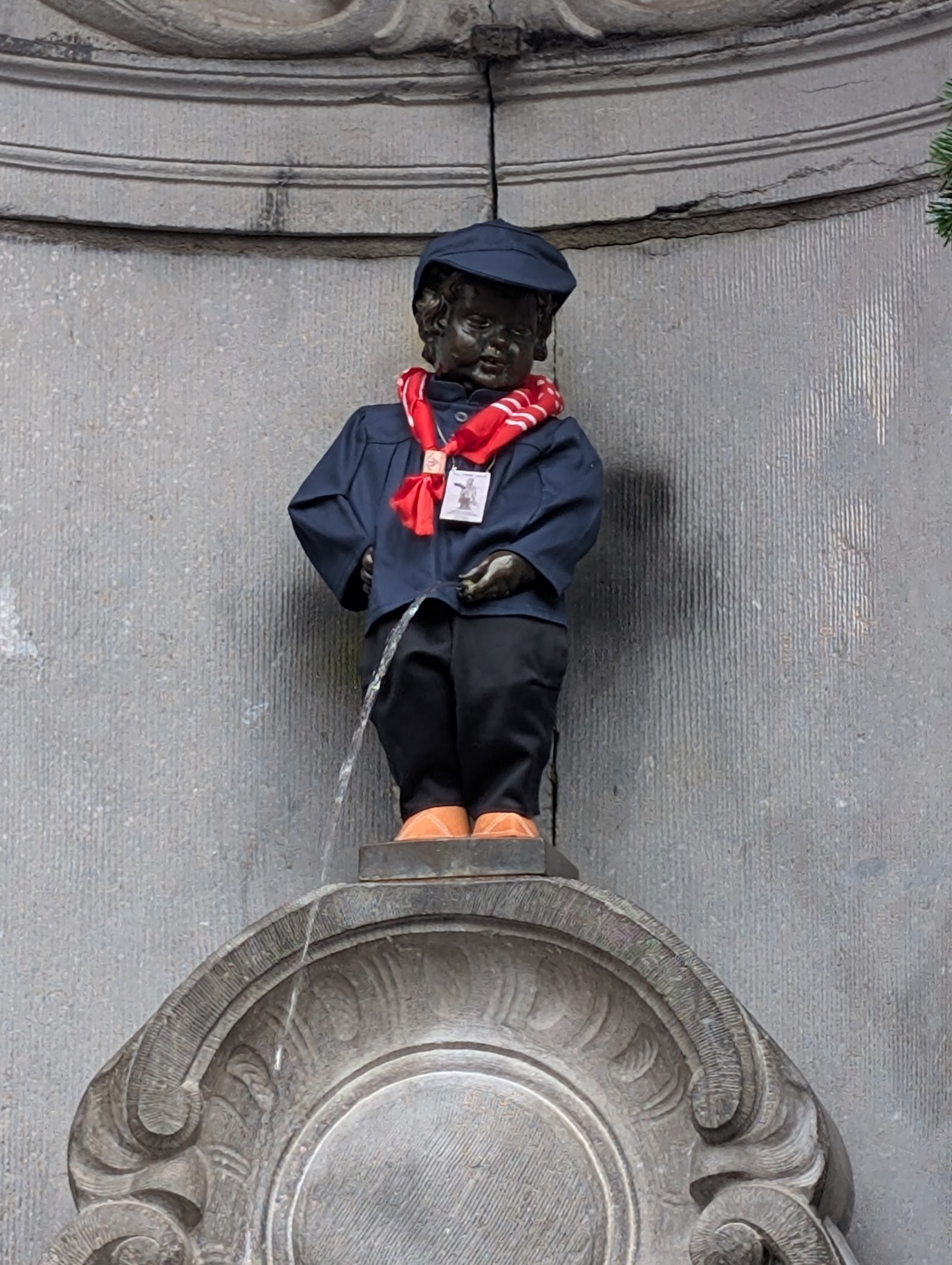
Brussels'in adı çoğu kişide AB binalarını ve bürokrasi görüntüsünü çağrıştırır. Ama şehrin merkezinde atan nabız Grand Place'in meydanında, çikolata vitrinlerinde, bira mahzenlerinde ve patates kızartması tezgahlarında bulunur. Ulusal simgesinin çişini yapan 61 santimetrelik bir çocuk heykeli olması, şehrin kendini nasıl konumlandırdığına dair de bir ipucu veriyor.
Belçika'nın ortasında, Hollandaca konuşan Flandre ile Fransızca konuşan Wallonya bölgelerinin kesiştiği noktada duran Brussels, resmi olarak iki dilli bir bölge statüsünde. Sokak tabelaları Fransızca ve Flemenkçe yazılıyor, garsonlar ikisini de konuşuyor, ama günlük hayatta Fransızca ağır basıyor. İngilizce de AB kurumlarının etkisiyle neredeyse her yerde geçerli.
Şehrin tarihi boyunca farklı hanedanlar burayı yönetti: Burgundlar, İspanyol Habsburgları, Avusturyalılar, Fransızlar, Hollandalılar. 1830'da Belçika bağımsızlığını ilan edince Brussels başkent oldu ve o tarihten beri kendine özgü bir kimlik biriktirdi. Bu kimlik en çok mutfak kültüründe somutlaşıyor; Belçikalılar bunu Fransızlarla, Almanlarla, İsviçrelilerle kıyaslayarak anlatmaktan çekinmiyor.
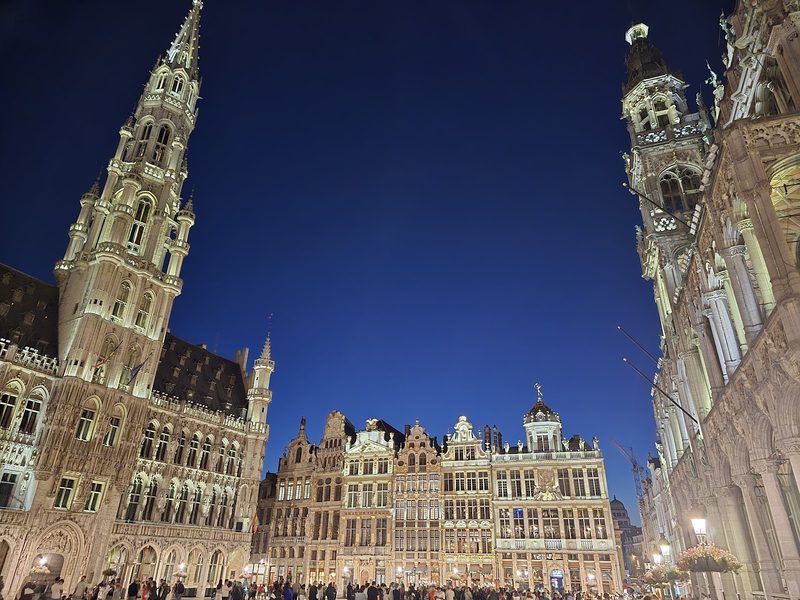
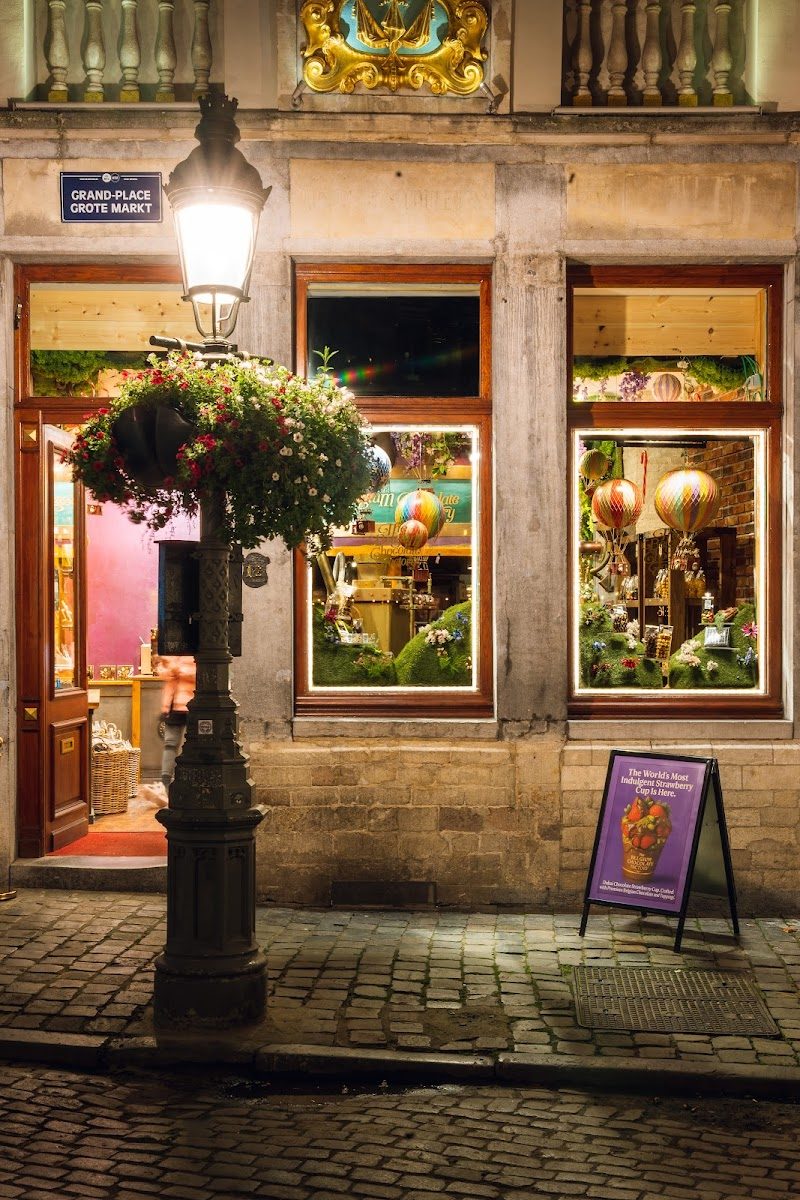
Grand Place meydanı şehrin en bilinen noktası. UNESCO Dünya Mirası listesinde yer alıyor ve Victor Hugo'nun "dünyanın en güzel meydanı" olarak tanımladığı yer. 17. yüzyıl barok cepheleriyle çevrili meydan, gece aydınlatıldığında farklı bir görünüm kazanıyor. Ama şehir Grand Place'le sınırlı değil: Magritte'in sürrealist tabloları, Art Nouveau mimarisinin doğduğu şehir olması (Victor Horta burada çalıştı), Tenten ve Şirinler'in kökeninde yatan çizgi roman kültürü ve sokaklarda 50'den fazla dev duvar freski şehri katmanlı hale getiriyor.
Mutfak tarafında Brussels nüfusuna oranla büyük bir gastronomi mirası taşıyor. Moules-frites (midyeli patates kızartması) ulusal yemek sayılıyor, waffle sokak atıştırmalığı, pralin çikolata burada icat edildi (Neuhaus, 1912) ve patates kızartması kökeni tartışmalı olsa da Belçikalılar bunu kendi buluşları olarak savunuyor. Bira kültürü UNESCO'nun somut olmayan kültürel miras listesinde yer alıyor.
Belçika birası ayrı bir başlık hak ediyor. 500'ü aşkın bira çeşidi üretiliyor: Trappist keşiş biraları, kendiliğinden mayalanan lambic, witbier, dubbel, tripel, quadrupel. Brussels özellikle lambic biranın doğduğu yer; gueuze ve kriek (vişneli lambic) burada ortaya çıktı. 000'i aşkın bira çeşidi Guinness Rekorlar Kitabı'na girmiş durumda.
Türkiye'den uçak mesafesi 3 saat civarında, bu da şehri uzun hafta sonu kaçamağı için elverişli kılıyor. Cuma sabah uçup pazartesi akşam dönmek, 3 tam gün Brussels'i ve isteğe göre bir gün Brügge ya da Gent'i kapsayabiliyor. Şehir kompakt, yürünebilir ve toplu taşıması işlevsel. Bütçe açısından Paris ve Amsterdam'dan daha erişilebilir, Prague ve Budapest'den ise daha pahalı.
When to Go
Brussels okyanus ikliminin etkisi altında; yağmur yılın her ayında görülebiliyor. Şemsiyeyi evde bırakmamak ve hava tahminine fazla güvenmemek gerekiyor.
| Period |
Weather (daytime) |
Density |
Otel Fiyatı |
Notes |
| January-February |
1 / 6° |
Low |
Low |
Cold, gray but cheap. Museum and cafe days |
| March |
3 / 10° |
Low |
Low |
Spring is blooming, still cold |
| April |
5 / 14° |
Medium |
Medium |
The parks are blooming, the days are getting longer |
| May |
9 / 18° |
Medium-High |
Medium |
One of the most beautiful months, Zinneke Parade |
| June |
12 / 21° |
High |
High |
Long days, outdoor activities |
| July |
14 / 23° |
High |
High |
Tomorrowland season, hotel prices are jumping |
| August |
14 / 23° |
High |
High |
Flower Carpet (in even years), Summer Festival |
| September |
11 / 19° |
Medium-High |
Medium |
Second best period, the crowds are thinning |
| October |
8 / 14° |
Medium |
Medium |
Autumn colors, beer festivals |
| November |
4 / 9° |
Low-Medium |
Low-Medium |
Christmas markets open at the end of November |
| December |
2 / 6° |
High |
High |
Plaisirs d'Hiver Christmas markets are magical |
The best period is May-June and September. Çift yıllarda ağustos, Çiçek Halısı nedeniyle ayrı bir gündeme sahip. Aralık'ta Noel pazarları atmosfer katıyor ama hava soğuk ve kalabalık yüksek. Brussels'de her mevsim yağmur olasılığı var; katlanır şemsiye seyahat çantasının sabit parçası olmalı.
How to get there
Brussels' main airport, Brussels Airport (BRU), is 12 km northeast of the city centre. A second airport, Brussels South Charleroi (CRL), is used for low-cost airlines but is 60 km away from the city.
Flights from Türkiye:
| Exit |
Duration |
Airline |
| Istanbul (IST) - BRU |
3 hours 15 min |
THY, Brussels Airlines (3-4 flights per day) |
| Istanbul (SAW) - CRL |
3 hours 20 min |
Pegasus (1-2 times a day) |
| Ankara (ESB) - BRU |
3 hours 30 min |
THY (3-4 flights per week) |
| Izmir (ADB) - BRU |
3 hours 25 min |
THY, Pegasus (2-3 times a week) |
Pegasus seferleri genelde Charleroi'ya iniyor; rezervasyon öncesi havalimanı kodunu kontrol etmek gerekiyor. Charleroi'dan merkeze 1 saatlik otobüs bağlantısı var. THY ve Brussels Airlines ise direkt BRU'ya iniyor.
Airport to city (BRU):
- Train: 17 min, Bruxelles-Midi / Bruxelles-Central, 14.70 EUR. The fastest option.
- Airport bus: 30-40 min, various points, 6 EUR (STIB/De Lijn).
- Taxi/Uber: 20-30 min, 35-50 EUR fixed fee depending on the region.
From Charleroi (CRL):
- Brussels City Shuttle: 60 min, Bruxelles-Midi, 17 EUR one way. It works according to flight times.
THY veya Brussels Airlines ile BRU'ya inip trenle merkeze geçmek en pratik yol. Charleroi'da ucuz bilet bulunduysa shuttle maliyetini toplam hesaba eklemek gerekiyor; bazen iki seçenek birbirine yaklaşıyor.
Tren seçeneği: Thalys/Eurostar hattıyla Paris 1 saat 22 dakika, Amsterdam 1 saat 53 dakika, Köln 1 saat 50 dakika mesafede. Brussels Avrupa'nın hızlı tren ağının kesişim noktalarından biri; London'ya Eurostar ile 2 saatte varılıyor. Brügge 1 saat, Gent 35 dakika uzaklıkta.
Urban Transportation
Brussels kompakt bir şehir ve merkezi yürüyerek gezmek mümkün, ama üst şehir-alt şehir arasındaki eğim ciddi olduğundan toplu taşıma işe yarıyor.
Metro: 4 hat (1, 2, 5, 6) şehri yeterince kapsıyor, 05:30 - 00:30 arası çalışıyor.
Tramvay: 18 hat, metronun ulaşmadığı bölgelere gidiyor. Ixelles ve Schaerbeek gibi mahalleler için kullanışlı.
Otobüs: Metro ve tramvay ağının boşluklarını kapatıyor, gece servisi sınırlı.
50 EUR. 24 hour pass 8 EUR, 48 hour 14 EUR, 72 hour 18 EUR. Tickets are valid on metro, tram and bus.
Brussels Card: 24/48/72 saatlik (30/42/52 EUR), 40'tan fazla müzeye ücretsiz giriş ve toplu taşıma dahil. Yoğun müze programı yapılacaksa maliyeti amorti ediyor.
):** İstasyon bazlı paylaşımlı bisiklet sistemi. 60 EUR, first 30 minutes free. Şehrin bazı yokuşları dik olduğundan rota seçerken dikkat gerekiyor.
Taxi/Uber: Uber ve Bolt çalışıyor, şehir içi kısa mesafeler 8-15 EUR bandında.
Accommodation Regions
Brussels'de konaklama bölgesi seçimi seyahat tarzına göre değişiyor, merkez zaten kompakt bir alana yayılıyor.
- Grand Place çevresi (Ilot Sacré): Her şey yürüme mesafesinde, en pahalı bölge. Turist yoğunluğu yüksek; Rue des Bouchers'daki bazı restoranlar kapıda müşteri çekmesiyle tanınıyor, bu sokaktan kaçınmak mantıklı.
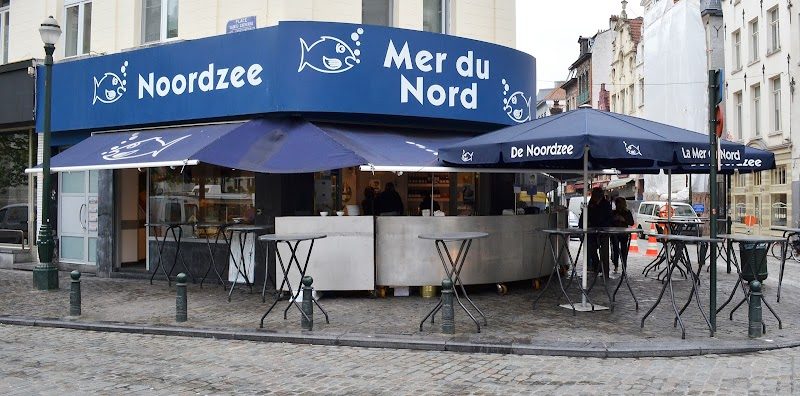
- Sainte-Catherine: Balık restoranları, barlar ve yerel hayat bir arada. Grand Place'e 10 dakika yürüyüş, fiyatlar merkeze göre %20-30 düşük.
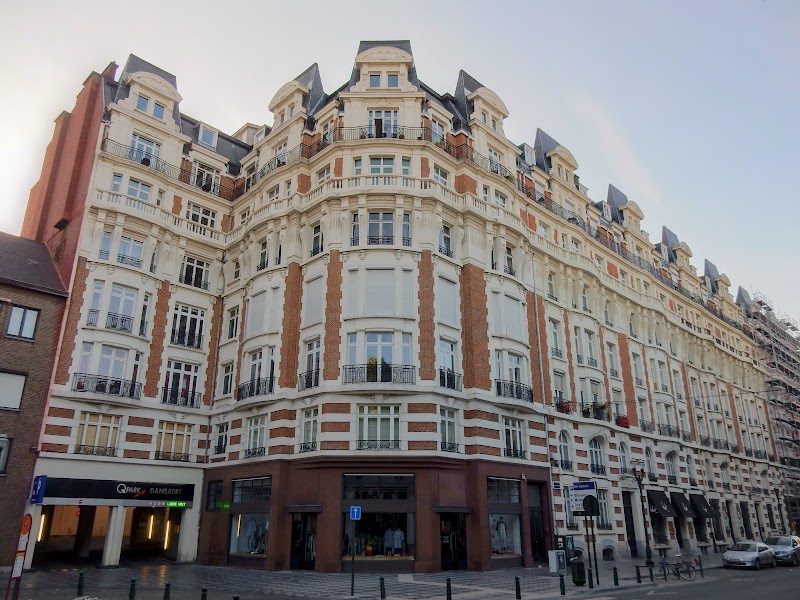
- Saint-Géry / Dansaert: Gece hayatının yoğunlaştığı bölge. Butik Hoteller ve tasarım mağazaları var. Cuma-cumartesi geceleri gürültü seviyesi yükseliyor.
- Ixelles / Place Flagey: Brüksellilerin yaşadığı mahalle, AB bölgesine yakın ama kozmopolit. Art Nouveau binaları, bağımsız kafeler ve göletler bulunuyor. Prices are reasonable, 10-15 minutes by tram to the center.
- AB Bölgesi (Schuman / Luxembourg): Hafta içi iş seyahati yoğunluğu var, hafta sonu sakin. Hoteller hafta sonu indirime gidebiliyor ama gece hayatı neredeyse yok.
Tavsiye edilmeyen bölgeler: Bruxelles-Midi (Güney İstasyonu) çevresi gece güvenlik açısından dikkat gerektiriyor ve turistik bir cazibesi yok. Molenbeek de turistik açıdan bir sebep sunmuyor.
Budget Plan
Brussels, Batı Avrupa standartlarında orta bütçeli bir şehir olarak konumlanıyor: Amsterdam ve Paris'ten daha erişilebilir, Prague ve Budapest'den daha pahalı.
| Budget Style |
Accommodation |
Food |
Activity/Transportation |
Total (2 people/3 days) |
| Economic (hostel/2* hotel, friture + 1 restaurant) |
200 EUR |
120 EUR |
60 EUR |
~400 EUR |
| Moderate (3* hotel Sainte-Catherine, mixed) |
400 EUR |
220 EUR |
100 EUR |
~750 EUR |
| Comfort (4* boutique hotel, gastronomy) |
800 EUR |
380 EUR |
150 EUR |
~1.350 EUR |
| Luxury (5* Amigo/Steigenberger, fine dining) |
2,000 EUR+ |
800 EUR+ |
250 EUR |
~3,050 EUR+ |
Practical items: Waffles 4-8 EUR, french fries 3.50-6 EUR, moules-frites 20-28 EUR in the restaurant, 4-8 EUR in the beer bar, hot chocolate 5-7 EUR, praline box 15-40 EUR, museum entrance average 10-16 EUR, metro 8 EUR per day, beer 5-10 EUR in Delirium.
Practical Tips
Yağmur: Brussels'de yılda ortalama 200 gün yağmur kaydediliyor. Katlanır şemsiye ve su geçirmez bir ceket çantada sürekli bulunmalı; hava tahmini güneşli görünse bile.
Dil meselesi: Brussels resmi olarak iki dilli (Fransızca ve Flemenkçe) ama günlük hayatta Fransızca ağır basıyor. "Bonjour" ile selamlamak, "merci" ile teşekkür etmek yeterli; kalan iletişim İngilizce ile hallolur.
Bahşiş: Hesaba servis zaten dahil (service compris). Ek bahşiş zorunlu değil ama %5-10 bırakmak yaygın bir davranış.
Pazar günleri: Mağazaların büyük kısmı kapalı, restoranlar ve müzeler açık kalıyor. Marolles bit pazarı pazar günü de kuruluyor; alışveriş planını hafta içi veya cumartesiye almak gerekiyor.
Güvenlik: Brussels genel olarak güvenli sayılıyor ama Grand Place çevresindeki turistik bölgelerde yankesicilik bildiriliyor. Gece Bruxelles-Midi istasyonu çevresi ve Anneessens'te dikkatli olmakta fayda var.
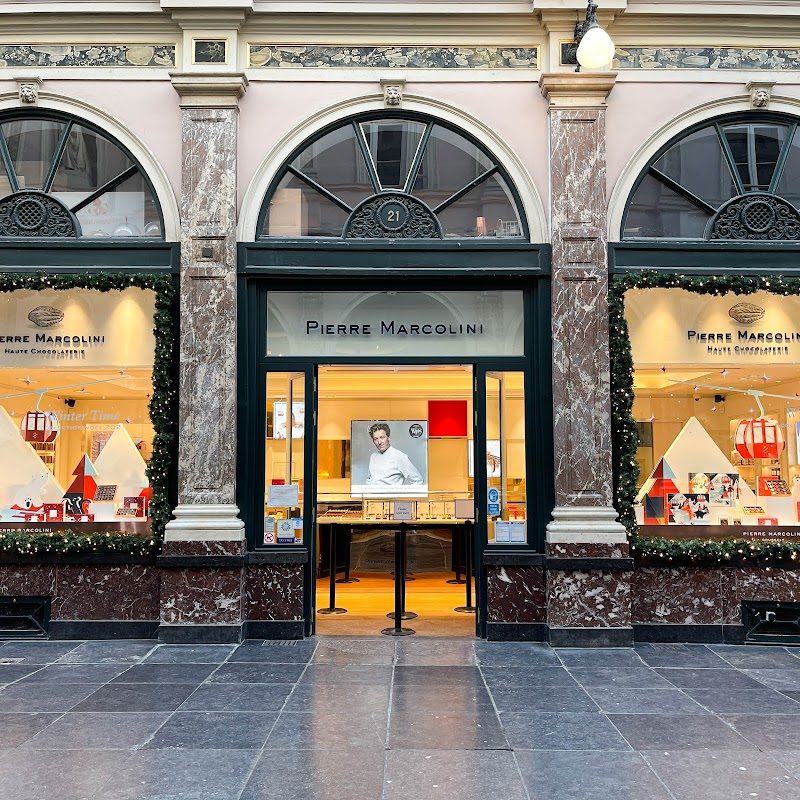
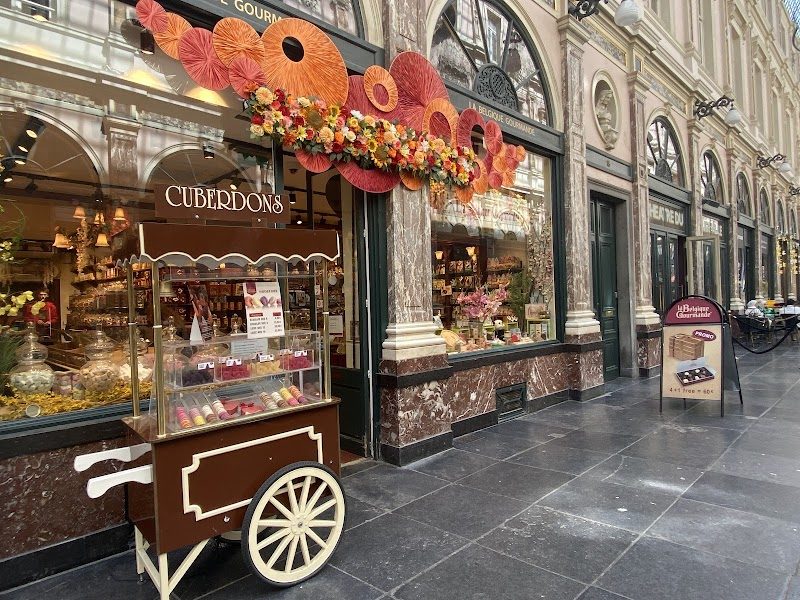
Çikolata alışverişi: Turistik dükkanlar yerine Marcolini, Neuhaus, Wittamer, Mary veya Laurent Gerbaud gibi üretici chocolatier'lerden almak, fiyat farkı düşükken kalite farkını belirgin kılıyor. Galeries Royales and Grand Sablon are the busiest chocolate regions.
Bira rehberi: Belçika birasına yeni başlayanlar için sıralama: Witbier (hafif, buğdaylı) → Dubbel (koyu, karamelli) → Tripel (güçlü, meyvemsi) → Lambic/Gueuze (ekşi). Delirium'da garsonlara damak tadını söylemek yönlendirme alınmasını kolaylaştırıyor.
Brügge ve Gent: İkisi de Brussels'den günübirlik gidilebilecek mesafede; Brügge 1 saat, Gent 35 dakika tren yolculuğu. Brügge daha turistik ve ortaçağ dokusunu koruyor, Gent daha yerel bir atmosfere sahip.
Su: Musluk suyu içilebilir durumda. Restoranlarda şişe su sipariş etmek norm; "eau du robinet" (musluk suyu) istemek mümkün ama her garson bu talebi aynı hızda karşılamayabiliyor.
Travel Guide with Children
Brussels çocuklu aileler için beklenenden fazla seçenek sunuyor. Mini-Europe, Atomium ve çizgi roman kültürü farklı yaş gruplarına hitap eden aktiviteler barındırıyor.
Recommendations by Age Group
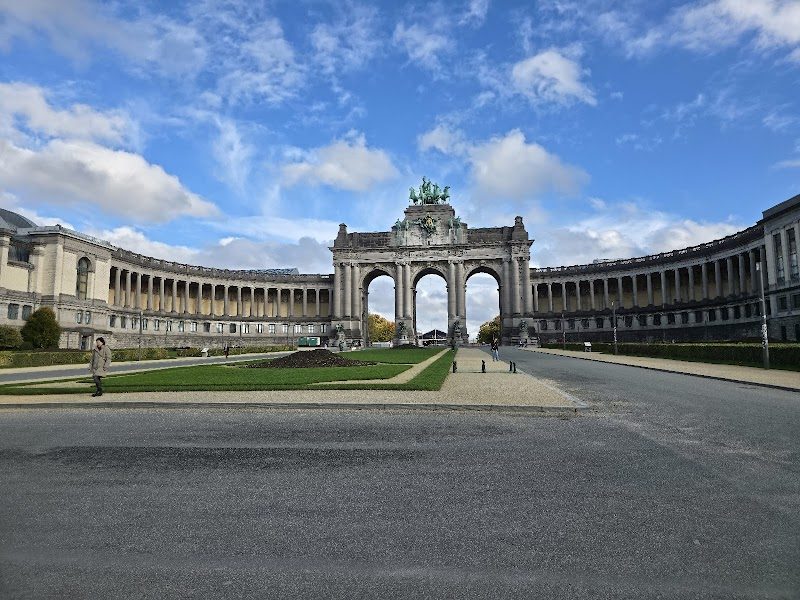
0-3 yaş: Cinquantenaire Parkı geniş ve düz zeminiyle bebek arabasına uygun. Metro'da asansörler mevcut ama her istasyonda yok; tramvaylar alçak zeminli. AVM'lerde ve müzelerde bebek bakım odaları standart olarak bulunuyor.
4-7 yaş: Mini-Europe'ta düğmelere basınca volkanlar patlıyor, gemiler hareket ediyor. Atomium'un içindeki tüplerden geçmek bu yaş grubu için macera niteliğinde. Manneken Pis'in kostüm hikayesi çocukları eğlendiriyor.
8-12 yaş: Çizgi Roman Merkezi'nin interaktif bölümleri ilgi çekiyor. Şehirdeki duvar resimlerini haritayla takip etmek bir tür hazine avına dönüşüyor. Autoworld (Cinquantenaire'deki klasik araba müzesi) araç meraklısı çocuklar için uygun.
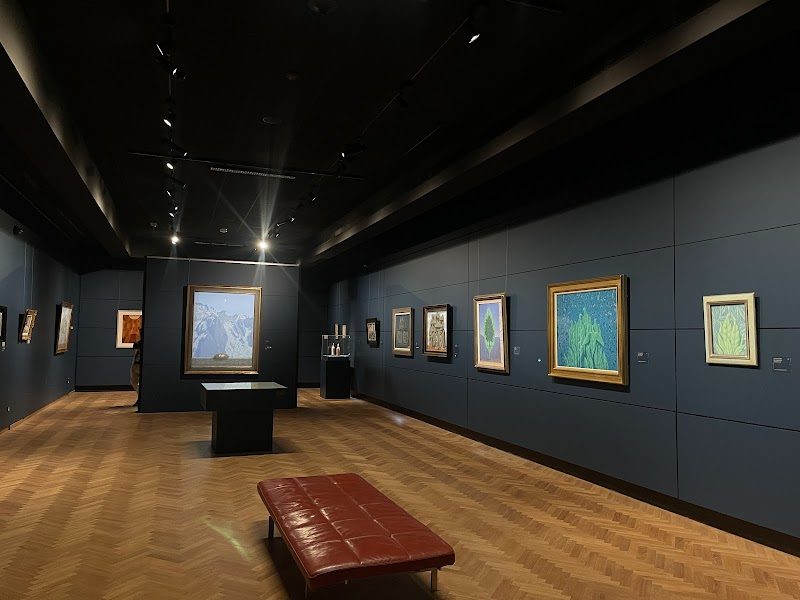
13+ yaş: Grand Place'in tarihi arka planı, Magritte Müzesi'nin sürrealist evreni, sokak yemekleri turu ve çizgi roman dükkanları gençlerin ilgisini çekiyor.
Top 5 Kid-Friendly Activities
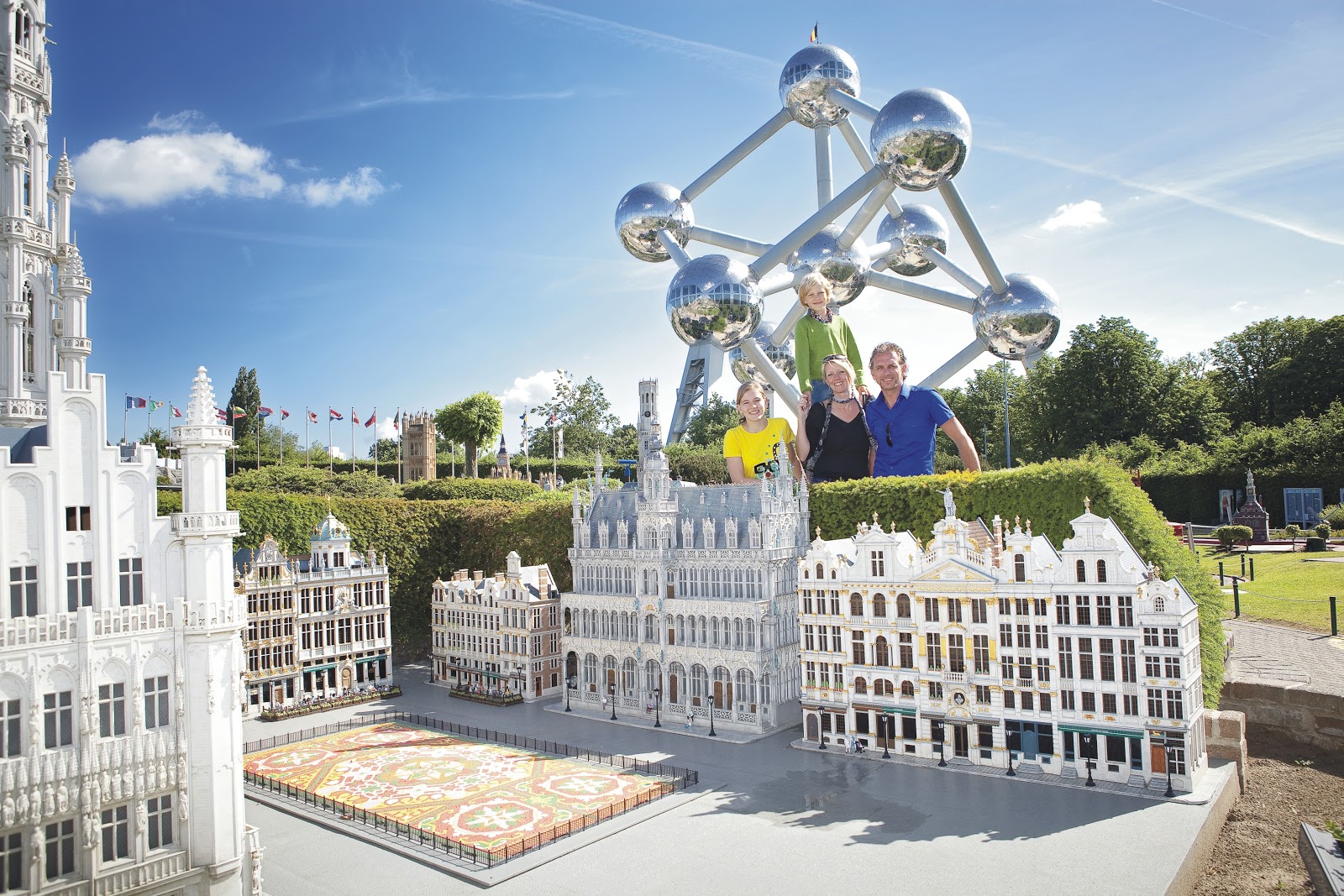
Mini-Europe — 350 miniature monuments of Europe, interactive models, buttons and buttons. Atomium kombi bileti ile aynı gün gezilebiliyor.
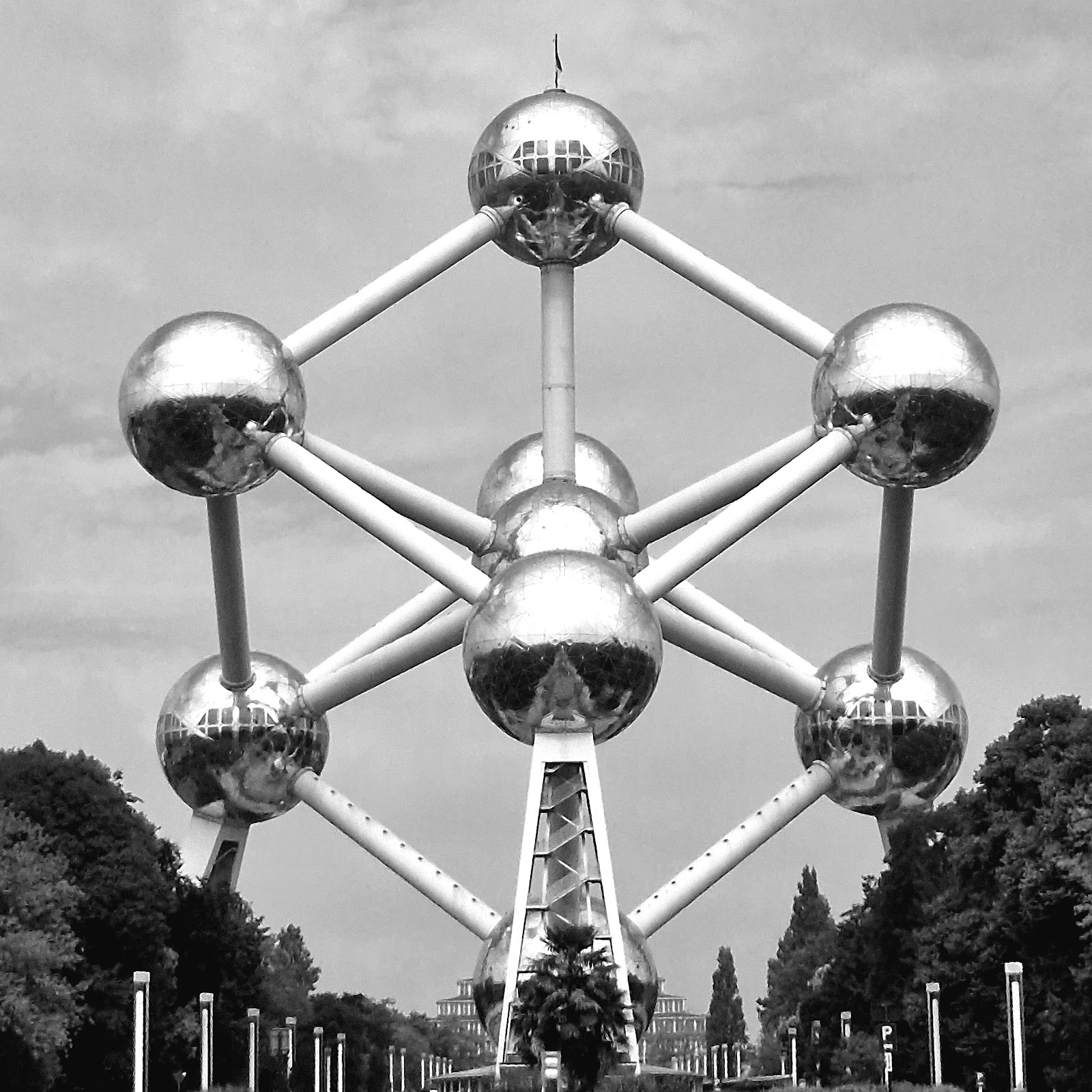
Atomium — Demir kristal yapısının içinden geçmek, tüplerden yürümek ve en üstteki küreden manzaraya bakmak. 50 EUR.
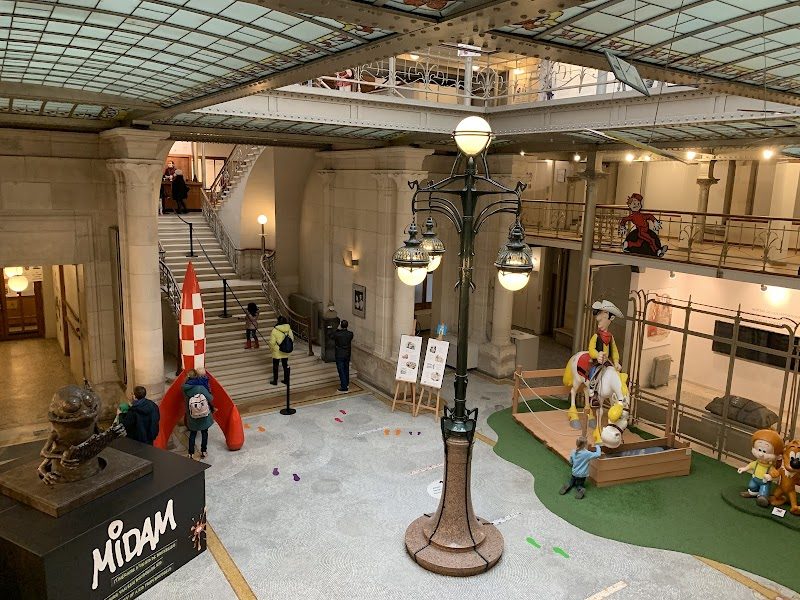
Comic Book Center + wall hunt — Tintin, the Smurfs, Lucky Luke statues and interactive sections. Müze sonrası şehirdeki duvar resimlerini haritayla takip etmek mümkün.
Cinquantenaire Parkı + Autoworld — Geniş park alanı, Autoworld'de 250'yi aşkın klasik otomobil. Askeri Tarih Müzesi ücretsiz, çatıdaki uçak koleksiyonu dikkat çekiyor.
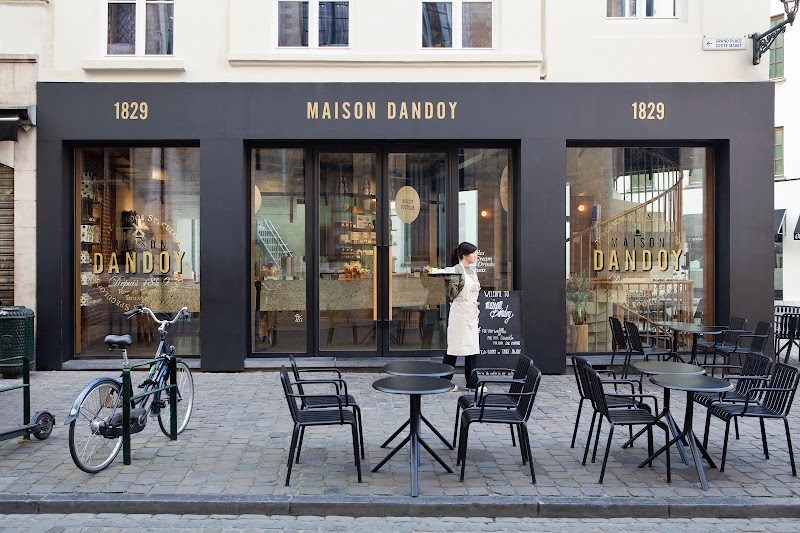
Waffle shop tour — Brussels waffles at Dandoy, Liège waffles at the street stall, tasting in chocolate shops. Yemek üzerinden şehri tanıtmak çocuklarla pratik bir yöntem.
Practical Information
Bebek arabası: Brussels'in eğimli sokakları ve arnavut kaldırımı bebek arabası için zorlayıcı olabiliyor; hafif ve manevra kabiliyeti yüksek bir model tercih edilmeli. Metro'da asansör var ama her istasyonda değil — STIB uygulamasından erişilebilirlik bilgisi kontrol edilebilir.
Children's menu: Children's portions are common in Belgian restaurants. Waffle, patates kızartması ve Belçika köfteleri (boulettes) çocuklar arasında tercih ediliyor.
Çocuk bileti indirimleri: Metro ve otobüste 6 yaş altı ücretsiz, 6-11 yaş yarı fiyat. In most museums, children under 18 are discounted or free. Brussels Card'ın aile versiyonu mevcut.
Tuvalet: Müzelerde, AVM'lerde ve kafelerde bulunuyor. 50 EUR ücretli olanlar bakımlı.
Warnings
- Arnavut kaldırımlı sokaklar ıslakken kayganlaşıyor; çocuklara kaymaz tabanlı ayakkabı giydirmek gerekiyor.
- Grand Place çevresindeki dar sokaklarda kalabalık yoğunlaşabiliyor, küçük çocukları gözden kaçırmamak gerekiyor.
- Çikolata dükkanlarındaki tadım fırsatları cazip ama miktarı kontrol etmek midelerini korur.
- Brügge günübirlik turu çocukla yapılabiliyor ama uzun yürüyüşler yorucu olabiliyor; kanal turu bu noktada alternatif sunuyor.
Local Label and Culture Notes
Belçikalılar ilk temasta ölçülü ama sıcak bir tavır sergiliyor; Fransızlar kadar teatral ya da Hollandalılar kadar doğrudan değiller. Tanışmada el sıkışmak standart; samimi ortamlarda üç kez yanak öpme (sağdan başlanarak) yapılıyor, ama turist olarak el sıkışmak yeterli karşılanıyor.
Dil hassasiyeti: Brussels'de Fransızca ağır basıyor ama Belçika'da dil meselesi siyasi bir konu. Flaman biriyle sohbette dil dengesi hakkında yorum yapmaktan kaçınmak gerekiyor. "Bonjour" ile başlamak, karşı taraf Flemenkçe yanıt verirse geçiş yapmak veya İngilizce'ye dönmek pratik bir yol.
Bira kültürü: Belçika birası ciddiye alınan bir konu. Her biranın kendine özgü bardağı var; yanlış bardakta servis etmek beklenmez. Garsonlar bira önerisi konusunda bilgili; "en iyi bira hangisi" yerine damak tadını tarif etmek daha isabetli öneri getiriyor.
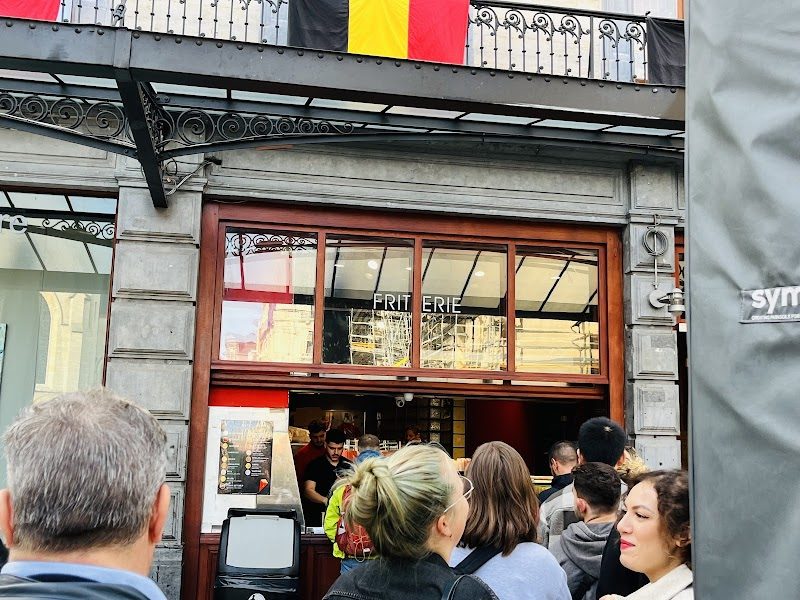
Patates kızartması: Bu yemeğe "French fries" demek yerel tepki çekebiliyor; Belçikalılar patates kızartmasının kendi buluşları olduğunu savunuyor. "Frites" veya "frieten" demek tercih ediliyor. Yanına mayonez konuyor, ketçap yaygın değil.
Dakiklik: Belçikalılar Almanlar kadar katı değil ama geç kalmak hoş karşılanmıyor; randevulara zamanında gelmek gerekiyor.
Sessizlik ve gürültü: Toplu taşımada ses seviyesini düşük tutmak, restoranlarda normal konuşma tonunu korumak yerel normlara uygun.
Turist tuzakları: Rue des Bouchers (Grand Place yakınında) bazı restoranların kapıda müşteri çekmesiyle biliniyor, menü fiyatlarıyla hesap arasında fark çıkabiliyor. Bir sokak öteye kaymak genelde daha iyi bir seçenek sunuyor.
Çikolata etiği: Belçikalılar çikolata konusunda seçici. Leonidas ve Godiva süpermarket kalitesinde görülüyor; Marcolini, Wittamer, Mary veya Laurent Gerbaud gibi üretici markalar daha yüksek statüde tutuluyor.
FAQ
How many days to visit Brussels?
Two-three days are enough to see the main points of the city. Beş gün ayrılırsa Brügge ve Gent günübirlik turları eklenebilir. Bir hafta, daha sakin bir tempoda mahalle keşfi ve bira turu yapmaya olanak tanıyor.
Is English sufficient?
Evet. AB başkenti olmanın etkisiyle İngilizce neredeyse üçüncü bir ortak dil gibi kullanılıyor. Hoteller, müzeler, restoranlar ve toplu taşımada iletişim sorunu yaşanmıyor. "Bonjour", "merci" ve "s'il vous plaît" bilmek nezaket göstergesi ama zorunlu değil.
Brussels or Bruges?
İkisi farklı deneyimler sunuyor. Brussels büyük şehir ölçeğinde müzeler, gece hayatı ve gastronomi barındırıyor; Brügge küçük ölçekli bir ortaçağ şehri. Brügge zaten Brussels'den 1 saat mesafede olduğundan ikisini birleştirmek, birini seçmekten daha kolay.
Where to buy chocolate?
Grand Sablon bölgesindeki chocolatier'ler öne çıkıyor. Pierre Marcolini, Wittamer, Patrick Roger ve Laurent Gerbaud üretici kalitesinde markalar. Neuhaus, pralini icat eden marka olarak biliniyor. Galeries Royales'teki dükkanlar da bir alternatif. Hediyelik kutu pralin kişi başı 15-25 EUR bandında bulunuyor.
How to discover Belgian beer?
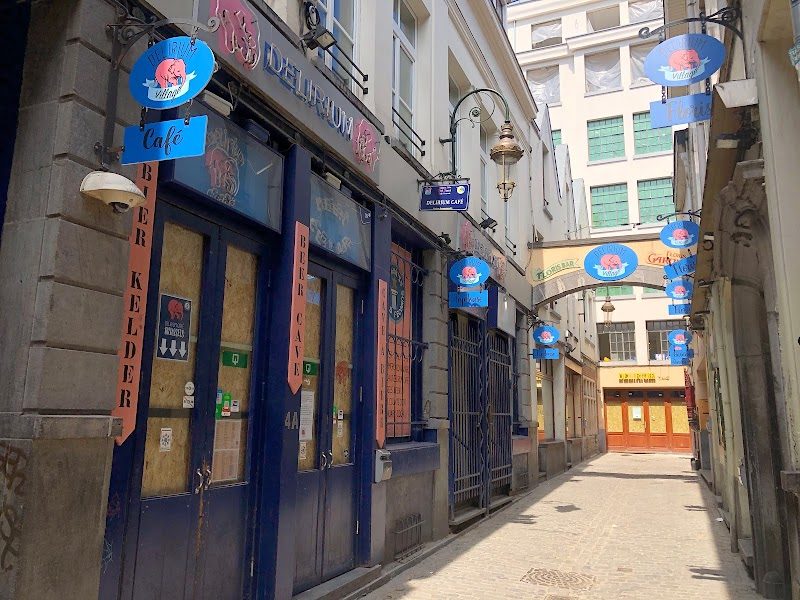
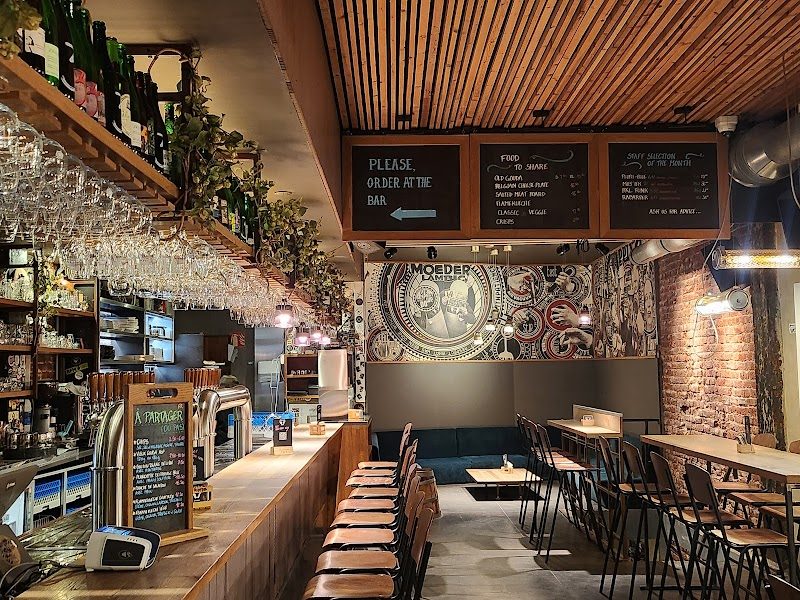
Delirium Café veya Moeder Lambic'te garsondan öneri istemek işe yarıyor. Hafiften ağıra doğru bir sıra izlenebilir: Witbier (Hoegaarden tarzı) → Blonde (Leffe Blonde) → Dubbel (Westmalle Dubbel) → Tripel (Tripel Karmeliet) → Lambic/Gueuze (Cantillon). Her biradan küçük bir tadım alıp beğenilene geçmek mantıklı.
How to get to Bruges and Ghent?
İkisi de Bruxelles-Midi veya Bruxelles-Central'den trenle gidiliyor. Brugge 1 hour, 15 EUR round trip. Ghent 35 minutes, 10 EUR round trip. Trenler sık aralıklarla çalıştığından bilet önceden almaya gerek kalmıyor.
Why are french fries so good
Çift kızartma tekniği kullanılıyor: patatesler önce düşük ısıda pişirilip dinlendiriliyor, sonra yüksek ısıda tekrar kızartılıyor. Sonuçta dışı çıtır, içi yumuşak bir doku ortaya çıkıyor. Sığır yağında kızartılanlar genelde daha iyi kabul ediliyor. Yanına mayonez ekleniyor, ketçap değil.
How to buy Tomorrowland tickets?
Genellikle şubat ayında satışa çıkıyor ve kısa sürede tükeniyor. Resmi siteden ön kayıt yapmak gerekiyor. Global Journey paketleri (ulaşım + bilet) daha kolay bulunabiliyor ama fiyatı yüksek. Brussels'i üs yapıp Boom'a tren ve shuttle ile günübirlik gitmek de mümkün.
Are there Turkish food options in Brussels?
There is. Schaerbeek ve Saint-Josse bölgeleri Türk restoranları açısından yoğun. Chaussée de Haecht boyunca döner, pide ve lahmacun bulunabiliyor. Brussels'in Türk nüfusu kalabalık olduğundan Türkçe konuşan birine rastlamak da olası.