About
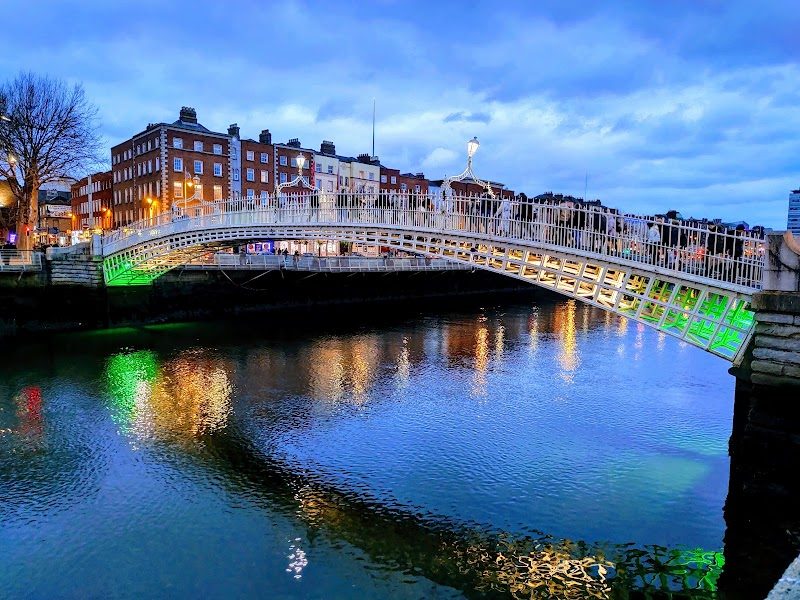
Liffey Nehri, Dublin'i kuzey ve güney yaka olarak ikiye bölüyor; bu ayrım sadece coğrafi değil, tarihsel bir sınıf çizgisi de taşıyor. B. Yeats bu sokaklarda yaşadı, yazdı, çoğu zaman da şehri terk etti. Dört İrlandalı yazar Nobel Edebiyat Ödülü aldı; nüfusa oranlandığında dünyada bir benzeri yok.
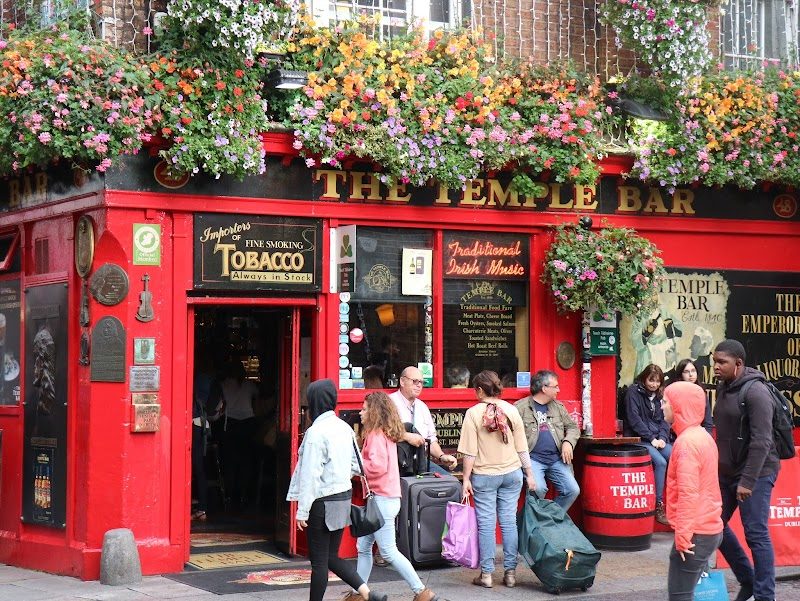
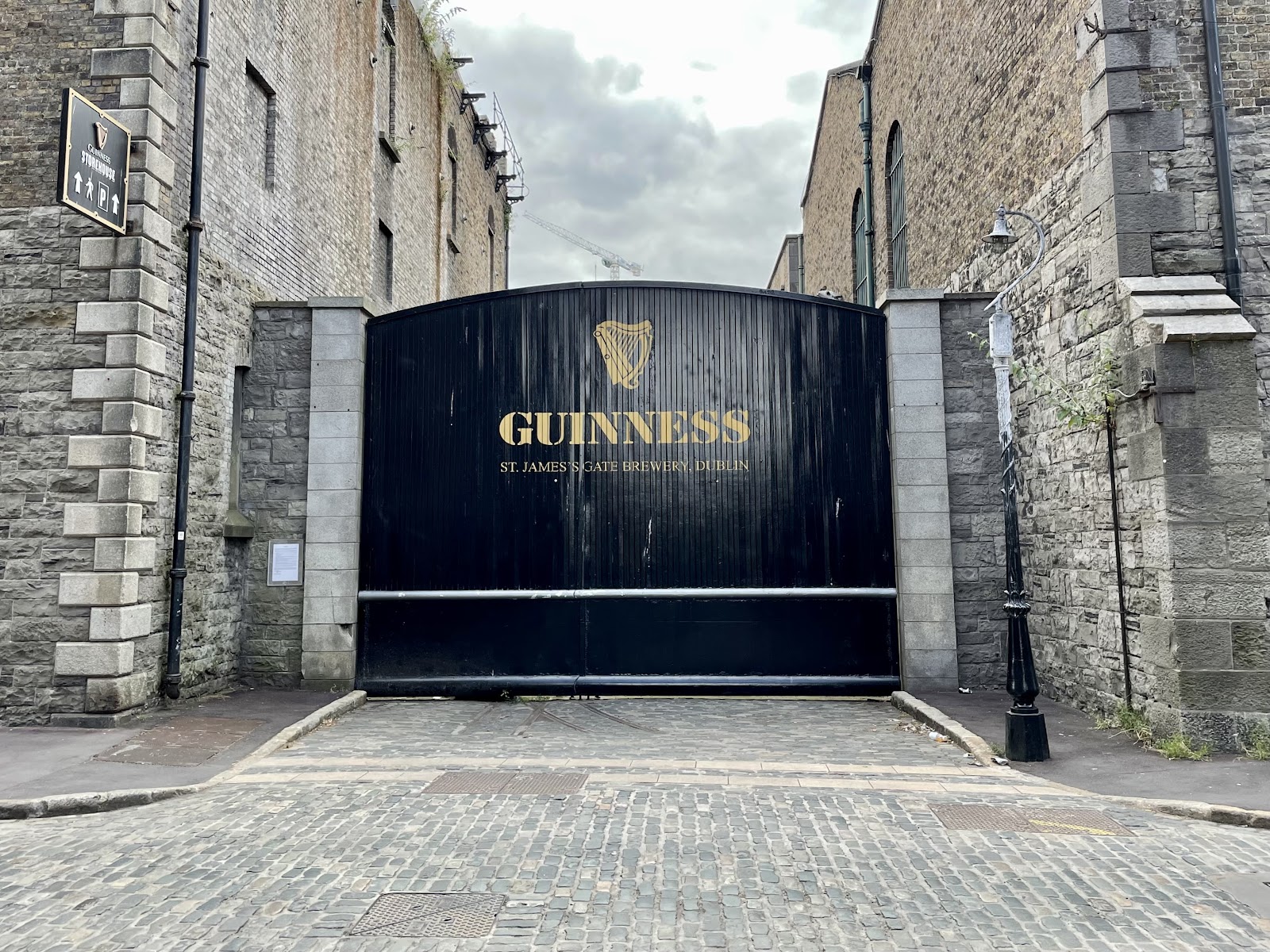
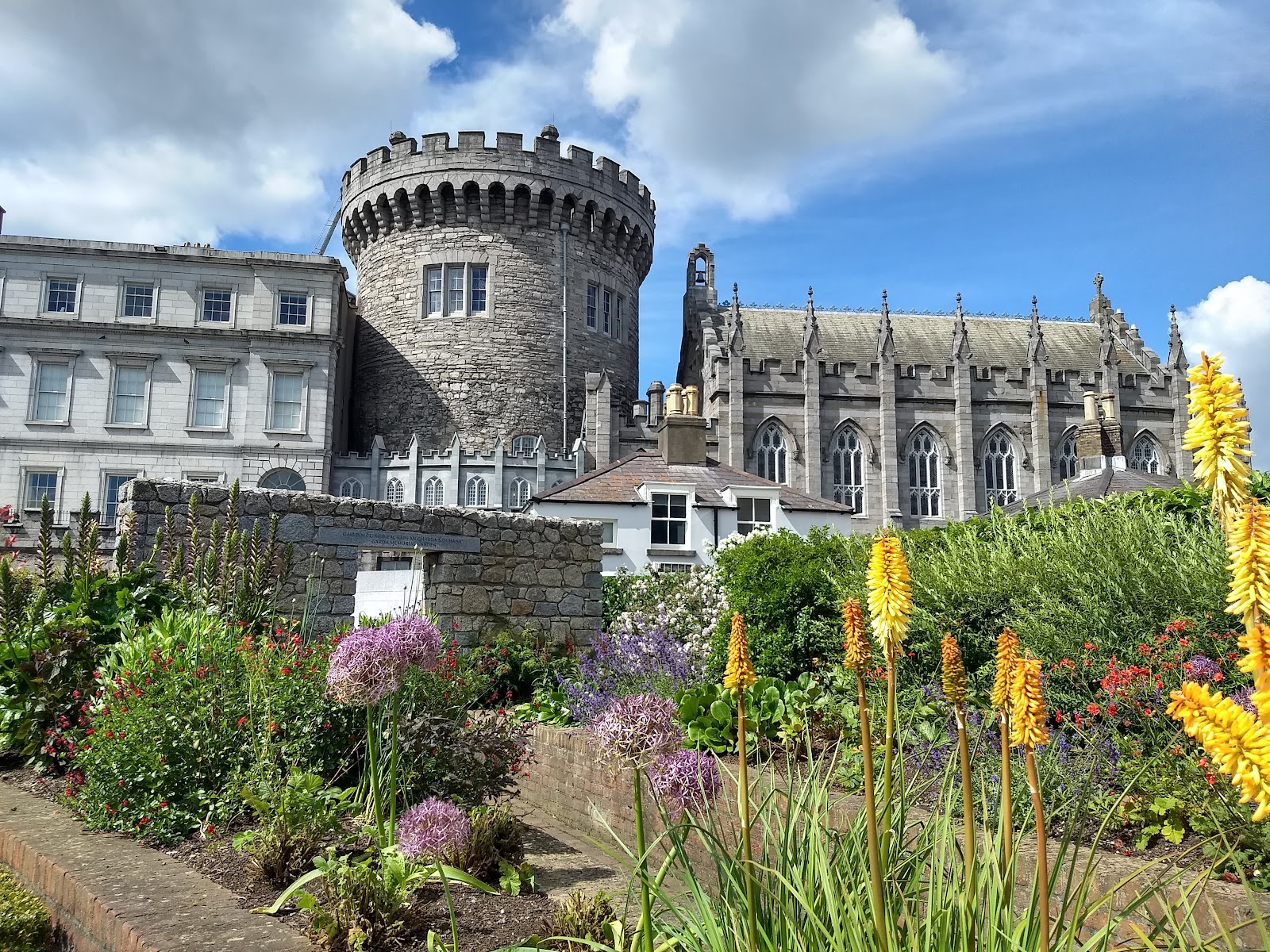
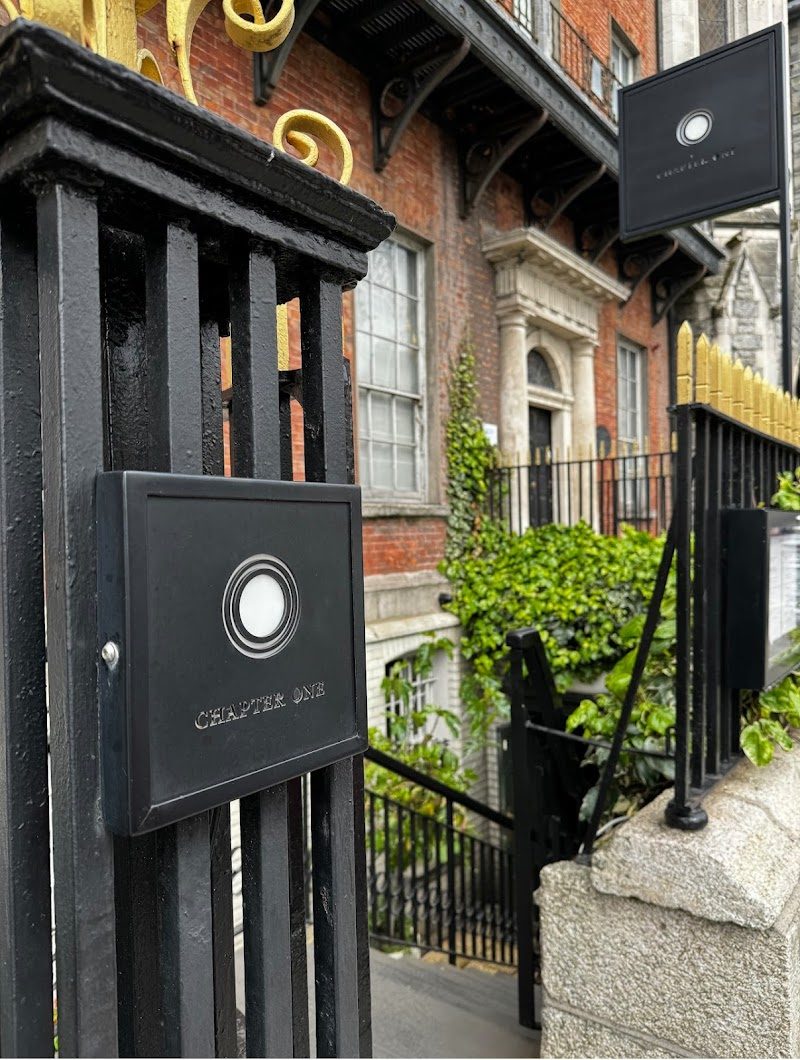
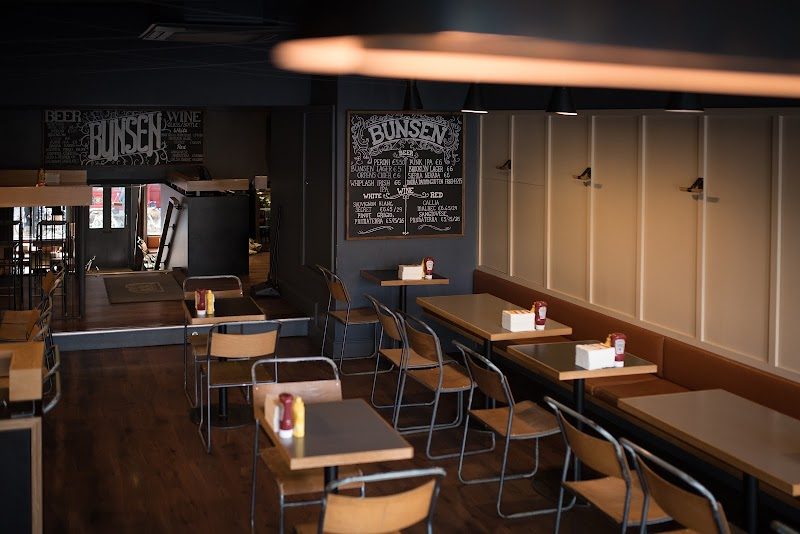
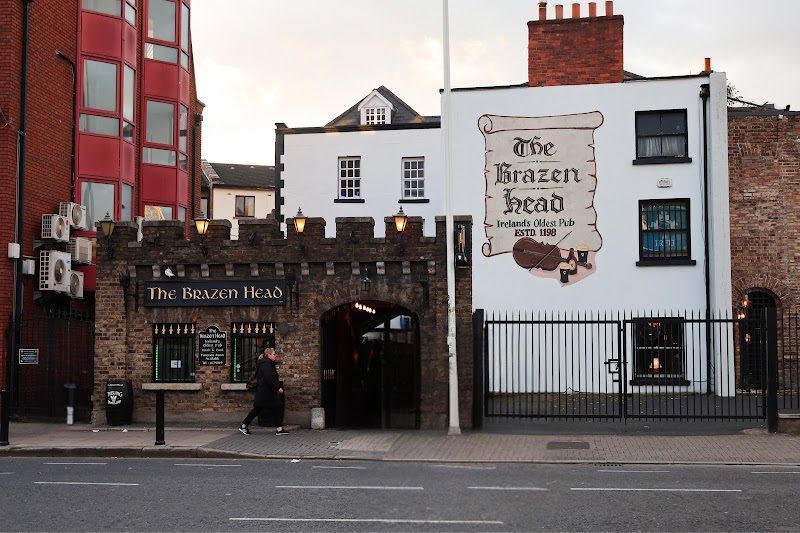
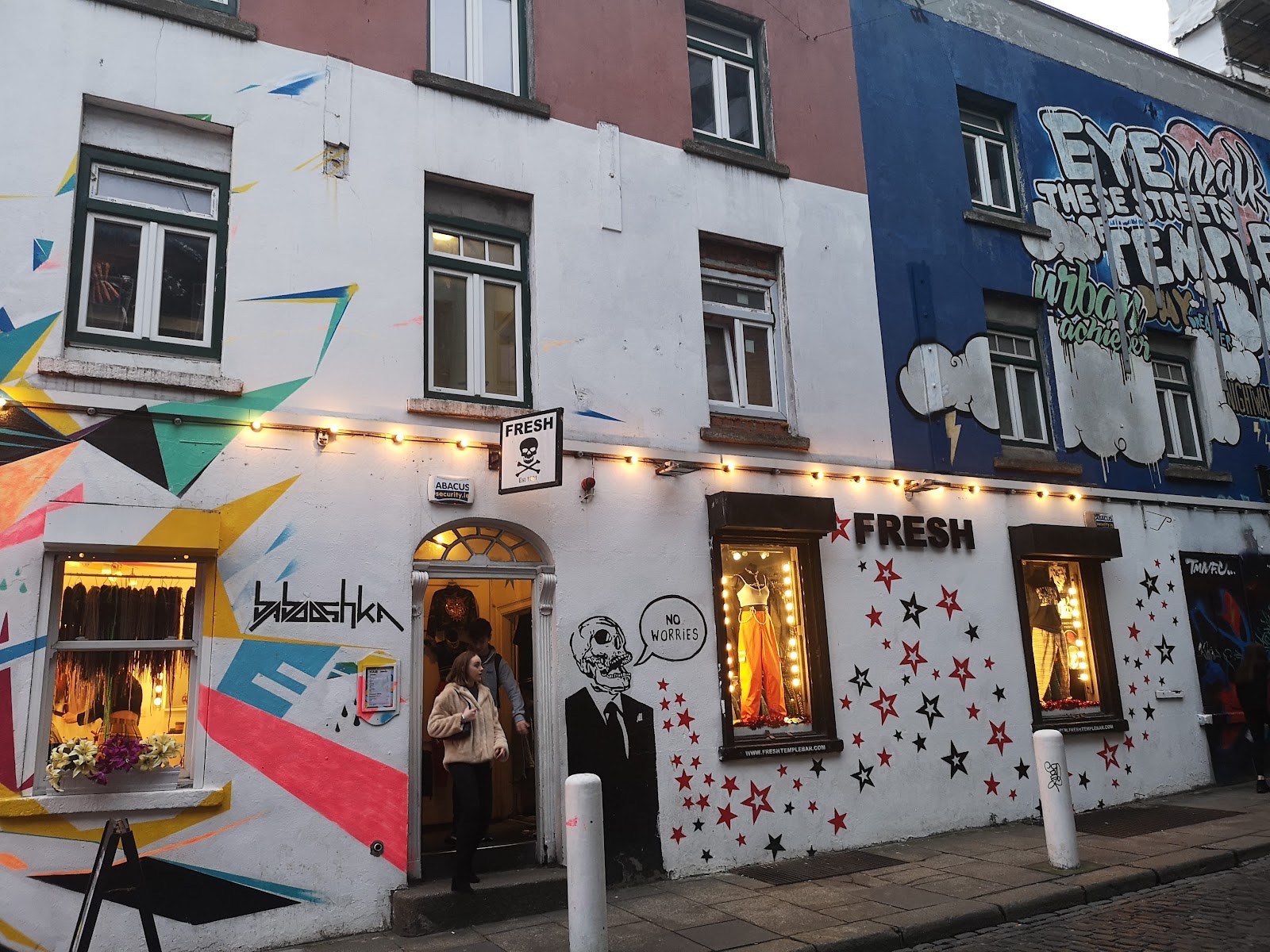
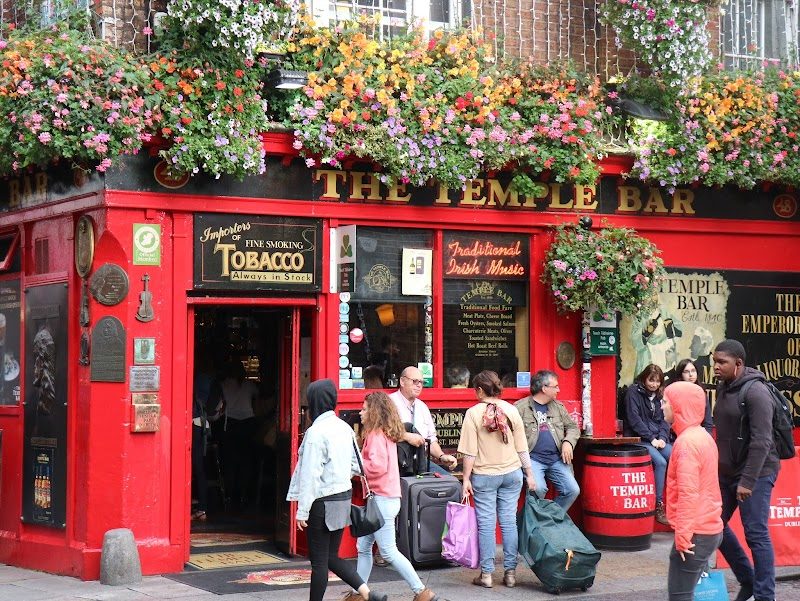
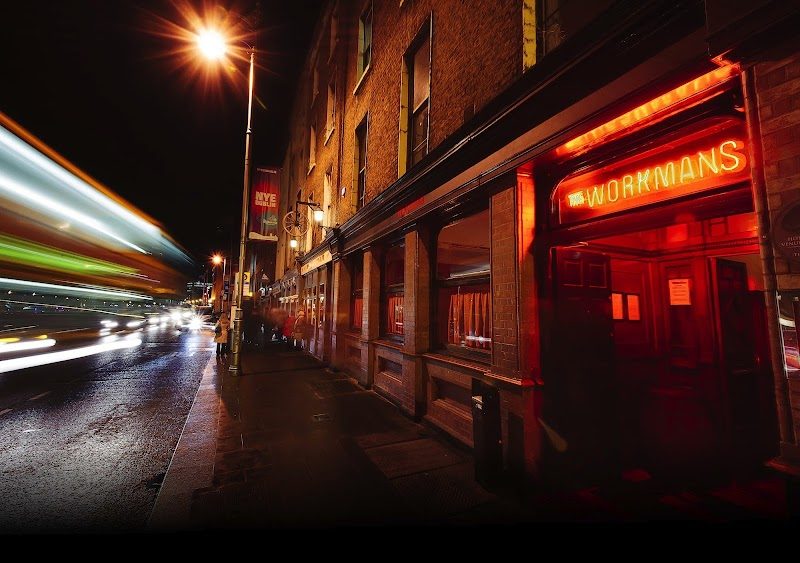
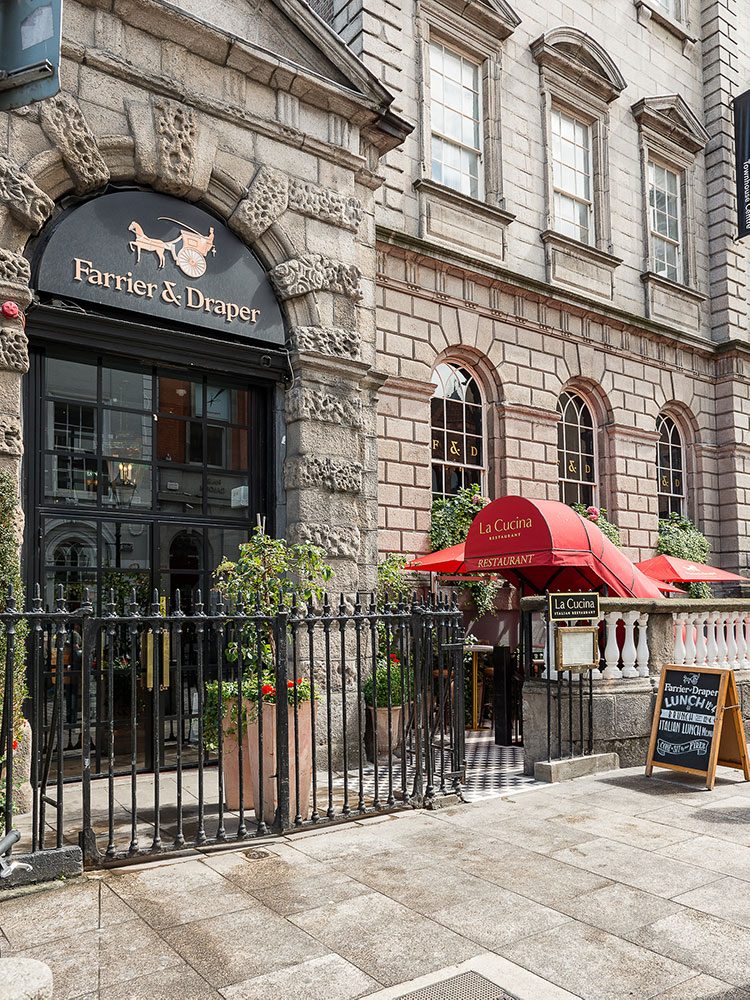
St. James's Gate'te 1759'da kurulan Guinness fabrikası, kentin sanayi tarihinin merkezinde duruyor. Temple Bar'ın arnavut kaldırımlı sokaklarında her akşam canlı müzik çalınıyor; Georgian tuğla cephelerin arkasında Michelin Starred restoranlar işletiliyor. Docklands bölgesindeki Silicon Docks'ta Google, Meta ve Stripe'ın Avrupa merkezleri bulunuyor; bu ofis blokları, birkaç sokak ötedeki yüz yıllık pub'larla aynı mahallede duruyor.
İklim okyanustan geliyor: değişken, nemli, ama nadiren aşırı. Yağmur günün herhangi bir saatinde başlayıp bitebiliyor; İrlandalılar bundan şikayet ediyor ama bu şikayet bir sohbet açma biçimi, gerçek bir rahatsızlıktan çok toplumsal bir alışkanlık.
When to Go
İklim ılıman okyanus tipinde seyrediyor: kışın nadiren sıfırın altına iniyor, yazın 25°C'yi geçmesi de sıradışı sayılıyor. Değişken ve nemli olması sabit; asıl fark mevsime göre gün uzunluğunda ve kalabalıkta ortaya çıkıyor.
Mayıs-Haziran: Gündüzler akşam 22:00'ye kadar aydınlık kalıyor, sıcaklık 15-20°C bandında geziniyor, parklar yeşiliyor. Bloomsday (16 Haziran) bu döneme denk geliyor.
Temmuz-Ağustos: Yılın en sıcak ayları ama 18-22°C beklentisi bile iyimser sayılabilir. Festival takvimi yoğunlaşıyor, turist sayısı ve Hotel fiyatları birlikte tırmanıyor.
Eylül: Kalabalık ve fiyatlar geriliyor, hava hâlâ elveriyor. Dublin Fringe Festival bu ayda düzenleniyor.
Ekim-Kasım: Günler kısalıyor, yağmur sıklaşıyor. Halloween'in kökeni sayılan Samhain geleneği, bu dönemde şehre kendine özgü bir kutlama havası katıyor.
Aralık-Şubat: Sıcaklık 3-8°C bandında, günler erken kararıyor. Noel döneminde Dublin'in ışık süslemeleri ve pub'ların şömineleri devreye giriyor, fiyatlar yılın en düşük seviyesine iniyor.
How to get there
Airway: Dublin Airport (DUB) is 12 km from the city centre. Türk Hava Yolları İstanbul Havalimanı'ndan (IST) direkt sefer işletiyor, uçuş süresi yaklaşık 4 saat 15 dakika. Pegasus ve Anadolujet dolaylı bağlantılar sunuyor. Ryanair'in merkez üssü Dublin olduğu için Avrupa içi ucuz bağlantı seçenekleri geniş.
Airport-City center transportation:
| Option |
Duration |
Cost |
Note |
| Dublin Express (Bus) |
30-40 min |
€7 |
He goes to O'Connell Street. The most practical option. |
| Airlink Express (747/757) |
35-45 min |
€7 |
Heuston Station or city centre. |
| Air coach |
30-50 min |
€8 |
It operates 24 hours a day, ideal for night flights. |
| Taxi |
20-35 min |
€25-35 |
Varies depending on traffic. |
| Uber / Free Now |
20-35 min |
€20-30 |
Available but similar price to taxi. |
Urban Transportation
Merkezdeki çoğu noktaya 20-30 dakikada yürünebiliyor; uzak noktalar için seçenekler de yeterince gelişmiş:
Luas (Tramvay): Yeşil hat güneydoğu-kuzeybatı, Kırmızı hat doğu-batı yönünde işliyor. Şehir içi ulaşımın omurgası sayılıyor, Leap Card ile ücret düşüyor.
Dublin Bus: Ağ geniş ama trafik yüzünden yavaşlıyor. Nakit kabul etmiyor; Leap Card veya TFI Go uygulaması gerekiyor.
DART (Banliyö Treni): Kıyı hattı Howth, Dun Laoghaire ve Bray'e bağlanıyor, güzergah boyunca deniz manzarası eşlik ediyor.
Leap Card: London'daki Oyster Card'ın muadili. Tüm toplu taşımada geçerli, günlük harcama tavanı €8 civarında. Havalimanındaki makinelerden temin ediliyor.
Walking: 5 minutes from Temple Bar to Grafton Street, 3 minutes from Trinity College, St. Stephen's Green'e 5 dakika sürüyor; merkez kompakt.
Dublin Bikes: Rental bike system with over 100 stations across the city. İlk 30 dakika ücretsiz; şehir düz olduğu için tercih edilebilir bir seçenek.
Accommodation Regions
Şehir küçük olduğu için doğru bölgeyi seçmek çoğu yere yürüme mesafesi kazandırıyor:
Temple Bar / City Centre: Pub'lara, restoranlara ve turistik noktalara yürüme mesafesinde. Gece, özellikle hafta sonu, gürültülü olabiliyor. Fiyatlar şehrin en yükseği burada.
O'Connell Street / North Side: GPO, Dublin Writers Museum ve EPIC Museum'a yakın. Güney yakaya kıyasla fiyat biraz daha uygun; Luas and DART connections are good. Henry Street shopping district is here.
Merrion Square / Ballsbridge: National Gallery, Merrion Square parkı ve büyükelçilik bölgesi çevresinde. Georgian mimarisi yoğun, sakin bir bölge; üst segment Hoteller burada kümeleniyor.
Smithfield / Stoneybatter: Jameson Distillery'nin bulunduğu, kafe ve bağımsız dükkânların yoğunlaştığı yükselen mahalleler. Merkeze yakın, fiyatlar daha uygun.
Portobello / Rathmines: Grand Canal kıyısındaki sakin mahalle. Brunch kültürü gelişmiş, merkeze 15-20 dakika yürüyüş mesafesinde.
Budget Plan (3 days, per person, EUR)
| Category |
Backpacker |
Medium |
Luxury |
| Accommodation (2 nights) |
€50-80 (Hostel) |
€200-350 (3-4★) |
€600+ (5★ Hotels) |
| Transportation (Leap Card) |
€15 |
€25 |
€80 (Taxi) |
| Food |
€40-60 (Pub grub + market) |
€100-160 |
€350+ (Fine Dining) |
| Entrance Tickets |
€30 (Guinness + Castle) |
€60 |
€120 (Private tours) |
| Nightlife |
€25 |
€50 |
€120+ |
| Total (3 days) |
€160-230 |
€435-645 |
€1270+ |
Dublin, London veya Paris kadar pahalı değil ama ucuz da sayılmaz. Pub'da bir pint Guinness €6-8, restoranda akşam yemeği kişi başı €25-40 bandında. Müzelerin bir kısmı ücretsiz. İrlanda Euro kullandığı için döviz çevirme derdi yok.
Practical Tips
** Güneşli başlayan bir gün öğlene kadar birkaç kez yağmur geçirebiliyor. Şemsiye rüzgârda ters dönüyor; rüzgârlık tipi ince bir yağmurluk daha işlevsel.
** İrlanda pub'ında servis barda başlıyor; garson beklemek zaman kaybettiriyor.
** Pub'da birileriyle sohbet edip bira ikram edildiyse, sıradaki turu siz ısmarlayın; bu karşılıklılık bir sosyal beklenti olarak işliyor.
** İki aşamada dökülüyor: önce %75, köpük oturduktan sonra tamamlanıyor. İlk yudumu köpükten almak yerleşik bir alışkanlık.
** Çoğu yerde temassız ödeme geçiyor ama küçük pub'lar ve pazar tezgahları hâlâ nakit istiyor; €50-100 yeterli.
- Trafik soldan akıyor. Yaya geçişlerinde önce sağa bakmak gerekiyor.
** Restoranlarda %10-15 bırakılabiliyor; pub'da bar servisine bahşiş bırakılmıyor.
- Tabelalar İrlandaca (Gaeilge) ve İngilizce çift dilde. Toplu taşımada "Lár" şehir merkezi, "Amach" çıkış anlamına geliyor.
Travel Guide with Children
0/5. Kompakt merkez, ücretsiz müzeler ve yeşil alanlar aile gezisini kolaylaştırıyor; bebek arabasıyla Temple Bar'ın arnavut kaldırımlı sokaklarında ilerlemek ise zorlanıyor.
Recommendations by Age Group
0-3 years: St. Stephen's Green ve Merrion Square parkları güvenli oyun alanları sunuyor. Dublin Zoo (Phoenix Park içinde) bu yaş grubunun hayvanları yakından görmesine olanak tanıyor. Bebek arabası merkezdeki düz caddelerde sorunsuz ilerliyor, Temple Bar'ın dar sokaklarında zorlanıyor.
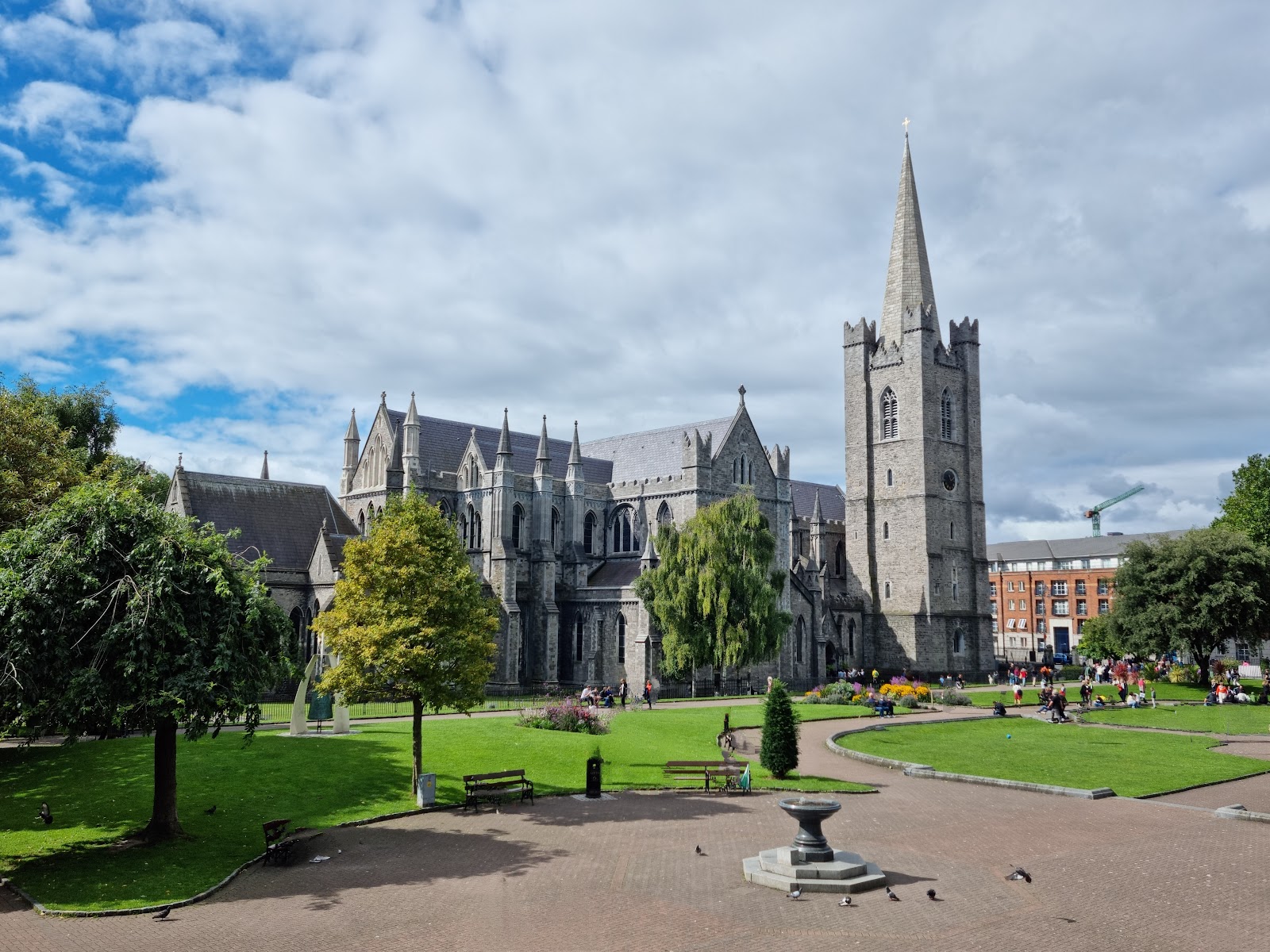
4-7 yaş: Dublin Zoo tam gün sürüyor; penguen besleme gösterileri ve Afrika savanası bölümü bu yaş grubunun ilgisini çekiyor. Christ Church yanındaki Dublinia, Viking ve Ortaçağ temasını interaktif sergilerle anlatıyor.
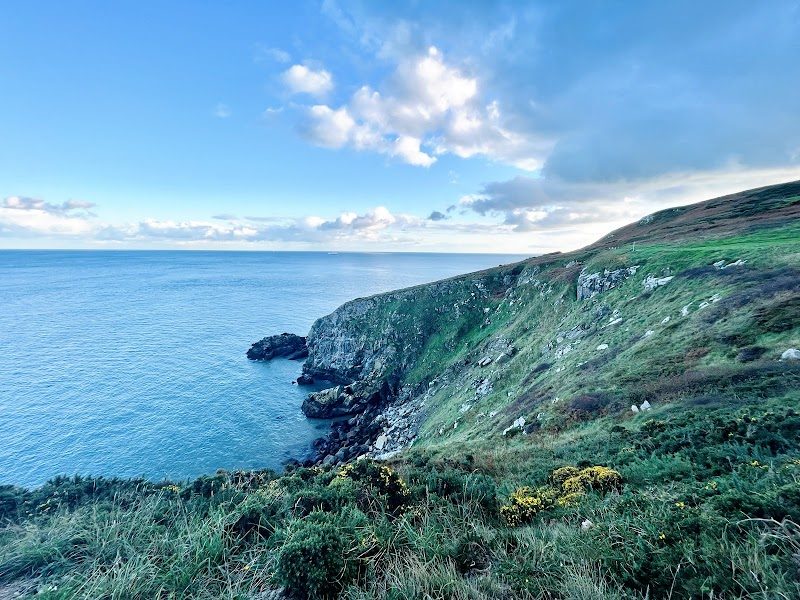
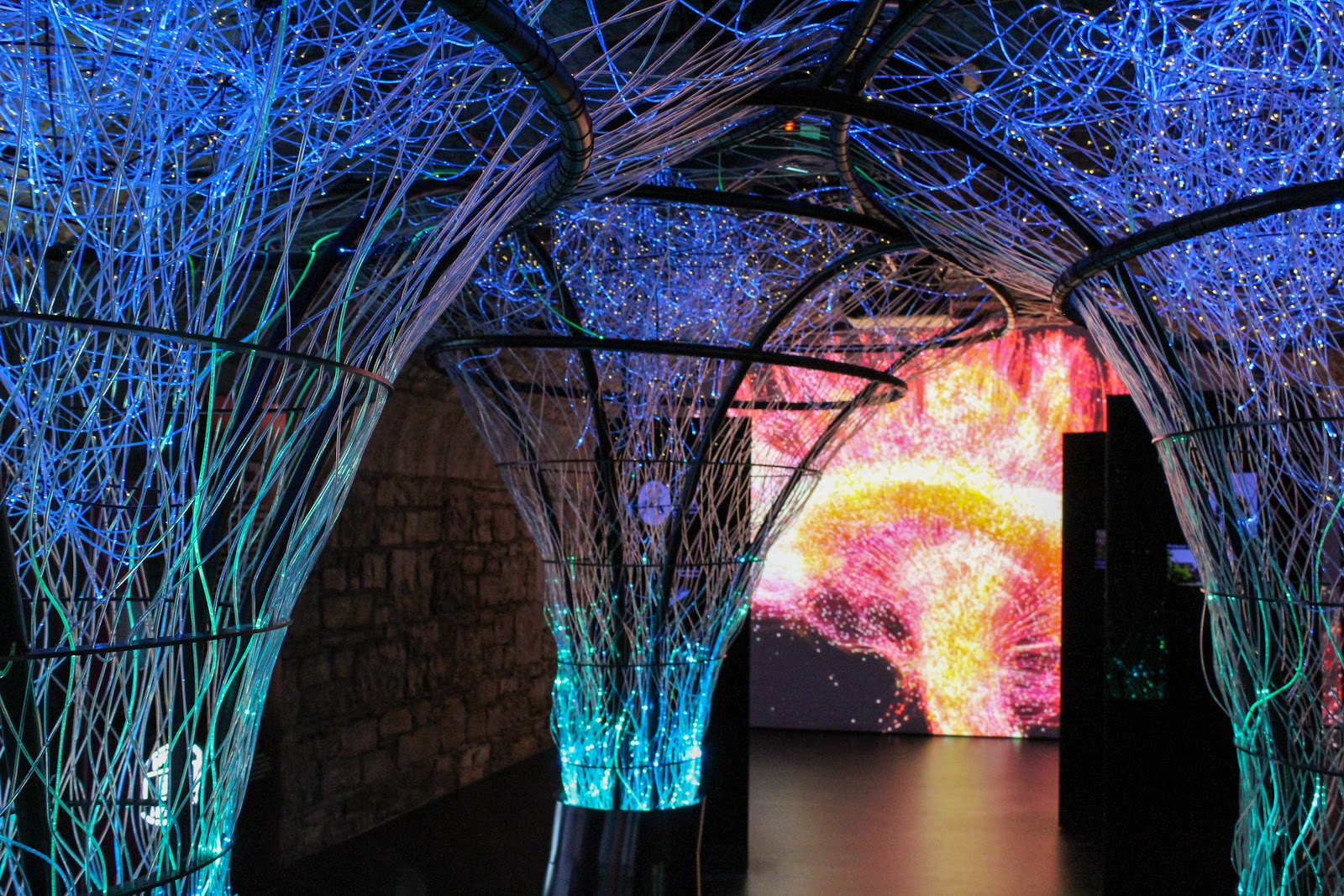
8-12 yaş: EPIC Museum'un dokunmatik sergileri bu yaş grubuna hitap ediyor. Howth falez yürüyüşü macera hissi katıyor. Viking Splash Tour, amfibik araçla kara ve nehir turunu birleştiriyor.
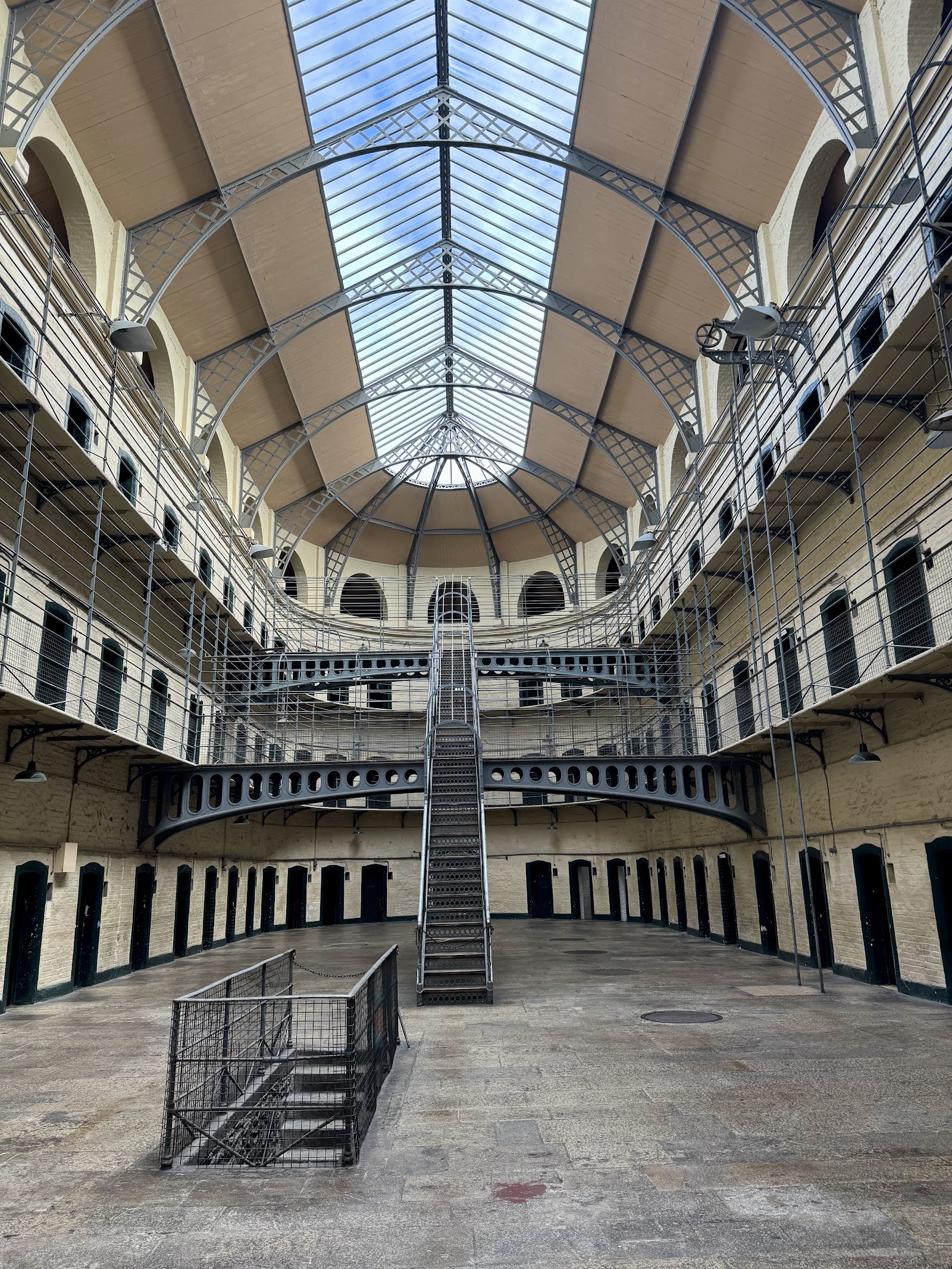
13+ yaş: Kilmainham Gaol'un tarihi gençlerin ilgisini çekiyor. Grafton Street'teki sokak müzisyenleri ve Temple Bar'ın enerjisi bu yaş grubuna cazip geliyor. Guinness Storehouse 18 yaş altına alkol servisi yapmıyor ama sergiyi herkes geziyor.
Top 5 Kid-Friendly Activities
Dublin Zoo (Phoenix Park) — 60 hektarlık alanda 400'den fazla hayvan, Afrika savanası bölümü ve tropikal kuş evi bulunuyor. There are restaurants and picnic areas inside.
Dublinia — Viking ve Ortaçağ Dublin'ini interaktif sergilerle anlatıyor. Çocuklar kılıç tutabiliyor, Viking kıyafeti giyebiliyor.
National Museum of Ireland – Natural History — Merrion Street'teki bu müze "Dead Zoo" lakabıyla anılıyor. Dev iskeletler ve doldurulmuş hayvan koleksiyonu ücretsiz gezilebiliyor.
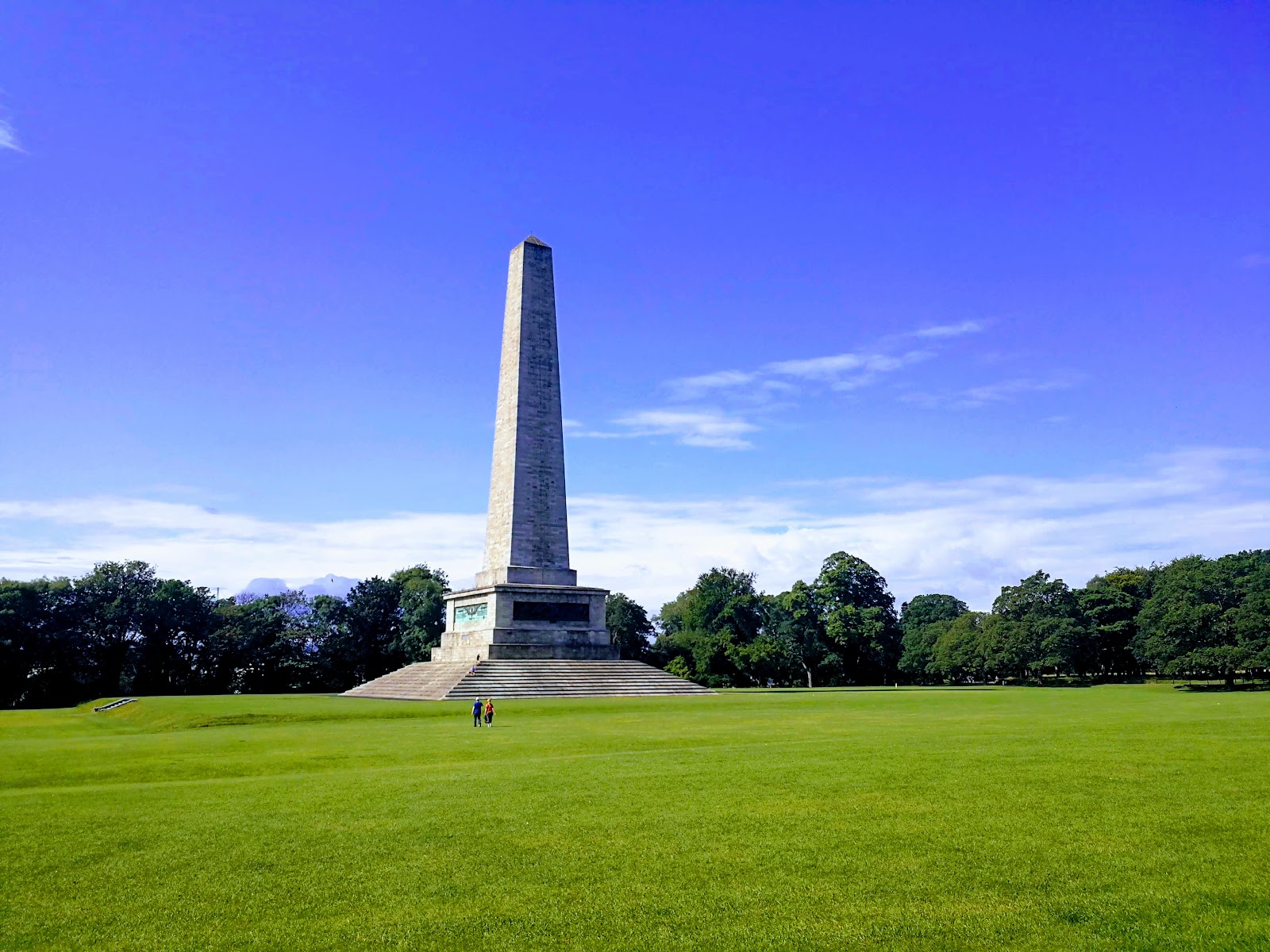
Phoenix Park ve Geyikler — 707 hektarlık parkta 1660'lardan beri yaşayan yaban geyik sürüsüyle karşılaşılıyor. Bisiklet kiralanabiliyor, çocuk oyun alanları mevcut.
Viking Splash Tour — İkinci Dünya Savaşı'ndan kalma amfibik araçla kara ve su turu birleşiyor. 75 dakikalık bir tur.
Practical Information
Bebek arabası: Şehir merkezindeki ana caddeler düz ve uygun; Temple Bar'ın arnavut kaldırımlı dar sokakları zorlu. Luas tramvayı bebek arabasına uygun, Dublin Bus'ta da yer ayrılıyor.
Çocuk menüsü: İrlanda restoranlarının çoğunda çocuk menüsü sunuluyor. Pub'ların bir kısmı çocukları 21:00'a kadar kabul ediyor, önceden sormak gerekiyor.
Çocuk bileti indirimleri: 5 yaş altı çoğu müzeye ve toplu taşımaya ücretsiz giriyor. 5-15 yaş arası indirimli bilet uygulanıyor, Leap Card'ın çocuk versiyonu mevcut.
Tuvalet: Alışveriş merkezlerinde ve müzelerde ücretsiz tuvalet bulunuyor. Sokakta bulmak zorlaşıyor; en yakın kafeden istemek ya da Grafton Street'teki alışveriş merkezlerine girmek pratik bir çözüm.
Warnings
- Hava hızlı değişiyor; çocuklar için yedek kıyafet ve yağmurluk taşınmalı.
- Temple Bar bölgesi gece, özellikle hafta sonu, kalabalıklaşıyor ve gürültü artıyor; küçük çocuklarla geç saatte dolaşmak önerilmiyor.
- Phoenix Park geniş; çocukla yürümek yoruyor, bisiklet kiralamak alternatif oluşturuyor.
- Howth Cliff Walk'ta kenar korkuluğu yok; küçük çocukların elinden tutmadan yürünmemeli.
Local Label and Culture Notes
Pub'da bir pint alıp oturduğunuzda yanınızdaki kişinin sohbet başlatması olağan bir davranış; İrlanda'da bu bir zorlama değil, günlük sosyalleşme biçimi. Karşılık vermek ve bir sonraki turu ısmarlamak beklenen bir karşılıklılık.
"Craic" (krek diye okunur) kelimesi sık duyulan bir ifade; eğlence, muhabbet, keyifli vakit geçirme anlamına geliyor. Size sorulduğunda olumlu bir cevap vermek, sohbeti sürdürmenin en kısa yolu.
Pub'larda son sipariş zamanı barmen tarafından ilan ediliyor, genellikle 23:00-23:30 civarında. Alkol satış saatleri kanunla düzenlendiği için barda kalan içkiyle yetinmek gerekiyor; gece kulüpleri 02:00-03:00'e kadar açık kalabiliyor.
Sigara yasağı kapalı alanlarda sıkı uygulanıyor; pub önündeki beer garden veya kaldırım kısmı sigara içenlere ayrılıyor.
İrlandalılar İngilizlerle karıştırılmaktan hoşlanmıyor; iki ülke arasındaki tarih karmaşık ve hassas bir konu, bu yönde sorulardan kaçınmak yerinde oluyor.
FAQ
How many days to visit Dublin?
Şehir merkezini kapsamlı gezmek için 3 gün yetiyor. Howth veya Wicklow Dağları gibi günübirlik gezileri eklemek isteyenler 5-7 gün planlıyor. Pub kültürünü deneyimlemek için birkaç akşam ayırmak gerekiyor; bir gecede yeterli olmuyor.
Is an Irish visa required? Is a Schengen visa valid?
İrlanda Schengen bölgesinde değil, kendi vize sistemini uyguluyor. Bordo pasaport sahipleri İrlanda vizesi başvurusu yapmak zorunda; Schengen vizesiyle İrlanda'ya giriş yapılamıyor. Yeşil pasaport sahipleri güncel durumu büyükelçilikten teyit etmeli.
Is Dublin expensive?
Orta-üst segment bir şehir; London veya Paris kadar pahalı değil ama Prague veya Budapest kadar da ucuz değil. Günlük €50-70 kişi başı (ulaşım, yemek, giriş) ile idare ediliyor. Pub'da bir pint €6-8, restoranda akşam yemeği €25-40 arasında değişiyor.
Is Guinness really different in Dublin?
Fabrikanın hemen yanında, taze ve doğru sıcaklıkta servis edildiği için fark hissediliyor. Servisin geri kalanı atmosferden geliyor; canlı müzik eşliğinde bir pub'da içilen Guinness farklı bir deneyime dönüşüyor.
Is it possible to get around Dublin without knowing English?
Herkes İngilizce konuşuyor, İrlandaca günlük hayatta yaygın kullanılmıyor ama tabelalar çift dilde. Temel İngilizce yeterli oluyor; aksan bazen güçlü çıkabiliyor, anlaşılmadığında tekrar edilmesi isteniyor.
Which season should I go?
Mayıs-Eylül en elverişli dönem sayılıyor; günler uzun, festivaller yoğunlaşıyor. Kış aylarında Noel süslemeleri ve düşük fiyatlar öne çıkıyor. Hangi mevsimde gidilirse gidilsin yağmurluk taşınması öneriliyor.
Is the electrical outlet different?
İrlanda, İngiltere ile aynı Tip G prizini kullanıyor; üç dikdörtgen pinli büyük fiş. Türkiye'deki prizler uymuyor, adaptörün Türkiye'den alınması havalimanı fiyatlarından daha ekonomik oluyor.
Where to go on a day trip from Dublin?
5 saat), Malahide Castle (30 dakika), Kilkenny (2 saat tren) ve Belfast (2 saat tren) en çok tercih edilen seçenekler. Cliffs of Moher günübirlik için zorlayıcı ama organize turlarla mümkün oluyor (12+ saat).